
This framework is developed by a team of former McKinsey and Big 4 consultants. The presentation follows the headline-body-bumper slide format used by global consulting firms.
TOGAF (The Open Group Architecture Framework) PPT: Learn enterprise architecture, ADM method, and tools. Download this detailed presentation with slide templates. TOGAF (The Open Group Architecture Framework) is a 33-slide PPT PowerPoint presentation slide deck (PPTX) available for immediate download upon purchase.
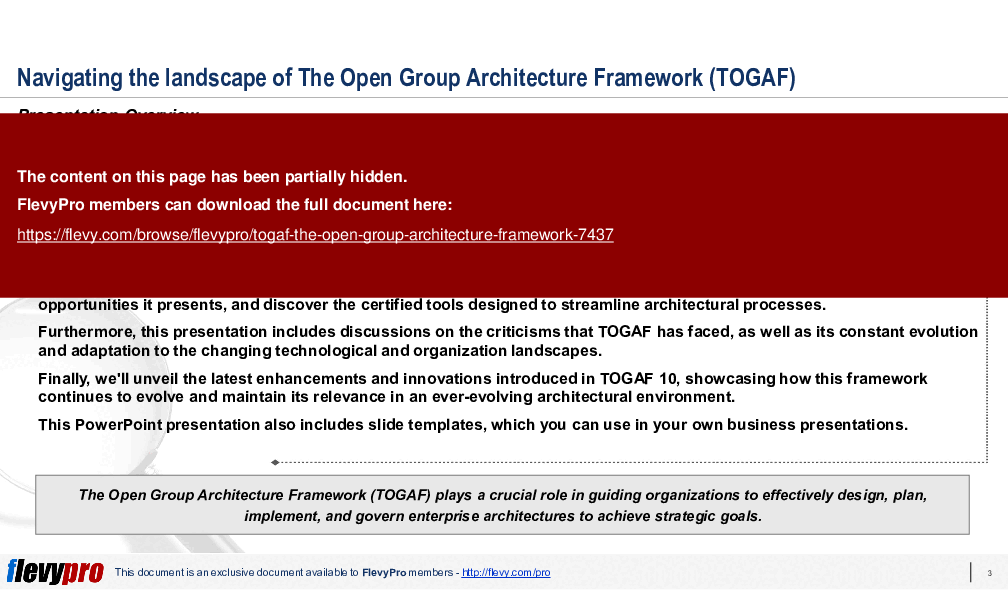
In this presentation, we discuss the intricate landscape of TOGAF, The Open Group Architecture Framework. TOGAF stands as a definitive guide and approach to enterprise architecture, offering a structured methodology to design, plan, implement, and govern architectures that align with organization goals and technology landscapes.
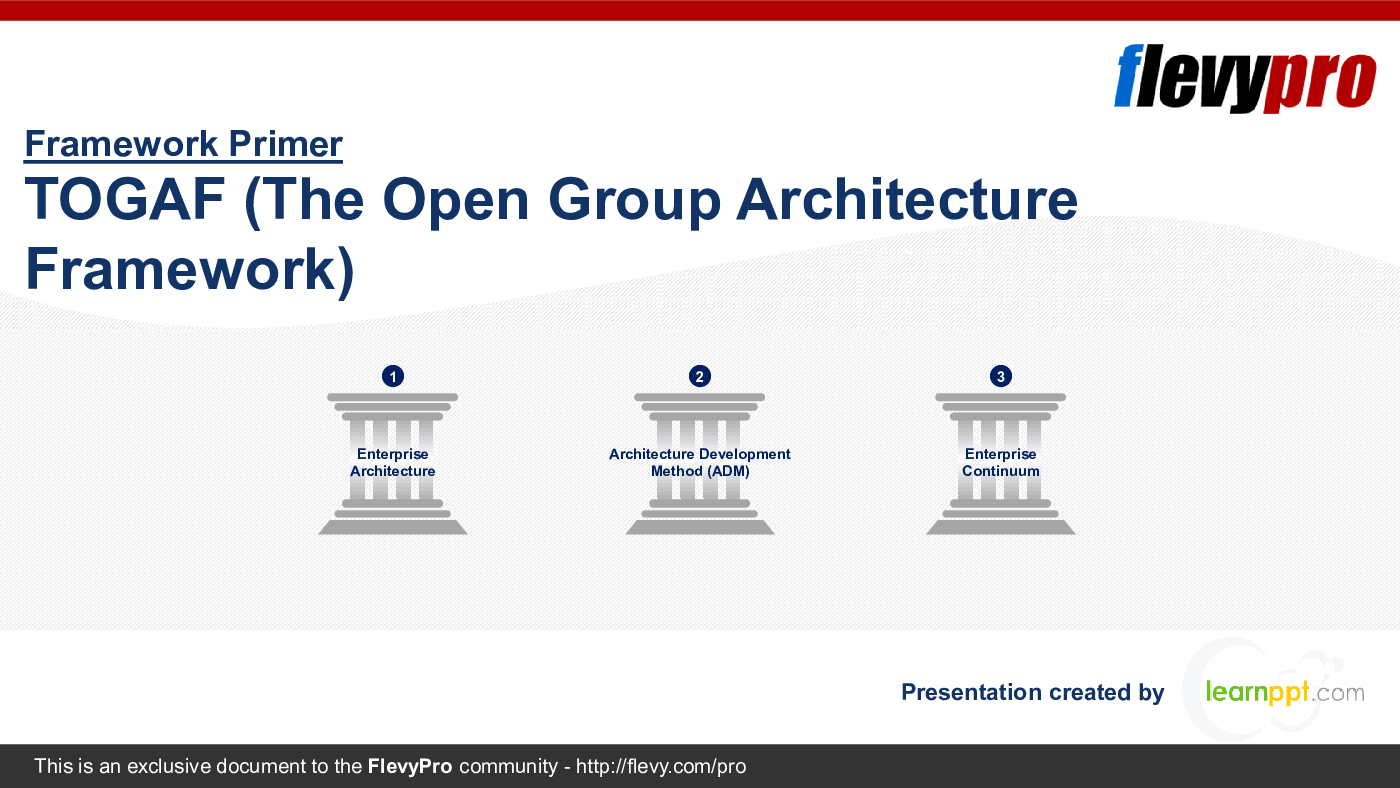
In this PowerPoint presentation, we will talk about the 3 pillars of TOGAF which are the:
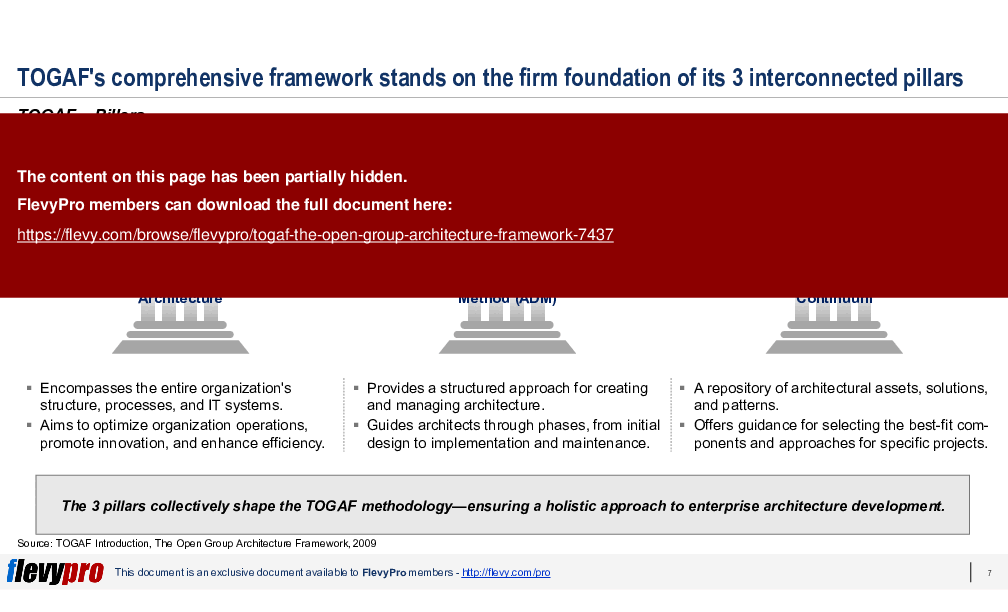
1. Enterprise Architecture – EA encompasses the entire organization's structure, processes, and IT systems. EA aims to optimize organization operations, promote innovation, and enhance efficiency.
2. Architecture Development Method (ADM) – ADM Provides a structured approach for creating and managing architecture. It guides architects through phases, from initial design to implementation and maintenance.
3. Enterprise Continuum – This is a repository of architectural assets, solutions, and patterns.
It offers guidance for selecting the best-fit com-ponents and approaches for specific projects.
The 3 pillars collectively shape the TOGAF methodology—ensuring a holistic approach to enterprise architecture development.
As we delve into the depths of TOGAF, we'll uncover its origins, examine more of its key pillars, navigate through its Architecture Development Method (ADM), explore the diverse roles it entails, delve into the certification and training opportunities it presents, and discover the certified tools designed to streamline architectural processes.
Furthermore, this presentation includes discussions on the criticisms that TOGAF has faced, as well as its constant evolution and adaptation to the changing technological and organization landscapes.
Finally, we'll unveil the latest enhancements and innovations introduced in TOGAF 10, showcasing how this framework continues to evolve and maintain its relevance in an ever-evolving architectural environment.
This PowerPoint presentation also includes slide templates, which you can use in your own business presentations.
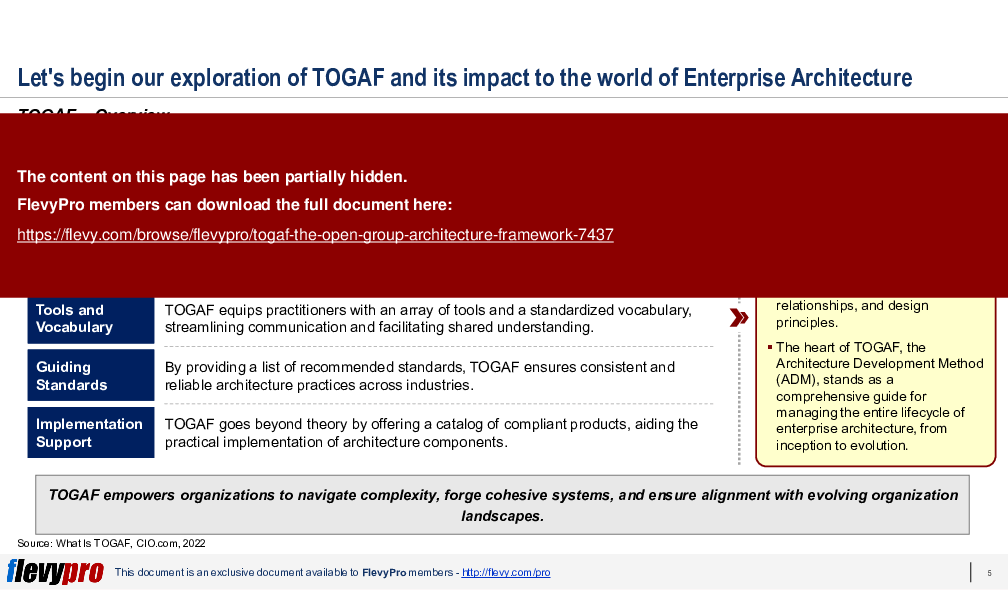
The TOGAF framework comprises 3 foundational pillars for enhancing enterprise architecture practices. The first pillar, Enterprise Architecture, focuses on optimizing organizational structure, processes, and IT systems to improve efficiency and resource allocation. The second pillar, Architecture Development Method (ADM), provides a structured methodology for managing architecture from design to implementation, minimizing risks associated with changes. The third pillar, Enterprise Continuum, serves as a repository for architectural assets and solutions, guiding organizations in selecting appropriate components for projects. Together, these pillars enable organizations to navigate the complexities of enterprise architecture and enhance their adaptability in a dynamic business environment.
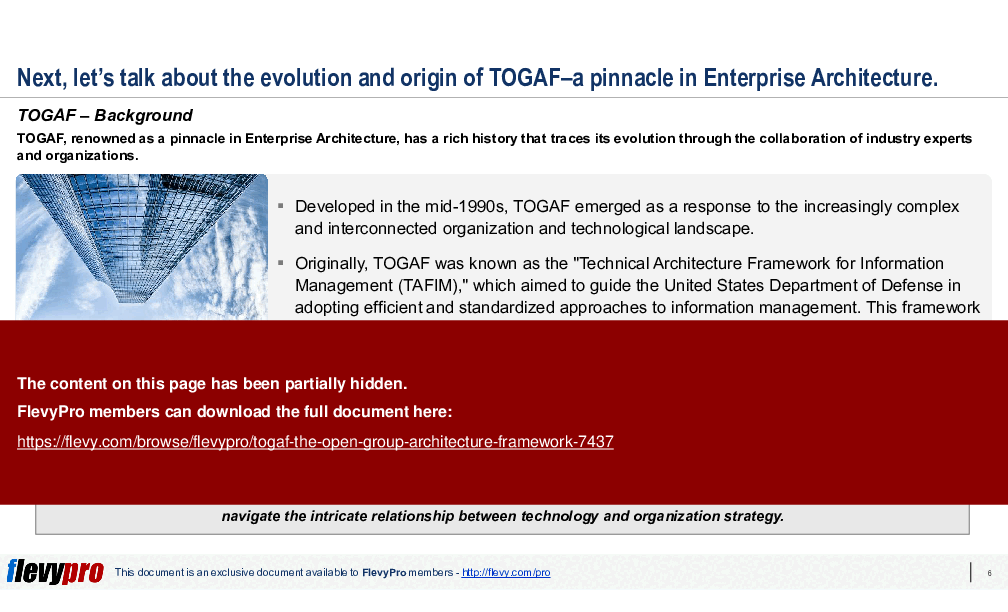
This PPT slide outlines the Architecture Development Method (ADM) within the TOGAF framework, detailing its ten-phase structure. The preliminary phase, "Prelim," establishes foundational principles for subsequent phases. Phase A, "Architecture Vision," focuses on defining a clear vision for architecture efforts. Phase B, "Business Architecture," aligns business strategies with architectural goals to support objectives effectively. Phase C, "Information System Architectures," and Phase D, "Technology Architecture," integrate technology solutions with business needs. Phases E and F, "Opportunities and Solutions" and "Migration Planning," identify potential solutions and plan transitions. The final phases, G and H, "Implementation Governance" and "Architecture Change Management," ensure correct implementation and ongoing management to adapt to changing business requirements.
The TOGAF framework defines ten distinct roles in architecture, focusing on the latter half. The Business Architect aligns business strategies with architectural solutions, translating organizational objectives into actionable frameworks. The Data Architect manages data integrity through modeling and governance, establishing robust practices for informed decision-making. The Application Architect designs application components and interactions, ensuring software solutions meet organizational requirements and integrate seamlessly. The Technology Architect defines technology infrastructure and standards, aligning components with organizational needs to support operational efficiency. The Project Manager oversees architecture projects, coordinating efforts among stakeholders to maintain alignment and achieve outcomes. Each role is essential for enhancing architectural frameworks and driving successful outcomes.
The Architecture Development Method (ADM) is a core component of the TOGAF framework, providing a structured roadmap for developing enterprise architecture. It features a systematic approach where each phase builds on insights from previous phases, ensuring cohesive development. ADM emphasizes a holistic view, aligning technology, processes, and organizational objectives for comprehensive architecture. The method is iterative and incremental, allowing architects to refine components based on evolving insights and requirements. Its flexibility enables customization to meet specific organizational needs. ADM covers a wide range of considerations, from high-level strategy to detailed implementation, ensuring resilient architectural outcomes.
Source: Best Practices in Enterprise Architecture PowerPoint Slides: TOGAF (The Open Group Architecture Framework) PowerPoint (PPTX) Presentation Slide Deck, LearnPPT Consulting
This framework is developed by a team of former McKinsey and Big 4 consultants. The presentation follows the headline-body-bumper slide format used by global consulting firms.
For $10.00 more, you can download this document plus 2 more FlevyPro documents. That's just $13 each.
ABOUT FLEVYPRO
This document is part of the FlevyPro Library, a curated knowledge base of documents for our FlevyPro subscribers.
FlevyPro is a subscription service for on-demand business frameworks and analysis tools. FlevyPro subscribers receive access to an exclusive library of curated business documents—business framework primers, presentation templates, Lean Six Sigma tools, and more—among other exclusive benefits.
The average daily rate of a McKinsey consultant is $6,625 (not including expenses). The average price of a Flevy document is $65.
Trusted by over 10,000+ Client Organizations
Since 2012, we have provided business templates to over 10,000 businesses and organizations of all sizes, from startups and small businesses to the Fortune 100, in over 130 countries.
"Flevy.com has proven to be an invaluable resource library to our Independent Management Consultancy, supporting and enabling us to better serve our enterprise clients.
The value derived from our [FlevyPro] subscription in terms of the business it has helped to gain far exceeds the investment made, making a subscription a no-brainer for any growing consultancy – or in-house strategy team."
– Dean Carlton, Chief Transformation Officer, Global Village Transformations Pty Ltd.
"Flevy is our 'go to' resource for management material, at an affordable cost. The Flevy library is comprehensive and the content deep, and typically provides a great foundation for us to further develop and tailor our own service offer."
– Chris McCann, Founder at Resilient.World
"Flevy is now a part of my business routine. I visit Flevy at least 3 times each month.
Flevy has become my preferred learning source, because what it provides is practical, current, and useful in this era where the business world is being rewritten.

many challenges and there is the need to make the right decisions in a short time, with so much scattered information, we are fortunate to have Flevy. Flevy investigates, selects, and puts at our disposal the best of the best to help us be successful in our work.
"
– Omar Hernán Montes Parra, CEO at Quantum SFE
"My FlevyPro subscription provides me with the most popular frameworks and decks in demand in today’s market. They not only augment my existing consulting and coaching offerings and delivery, but also keep me abreast of the latest trends, inspire new products and service offerings for my practice, and educate me
in a fraction of the time and money of other solutions. I strongly recommend FlevyPro to any consultant serious about success.
"
– Bill Branson, Founder at Strategic Business Architects
"As a young consulting firm, requests for input from clients vary and it's sometimes impossible to provide expert solutions across a broad spectrum of requirements. That was before I discovered Flevy.com.
Through subscription to this invaluable site of a plethora of topics that are key and crucial to consulting, I
have been able to exceed expectations and deliver quality advice and solutions to my clients. The quality and expertise of the authors are exemplary and gives me great confidence to use as part of my service offerings.
I highly recommend this company for any consultant wanting to apply international best practice standards in their service offerings.
"
– Nishi Singh, Strategist and MD at NSP Consultants
"[Flevy] produces some great work that has been/continues to be of immense help not only to myself, but as I seek to provide professional services to my clients, it gives me a large "tool box" of resources that are critical to provide them with the quality of service and outcomes they are expecting."
– Royston Knowles, Executive with 50+ Years of Board Level Experience
"FlevyPro provides business frameworks from many of the global giants in management consulting that allow you to provide best in class solutions for your clients."
– David Harris, Managing Director at Futures Strategy
"I like your product. I'm frequently designing PowerPoint presentations for my company and your product has given me so many great ideas on the use of charts, layouts, tools, and frameworks. I really think the templates are a valuable asset to the job."
– Roberto Fuentes Martinez, Senior Executive Director at Technology Transformation Advisory
Download our FREE Digital Transformation Templates
Download our free compilation of 50+ Digital Transformation slides and templates. DX concepts covered include Digital Leadership, Digital Maturity, Digital Value Chain, Customer Experience, Customer Journey, RPA, etc.