
TOGAF (The Open Group Architecture Framework)   33-slide PPT PowerPoint presentation slide deck (PPTX)
$29.00

TOGAF (The Open Group Architecture Framework) (33-slide PPT PowerPoint presentation slide deck (PPTX)) Preview Image
Log in to unlock full preview.
TOGAF (The Open Group Architecture Framework) (33-slide PPT PowerPoint presentation slide deck (PPTX)) Preview Image
Arrow   Click main image to view in full screen.

TOGAF (The Open Group Architecture Framework) (PowerPoint PPTX Slide Deck)

PowerPoint (PPTX) 33 Slides FlevyPro Document

#2 in TOGAF $29.00
FlevyPro price: FREE (included in subscription)
This framework is developed by a team of former McKinsey and Big 4 consultants. The presentation follows the headline-body-bumper slide format used by global consulting firms.
Add to Cart


Immediate download
Free lifetime updates

ENTERPRISE ARCHITECTURE PPT DESCRIPTION

Editor Summary 33-slide PowerPoint presentation (PPTX) outlining TOGAF (The Open Group Architecture Framework), its Architecture Development Method (ADM), the 3 foundational pillars, and the Enterprise Continuum. Read more

In this presentation, we discuss the intricate landscape of TOGAF, The Open Group Architecture Framework. TOGAF stands as a definitive guide and approach to enterprise architecture, offering a structured methodology to design, plan, implement, and govern architectures that align with organization goals and technology landscapes.

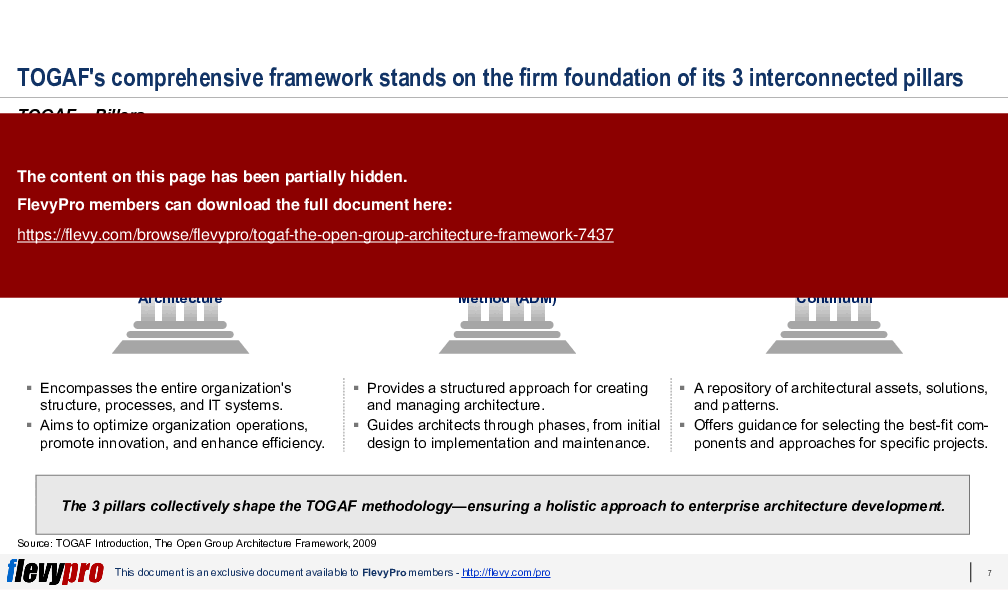
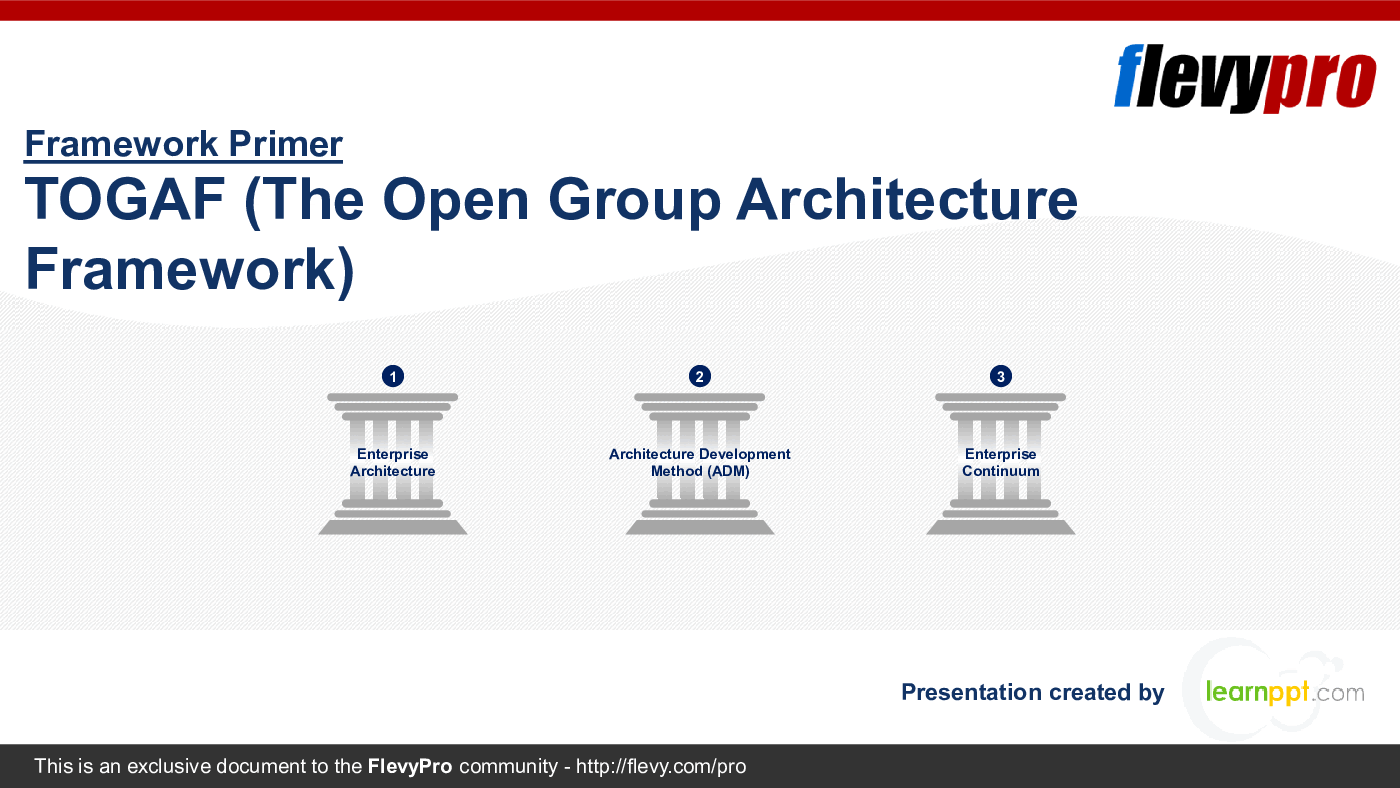
In this PowerPoint presentation, we will talk about the 3 pillars of TOGAF which are the:

1. Enterprise Architecture – EA encompasses the entire organization's structure, processes, and IT systems. EA aims to optimize organization operations, promote innovation, and enhance efficiency.

2. Architecture Development Method (ADM) – ADM Provides a structured approach for creating and managing architecture. It guides architects through phases, from initial design to implementation and maintenance.

3. Enterprise Continuum – This is a repository of architectural assets, solutions, and patterns.
It offers guidance for selecting the best-fit com-ponents and approaches for specific projects.

The 3 pillars collectively shape the TOGAF methodology—ensuring a holistic approach to enterprise architecture development.

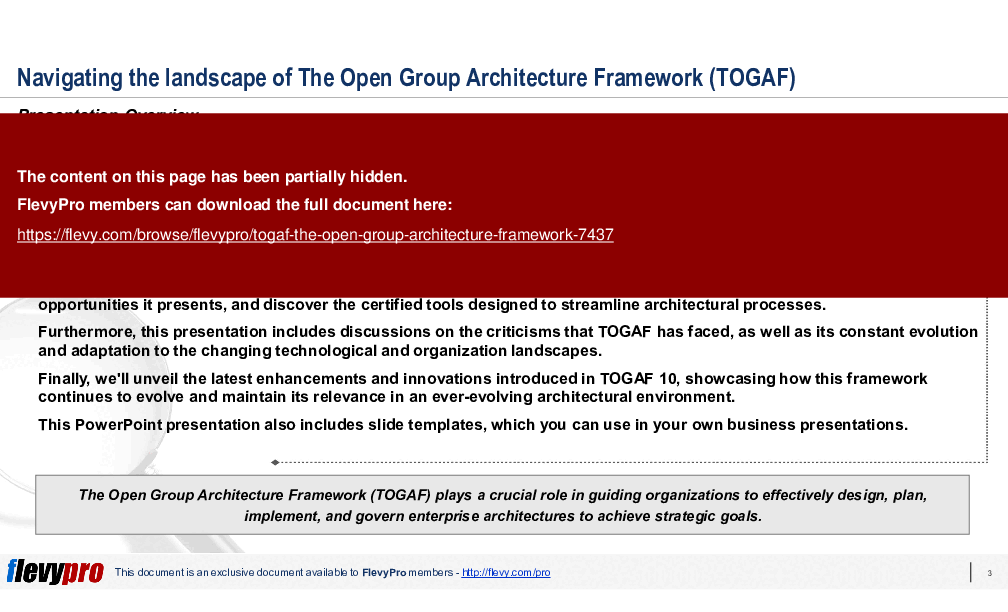
As we delve into the depths of TOGAF, we'll uncover its origins, examine more of its key pillars, navigate through its Architecture Development Method (ADM), explore the diverse roles it entails, delve into the certification and training opportunities it presents, and discover the certified tools designed to streamline architectural processes.

Furthermore, this presentation includes discussions on the criticisms that TOGAF has faced, as well as its constant evolution and adaptation to the changing technological and organization landscapes.

Finally, we'll unveil the latest enhancements and innovations introduced in TOGAF 10, showcasing how this framework continues to evolve and maintain its relevance in an ever-evolving architectural environment.

This PowerPoint presentation also includes slide templates, which you can use in your own business presentations.

Got a question about this document? Email us at flevypro@flevy.com.

MARCUS OVERVIEW

This synopsis was written by Marcus [?] based on the analysis of the full 33-slide presentation.


Executive Summary
The TOGAF (The Open Group Architecture Framework) presentation serves as an essential resource for understanding enterprise architecture. This comprehensive PowerPoint deck outlines the Architecture Development Method (ADM), the 3 foundational pillars of TOGAF, and the Enterprise Continuum. It provides actionable insights for corporate executives, integration leaders, and consultants looking to implement effective architectural practices. Users will gain the ability to design, plan, implement, and govern enterprise architectures that align with organizational goals and technological landscapes.

Who This Is For and When to Use
•  Corporate executives overseeing enterprise architecture initiatives
•  Integration leaders responsible for aligning IT and business strategies
•  Consultants advising organizations on architectural frameworks
•  Project managers coordinating architecture development processes

Best-fit moments to use this deck:
•  During enterprise architecture training sessions
•  When initiating a new architecture project
•  For stakeholder presentations on architectural alignment
•  In workshops focused on TOGAF implementation strategies

Learning Objectives
•  Define the core components of TOGAF and its relevance to enterprise architecture
•  Build a structured approach using the Architecture Development Method (ADM)
•  Establish a comprehensive understanding of the 3 pillars of TOGAF
•  Identify the roles and responsibilities within the TOGAF framework
•  Analyze the latest enhancements introduced in TOGAF 10
•  Implement best practices for effective architecture governance

Table of Contents
•  Overview (page 3)
•  TOGAF (page 5)
•  TOGAF Pillars (page 7)
•  Additional Guidance (page 16)
•  Slide Design Structure & Templates (page 23)

Primary Topics Covered
•  TOGAF Overview - An introduction to TOGAF as a framework for enterprise architecture, detailing its purpose and significance.
•  Architecture Development Method (ADM) - A structured approach guiding the lifecycle of enterprise architecture from inception to evolution.
•  Enterprise Architecture - The foundational pillar that aligns organizational processes, information systems, and technologies with strategic goals.
•  Enterprise Continuum - A repository of architectural assets and solutions that aids in decision-making for architecture development.
•  TOGAF Roles - Distinct roles defined within TOGAF that contribute to successful implementation and governance.
•  TOGAF Certification and Training - Opportunities for professionals to enhance their skills and validate their expertise in TOGAF principles.

Deliverables, Templates, and Tools
•  Architecture Development Method (ADM) templates for structured project execution
•  Slide templates for presenting TOGAF concepts and frameworks
•  Role definition templates for TOGAF implementation
•  Certification preparation materials for TOGAF training
•  Tools for aligning enterprise architecture with business strategies
•  Best practice guidelines for governance and compliance in architecture

Slide Highlights
•  Overview of TOGAF's 3 pillars: Enterprise Architecture, ADM, and Enterprise Continuum
•  Visual representation of the ADM phases, illustrating the structured approach to architecture development
•  Detailed descriptions of TOGAF roles and their contributions to successful architecture governance
•  Insights into the latest enhancements in TOGAF 10, showcasing its adaptability to modern challenges

Potential Workshop Agenda
Introduction to TOGAF (60 minutes)
•  Overview of TOGAF and its significance
•  Discussion on the 3 pillars of TOGAF

Architecture Development Method (90 minutes)
•  Detailed exploration of the ADM phases
•  Interactive session on applying ADM in real-world scenarios

Roles and Responsibilities in TOGAF (60 minutes)
•  Breakdown of TOGAF roles and their impact on project success
•  Group activity to define roles within a sample project

Customization Guidance
•  Tailor the ADM templates to reflect specific organizational contexts and project requirements
•  Adjust role definitions based on team structure and project scope
•  Incorporate industry-specific examples into the presentation slides

Secondary Topics Covered
•  Criticisms and limitations of TOGAF
•  Strategies for overcoming common challenges in TOGAF implementation
•  Case studies demonstrating successful TOGAF applications in various industries

Topic FAQ

What are the core components of TOGAF that I should know before starting an EA initiative?

TOGAF is organized around 3 core components: Enterprise Architecture (aligning processes, systems, and strategy), the Architecture Development Method (ADM) for phased lifecycle development, and the Enterprise Continuum as a repository of assets and patterns — collectively referred to as the 3 pillars.

How does the Architecture Development Method (ADM) guide an architecture project?

The ADM provides a structured, phase-based approach guiding architects from initial design through implementation and evolution, enabling consistent project execution, role assignments, and governance documentation; the deck includes visual representations of the ADM phases and ADM templates.

What is the Enterprise Continuum and how does it support decision-making?

The Enterprise Continuum is a repository of architectural assets, solutions, and patterns intended to help architects select best-fit components and approaches for projects, supporting reuse and decision-making through documented assets in the Enterprise Continuum.

What should I look for in a TOGAF presentation deck if I’m preparing a training session?

For training, look for clear ADM visuals, definitions of TOGAF roles, practical templates for execution, slide templates for teaching, and certification prep materials; Flevy’s TOGAF (The Open Group Architecture Framework) presentation includes ADM templates, role-definition templates, and slide templates.

How long should I plan a TOGAF workshop using a standard presentation?

A suggested workshop agenda in the presentation allocates about 60 minutes for an overview, 90 minutes for a detailed ADM session, and 60 minutes for roles and responsibilities, totaling approximately 210 minutes (3.5 hours) based on the provided agenda.

I need to align IT systems with business strategy — which TOGAF elements help most?

Use the Enterprise Architecture pillar to map processes and systems to strategy, leverage the Enterprise Continuum to select reusable assets, and assign roles such as Solution Architect and Enterprise Architect to operationalize alignment; the materials include role-definition templates like Solution Architect and Enterprise Architect.

How can I tailor TOGAF to my organization without adding excessive documentation?

Tailor by adapting the ADM templates to your context, adjusting role definitions to match team structure, and incorporating industry-specific examples into slides; the presentation advises customizing ADM templates and role definitions to reduce documentation overload.

What are common criticisms of TOGAF and practical ways to address them?

Common criticisms include perceived complexity, rigidity, and documentation overload; practical mitigations are simplifying templates, focusing governance on essential checkpoints, and adapting role responsibilities—approaches reflected in the customization guidance and best-practice templates.

Document FAQ
These are questions addressed within this presentation.

What is TOGAF?
TOGAF is a framework for enterprise architecture that provides a structured approach to design, plan, implement, and govern architectures aligned with organizational goals.

What are the 3 pillars of TOGAF?
The 3 pillars of TOGAF are Enterprise Architecture, Architecture Development Method (ADM), and Enterprise Continuum, which collectively guide architectural practices.

How does the ADM work?
The ADM provides a systematic method for developing enterprise architecture through various phases, ensuring a methodical and organized journey from inception to realization.

What roles are defined in TOGAF?
TOGAF defines several roles, including Architecture Board, Solution Architect, and Enterprise Architect, each contributing to successful architecture development and governance.

What training resources are available for TOGAF?
The Open Group offers a range of training resources, including study guides, online courses, and instructor-led workshops, to help professionals master TOGAF concepts.

What are the latest enhancements in TOGAF 10?
TOGAF 10 features updated content, enhanced methodology, a focus on digital transformation, and an expanded ecosystem of tools and resources for architects.

How can I implement TOGAF in my organization?
Implementing TOGAF involves using the ADM framework, defining roles, and customizing templates to suit your organization’s specific needs and goals.

What are the criticisms of TOGAF?
Criticisms include its complexity, rigidity, and the potential for excessive documentation, which can hinder practical implementation.

How can I tailor the TOGAF framework for my organization?
Customization can be achieved by adapting templates, defining specific roles, and incorporating industry-specific examples into the framework.

Glossary
•  TOGAF - The Open Group Architecture Framework, a framework for enterprise architecture.
•  ADM - Architecture Development Method, a structured approach for developing enterprise architecture.
•  Enterprise Architecture - A strategic approach aligning organizational processes with IT capabilities.
•  Enterprise Continuum - A repository of architectural assets and solutions for architecture development.
•  Architecture Board - A group responsible for setting architecture standards and governance processes.
•  Solution Architect - A role focused on developing specific architectural solutions for projects.
•  Enterprise Architect - A role that manages the overall architectural vision of an organization.
•  Certification - A validation of understanding and expertise in TOGAF principles.
•  Training Resources - Materials and courses provided to help professionals learn TOGAF concepts.
•  Digital Transformation - The integration of digital technology into all areas of a business.
•  Governance - The framework for ensuring alignment of architectures with strategic objectives.
•  Documentation Overload - Excessive paperwork that detracts from practical architecture development.
•  Flexibility - The ability to adapt TOGAF processes to meet unique organizational needs.

ENTERPRISE ARCHITECTURE PPT SLIDES

Defining Key Roles in the TOGAF Framework

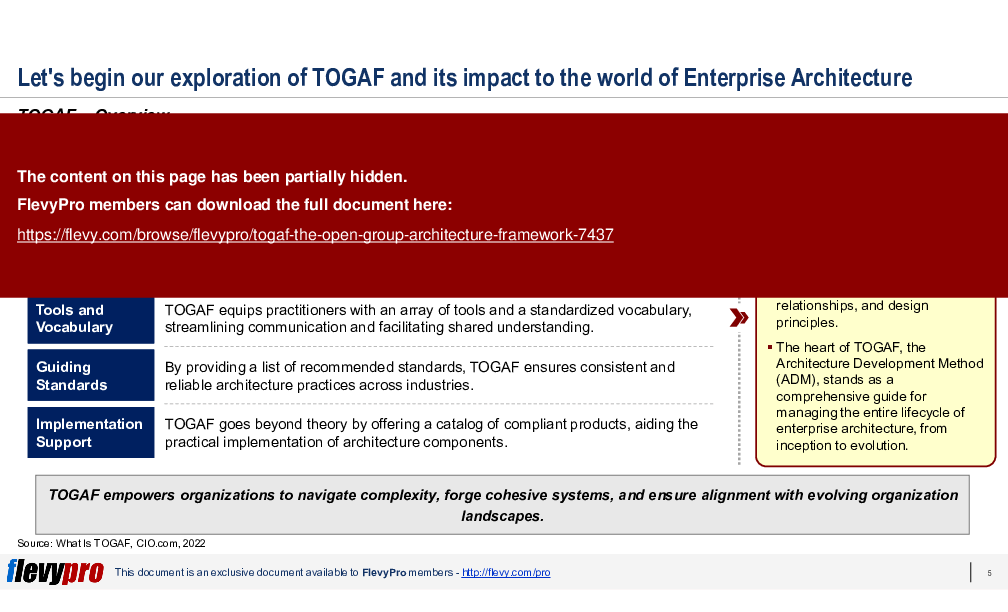
Three Pillars of TOGAF Framework Explained

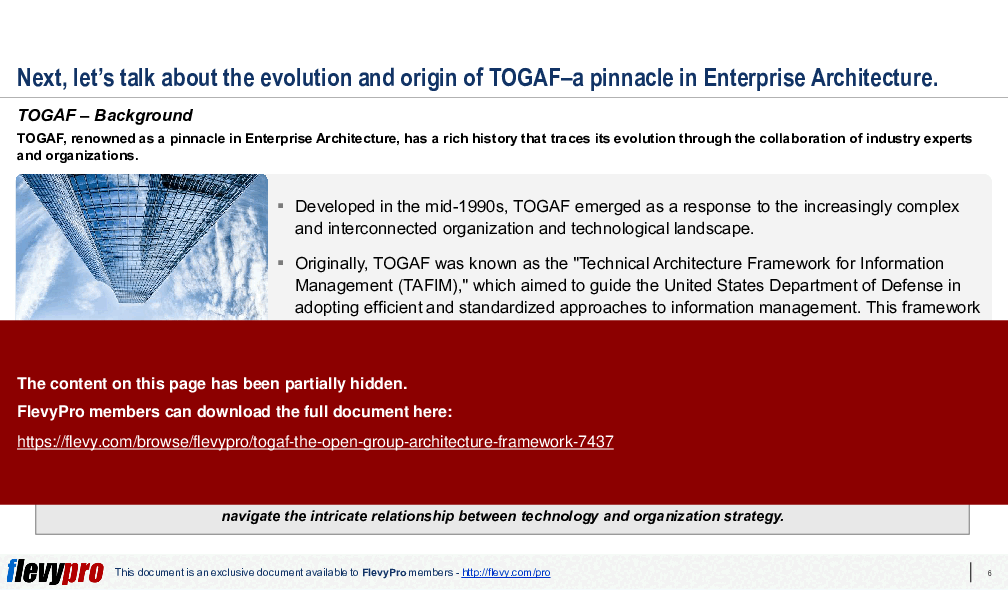
Visual Overview of TOGAF ADM's Ten Phases

Key Components of the Architecture Development Method in TOGAF

Source: Best Practices in Enterprise Architecture PowerPoint Slides: TOGAF (The Open Group Architecture Framework) PowerPoint (PPTX) Presentation Slide Deck, LearnPPT Consulting


$29.00
FlevyPro price: FREE (included in subscription)
This framework is developed by a team of former McKinsey and Big 4 consultants. The presentation follows the headline-body-bumper slide format used by global consulting firms.
Add to Cart
  

Did you need more documents?

Consider a FlevyPro subscription from $39/month. View plans here.

For $10.00 more, you can download this document plus 2 more FlevyPro documents. That's just $13 each.

ABOUT FLEVYPRO

This document is part of the FlevyPro Library, a curated knowledge base of documents for our FlevyPro subscribers.

FlevyPro is a subscription service for on-demand business frameworks and analysis tools. FlevyPro subscribers receive access to an exclusive library of curated business documents—business framework primers, presentation templates, Lean Six Sigma tools, and more—among other exclusive benefits.

Click here to learn more about FlevyPro and its benefits.

Did you know?
The average daily rate of a McKinsey consultant is $6,625 (not including expenses). The average price of a Flevy document is $65.


Trusted by over 10,000+ Client Organizations
Since 2012, we have provided business templates to over 10,000 businesses and organizations of all sizes, from startups and small businesses to the Fortune 100, in over 130 countries.
AT&T GE Cisco Intel IBM Coke Dell Toyota HP Nike Samsung Microsoft Astrazeneca JP Morgan KPMG Walgreens Walmart 3M Kaiser Oracle SAP Google E&Y Volvo Bosch Merck Fedex Shell Amgen Eli Lilly Roche AIG Abbott Amazon PwC T-Mobile Broadcom Bayer Pearson Titleist ConEd Pfizer NTT Data Schwab


Read Customer Testimonials

 
"As a young consulting firm, requests for input from clients vary and it's sometimes impossible to provide expert solutions across a broad spectrum of requirements. That was before I discovered Flevy.com.

Through subscription to this invaluable site of a plethora of topics that are key and crucial to consulting, I "

– Nishi Singh, Strategist and MD at NSP Consultants
 
"If you are looking for great resources to save time with your business presentations, Flevy is truly a value-added resource. Flevy has done all the work for you and we will continue to utilize Flevy as a source to extract up-to-date information and data for our virtual and onsite presentations!"

– Debbi Saffo, President at The NiKhar Group
 
"As an Independent Management Consultant, I find Flevy to add great value as a source of best practices, templates and information on new trends. Flevy has matured and the quality and quantity of the library is excellent. Lastly the price charged is reasonable, creating a win-win value for "

– Jim Schoen, Principal at FRC Group
 
"Last Sunday morning, I was diligently working on an important presentation for a client and found myself in need of additional content and suitable templates for various types of graphics. Flevy.com proved to be a treasure trove for both content and design at a reasonable price, considering the time I "

– M. E., Chief Commercial Officer, International Logistics Service Provider
 
"One of the great discoveries that I have made for my business is the Flevy library of training materials.

As a Lean Transformation Expert, I am always making presentations to clients on a variety of topics: Training, Transformation, Total Productive Maintenance, Culture, Coaching, Tools, Leadership Behavior, etc. Flevy "

– Ed Kemmerling, Senior Lean Transformation Expert at PMG
 
"As a small business owner, the resource material available from FlevyPro has proven to be invaluable. The ability to search for material on demand based our project events and client requirements was great for me and proved very beneficial to my clients. Importantly, being able to easily edit and tailor "

– Michael Duff, Managing Director at Change Strategy (UK)
 
"My FlevyPro subscription provides me with the most popular frameworks and decks in demand in today’s market. They not only augment my existing consulting and coaching offerings and delivery, but also keep me abreast of the latest trends, inspire new products and service offerings for my practice, and educate me "

– Bill Branson, Founder at Strategic Business Architects
 
"I am extremely grateful for the proactiveness and eagerness to help and I would gladly recommend the Flevy team if you are looking for data and toolkits to help you work through business solutions."

– Trevor Booth, Partner, Fast Forward Consulting


Customers Also Like These Documents

Explore Templates on Related Management Topics


Your Recently Viewed Documents
Download our FREE Digital Transformation Templates

Download our free compilation of 50+ Digital Transformation slides and templates. DX concepts covered include Digital Leadership, Digital Maturity, Digital Value Chain, Customer Experience, Customer Journey, RPA, etc.