 Click main image to view in full screen.
Responsible AI (RAI) Maturity Model: RAI Practice – PowerPoint PPTX Template
PowerPoint (PPTX) 30 Slides FlevyPro Document


MATURITY MODEL PPT TEMPLATE DESCRIPTION
Responsible AI (RAI) addresses the challenge of aligning AI innovation with ethical principles, organizational trust, and long-term resilience. It reduces risks by embedding fairness, accountability, and transparency into AI systems, while ensuring that AI-driven growth remains sustainable and trustworthy.
In practice, Responsible AI depends not only on leadership vision or team priorities, but on how practices are executed across the AI lifecycle. Embedding responsibility into governance, risk management, development processes, and oversight ensures that responsibility is repeatable, auditable, and scalable.
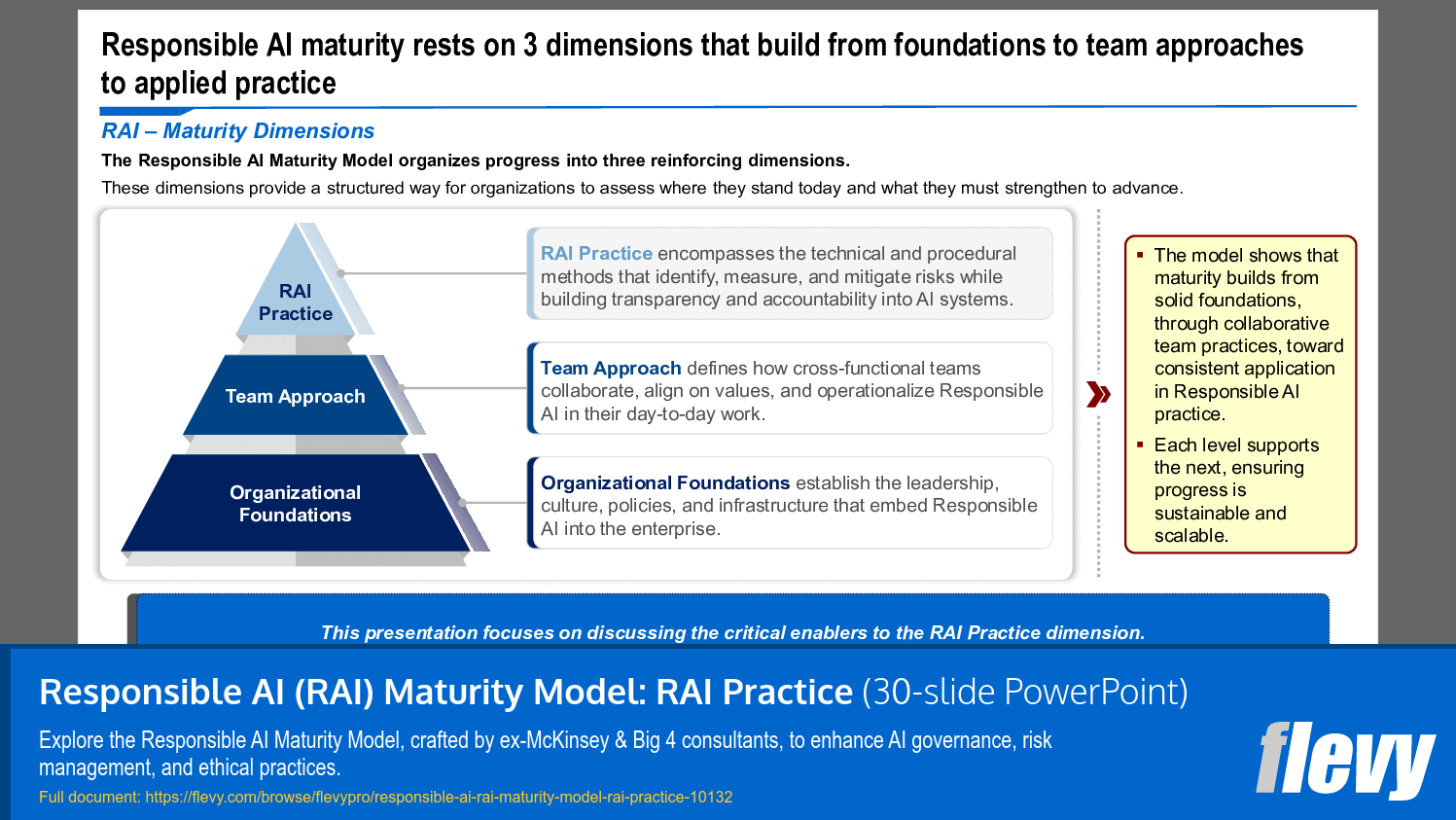
The Responsible AI Maturity Model guides organizations in advancing across 3 dimensions of maturity:
1. Organizational Foundations
2. Team Approach
3. RAI Practice
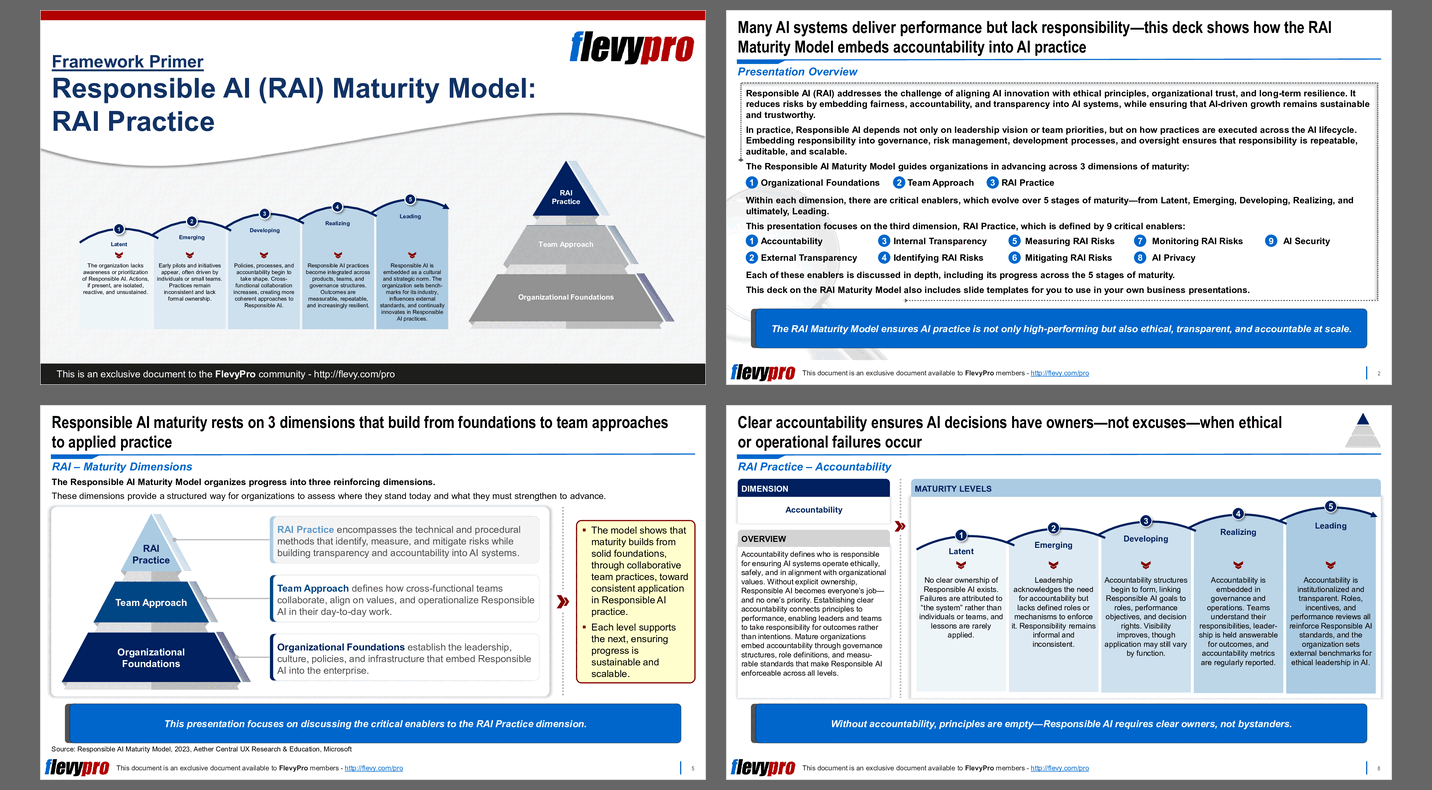
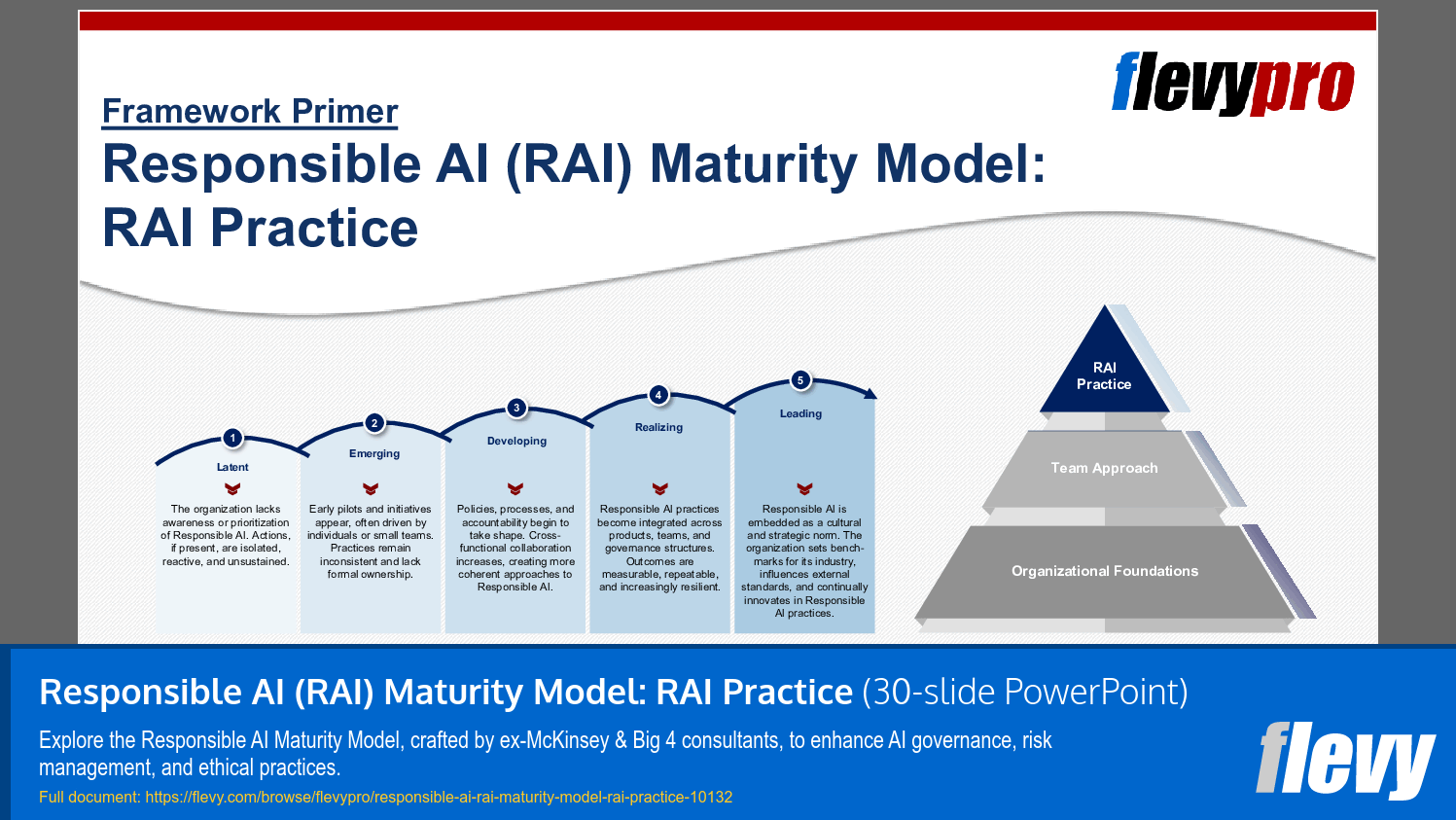
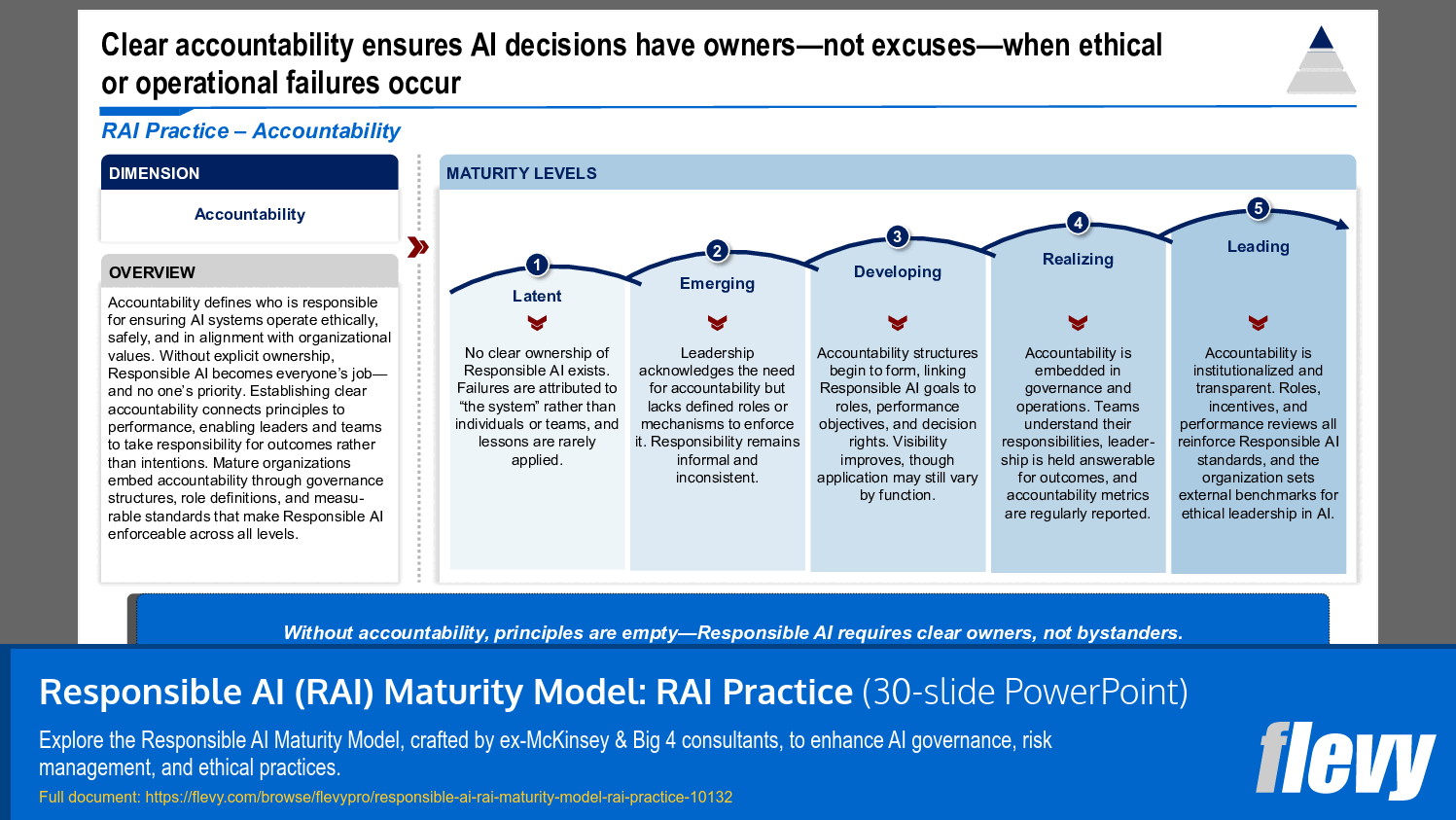
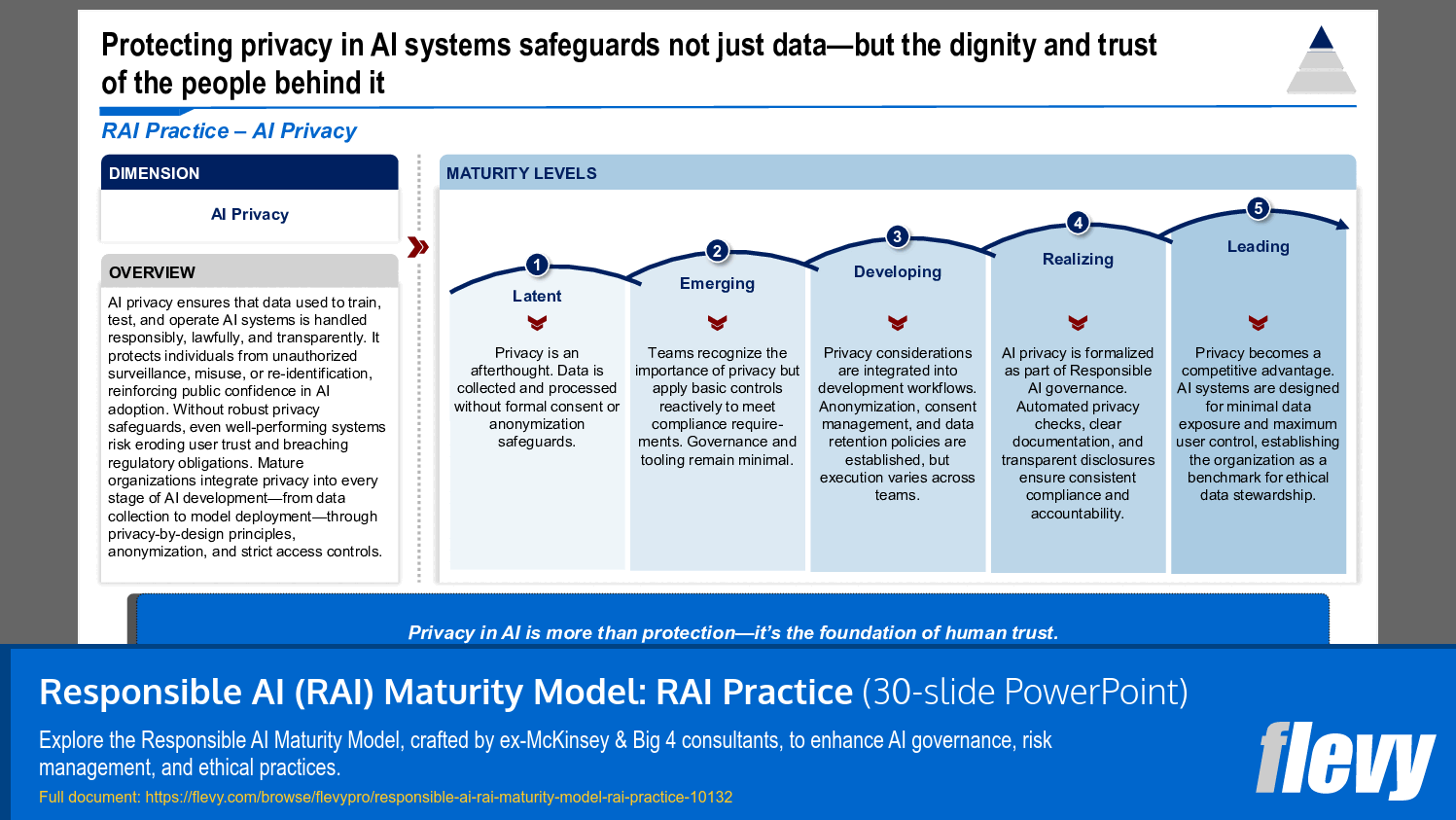
Within each dimension, there are critical enablers, which evolve over 5 stages of maturity—from Latent, Emerging, Developing, Realizing, and ultimately, Leading.
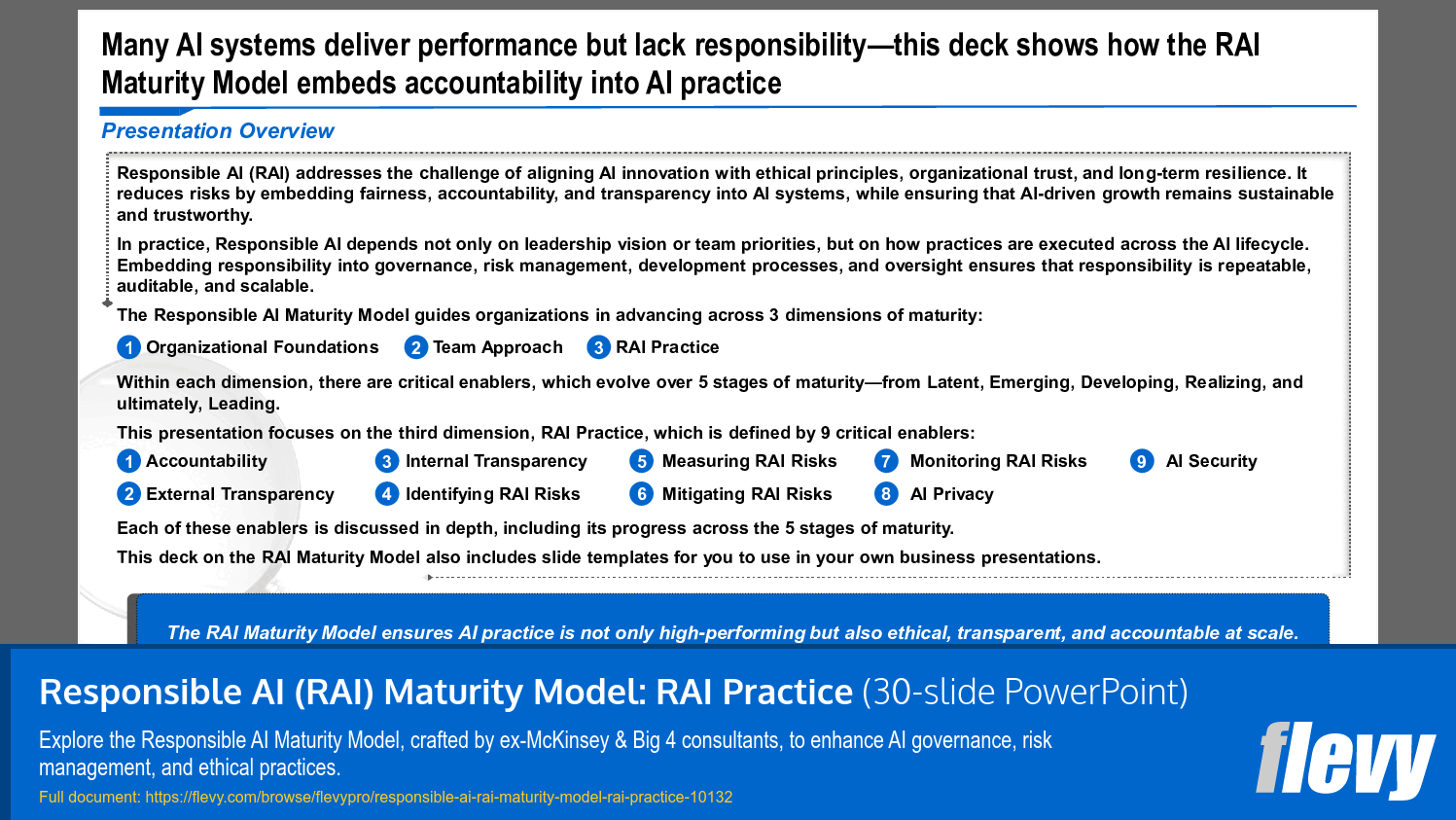
This presentation focuses on the third dimension, RAI Practice, which is defined by 9 critical enablers:
1. Accountability
2. External Transparency
3. Internal Transparency
4. Identifying RAI Risks
5. Measuring RAI Risks
6. Mitigating RAI Risks
7. Monitoring RAI Risks
8. AI Privacy
9. AI Security
Each of these enablers is discussed in depth, including its progress across the 5 stages of maturity.
This deck on the RAI Maturity Model also includes slide templates for you to use in your own business presentations.
Got a question about this document? Email us at flevypro@flevy.com.
MATURITY MODEL PPT TEMPLATES
Source: Responsible AI (RAI) Maturity Model: RAI Practice PowerPoint (PPTX) Presentation Slide Deck, LearnPPT Consulting
Did you need more documents?
Consider a FlevyPro subscription from $39/month. View plans here.
For $10.00 more, you can download this document plus 2 more FlevyPro documents. That's just $13 each.




























