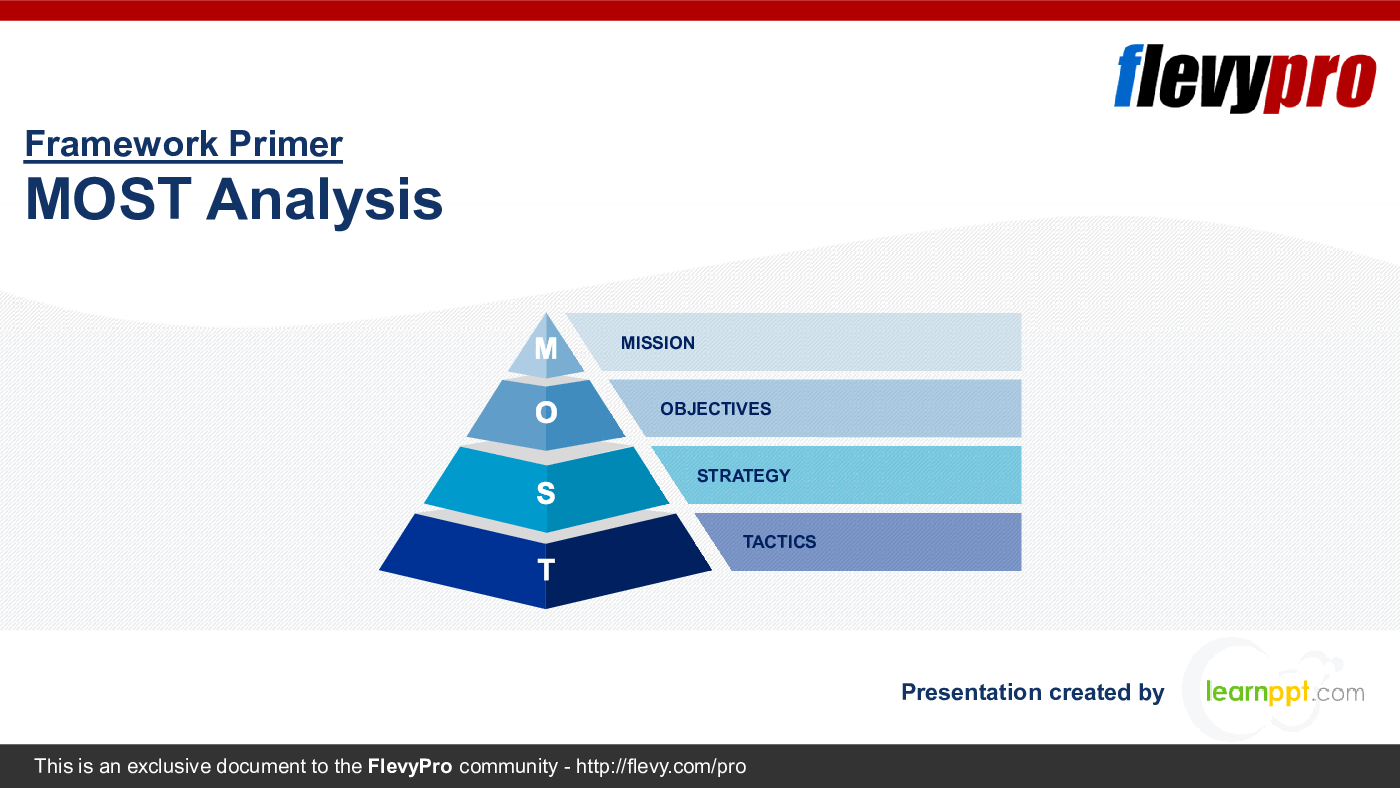

MOST Analysis, an acronym for Mission, Objectives, Strategies, and Tactics, is an essential Strategic Planning tool that enhances internal processes and Organizational Culture. The model critically examines the internal environment of an organization.
The framework is quite effective, often instilling businesses with renewed capabilities and a distinct sense of purpose. By transforming vision and ambitions into concrete, attainable objectives, MOST Analysis plays a crucial role in driving organizational success.
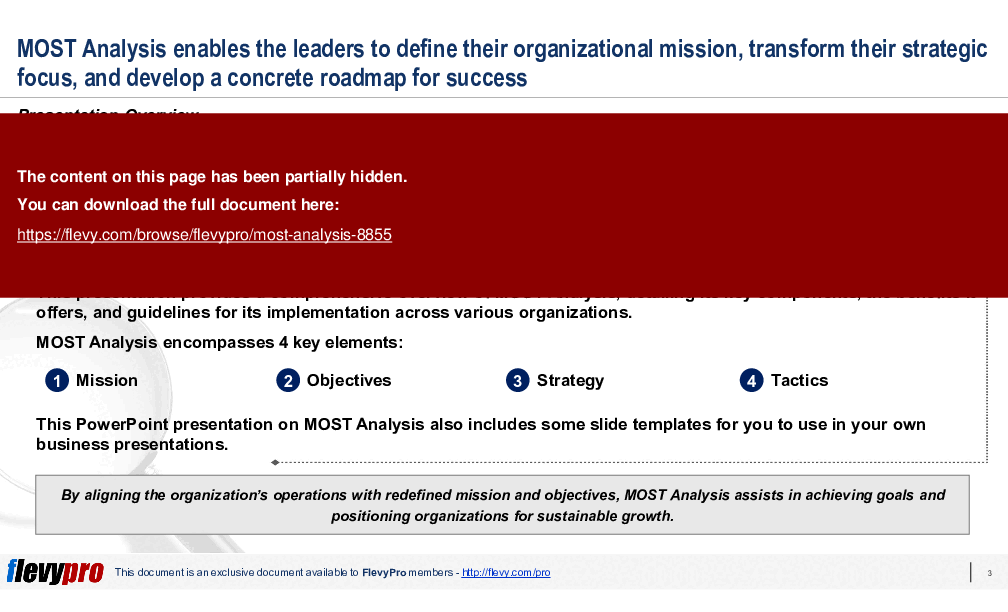
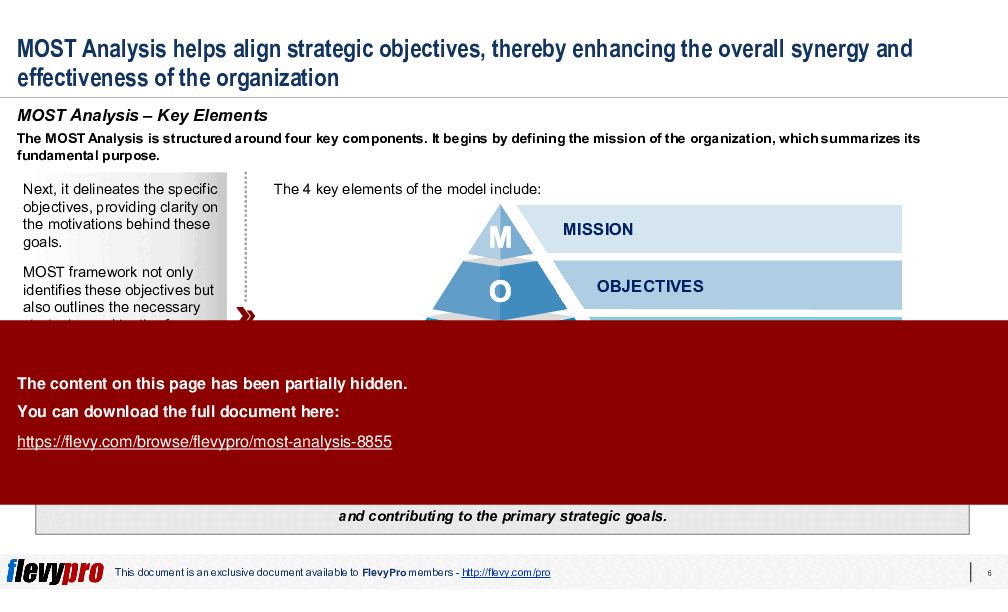
MOST Analysis encompasses 4 key elements:
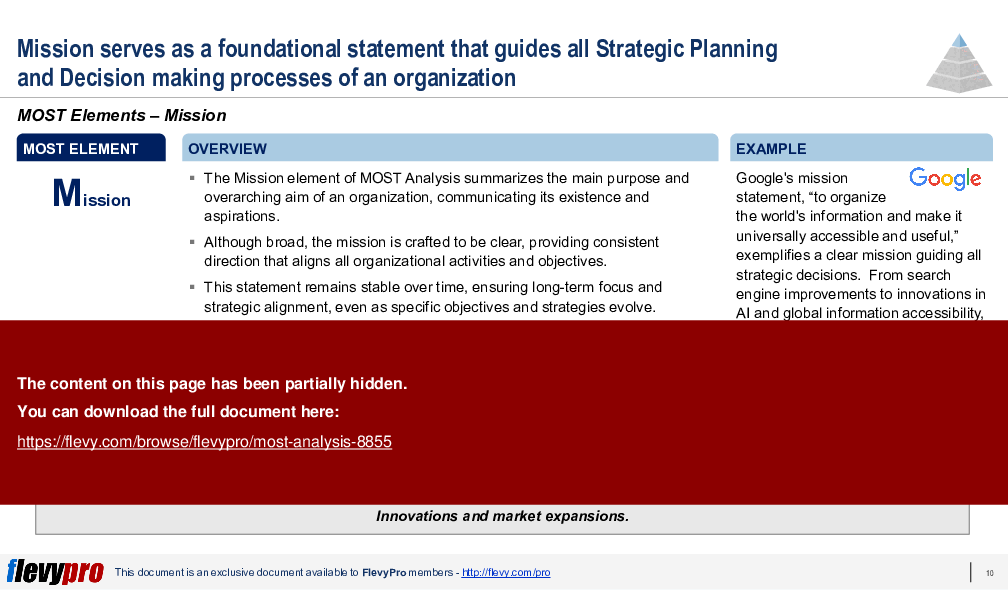
[M] Mission – The Mission element summarizes the main purpose and overarching aim of an organization, communicating its existence and aspirations.
[O] Objectives – Objectives are specific, quantifiable, and time-bound goals derived from the broader mission, which the organization aims to achieve. This allows for clear tracking and review of progress.
[S] Strategy – Strategy provides a detailed roadmap outlining the methods to achieve goals, selecting approaches that align with the organization's competencies and market conditions.
[T] Tactics – Tactics are the specific actions and techniques an organization employs to effectively achieve its stated objectives and implement overarching strategies.
This presentation provides a comprehensive overview of MOST Analysis, detailing its key components, the benefits it offers, and guidelines for its implementation across various organizations. It also details a 4-phase approach to MOST implementation, along with a case study.
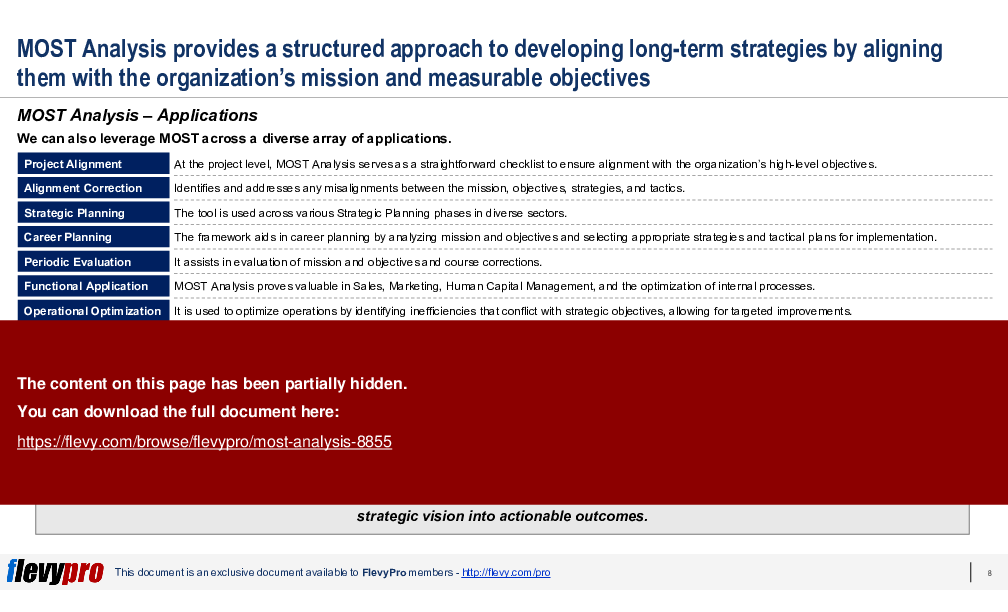
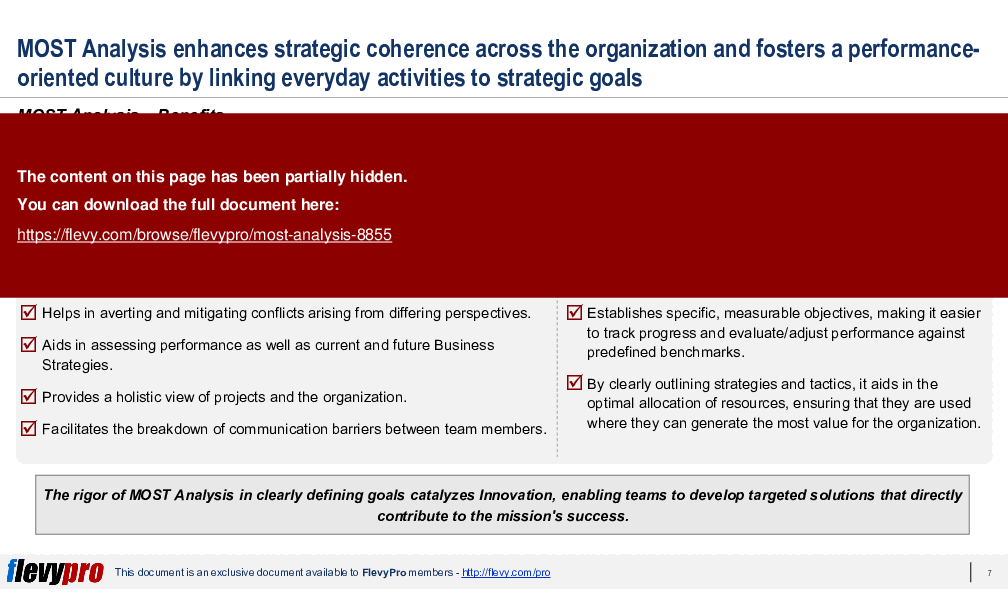
MOST Analysis enhances strategic coherence across the organization and fosters a performance-oriented culture by linking everyday activities to strategic goals. It can leveraged across a diverse array of applications, including:
• Project Alignment
• Strategic Planning
• Career Planning
• Change Management
• Marketing Strategy
• HR Alignment
• Product Development
• Financial Planning
• Risk Prioritization
• etc.
This PowerPoint presentation on MOST Analysis also includes some slide templates for you to use in your own business presentations.
Got a question about this document? Email us at flevypro@flevy.com.
Executive Summary
The MOST Analysis framework, an acronym for Mission, Objectives, Strategies, and Tactics, serves as a pivotal tool for strategic planning and organizational alignment. Designed by seasoned consultants, this presentation equips leaders to define their organizational mission, transform strategic focus, and develop a structured roadmap for success. By implementing the MOST Analysis, organizations can enhance their internal processes and foster a performance-oriented culture, ensuring that every department's efforts align with overarching strategic goals.
Who This Is For and When to Use
• Corporate executives looking to refine strategic direction and operational alignment
• Integration leaders managing organizational change and cultural transformation
• Consultants guiding clients through strategic planning and implementation processes
• Project managers seeking to ensure project alignment with organizational objectives
• HR leaders aiming to align workforce strategies with business goals
Best-fit moments to use this deck:
• During strategic planning sessions to define or refine organizational missions
• When launching new initiatives that require clear objectives and tactical alignment
• In workshops focused on performance improvement and operational efficiency
• For training sessions aimed at enhancing understanding of strategic frameworks
Learning Objectives
• Define the organizational mission and its role in guiding strategic initiatives
• Establish specific, measurable objectives that align with the mission
• Develop actionable strategies that leverage organizational strengths
• Identify and implement tactical plans to achieve strategic objectives
• Foster a culture of accountability by aligning team efforts with organizational goals
• Evaluate the effectiveness of strategies and adjust as necessary
Table of Contents
• Overview (page 3)
• MOST Analysis (page 5)
• MOST Elements (page 6)
• MOST Implementation (page 15)
• Slide Design Structure & Templates (page 21)
Primary Topics Covered
• Overview of MOST Analysis - Introduction to the MOST framework, highlighting its significance in strategic planning and organizational culture.
• Key Elements of MOST - Detailed exploration of the 4 components: Mission, Objectives, Strategy, and Tactics, and their interconnections.
• Implementation Steps - Step-by-step guidance on how to effectively implement the MOST Analysis within an organization.
• Benefits of MOST Analysis - Overview of the advantages gained from utilizing the MOST framework, including enhanced alignment and strategic coherence.
• Applications of MOST Analysis - Diverse applications of the framework across various organizational functions and strategic initiatives.
• Challenges in Implementation - Common obstacles faced during the implementation of MOST Analysis and strategies to overcome them.
Deliverables, Templates, and Tools
• Mission statement template to articulate organizational purpose
• Objectives setting framework for defining measurable goals
• Strategy development guide to outline actionable pathways
• Tactical planning checklist to ensure effective execution of strategies
• Performance tracking metrics to evaluate progress against objectives
• Communication plan template to facilitate stakeholder engagement
Slide Highlights
• Overview slide detailing the significance of the MOST Analysis framework
• Key Elements slide illustrating the interconnections between mission, objectives, strategy, and tactics
• Implementation Steps slide outlining the structured approach for applying the MOST framework
• Benefits slide summarizing the organizational advantages of using MOST Analysis
• Challenges slide identifying common pitfalls and solutions in the implementation process
Potential Workshop Agenda
Introduction to MOST Analysis (30 minutes)
• Overview of the framework and its importance
• Discussion on organizational mission and its impact
Setting Objectives and Strategies (60 minutes)
• Define specific, measurable objectives
• Develop strategies aligned with the mission
Tactical Planning Session (45 minutes)
• Identify actionable tactics for achieving objectives
• Assign responsibilities and timelines
Wrap-Up and Q&A (30 minutes)
• Review key takeaways
• Address participant questions and concerns
Customization Guidance
• Tailor the mission statement to reflect the unique values and aspirations of your organization
• Adjust objectives to align with specific strategic priorities and operational realities
• Modify strategies and tactics based on internal capabilities and market conditions
• Incorporate relevant metrics for tracking progress specific to your organization’s goals
Secondary Topics Covered
• Change management strategies to support implementation
• Communication techniques for engaging stakeholders
• Performance evaluation methods to assess effectiveness
• Risk management considerations in strategic planning
Topic FAQ
Document FAQ
These are questions addressed within this presentation.
What is the MOST Analysis framework?
MOST Analysis is a strategic planning tool that helps organizations define their mission, set objectives, develop strategies, and outline tactics to achieve their goals.
How can I implement MOST Analysis in my organization?
Implementing MOST Analysis involves defining your organizational mission, setting measurable objectives, developing strategies, and translating those strategies into actionable tactics.
What are the benefits of using MOST Analysis?
Using MOST Analysis enhances alignment across departments, improves resource efficiency, and fosters a performance-oriented culture, ultimately driving organizational success.
What challenges might I face when implementing MOST Analysis?
Common challenges include resistance to change, lack of clarity in mission and objectives, and inadequate resource allocation. Addressing these challenges requires strong leadership and effective communication.
How can I measure the success of the MOST Analysis implementation?
Success can be measured through performance metrics that track progress against the defined objectives and the overall impact on organizational effectiveness.
Can MOST Analysis be applied to all types of organizations?
Yes, MOST Analysis is versatile and can be adapted to various organizational contexts, including corporate, non-profit, and public sector entities.
What resources are available for further learning about MOST Analysis?
Additional resources include workshops, training sessions, and templates available through the FlevyPro community.
Glossary
• Mission - The fundamental purpose of an organization that guides its activities.
• Objectives - Specific, measurable goals derived from the mission.
• Strategy - The roadmap outlining how to achieve objectives.
• Tactics - The specific actions taken to implement strategies.
• Performance Metrics - Tools used to measure progress against objectives.
• Stakeholder Engagement - The process of involving individuals or groups with an interest in the organization's activities.
• Change Management - Strategies for managing organizational change effectively.
• Resource Allocation - The distribution of resources to various projects or departments.
• Risk Management - The identification and mitigation of potential risks in strategic planning.
• Organizational Culture - The shared values, beliefs, and behaviors within an organization.
• Strategic Alignment - The process of aligning organizational activities with strategic goals.
• Performance Evaluation - The assessment of how well an organization meets its objectives.
• Operational Efficiency - The ability to deliver services or products effectively with minimal waste.
• Continuous Improvement - Ongoing efforts to enhance products, services, or processes.
• Holistic View - An understanding of how various components of an organization interact.
• Synergy - The combined effect that is greater than the sum of individual efforts.
• Business Strategy - A plan for how an organization will achieve its goals and objectives.
• Strategic Planning - The process of defining an organization's direction and making decisions on allocating resources.
• Implementation - The execution of a plan or strategy.
• Organizational Objectives - Specific goals that an organization aims to achieve in a defined timeframe.
Source: Best Practices in Strategy Development, Strategic Planning PowerPoint Slides: MOST Analysis PowerPoint (PPTX) Presentation Slide Deck, LearnPPT Consulting
Did you need more documents?
Consider a FlevyPro subscription from $39/month. View plans here.
For $10.00 more, you can download this document plus 2 more FlevyPro documents. That's just $13 each.
|
Download our FREE Strategy & Transformation Framework Templates
Download our free compilation of 50+ Strategy & Transformation slides and templates. Frameworks include McKinsey 7-S, Balanced Scorecard, Disruptive Innovation, BCG Curve, and many more. |