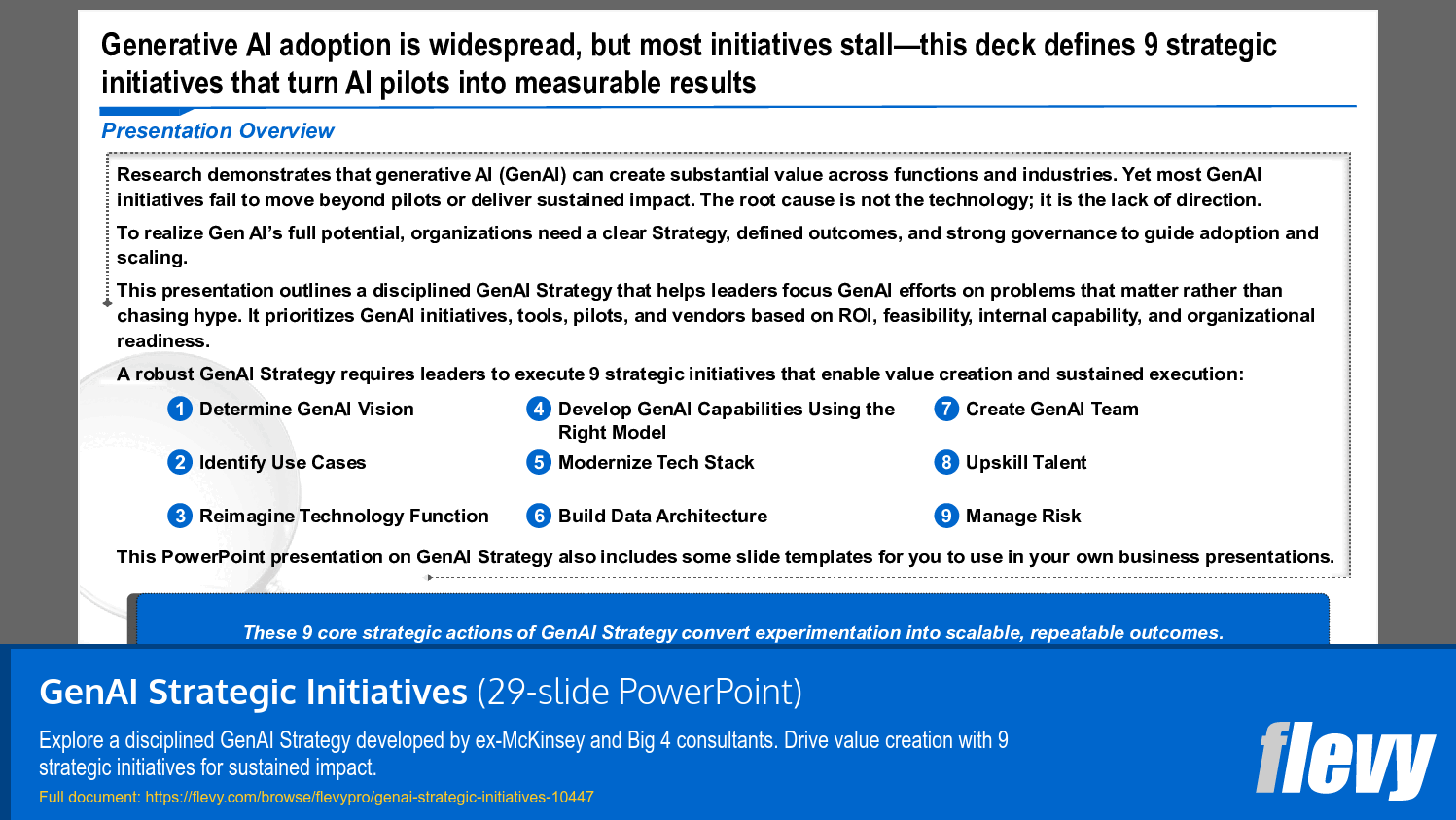

Research demonstrates that generative AI (GenAI) can create substantial value across functions and industries. Yet, most GenAI initiatives fail to move beyond pilots or deliver sustained impact. The root cause is not the technology—it is the lack of direction.
To realize GenAI's full potential, organizations need a clear Strategy, defined outcomes, and strong governance to guide adoption and scaling.
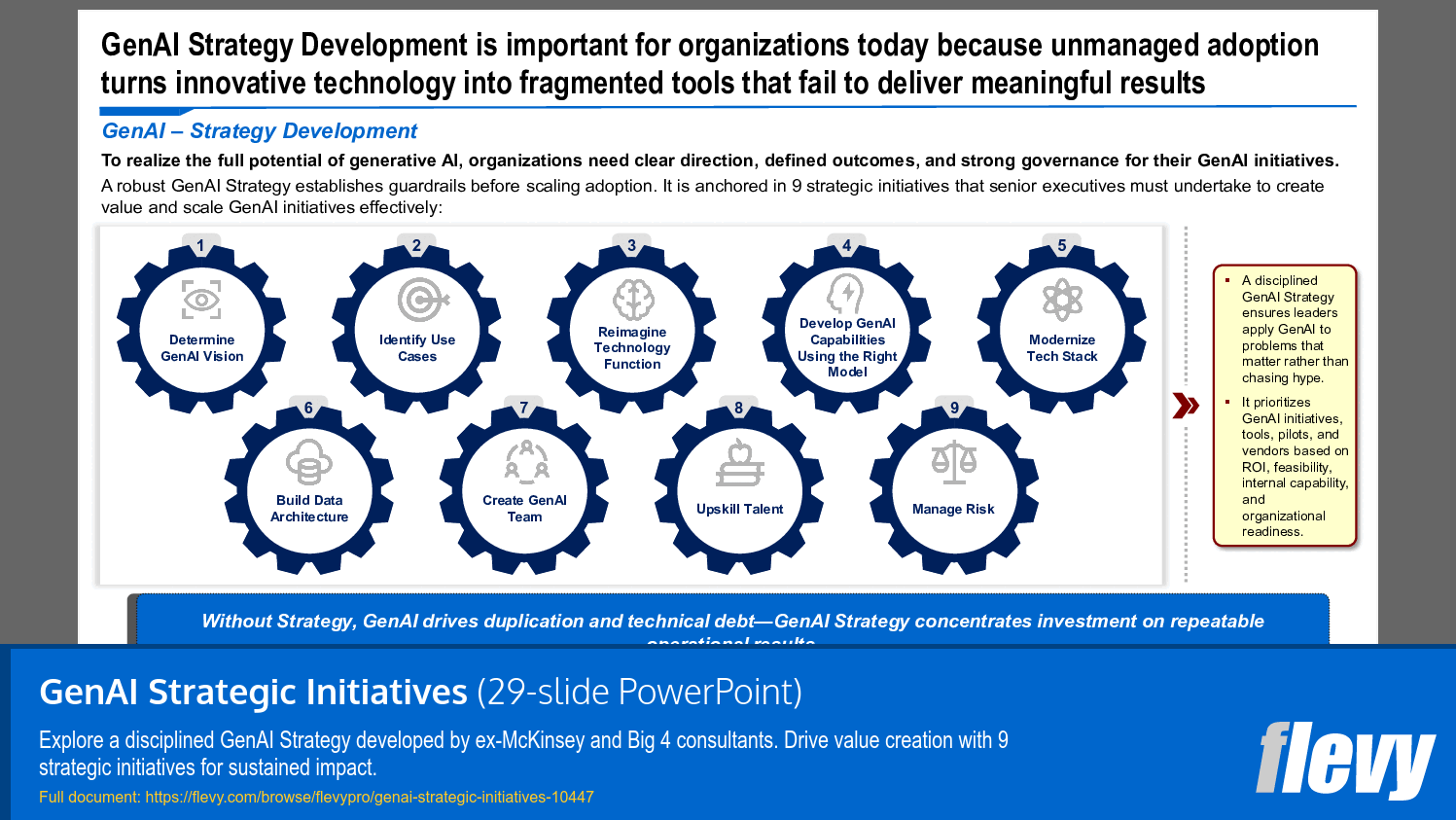
This PPT presentation outlines a disciplined GenAI Strategy that helps leaders focus GenAI efforts on problems that matter rather than chasing hype. It prioritizes GenAI initiatives, tools, pilots, and vendors based on ROI, feasibility, internal capability, and organizational readiness.
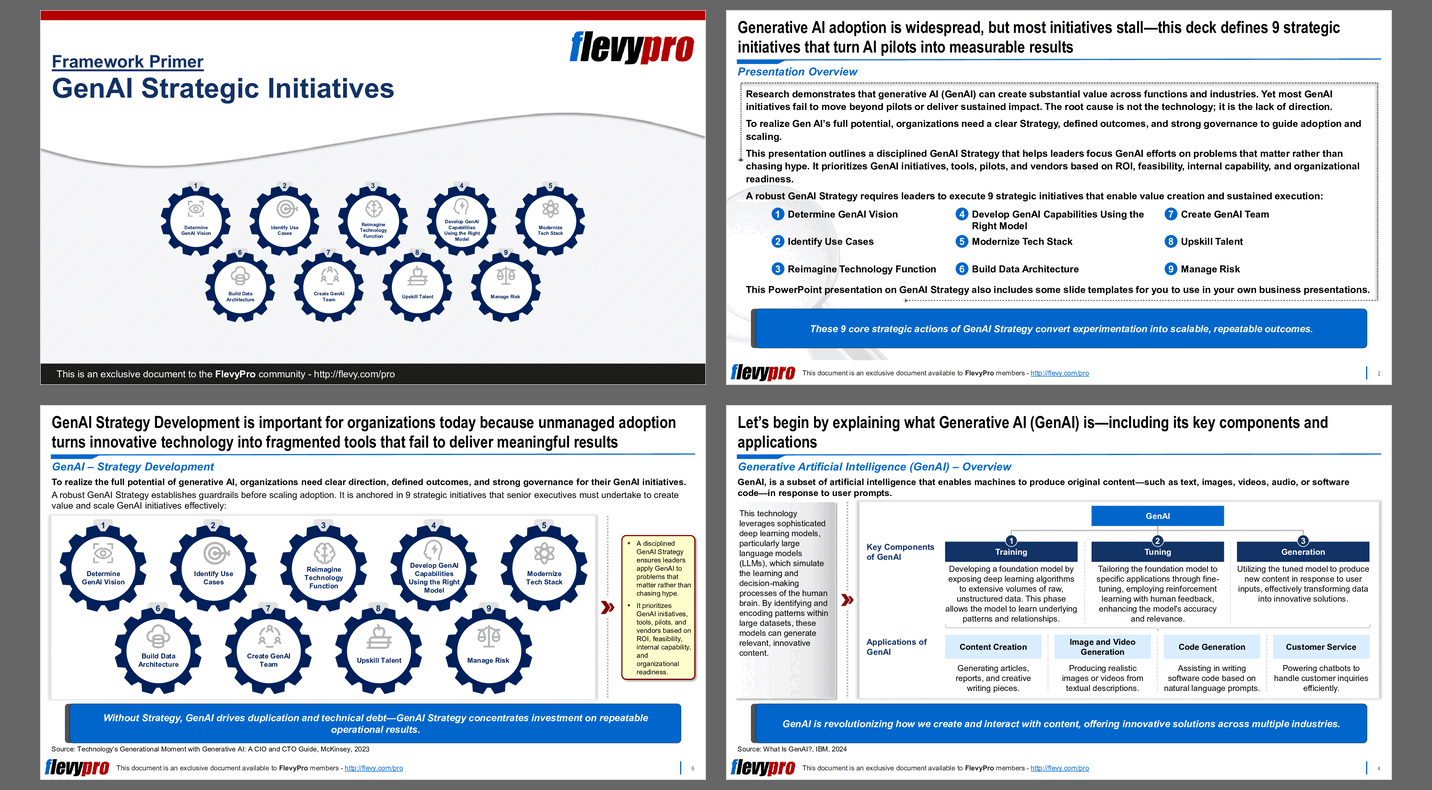
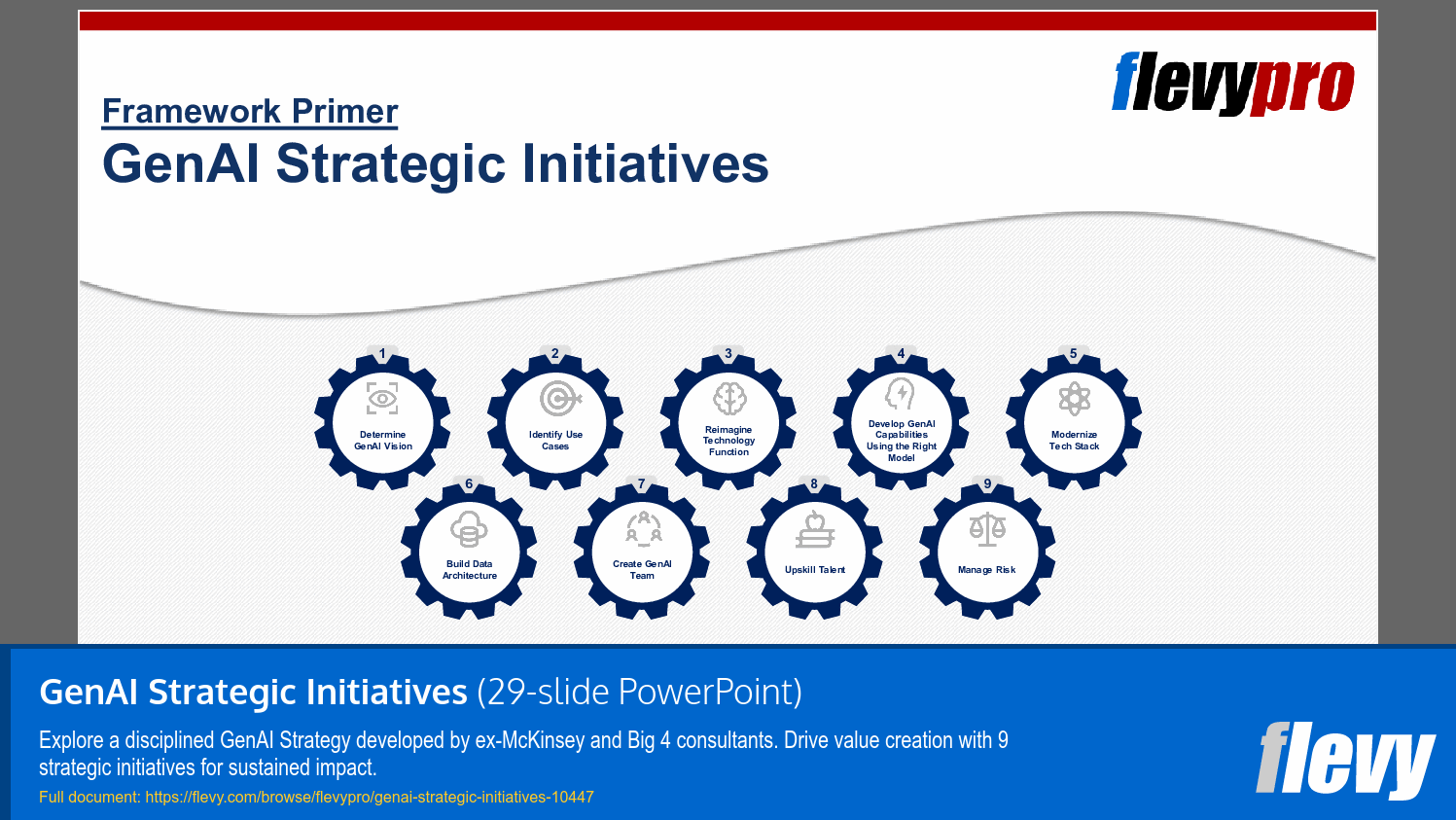
A robust GenAI Strategy requires leaders to execute 9 strategic initiatives that enable value creation and sustained execution:
1. Determine GenAI Vision
2. Identify Use Cases
3. Reimagine Technology Function
4. Develop GenAI Capabilities Using the Right Model
5. Modernize Tech Stack
6. Build Data Architecture
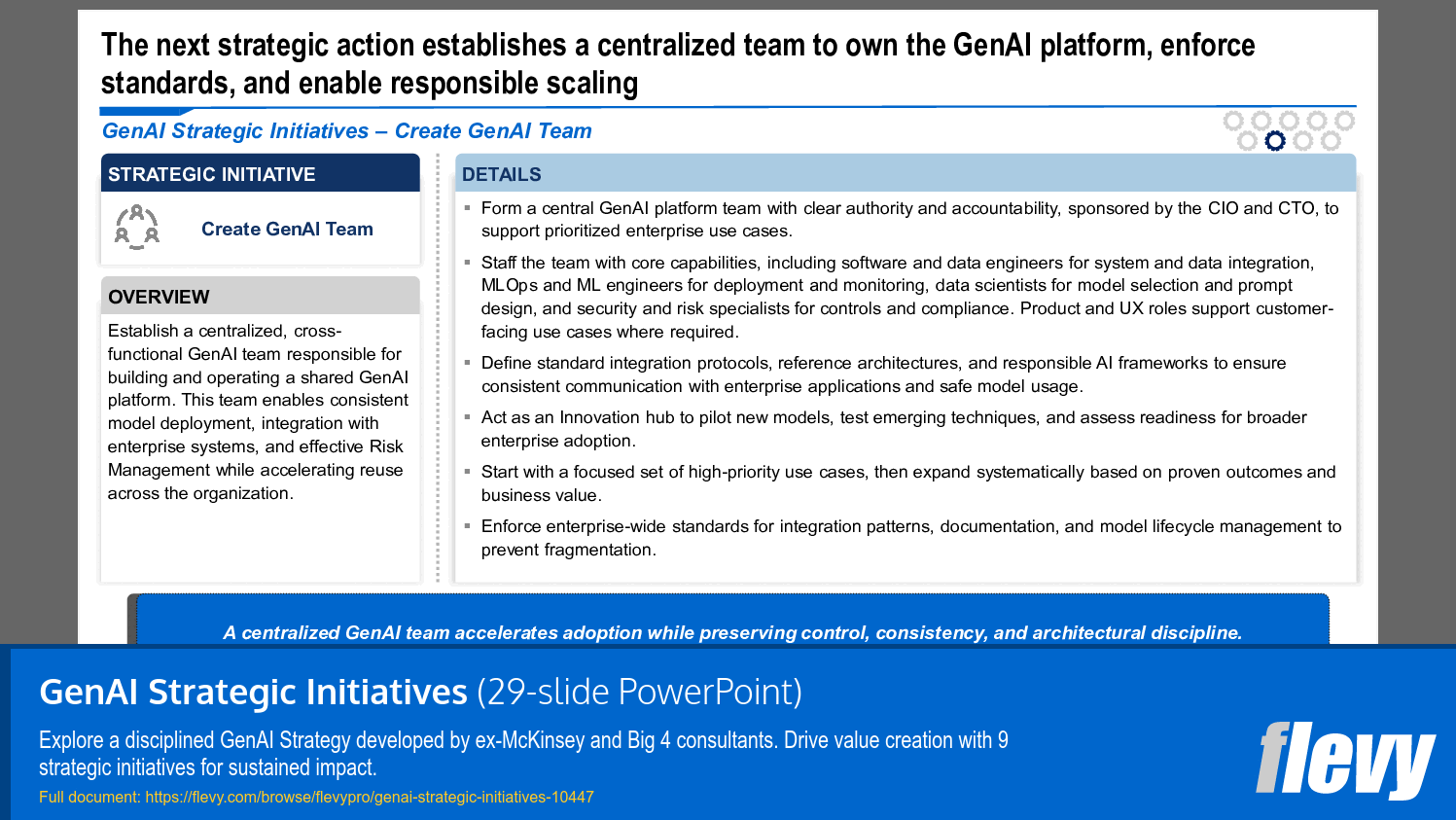
7. Create GenAI Team
8. Upskill Talent
9. Manage Risk
These 9 core strategic actions of GenAI Strategy convert experimentation into scalable, repeatable outcomes. Each initiative is discussed in depth
This PowerPoint presentation on GenAI Strategy also includes some slide templates for you to use in your own business presentations.
Got a question about this document? Email us at flevypro@flevy.com.
Executive Summary
The GenAI Strategic Initiatives presentation outlines a disciplined strategy for leveraging Generative Artificial Intelligence (GenAI) to drive measurable results across organizations. Developed by former consultants from McKinsey and the Big 4, this framework emphasizes the need for a clear strategy, defined outcomes, and robust governance to transform GenAI pilots into sustainable value. The presentation details nine strategic initiatives that organizations must undertake to effectively harness GenAI, ensuring alignment with business goals and maximizing return on investment.
Who This Is For and When to Use
• Corporate executives seeking to integrate GenAI into their strategic initiatives
• Integration leaders responsible for overseeing technology adoption and governance
• Consultants advising organizations on digital transformation and AI implementation
• IT leaders tasked with modernizing technology stacks to accommodate GenAI
• HR professionals focused on upskilling talent in AI capabilities
Best-fit moments to use this deck:
• During strategic planning sessions focused on digital transformation
• When assessing the feasibility of GenAI projects and their alignment with business objectives
• In workshops aimed at identifying high-value use cases for GenAI implementation
• For training sessions on building a centralized GenAI team and governance structure
Learning Objectives
• Define a clear GenAI vision that aligns with organizational goals
• Identify high-impact use cases that drive financial results through GenAI
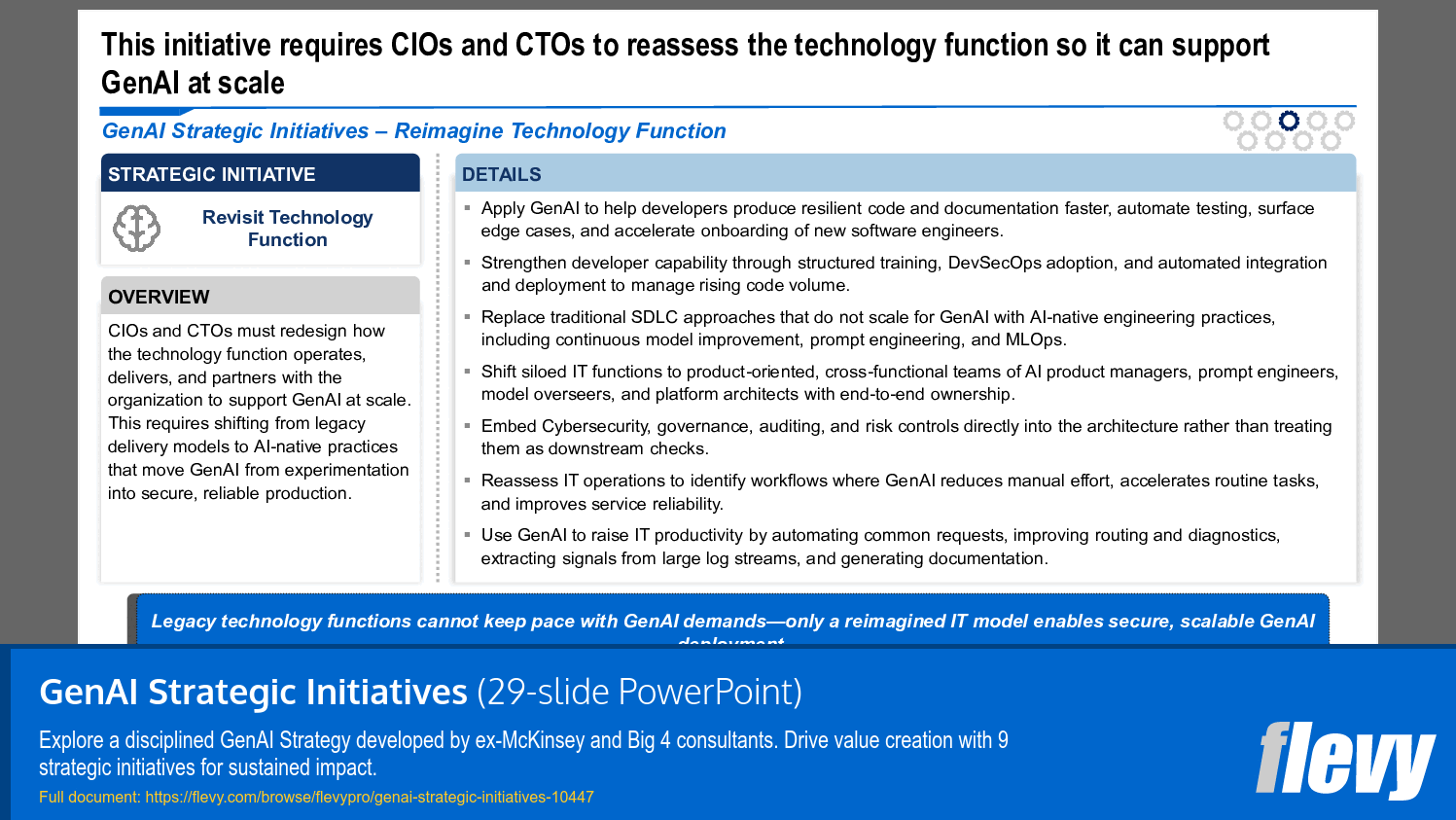
• Reimagine the technology function to support scalable GenAI deployment
• Develop GenAI capabilities using the appropriate model for your organization
• Modernize the tech stack to integrate GenAI with existing systems
• Build a robust data architecture that supports GenAI initiatives
• Create a centralized GenAI team to enforce standards and governance
• Upskill talent to effectively utilize GenAI tools and technologies
• Manage risks associated with GenAI adoption and implementation
Table of Contents
• Overview (page 1)
• Generative Artificial Intelligence (GenAI) (page 4)
• GenAI Strategic Initiatives (page 8)
• Slide Design Structure & Templates (page 18)
Primary Topics Covered
• GenAI Vision - Establishing a clear vision for GenAI adoption that aligns with organizational strategy and risk tolerance.
• Use Case Identification - Focusing on high-value use cases that drive revenue growth, cost reduction, and operational efficiency.
• Technology Function Reimagining - Redesigning IT functions to support GenAI initiatives and enhance operational capabilities.
• GenAI Capabilities Development - Choosing the right model for GenAI capabilities based on organizational needs and data sensitivity.
• Tech Stack Modernization - Upgrading technology architecture to facilitate the integration of GenAI with existing systems.
• Data Architecture Building - Creating a robust data framework that ensures high-quality, governed data access for GenAI models.
• GenAI Team Creation - Forming a centralized team responsible for managing GenAI initiatives and ensuring compliance with standards.
• Talent Upskilling - Developing role-specific training programs to enhance GenAI literacy across the organization.
• Risk Management - Implementing continuous risk assessment and mitigation strategies related to GenAI deployment.
Deliverables, Templates, and Tools
• GenAI vision statement template to align organizational goals
• Use case prioritization framework to identify high-impact opportunities
• Technology function assessment tool for reimagining IT roles
• Model selection guide for determining the best GenAI approach
• Tech stack modernization checklist to ensure seamless integration
• Data governance framework for managing data quality and access
• Centralized GenAI team charter template to define roles and responsibilities
• Talent development roadmap for upskilling employees in GenAI
• Risk management framework for ongoing GenAI project oversight
Slide Highlights
• Overview of GenAI's potential to transform business operations and drive value
• Strategic initiatives framework detailing the nine core actions for GenAI adoption
• Visual representation of the GenAI team structure and governance model
• Case studies showcasing successful GenAI implementations and their impact
• Templates for documenting use cases and technology assessments
Potential Workshop Agenda
GenAI Vision and Strategy Session (90 minutes)
• Define the organizational vision for GenAI
• Align GenAI objectives with business strategy
• Identify key stakeholders and assign ownership
Use Case Identification Workshop (60 minutes)
• Brainstorm potential use cases for GenAI
• Prioritize use cases based on impact and feasibility
• Develop metrics for measuring success
Technology Function Reimagining Session (90 minutes)
• Assess current technology capabilities and gaps
• Redesign IT functions to support GenAI initiatives
• Establish integration patterns and governance structures
Customization Guidance
• Tailor the GenAI vision statement to reflect specific organizational goals and market positioning
• Modify the use case prioritization framework to align with industry-specific challenges and opportunities
• Adapt the technology function assessment tool to fit the existing IT landscape and capabilities
• Customize the data governance framework to meet regulatory requirements and internal policies
Secondary Topics Covered
• The role of AI in digital transformation
• Best practices for managing change during GenAI adoption
• Strategies for fostering a culture of innovation and experimentation
• Insights on the future of work in a GenAI-driven environment
Topic FAQ
Document FAQ
These are questions addressed within this presentation.
What is Generative AI?
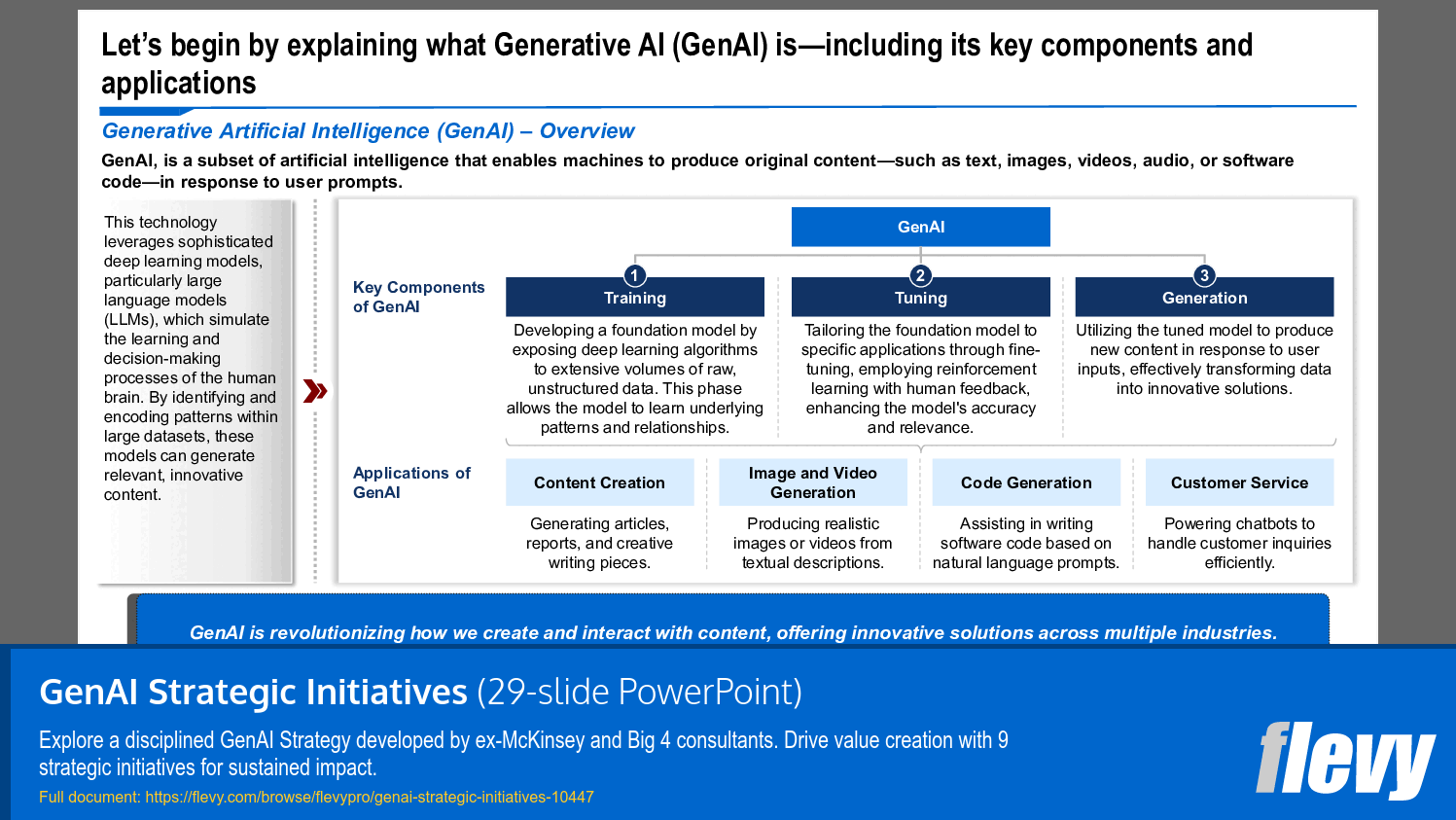
Generative AI refers to a subset of artificial intelligence that enables machines to create original content, such as text, images, and software code, in response to user prompts.
How can organizations benefit from GenAI?
Organizations can leverage GenAI to enhance productivity, reduce operational costs, and drive innovation by automating processes and generating insights from data.
What are the key components of a successful GenAI strategy?
A successful GenAI strategy includes a clear vision, defined use cases, a reimagined technology function, robust data architecture, and a centralized team for governance.
How do I identify high-value use cases for GenAI?
Focus on processes that impact revenue growth, cost reduction, and operational efficiency. Prioritize areas where current processes are inefficient or error-prone.
What is the role of a centralized GenAI team?
The centralized GenAI team is responsible for managing the GenAI platform, enforcing standards, and ensuring consistent deployment across the organization.
How can organizations manage risks associated with GenAI?
Implement structured risk assessments, establish data governance protocols, and define incident response procedures to mitigate potential risks.
What training is needed for employees to effectively use GenAI?
Employees should receive training tailored to their roles, covering basic AI literacy, advanced stewardship, and specific use case applications.
How can organizations ensure data quality for GenAI models?
Establish data quality standards, implement metadata and data cataloging, and enforce governance rules to ensure accurate and timely data access.
Glossary
• Generative AI (GenAI) - A subset of AI that enables the creation of original content based on user prompts.
• Use Case - A specific application of GenAI that addresses a business need or opportunity.
• Data Architecture - The structure that defines how data is collected, stored, and accessed.
• Centralized Team - A dedicated group responsible for overseeing GenAI initiatives and ensuring compliance with standards.
• Risk Management - The process of identifying, assessing, and mitigating risks associated with GenAI deployment.
• Tech Stack - The combination of technologies used to build and run applications.
• Governance - The framework of policies and procedures that guide the use of GenAI within an organization.
• Upskilling - The process of enhancing employees' skills to meet evolving job requirements.
• Model Selection - The process of choosing the appropriate GenAI model based on organizational needs and data sensitivity.
• Integration Patterns - Standardized methods for connecting GenAI models with existing systems and applications.
• Data Governance - The management of data availability, usability, integrity, and security.
• Incident Response - Procedures for addressing failures or breaches in GenAI systems.
Source: Best Practices in Artificial Intelligence, GenAI PowerPoint Slides: GenAI Strategic Initiatives PowerPoint (PPTX) Presentation Slide Deck, LearnPPT Consulting
Did you need more documents?
Consider a FlevyPro subscription from $39/month. View plans here.
For $10.00 more, you can download this document plus 2 more FlevyPro documents. That's just $13 each.
|
Download our FREE Digital Transformation Templates
Download our free compilation of 50+ Digital Transformation slides and templates. DX concepts covered include Digital Leadership, Digital Maturity, Digital Value Chain, Customer Experience, Customer Journey, RPA, etc. |