
 Click main image to view in full screen. Unlock all 8 preview images:
GenAI-Driven Workforce Transformation – PowerPoint PPTX Template
PowerPoint (PPTX) 32 Slides FlevyPro Document


EMPLOYEE MANAGEMENT PPT TEMPLATE DESCRIPTION
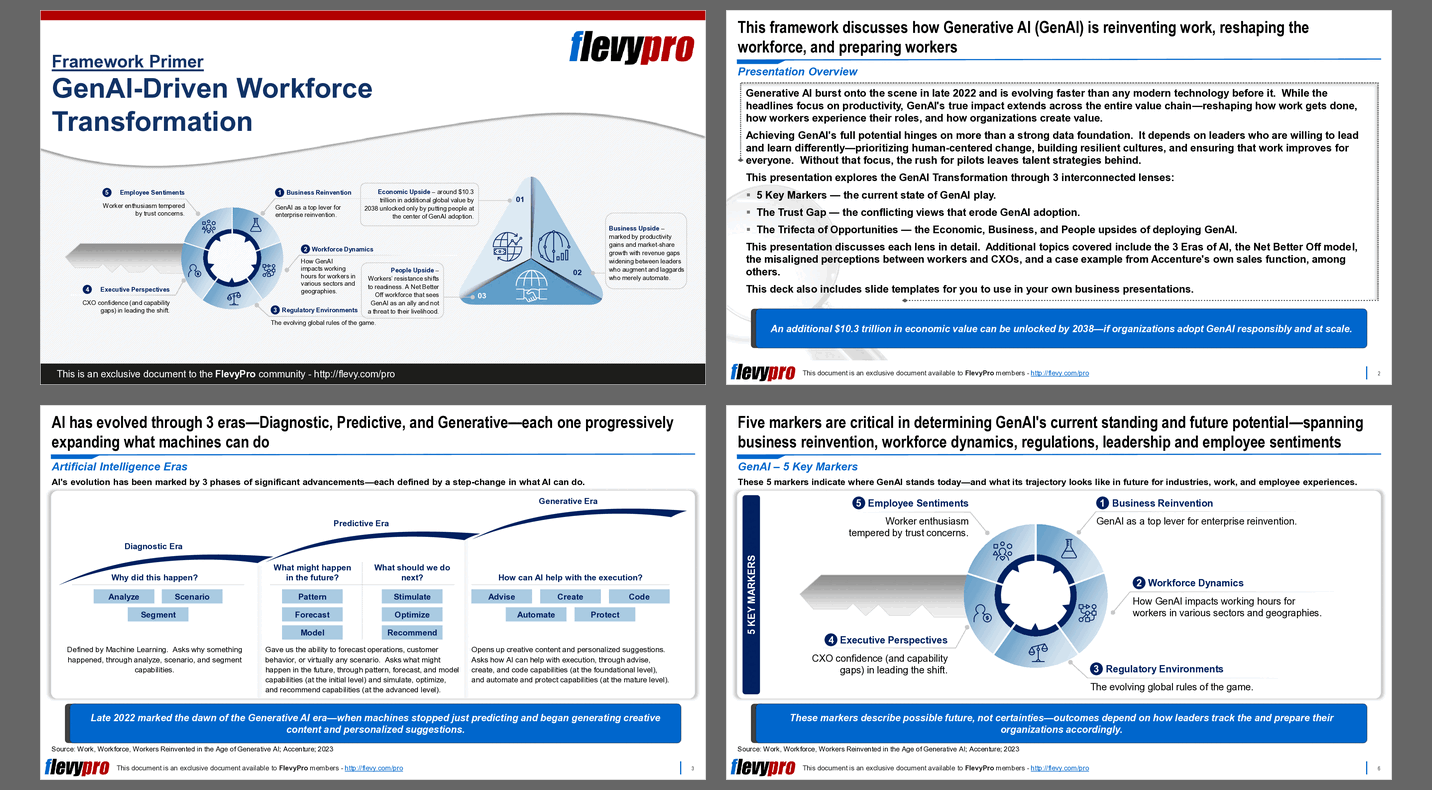
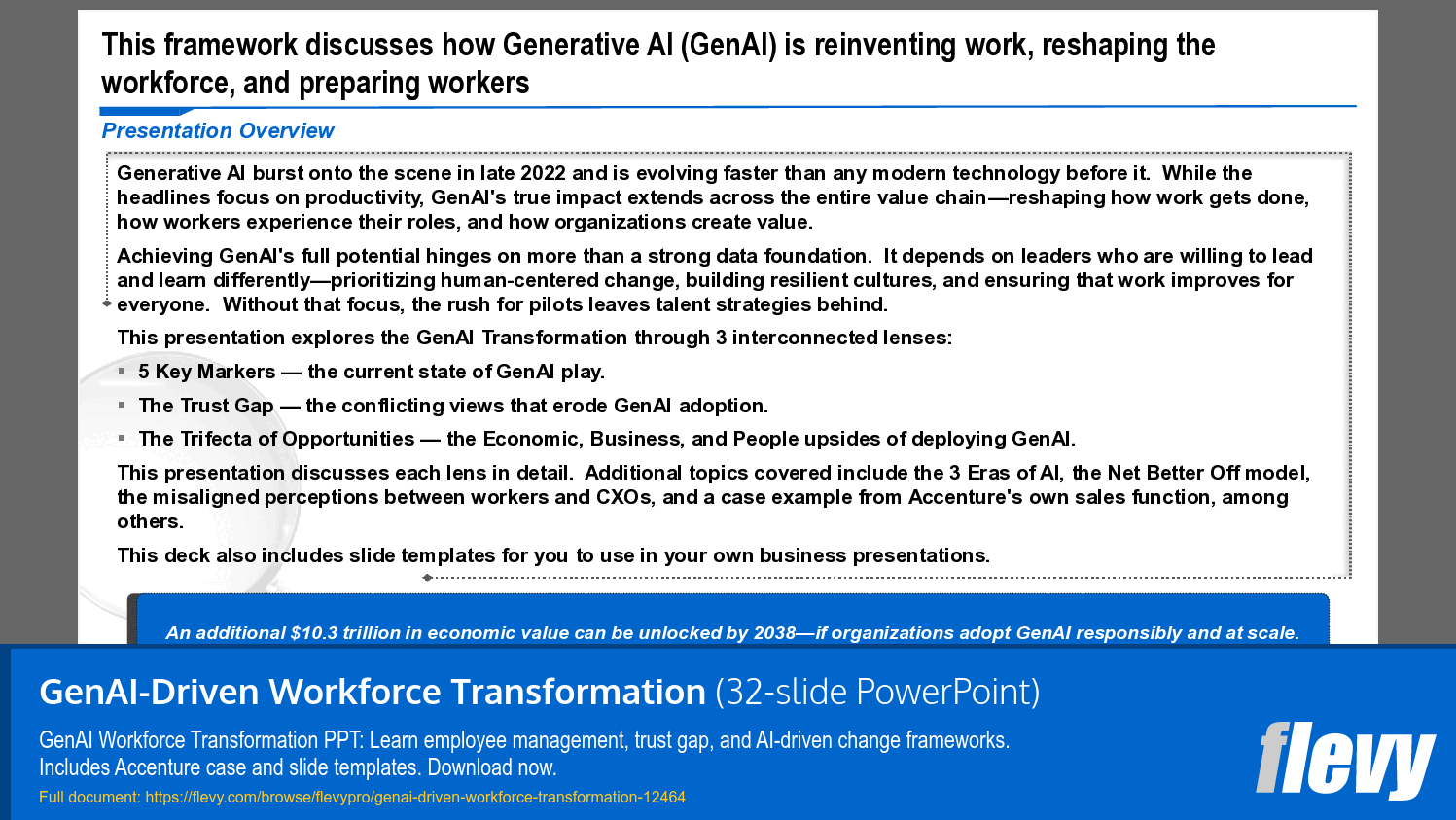
Generative AI burst onto the scene in late 2022 and is evolving faster than any modern technology before it. While the headlines focus on productivity, GenAI's true impact extends across the entire value chain—reshaping how work gets done, how workers experience their roles, and how organizations create value.
Achieving GenAI's full potential hinges on more than a strong data foundation. It depends on leaders who are willing to lead and learn differently—prioritizing human-centered change, building resilient cultures, and ensuring that work improves for everyone. Without that focus, the rush for pilots leaves talent strategies behind.
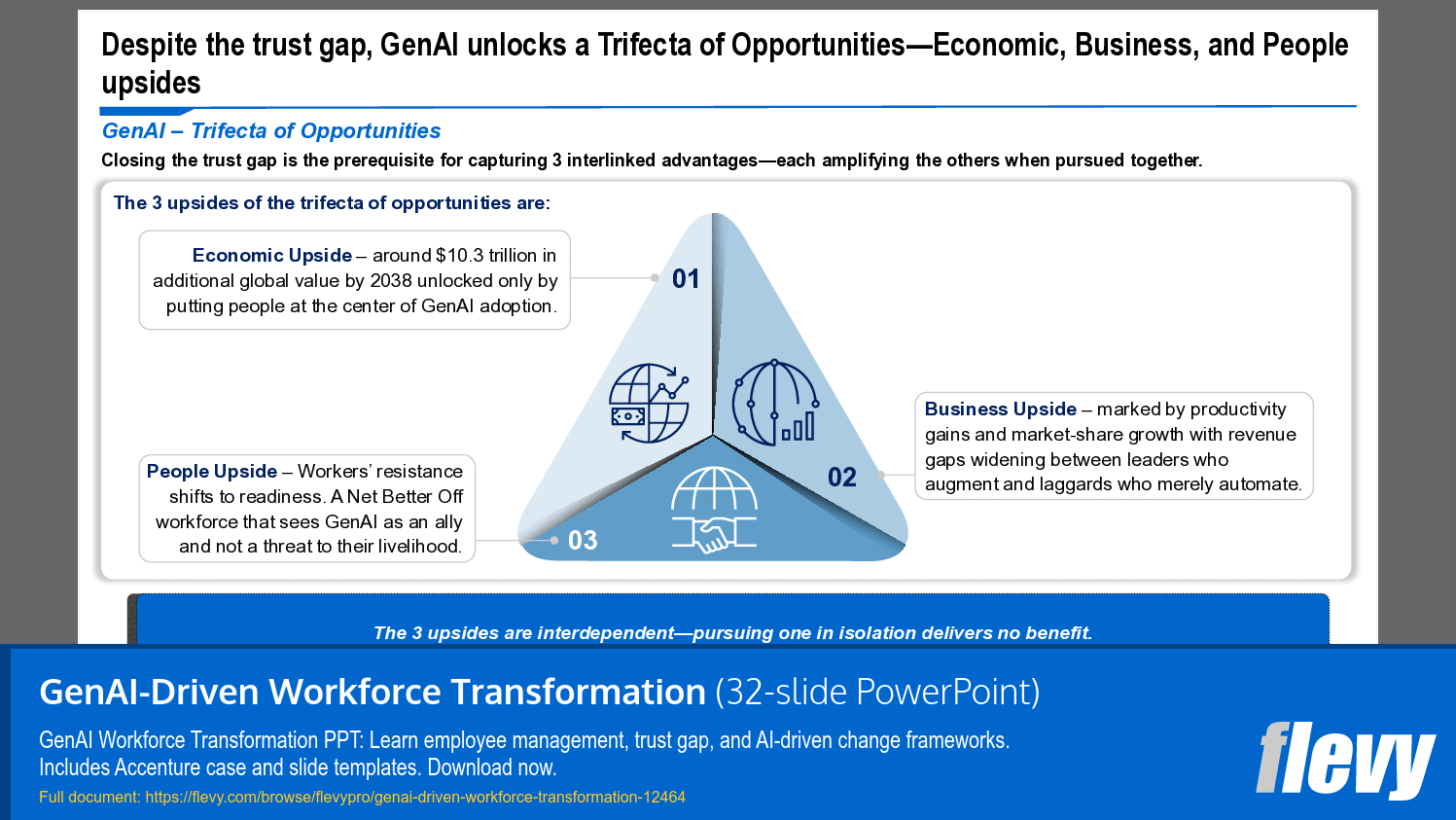
An additional $10.3 trillion in economic value can be unlocked by 2038—if organizations adopt GenAI responsibly and at scale.
This PPT presentation explores the GenAI Transformation through 3 interconnected lenses:
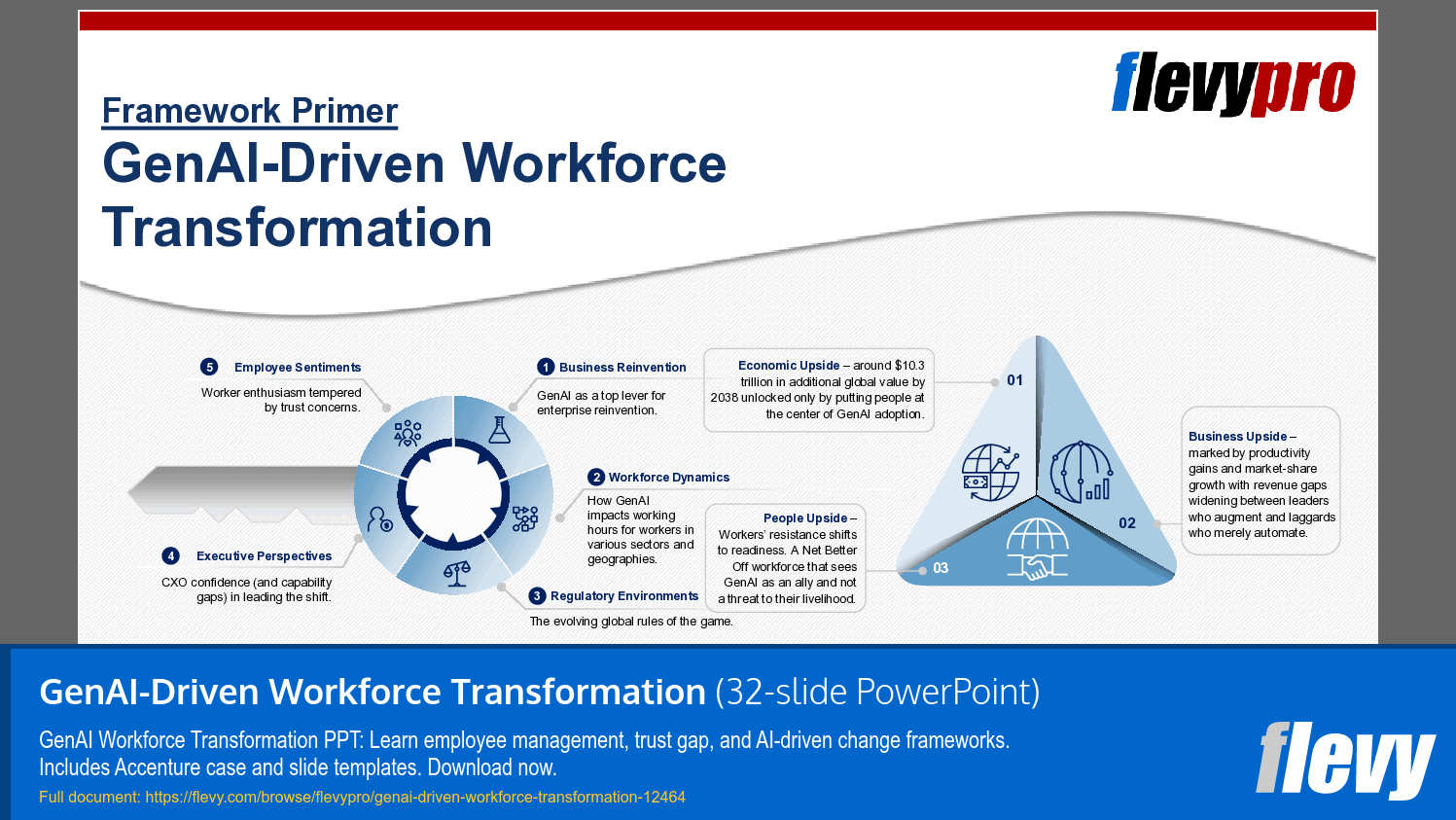
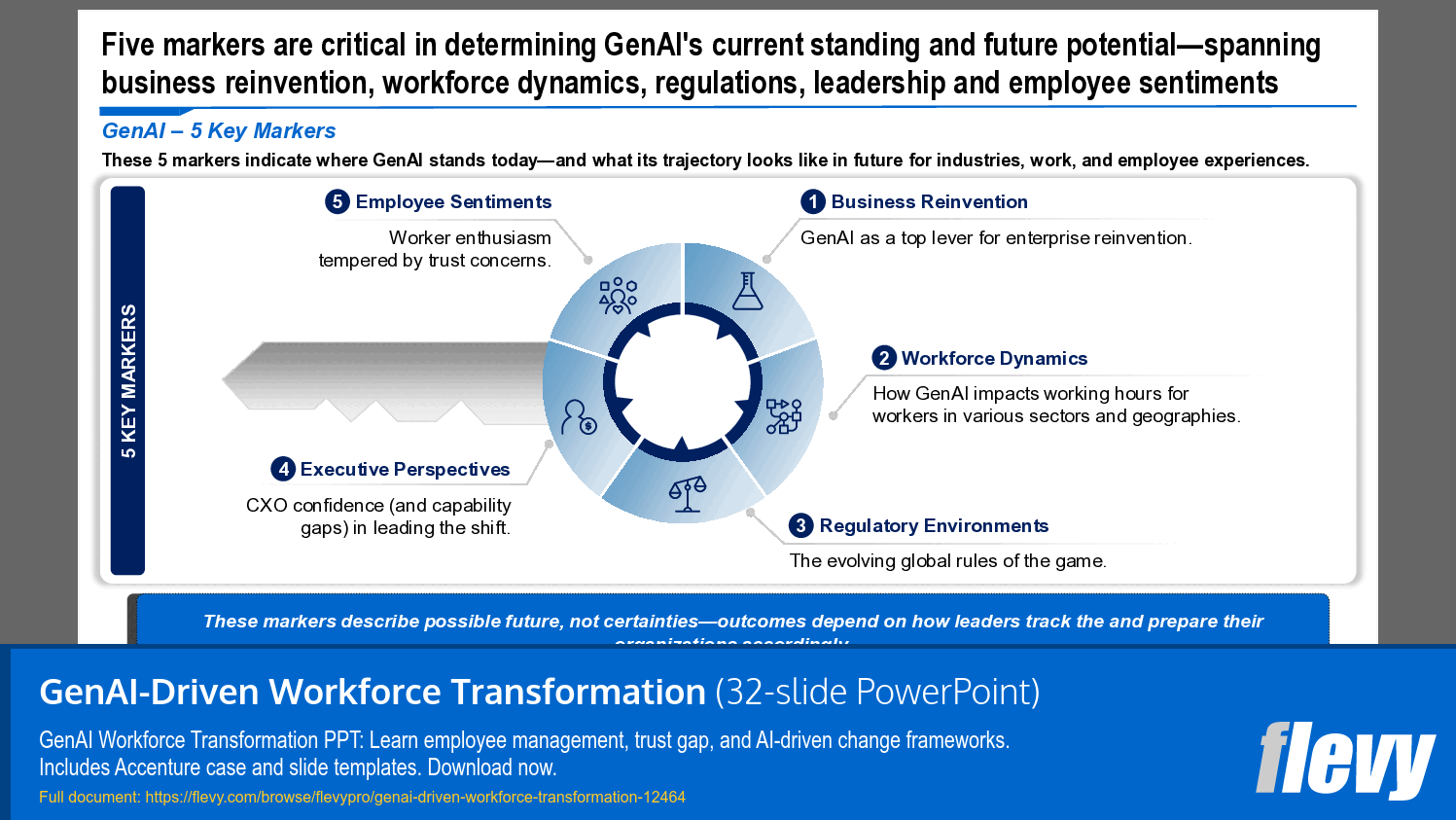
• 5 Key Markers – the current state of GenAI play.
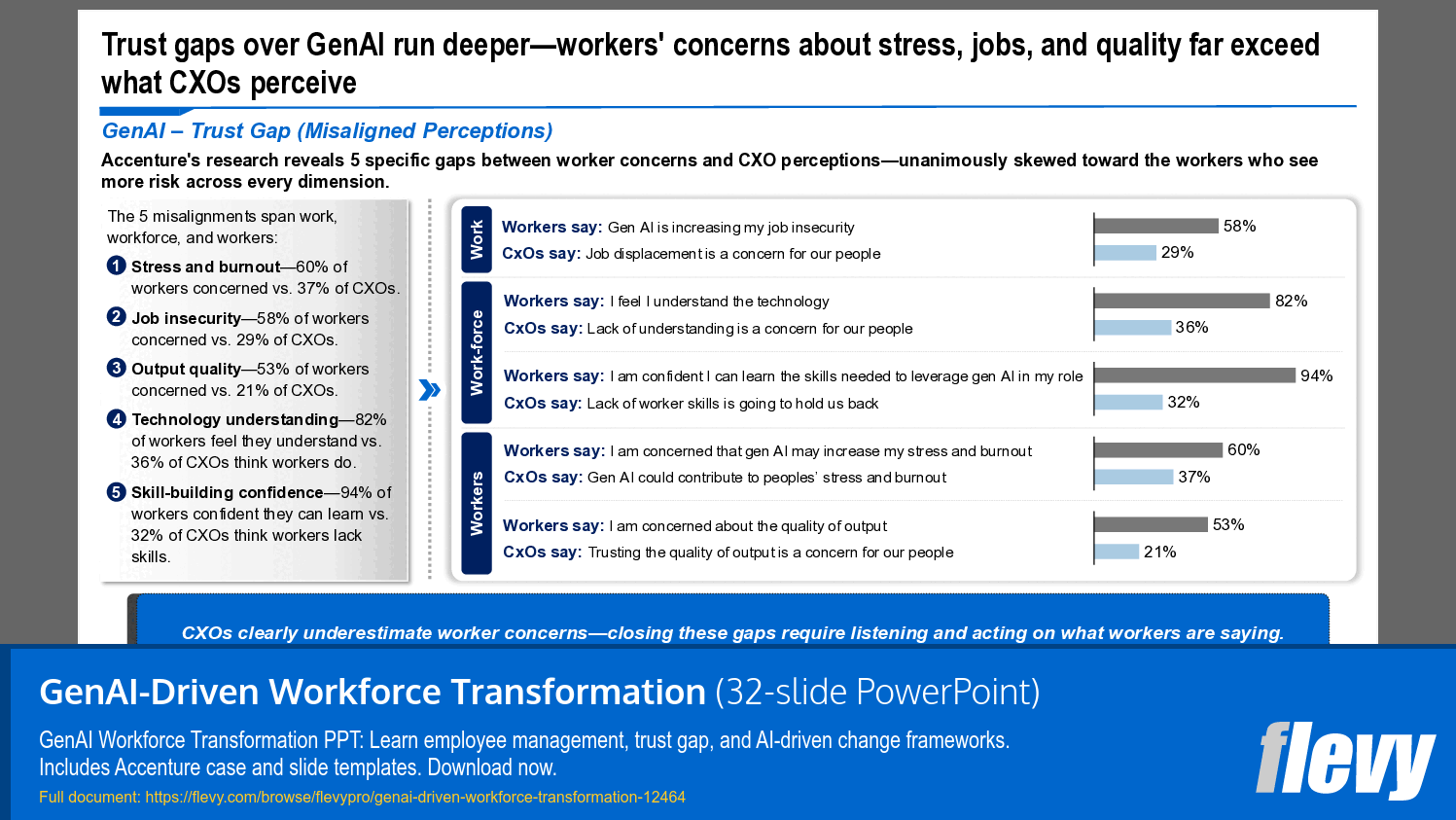
• The Trust Gap – the conflicting views that erode GenAI adoption.
• The Trifecta of Opportunities – the Economic, Business, and People upsides of deploying GenAI.
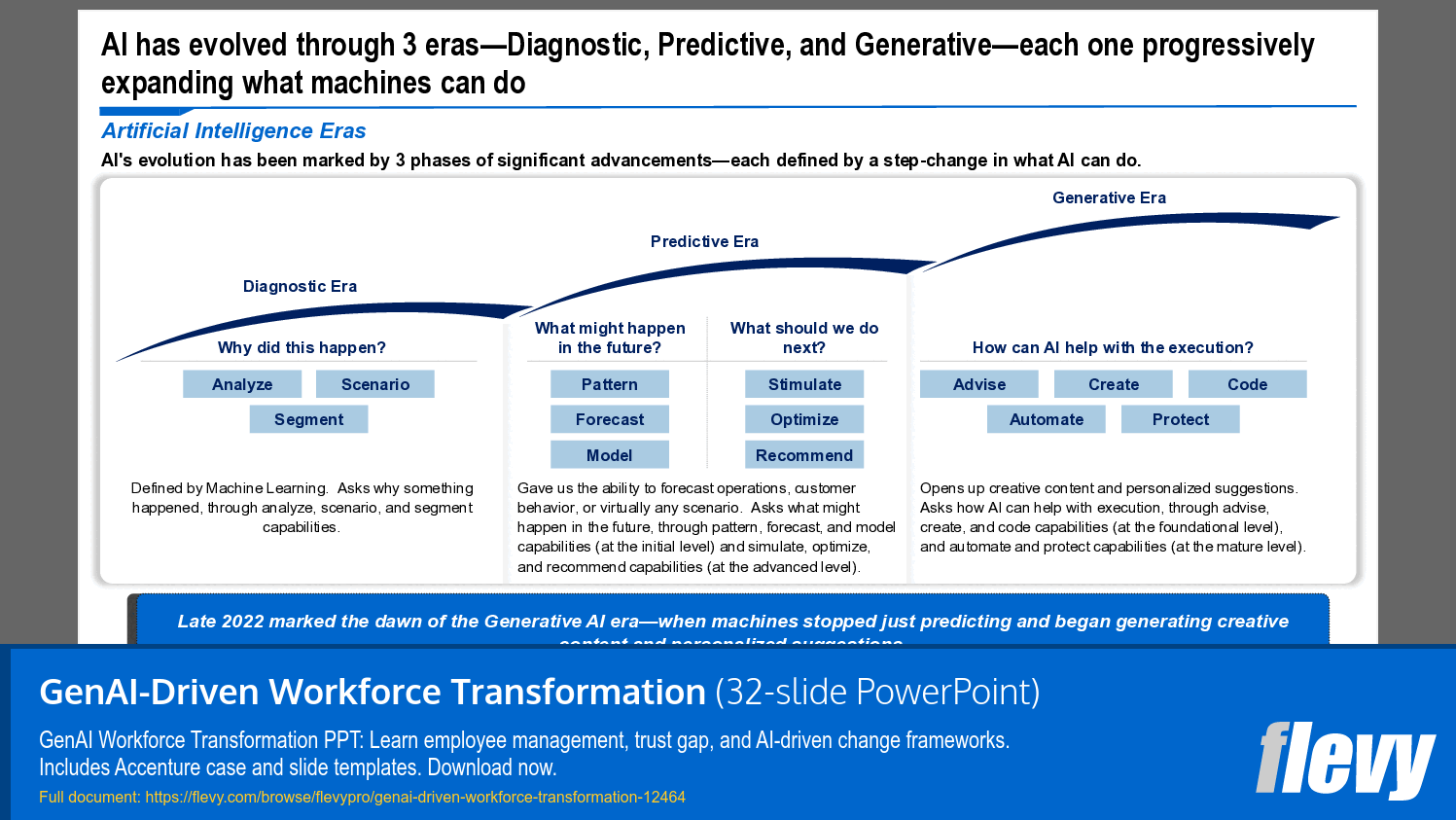
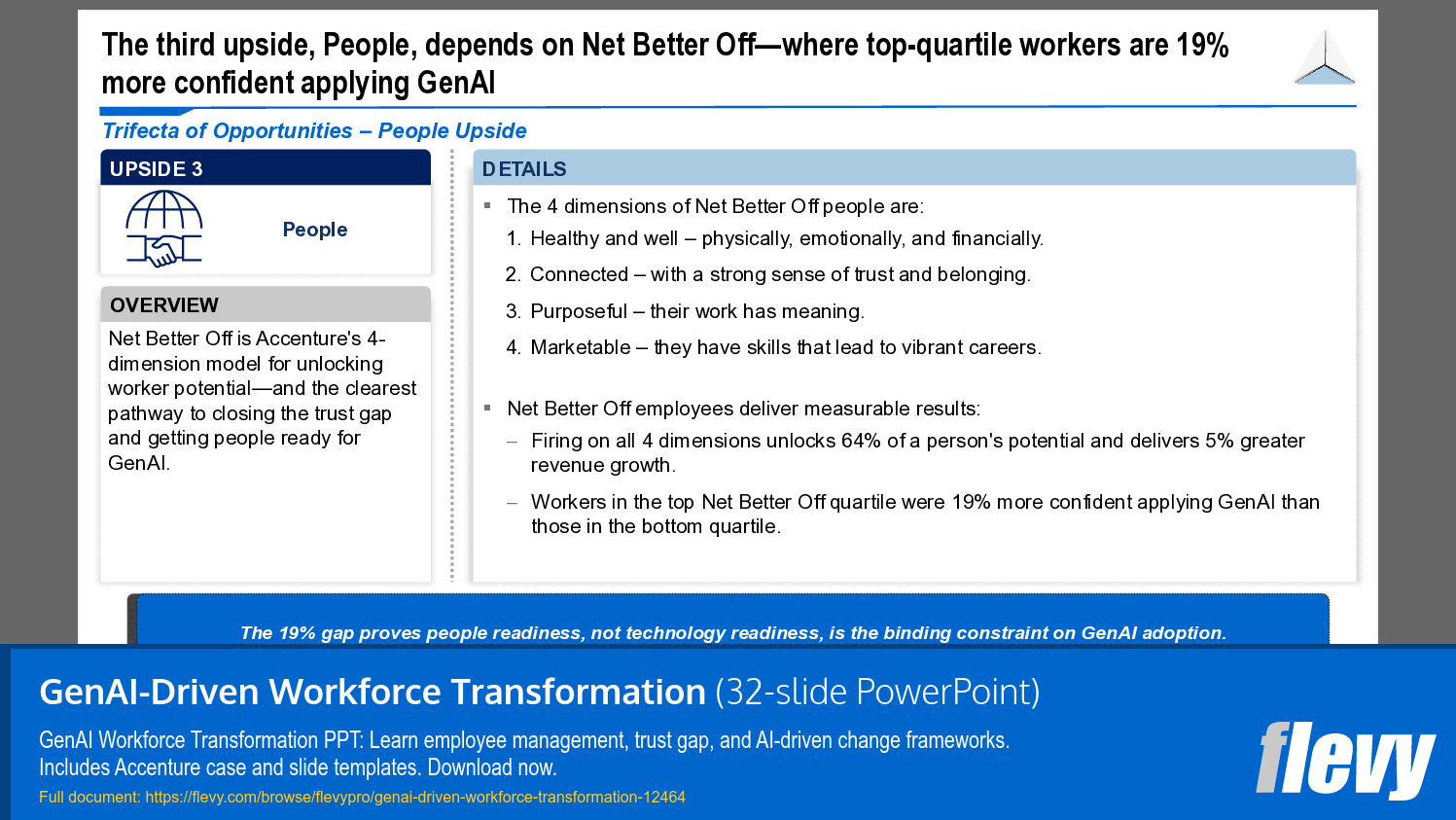
This PowerPoint presentation discusses each lens in detail. Additional topics covered include the 3 Eras of AI, the Net Better Off model, the misaligned perceptions between workers and CXOs, and a case example from Accenture's own sales function, among others.
This deck also includes slide templates for you to use in your own business presentations.
Got a question about this document? Email us at flevypro@flevy.com.
EMPLOYEE MANAGEMENT PPT TEMPLATES
Source: Best Practices in Employee Management, GenAI PowerPoint Slides: GenAI-Driven Workforce Transformation PowerPoint (PPTX) Presentation Slide Deck, LearnPPT Consulting
Did you need more documents?
Consider a FlevyPro subscription from $39/month. View plans here.
For $10.00 more, you can download this document plus 2 more FlevyPro documents. That's just $13 each.




























