
This presentation has 86 slides and introduces the concept of waste and shows how single piece flow is better than a batch manufacturing process.
It details the concepts of cellular manufacturing, where continuous flow can be used, differences between push and pull systems and takt time and line balancing. It also discusses load leveling or hiejunka, Kanban and types of Kanban and how to implement pull systems.
Also included with this document is a bonus zip of 41 Lean documents (includes templates, case studies, articles, posters, charts, and more).
This comprehensive PowerPoint presentation on Continuous Flow – 1 Piece Flow is an essential resource for executives looking to streamline their operations. The slides delve into the intricacies of Lean principles, emphasizing the elimination of waste and the optimization of value-adding activities. By contrasting traditional batch manufacturing with continuous flow, the presentation highlights significant reductions in lead times and cycle times, demonstrating the tangible benefits of adopting a one-piece flow system.
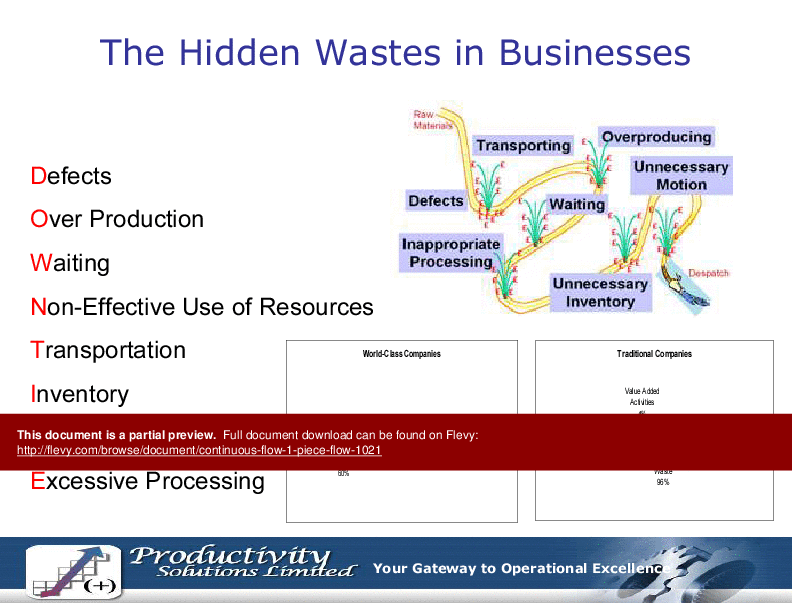
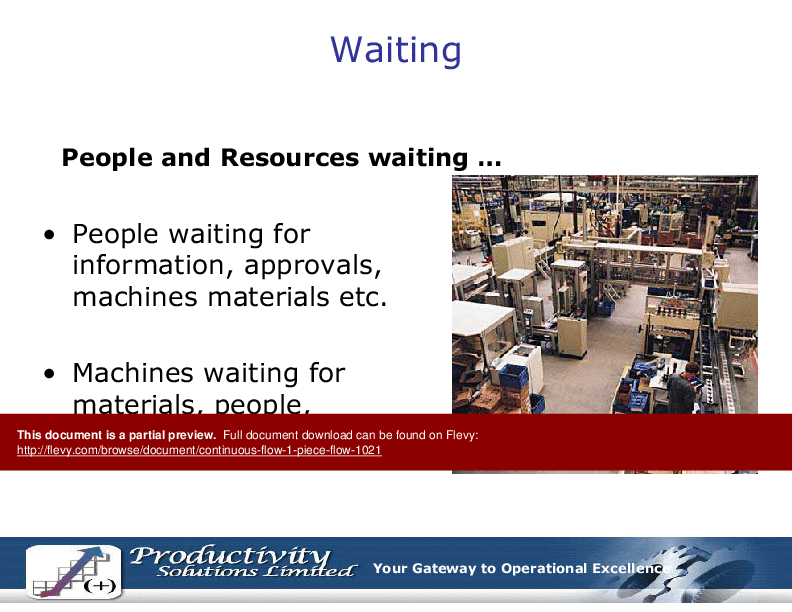
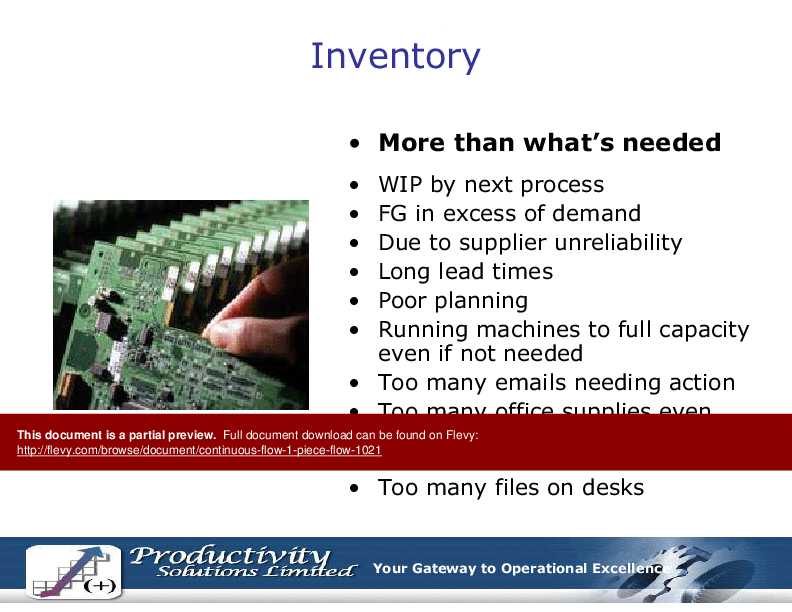
The document also explores the concept of hidden wastes in businesses, categorized under the acronym DOWNTIME. Each type of waste, from defects to excessive processing, is meticulously examined, providing actionable insights for reducing inefficiencies. The presentation employs visual aids and real-world examples to illustrate how these wastes can be identified and mitigated, ensuring that resources are utilized effectively and customer value is maximized.
Furthermore, the presentation includes detailed discussions on cellular manufacturing and pull systems, explaining how these methodologies contribute to increased flexibility, reduced scrap, and improved overall efficiency. The use of Kanban and Heijunka for load leveling is also covered, offering practical guidance on implementing these tools to achieve a balanced and responsive production system. This document is a valuable asset for any organization aiming to achieve operational excellence through Lean practices.
Got a question about the product? Email us at support@flevy.com or ask the author directly by using the "Ask the Author a Question" form. If you cannot view the preview above this document description, go here to view the large preview instead.
Executive Summary
This presentation on Continuous Flow, specifically focusing on 1 Piece Flow, is crafted by a Lean expert and certified LSS Master Black Belt with extensive global training experience. It serves as a comprehensive guide for organizations aiming to implement Lean manufacturing principles to enhance operational efficiency. By utilizing tools such as Takt Time, Kanban, and Heijunka, this presentation equips executives and teams with the knowledge to streamline processes, eliminate waste, and foster a culture of continuous improvement.
Who This Is For and When to Use
• Executives and Directors seeking to enhance operational efficiency
• Lean practitioners and consultants focused on process improvement
• Manufacturing and operations teams aiming to reduce lead times and costs
• Quality assurance professionals looking to improve product quality
Best-fit moments to use this deck:
• During Lean training sessions for staff at all levels
• In workshops aimed at identifying and eliminating waste
• When planning for operational improvements or new process implementations
• To support strategic initiatives focused on enhancing competitiveness
Learning Objectives
• Define Lean principles and their application in continuous improvement
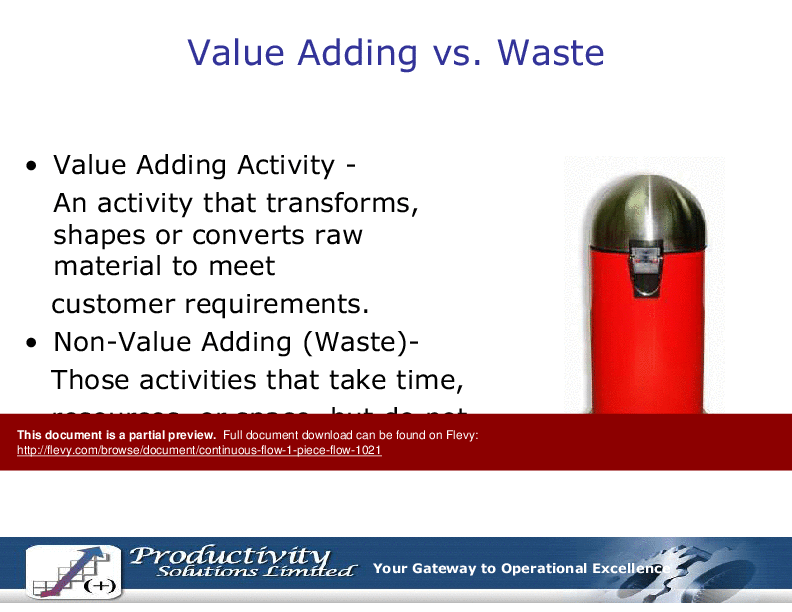
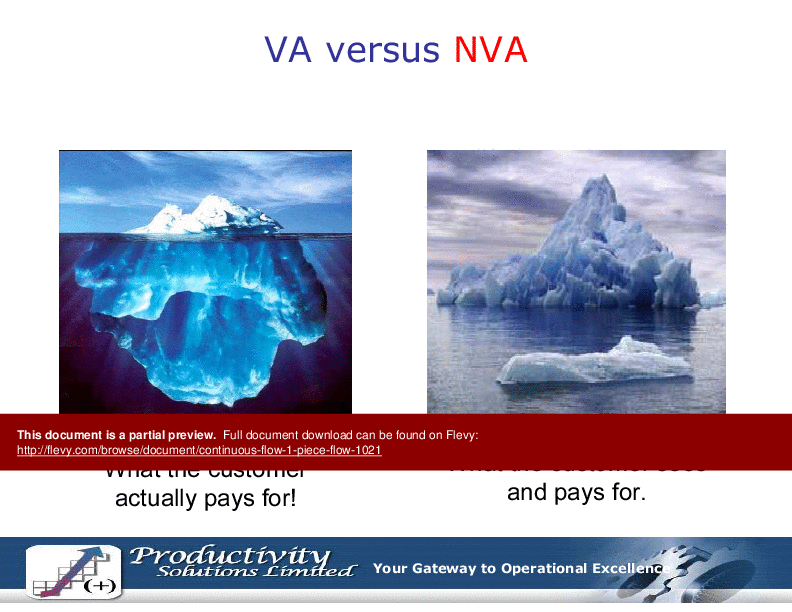
• Identify and eliminate non-value adding activities in processes
• Build a framework for implementing 1 Piece Flow in manufacturing
• Establish metrics for measuring process efficiency and effectiveness
• Create a culture of continuous improvement through Lean tools
• Develop actionable strategies for reducing lead times and inventory
Table of Contents
• Introduction to Lean Principles (page 3)
• Understanding Continuous Flow (page 5)
• Benefits of 1 Piece Flow (page 10)
• Lean Tools and Techniques (page 15)
• Case Studies and Examples (page 20)
• Implementation Strategies (page 25)
• Conclusion and Next Steps (page 30)
Primary Topics Covered
• Lean Principles - An overview of Lean as a strategy for continuous improvement through waste elimination.
• Continuous Flow - The concept of moving products through processes one at a time to enhance efficiency.
• 1 Piece Flow - A detailed explanation of the benefits and implementation of single piece flow in manufacturing.
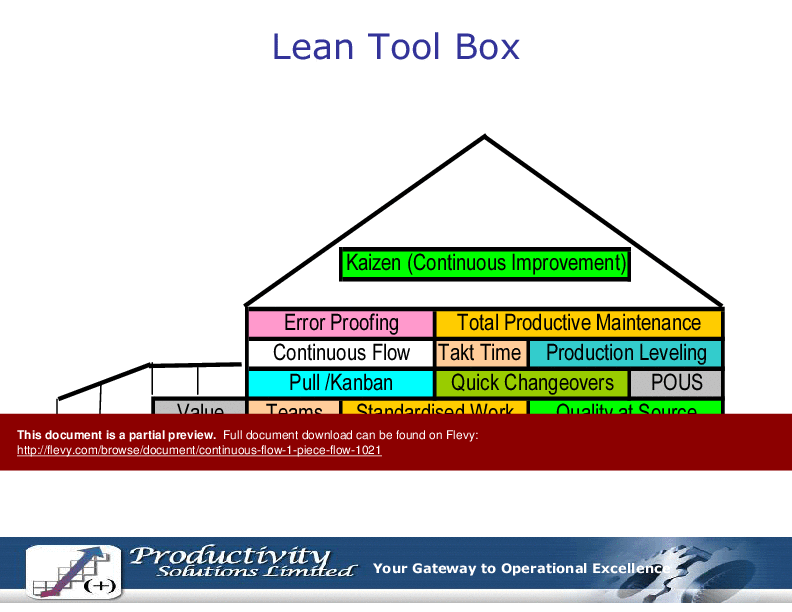
• Lean Tools - Key tools such as Takt Time, Kanban, and Heijunka that facilitate Lean practices.
• Waste Identification - Techniques for recognizing and categorizing waste in operational processes.
• Case Studies - Real-world examples demonstrating the successful application of Lean principles.
Deliverables, Templates, and Tools
• Continuous Flow implementation checklist
• Takt Time calculation template
• Kanban board examples for visual management
• Waste identification and analysis worksheet
• Case study summaries for reference
• Lean training session agenda
Slide Highlights
• Visual representation of Lean principles and their impact on operational efficiency
• Comparative analysis of traditional vs. Lean manufacturing processes
• Case study showcasing a significant reduction in lead times and costs
• Flow diagrams illustrating the concept of 1 Piece Flow
• Charts depicting the benefits of Lean implementation in various industries
Potential Workshop Agenda
Introduction to Lean Principles (30 minutes)
• Overview of Lean concepts and their importance
• Discussion on the role of leadership in Lean initiatives
Continuous Flow and 1 Piece Flow (60 minutes)
• Explanation of continuous flow principles
• Interactive session on identifying waste in current processes
Lean Tools and Techniques (45 minutes)
• Introduction to Takt Time, Kanban, and Heijunka
• Group activity on applying these tools in real scenarios
Implementation Strategies (30 minutes)
• Developing an action plan for Lean implementation
• Setting metrics for success and continuous improvement
Customization Guidance
• Tailor the presentation to specific industry contexts and challenges
• Adjust case studies to reflect relevant organizational experiences
• Incorporate company-specific terminology and metrics for clarity
• Modify workshop activities to align with team dynamics and goals
Secondary Topics Covered
• The role of leadership in fostering a Lean culture
• Techniques for sustaining Lean improvements over time
• The impact of Lean on employee engagement and satisfaction
• Strategies for overcoming resistance to change in organizations
Topic FAQ
Document FAQ
These are questions addressed within this presentation.
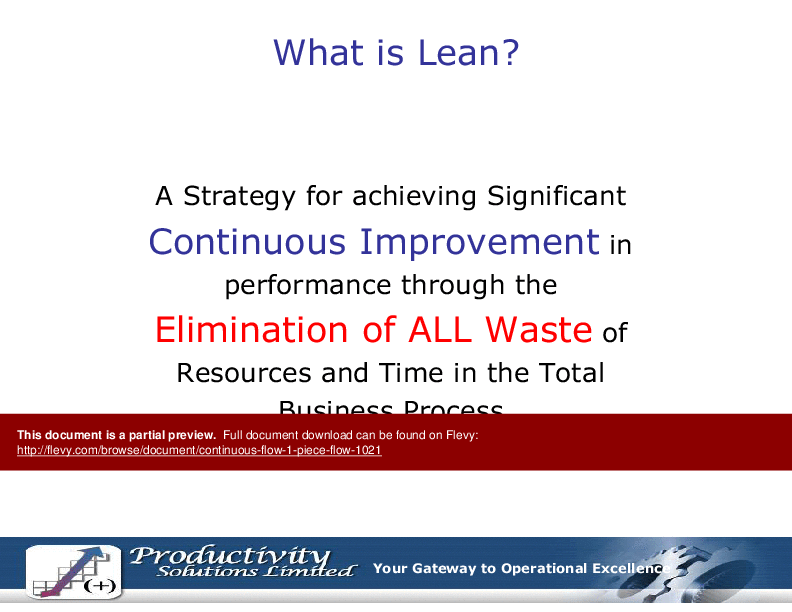
What is Lean?
Lean is a strategy aimed at achieving significant continuous improvement by eliminating waste in resources and time across all business processes.
Why implement Lean?
Implementing Lean helps organizations improve quality, reduce costs, and enhance overall competitiveness in a rapidly evolving market.
What is 1 Piece Flow?
1 Piece Flow is a production method where items are processed one at a time, allowing for quicker response times and reduced work in progress.
How does Takt Time contribute to Lean?
Takt Time helps synchronize production with customer demand, ensuring efficient resource allocation and minimizing overproduction.
What are Kanban systems?
Kanban systems are visual tools used to manage workflow and inventory levels, facilitating a pull-based production approach.
How can we identify waste in our processes?
Waste can be identified through techniques such as value stream mapping, which highlights non-value adding activities in the workflow.
What are the benefits of Continuous Flow?
Continuous Flow minimizes work in progress, reduces lead times, and enhances product quality by eliminating bottlenecks and defects.
How can we ensure successful Lean implementation?
Successful Lean implementation requires leadership commitment, employee engagement, and ongoing training and support.
Glossary
• Lean - A methodology focused on minimizing waste and maximizing value.
• Continuous Flow - A production approach where items move through processes one at a time.
• 1 Piece Flow - Processing items individually to enhance efficiency.
• Takt Time - The rate at which products must be produced to meet customer demand.
• Kanban - A visual signal used to manage workflow and inventory.
• Heijunka - Load leveling to optimize production and reduce waste.
• Waste - Activities that do not add value to the customer.
• Value Stream Mapping - A tool for analyzing the flow of materials and information.

• Pull System - A production strategy where items are produced based on demand.
• Standardized Work - Documented procedures that ensure consistent quality and efficiency.
• Kaizen - Continuous improvement through small, incremental changes.
• 5S - A workplace organization method focusing on efficiency and effectiveness.
• Total Productive Maintenance (TPM) - A proactive approach to maintaining equipment and reducing downtime.
• Error Proofing - Techniques to prevent errors in manufacturing processes.
• Process Mapping - Visual representation of workflows to identify inefficiencies.
• Cross-Training - Training employees to perform multiple roles to enhance flexibility.
• Cellular Manufacturing - Organizing workstations in a way that facilitates continuous flow.
• Just-In-Time (JIT) - A strategy that aligns production with demand to minimize inventory.
• FIFO - First In, First Out; a method for managing inventory and production sequences.
• Visual Management - Using visual cues to enhance communication and workflow efficiency.
Source: Best Practices in Manufacturing, Takt Time, Continuous Flow PowerPoint Slides: Continuous Flow - 1 Piece Flow PowerPoint (PPT) Presentation Slide Deck, OpEx Academy NZ
|
Receive our FREE presentation on Operational Excellence
This 50-slide presentation provides a high-level introduction to the 4 Building Blocks of Operational Excellence. Achieving OpEx requires the implementation of a Business Execution System that integrates these 4 building blocks. |