
 Click main image to view in full screen. Unlock all 7 preview images:
AI Risk & Controls Management – PowerPoint PPTX Template
PowerPoint (PPTX) 35 Slides FlevyPro Document


ARTIFICIAL INTELLIGENCE PPT TEMPLATE DESCRIPTION
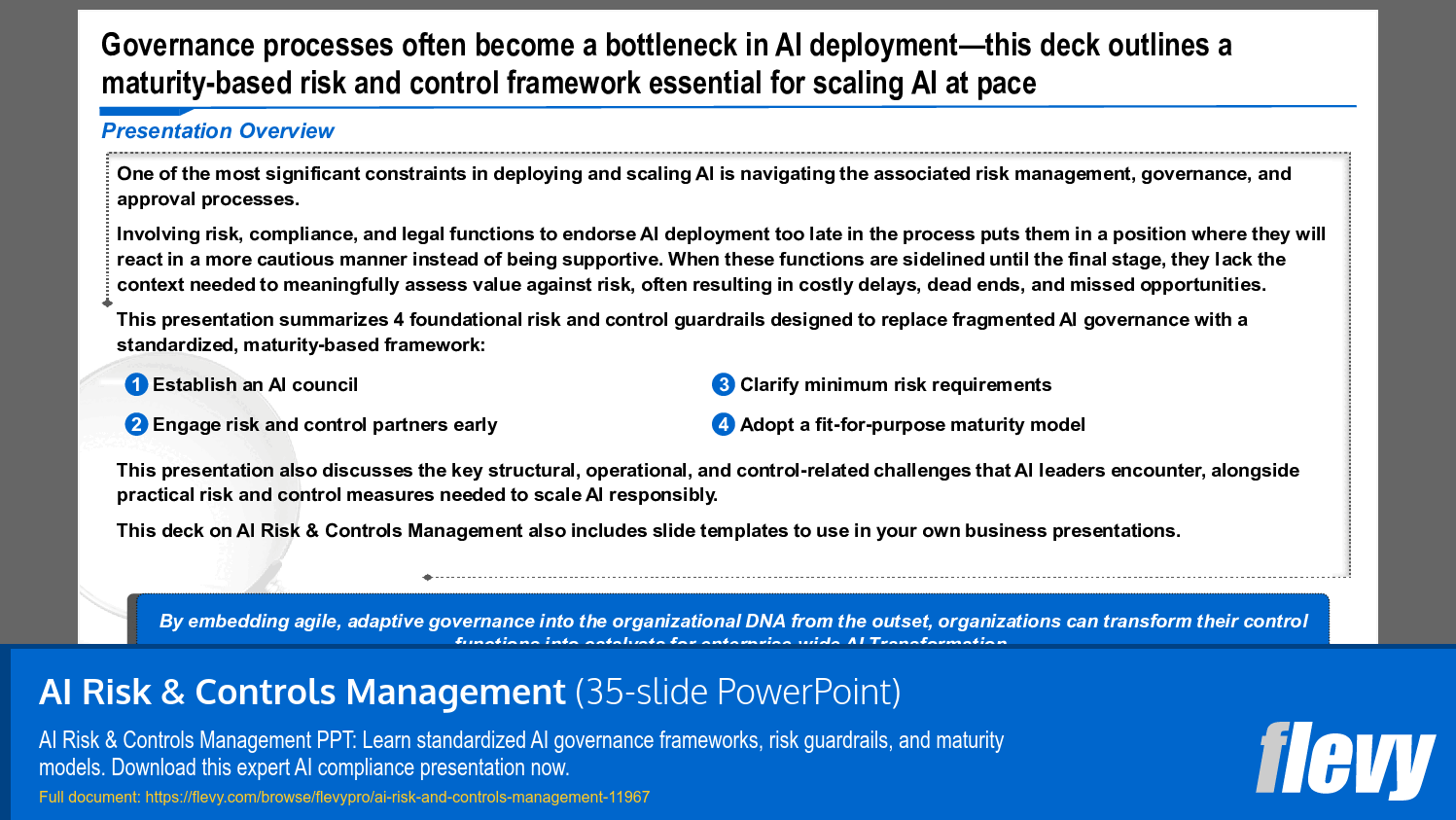
One of the most significant constraints in deploying and scaling AI is navigating the associated risk management, governance, and approval processes.
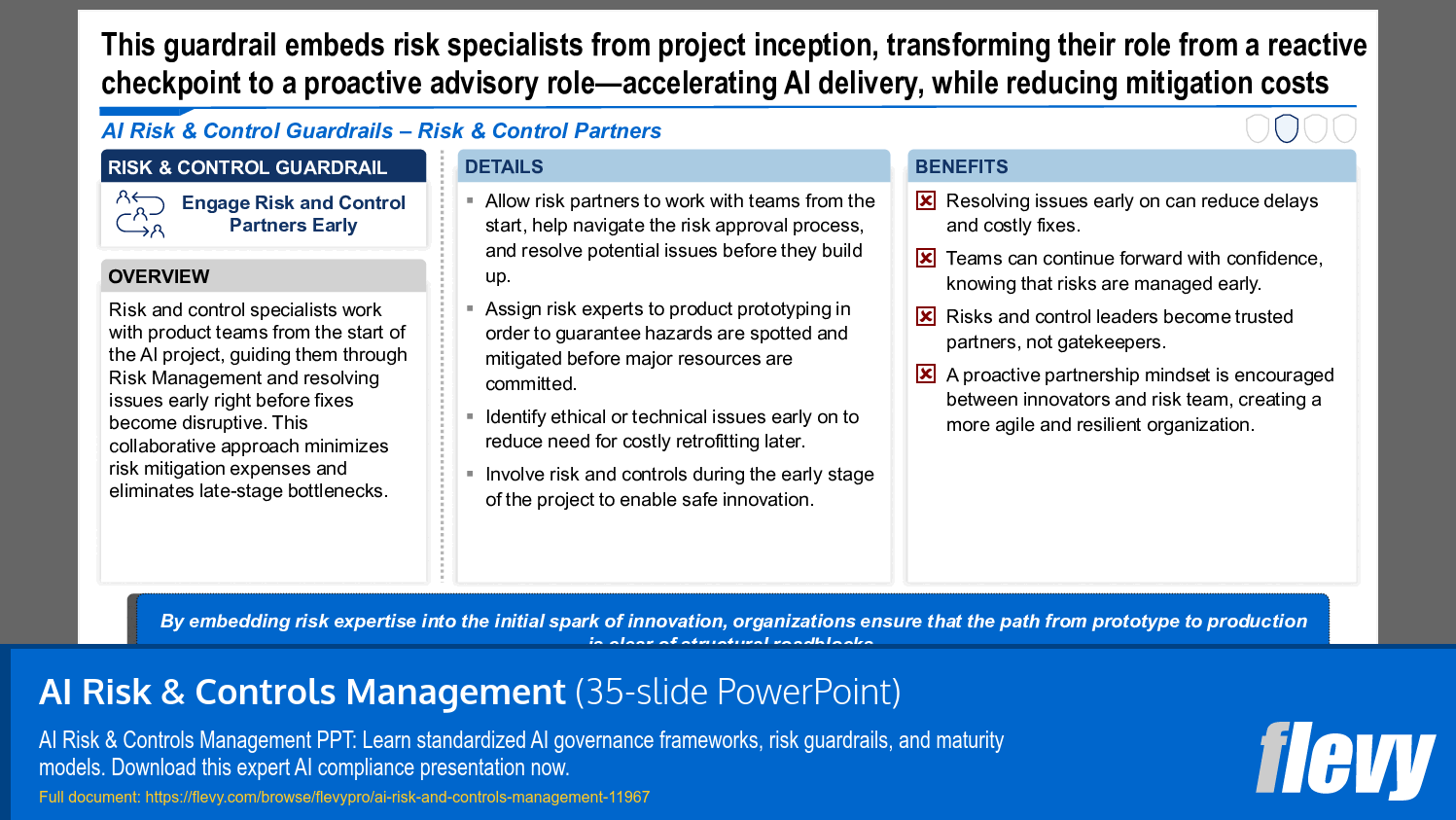
Involving risk, compliance, and legal functions to endorse AI deployment too late in the process puts them in a position where they will react in a more cautious manner instead of being supportive. When these functions are sidelined until the final stage, they lack the context needed to meaningfully assess value against risk, often resulting in costly delays, dead ends, and missed opportunities.
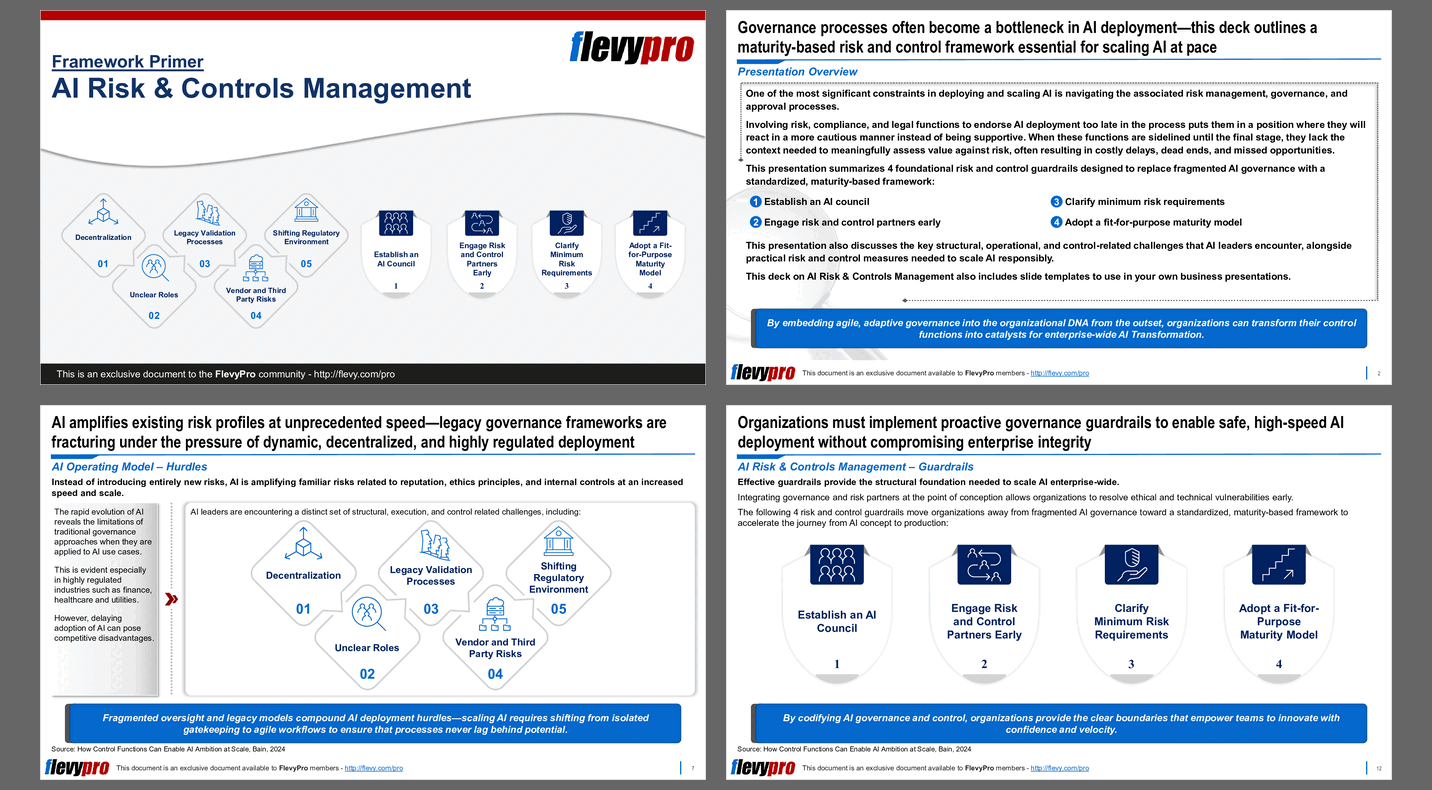
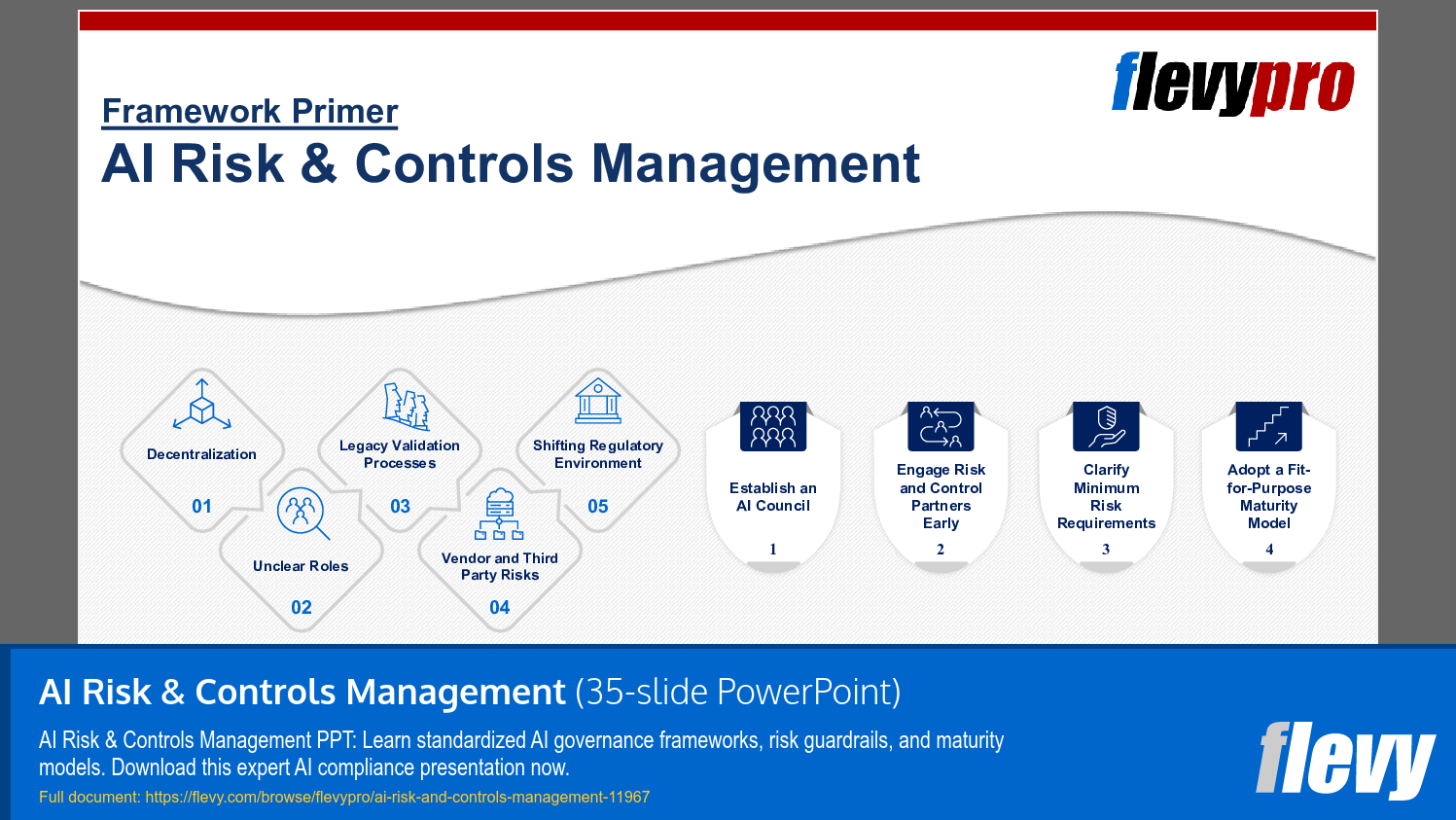
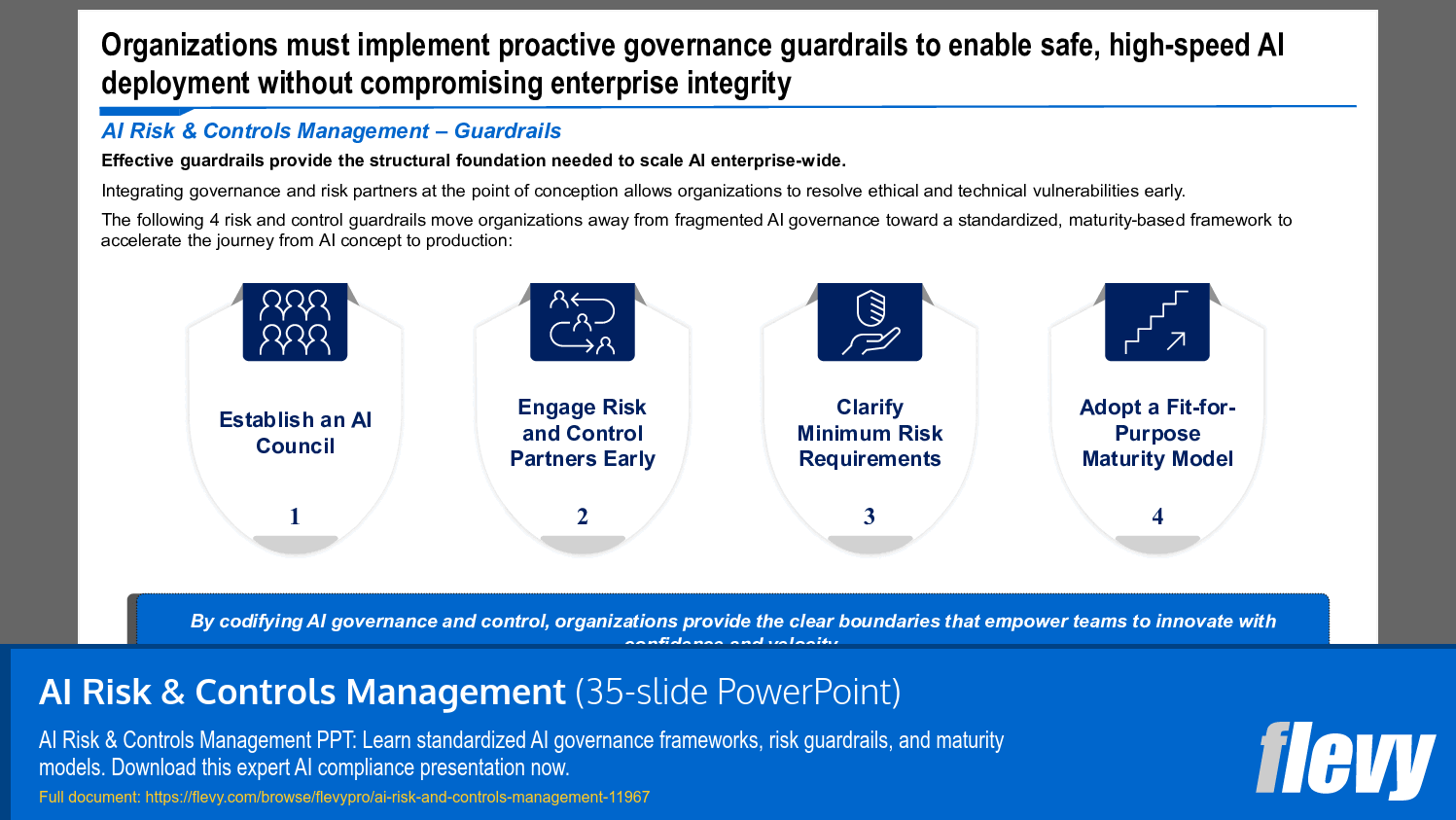
This PPT presentation summarizes 4 foundational risk and control guardrails designed to replace fragmented AI governance with a standardized, maturity-based framework:
1. Establish an AI council
2. Engage risk and control partners early
3. Clarify minimum risk requirements
4. Adopt a fit-for-purpose maturity model
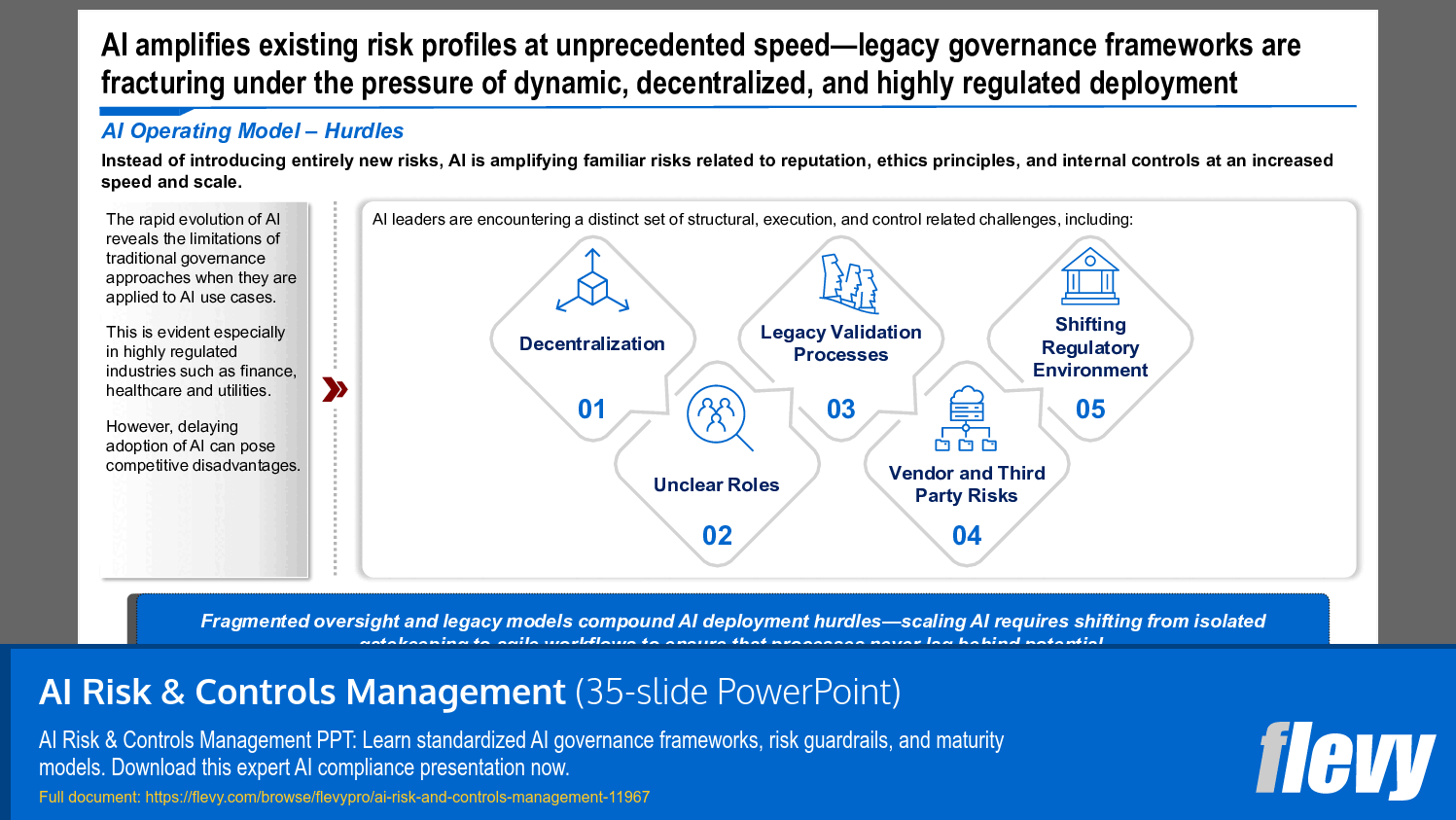
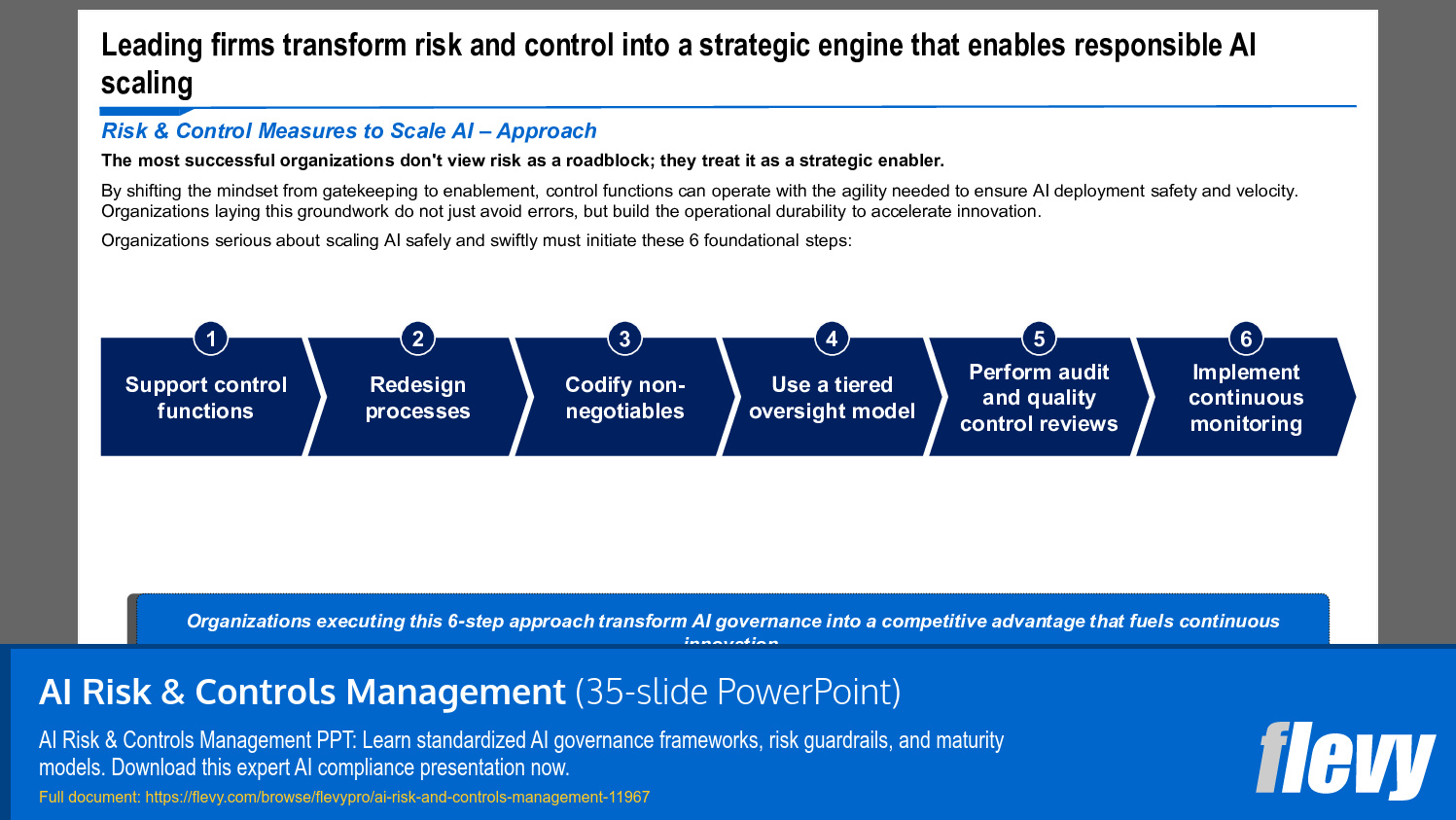
Each of these guardrails is discussed in depth. This PowerPoint presentation also discusses the key structural, operational, and control-related challenges that AI leaders encounter, alongside practical risk and control measures needed to scale AI responsibly.
By embedding agile, adaptive governance into the organizational DNA from the outset, organizations can transform their control functions into catalysts for enterprise-wide AI Transformation.
This deck on AI Risk & Controls Management also includes slide templates to use in your own business presentations.
Got a question about this document? Email us at flevypro@flevy.com.
ARTIFICIAL INTELLIGENCE PPT TEMPLATES
Source: Best Practices in Artificial Intelligence, Risk Management PowerPoint Slides: AI Risk & Controls Management PowerPoint (PPTX) Presentation Slide Deck, LearnPPT Consulting
Did you need more documents?
Consider a FlevyPro subscription from $39/month. View plans here.
For $10.00 more, you can download this document plus 2 more FlevyPro documents. That's just $13 each.




























