 Click main image to view in full screen.
Agentic AI Assessment Framework – PowerPoint PPTX Template
PowerPoint (PPTX) 31 Slides FlevyPro Document


ARTIFICIAL INTELLIGENCE PPT TEMPLATE DESCRIPTION
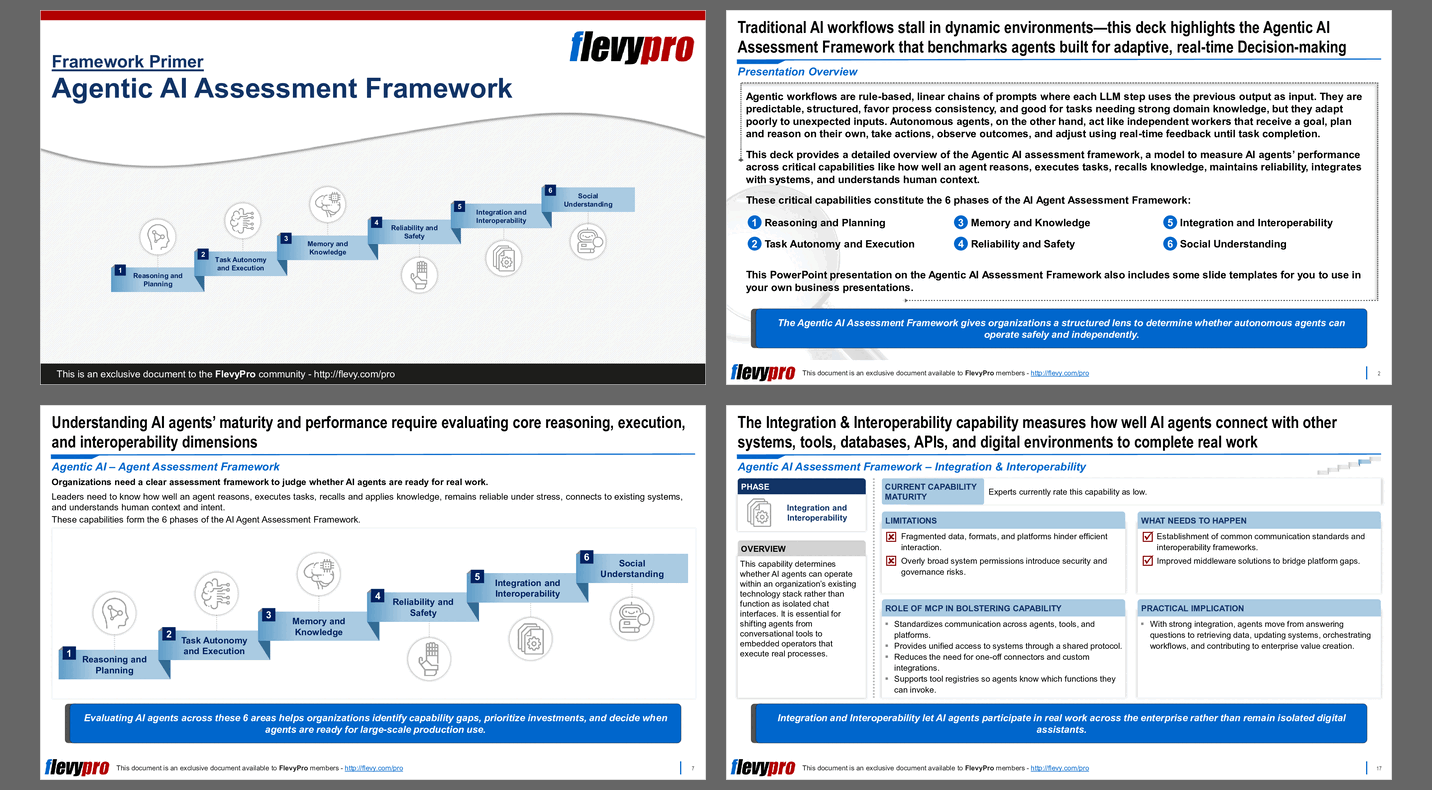
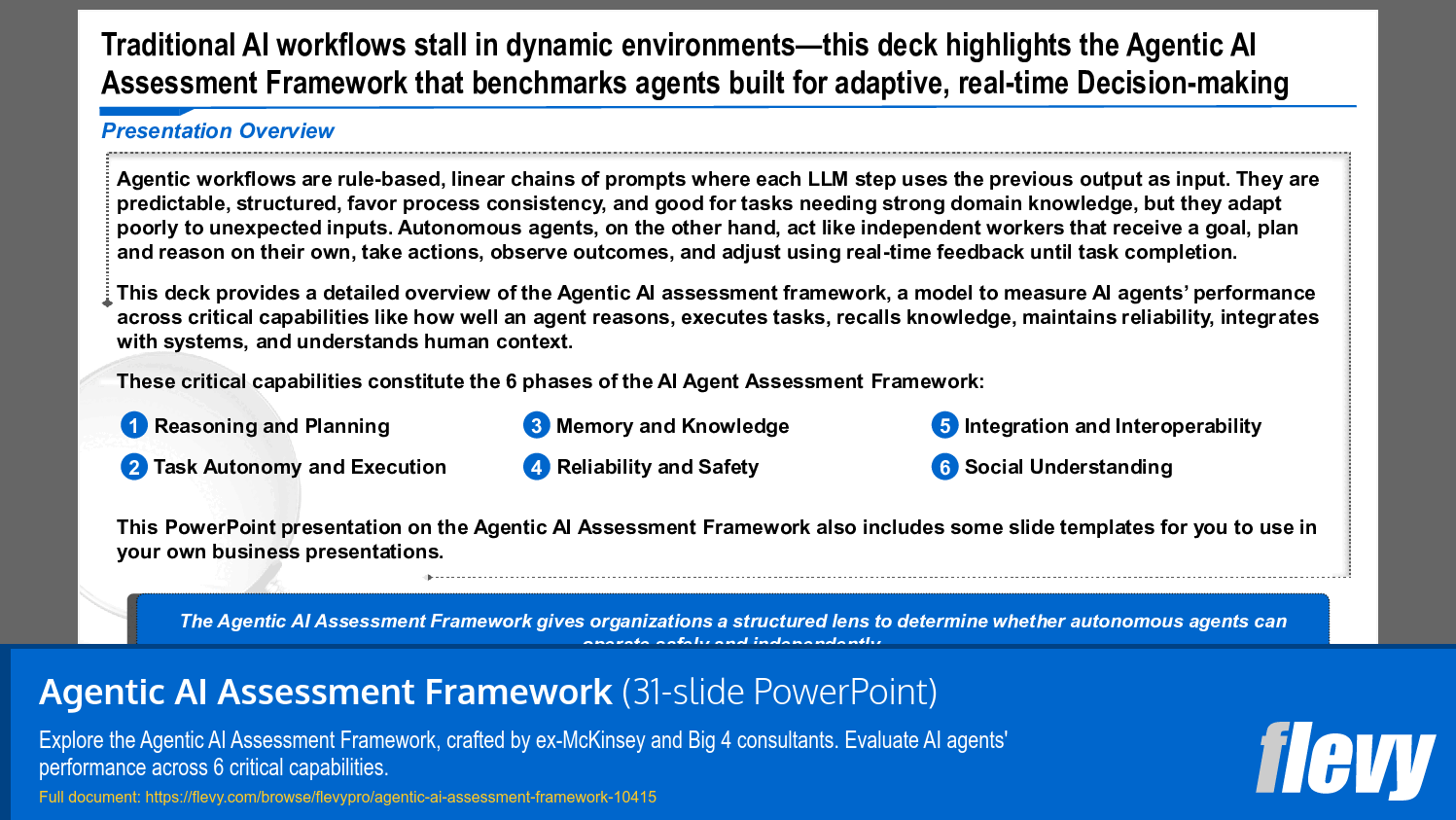
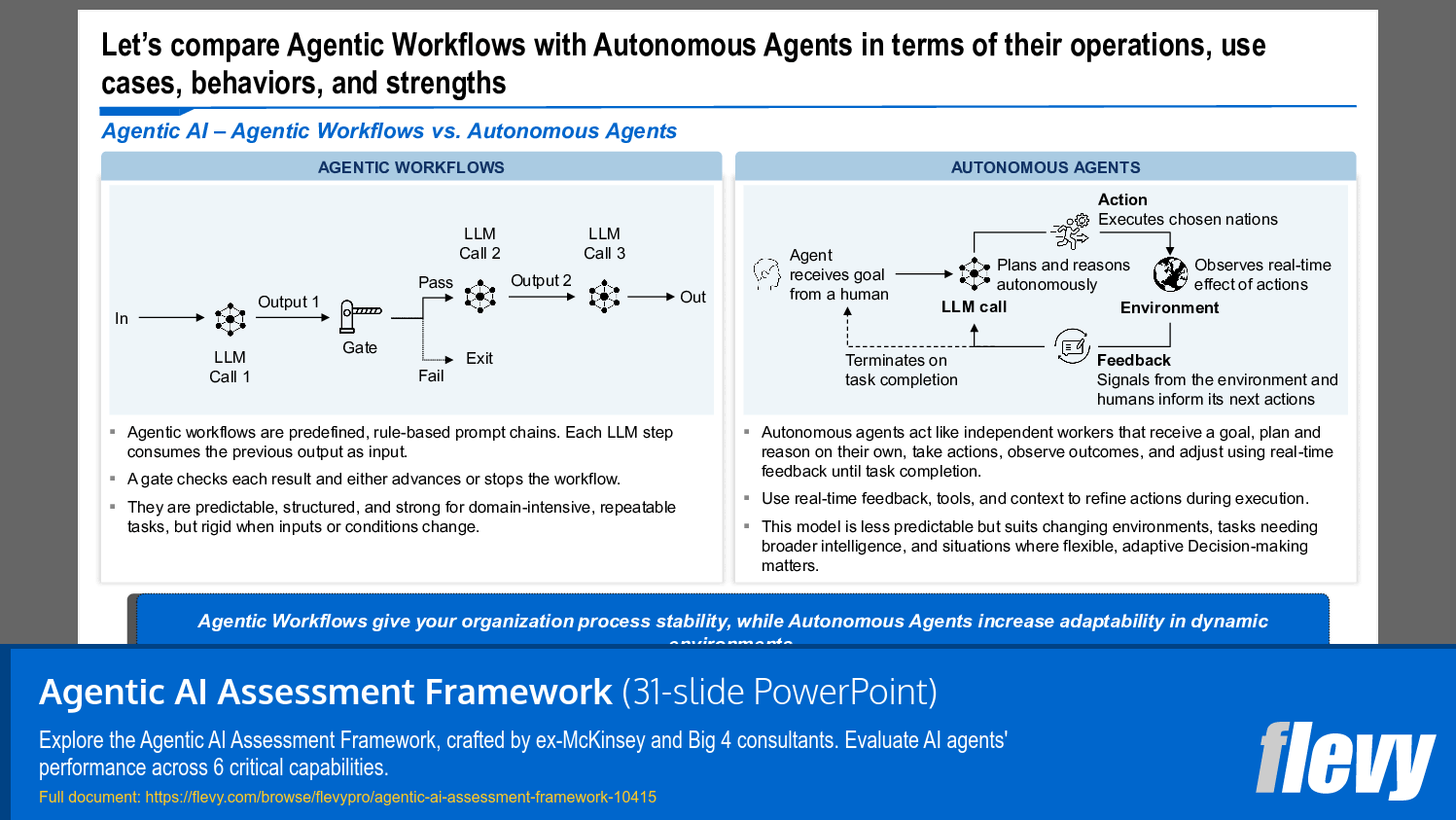
Agentic workflows are rule-based, linear chains of prompts where each LLM step uses the previous output as input. They are predictable, structured, favor process consistency, and good for tasks needing strong domain knowledge, but they adapt poorly to unexpected inputs.
Autonomous agents, on the other hand, act like independent workers that receive a goal, plan and reason on their own, take actions, observe outcomes, and adjust using real-time feedback until task completion.
This deck provides a detailed overview of the Agentic AI assessment framework, a model to measure AI agents' performance across critical capabilities like how well an agent reasons, executes tasks, recalls knowledge, maintains reliability, integrates with systems, and understands human context.
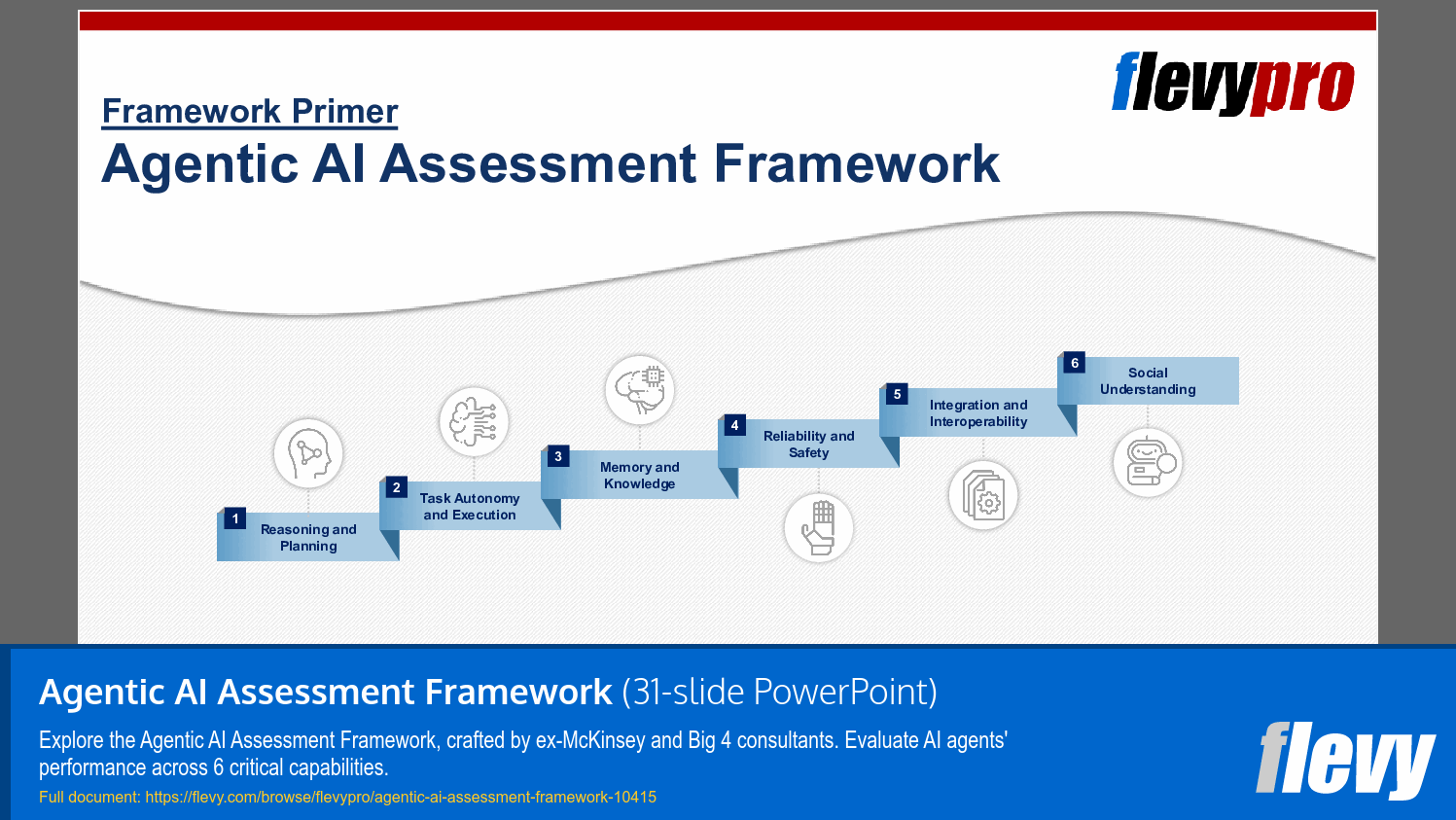
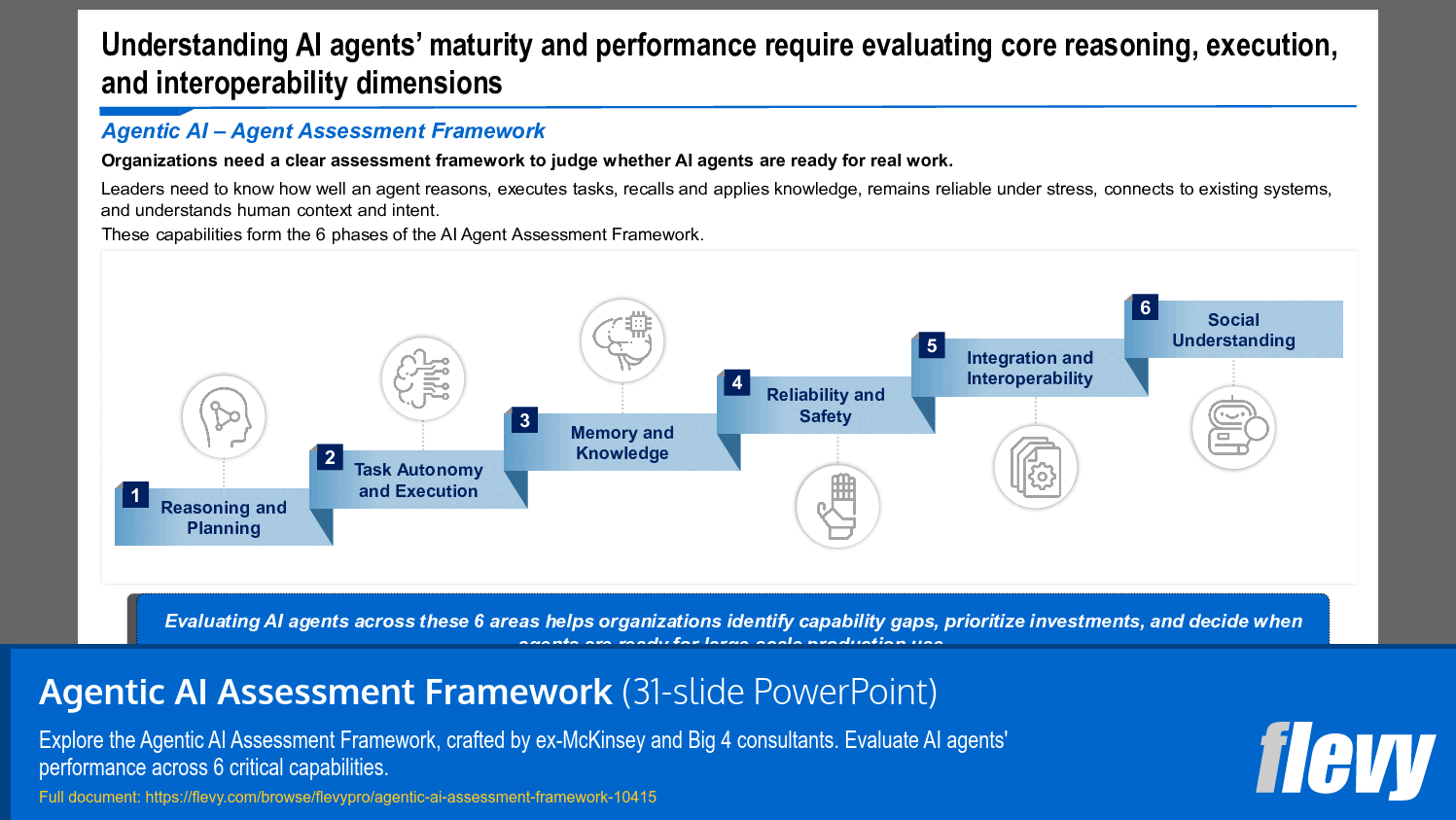
These critical capabilities constitute the 6 phases of the AI Agent Assessment Framework:
1. Reasoning and Planning
2. Task Autonomy and Execution
3. Memory and Knowledge
4. Reliability and Safety
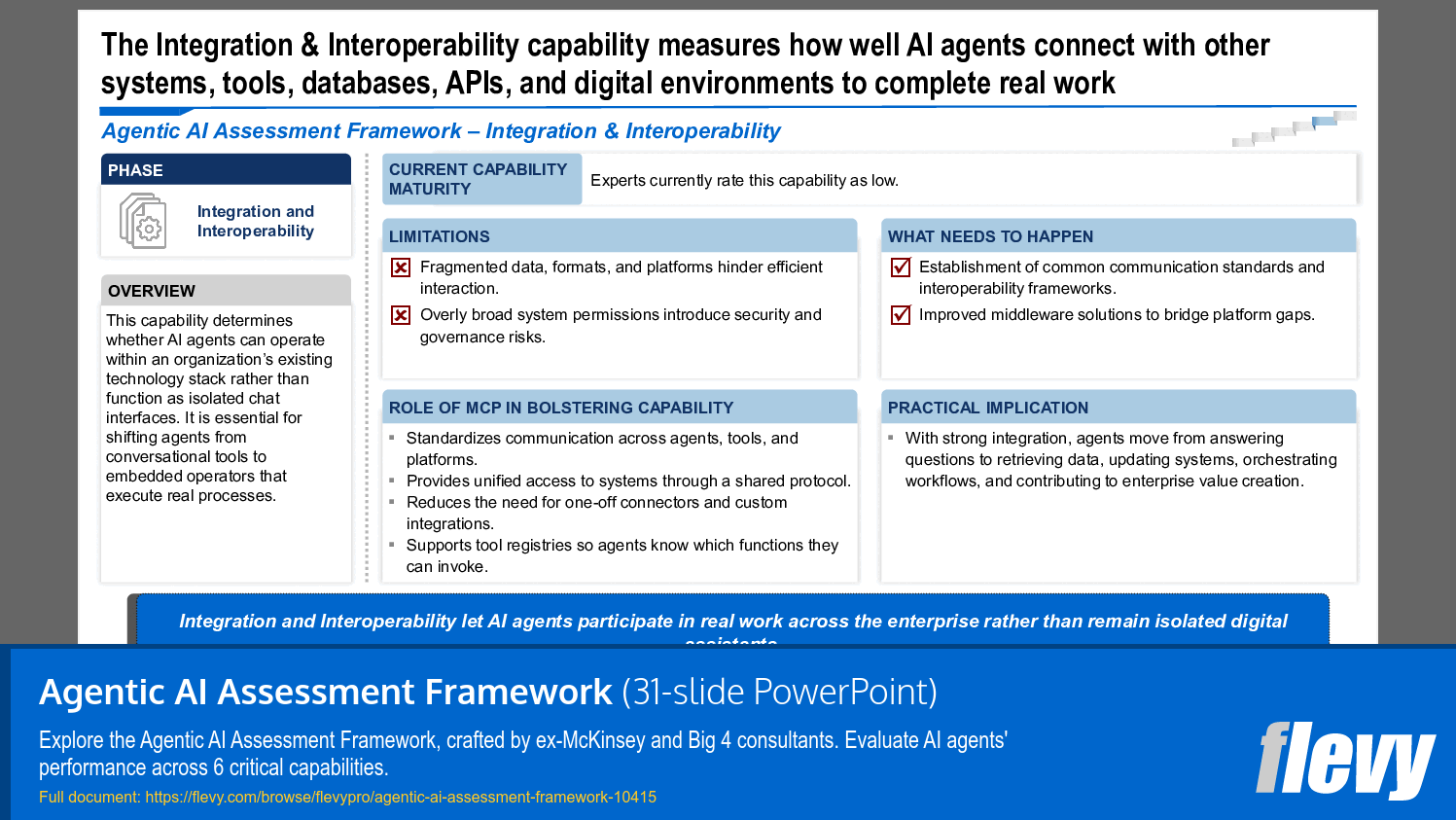
5. Integration and Interoperability
6. Social Understanding
The Agentic AI Assessment Framework gives organizations a structured lens to determine whether autonomous agents can operate safely and independently.
This PowerPoint presentation on the Agentic AI Assessment Framework also includes some slide templates for you to use in your own business presentations.
Got a question about this document? Email us at flevypro@flevy.com.
PRESENTATION DEEP DIVE ANALYSIS
This deep-dive analysis was generated from the full 31-slide PowerPoint presentation.
ARTIFICIAL INTELLIGENCE PPT TEMPLATES
Source: Best Practices in Artificial Intelligence, Agentic AI PowerPoint Slides: Agentic AI Assessment Framework PowerPoint (PPTX) Presentation Slide Deck, LearnPPT Consulting
Did you need more documents?
Consider a FlevyPro subscription from $39/month. View plans here.
For $10.00 more, you can download this document plus 2 more FlevyPro documents. That's just $13 each.




























