
 Click main image to view in full screen. Unlock all 15 preview images:
The Seven Habits of Highly Effective Internal Auditors – PDF
PDF document 71 Pages


VIDEO DEMO
BENEFITS OF THIS DOWNLOADABLE PDF DOCUMENT
- Delivers a structured, experience-based framework that clearly defines what makes internal auditors highly effective in modern organizations.
- Provides practical tools, case studies, and methodologies that can be immediately applied to enhance audit impact and relevance.
- Supports internal audit leaders in positioning their function as a trusted strategic partner to executive management and the board.
PDF DESCRIPTION
Overview and Strategic Context
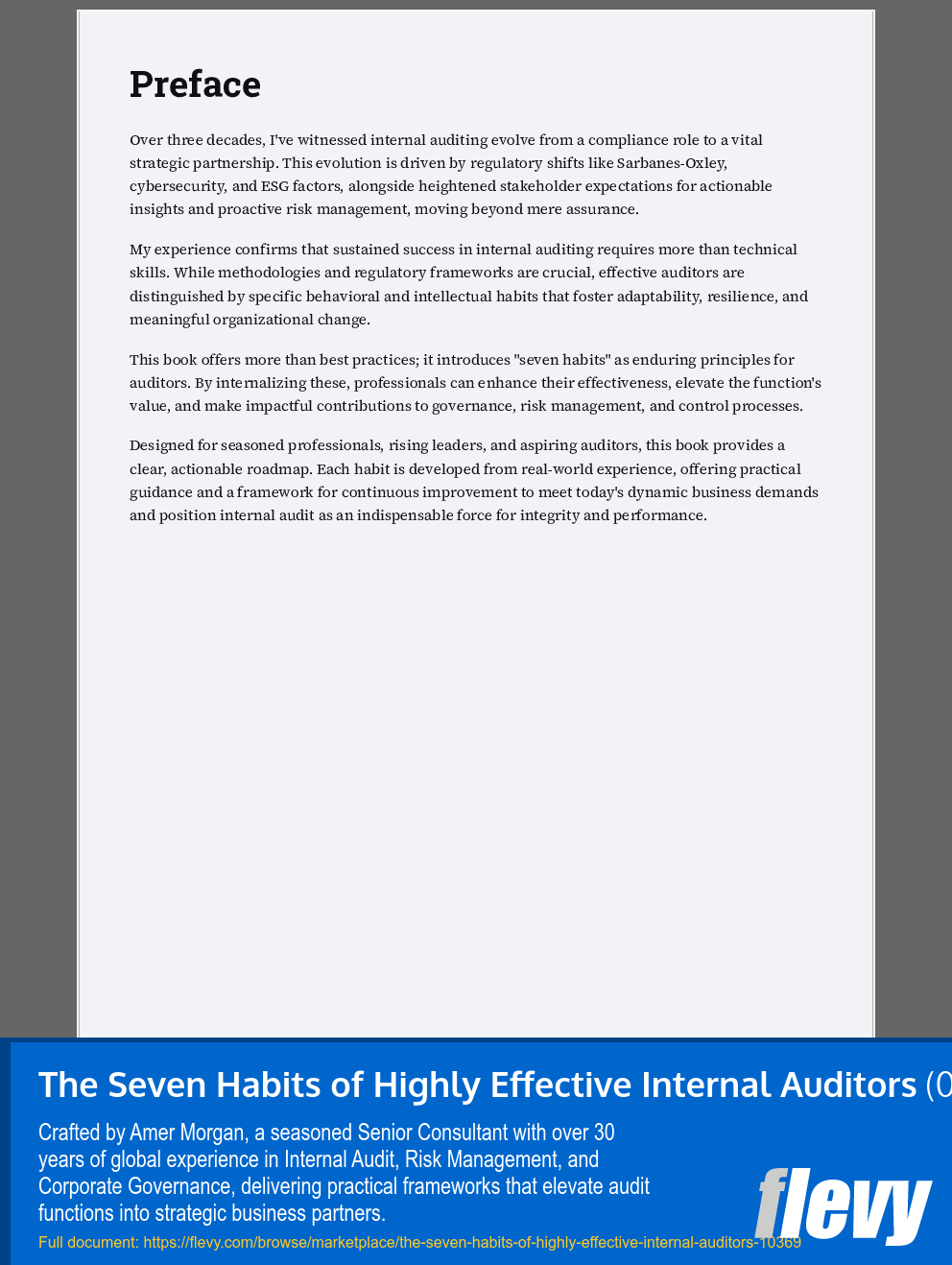
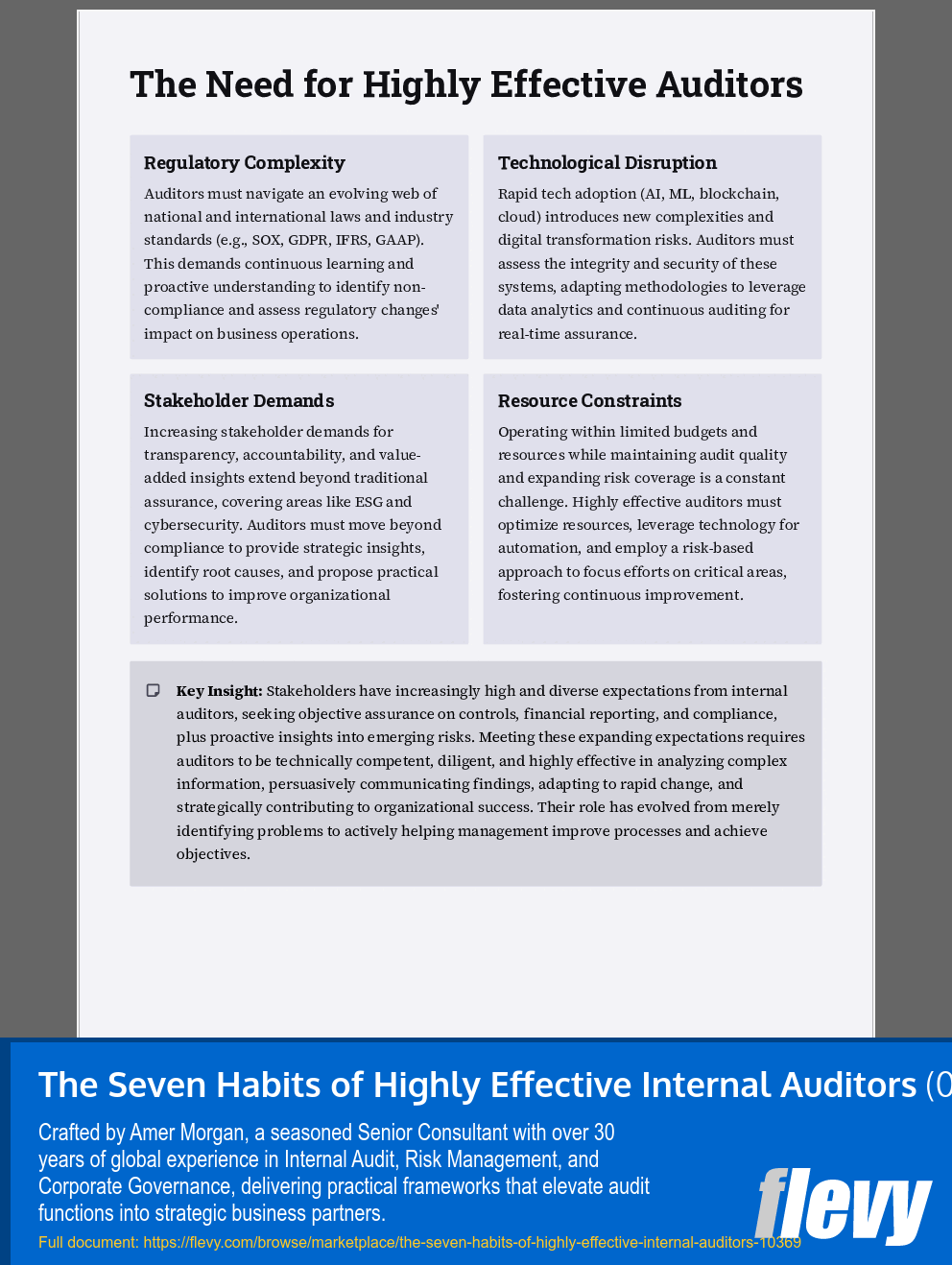
Internal auditing has evolved far beyond its traditional role as a compliance and assurance function. In an environment defined by regulatory complexity, rapid technological disruption, cybersecurity threats, and rising stakeholder expectations, internal auditors are now expected to act as strategic advisors who actively contribute to organizational resilience and long-term value creation.
The Seven Habits of Highly Effective Internal Auditors is a comprehensive, practitioner-focused guide designed to help internal audit professionals meet these expectations. It provides a structured, real-world framework that enables auditors to elevate their effectiveness, credibility, and influence across the enterprise.
This document is grounded in decades of hands-on experience across diverse industries and organizational models, offering insights that are both strategic and immediately actionable.
Purpose and Value Proposition
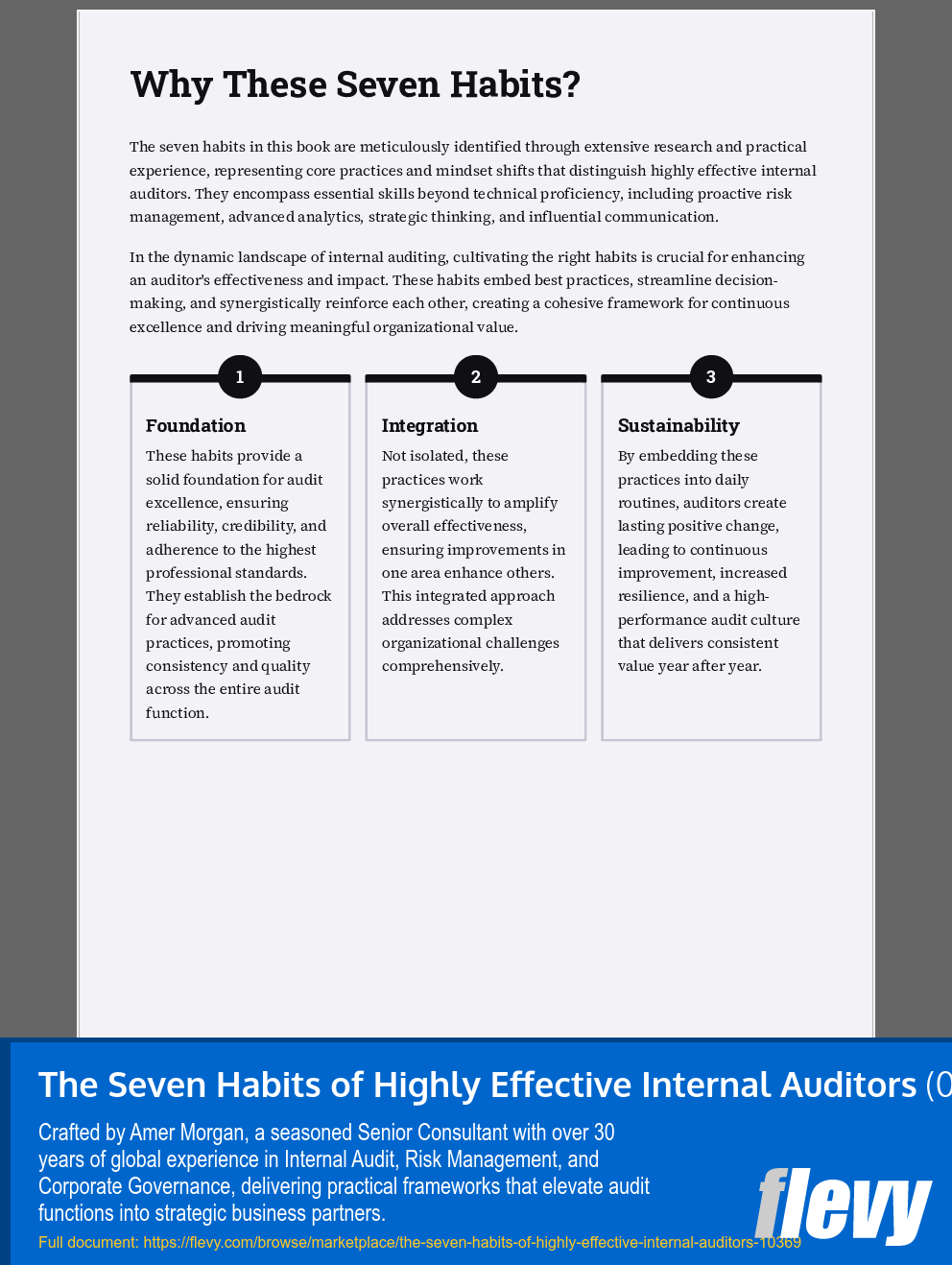
The core objective of this document is to clearly define and operationalize the behaviors, capabilities, and mindsets that distinguish highly effective internal auditors from those who merely execute routine audit activities.
Rather than focusing solely on tools or standards, the document emphasizes enduring professional habits that:
Strengthen audit judgment and foresight
Enhance stakeholder trust and engagement
Improve the quality and impact of audit outcomes
Position internal audit as a strategic partner to executive management and the board
The Seven Habits Framework
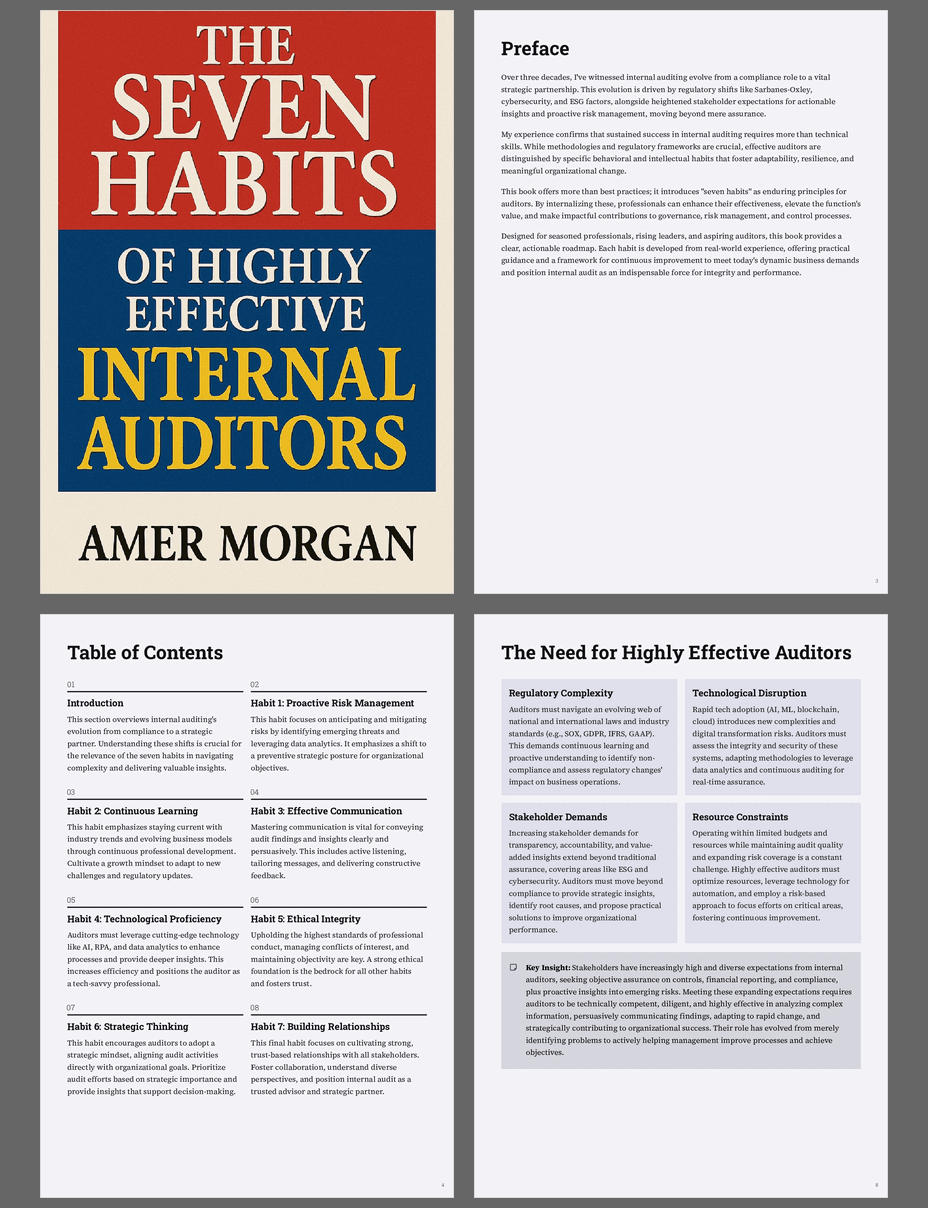
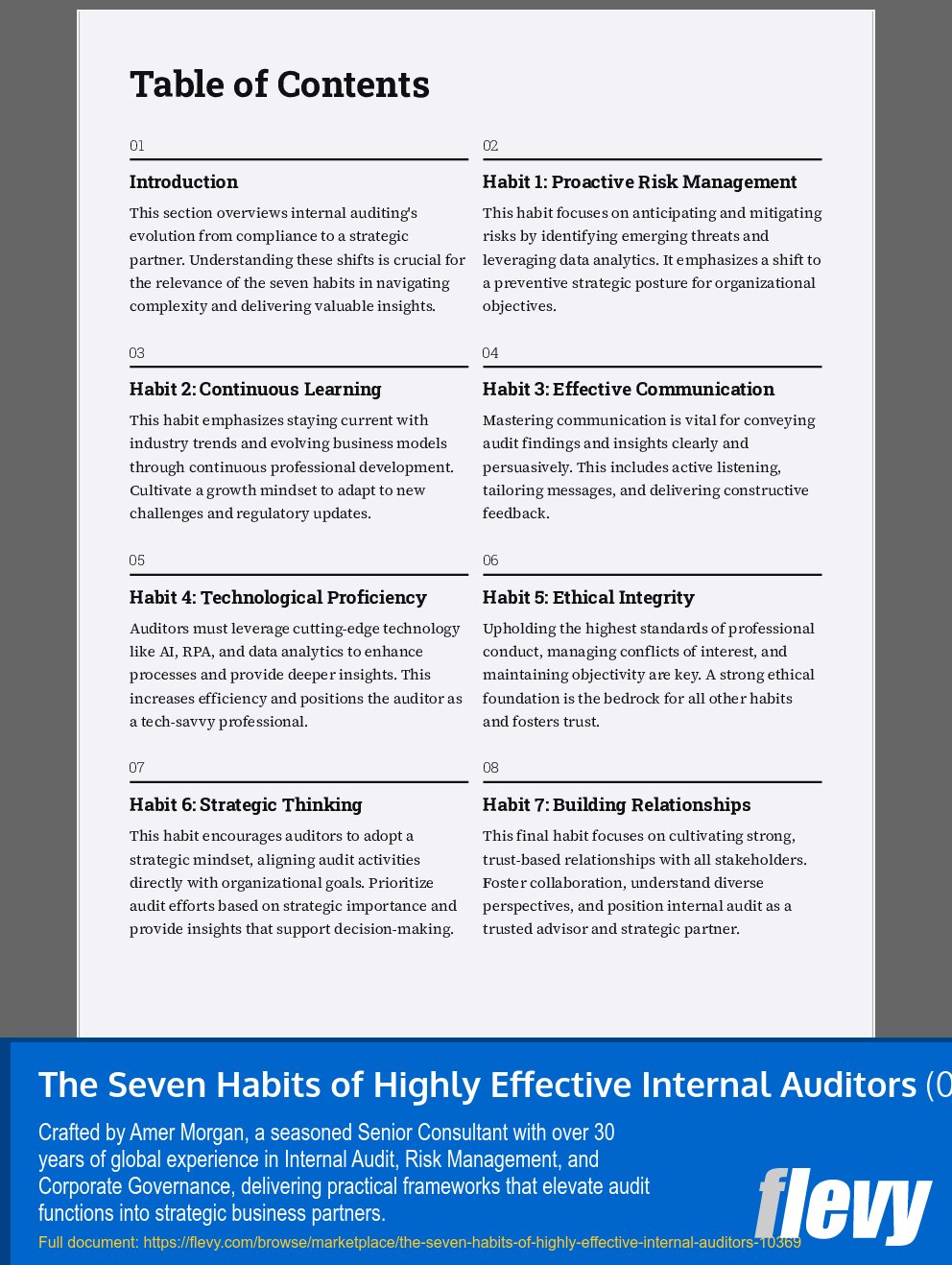
The document is structured around seven critical habits, each explored in depth and supported by practical guidance, case studies, and structured methodologies:
Habit 1: Proactive Risk Management
Anticipating emerging risks before they materialize
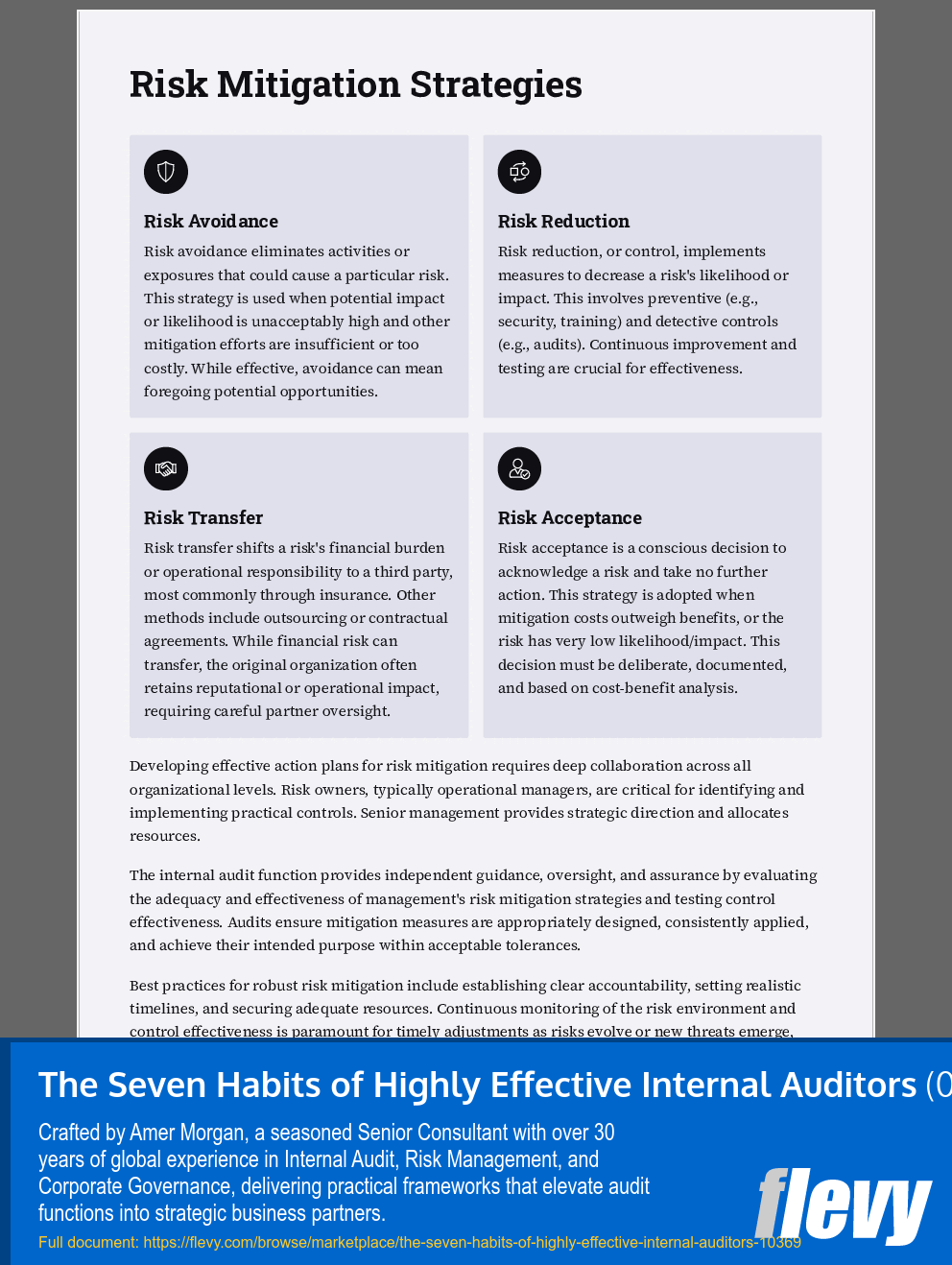
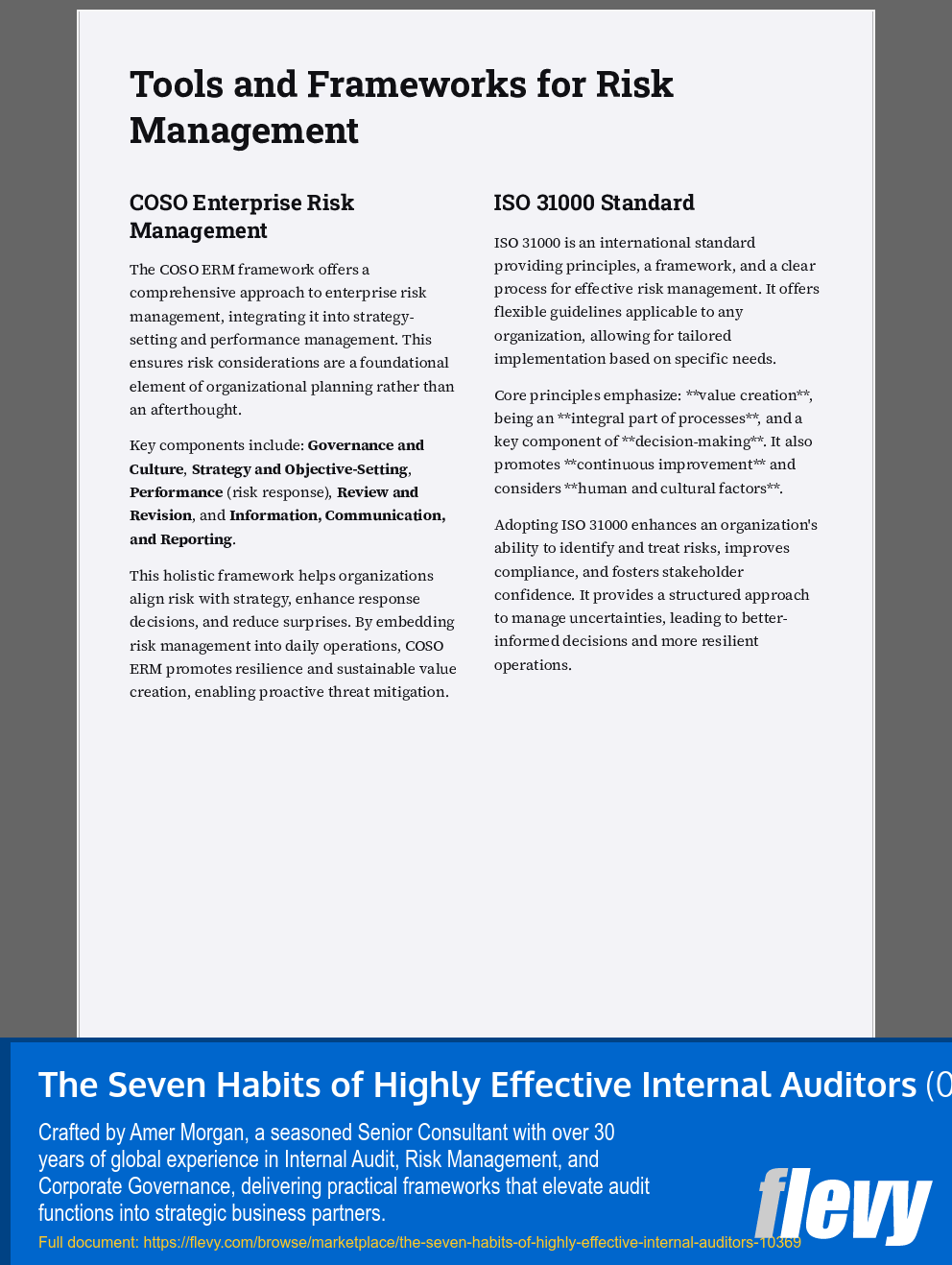
Applying enterprise risk management principles
Leveraging data analytics and risk dashboards
Shifting audit from reactive to forward-looking assurance
Habit 2: Continuous Learning and Adaptability
Staying current with regulatory, technological, and industry changes
Building and sustaining professional certifications and skills
Developing adaptability in the face of rapid change
Embedding a culture of continuous improvement within audit teams
Habit 3: Effective Communication
Writing clear, concise, and actionable audit reports
Delivering compelling executive-level presentations
Practicing active listening and stakeholder engagement
Translating technical findings into business-relevant insights
Habit 4: Technological Proficiency
Using audit management systems and data analytics
Applying advanced analytics for fraud detection and continuous auditing
Understanding cybersecurity risks and controls
Evaluating emerging technologies such as AI, RPA, and blockchain
Habit 5: Ethical Integrity and Objectivity
Upholding professional ethics and independence
Managing conflicts of interest and organizational pressure
Navigating ethical dilemmas with structured decision frameworks
Reinforcing trust in audit conclusions and governance processes
Habit 6: Strategic Thinking
Aligning audit plans with organizational strategy and objectives
Prioritizing audits based on risk and value, not tradition
Providing insights that support executive decision-making
Moving beyond issue identification to strategic recommendations
Habit 7: Building Relationships and Influence
Developing trust-based relationships with management and the board
Collaborating effectively across business functions
Positioning internal audit as a trusted advisor
Increasing adoption and sustainability of audit recommendations
Practical Application and Case Studies
To ensure relevance and usability, each habit is reinforced with:
Real-world case studies illustrating successful application
Practical tools, frameworks, and examples
Clear guidance on implementation within different organizational contexts
These elements help readers translate concepts into measurable improvements in audit effectiveness, efficiency, and stakeholder perception.
Target Audience
This document is ideally suited for:
Chief Audit Executives and Heads of Internal Audit
Internal Audit Directors and Managers
Senior and Lead Internal Auditors
Risk and Governance professionals
Management consultants specializing in GRC and internal audit transformation
It can be used as a strategic reference, a professional development guide, or a roadmap for internal audit transformation initiatives.
Outcomes and Impact
Organizations and professionals applying this framework can expect:
Stronger alignment between audit activities and strategic priorities
Improved risk identification and mitigation
Higher-quality audit reporting and stakeholder engagement
Enhanced credibility, influence, and career progression for audit professionals
Got a question about the product? Email us at support@flevy.com or ask the author directly by using the "Ask the Author a Question" form. If you cannot view the preview above this document description, go here to view the large preview instead.
Source: The Seven Habits of Highly Effective Internal Auditors PDF (PDF) Document, Amer Morgan
ABOUT THE AUTHOR

Amer Morgan is the founder of Business Excellence, Audit Consultant and Governance Advisor with over 30 years of practice in internal audit, enterprise risk management, and corporate governance across Qatar, Egypt, the UAE, and the USA. He currently leads the internal audit function for a sovereign-wealth-fund-owned food security group in Doha, with responsibility for board-level assurance across ... [read more]
Ask the Author a Question
You must be logged in to contact the author.




























