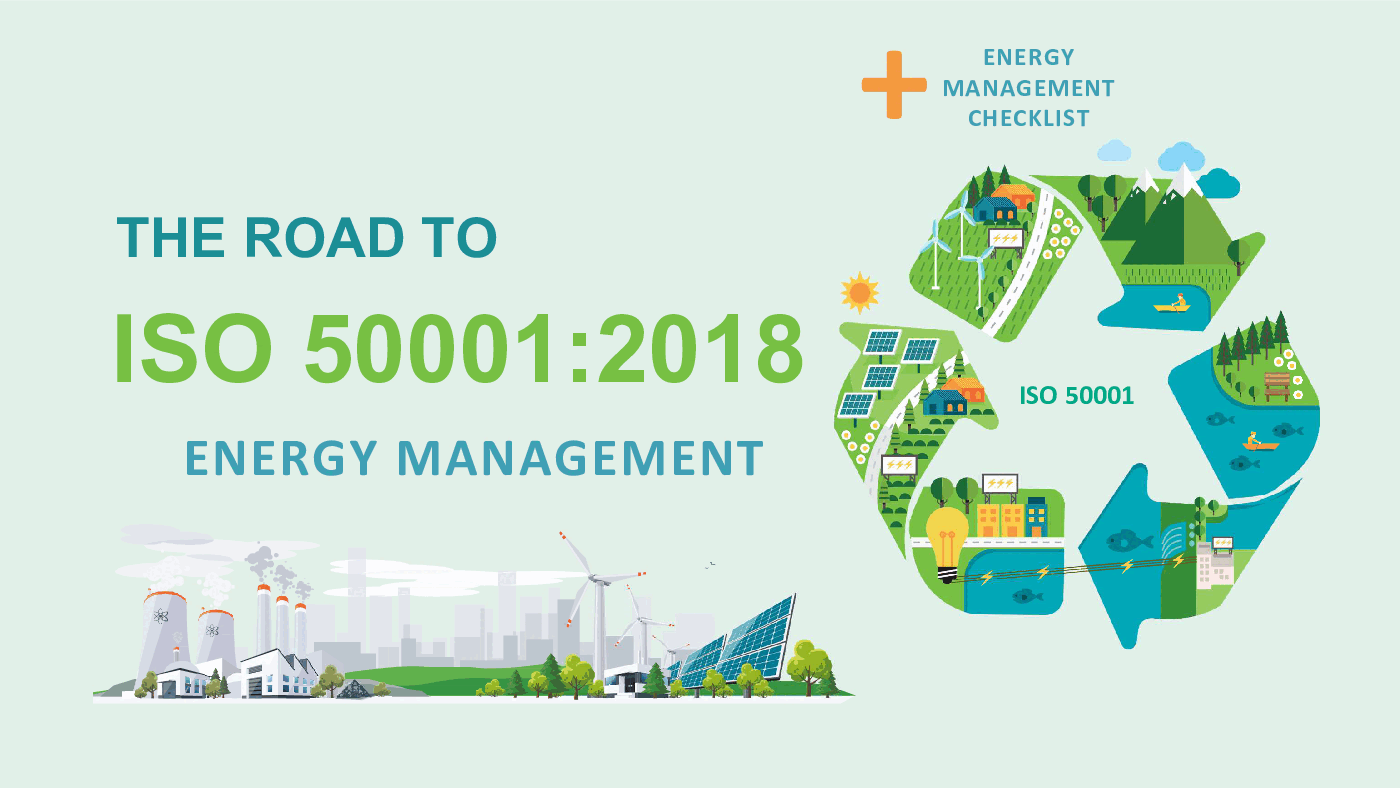
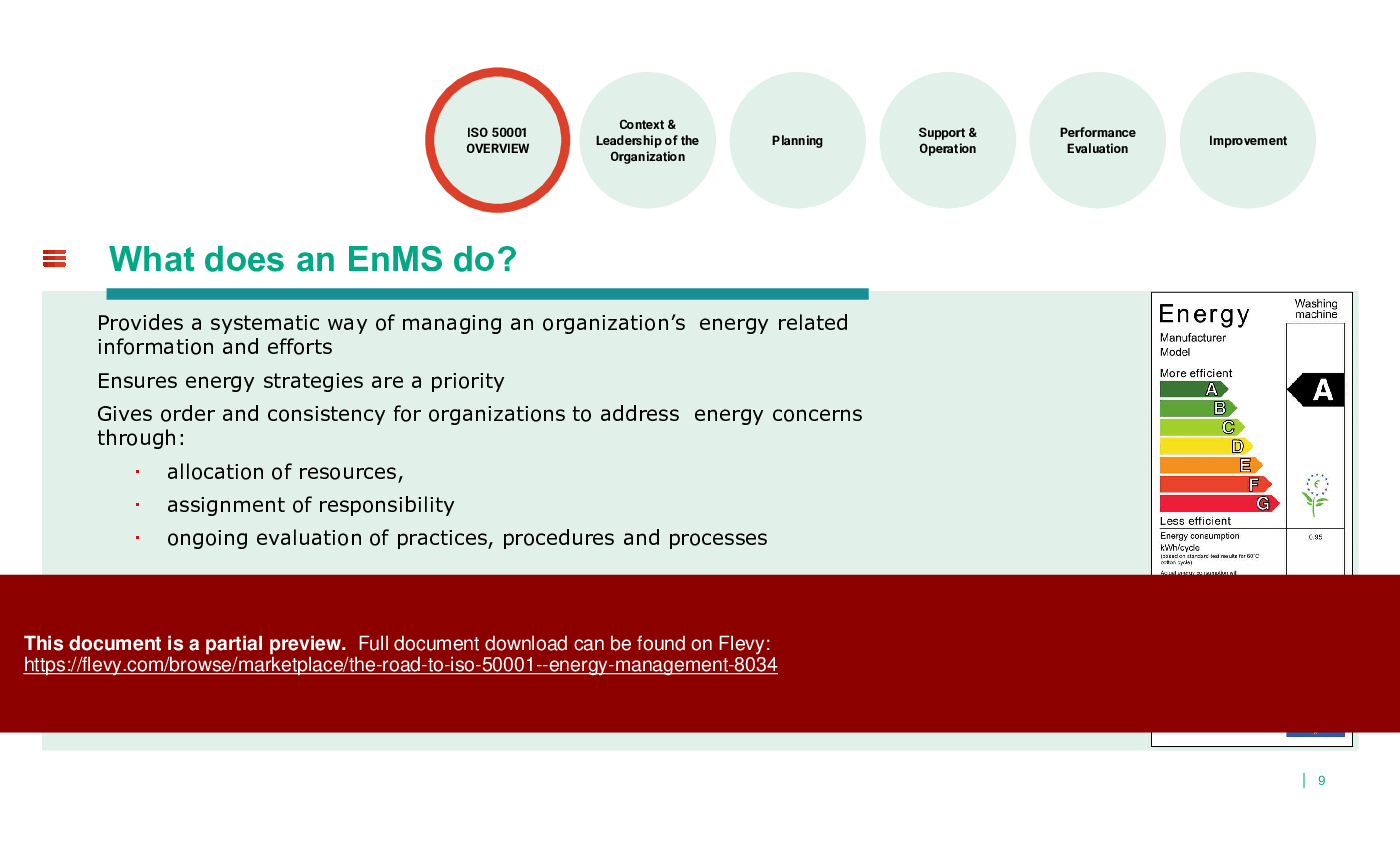
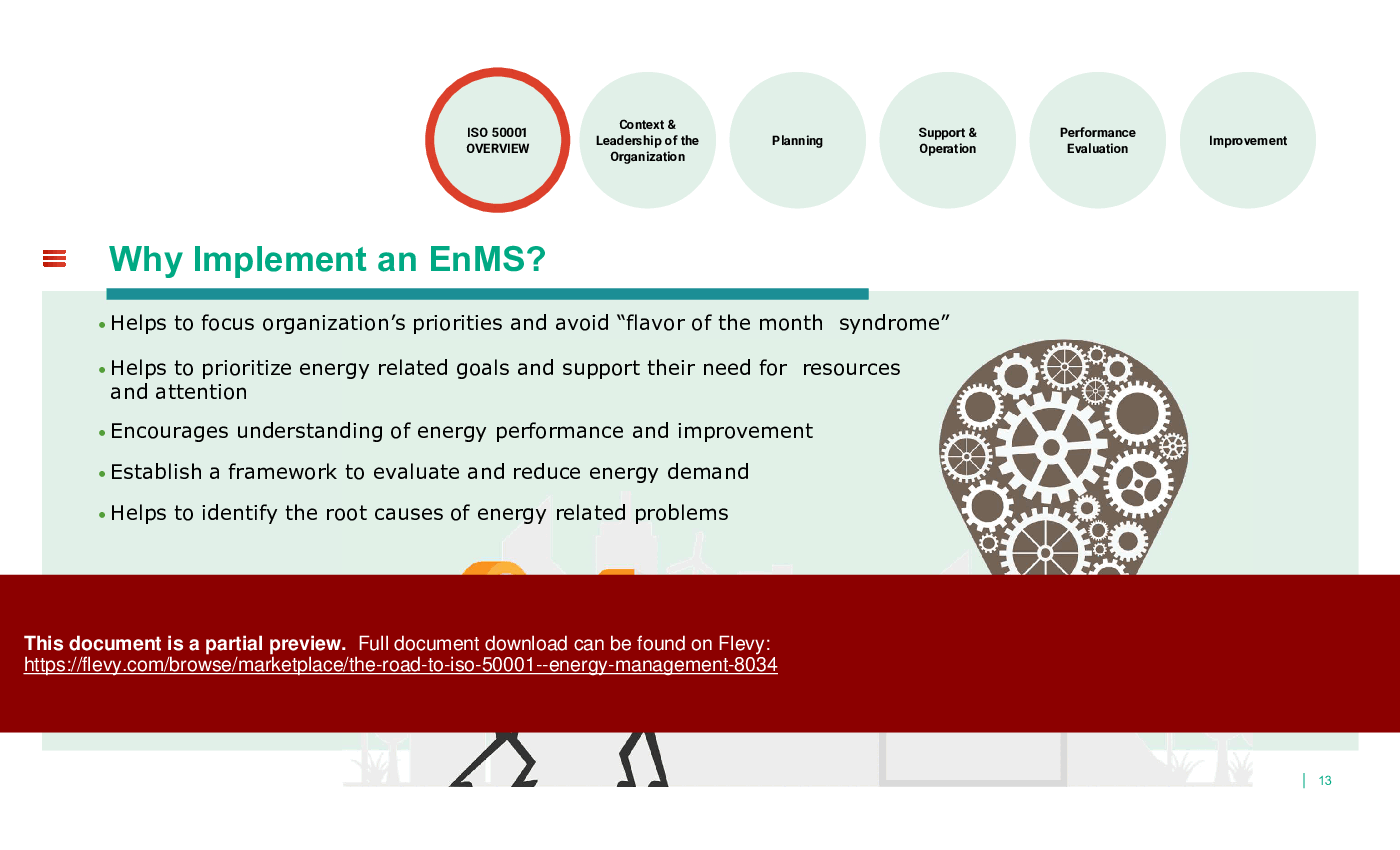

Energy Management, as defined by ISO 50001, represents a systematic approach to continuously improve an organization's energy performance, efficiency, and sustainability. This international standard provides a robust framework that empowers organizations to establish, implement, maintain, and improve an Energy Management System (EnMS). At its core, ISO 50001 is a strategic tool designed to help organizations optimize energy usage, reduce costs, and enhance their environmental stewardship.
The primary goal of ISO 50001 is to enable organizations to establish a comprehensive understanding of their energy consumption patterns, identify areas for improvement, and implement effective energy management strategies. This standard fosters a proactive approach, encouraging organizations to set clear energy objectives, monitor their progress, and adapt to evolving circumstances. By integrating energy management into the organization's overall business strategy, ISO 50001 promotes a culture of continual improvement and sustainability.
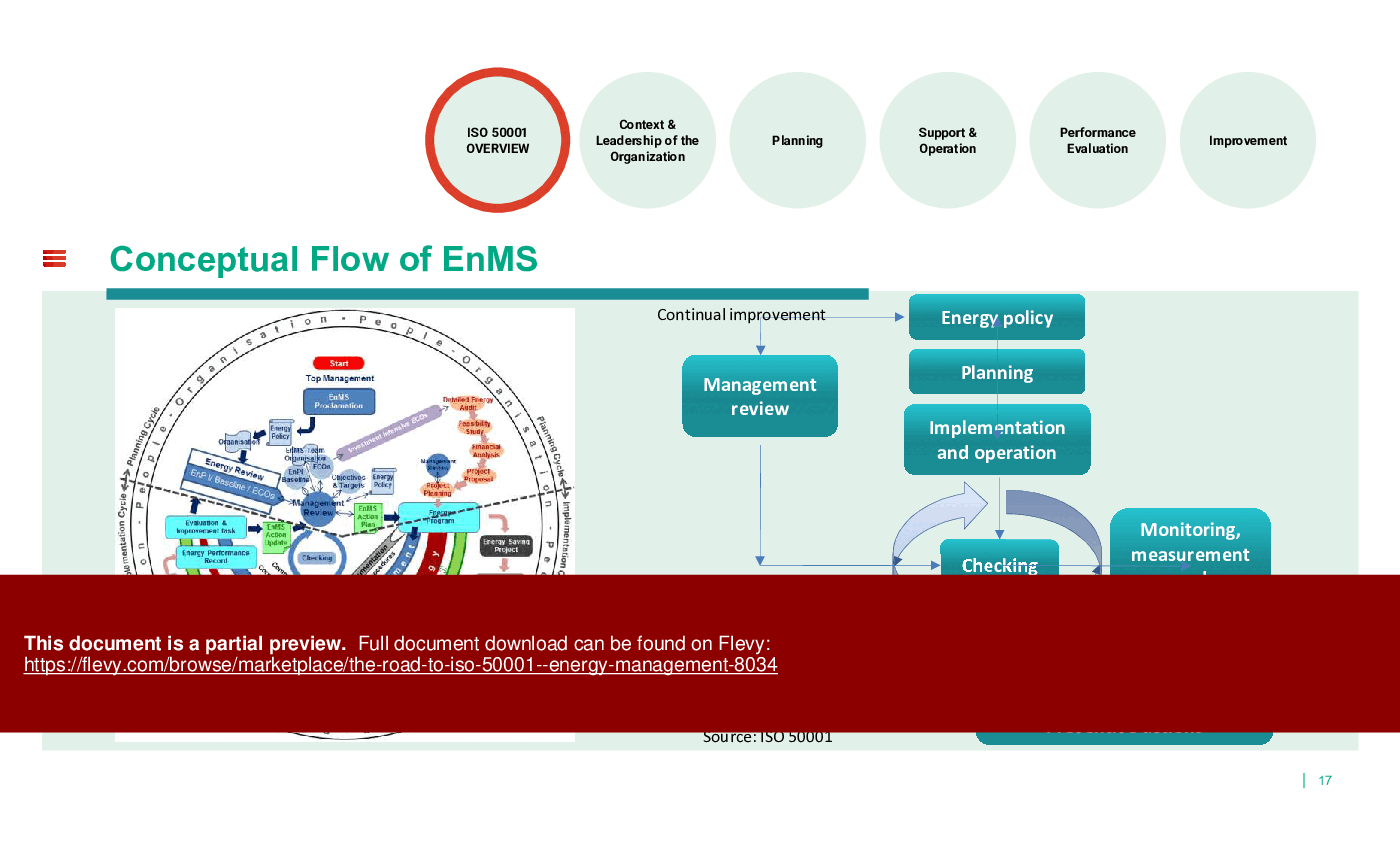
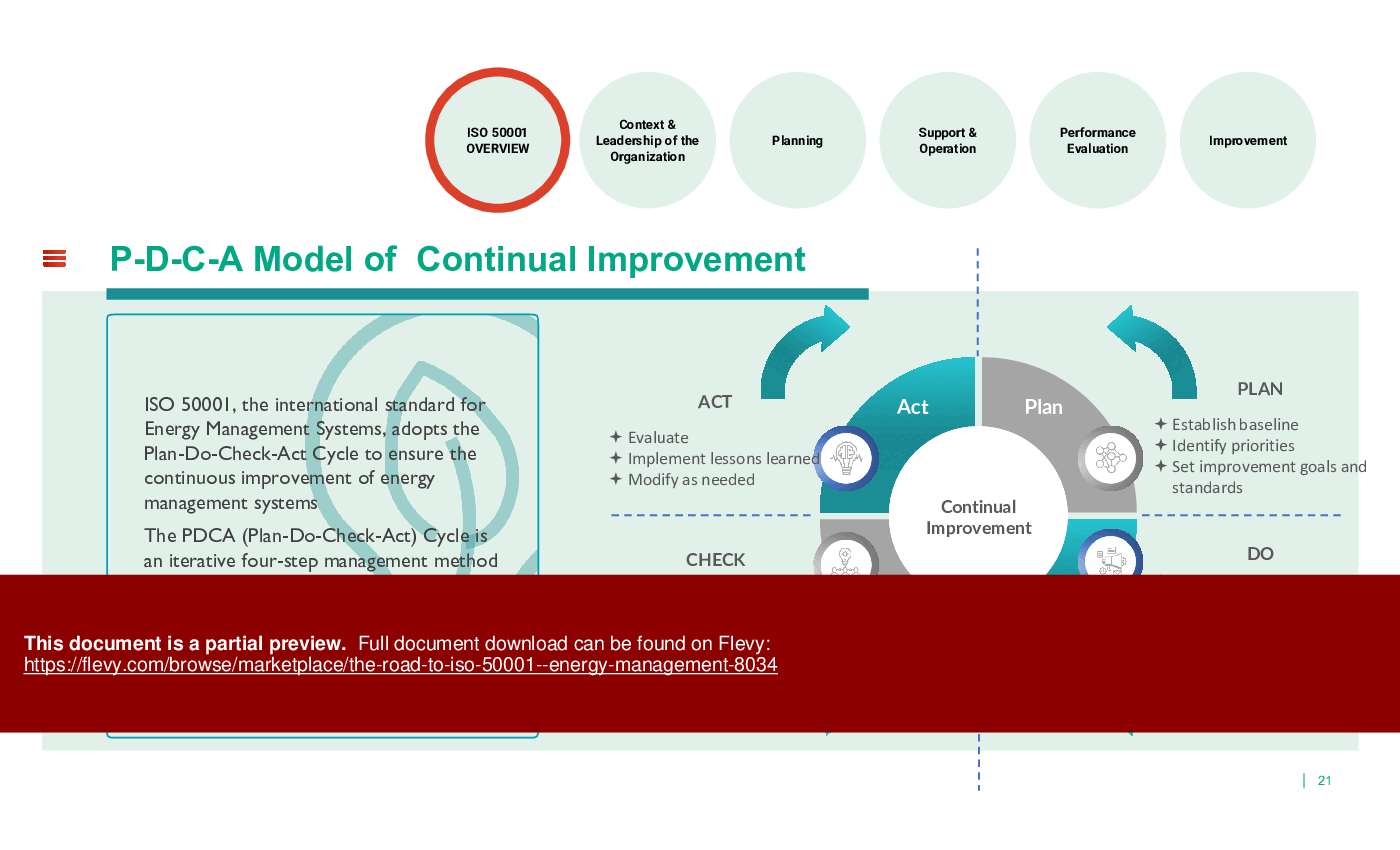
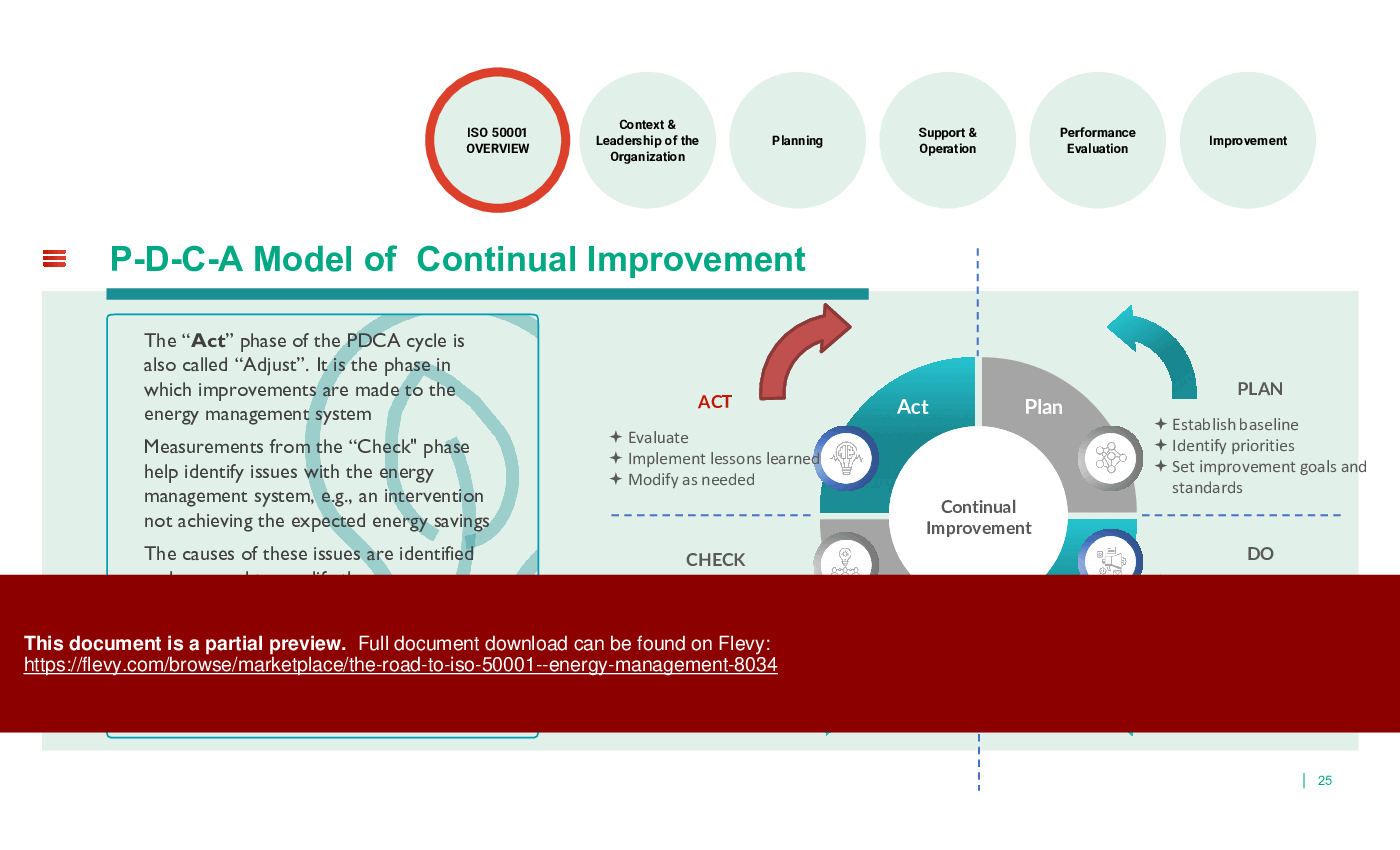
ISO 50001 emphasizes a Plan-Do-Check-Act (PDCA) cycle, aligning with other management system standards. This cycle ensures that organizations systematically address energy challenges, starting with planning and implementation, followed by monitoring and evaluation, and concluding with adjustments and enhancements. The standard encourages the development of key performance indicators (KPIs) to gauge energy performance and facilitates informed decision-making for resource optimization.
Implementing ISO 50001 involves engaging employees at all levels, fostering a shared responsibility for energy management. This holistic approach not only enhances energy efficiency but also contributes to risk mitigation, regulatory compliance, and improved stakeholder relationships. ISO 50001 is versatile, applicable to organizations of all sizes and sectors, making it a universally recognized benchmark for energy management excellence.
This 142-slide presentation is a detailed explanation of ISO 50001 as a pivotal tool for organizations seeking to align energy management practices with global best standards. By integrating this standard into their operations, businesses can achieve tangible benefits in terms of cost savings, environmental responsibility, and long-term sustainability. ISO 50001 is a beacon for organizations committed to efficient energy management and environmental stewardship in an era of increasing focus on sustainability.
At the end of the presentation you will find an energy management checklist that can help you assess whether your EnMS conforms with the requirements of ISO 50001:2018. The checklist contains a series of reference items, formulated as questions and numbered consecutively.
Got a question about the product? Email us at support@flevy.com or ask the author directly by using the "Ask the Author a Question" form. If you cannot view the preview above this document description, go here to view the large preview instead.
Executive Summary
The "Road to ISO 50001 - Energy Management" presentation provides a comprehensive overview of the ISO 50001:2018 standard, designed to help organizations establish, implement, maintain, and continually improve their Energy Management Systems (EnMS). This presentation is crafted by a team of experts with extensive consulting experience from leading firms. It equips corporate executives and energy managers with the necessary frameworks, including the Plan-Do-Check-Act cycle, to enhance energy performance, reduce costs, and promote sustainability. By utilizing this resource, organizations will be better positioned to meet energy efficiency goals and comply with international standards.
Who This Is For and When to Use
• Energy Managers responsible for implementing and maintaining energy management systems.
• Corporate Executives seeking to enhance organizational sustainability and energy efficiency.
• Compliance Officers ensuring adherence to ISO standards and regulations.
• Sustainability Teams focused on reducing carbon footprints and improving energy performance.
Best-fit moments to use this deck:
• During the initial planning phase for ISO 50001 certification.
• For training sessions aimed at educating staff on energy management practices.
• In workshops focused on developing energy efficiency strategies and action plans.
Learning Objectives
• Define the key components and benefits of ISO 50001:2018.
• Build a structured approach to implementing an Energy Management System.
• Establish measurable energy performance indicators and targets.
• Identify and prioritize energy efficiency opportunities within the organization.
• Develop a comprehensive energy review process to assess current energy use.
• Implement a continuous improvement framework for energy management.
Table of Contents
• Overview of ISO 50001:2018 (page 4)
• Context & Leadership of the Organization (page 5)
• Planning (page 6)
• Support & Operation (page 7)
• Performance Evaluation (page 8)
• Improvement (page 9)
• Energy Management Checklist (page 10)
Primary Topics Covered
• ISO 50001 Overview - An introduction to the ISO 50001 standard and its significance in energy management.
• Context & Leadership - The importance of understanding organizational context and leadership commitment in implementing an EnMS.
• Planning - Steps for identifying risks, opportunities, and setting energy performance objectives.
• Support & Operation - Resources, competence, and communication strategies necessary for effective energy management.
• Performance Evaluation - Methods for monitoring, measuring, and evaluating energy performance.
• Improvement - Strategies for continual improvement and corrective actions in energy management.
Deliverables, Templates, and Tools
• Energy Management System (EnMS) framework template.
• Energy performance indicators (EnPIs) development guide.
• Energy review process documentation template.
• Action plan template for achieving energy targets.
• Checklist for assessing compliance with ISO 50001 requirements.
Slide Highlights
• Overview of the PDCA (Plan-Do-Check-Act) cycle for continuous improvement.
• Detailed breakdown of the context and leadership requirements for ISO 50001.
• Visual representation of the energy management system structure.
• Checklist for evaluating energy management practices against ISO 50001 standards.
Potential Workshop Agenda
ISO 50001 Overview Session (60 minutes)
• Introduction to ISO 50001:2018 and its benefits.
• Discussion on organizational context and leadership roles.
• Overview of the energy management checklist.
Energy Performance Planning Workshop (90 minutes)
• Identify risks and opportunities in energy management.
• Develop measurable energy performance objectives and targets.
• Create an action plan to achieve energy efficiency goals.
Customization Guidance
• Tailor the energy management checklist to reflect specific organizational contexts and energy use patterns.
• Adjust the action plan templates to align with organizational goals and resources.
• Incorporate company-specific terminology and metrics into the presentation materials.
Secondary Topics Covered
• Integration of ISO 50001 with other management system standards (ISO 9001, ISO 14001).
• Legal and regulatory compliance considerations for energy management.
• Stakeholder engagement strategies for successful EnMS implementation.Document FAQ
These are questions addressed within this presentation.
What is ISO 50001?
ISO 50001 is an international standard that provides a systematic approach to managing energy performance, aimed at helping organizations improve energy efficiency and reduce costs.
Why implement an Energy Management System?
Implementing an EnMS helps organizations enhance energy efficiency, reduce costs, and lower their carbon footprint while fostering a culture of sustainability.
How does the PDCA cycle apply to energy management?
The PDCA cycle serves as a framework for continuous improvement in energy management, guiding organizations through planning, implementing, checking, and acting on energy performance initiatives.
What are Energy Performance Indicators (EnPIs)?
EnPIs are metrics used to measure and monitor energy performance, helping organizations track progress toward energy efficiency goals.
What is the purpose of the energy review process?
The energy review process assesses current energy use and identifies opportunities for improvement, forming the basis for setting energy performance objectives.
How can organizations ensure compliance with ISO 50001?
Organizations can ensure compliance by regularly conducting internal audits, management reviews, and maintaining documented information that demonstrates adherence to the standard.
What resources are needed for effective energy management?
Resources include human capital, technology, financial support, and data collection infrastructure necessary for establishing and maintaining an effective EnMS.
How often should the energy management checklist be updated?
The checklist should be reviewed and updated periodically, especially in response to major changes in energy use, facilities, or organizational structure.
Glossary
• Energy Management System (EnMS) - A systematic approach to managing energy use and improving energy performance.
• Energy Performance Indicators (EnPIs) - Metrics used to measure and monitor energy performance.
• Plan-Do-Check-Act (PDCA) - A continuous improvement cycle used in management systems.
• Energy Review - A process for assessing current energy use and identifying opportunities for improvement.
• Stakeholders - Individuals or groups with an interest in the organization's energy performance.
• Legal Requirements - Regulations and standards that organizations must comply with regarding energy use and efficiency.
• Continual Improvement - Ongoing efforts to enhance energy performance and the effectiveness of the EnMS.
• Action Plan - A documented strategy outlining steps to achieve energy performance objectives.
• Management Review - A formal evaluation of the EnMS conducted by top management to ensure its effectiveness.
• Nonconformity - A failure to meet a requirement of the ISO 50001 standard.
• Corrective Action - Steps taken to address nonconformities and prevent their recurrence.
• Energy Baseline - A reference point for measuring energy performance over time.
Source: Best Practices in Energy Industry, ISO 50001 PowerPoint Slides: Road to ISO 50001 - Energy Management PowerPoint (PPTX) Presentation Slide Deck, RadVector Consulting
|
Download our FREE Strategy & Transformation Framework Templates
Download our free compilation of 50+ Strategy & Transformation slides and templates. Frameworks include McKinsey 7-S Strategy Model, Balanced Scorecard, Disruptive Innovation, BCG Experience Curve, and many more. |










