
 Click main image to view in full screen. Unlock all 11 preview images:
The AI Water Gate – PDF
PDF document 28 Pages


BENEFITS OF THIS DOWNLOADABLE PDF DOCUMENT
- Provides a structured seven-gate diagnostic for identifying where water dependency can constrain AI data-center deployment and expansion.
- Converts complex water, cooling, power, watershed, regulatory, and scalability variables into a repeatable executive decision process.
- Helps decision makers identify the primary binding constraint and evaluate configuration changes before committing capital to a water-exposed AI infrastructure site.
ARTIFICIAL INTELLIGENCE PDF DESCRIPTION
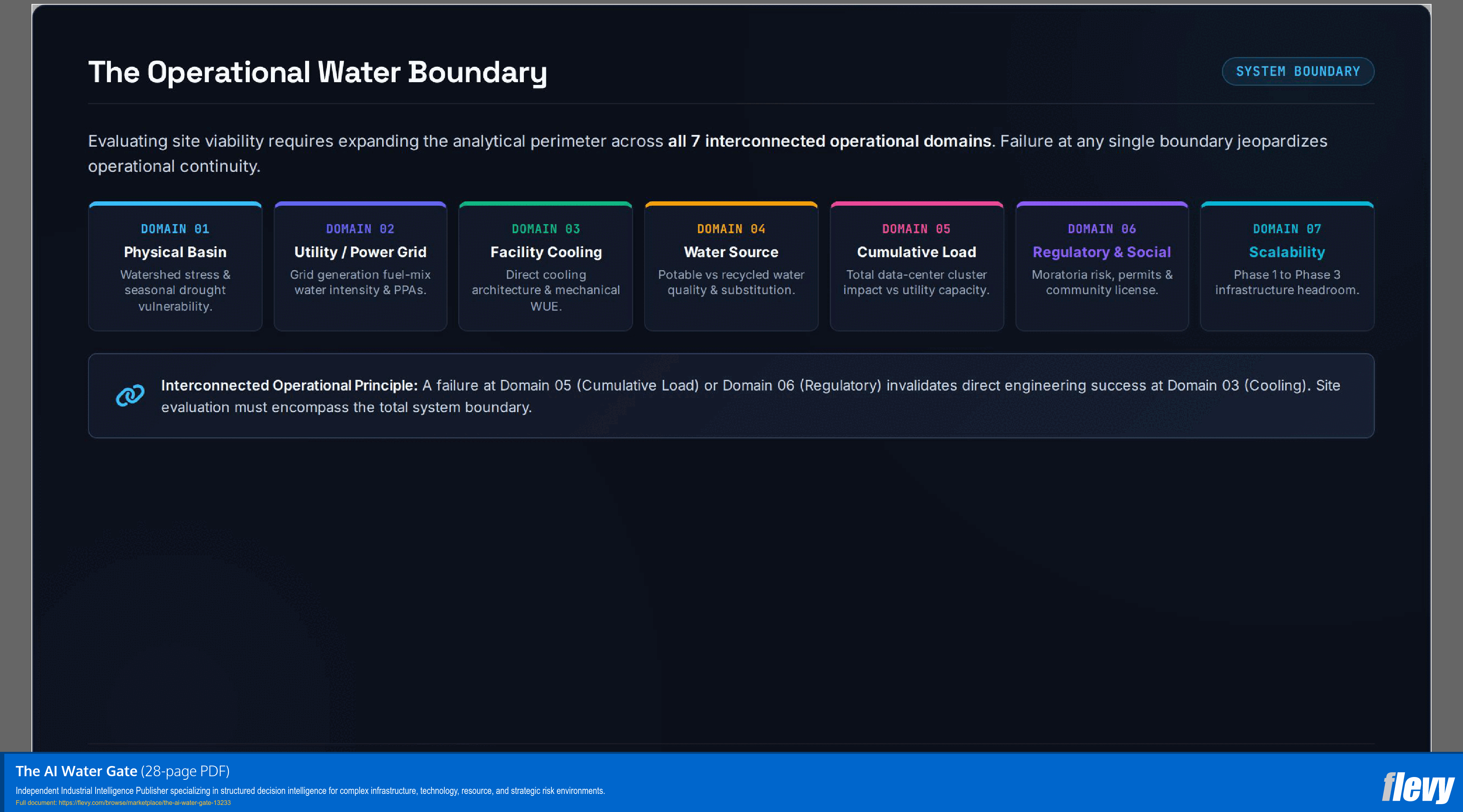
The AI Water Gate™ is an Executive Intelligence Playbook designed to help infrastructure investors, data-center developers, technology leaders, utilities, and public-sector decision makers evaluate whether AI data-center expansion can scale reliably at a given location without creating an unacceptable water dependency.
AI infrastructure is creating a new resource constraint that extends well beyond the water consumed by facility cooling. A data center can reduce or eliminate onsite evaporative cooling water while remaining exposed to water-intensive electricity generation, basin-level scarcity, competing municipal demand, regulatory restrictions, and future expansion constraints. The AI Water Gate™ addresses this broader system dependency.
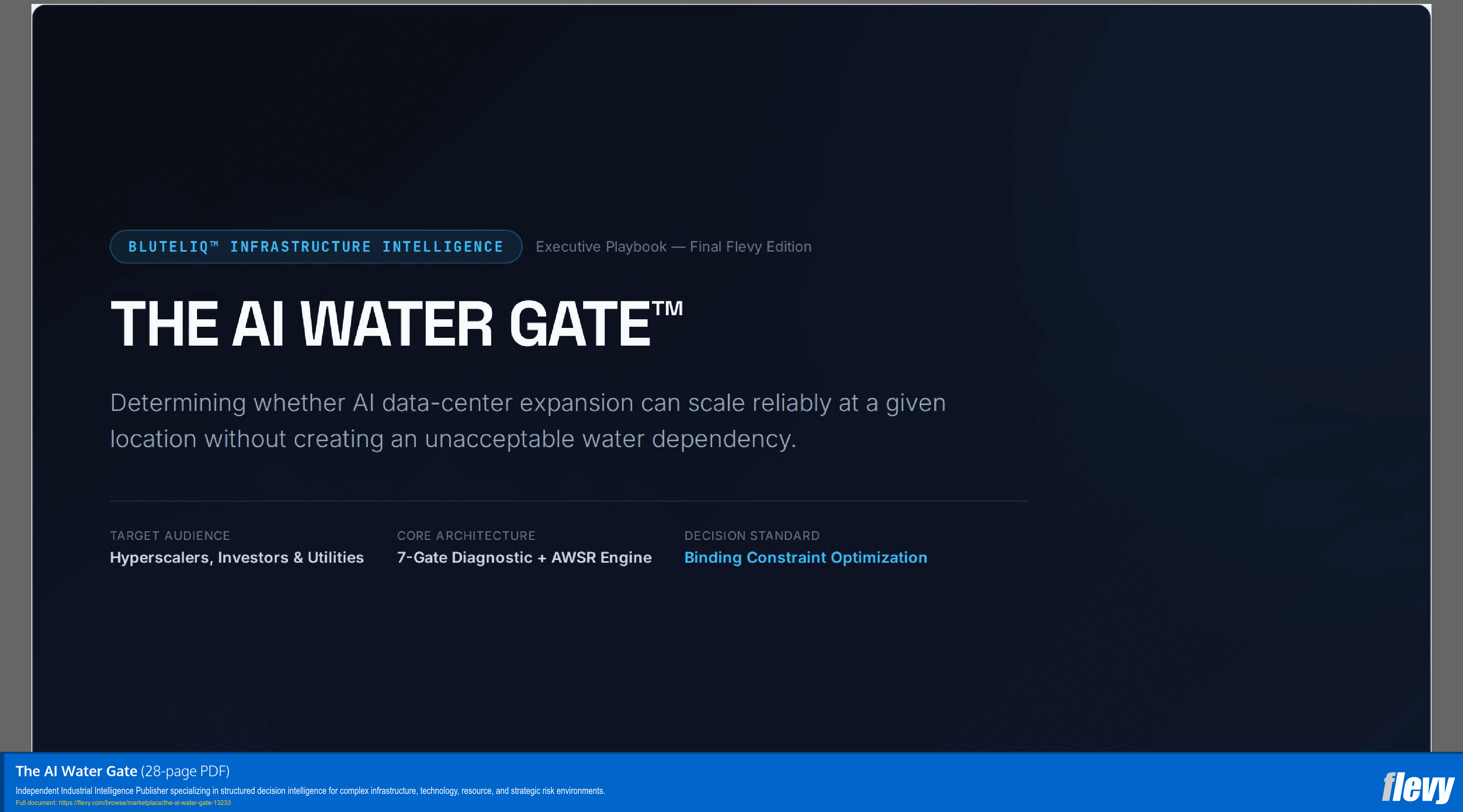
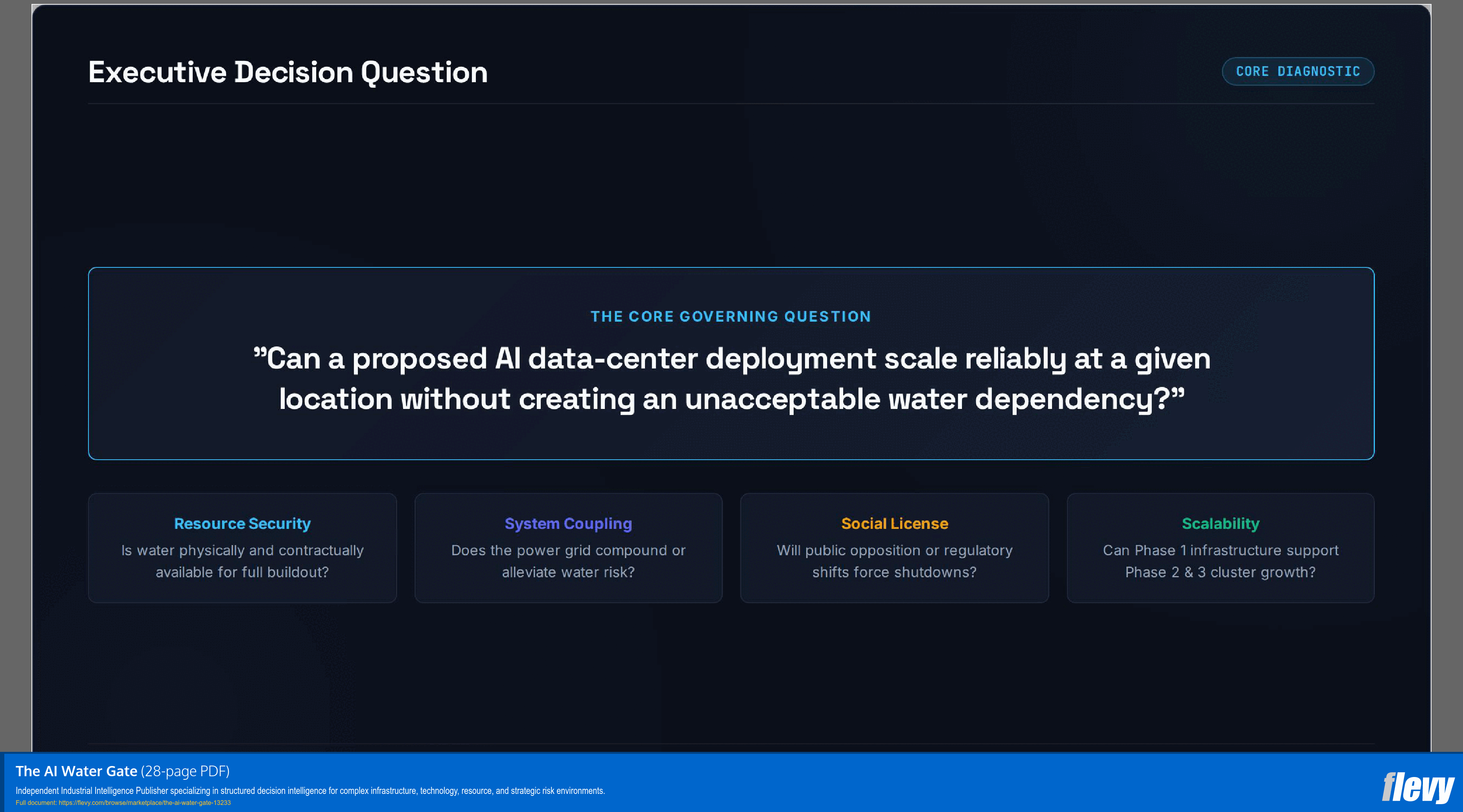
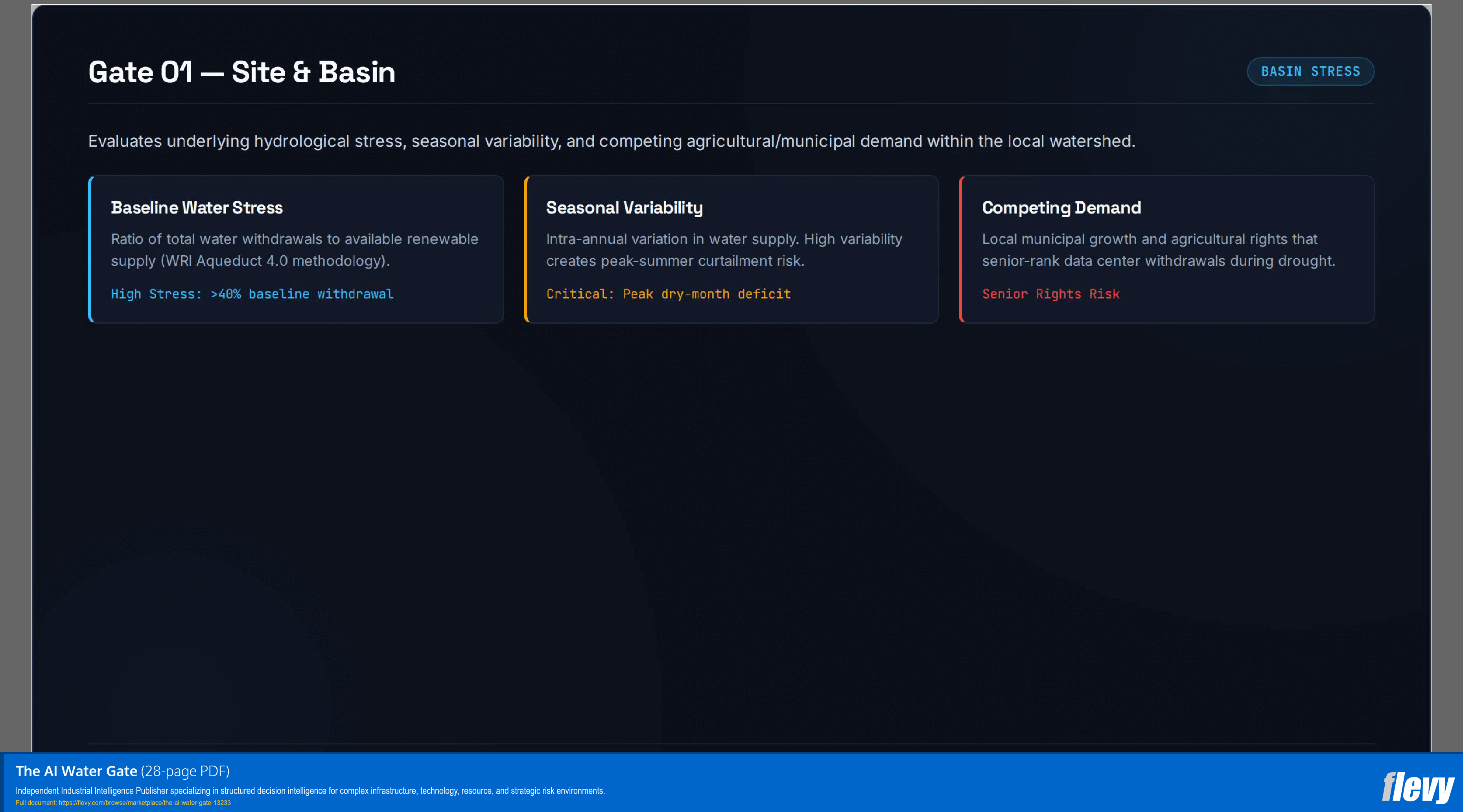
The playbook introduces a seven-gate diagnostic covering Site & Basin Baseline, Embedded Power Water, Onsite Cooling Configuration, Water Source & Quality, Cumulative Watershed Exposure, Regulatory & Social License, and Multi-Phase Scalability. Together, these gates establish a structured pathway for evaluating both current feasibility and future expansion risk.
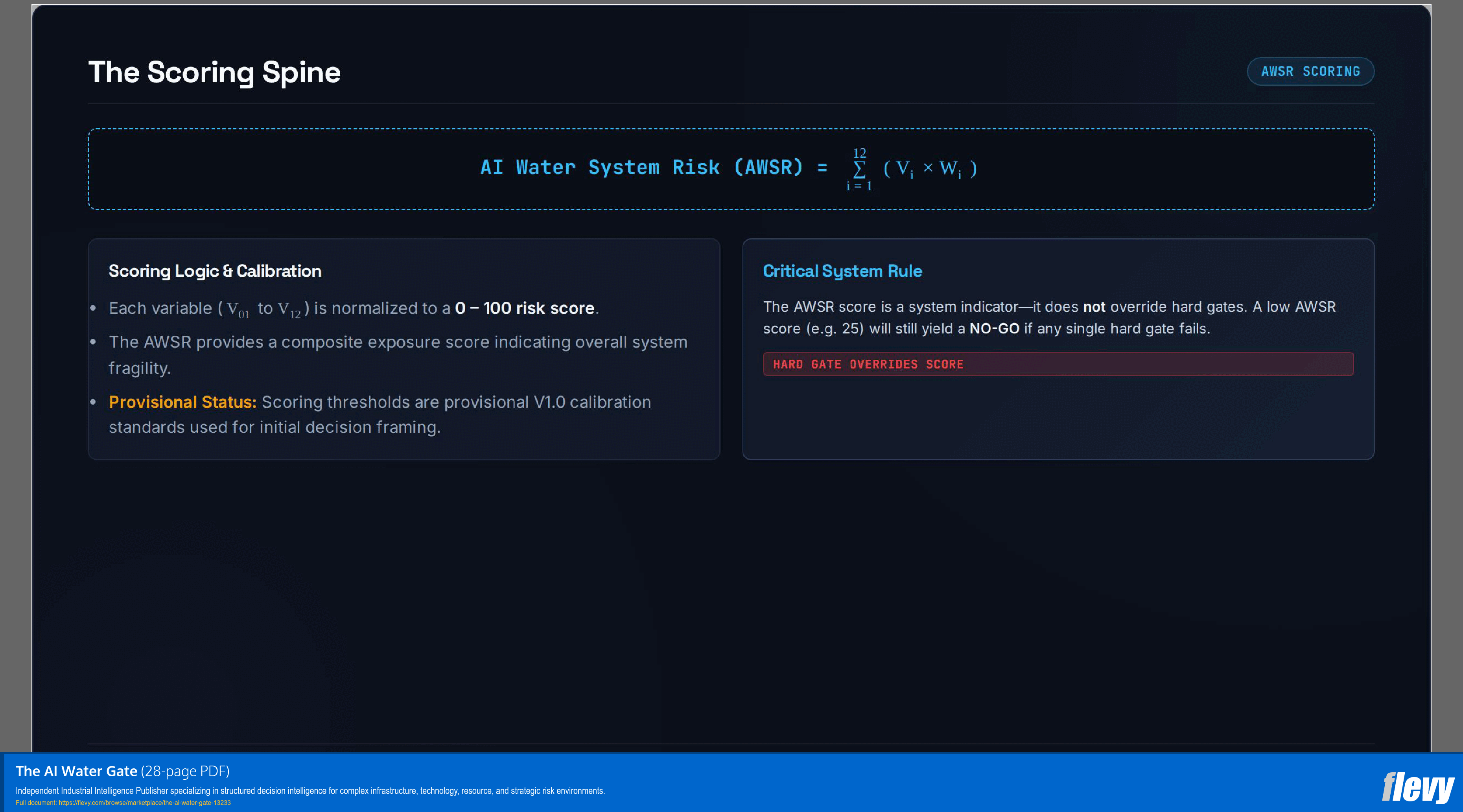
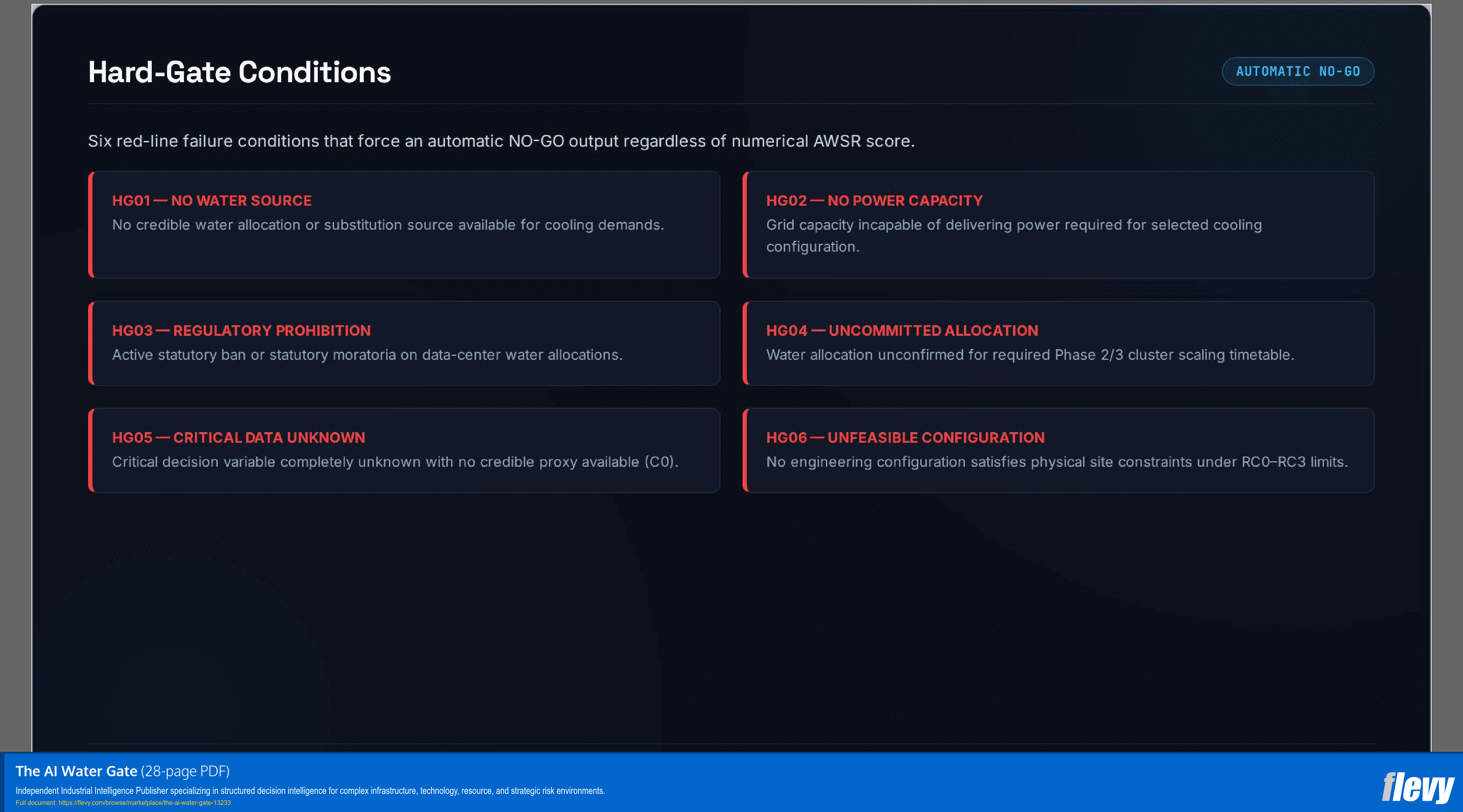
At the center of the methodology is the AI Water System Risk (AWSR) scoring engine, which evaluates twelve measurable risk variables across resource exposure, cooling dependency, power-water dependency, watershed stress, regulatory exposure, and expansion risk. The model combines weighted scoring with hard-gate overrides and a confidence overlay so that incomplete or low-confidence evidence cannot be mistaken for a low-risk result.
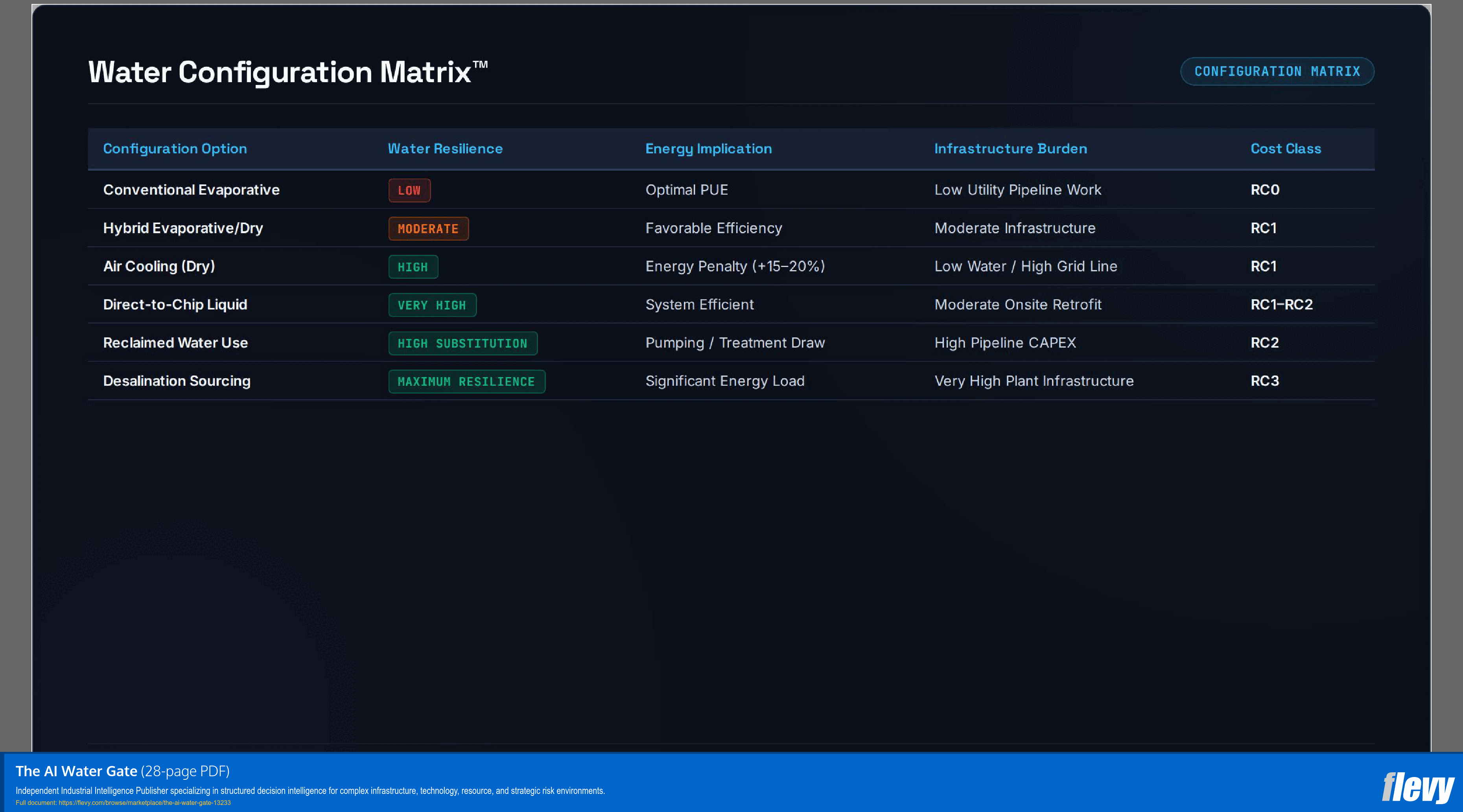
The playbook also introduces the Binding Constraint Taxonomy™ to identify the primary factor preventing reliable deployment and the Water Configuration Matrix™ to evaluate alternative configurations such as reclaimed water, closed-loop cooling, direct-to-chip systems, dry cooling, and desalination. Rather than treating water scarcity as an automatic reason to reject AI infrastructure, the framework asks whether engineering, sourcing, power, or deployment configuration can remove the binding constraint.
The resulting decision bands are DEPLOY, PILOT, WATCH, and NO-GO, providing an executive-level decision language that can be applied across different sites and jurisdictions.
The methodology is intentionally designed as decision intelligence rather than a conventional sustainability report. It connects emerging evidence with measurable variables, configuration choices, risk thresholds, and executive action. The playbook also includes retrospective case application, counter-thesis conditions, evidence hierarchy, and practical guidance for testing water dependency before committing to major AI infrastructure expansion.
The AI Water Gate™ is particularly relevant where AI growth intersects with constrained water resources, power-system dependencies, municipal infrastructure limitations, environmental permitting, community opposition, or multi-phase campus expansion.
Got a question about the product? Email us at support@flevy.com or ask the author directly by using the "Ask the Author a Question" form. If you cannot view the preview above this document description, go here to view the large preview instead.
Source: Best Practices in Artificial Intelligence PDF: The AI Water Gate PDF (PDF) Document, Wisnu Pandega Wardana
ABOUT THE AUTHOR

I am an independent Industrial Intelligence and Strategic Innovation Publisher focused on developing structured business intelligence, innovation frameworks, and opportunity-oriented research for decision-makers.
My work focuses on translating emerging technologies, industrial transformation, sustainability, resource efficiency, and market shifts into structured intelligence assets that
... [read more]
Ask the Author a Question
You must be logged in to contact the author.




























