
Strategic Planning and Informed Decision-Making
The Power of SWOT:
1. Strategic Planning: SWOT analysis is your roadmap to informed strategic planning, guiding you in leveraging strengths and opportunities while mitigating weaknesses and threats.
2. Holistic View: It offers a 360-degree view, combining internal strengths and weaknesses with external opportunities and threats, providing a comprehensive organizational snapshot.
3. Clarity and Focus: Clarify objectives and focus areas, enabling resource allocation where it matters most for achieving organizational goals.
4. Competitive Advantage: Identify unique strengths to set your organization apart from the competition, carving your niche in the market.
5. Risk Management: Early threat recognition empowers proactive risk mitigation strategies, ensuring resilience and adaptability.
6. Informed Decision-Making: SWOT analysis fuels decision-making by providing valuable insights into resource allocation, product development, and market entry.
7. Enhanced Communication: Collaborative analysis fosters improved communication and a shared understanding among team members and stakeholders.
8. Adaptability: Conduct periodic SWOT analyses to stay agile in a dynamic business environment, continuously fine-tuning strategies.
9. Resource Allocation: Effectively allocate resources where they can make the most significant impact, optimizing organizational efficiency.
10. Goal Alignment: Align organizational goals with the prevailing business landscape, increasing the likelihood of achieving strategic objectives.
11. Enhanced Self-Awareness: Gain deep insights into your organization's strengths and weaknesses, paving the way for cultural, process, and performance improvements.
12. Benchmarking: Use SWOT analysis to benchmark against industry standards and competitors, gauging your relative position.
Your SWOT Analysis Companion:
This 76-slide document is your comprehensive guide to mastering SWOT Analysis. It equips you to create impactful SWOT analysis presentations, enabling effective communication of findings to stakeholders, team members, and decision-makers. Unleash the potential of SWOT analysis, and make data-driven, informed decisions to steer your organization towards success.
Got a question about the product? Email us at support@flevy.com or ask the author directly by using the "Ask the Author a Question" form. If you cannot view the preview above this document description, go here to view the large preview instead.
Executive Summary
The "SWOT Analysis - Demystified" presentation is a comprehensive guide designed to simplify the SWOT analysis framework, developed by a team of seasoned professionals with experience at top consulting firms such as McKinsey, Deloitte, and Capgemini. This presentation provides a structured approach to understanding strengths, weaknesses, opportunities, and threats, enabling organizations to effectively strategize and plan for future success. By utilizing this step-by-step guide, corporate executives and consultants can enhance their strategic planning capabilities and make informed decisions based on thorough analysis.
Who This Is For and When to Use
• Corporate executives looking to refine strategic planning processes
• Business unit leaders aiming to assess performance and identify growth opportunities
• Consultants facilitating strategic discussions with clients
• Teams launching new initiatives or products needing a clear situational analysis
Best-fit moments to use this deck:
• During strategic planning sessions to evaluate organizational positioning
• When launching new business units or products to identify market opportunities
• In team workshops to foster collaboration and gather diverse insights on organizational challenges
Learning Objectives
• Define the SWOT analysis framework and its components
• Identify internal and external factors affecting organizational performance
• Develop actionable strategies based on SWOT findings
• Enhance decision-making processes through structured analysis
• Recognize common pitfalls and mistakes in conducting SWOT analysis
• Apply brainstorming techniques to enrich SWOT discussions
Table of Contents
• Objectives of SWOT Analysis (page 2)
• Definition of SWOT Analysis (page 4)
• Breakdown of SWOT Components (page 5)
• Target Audience for SWOT Analysis (page 15)
• Internal and External Factors (page 17)
• Steps Involved in SWOT Analysis (page 29)
• TOWS Analysis Overview (page 23)
• Quadrant Combinations in SWOT (page 24)
• Effective SWOT Analysis Considerations (page 47)
• Benefits and Pitfalls of SWOT Analysis (page 56)
• Common Mistakes in SWOT Analysis (page 57)
• Glossary of Terms (page 66)
Primary Topics Covered
• Objectives of SWOT Analysis - The primary goals of SWOT analysis include evaluating strengths, weaknesses, opportunities, and threats to inform strategic planning.
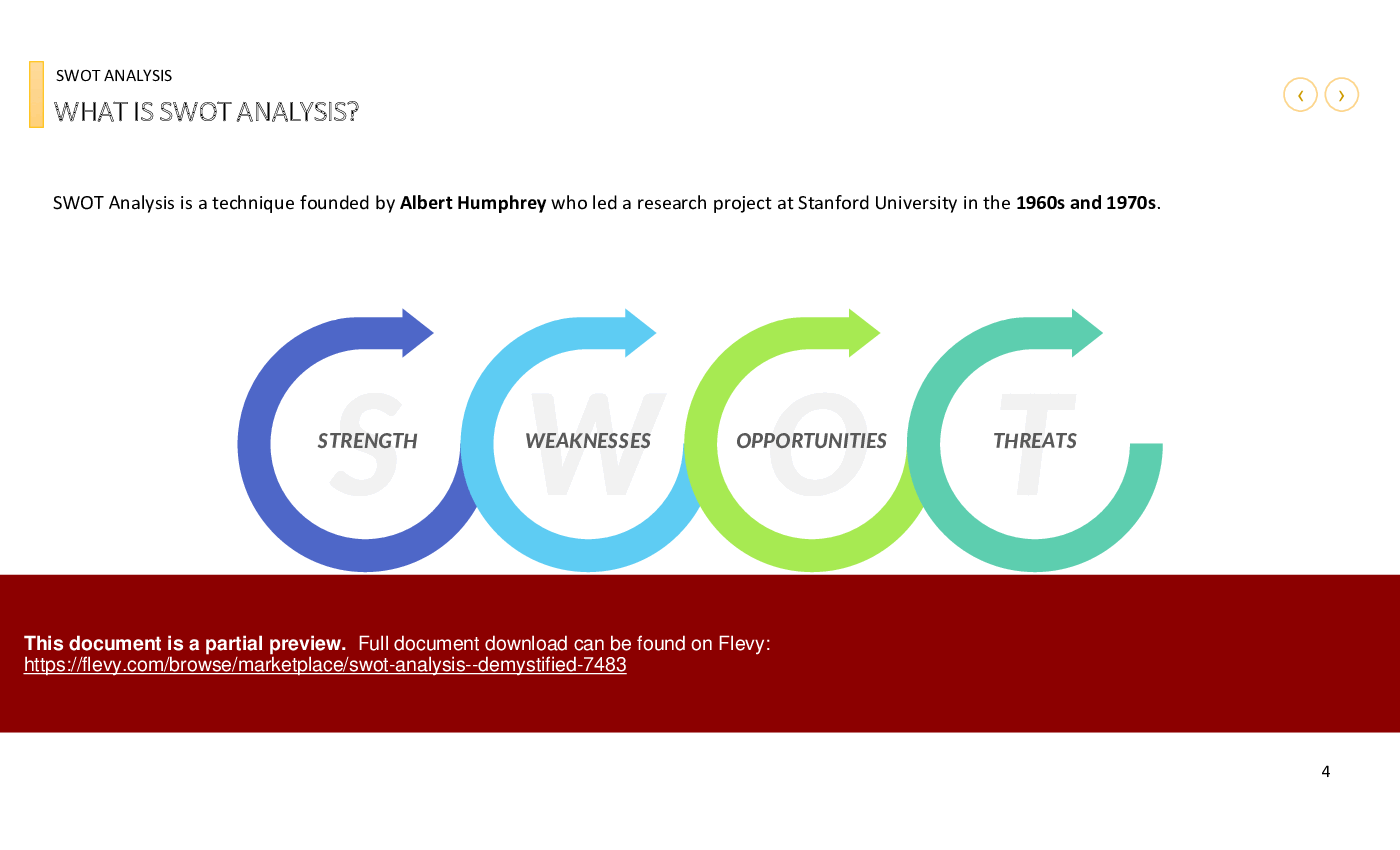
• Definition of SWOT Analysis - SWOT analysis is a strategic tool used to assess an organization's internal and external environments.
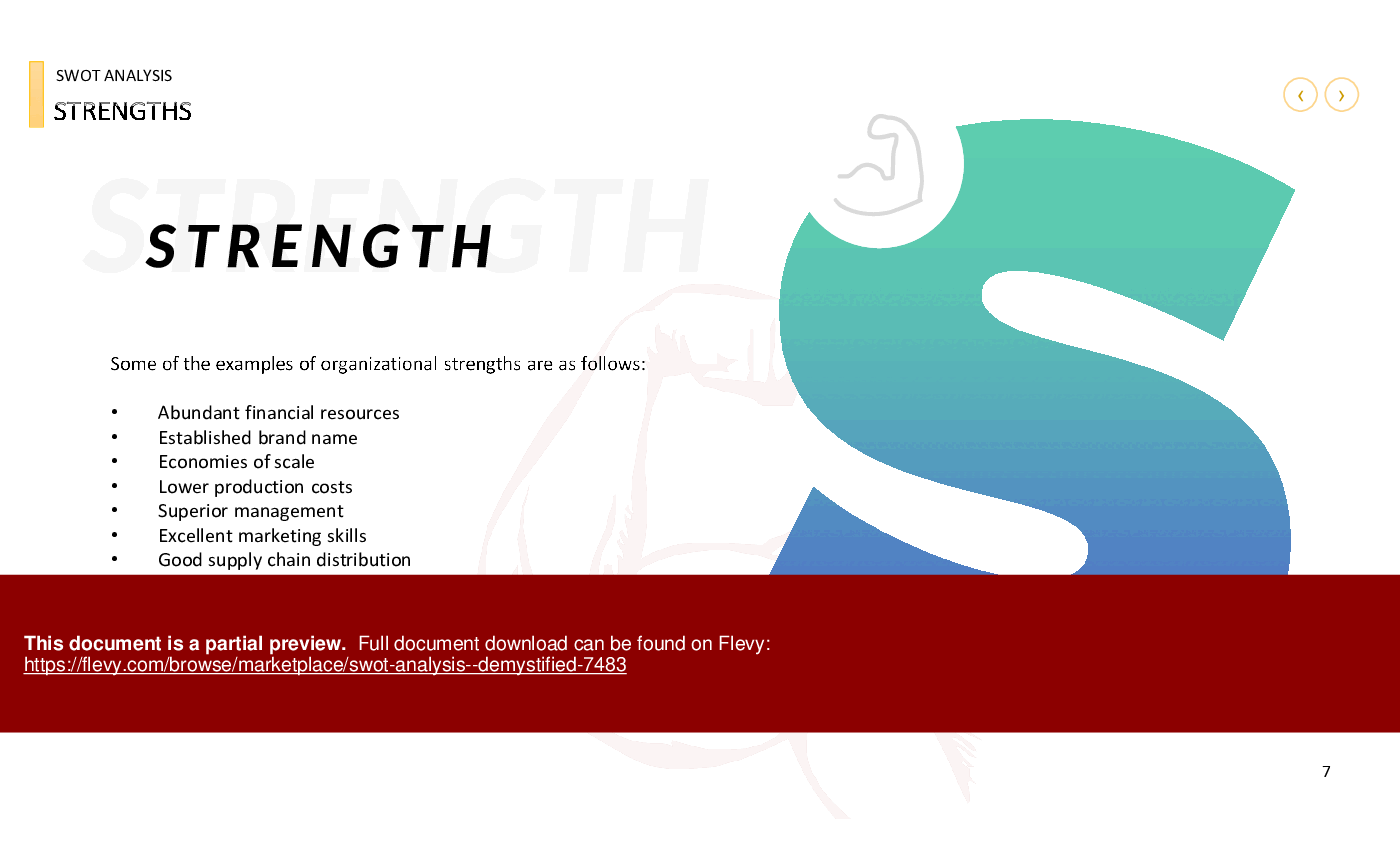
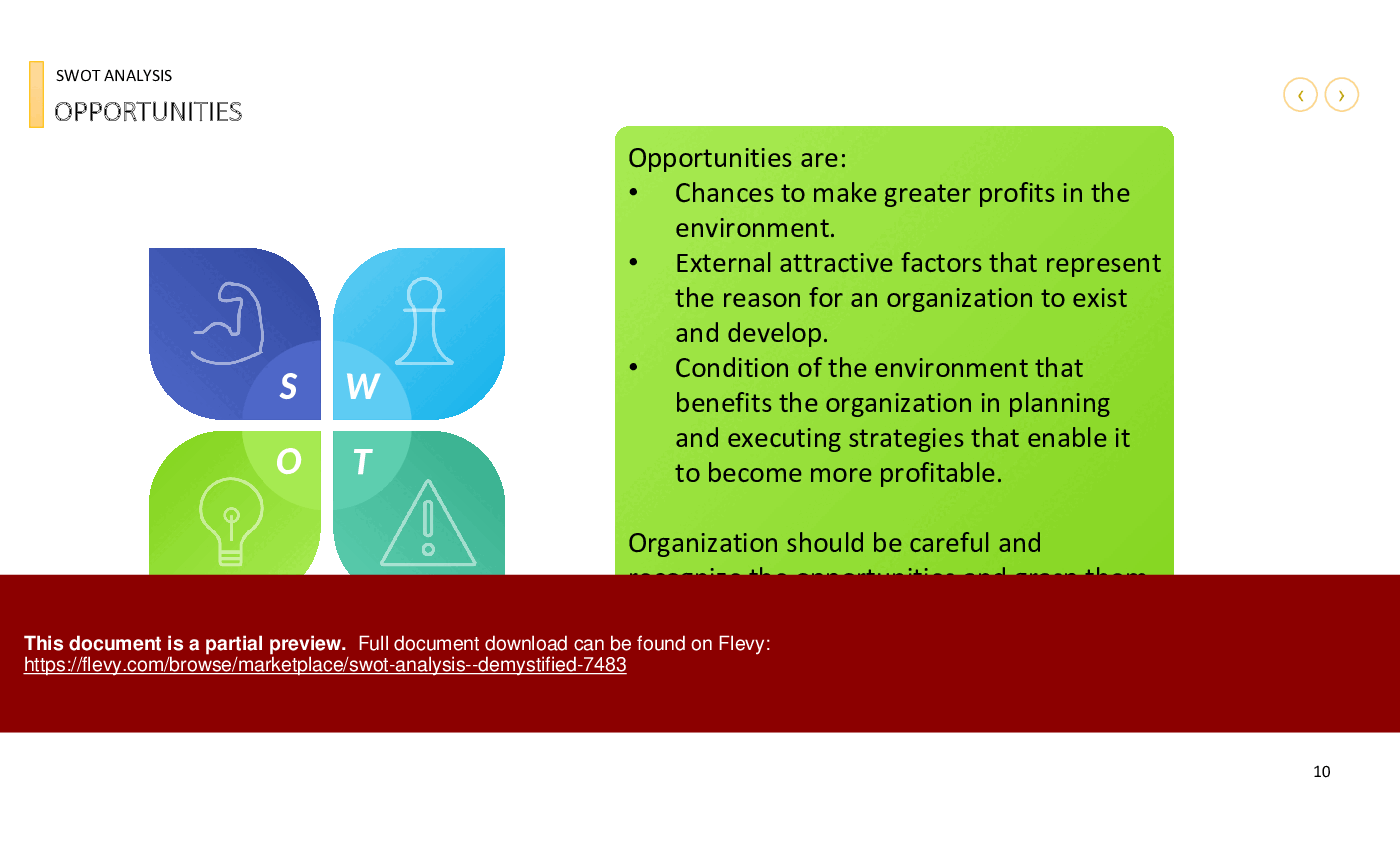
• Components of SWOT Analysis - The 4 elements of SWOT include strengths, weaknesses, opportunities, and threats, each contributing to a holistic view of organizational health.
• Target Audience Identification - Understanding who benefits from SWOT analysis helps tailor its application to various roles within an organization.
• Internal vs. External Factors - Differentiating between internal strengths/weaknesses and external opportunities/threats is crucial for effective analysis.
• Steps in Conducting SWOT Analysis - A structured approach to performing SWOT analysis ensures thorough evaluation and actionable outcomes.
Deliverables, Templates, and Tools
• SWOT analysis matrix template for visual representation of findings
• Action plan template to document strategies derived from SWOT analysis
• Brainstorming session guidelines to enhance group discussions
• Checklist for identifying internal strengths and weaknesses
• Framework for evaluating external opportunities and threats
• Case study examples illustrating successful SWOT applications
Slide Highlights
• Overview of SWOT analysis history and its evolution
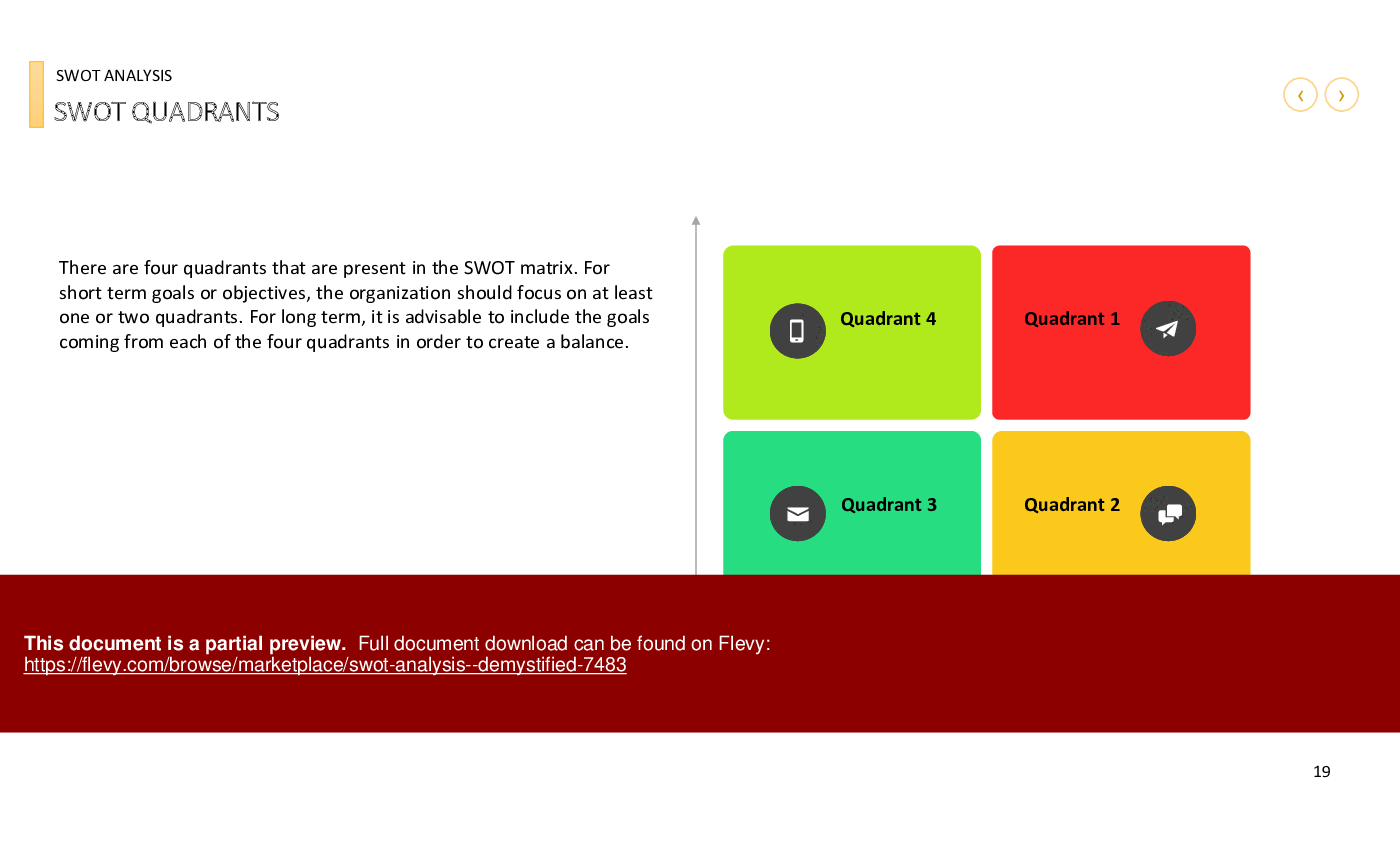
• Visual representation of the SWOT matrix and its quadrants
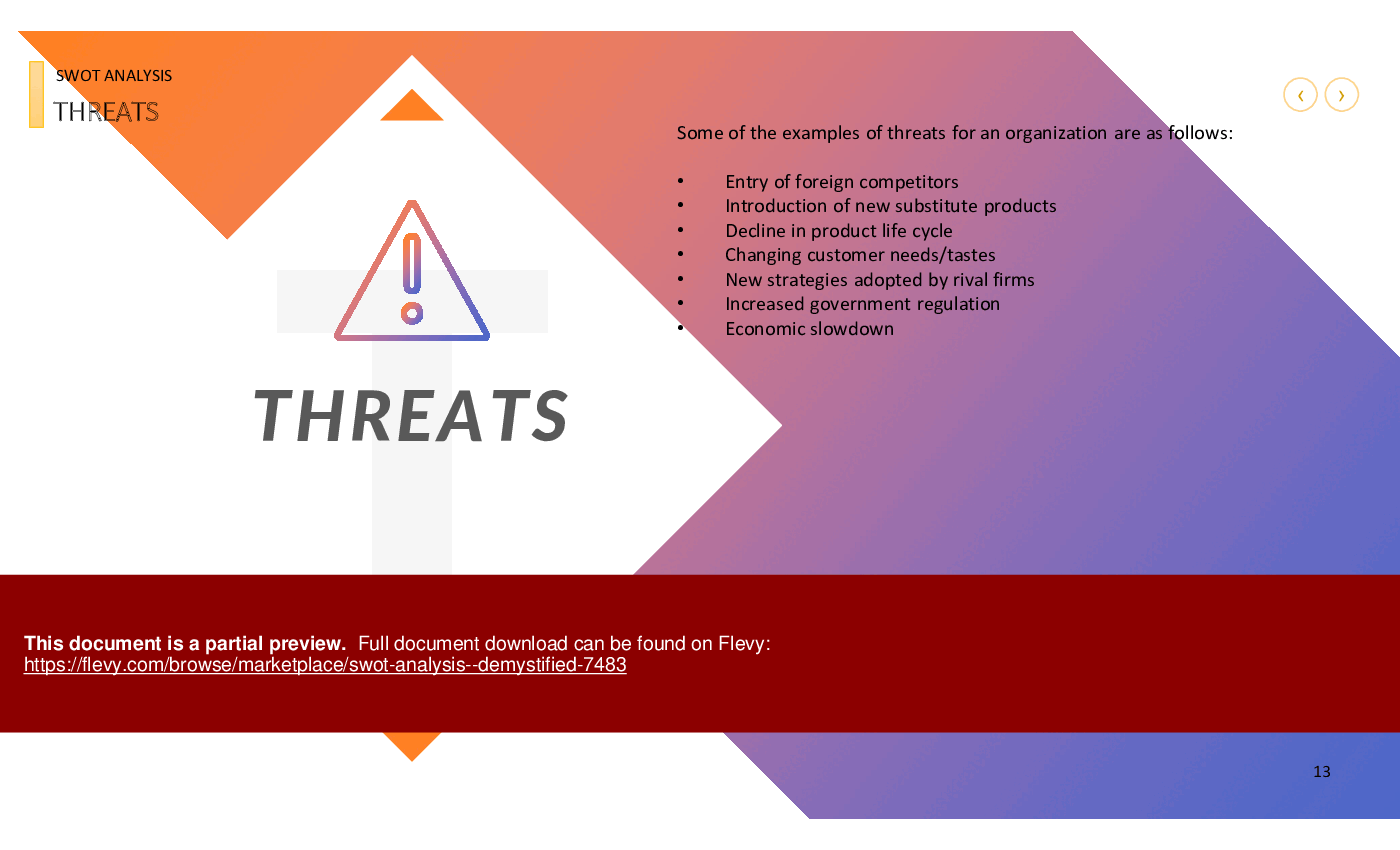
• Examples of strengths, weaknesses, opportunities, and threats
• Step-by-step guide for conducting effective SWOT analysis
• Tips for avoiding common pitfalls in SWOT analysis
Potential Workshop Agenda
Introduction to SWOT Analysis (30 minutes)
• Overview of SWOT framework and its importance
• Discussion on the objectives of conducting SWOT analysis
Conducting SWOT Analysis (60 minutes)
• Breakout sessions to identify strengths, weaknesses, opportunities, and threats
• Group presentations to share findings and insights
Developing Action Plans (30 minutes)
• Collaborative discussion on strategies derived from SWOT findings
• Documenting action plans and assigning responsibilities
Customization Guidance
• Tailor the SWOT analysis matrix to reflect specific organizational contexts
• Adjust the action plan template to align with strategic goals and timelines
• Incorporate industry-specific examples to enhance relevance
Secondary Topics Covered
• The role of brainstorming in enriching SWOT analysis
• TOWS analysis as a complementary tool for strategy development
• Common mistakes and pitfalls to avoid during SWOT analysis
• Best practices for conducting effective SWOT sessions
Topic FAQ
Source: Best Practices in SWOT PowerPoint Slides: SWOT Analysis - Demystified PowerPoint (PPTX) Presentation Slide Deck, RadVector Consulting
|
Download our FREE Strategy & Transformation Framework Templates
Download our free compilation of 50+ Strategy & Transformation slides and templates. Frameworks include McKinsey 7-S, Balanced Scorecard, Disruptive Innovation, BCG Curve, and many more. |










