
 Click main image to view in full screen. Unlock all 18 preview images:
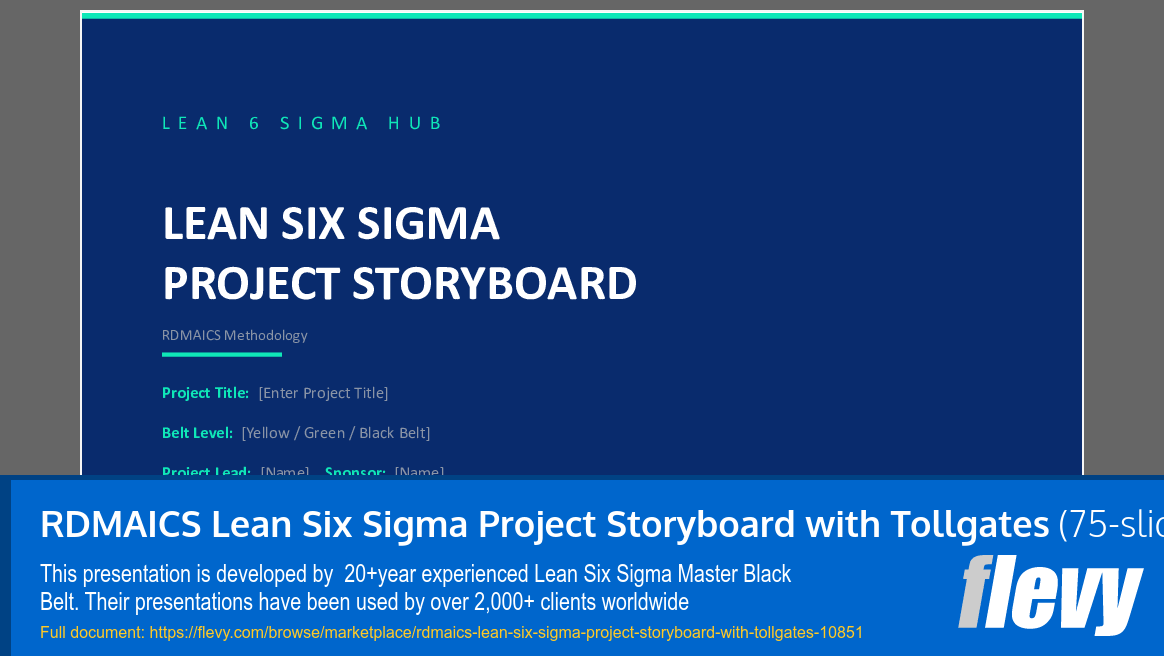
RDMAICS Lean Six Sigma Project Storyboard with Tollgates – PowerPoint PPTX Template
PowerPoint (PPTX) 75 Slides


BENEFITS OF THIS DOWNLOADABLE POWERPOINT DOCUMENT
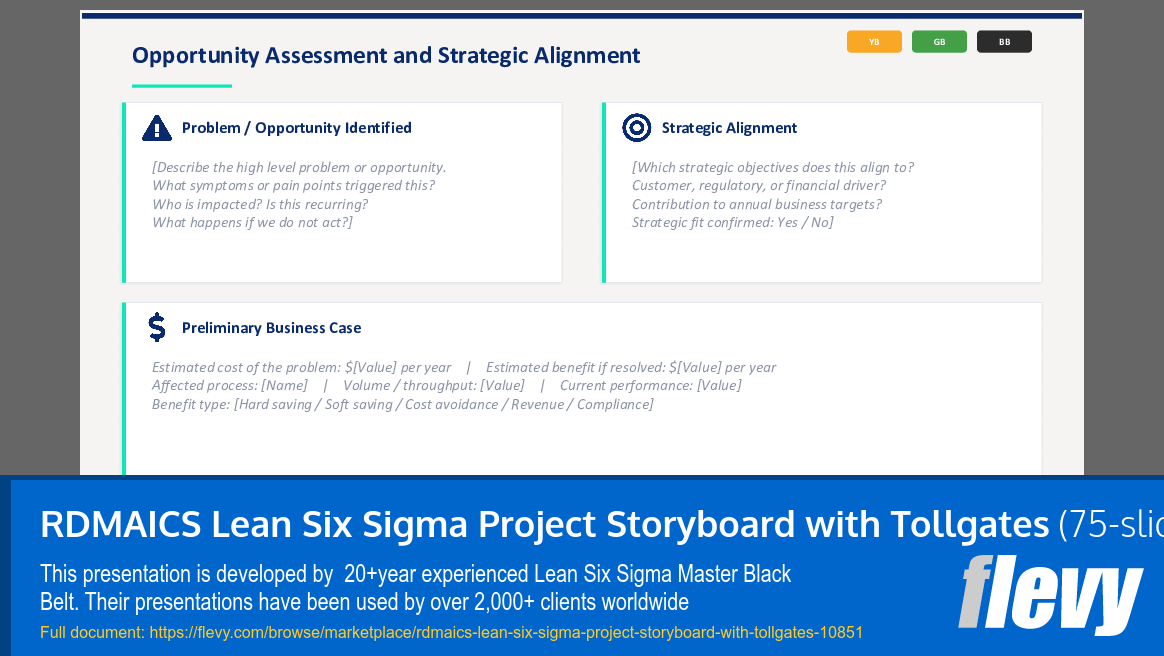
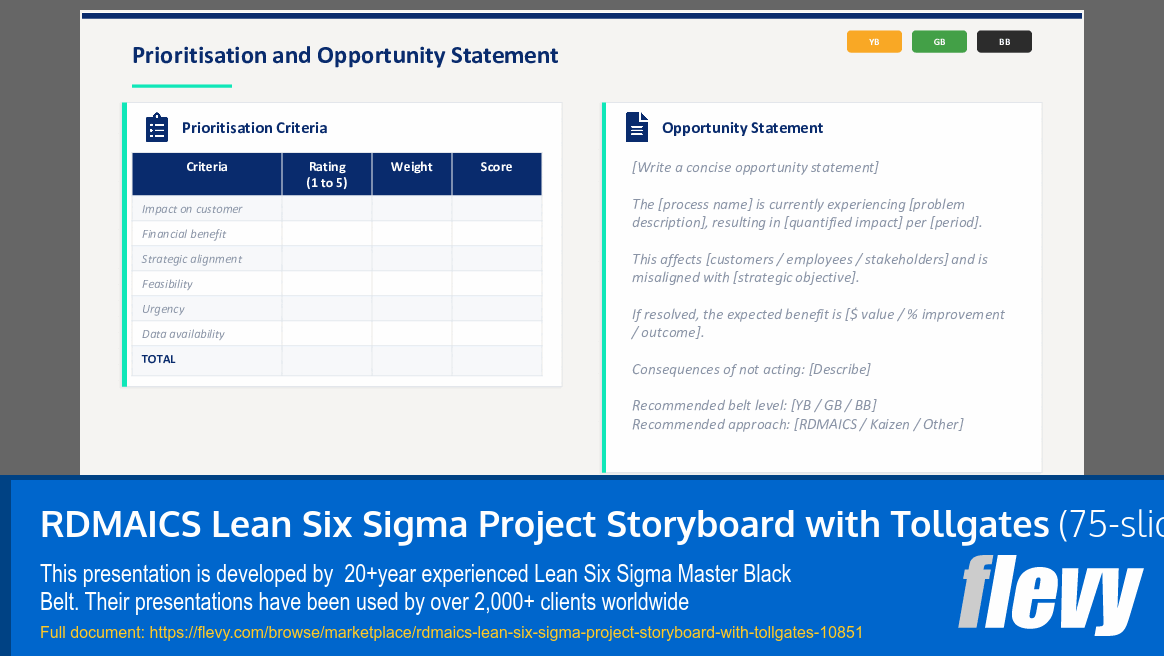
- Provides a complete 75 slide RDMAICS storyboard with built-in tollgate checklists, belt level tagging, and structured templates for every tool from Project Charter through 30/60/90 day post-implementation review.
- Includes ready-to-use visual tools built into the slides: standard 6M Fishbone diagram, full Value Stream Map with proper symbols, CTQ Drilldown Tree, and Affinity Diagram, saving hours of manual diagram creation.
- Covers the full improvement lifecycle with Recognise and Sustain phases that standard DMAIC templates miss, giving your programme a structured approach to project selection, opportunity qualification, and long term gains sustainability.
SIX SIGMA PROJECT PPT TEMPLATE DESCRIPTION
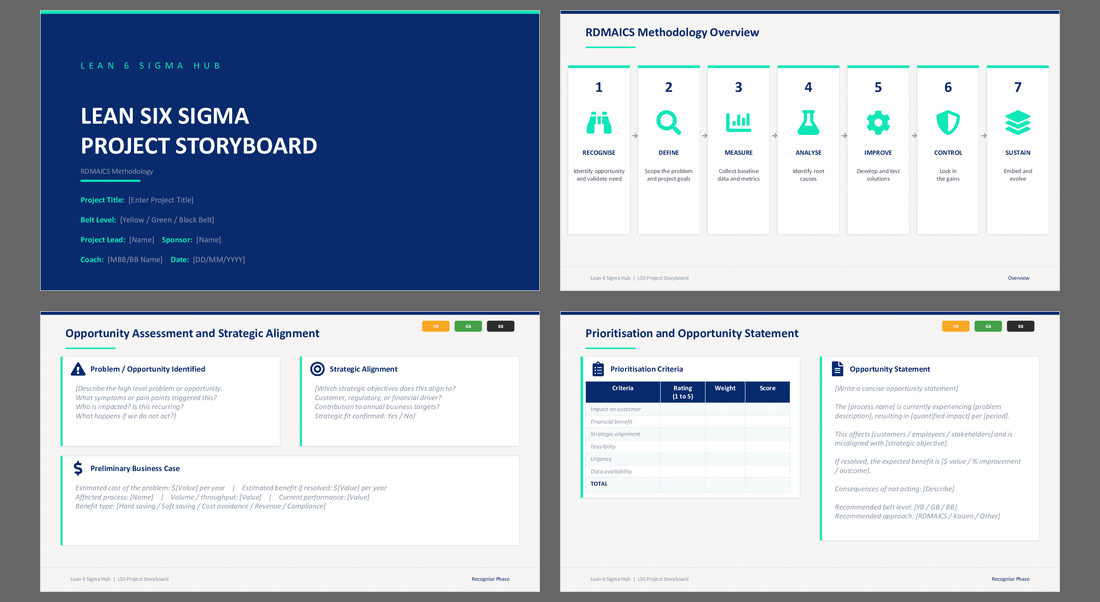
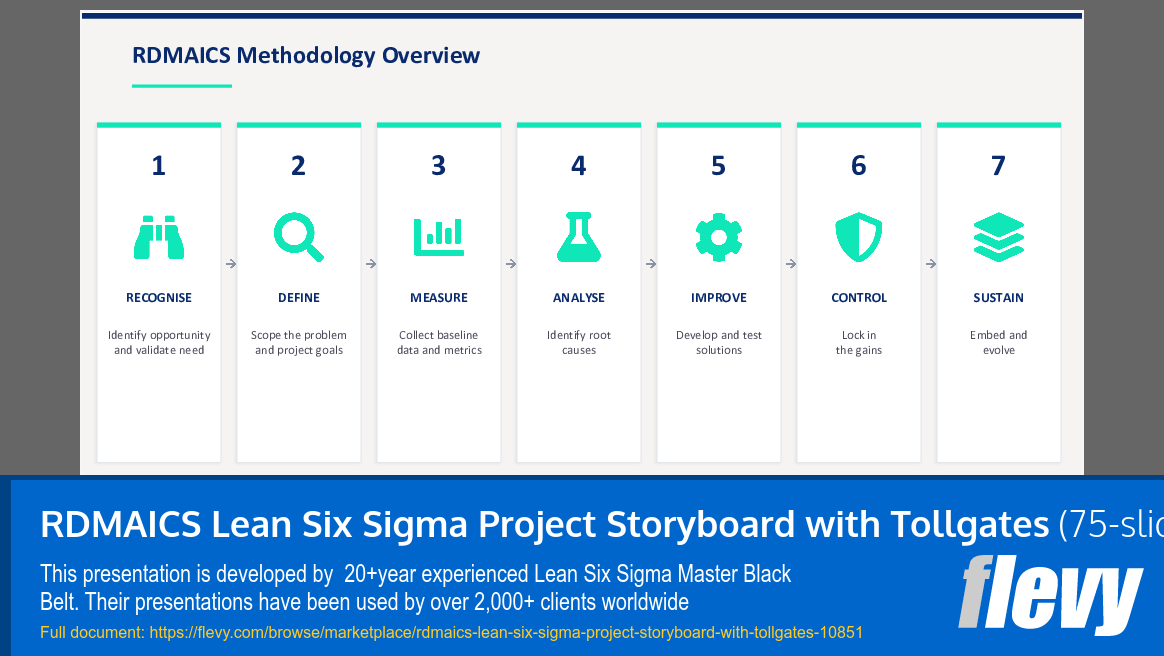
Most Lean Six Sigma storyboard templates follow the standard DMAIC structure. This one does not. It uses the RDMAICS methodology, which adds two critical phases that traditional templates miss: Recognise at the front to qualify the opportunity before committing resources, and Sustain at the end to embed improvements into daily operations and prevent gains from eroding.
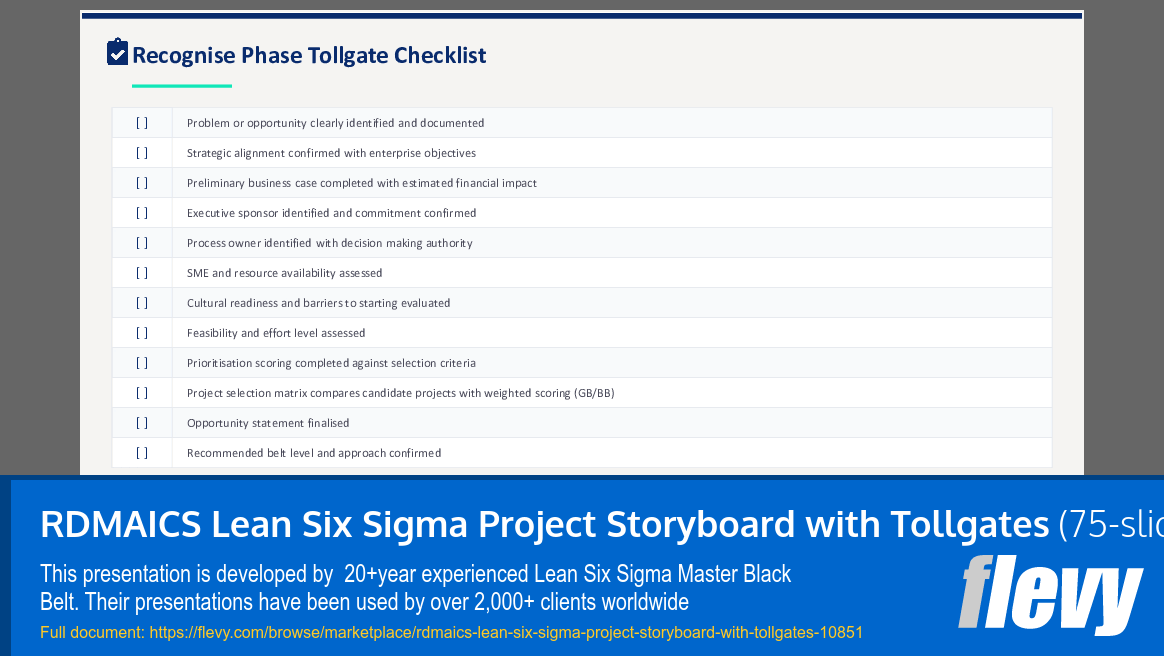
This 75 slide storyboard template covers all seven RDMAICS phases: Recognise, Define, Measure, Analyse, Improve, Control, and Sustain. Every phase ends with a structured tollgate checklist that includes go/no-go criteria, reviewer sign off, and gate decision options. This gives coaches, sponsors, and programme managers a consistent framework for quality gating across all belt levels.
Each slide is tagged with belt level indicators (Yellow Belt, Green Belt, Black Belt) so candidates know exactly which slides apply to their project scope. A Yellow Belt candidate uses roughly 30 slides. A Green Belt uses around 55. A Black Belt uses the full 75 slide deck.
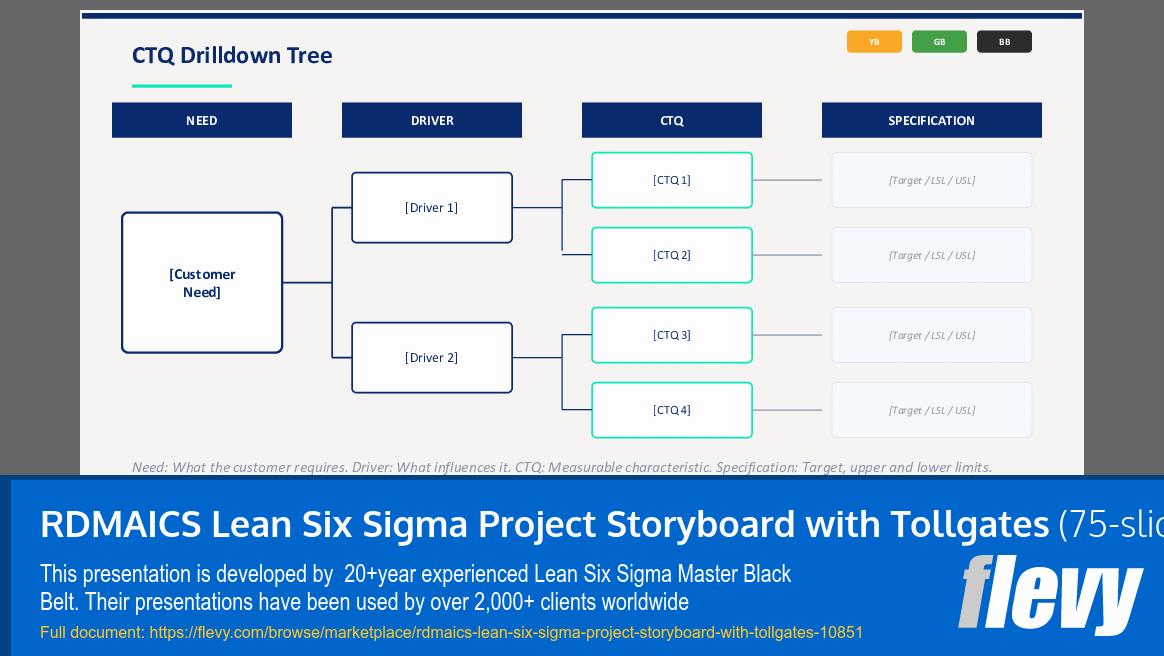
The template includes properly formatted visual tools built directly into the slides. A standard 6M Fishbone (Ishikawa) diagram with diagonal bones, category labels, and sub-cause branches. A full Value Stream Map template with supplier and customer factory icons, 5 process steps with data boxes, inventory triangles, push arrows, electronic and manual information flow, shipping icons, and a VA/NVA timeline with PCE calculation. A CTQ Drilldown Tree showing the Need to Driver to CTQ to Specification flow. An Affinity Diagram with themed sticky note columns for VOC grouping.
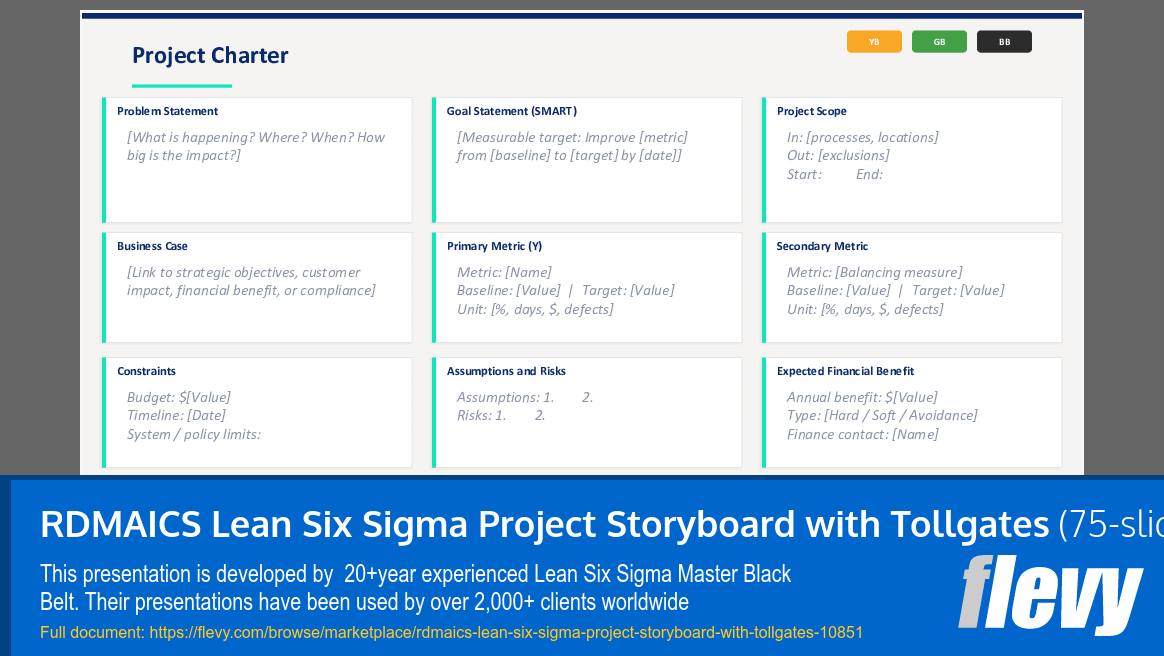
Key slides across the phases include: Project Charter (single slide, 9 section grid with primary and secondary metrics), SIPOC, VOC collection table, Stakeholder Analysis, RACI Matrix, Project Selection Matrix, Operational Definitions, Data Collection Plan, Baseline Performance, MSA, Process Capability, Sigma Calculation, Cause and Effect Matrix, 5 Whys, TIMWOODS Waste Analysis, Pareto, FMEA, Hypothesis Testing, Scatter Plot, Regression, Multi-Vari, ANOVA, DOE (Design of Experiments), Impact vs Effort Matrix, Pugh Matrix, Future State Process Map, Cost Benefit Analysis, Pilot Plan, Before vs After Results, SPC Charts, Control Plan, Poka-Yoke, Visual Management Dashboard, SOPs and Training, Benefits Tracking, Process Capability Before vs After comparison, 30/60/90 Day Post-Implementation Review, Audit and Compliance, and Continuous Improvement Integration.
The design uses a minimal colour palette. Warm grey background with white cards, navy text, and teal accents. No heavy colour fills. Clean, professional, and easy to read when projected or printed.
This template is suitable for corporate Lean Six Sigma programmes, training providers, consultants, and individual practitioners running improvement projects across manufacturing, services, healthcare, government, utilities, and financial services.
Got a question about the product? Email us at support@flevy.com or ask the author directly by using the "Ask the Author a Question" form. If you cannot view the preview above this document description, go here to view the large preview instead.
Source: Best Practices in Six Sigma Project, DMAIC PowerPoint Slides: RDMAICS Lean Six Sigma Project Storyboard with Tollgates PowerPoint (PPTX) Presentation Slide Deck, Lean 6 Sigma Hub
ABOUT THE AUTHOR

At Lean 6 Sigma Hub, we are dedicated to revolutionizing the way Lean Six Sigma is taught and applied. With over 20 years of industry experience, our mission is to empower professionals and organizations to achieve excellence through continuous improvement and operational efficiency.
Lean 6 Sigma Hub is officially accredited by the Council for Six Sigma Certification (CSSC), USA. Our
... [read more]
Ask the Author a Question
You must be logged in to contact the author.