
Project Management Toolkit – The Most Complete
Introduction
Effective project management is crucial for ensuring projects are delivered on time, within scope, and on budget. A Project Management Toolkit is an essential collection of frameworks, methodologies, templates, and tools designed to streamline project planning, execution, and monitoring. This presentation will explore the most complete toolkit for project managers, covering key areas such as planning, risk management, collaboration, and reporting.
1. Project Planning Tools
Successful projects start with well-structured planning. Essential tools in this phase include:
• Work Breakdown Structure (WBS): Helps divide the project into smaller, manageable tasks.
• Gantt Charts: Provides a visual timeline of project activities and dependencies.
• Project Charter Template: Defines project objectives, scope, stakeholders, and key deliverables.
• Project Roadmap: High-level plan that outlines major milestones and strategic goals.
2. Task & Workflow Management
Keeping track of project progress and team assignments is critical. Some key tools include:
• Kanban Boards: Visualize tasks and workflow stages (e.g., Trello, Jira, ).
• Task Assignment Templates: Ensure clarity in roles and responsibilities.
• Agile & Scrum Boards: Facilitate iterative development and quick adjustments.
3. Risk Management & Issue Tracking
Proactively managing risks and resolving issues prevents project delays and failures. Essential tools include:
• Risk Register: A structured document to track potential risks, their impact, and mitigation strategies.
• Issue Log: Tracks project problems, assigns owners, and monitors resolution progress.
• SWOT Analysis: Identifies project strengths, weaknesses, opportunities, and threats.
4. Communication & Collaboration Tools
Effective communication is key to project success. Tools to enhance collaboration include:
• Stakeholder Matrix: Helps identify and manage key project stakeholders.
• Meeting Agenda & Minutes Templates: Standardizes meeting structure and follow-ups.
• Collaboration Software: Platforms like Microsoft Teams, Slack, and Zoom facilitate remote teamwork.
5. Reporting & Performance Tracking
Monitoring progress and reporting to stakeholders ensures project alignment. Useful tools include:
• Project Dashboards: Provide real-time data on project performance (e.g., Power BI, Tableau).
• Earned Value Management (EVM): Measures project cost and schedule performance.
• Status Report Templates: Standardized reports that summarize project updates.
And More ...
Conclusion
A complete Project Management Toolkit provides the structure, efficiency, and visibility needed to manage projects successfully. By leveraging these tools, project managers can improve planning, execution, communication, and reporting, ensuring project success in any industry.
Got a question about the product? Email us at support@flevy.com or ask the author directly by using the "Ask the Author a Question" form. If you cannot view the preview above this document description, go here to view the large preview instead.
Executive Summary
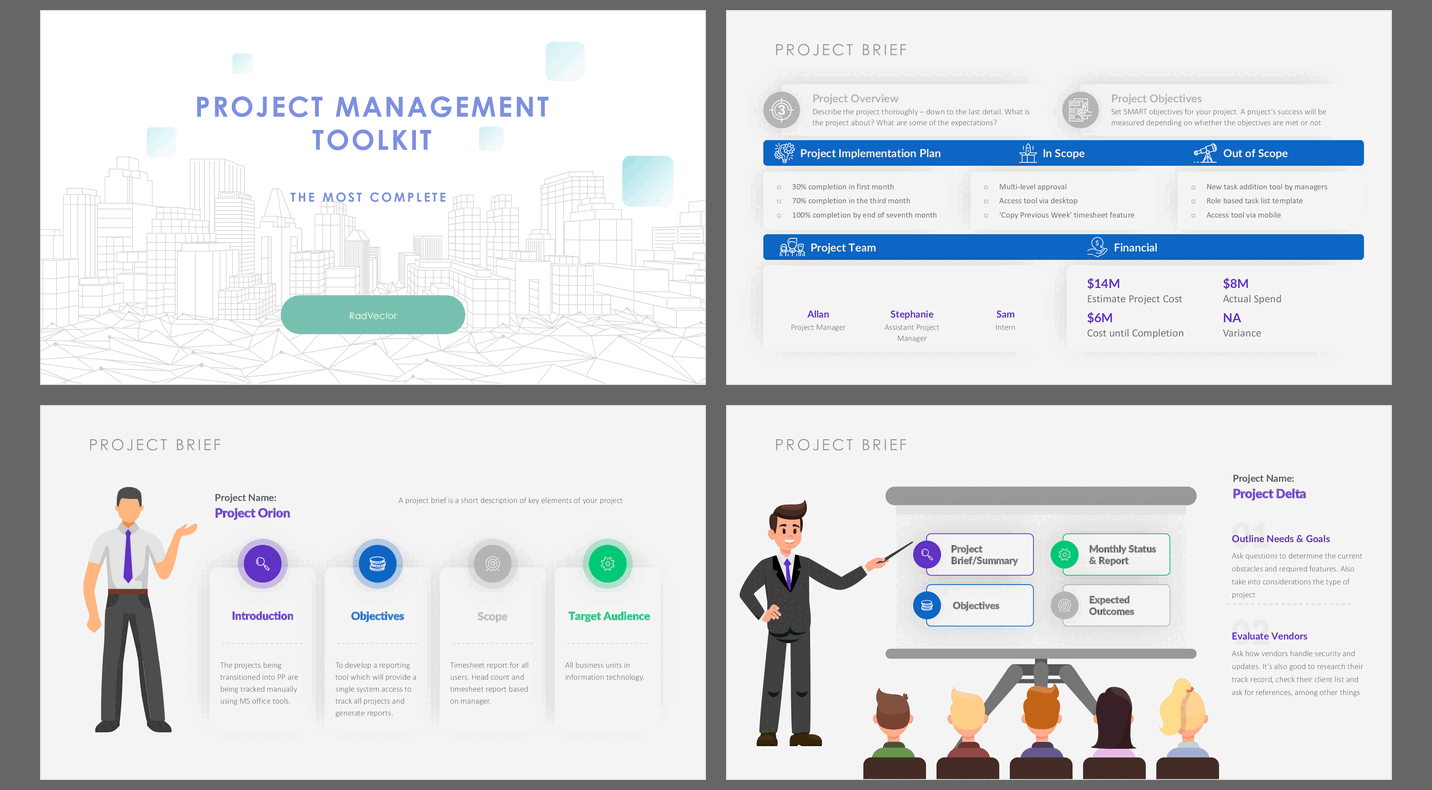
The Project Management Toolkit is a comprehensive resource designed to enhance project planning, execution, and monitoring. Developed by a team of experienced consultants from top firms, this toolkit provides essential templates and frameworks, including Gantt charts, risk registers, and Agile Scrum methodologies. Users will be equipped to streamline their project processes, ensuring timely delivery and effective resource management.
Who This Is For and When to Use
• Project Managers overseeing complex projects
• Team Leaders coordinating cross-functional teams
• Consultants advising on project execution strategies
• Executives seeking to improve project governance
Best-fit moments to use this deck:
• During project initiation to establish clear objectives and scope
• In planning phases to allocate resources and set timelines
• For monitoring progress and adjusting plans based on performance metrics
Learning Objectives
• Define project scope and objectives clearly
• Build comprehensive project plans using templates provided
• Establish effective communication strategies among stakeholders
• Implement risk management practices to mitigate potential issues
• Monitor project performance through KPIs and status reports
• Adapt Agile methodologies to enhance project flexibility
Table of Contents
• Project Overview (page 3)
• Project Objectives (page 4)
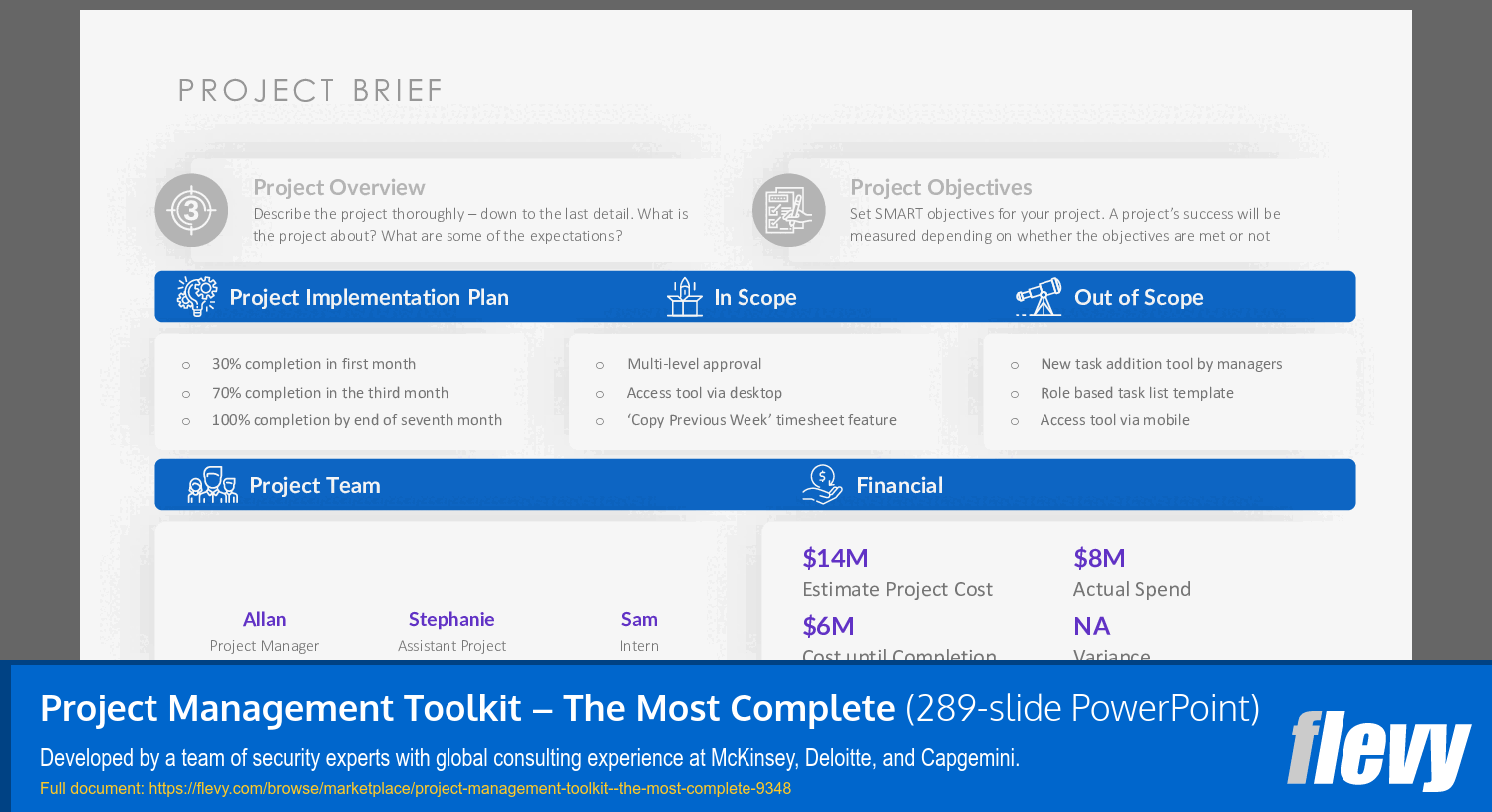
• Project Implementation Plan (page 5)
• Project Team (page 6)
• Financial Overview (page 7)
• Project Milestones (page 8)
• Risk Management Strategies (page 9)
• Communication Plan (page 10)
Primary Topics Covered
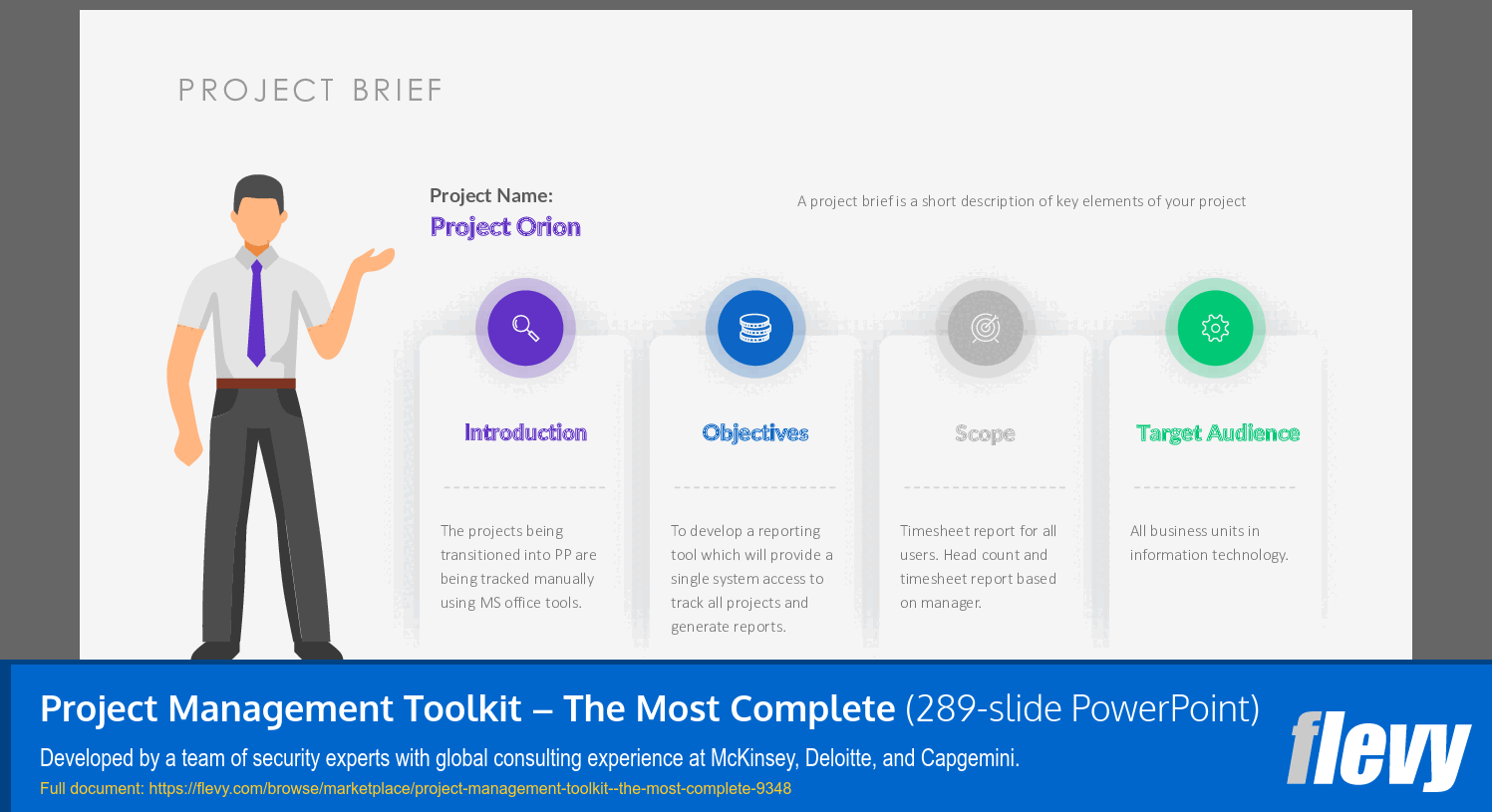
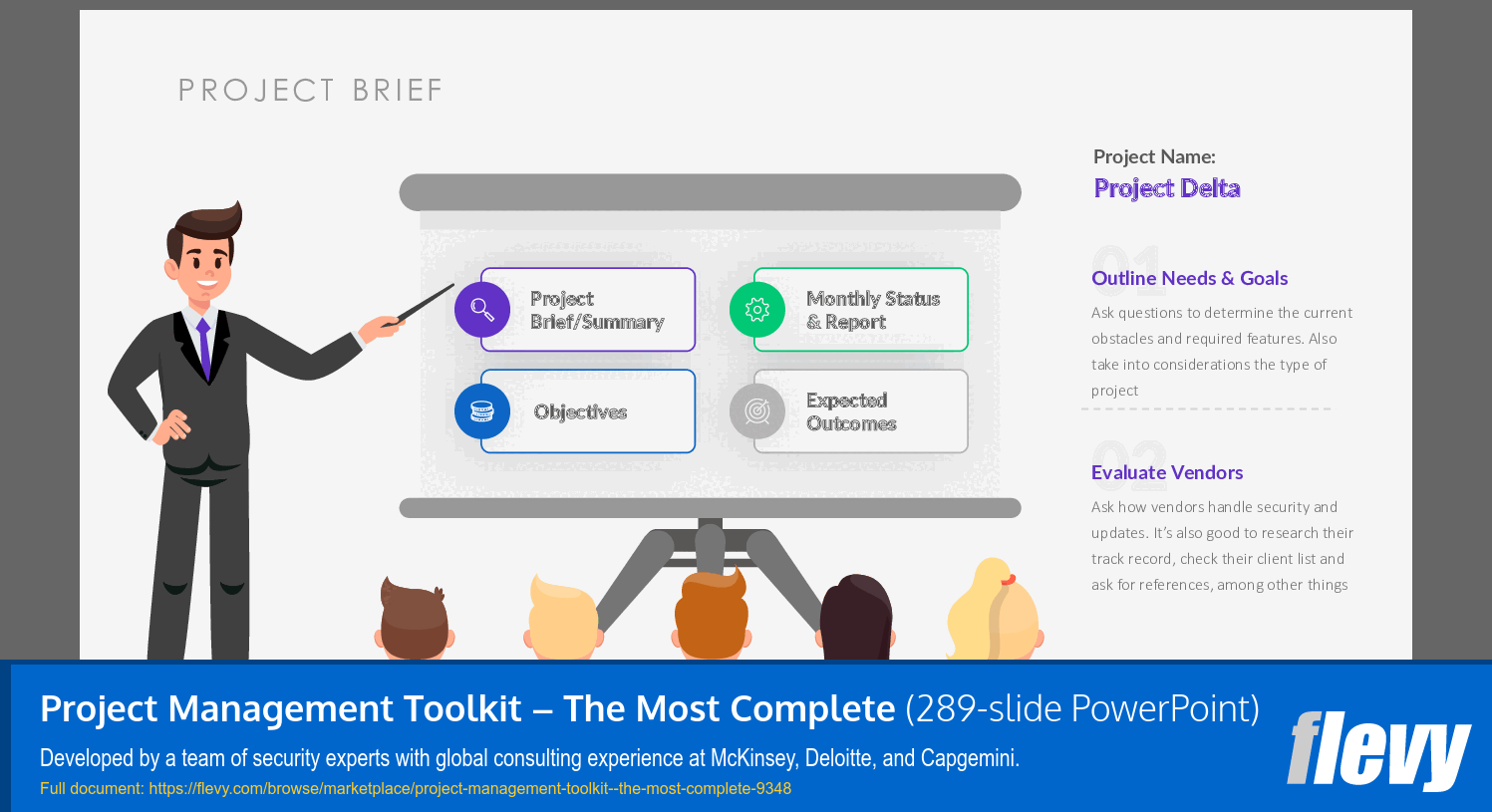
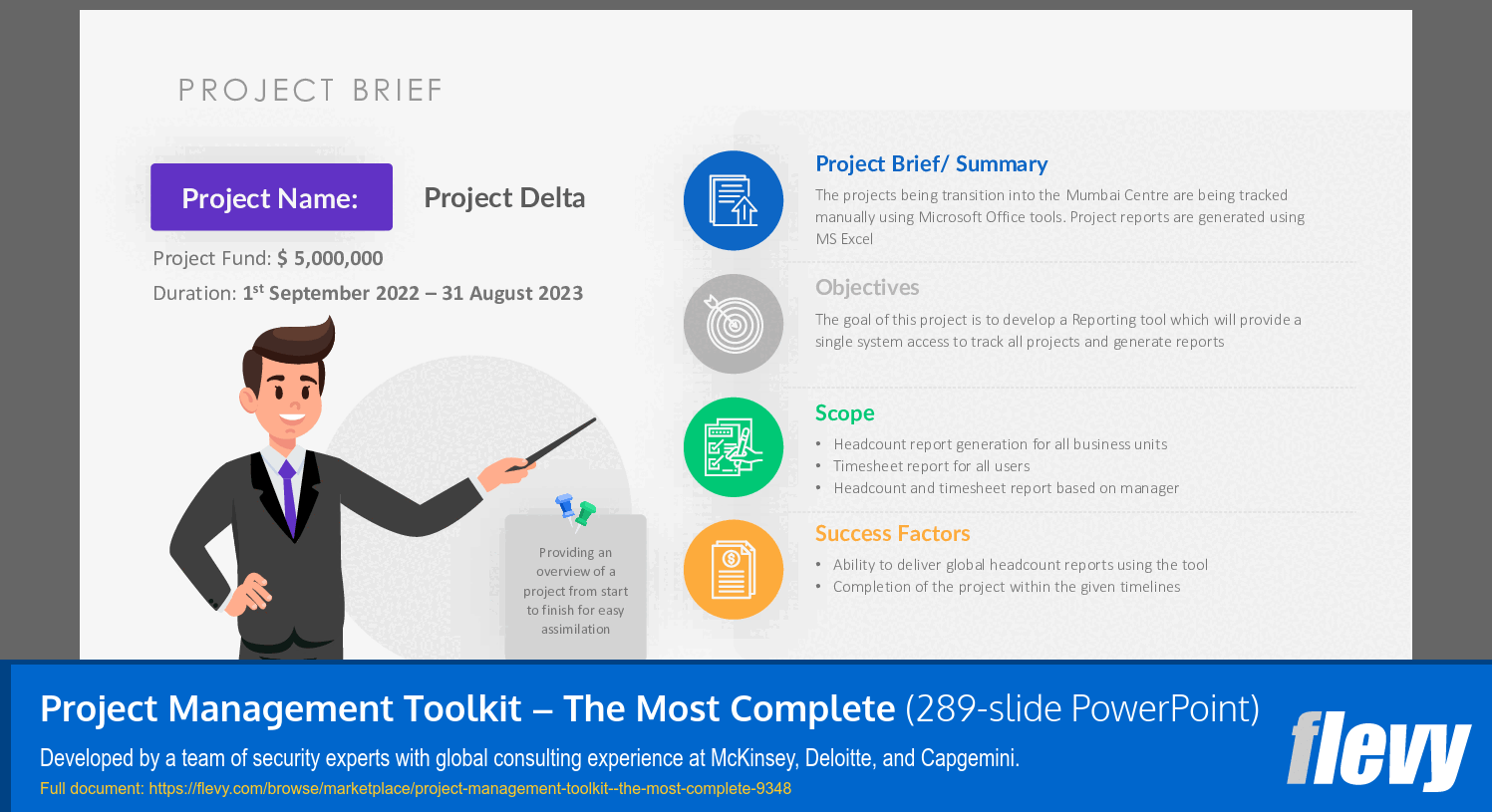
• Project Overview - A detailed description of the project's goals, objectives, and expected outcomes.
• Project Objectives - SMART objectives that guide project success measurement.
• Project Implementation Plan - A structured approach to executing the project, including timelines and resource allocation.
• Financial Overview - Budget estimates and actual expenditures to track project financial health.
• Risk Management Strategies - Techniques for identifying, assessing, and mitigating project risks.
• Communication Plan - Strategies for effective stakeholder engagement and information dissemination.
Deliverables, Templates, and Tools
• Gantt chart template for project scheduling and tracking
• Risk register template for identifying and managing project risks
• Agile Scrum framework for iterative project development
• Status report template for regular project updates
• Communication plan template for stakeholder engagement
• Project budget template for financial tracking
Slide Highlights
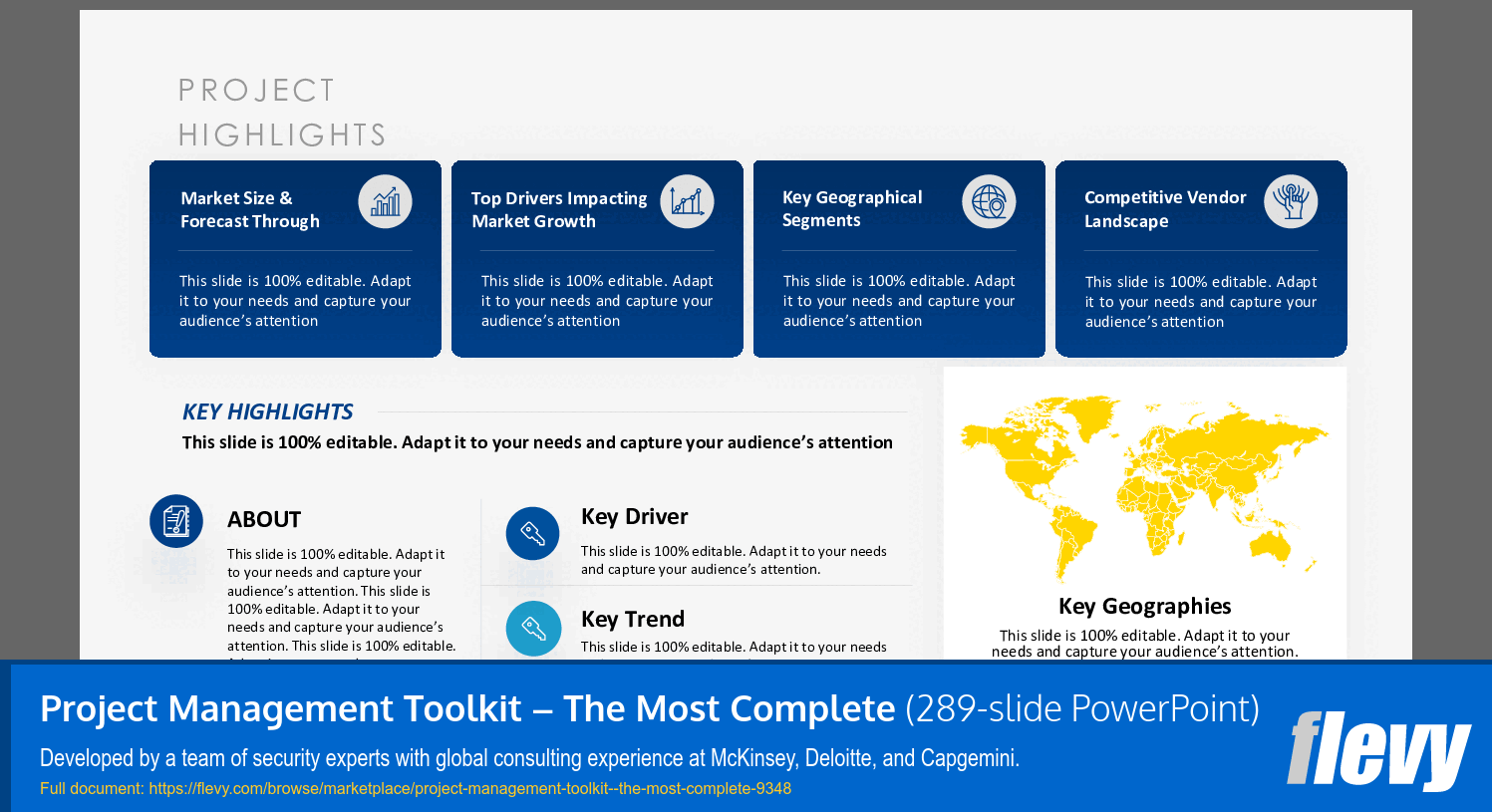
• Overview of the Project Management Toolkit, emphasizing its comprehensive nature
• Visual representation of the project timeline and key milestones
• Example of a risk management framework to illustrate proactive planning
• Communication plan slide detailing stakeholder engagement strategies
• Financial overview slide showcasing budget allocation and expenditures
Potential Workshop Agenda
Project Kickoff Workshop (2 hours)
• Introduce project objectives and scope
• Discuss roles and responsibilities among team members
• Review project timeline and key milestones
Risk Management Session (1 hour)
• Identify potential project risks and mitigation strategies
• Develop a risk register using provided templates
Communication Planning Session (1 hour)
• Establish communication protocols among stakeholders
• Create a stakeholder engagement plan
Customization Guidance
• Tailor the project timeline to reflect specific project phases and milestones
• Adjust risk management strategies based on project scope and complexity
• Modify communication plans to suit the stakeholder landscape
Secondary Topics Covered
• Stakeholder analysis and engagement strategies
• Change management processes during project execution
• Performance monitoring and evaluation techniques
• Lessons learned documentation for future projectsDocument FAQ
These are questions addressed within this presentation.
What is the purpose of the Project Management Toolkit?
The toolkit provides essential templates and frameworks to streamline project planning, execution, and monitoring, ensuring successful project delivery.
Who can benefit from using this toolkit?
Project Managers, Team Leaders, Consultants, and Executives can all leverage the toolkit to enhance their project management practices.
How can I customize the templates provided?
Templates can be tailored to fit specific project needs, including adjusting timelines, resource allocations, and risk management strategies.
What types of projects is this toolkit suitable for?
The toolkit is designed for a wide range of projects, from small initiatives to large-scale transformations across various industries.
Are there any training resources available for using the toolkit?
Yes, workshops and training sessions can be organized to help teams effectively utilize the toolkit and its templates.
How does the toolkit support Agile methodologies?
The toolkit includes Agile Scrum frameworks and templates that facilitate iterative project development and flexibility in project execution.
What financial tracking resources are included?
The toolkit provides budget templates and financial tracking tools to monitor project expenditures and ensure fiscal responsibility.
Can the toolkit be used for remote project management?
Absolutely, the templates and frameworks are designed to support remote collaboration and communication among team members.
Glossary
• Agile - A project management methodology focused on iterative development and flexibility.
• Gantt Chart - A visual representation of a project schedule, showing tasks and timelines.
• Risk Register - A tool for identifying and tracking project risks and their mitigation strategies.
• Stakeholder - Any individual or group with an interest in the project's outcome.
• SMART Objectives - Specific, Measurable, Achievable, Relevant, and Time-bound goals for project success.
• KPI - Key Performance Indicator, a measurable value that demonstrates how effectively a project is achieving its objectives.
• Communication Plan - A strategy for managing stakeholder engagement and information dissemination throughout the project lifecycle.
• Change Management - The process of managing changes to project scope, objectives, and deliverables.
• Budget Template - A tool for estimating and tracking project costs and expenditures.
• Project Milestone - A significant event or achievement within the project timeline.
• Project Scope - The boundaries of the project, detailing what is included and excluded from the project deliverables.
• Feasibility Study - An assessment of the practicality and viability of a proposed project or solution.
Source: Best Practices in Gantt Chart Templates, Specialized PowerPoint Templates PowerPoint Slides: Project Management Toolkit – The Most Complete PowerPoint (PPTX) Presentation Slide Deck, RadVector Consulting
|
Download our FREE Strategy & Transformation Framework Templates
Download our free compilation of 50+ Strategy & Transformation slides and templates. Frameworks include McKinsey 7-S Strategy Model, Balanced Scorecard, Disruptive Innovation, BCG Experience Curve, and many more. |










