
The PMP examination is a vital part of the activities leading to earning a professional certification, thus it is imperative that the PMP examination reflect accurately the practices of the project management practitioner. All the questions on the examination have been written and extensively reviewed by qualified PMP certification holders and tracked to at least two academic references. These questions are mapped against the PMP Examination Content Outline to ensure that an appropriate number of questions are in place for a valid examination.
The domains, tasks, and enablers as defined by the Role Delineation Study.
ï‚· Domain: Defined as the high-level knowledge area that is essential to the practice of project management.
ï‚· Tasks: The underlying responsibilities of the project manager within each domain area.
ï‚· Enablers: Illustrative examples of the work associated with the task. Please note that enablers are not meant to be an exhaustive list but rather offer a few examples to help demonstrate what the task encompasses.
Rather than going through the ECO numerically (starting with "1.1 Manage Conflict") I decided to use the ATP Work Group sequence. That way, if someone has taken ATP training and is looking for additional study materials the book will follow the training course sequence.
Got a question about the product? Email us at support@flevy.com or ask the author directly by using the "Ask the Author a Question" form. If you cannot view the preview above this document description, go here to view the large preview instead.
Executive Summary
The "PMP Exam Preparation - Building A Team" presentation is designed to equip project managers with essential skills for team building, a critical component of project success. Developed by experts from top consulting firms, this resource aligns with the PMI Authorized Training Partners (ATPs) and follows the PMBOK Guide (7th Edition). It offers a structured approach to understanding team dynamics, empowering team members, and managing virtual teams. By utilizing this presentation, project managers will enhance their ability to build effective teams, negotiate project agreements, and ensure stakeholder training, ultimately leading to successful project outcomes.
Who This Is For and When to Use
• Project Managers seeking to enhance team-building skills
• Team Leads responsible for managing diverse project teams
• HR Professionals involved in team development and training
• Consultants focusing on project management best practices
Best-fit moments to use this deck:
• During project initiation to establish team dynamics
• In training sessions for new project managers
• When transitioning to remote or hybrid team structures
• For workshops aimed at improving team collaboration and performance
Learning Objectives
• Define the key components of effective team building
• Build a shared understanding among team members
• Empower team members to take ownership of their tasks
• Negotiate project agreements that align stakeholder interests
• Ensure team members are adequately trained for their roles
• Engage and support virtual teams effectively
Table of Contents
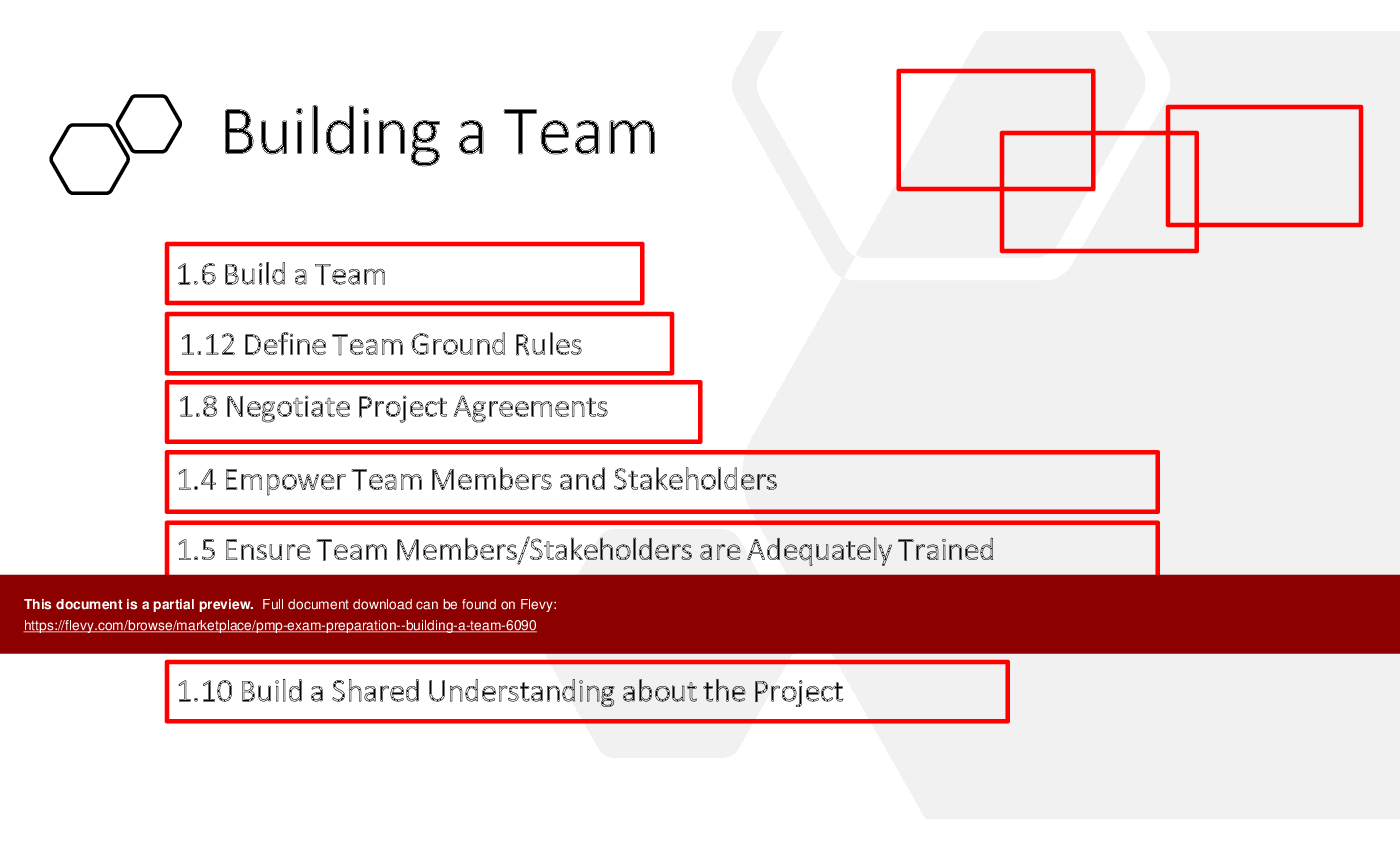
• Build a Team (page 3)
• Define Team Ground Rules (page 10)
• Negotiate Project Agreements (page 15)
• Empower Team Members and Stakeholders (page 20)
• Ensure Team Members/Stakeholders are Adequately Trained (page 25)
• Engage and Support Virtual Teams (page 30)
• Build a Shared Understanding about the Project (page 35)
Primary Topics Covered
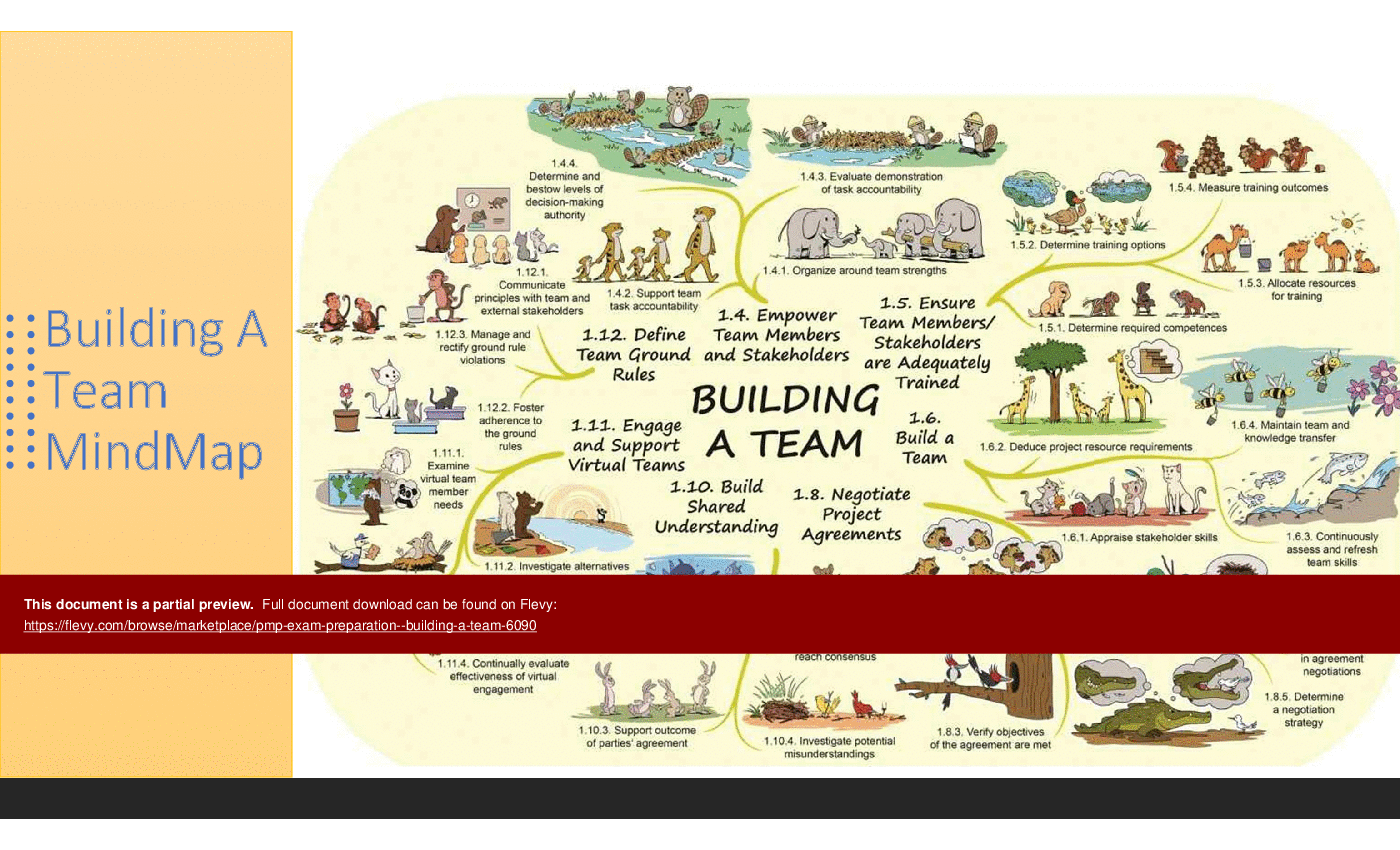
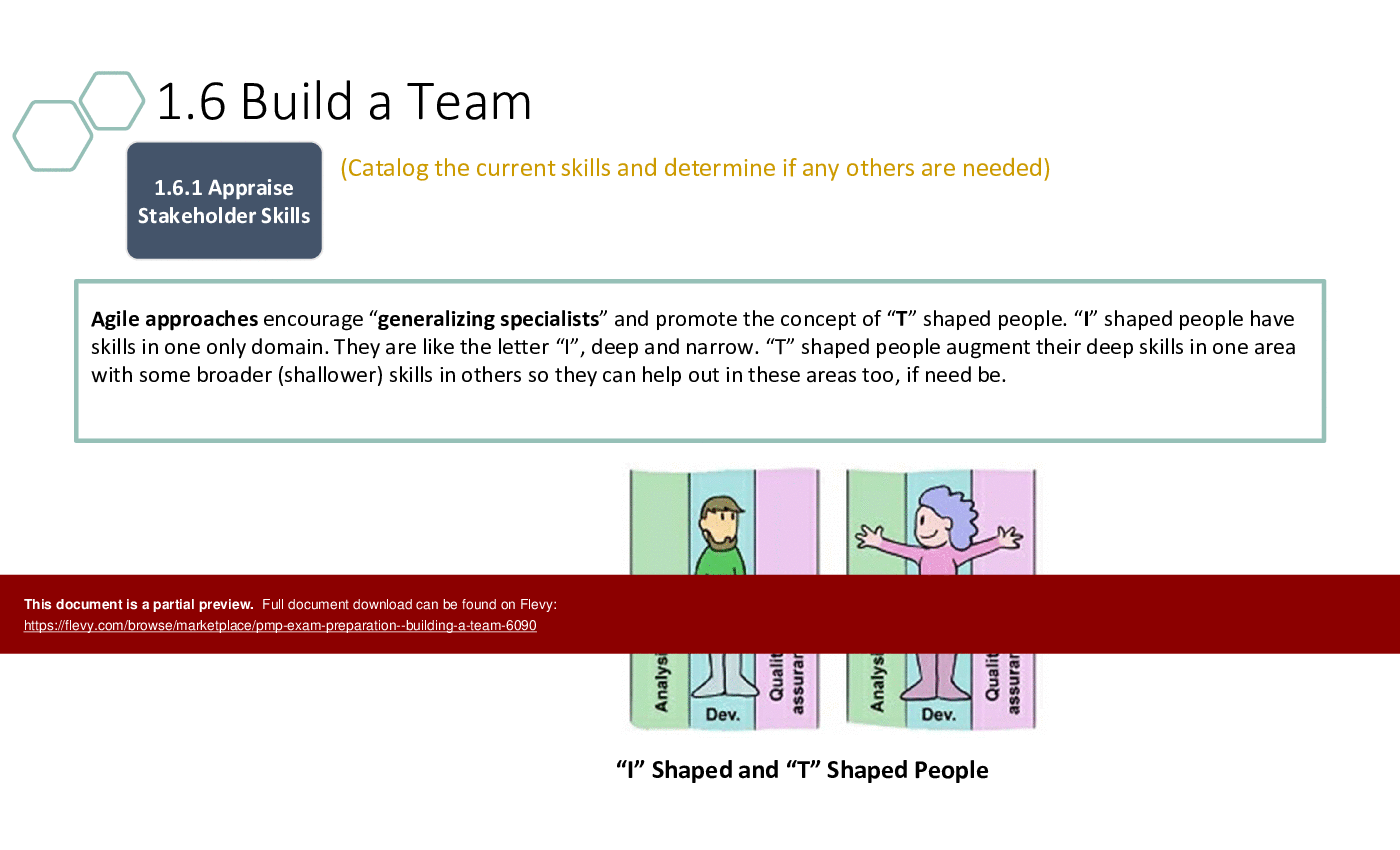
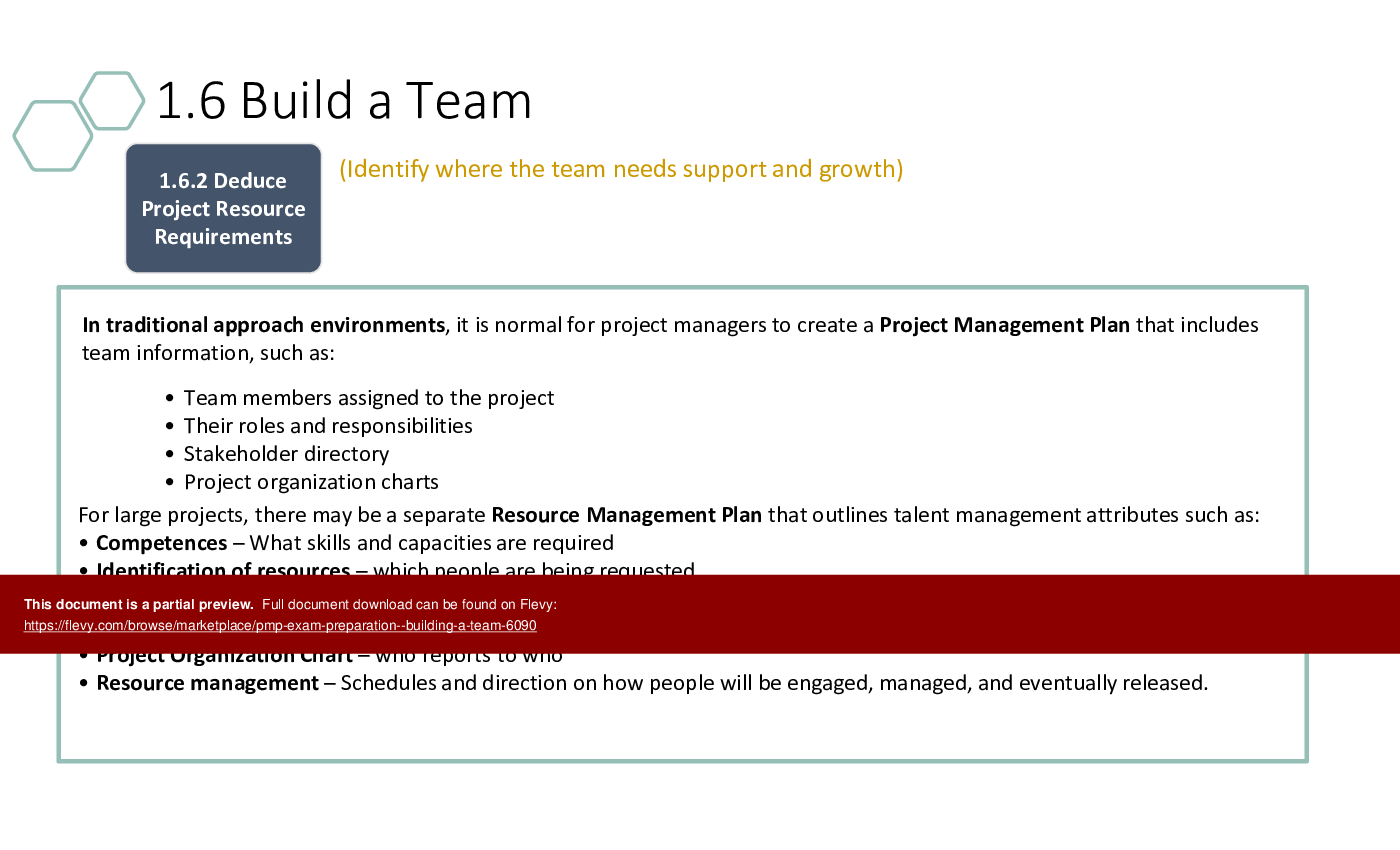
• Building a Team - Focuses on assessing stakeholder skills and defining project resource requirements for effective team formation.
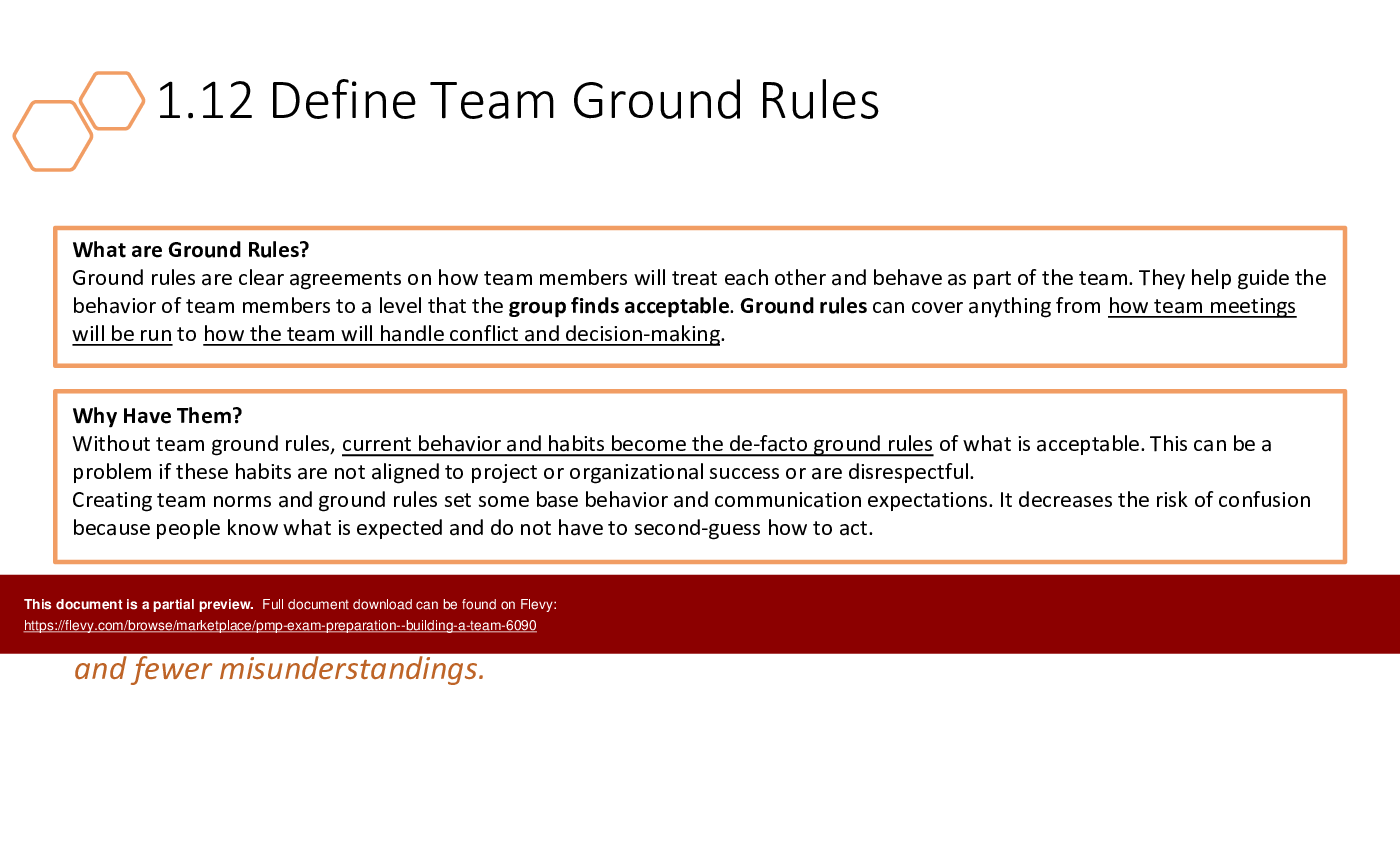
• Define Team Ground Rules - Establishes clear agreements on team behavior and communication to enhance collaboration.
• Negotiate Project Agreements - Guides project managers in creating mutual agreements among stakeholders to ensure project alignment.
• Empower Team Members and Stakeholders - Discusses strategies for organizing teams around strengths and supporting accountability.
• Ensure Team Members/Stakeholders are Adequately Trained - Highlights the importance of training and development for team effectiveness.
• Engage and Support Virtual Teams - Offers insights into managing remote teams and fostering engagement in a virtual environment.
• Build a Shared Understanding about the Project - Emphasizes the need for a unified vision and consensus among team members.
Deliverables, Templates, and Tools
• Team charter template for defining roles and responsibilities
• Ground rules document to establish team norms
• Skills assessment matrix for evaluating team competencies
• Project agreement templates for stakeholder alignment
• Training plans and calendars for team development
• Virtual team engagement tools and best practices guide
Slide Highlights
• Overview of the Tuckman model for team development stages
• Visual representation of team roles and responsibilities
• Examples of effective team ground rules and norms
• Strategies for negotiating project agreements with stakeholders
• Techniques for engaging and supporting virtual teams
Potential Workshop Agenda
Team Building Workshop (90 minutes)
• Introduction to team dynamics and the importance of building a team
• Group activity: Assessing stakeholder skills
• Discussion: Defining team ground rules
Negotiation Skills Session (60 minutes)
• Overview of project agreements and their significance
• Role-play: Practicing negotiation techniques
• Feedback and discussion on negotiation outcomes
Virtual Team Engagement Session (60 minutes)
• Best practices for managing remote teams
• Interactive discussion: Overcoming virtual team challenges
• Action planning for team engagement strategies
Customization Guidance
• Tailor the team charter to reflect specific project goals and stakeholder roles
• Adjust ground rules based on team dynamics and organizational culture
• Incorporate unique training needs identified through skills assessments
• Adapt virtual team engagement strategies to fit the team's technological capabilities
Secondary Topics Covered
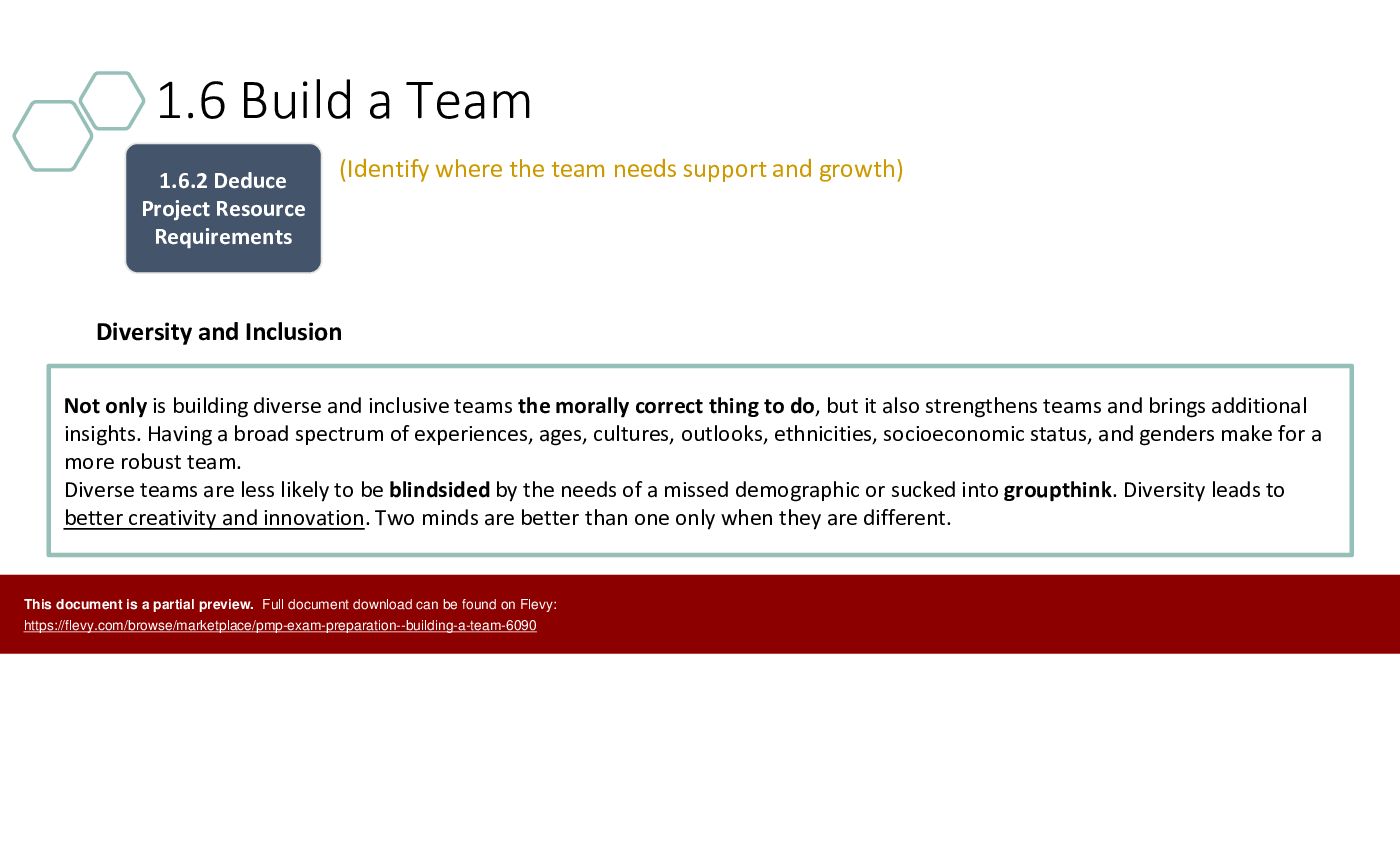
• The role of diversity and inclusion in team building
• Techniques for continuous assessment and skill refreshment
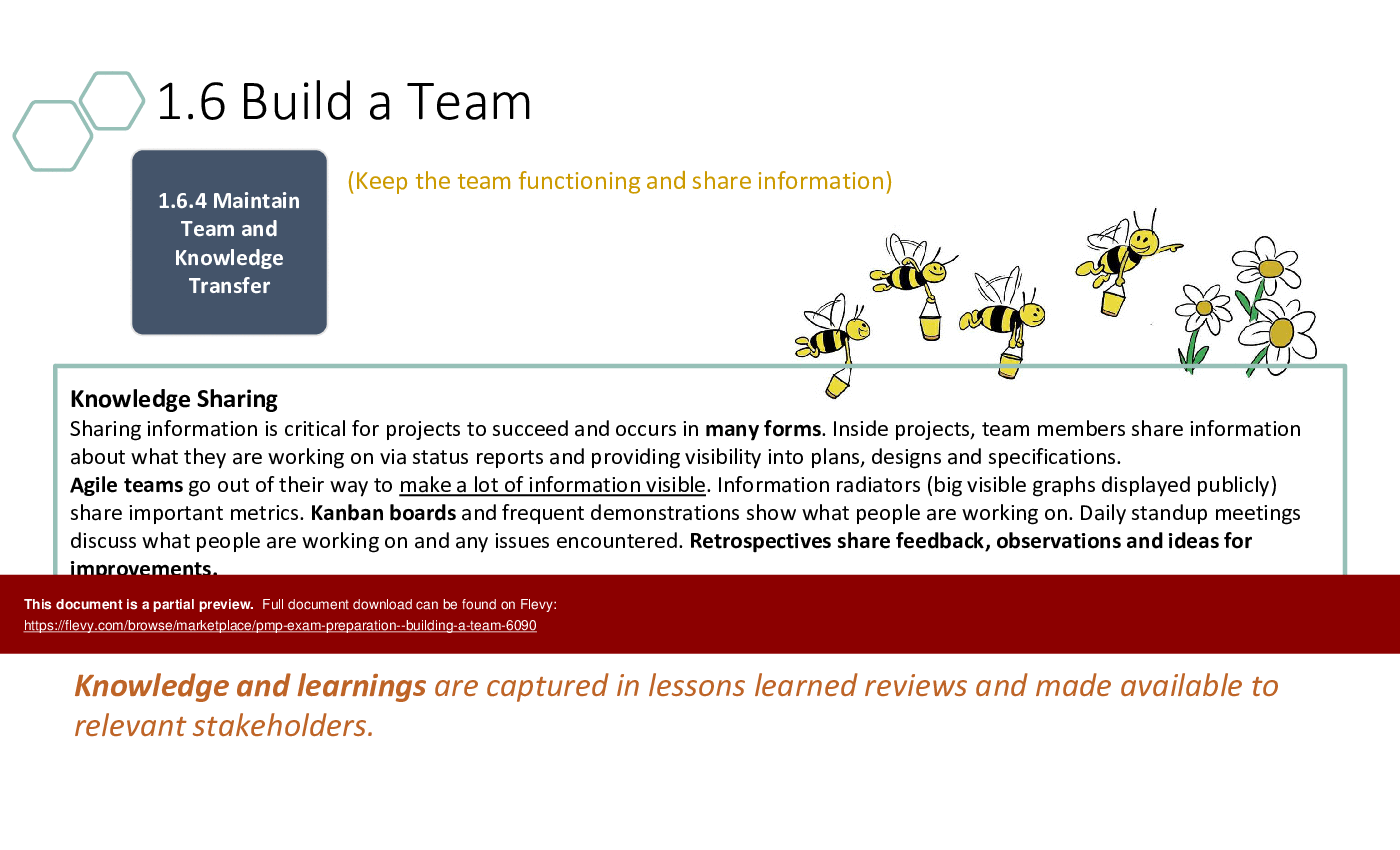
• The importance of knowledge transfer within teams
• Strategies for managing conflict and promoting psychological safety
FAQ
What is the significance of team ground rules?
Ground rules establish clear expectations for behavior and communication, reducing misunderstandings and enhancing team performance.
How can I assess team member skills effectively?
Utilize structured interviews, skills assessments, and feedback from peers to evaluate the skills and competencies of team members.
What are the stages of team development according to the Tuckman model?
The Tuckman model outlines 5 stages: Forming, Storming, Norming, Performing, and Adjourning, which describe how teams evolve over time.
How do I empower my team members?
Encourage self-organization, support accountability, and provide opportunities for decision-making to enhance team ownership and motivation.
What tools can I use to engage virtual teams?
Consider using video conferencing, collaborative platforms, and shared task boards to facilitate communication and collaboration among remote team members.
How do I ensure my team is adequately trained?
Conduct skills assessments to identify training needs, allocate resources for training, and measure training outcomes to ensure effectiveness.
What should I include in a project agreement?
A project agreement typically includes a Statement of Work, team norms, pricing and payment terms, and quality requirements.
How can I build a shared understanding among team members?
Utilize project charters, taskboards, and regular check-ins to ensure all team members are aligned on project goals and expectations.
Glossary
• Team Charter - A document outlining team roles, responsibilities, and agreements.
• Ground Rules - Agreements on acceptable behavior and communication within the team.
• Tuckman Model - A framework describing the stages of team development.
• Skills Assessment - A process for evaluating the competencies of team members.
• Project Agreement - A formal document outlining the terms and conditions of collaboration among stakeholders.
• Virtual Team - A team that collaborates remotely, often using technology for communication.
• Knowledge Transfer - The process of sharing information and skills among team members.
• Empowerment - Granting team members the authority to make decisions and take ownership of their work.
• Stakeholder - An individual or group with an interest in the project's outcome.
• Consensus - General agreement among team members on a particular issue or decision.
• Training Plan - A structured approach to developing the skills and competencies of team members.
• Engagement - The level of involvement and commitment of team members to their work.
Source: Best Practices in Team Management, PMP PowerPoint Slides: PMP Exam Preparation - Building A Team PowerPoint (PPTX) Presentation Slide Deck, RadVector Consulting
This document is available as part of the following discounted bundle(s):
Save %!
PMP Exam Preparation - All You Need To Know
This bundle contains 6 total documents. See all the documents to the right.
|
Download our FREE Organization, Change, & Culture, Templates
Download our free compilation of 50+ slides and templates on Organizational Design, Change Management, and Corporate Culture. Methodologies include ADKAR, Burke-Litwin Change Model, McKinsey 7-S, Competing Values Framework, etc. |










