
The PMP examination is a vital part of the activities leading to earning a professional certification, thus it is imperative that the PMP examination reflect accurately the practices of the project management practitioner. All the questions on the examination have been written and extensively reviewed by qualified PMP certification holders and tracked to at least two academic references. These questions are mapped against the PMP Examination Content Outline to ensure that an appropriate number of questions are in place for a valid examination.
The domains, tasks, and enablers as defined by the Role Delineation Study.
Domain: Defined as the high-level knowledge area that is essential to the practice of project management.
Tasks: The underlying responsibilities of the project manager within each domain area.
Enablers: Illustrative examples of the work associated with the task. Please note that enablers are not meant to be an exhaustive list but rather offer a few examples to help demonstrate what the task encompasses.
Rather than going through the ECO numerically (starting with "1.1 Manage Conflict") I decided to use the ATP Work Group sequence. That way, if someone has taken ATP training and is looking for additional study materials the book will follow the training course sequence.
Got a question about the product? Email us at support@flevy.com or ask the author directly by using the "Ask the Author a Question" form. If you cannot view the preview above this document description, go here to view the large preview instead.
Executive Summary
The "PMP Exam Preparation - Focus On Business" presentation is a meticulously crafted resource designed to enhance project management skills aligned with the PMBOK Guide (7th Edition). Developed by a team of experts with extensive consulting backgrounds at McKinsey, Deloitte, and Capgemini, this presentation focuses on critical project management areas, including compliance, value delivery, and organizational change. By utilizing this resource, project managers will gain insights into managing project compliance, evaluating benefits, and adapting to external changes, ultimately leading to successful project outcomes.
Who This Is For and When to Use
• Project Managers seeking to enhance their knowledge and skills for the PMP exam
• Team Leaders responsible for managing project compliance and value delivery
• Consultants looking to align project management practices with industry standards
• Organizational Change Managers involved in implementing project changes
Best-fit moments to use this deck:
• During PMP exam preparation to reinforce key concepts
• When managing projects that require strict compliance with regulations
• In workshops focused on delivering project benefits and value
• For training sessions aimed at adapting to external business environment changes
Learning Objectives
• Define project compliance requirements and their implications for project success
• Build a framework for evaluating and delivering project benefits and value
• Establish methods to assess external business environment changes and their impact on project scope
• Support organizational change by understanding cultural dynamics and stakeholder engagement
• Measure the extent of project compliance throughout the project lifecycle
• Utilize tools and techniques for effective project management and compliance tracking
Table of Contents
• Introduction to Project Management (page 1)
• Exam Content Outline (page 2)
• Work Groups Overview (page 3)
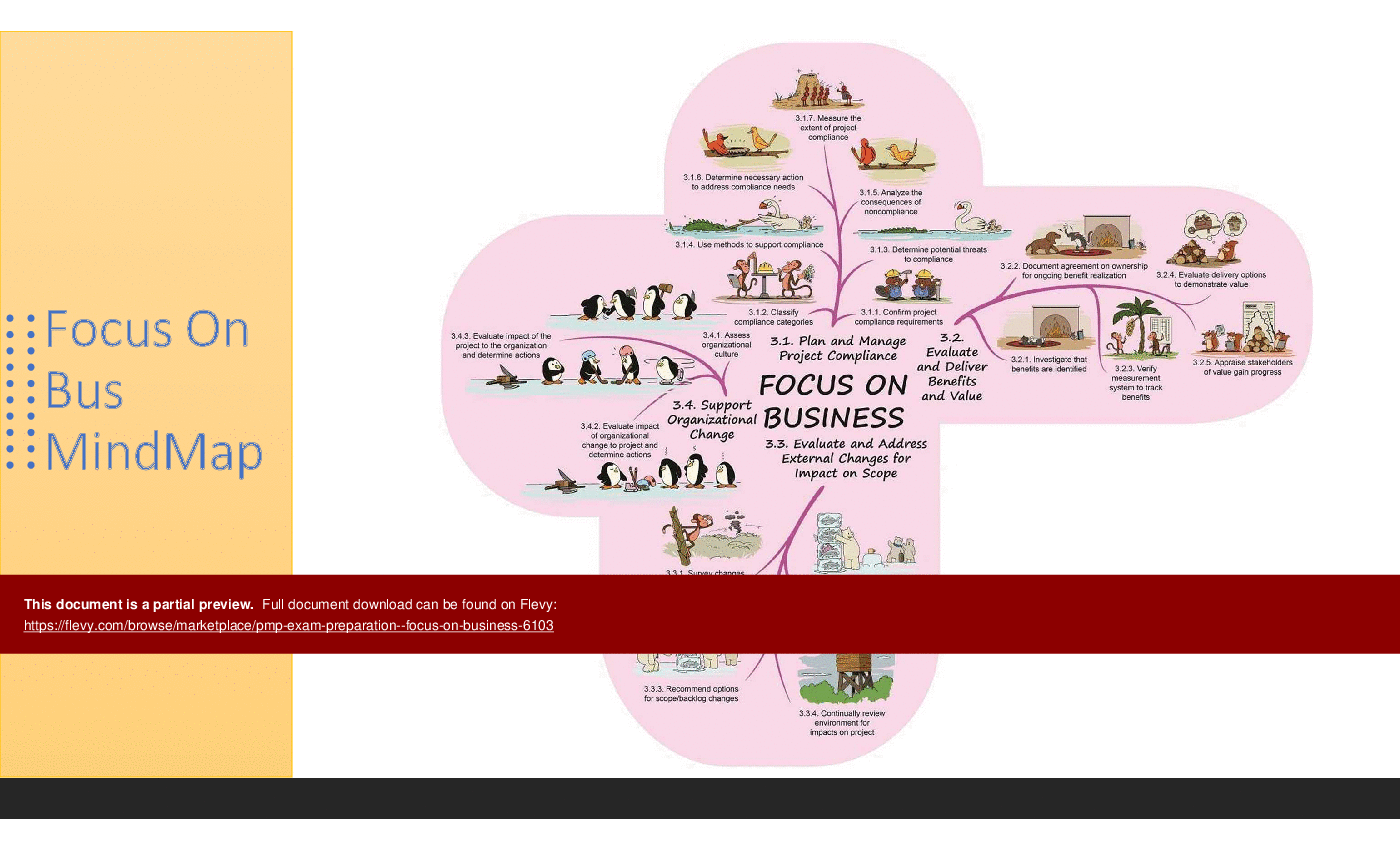
• Focus On Business MindMap (page 4)
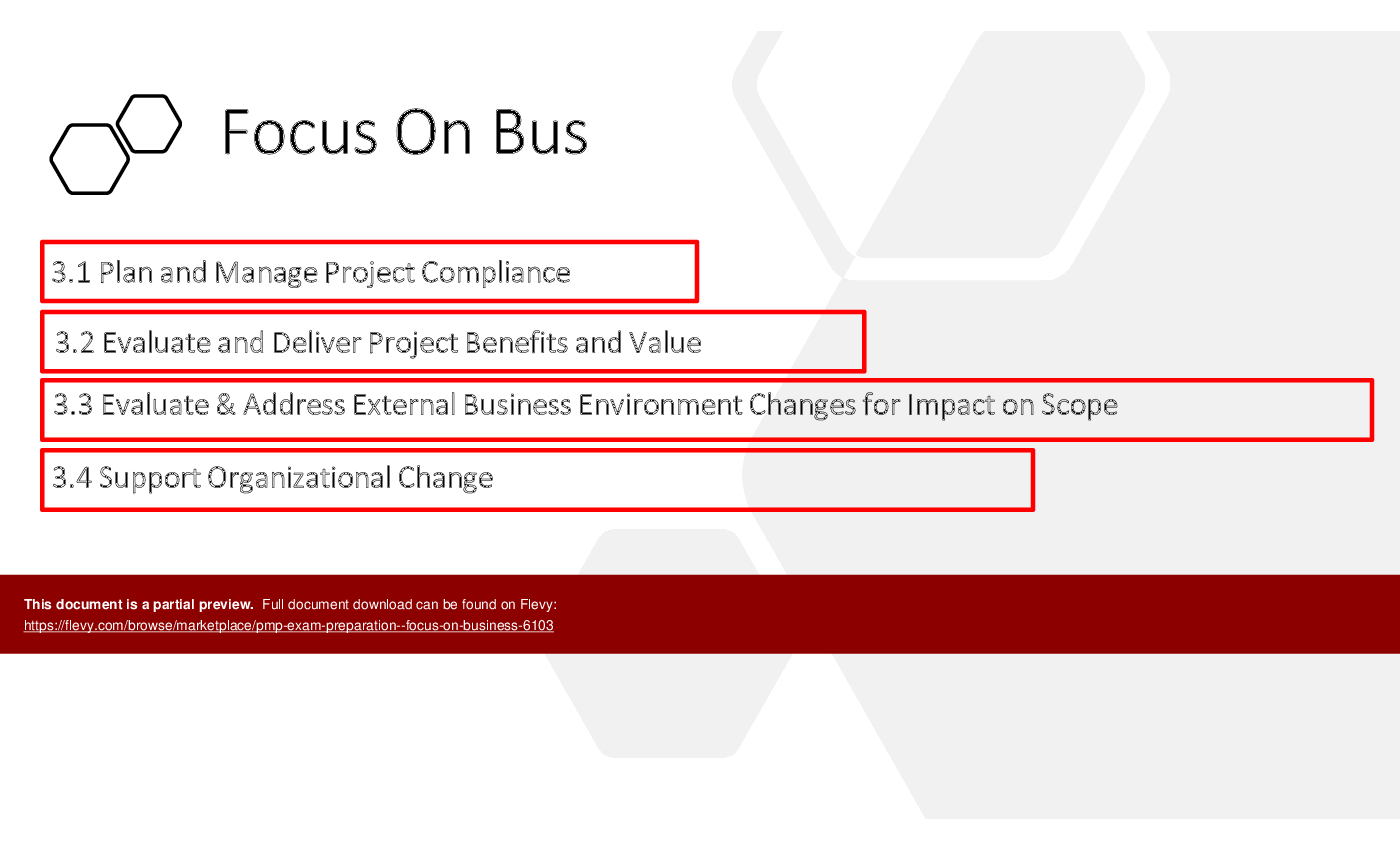
• Plan and Manage Project Compliance (page 5)
• Evaluate and Deliver Project Benefits and Value (page 10)
• Evaluate & Address External Business Environment Changes (page 15)
• Support Organizational Change (page 20)
Primary Topics Covered
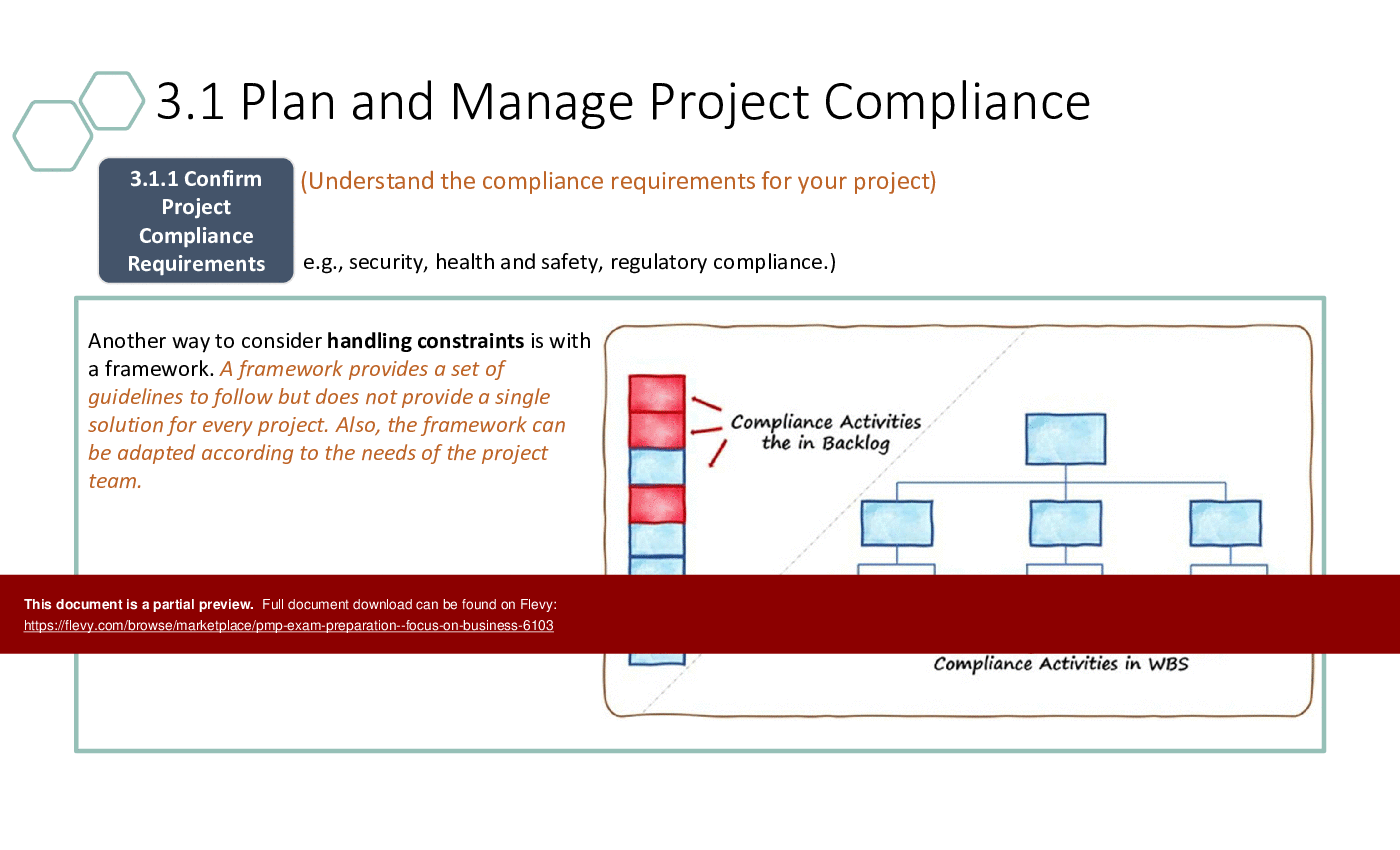
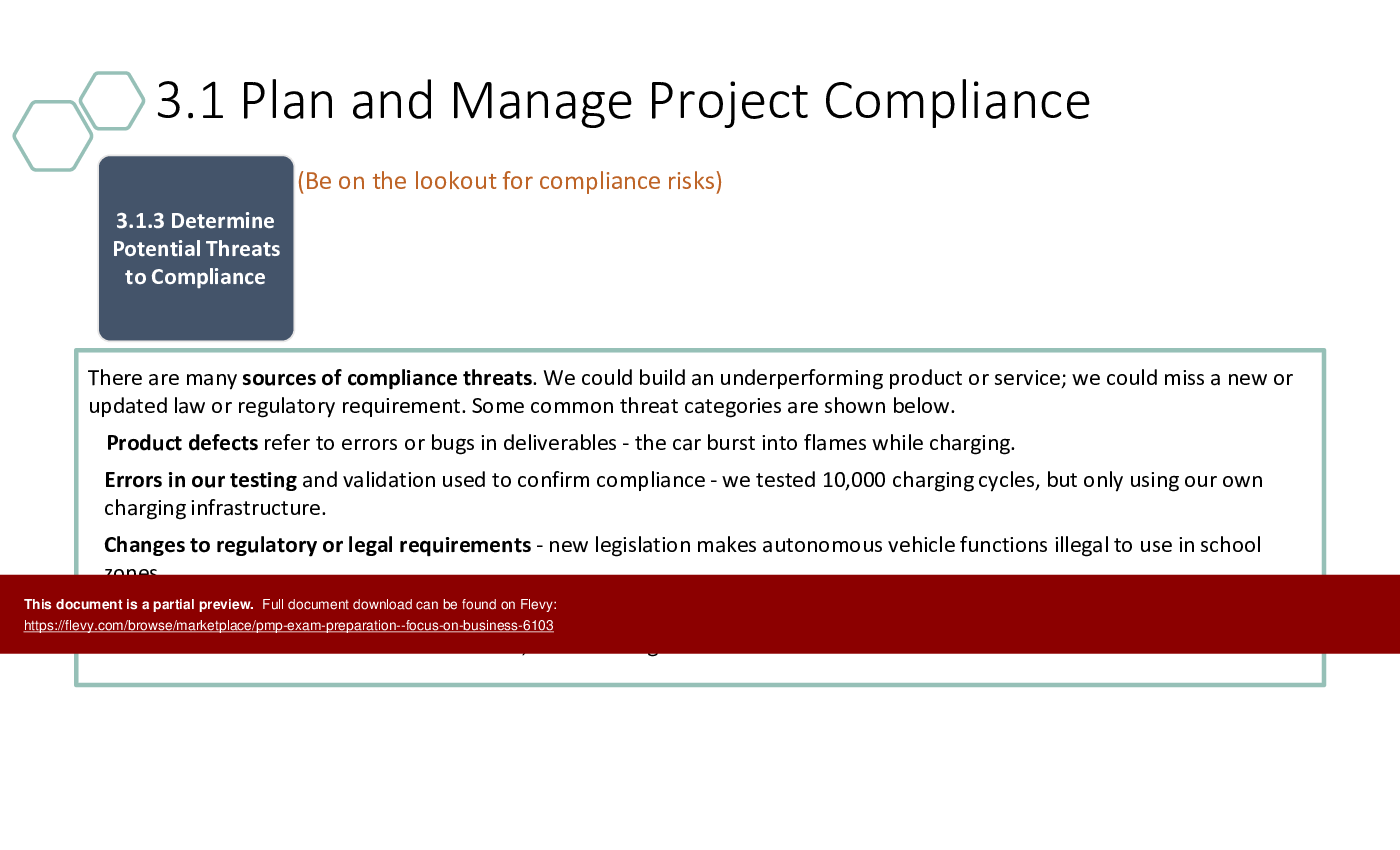
• Plan and Manage Project Compliance - This section outlines the essential compliance requirements for projects, emphasizing the importance of understanding regulatory constraints and their implications for project success.
• Evaluate and Deliver Project Benefits and Value - Focuses on identifying, measuring, and delivering project benefits, including both financial and intangible aspects.
• Evaluate & Address External Business Environment Changes - Discusses how to assess and prioritize impacts from external changes on project scope and backlog.
• Support Organizational Change - Explores strategies for managing organizational change and the role of project managers in facilitating this process.
• Compliance Categories - Details various types of compliance constraints relevant to different project types, including legal, regulatory, and safety requirements.
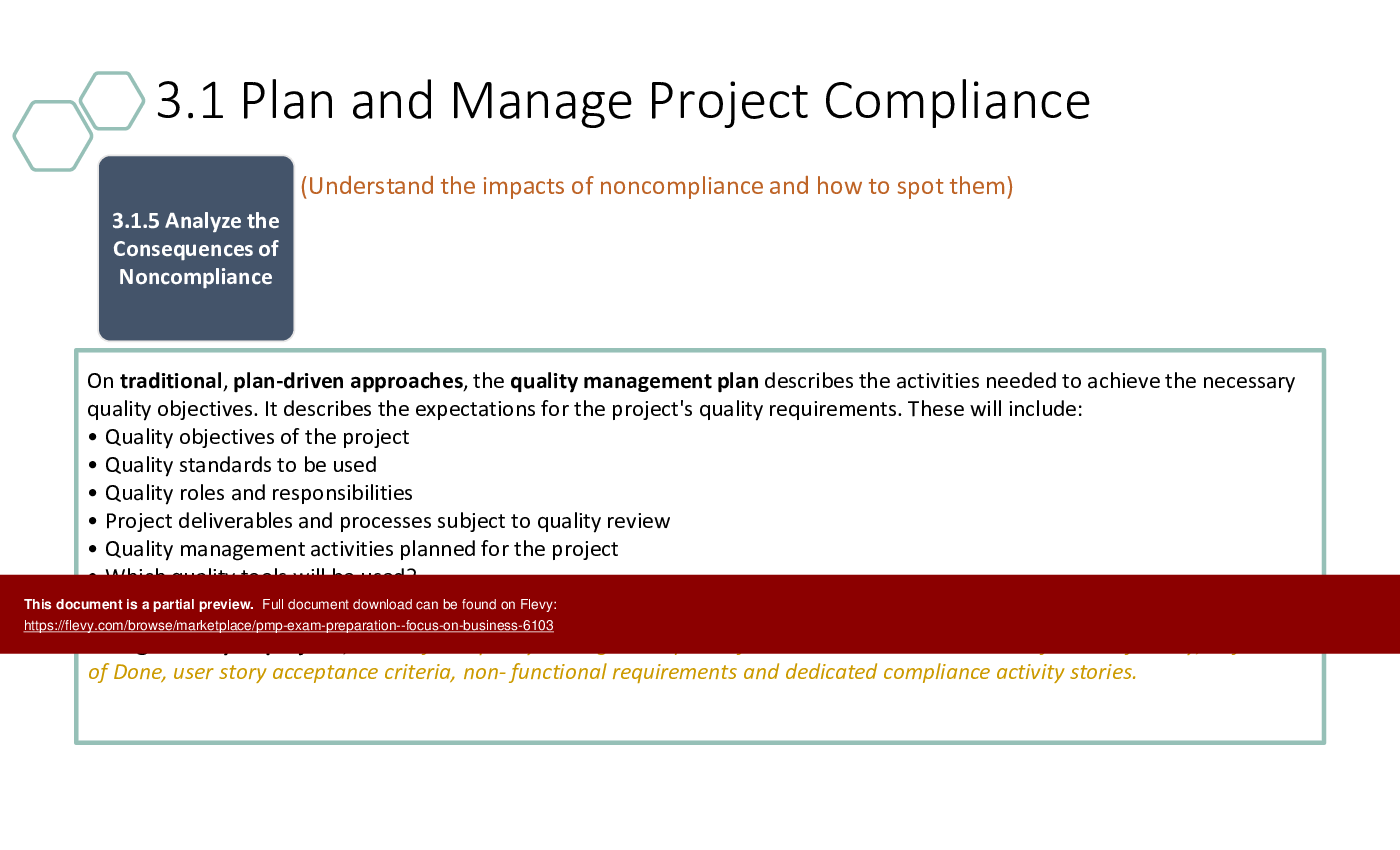
• Consequences of Noncompliance - Analyzes the potential risks and impacts associated with failing to meet compliance requirements.
Deliverables, Templates, and Tools
• Compliance requirements checklist template for project managers
• Benefits Management Plan template for documenting expected project benefits
• Change Management Plan template to guide organizational change initiatives
• Risk register template for tracking compliance threats and mitigation strategies
• Stakeholder engagement plan template for assessing organizational culture
• Project performance measurement baseline template to track compliance and benefits
Slide Highlights
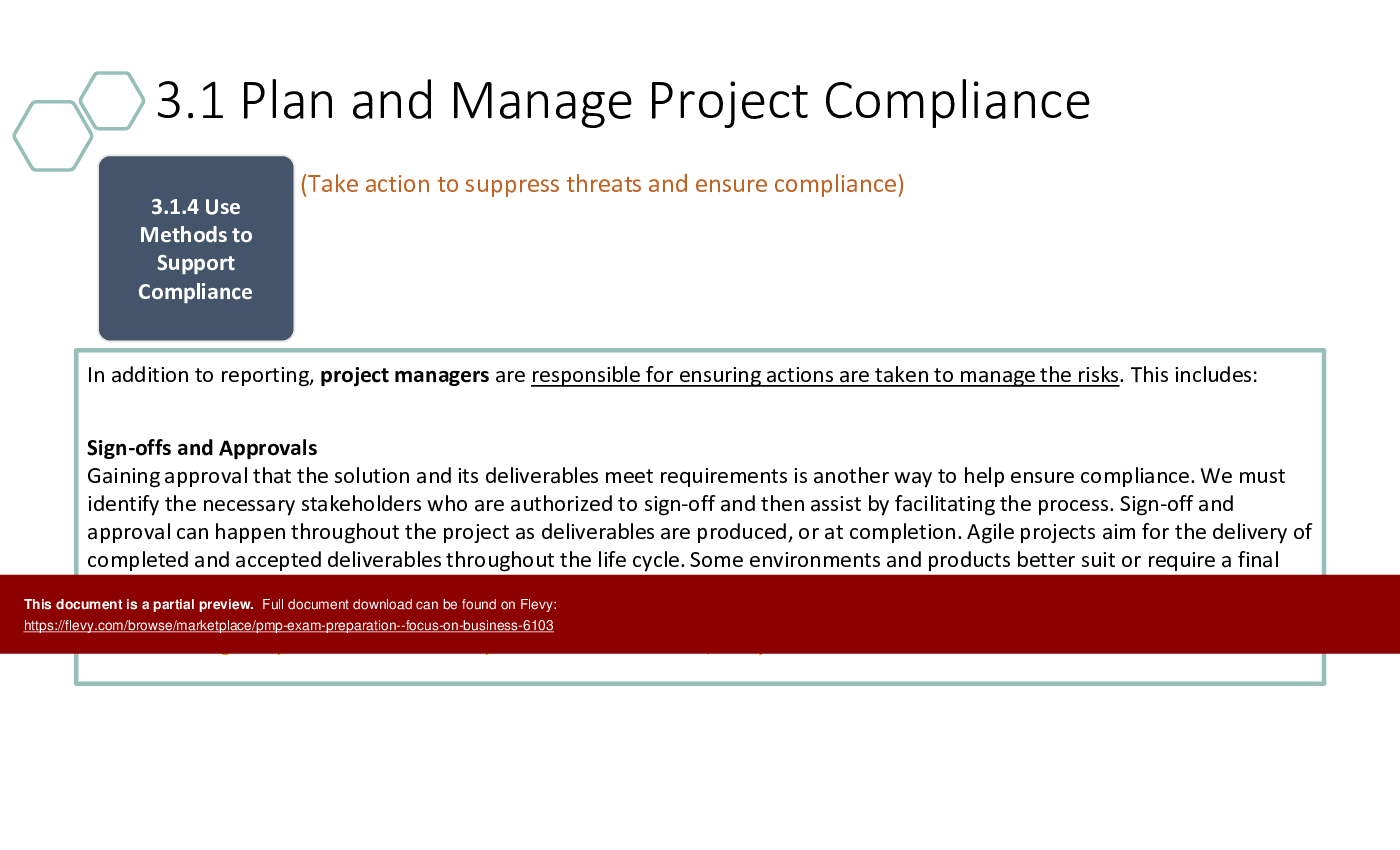
• Overview of compliance requirements and their significance in project management
• MindMap summarizing key concepts related to project benefits and value delivery
• Visual representation of the impact of external business environment changes on project scope
• Framework for assessing organizational culture and its influence on change management
• Tools and techniques for measuring project compliance and managing risks
Potential Workshop Agenda
Introduction to Project Management Concepts (60 minutes)
• Overview of project management principles
• Discussion on compliance requirements and frameworks
• Interactive Q&A session
Evaluating Project Benefits and Value (90 minutes)
• Techniques for identifying and measuring project benefits
• Group activity on developing a Benefits Management Plan
• Review of case studies illustrating successful value delivery
Addressing External Changes and Organizational Change (60 minutes)
• Workshop on assessing external business environment changes
• Strategies for supporting organizational change initiatives
• Wrap-up discussion and feedback session
Customization Guidance
• Tailor compliance requirements to specific project types and organizational needs
• Adjust the Benefits Management Plan to reflect unique project goals and stakeholder expectations
• Modify the Change Management Plan to align with organizational culture and processes
• Incorporate specific metrics and KPIs relevant to the project and industry standards
• Update templates to include organizational branding and terminology
Secondary Topics Covered
• Risk management techniques for compliance threats
• Stakeholder analysis and engagement strategies
• Agile methodologies and their application in project management
• The role of Project Management Offices (PMOs) in supporting compliance and governance
• Best practices for continuous improvement in project management processesDocument FAQ
These are questions addressed within this presentation.
What is the focus of this presentation?
This presentation focuses on key project management concepts aligned with the PMBOK Guide, emphasizing compliance, value delivery, and organizational change.
Who developed this presentation?
The presentation was developed by a team of experts with extensive experience in consulting at McKinsey, Deloitte, and Capgemini.
How can I use this presentation for exam preparation?
Utilize the structured content and learning objectives to reinforce key concepts and enhance your understanding of project management principles for the PMP exam.
What are compliance requirements?
Compliance requirements are the necessary conditions that must be met for a project to be accepted, including legal, regulatory, and organizational standards.
How do I measure project benefits?
Project benefits can be measured using various tools and techniques, including Return on Investment (ROI), Net Present Value (NPV), and stakeholder feedback.
What is the role of a Change Control Board?
A Change Control Board is responsible for reviewing, evaluating, and approving changes to the project, ensuring that all changes are documented and communicated effectively.
How can I assess external business environment changes?
Use frameworks like PESTLE to identify and analyze external factors that may impact the project, allowing for informed decision-making and adjustments to project scope.
What is a Benefits Management Plan?
A Benefits Management Plan outlines how and when project benefits will be obtained and measured, ensuring alignment with organizational strategies.
How can I support organizational change?
Support organizational change by assessing the culture, engaging stakeholders, and implementing effective communication strategies to facilitate the transition.
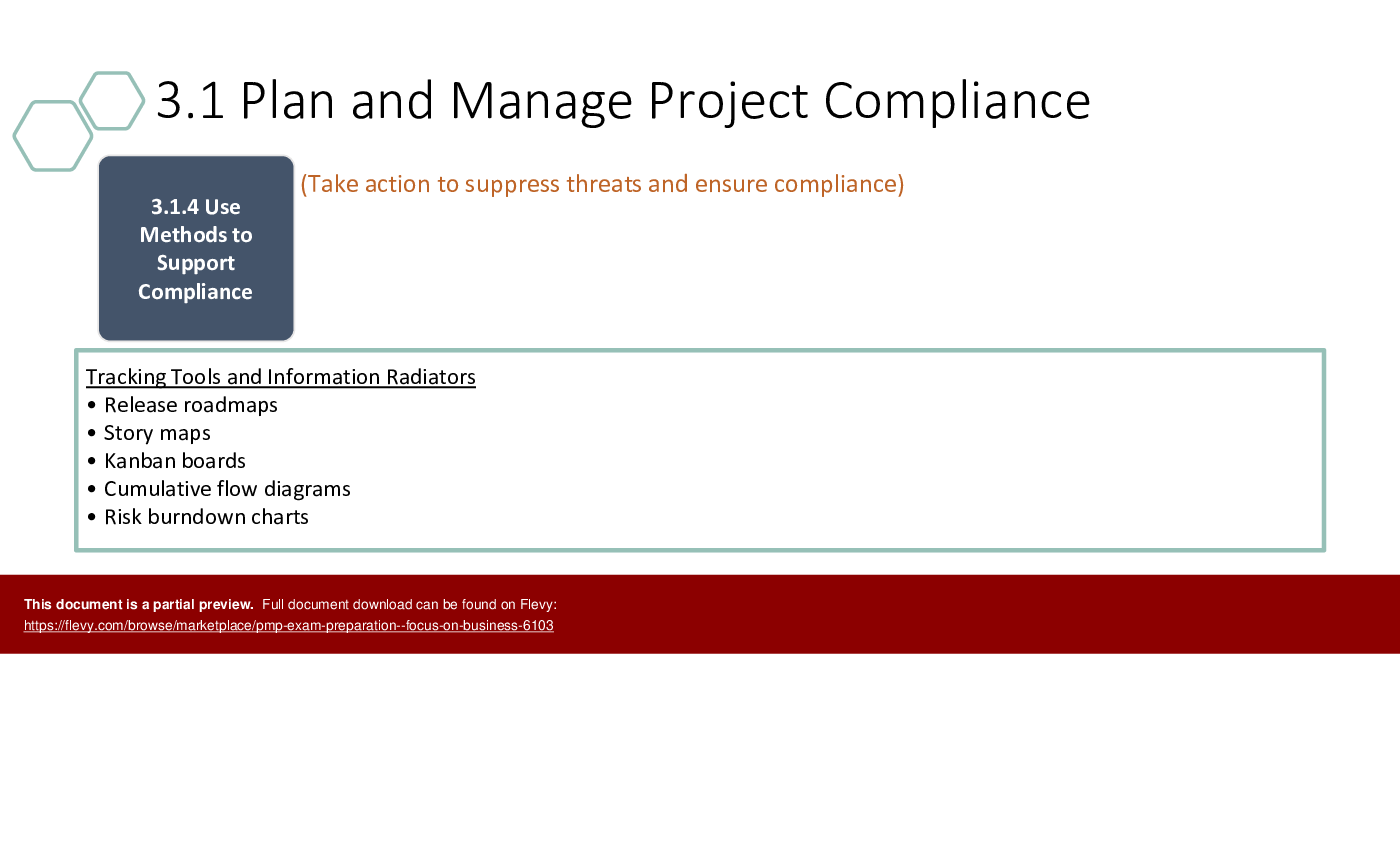
What tools can help track compliance?
Tools such as risk registers, compliance checklists, and performance measurement baselines can help track compliance and manage associated risks.
Glossary
• Compliance - Adherence to legal, regulatory, and organizational requirements.
• Benefits Management Plan - A document outlining how project benefits will be achieved and measured.
• Change Control Board - A group responsible for evaluating and approving project changes.
• PESTLE - A framework for analyzing external business environment factors: Political, Economic, Social, Technical, Legal, Environmental.
• Stakeholder Engagement - The process of involving stakeholders in project decision-making and communication.
• Risk Register - A tool for tracking identified risks, their impacts, and mitigation strategies.
• Return on Investment (ROI) - A financial measure of the gain or loss from an investment compared to the amount invested.
• Net Present Value (NPV) - The sum of cash flows adjusted for their present value, used to evaluate project profitability.
• Project Management Office (PMO) - A group that provides governance and support for project management practices within an organization.
• Organizational Process Assets (OPAs) - The collective procedures, processes, and documentation used by an organization to manage projects.
• Enterprise Environmental Factors (EEFs) - Conditions that influence project management, but are outside the control of the project team.
• Agile Methodology - A project management approach that emphasizes iterative development and stakeholder collaboration.
• Value Delivery - The process of ensuring that project outcomes align with organizational goals and deliver expected benefits.
• Quality Management Plan - A document outlining the quality standards and processes to be followed in a project.
• Work Breakdown Structure (WBS) - A hierarchical decomposition of project deliverables and tasks.
• Stakeholder Analysis - The process of identifying and assessing the influence and interests of project stakeholders.
• Change Management Plan - A document outlining how changes to the project will be managed and communicated.
• Monitoring and Control - The process of tracking project performance and making necessary adjustments to ensure project success.
• Continuous Improvement - Ongoing efforts to enhance project processes and outcomes based on feedback and lessons learned.
Source: Best Practices in PMP PowerPoint Slides: PMP Exam Preparation - Focus On Business PowerPoint (PPTX) Presentation Slide Deck, RadVector Consulting
This document is available as part of the following discounted bundle(s):

Save %!
PMP Exam Preparation - All You Need To Know
This bundle contains 6 total documents. See all the documents to the right.
|
Download our FREE Strategy & Transformation Framework Templates
Download our free compilation of 50+ Strategy & Transformation slides and templates. Frameworks include McKinsey 7-S Strategy Model, Balanced Scorecard, Disruptive Innovation, BCG Experience Curve, and many more. |









