
 Click main image to view in full screen. Unlock all 9 preview images:
Orbital Power Delivery Shift – PDF
PDF document 22 Pages


BENEFITS OF THIS DOWNLOADABLE PDF DOCUMENT
- Provides a structured framework for evaluating emerging power-delivery architectures across geography, availability, flexibility, infrastructure burden, conversion burden, and economic maturity.
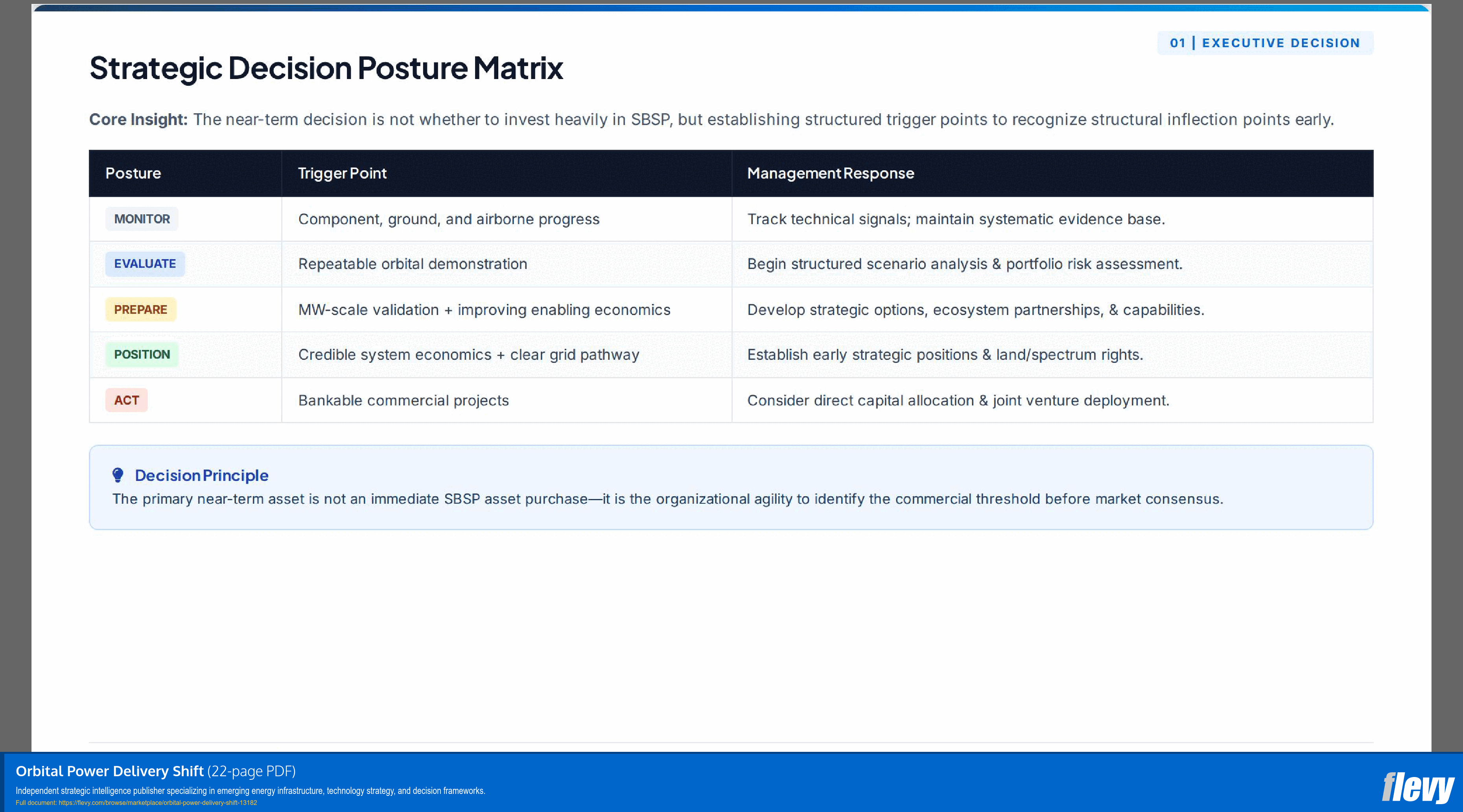
- Identifies the technical, industrial, economic, regulatory, and infrastructure triggers that could move space-based power from technology monitoring toward strategic preparation and capital allocation.
- Translates an emerging space-energy signal into actionable strategic postures for utilities, energy companies, infrastructure investors, aerospace firms, industrial players, and policymakers.
ENERGY INDUSTRY PDF DESCRIPTION
The Orbital Power Delivery Shift examines how emerging space-based power architectures could change the strategic logic of electricity generation, transmission, infrastructure, and energy-system planning.
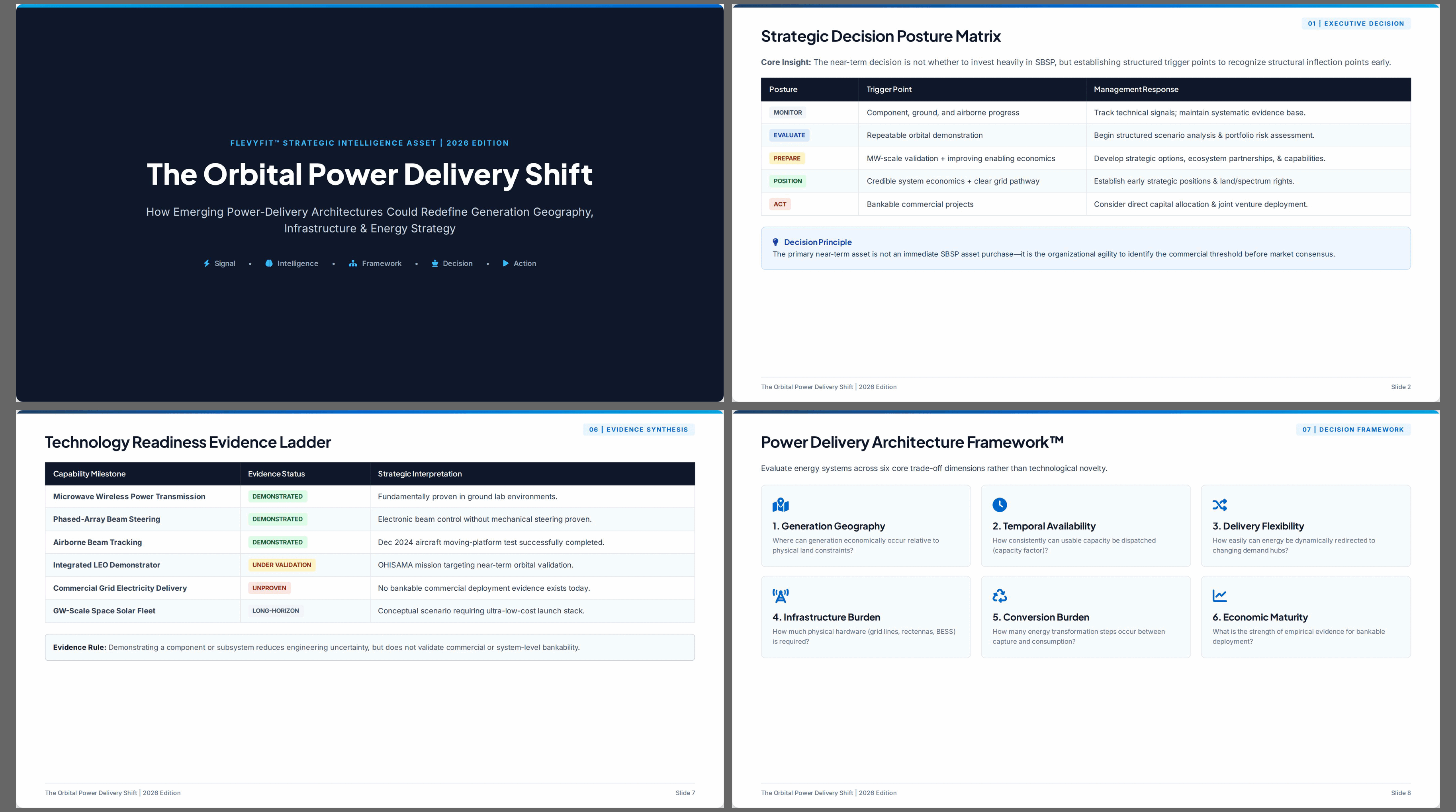
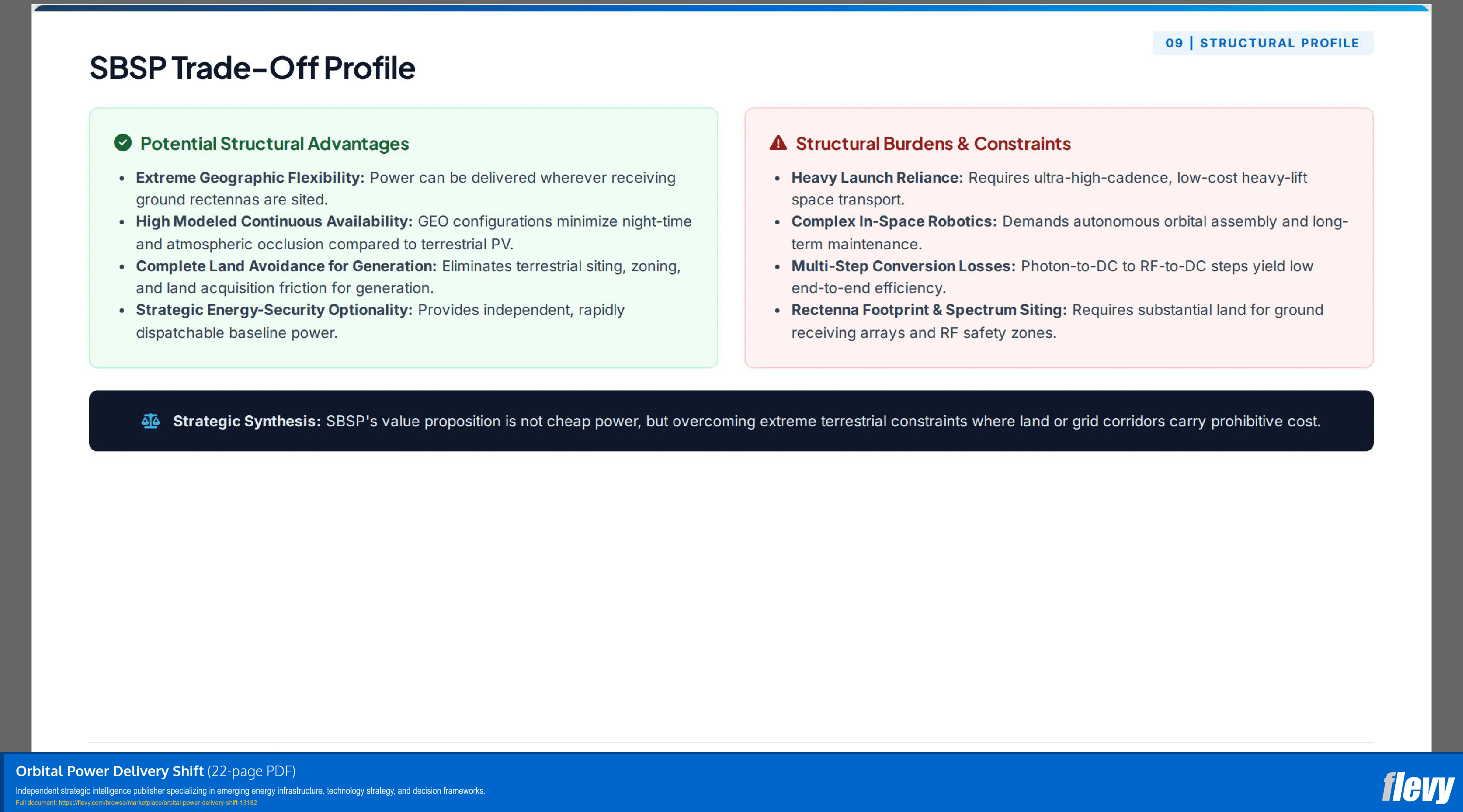
The intelligence uses Japan's OHISAMA program as a near-term technology signal rather than treating the project as proof of commercial space-based solar power. Its central argument is that the strategic significance of space-based solar power lies in a potential shift in power-delivery architecture: generation could increasingly be separated from the physical geography and temporal constraints that govern conventional terrestrial energy systems.
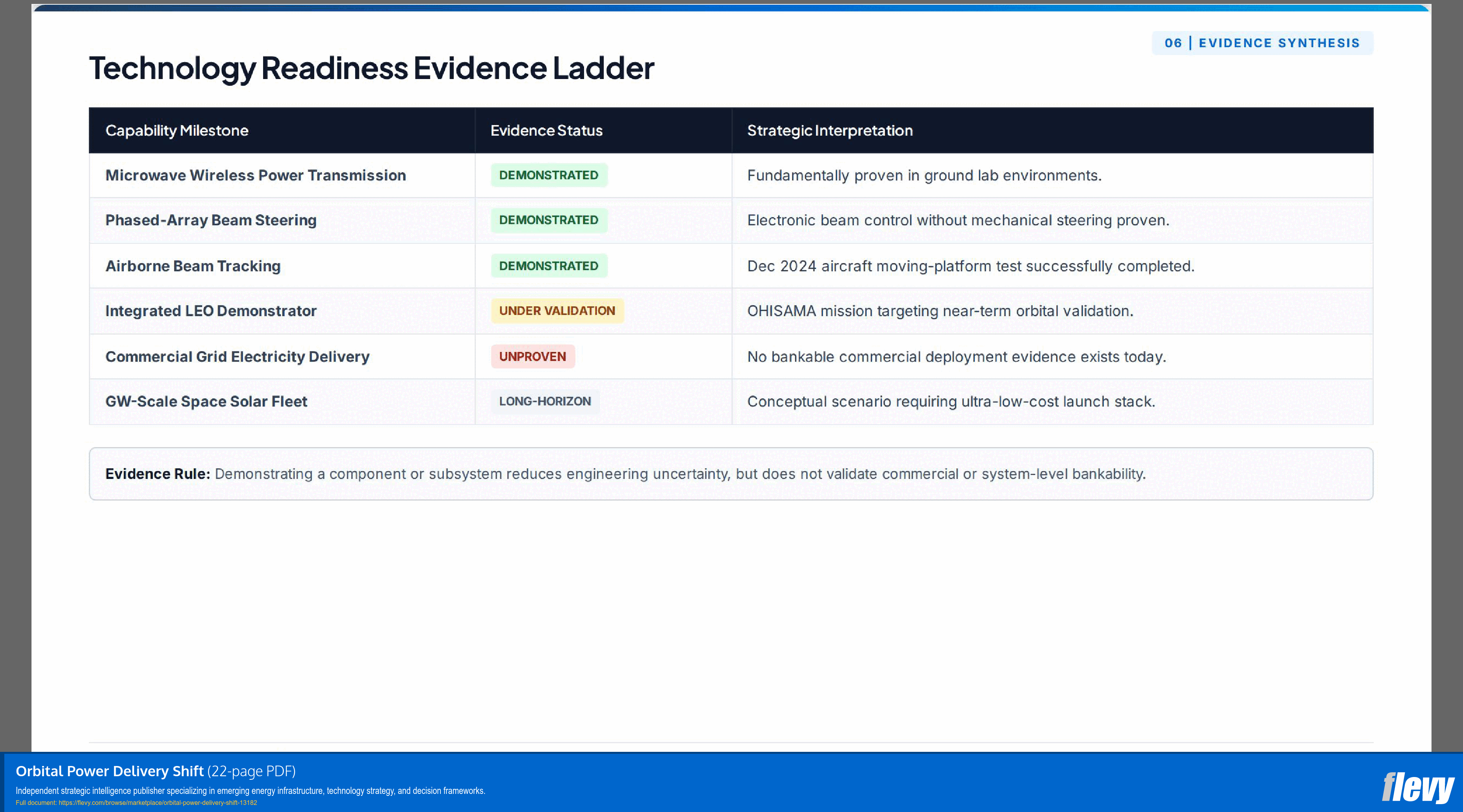
The publication distinguishes demonstrated capabilities from technologies still under validation, unproven commercial assumptions, and long-horizon system concepts. This evidence discipline is critical because orbital power remains far from bankable commercial deployment.
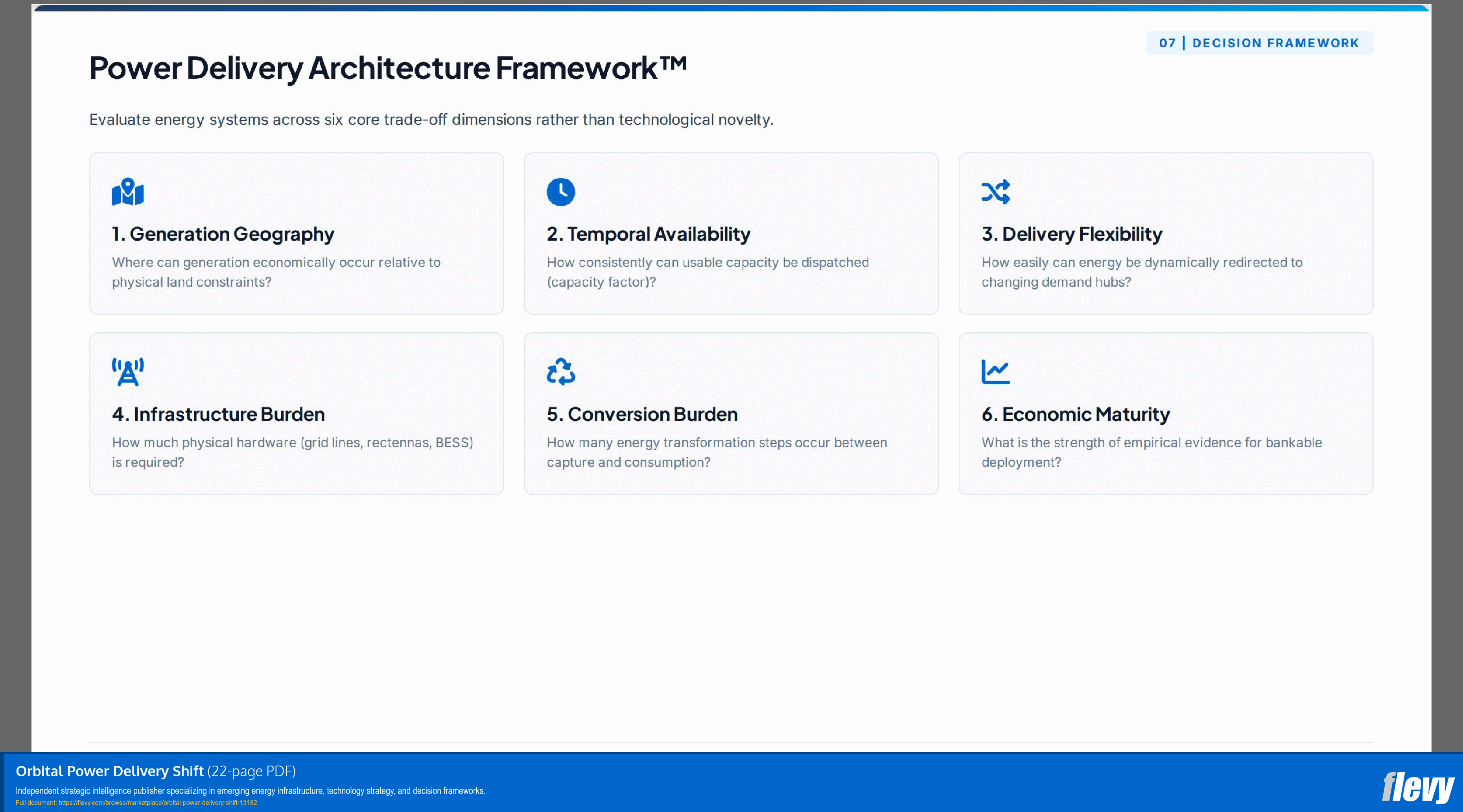
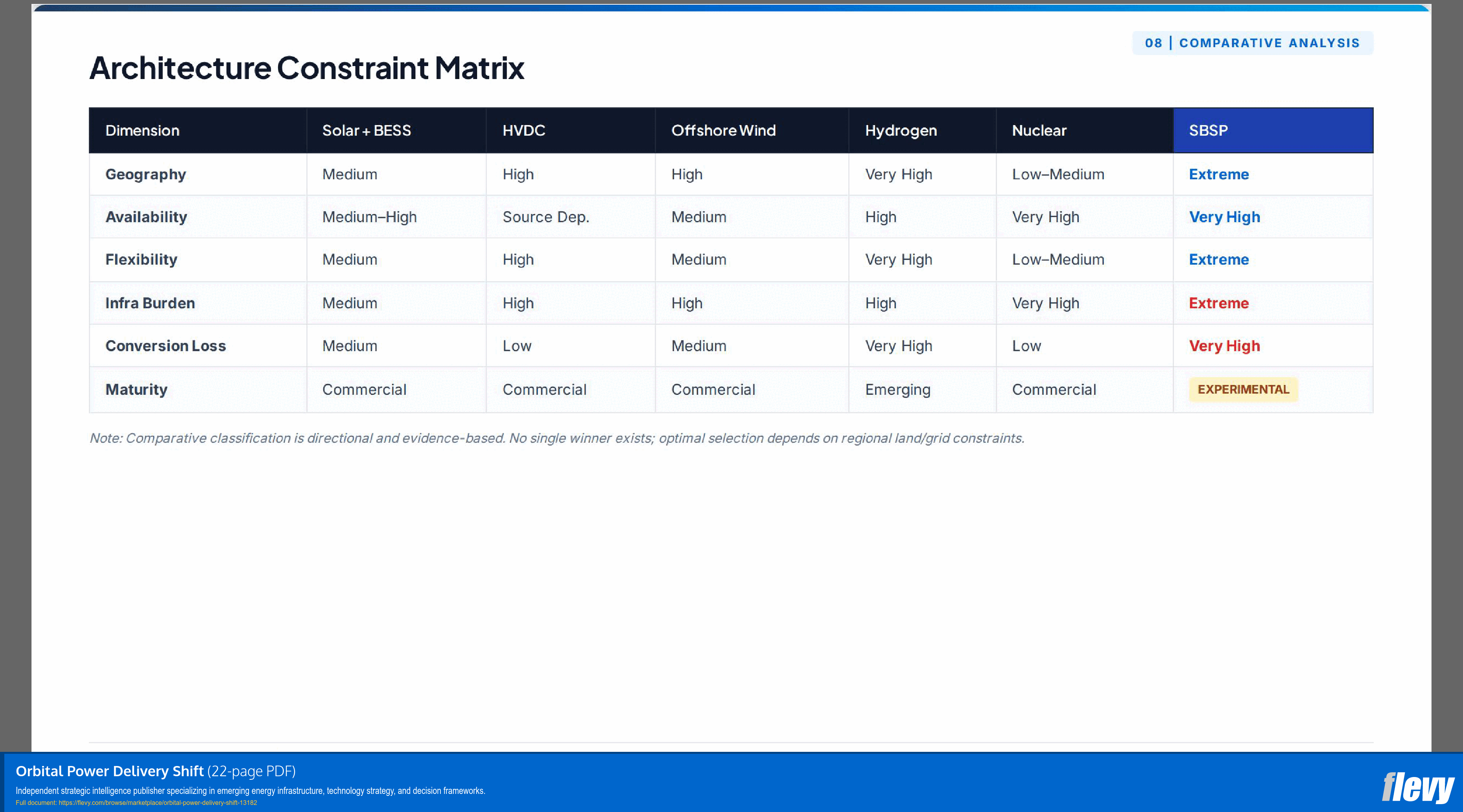
At the center of the intelligence is the Power Delivery Architecture Framework™, which evaluates energy architectures across six strategic dimensions: generation geography, temporal availability, delivery flexibility, infrastructure burden, conversion burden, and economic maturity. The framework is complemented by an architecture constraint matrix comparing solar plus storage, HVDC transmission, offshore wind, hydrogen, nuclear power, and space-based solar power.
The analysis also identifies the economic and industrial conditions that could determine whether orbital power progresses beyond technology demonstration. It examines launch economics, space-power conversion efficiency, wireless transmission efficiency, autonomous orbital assembly, radiation lifetime, and ground-receiving infrastructure as strategic variables rather than treating satellite technology in isolation.
A strategic bottleneck migration model shows how constraints may shift as the technology matures—from technical proof and orbital operation toward mass-to-orbit logistics, autonomous assembly, receiving infrastructure, grid integration, regulation, and financeability.
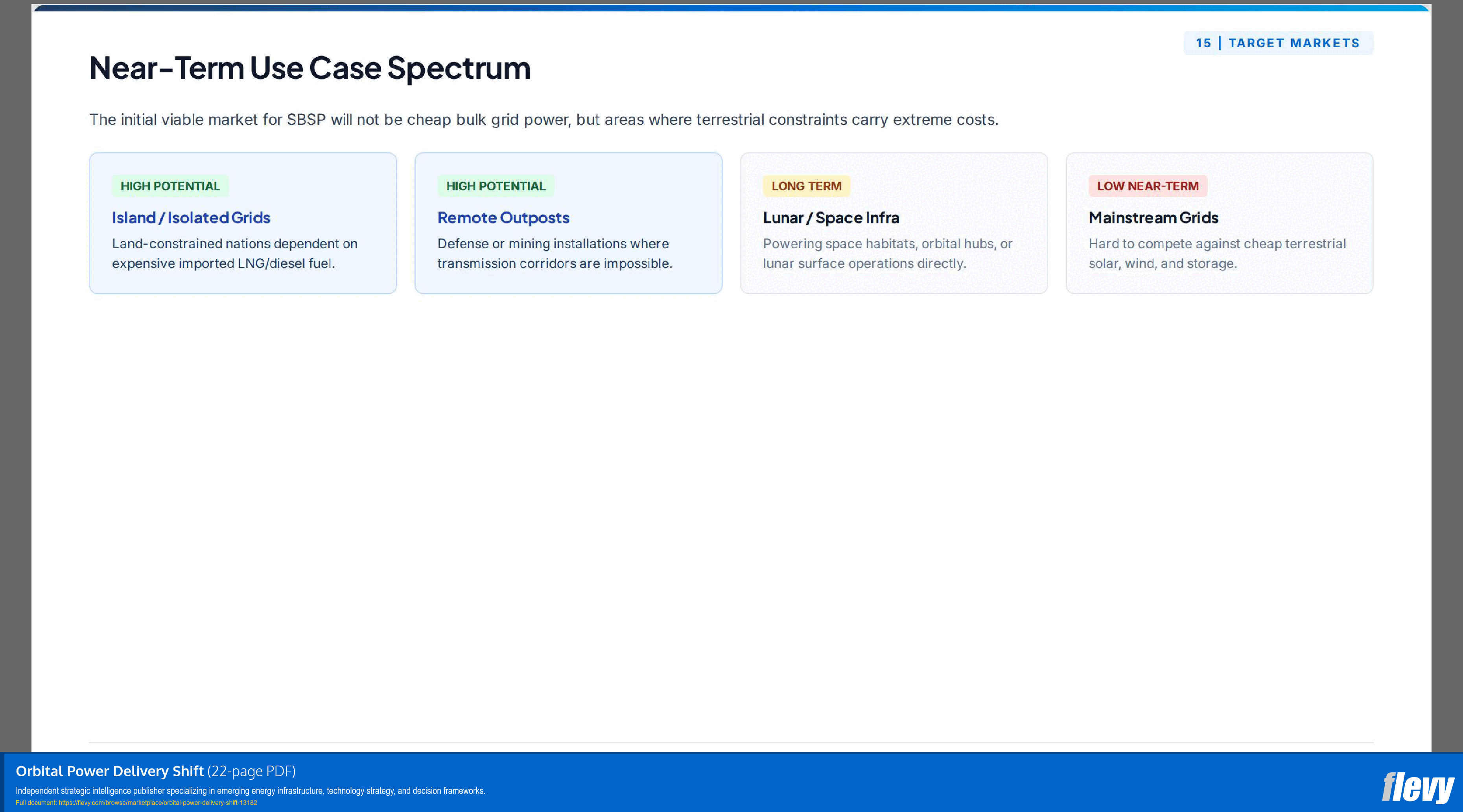
The publication concludes with actionable strategic triggers, near-term use-case priorities, stakeholder-specific action agendas, a strategic thesis kill list, and a 2026–2045+ horizon map. Rather than forecasting that space-based solar power will succeed, it provides decision-makers with a structured method for determining when the technology deserves monitoring, evaluation, strategic preparation, positioning, or capital allocation.
This intelligence is designed for energy strategists, utilities, energy majors, infrastructure investors, aerospace and industrial companies, government and policy organizations, and other decision-makers evaluating emerging power-delivery architectures under long-term uncertainty.
Got a question about the product? Email us at support@flevy.com or ask the author directly by using the "Ask the Author a Question" form. If you cannot view the preview above this document description, go here to view the large preview instead.
Source: Best Practices in Energy Industry PDF: Orbital Power Delivery Shift PDF (PDF) Document, Wisnu Pandega Wardana
ABOUT THE AUTHOR

I am an independent Industrial Intelligence and Strategic Innovation Publisher focused on developing structured business intelligence, innovation frameworks, and opportunity-oriented research for decision-makers.
My work focuses on translating emerging technologies, industrial transformation, sustainability, resource efficiency, and market shifts into structured intelligence assets that
... [read more]
Ask the Author a Question
You must be logged in to contact the author.




























