 Click main image to view in full screen.
Low-Inertia Island: Grid Resilience – PDF
PDF document 16 Pages


BENEFITS OF THIS DOWNLOADABLE PDF DOCUMENT
- Provides a structured framework for identifying critical grid functions that may be lost as synchronous generation retires.
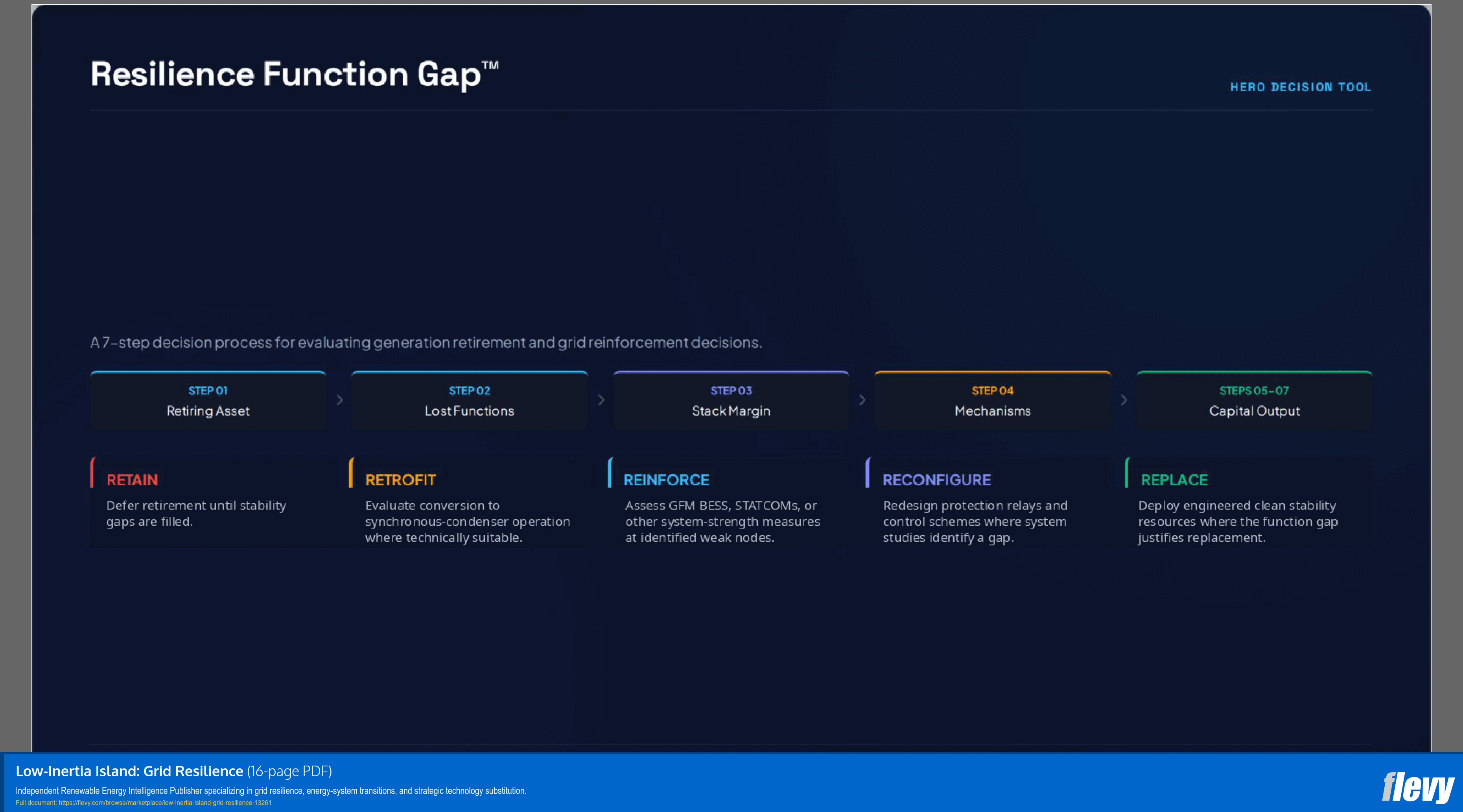
- Helps decision-makers evaluate whether grid resilience gaps call for retention, retrofit, reinforcement, reconfiguration, or replacement.
- Provides an executive lens for assessing low-inertia risks across islands, weak grids, industrial microgrids, and renewable-dominant power systems.
ENERGY INDUSTRY PDF DESCRIPTION
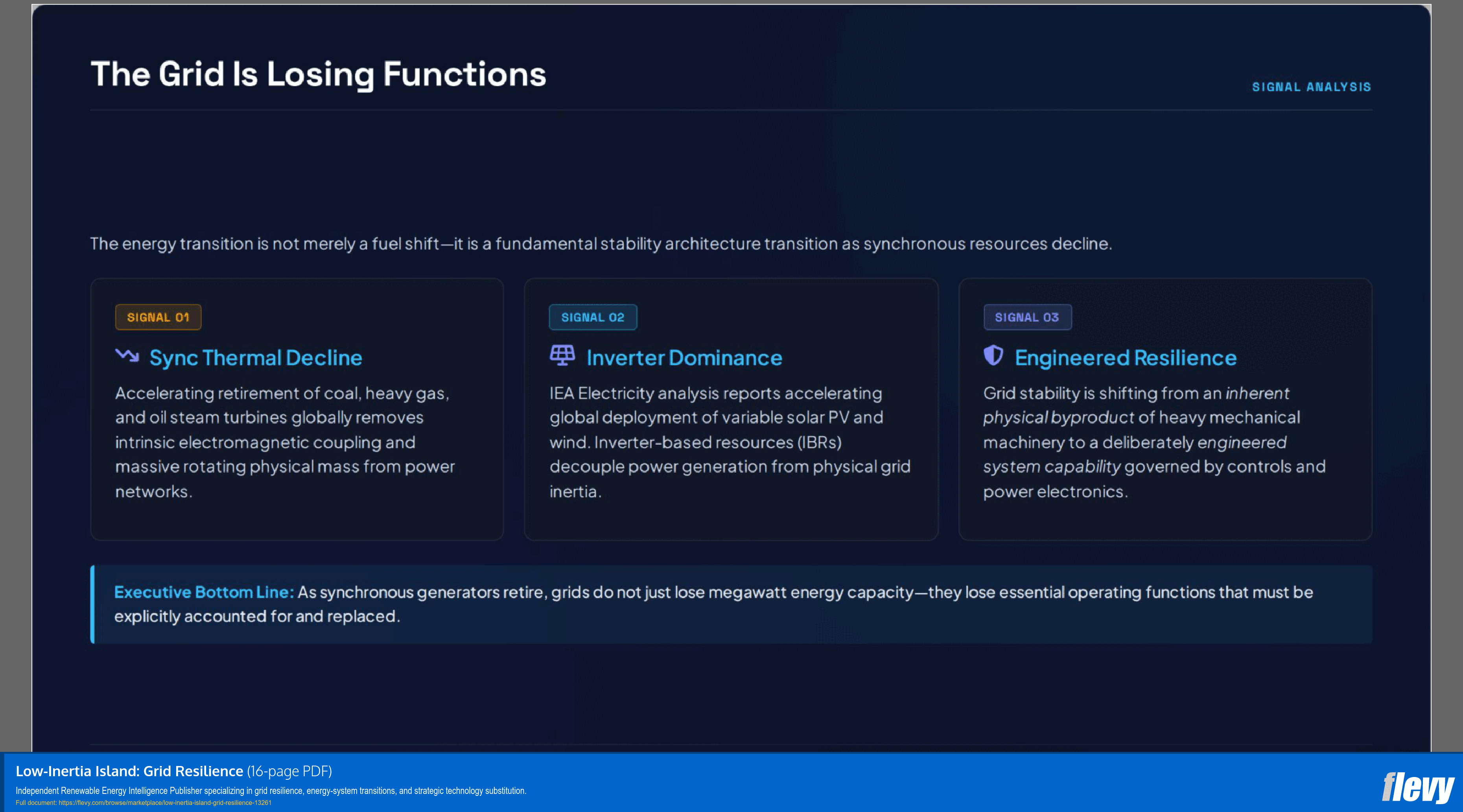
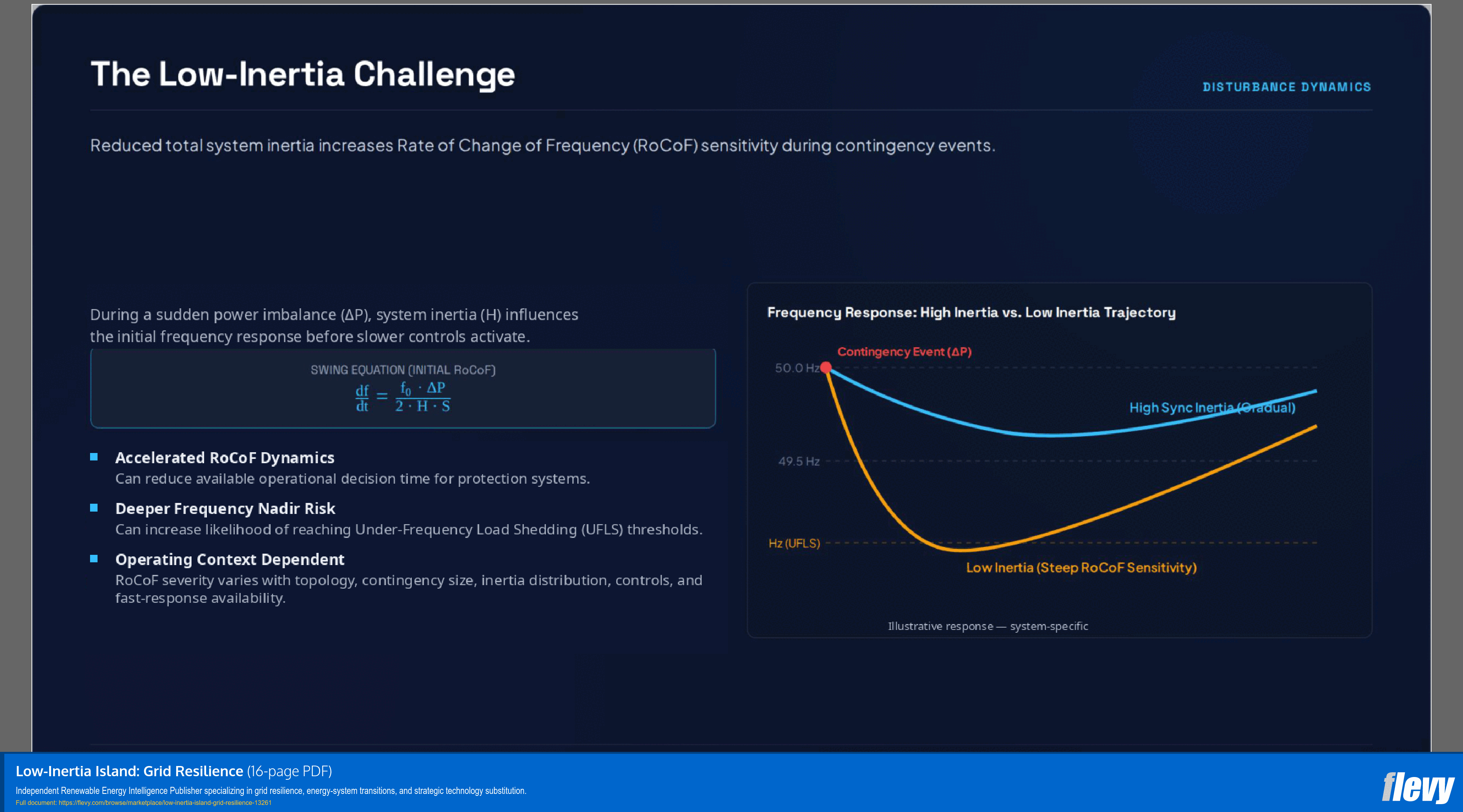
The Low-Inertia Island: Grid Resilience examines a structural challenge emerging as power systems transition toward higher shares of inverter-based renewable generation: the gradual disappearance of grid functions historically supplied by synchronous machines.
The central argument is that the energy transition is not simply a change in fuel or generation technology. It is a transition in stability architecture. Conventional synchronous generators have historically contributed multiple functions simultaneously, including rotational inertia, frequency support, voltage regulation, system strength, fault current contribution, synchronizing behaviour, and restoration capability. As thermal generation retires and inverter-based resources expand, these functions can become separated from the physical assets that traditionally provided them.
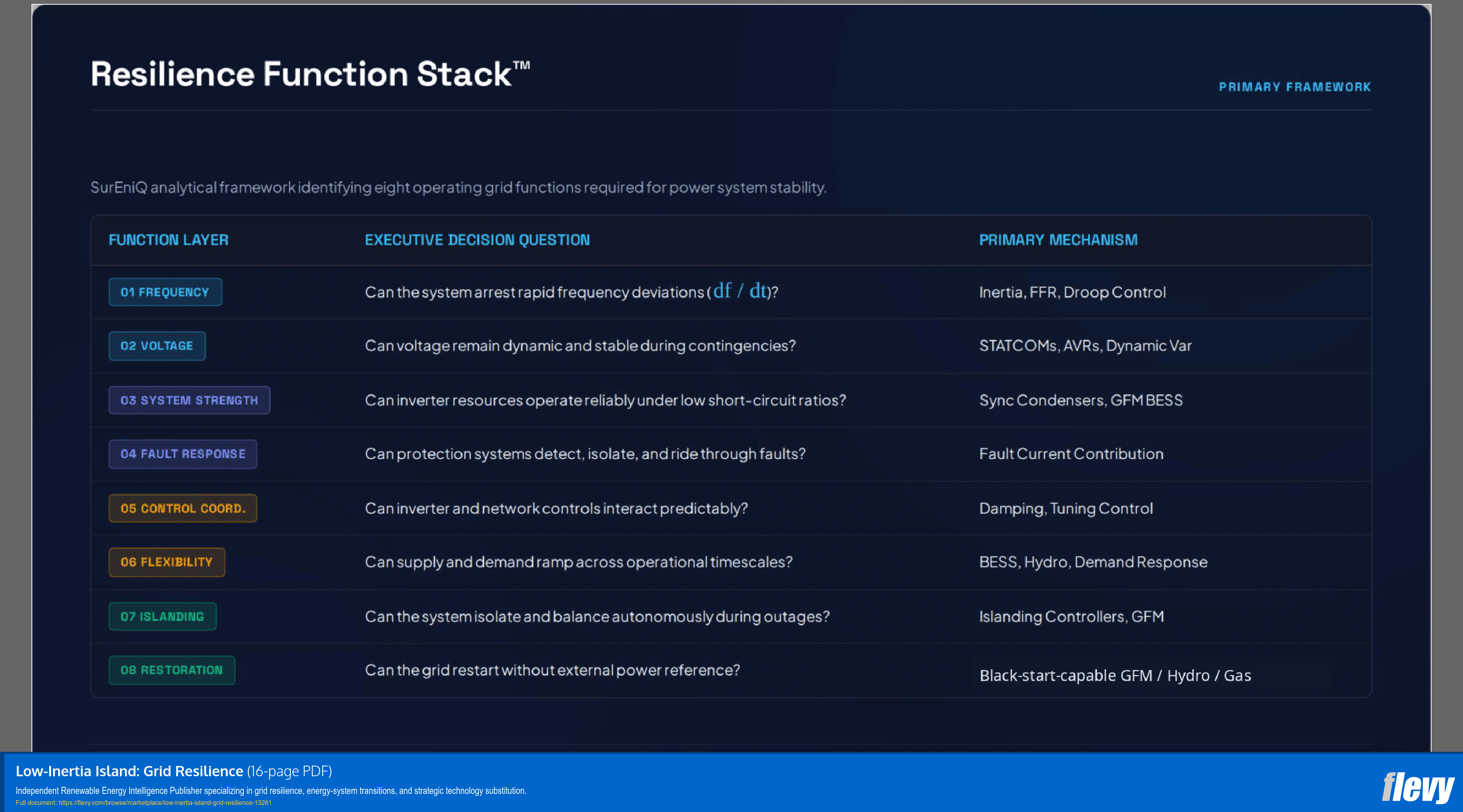
This executive intelligence asset introduces the SurEniQ Grid Resilience Function Stack™, an analytical framework for examining eight critical grid functions: frequency, voltage, system strength, fault response, control coordination, flexibility, islanding, and restoration. Rather than asking which technology should replace a retiring generator, the framework asks which critical system functions may disappear and whether credible replacement capabilities exist.
The document then introduces the Resilience Function Gap™, a decision architecture for assessing whether an existing asset should be retained, retrofitted, reinforced, reconfigured, or replaced. This shifts the decision conversation from generation capacity alone toward functional resilience.
Four low-inertia grid archetypes are examined: isolated islands, weak grids, industrial microgrids, and renewable-dominant zones. Each archetype presents a different combination of stability requirements and therefore requires a different resilience posture.
The analysis also provides an Indonesia application lens, highlighting the strategic relevance of archipelagic grid structures, isolated systems, industrial loads, renewable deployment, and differing levels of interconnection and system strength.
The document is designed for executives, energy strategists, infrastructure investors, utilities, industrial operators, renewable-energy developers, and decision-makers evaluating generation retirement, grid modernization, storage deployment, and system-resilience requirements.
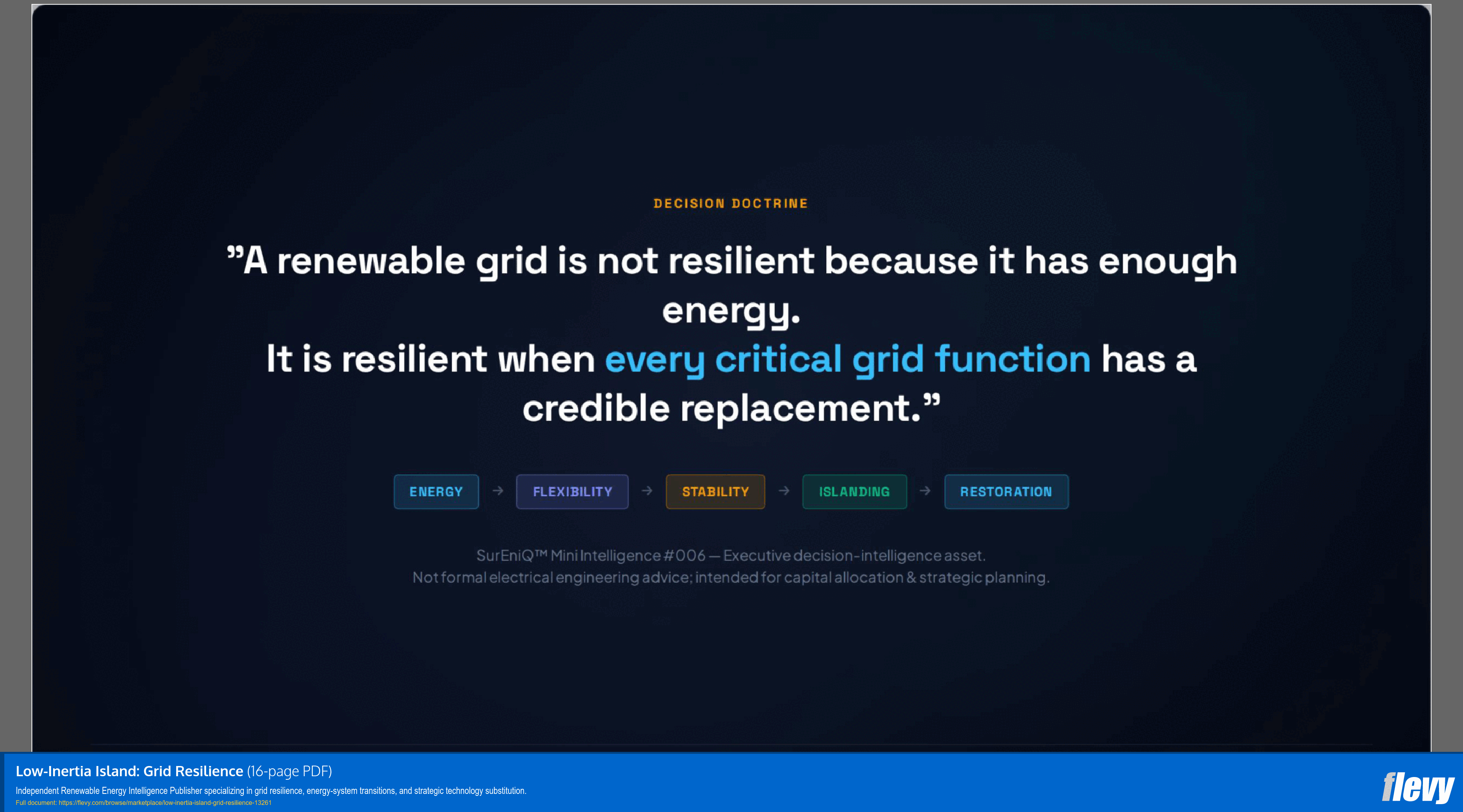
The core decision principle is simple: a renewable grid is not resilient merely because it has enough energy. It is resilient when every critical grid function has a credible replacement.
This document is an executive intelligence and strategic decision framework. It is not an engineering design specification, grid-code compliance assessment, or project-specific system study. Technology capabilities and system requirements remain dependent on equipment configuration, controls, network conditions, operating conditions, protection settings, and applicable grid requirements.
Got a question about the product? Email us at support@flevy.com or ask the author directly by using the "Ask the Author a Question" form. If you cannot view the preview above this document description, go here to view the large preview instead.
Source: Best Practices in Energy Industry PDF: Low-Inertia Island: Grid Resilience PDF (PDF) Document, Wisnu Pandega Wardana
ABOUT THE AUTHOR

I am an independent Industrial Intelligence and Strategic Innovation Publisher focused on developing structured business intelligence, innovation frameworks, and opportunity-oriented research for decision-makers.
My work focuses on translating emerging technologies, industrial transformation, sustainability, resource efficiency, and market shifts into structured intelligence assets that
... [read more]
Ask the Author a Question
You must be logged in to contact the author.




























