
 Click main image to view in full screen. Unlock all 20 preview images:
ISO 9001:2015 - Quality Management System Requirements – PowerPoint PPTX Template
PowerPoint (PPTX) 361 Slides


ISO 9001 PPT TEMPLATE DESCRIPTION
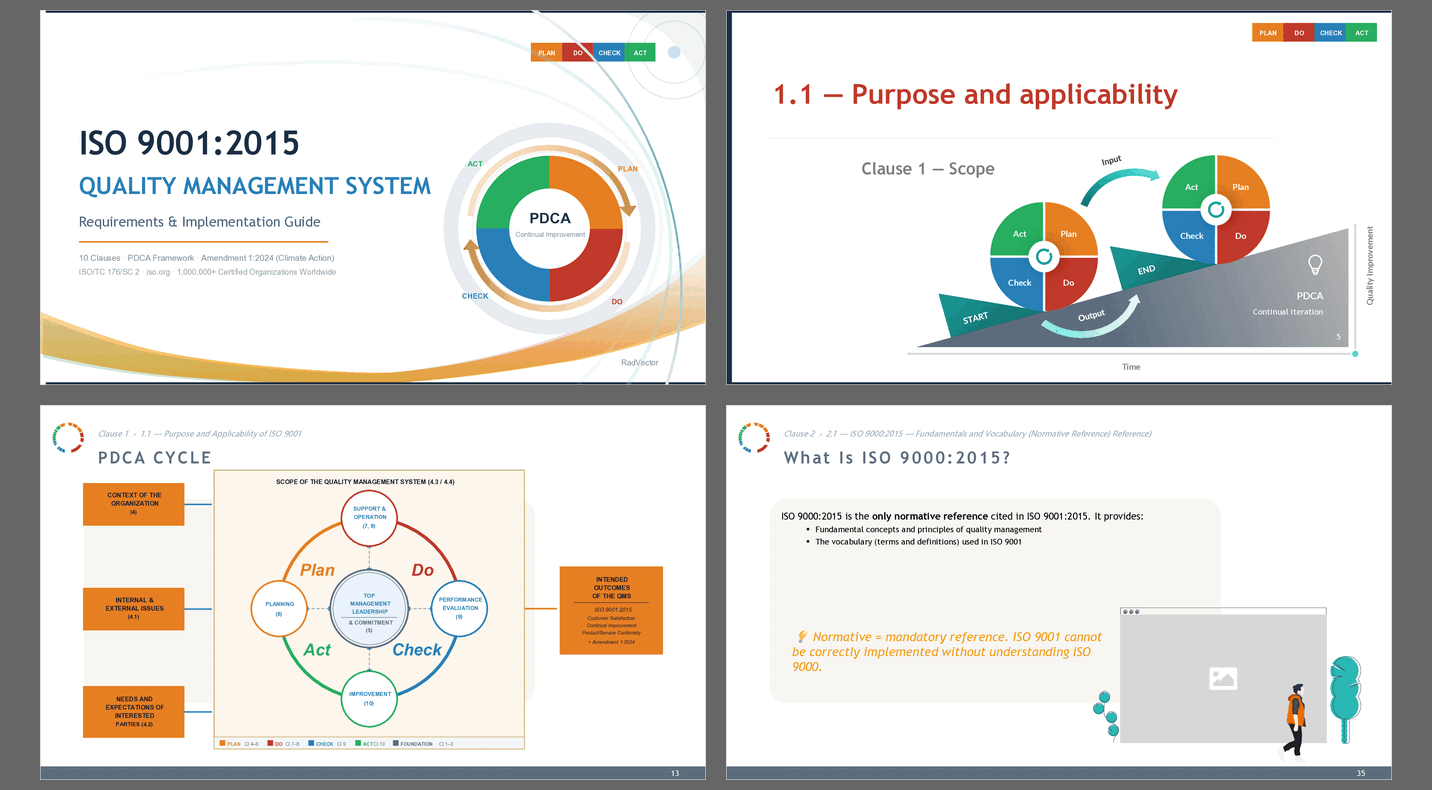
ISO 9001:2015 – Quality Management System
What This Presentation Covers
This training presentation is a comprehensive, structured guide to ISO 9001:2015 – Quality Management System Requirements, incorporating Amendment 1:2024 (Climate Action). It is designed for internal auditors, quality managers, process owners, and anyone seeking a practical understanding of what the standard demands and how to implement it effectively within any organisation.
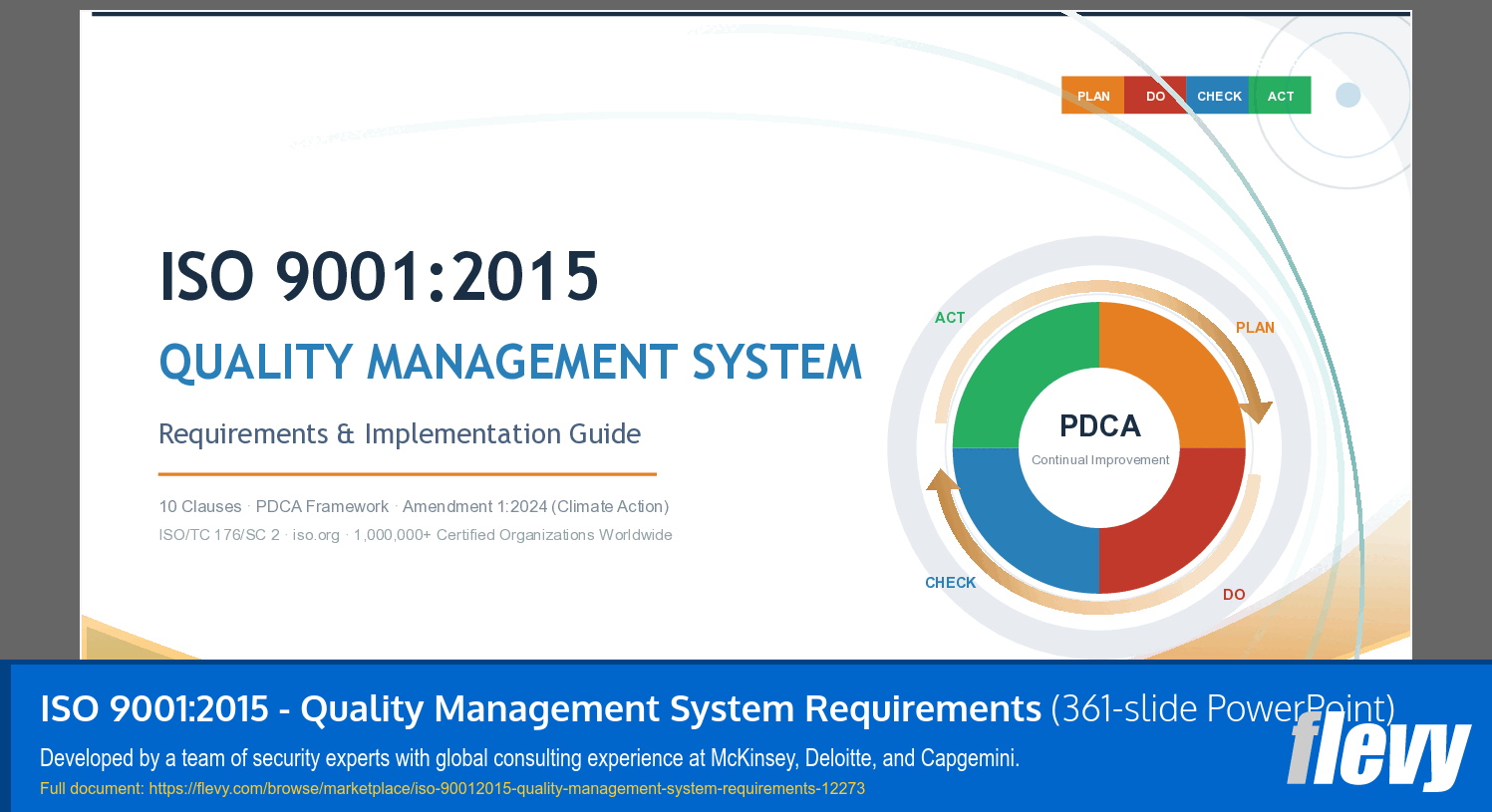
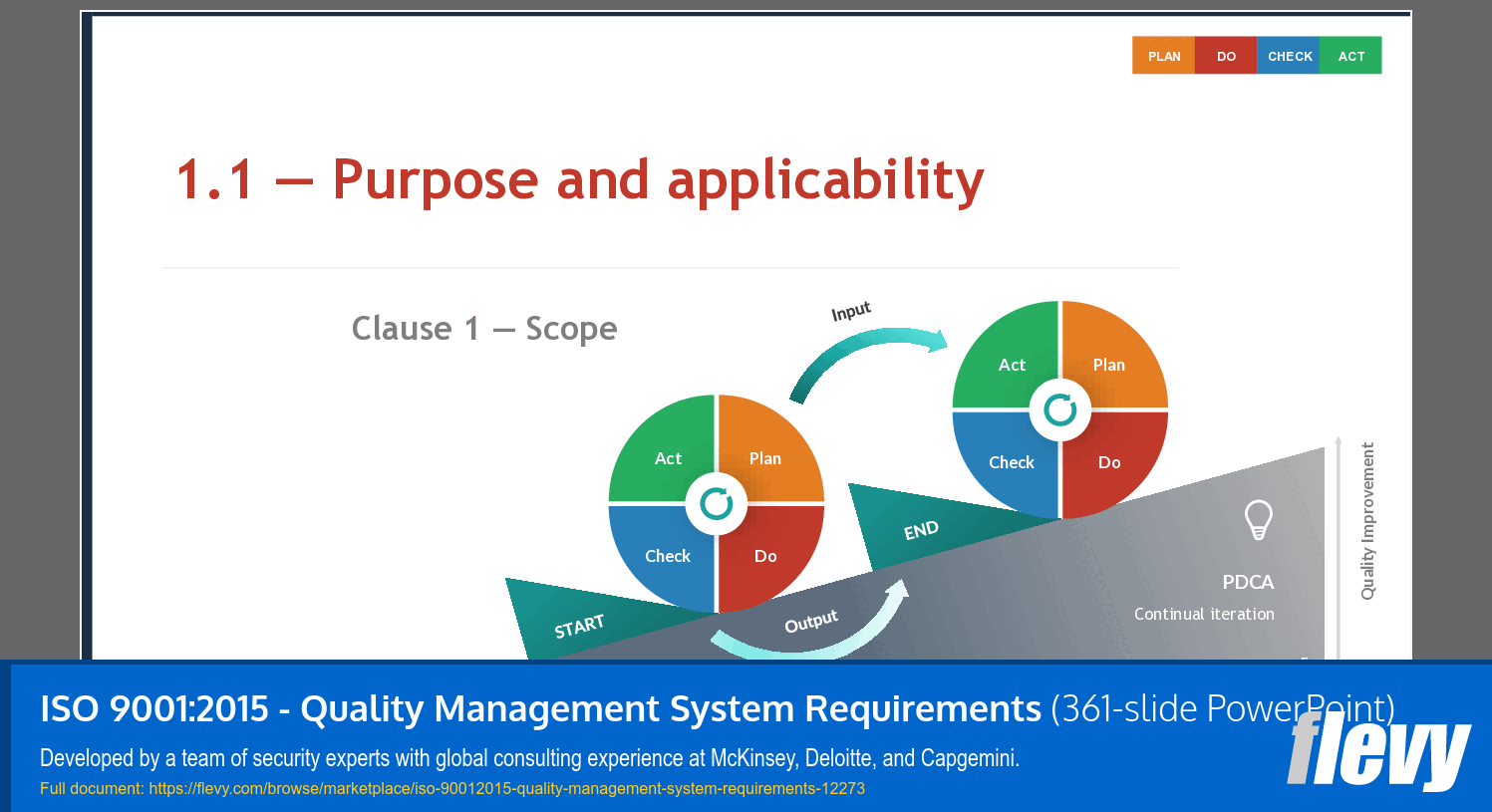
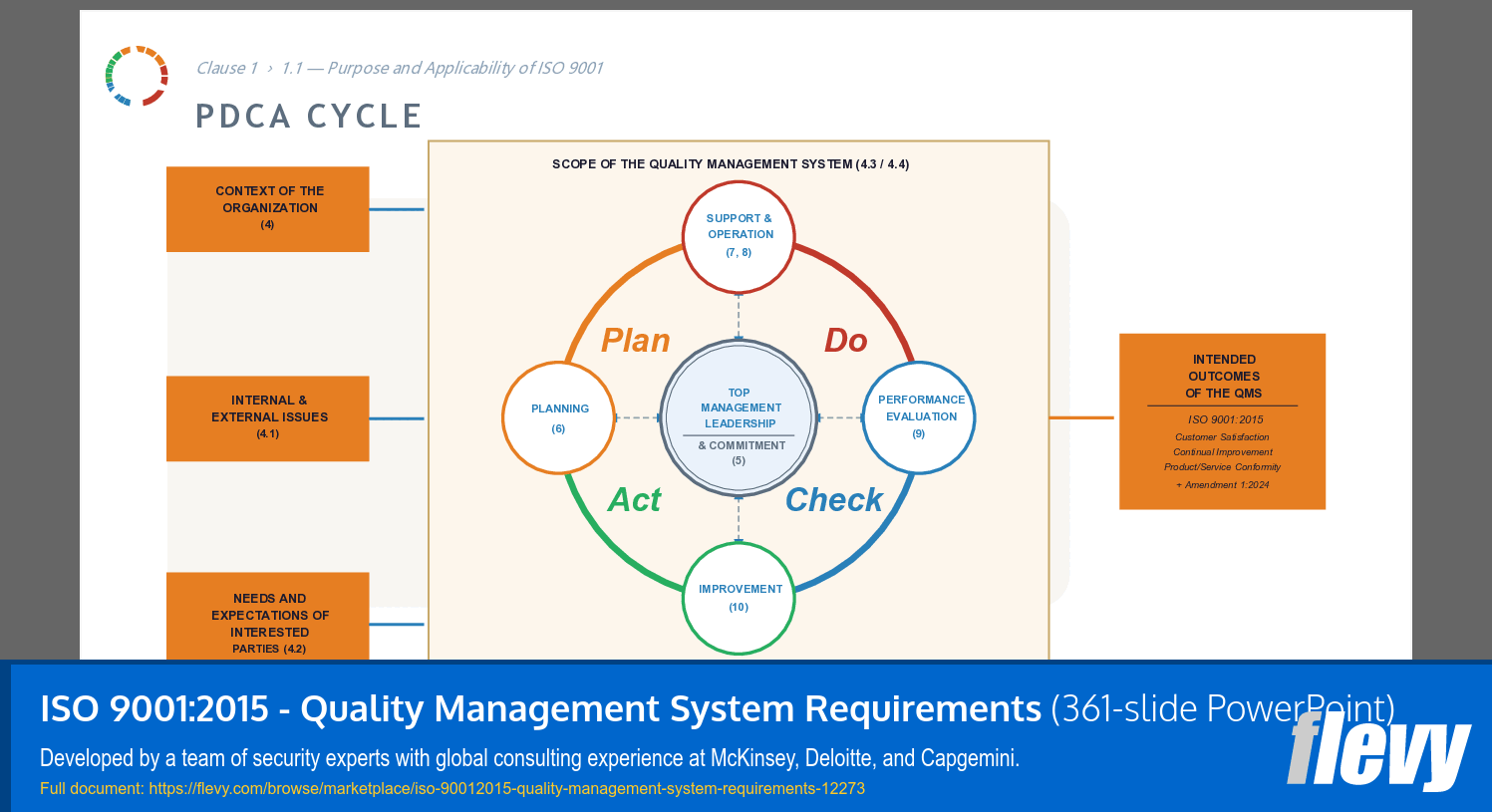
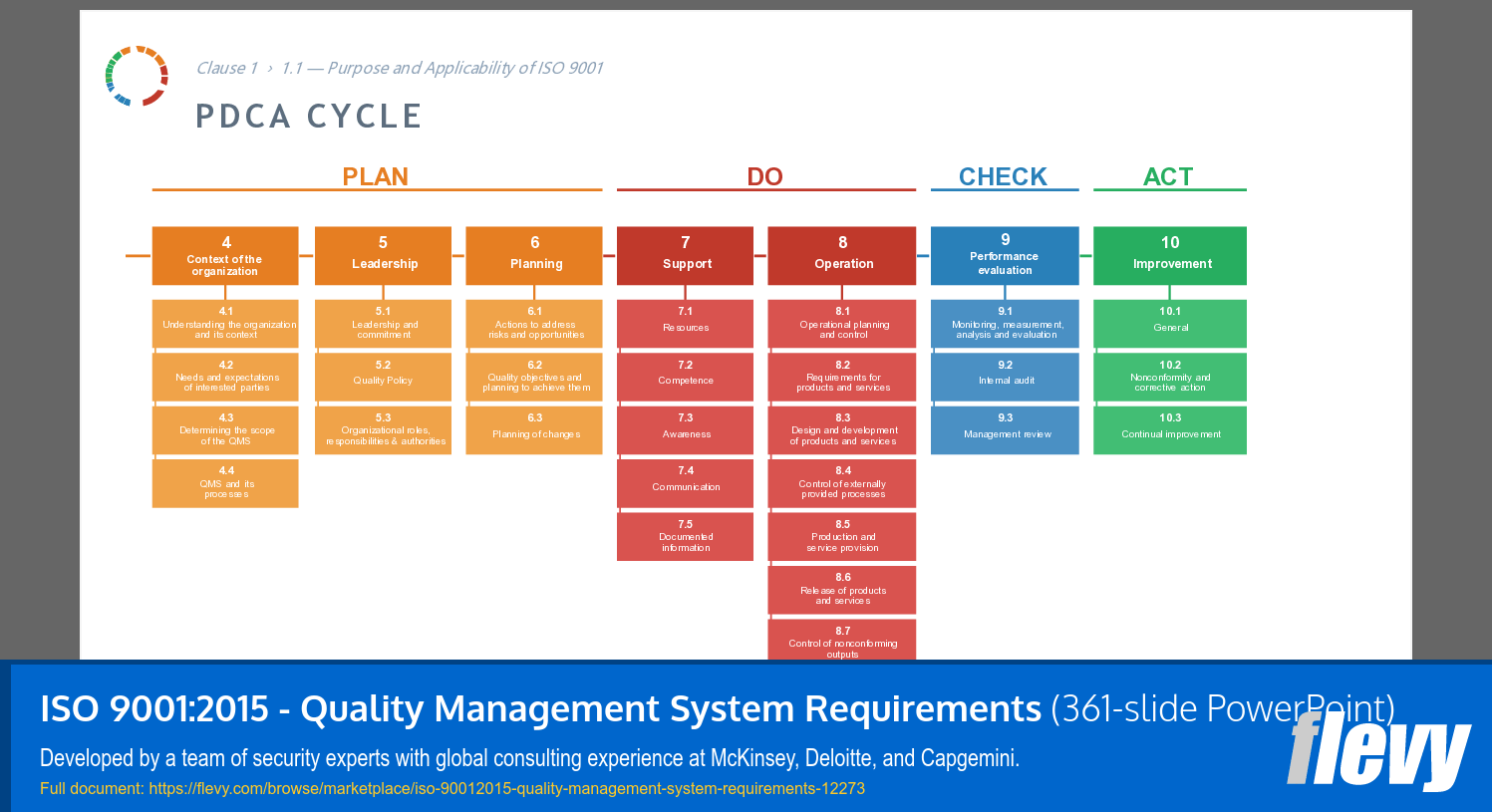
The presentation is organised across ten clauses, each mapped to the PDCA (Plan–Do–Check–Act) framework – the backbone of ISO 9001's philosophy of continual improvement. Every clause is broken down into sub-clauses and individual requirements, giving learners a granular, actionable view of the standard.
Clause-by-Clause Breakdown
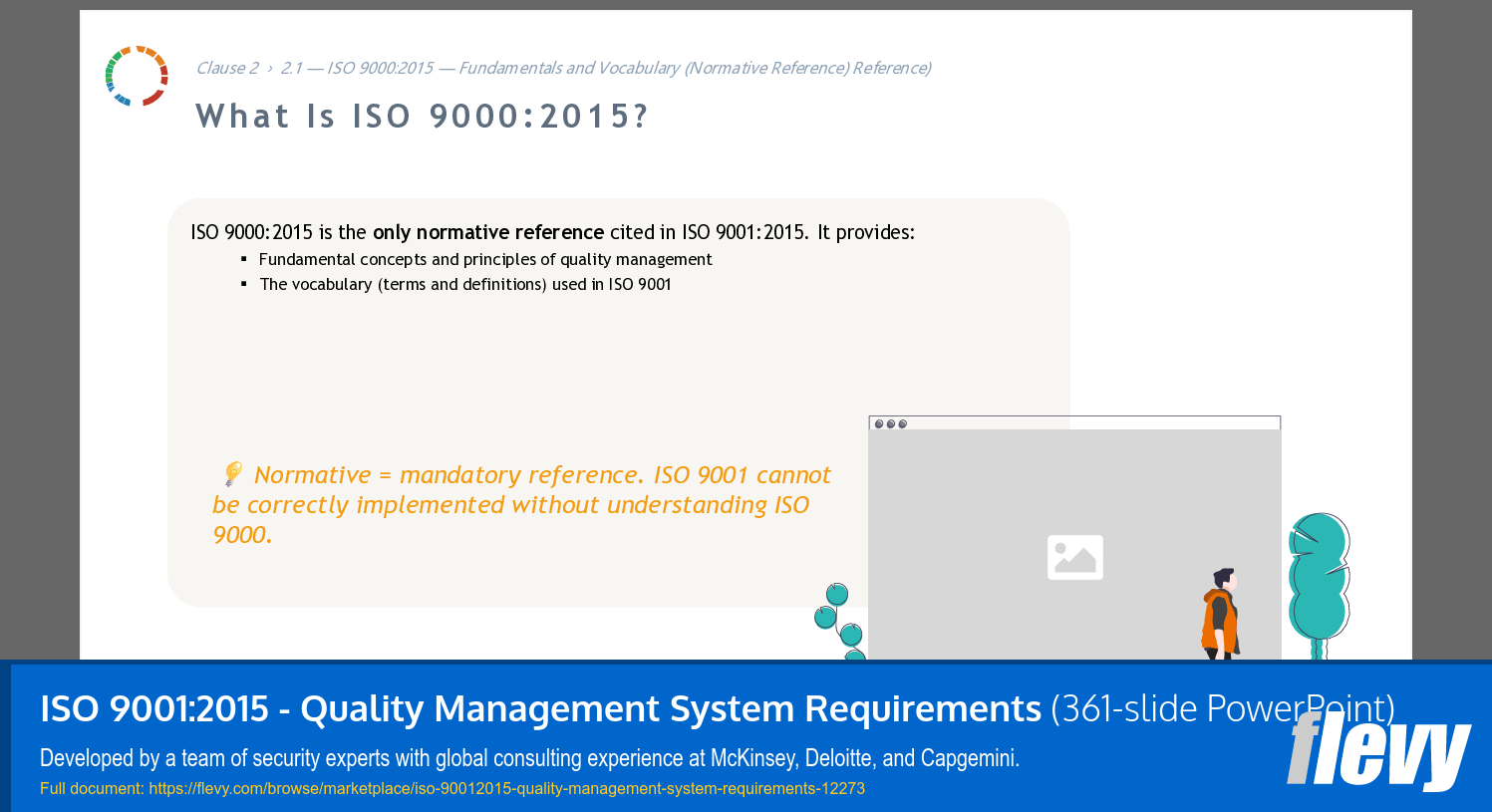
Clauses 1–3 (Foundation) establish the scope, normative references, and terms and definitions. While often skimmed, these clauses define the boundaries of the QMS and ensure consistent language across the organisation.
Clause 4 – Context of the Organisation (Plan) requires organisations to understand internal and external issues, identify interested parties and their requirements, define the QMS scope, and document processes using tools such as the Turtle Diagram for process characterisation and SWOT analysis for strategic context.
Clause 5 – Leadership (Plan) focuses on top management commitment, the establishment of a quality policy, and the assignment of roles and responsibilities. Leadership is not delegated – it is demonstrated.
Clause 6 – Planning (Plan) addresses risk-based thinking through the identification and treatment of risks and opportunities (supported by a Risk Matrix), the setting of measurable Quality Objectives cascaded from the quality policy, and planning for change. Amendment 1:2024 adds climate-related risks as a specific consideration under 6.1.
Clause 7 – Support (Do) covers the resources needed to operate the QMS: people, infrastructure, environment, measurement devices, organisational knowledge, competence, awareness, communication, and documented information. The Document Control flow diagram illustrates the lifecycle of documents and records.
Clause 8 – Operation (Do) is the largest clause and deals with all production and service delivery processes – operational planning and control, customer requirements, design and development, control of external providers, and handling of nonconforming outputs. This is where the QMS meets the shop floor.
Clause 9 – Performance Evaluation (Check) requires organisations to monitor, measure, analyse, and evaluate performance. It includes customer satisfaction measurement, internal audits (supported by the Audit Process flowchart), and Management Review – a structured leadership input/output cycle ensuring the QMS remains suitable and effective.
Clause 10 – Improvement (Act) closes the PDCA loop. It requires organisations to act on nonconformities through systematic Corrective Action – the 8-Discipline (8D) methodology provides a proven, structured approach – eliminate root causes (using Fishbone / 5-Why analysis), verify effectiveness, and drive continual improvement across the QMS.
Visual Assets & Diagrams
Throughout the presentation, a library of purpose-built diagrams reinforces the concepts: the PDCA Cycle, SWOT Analysis, Interested Parties Map, Risk Matrix, Turtle Diagram, Audit Process Flow, 8D Corrective Action, Fishbone (6M) Root Cause Analysis, Document Control Lifecycle, Management Review Inputs & Outputs, and Quality Objectives Cascade.
Got a question about the product? Email us at support@flevy.com or ask the author directly by using the "Ask the Author a Question" form. If you cannot view the preview above this document description, go here to view the large preview instead.
Source: Best Practices in ISO 9001 PowerPoint Slides: ISO 9001:2015 - Quality Management System Requirements PowerPoint (PPTX) Presentation Slide Deck, RadVector Consulting




























