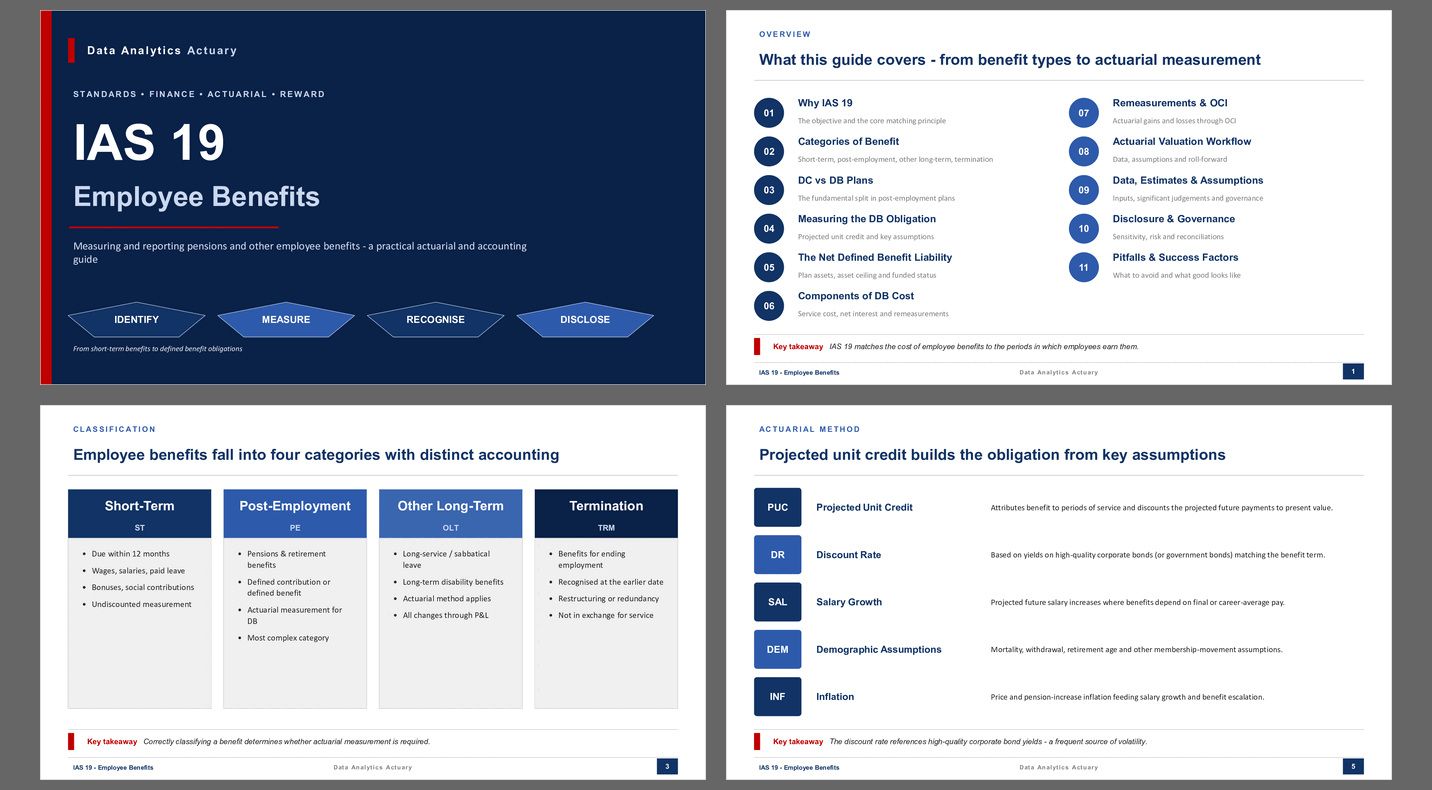

 Click main image to view in full screen. Unlock all 10 preview images:
IAS 19 Implementation Guide – PowerPoint PPTX Template
PowerPoint (PPTX) 19 Slides


BENEFITS OF THIS DOWNLOADABLE POWERPOINT DOCUMENT
- Projected unit credit method and DB cost components
- Full assumption-setting section
- Remeasurements, asset ceiling, curtailments/settlements
MANAGEMENT ACCOUNTING PPT TEMPLATE DESCRIPTION
IAS 19 governs the accounting for employee benefits, and defined-benefit pension and post-employment obligations in particular depend heavily on actuarial valuation and careful assumption-setting. This 19-slide guide, built by a practicing actuary, turns a technical and judgement-intensive standard into a clear, visual, board-ready resource you can put to work immediately.
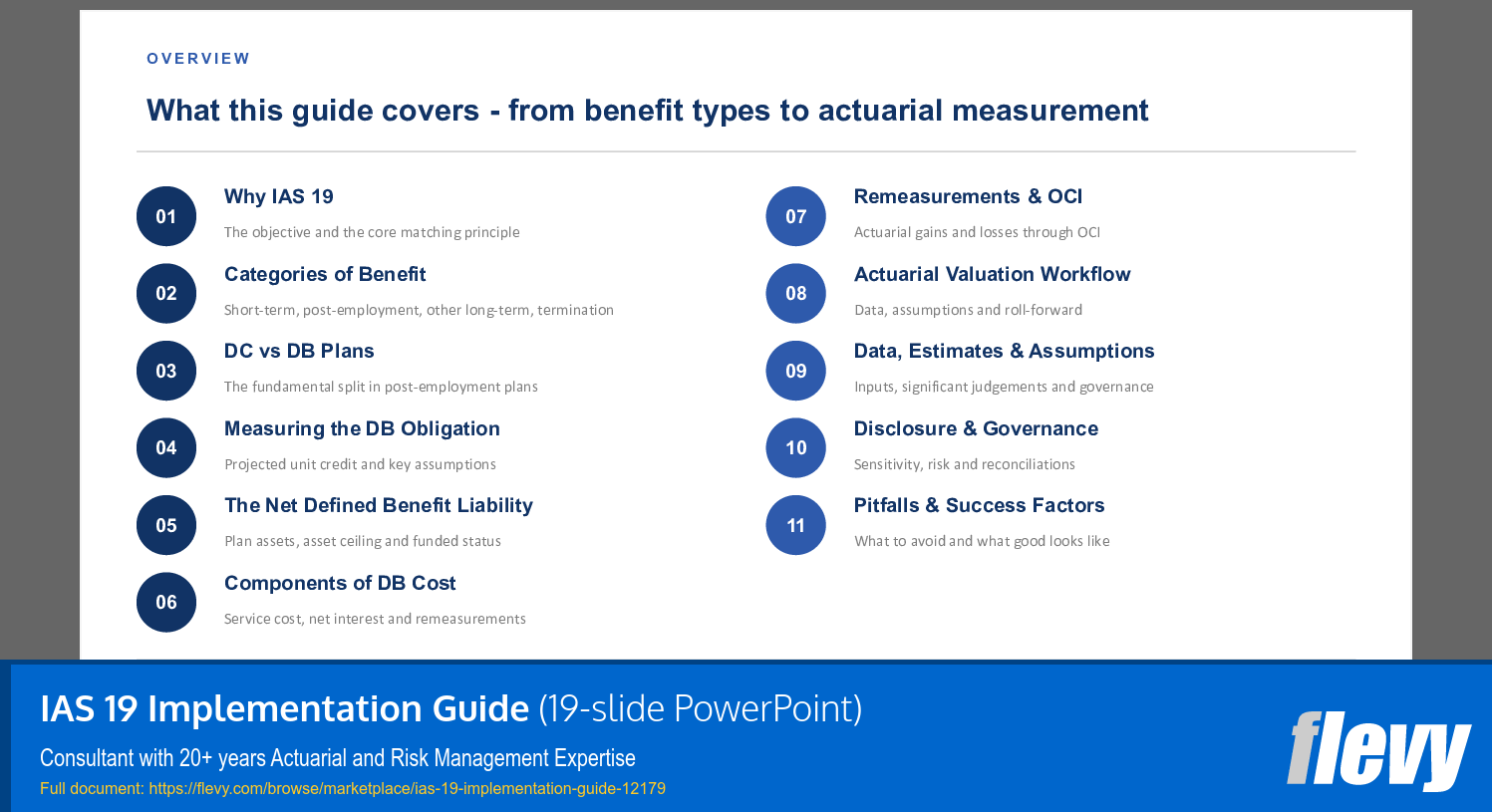
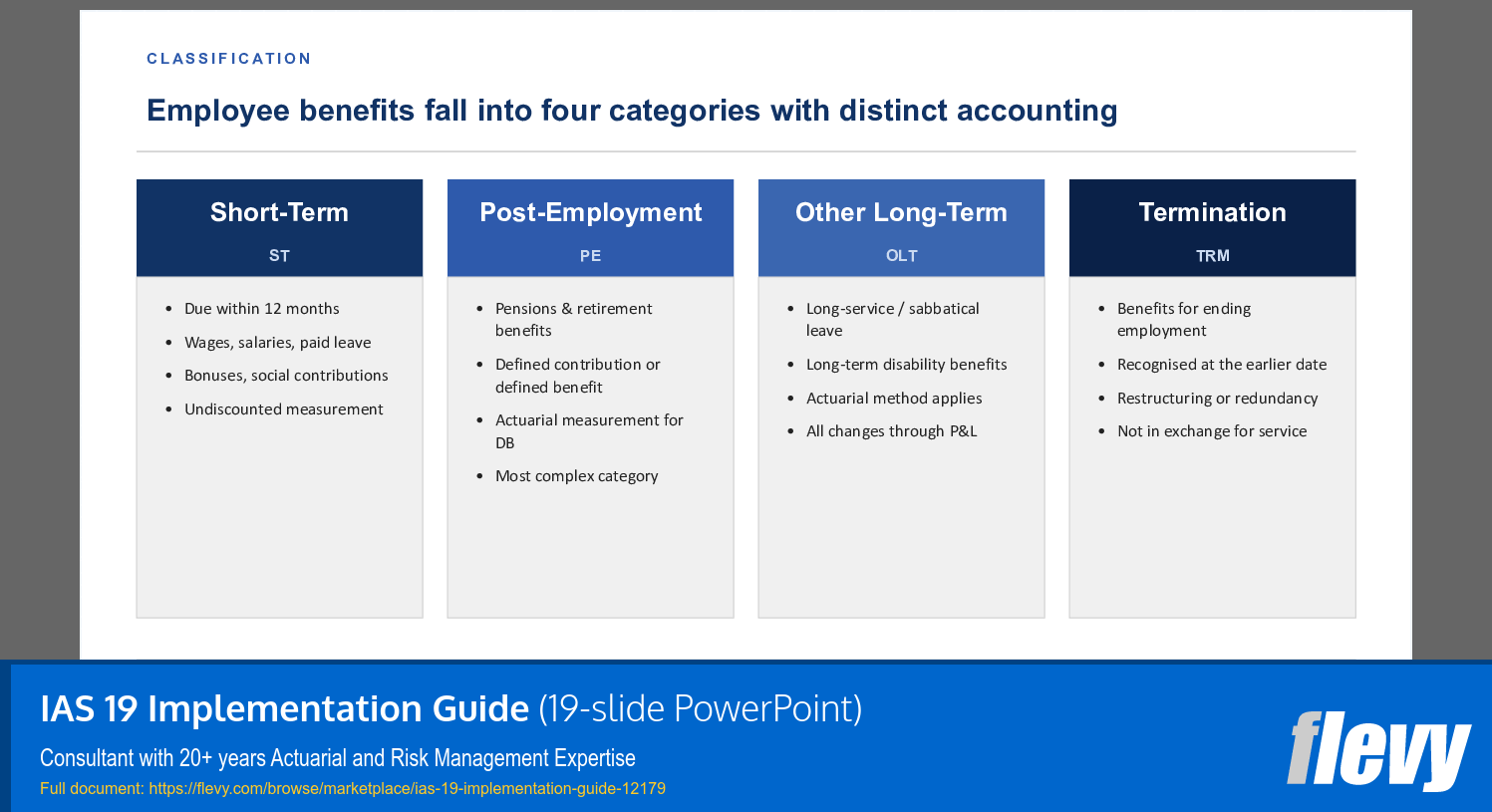
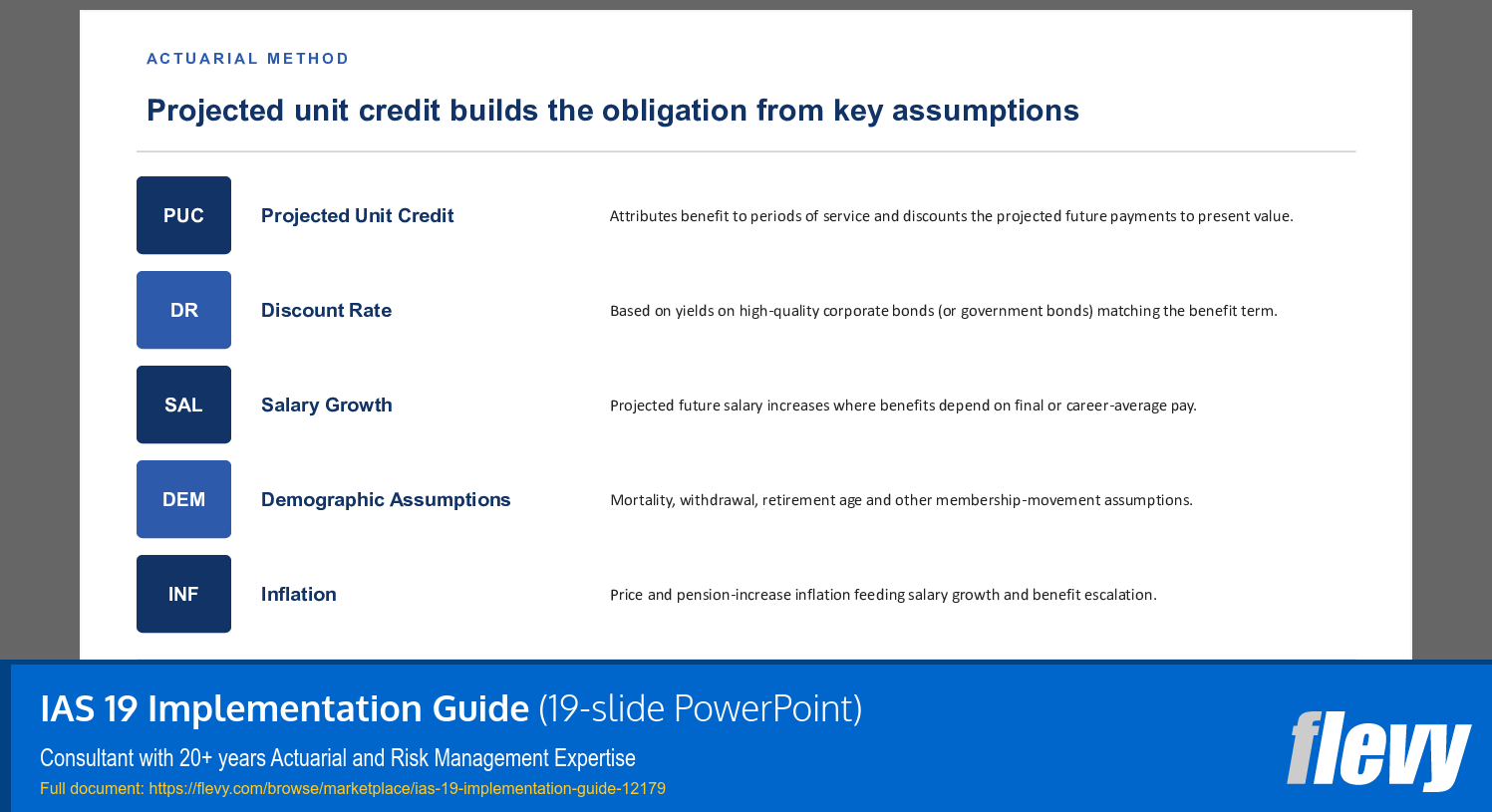
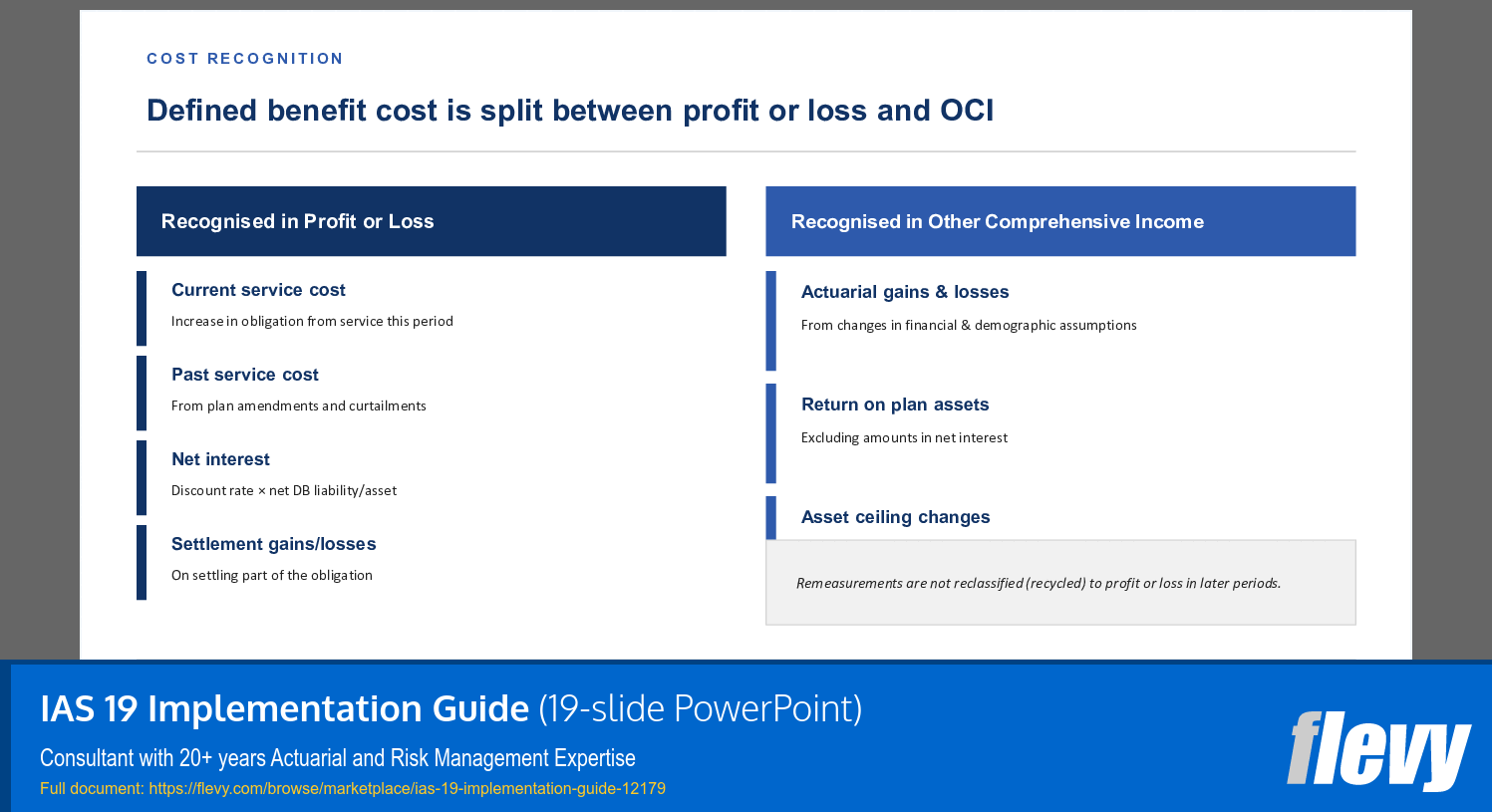
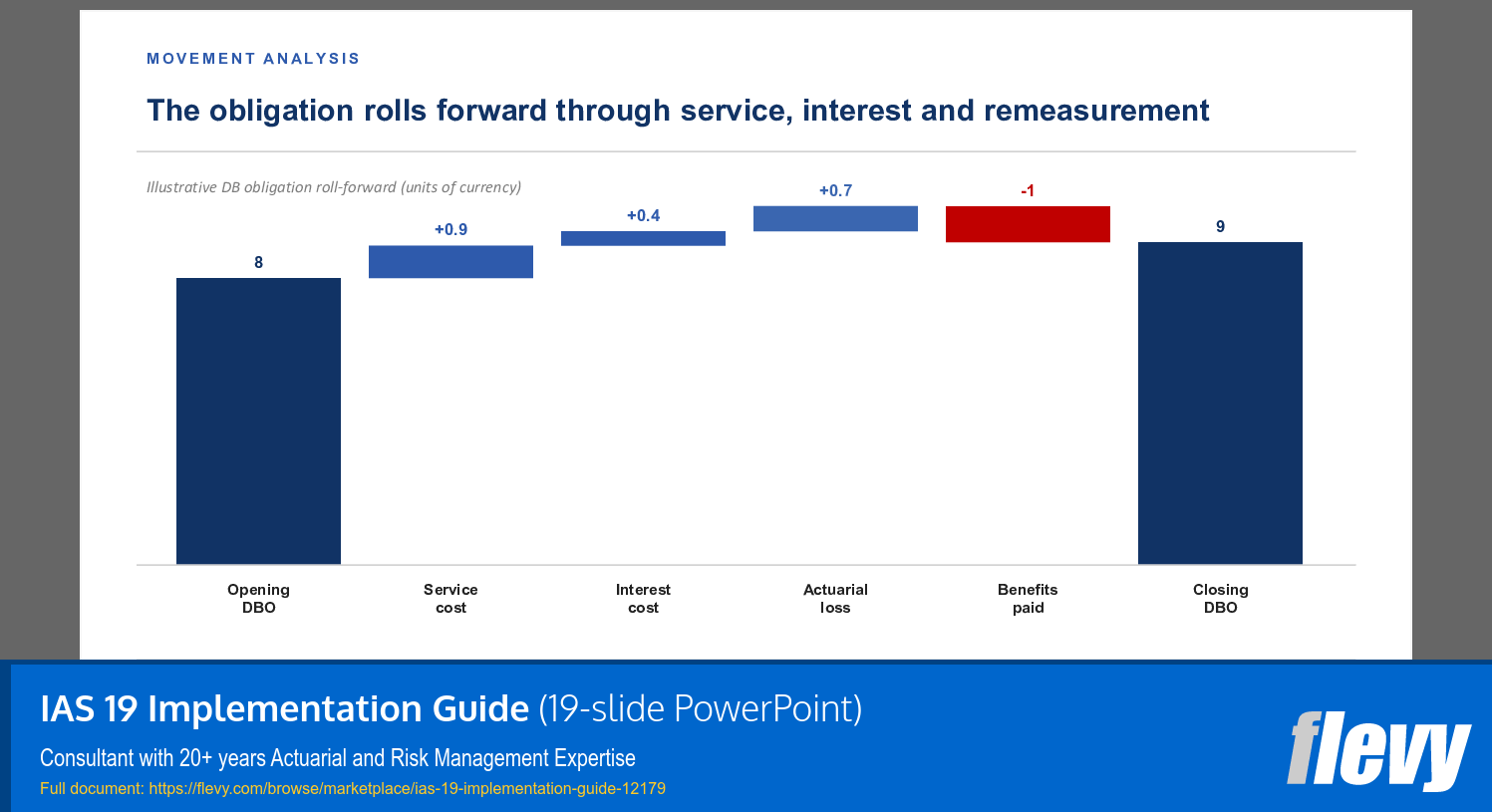
The deck begins by distinguishing the four categories of employee benefit the standard covers: short-term benefits, post-employment benefits (split between defined contribution and defined benefit plans), other long-term benefits, and termination benefits. It then concentrates where the complexity and the actuarial work really sit: the defined-benefit obligation. You will walk through the projected unit credit method, the components of defined-benefit cost (current and past service cost, net interest on the net defined-benefit liability or asset, and remeasurements), and the presentation of remeasurements in other comprehensive income rather than profit or loss.
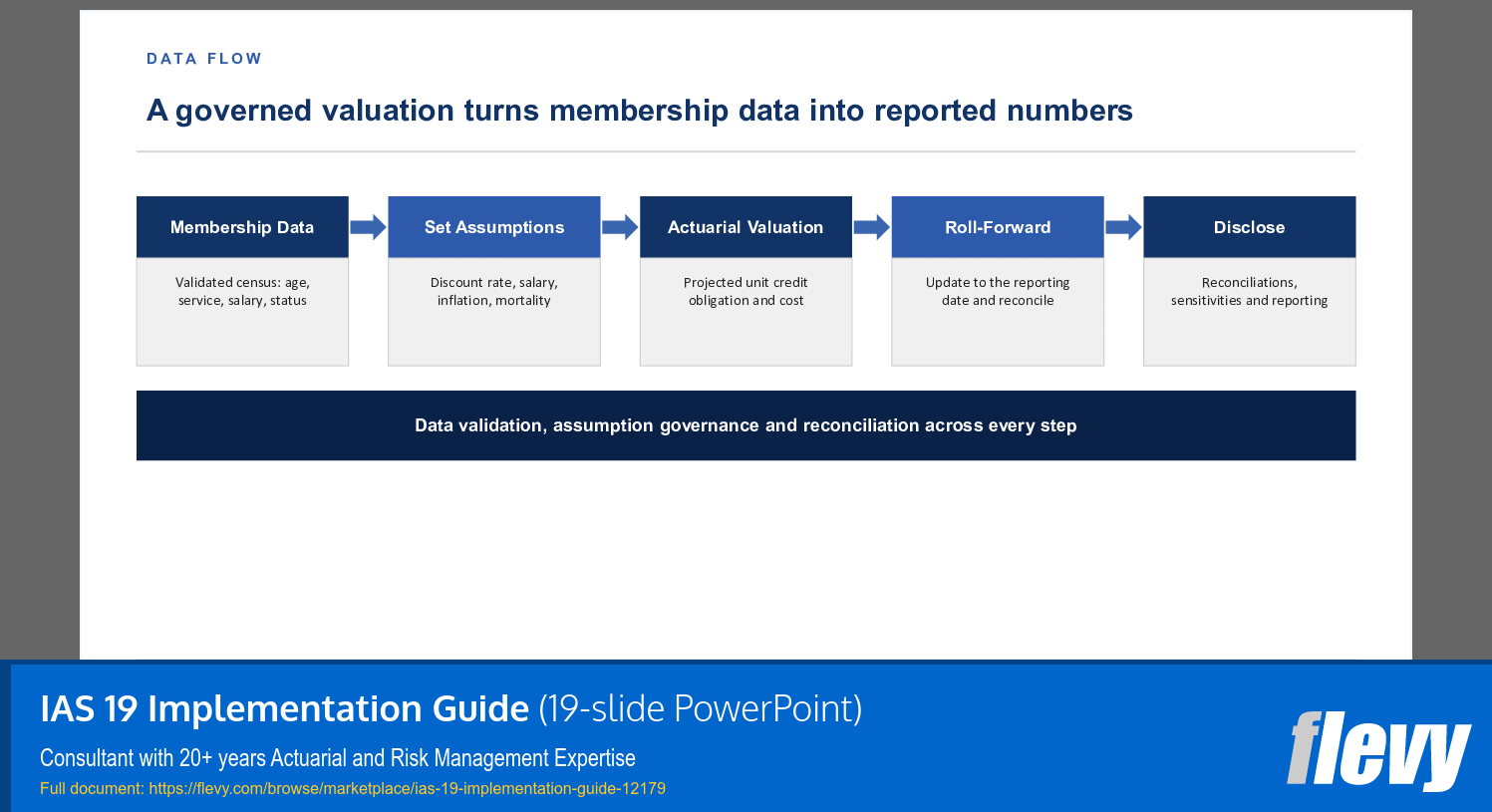
A dedicated section on Data Requirements, Significant Estimates, and Setting Assumptions addresses the operational reality of a valuation. It covers the demographic and financial assumptions that drive the obligation, including the discount rate, salary growth, inflation, mortality, and withdrawal, together with the sensitivity and judgement that auditors and stakeholders scrutinise most closely. You will also find the treatment of plan assets, the asset ceiling and its interaction with minimum funding requirements, past-service cost, curtailments and settlements, and the disclosure requirements that complete a compliant valuation.
Designed for pension and benefits actuaries, corporate finance and HR-finance teams, auditors, consultants, and actuarial students, this is a fully editable 16:9 PowerPoint in a clean, professional consulting style. Adapt it for client valuations, internal training, audit support, or committee briefings without building from scratch.
19-slide editable guide to IAS 19: projected unit credit method, defined-benefit cost components, assumption-setting, remeasurements and disclosures.
Got a question about the product? Email us at support@flevy.com or ask the author directly by using the "Ask the Author a Question" form. If you cannot view the preview above this document description, go here to view the large preview instead.
Source: Best Practices in Management Accounting, Employee Benefits PowerPoint Slides: IAS 19 Implementation Guide PowerPoint (PPTX) Presentation Slide Deck, Data Analytics Actuary
ABOUT THE AUTHOR
Fellow Actuary who has worked in many consultancy or quasi-consultancy organizations. He has provided consultancy to companies in the complex areas of IFRS 17, risk management, capital optimization, reinsurance, product pricing etc.
I write quite extensively in the areas of insurance, risk management and AI. I have over 20 years of experience developing top notch consultancy documents,
... [read more]
Ask the Author a Question
You must be logged in to contact the author.




























