
 Click main image to view in full screen. Unlock all 9 preview images:
Food Truck and Coffee Truck Startup Financial Model – Excel XLSX
Excel (XLSX) + supplemental PDF


BENEFITS OF THIS DOWNLOADABLE EXCEL DOCUMENT
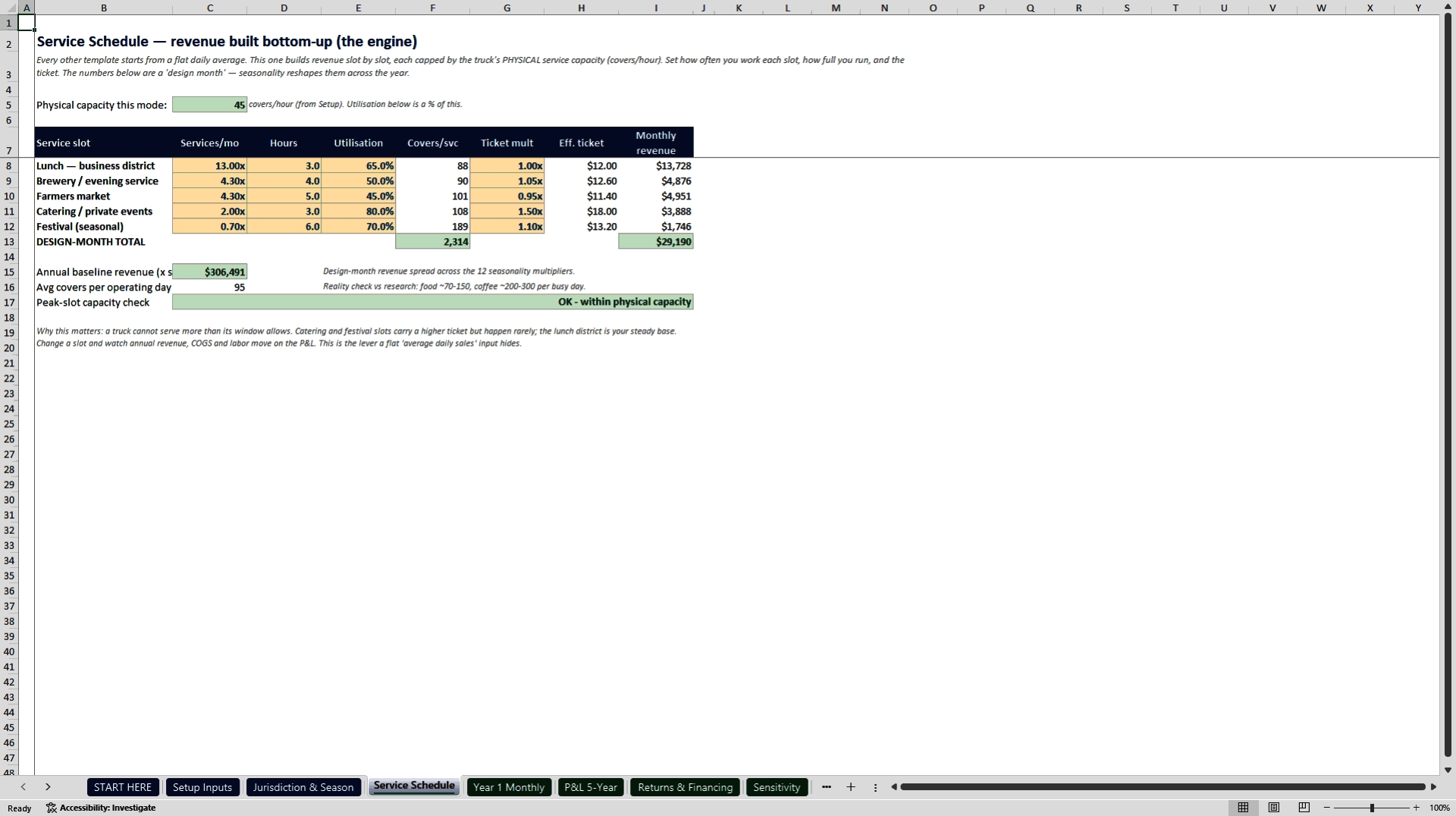
- Build revenue slot by slot from a real weekly service schedule, capped by your truck's physical covers-per-hour capacity.
- Switch the entire model between a food truck and a coffee truck with a single toggle.
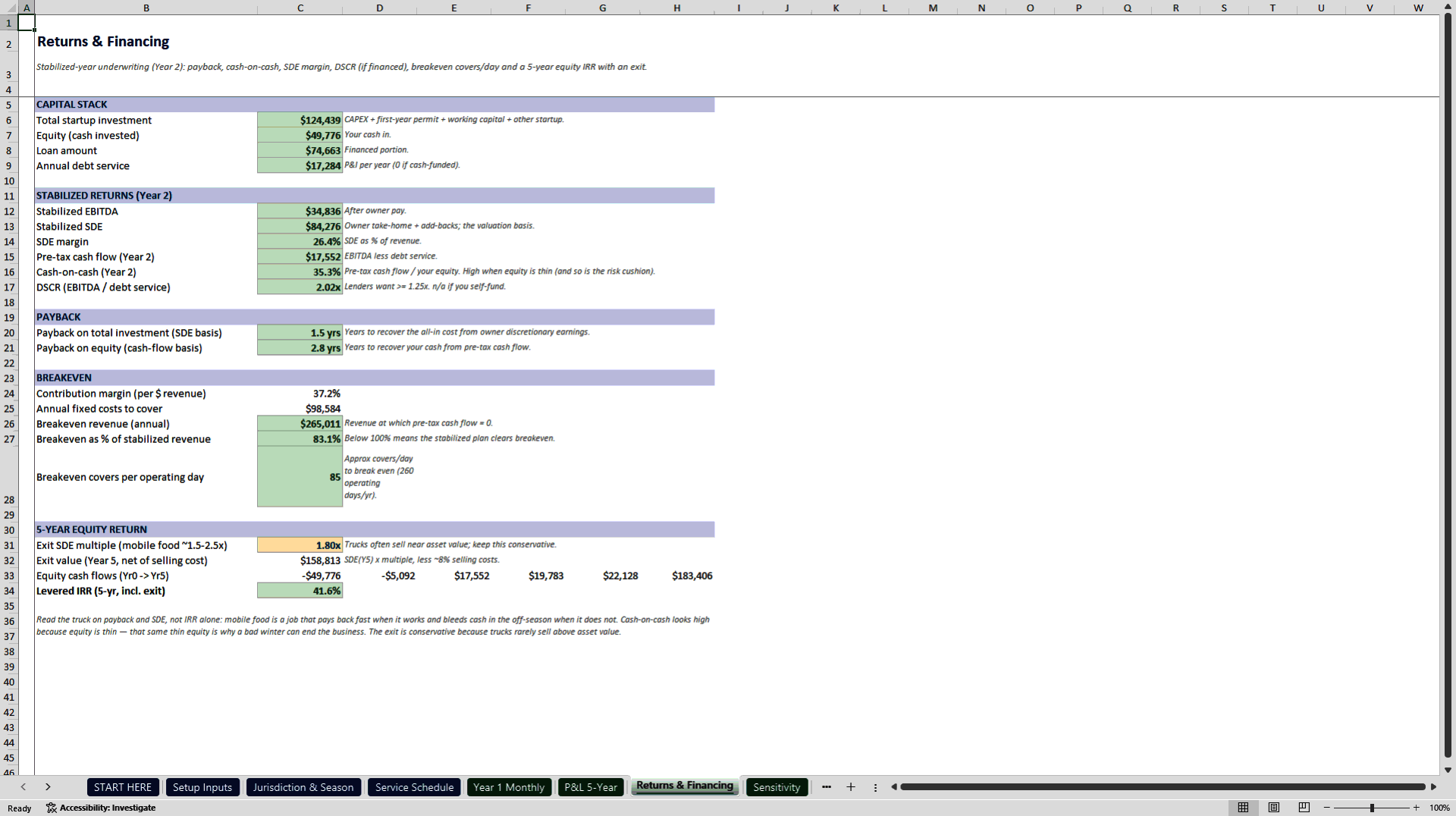
- Test the plan the way a lender does, with DSCR, payback, break-even and a year-one cash runway.
FOOD & BEVERAGE INDUSTRY EXCEL DESCRIPTION
Most food truck financial models ask you for one number, average sales per day, and multiply it out. A truck cannot serve more than its service window allows, so that single number hides the ceiling that actually decides whether your week works.
This model builds revenue from a real weekly service schedule instead. You pick the slots you plan to work, such as a weekday lunch shift in a business district, an evening brewery shift, a weekend farmers market, catering, or the occasional festival, and each slot is capped by your truck's physical service capacity in covers per hour. Change a slot and revenue, food cost and labour all move with it.
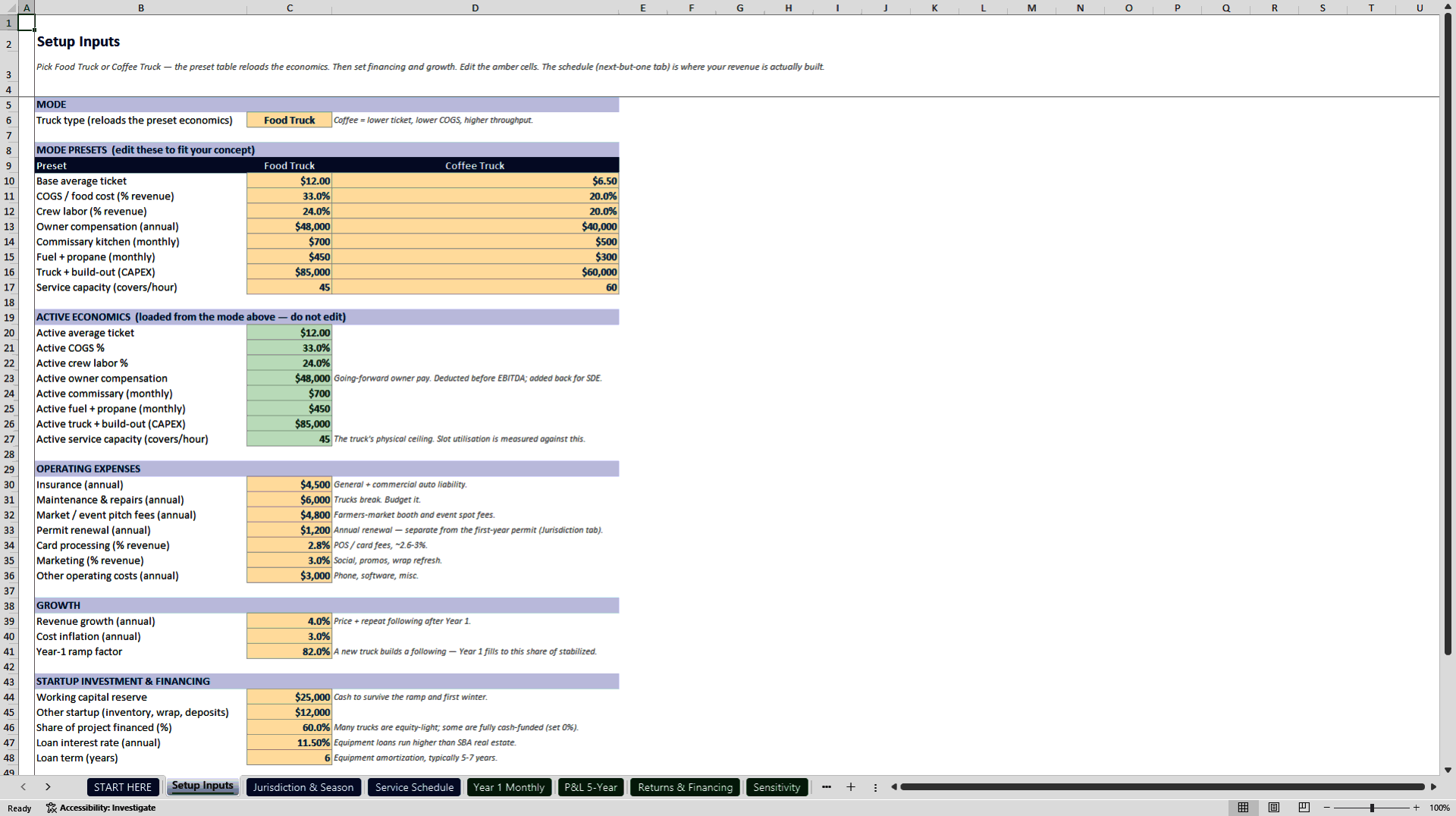
A Food and Coffee mode toggle reloads the entire economics from an editable preset table: ticket size, cost of goods, labour, service capacity and equipment capital expenditure. The coffee truck case, which most templates ignore, lives in the same file.
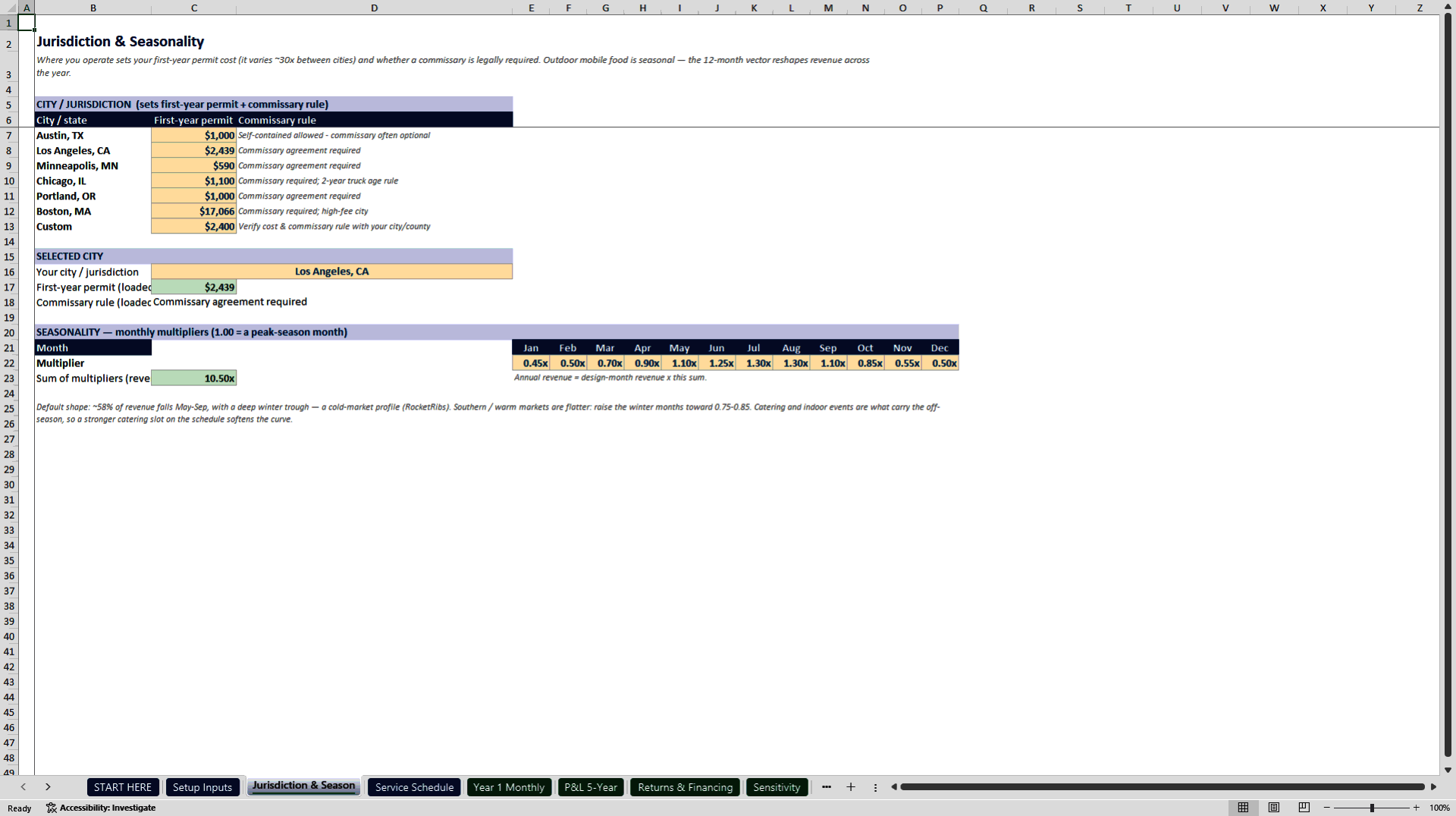
A jurisdiction sheet carries first-year permit costs for six cities plus a custom row, and flags whether a commissary kitchen is legally required. Permit costs vary roughly thirty-fold between cities, which is enough to change whether a truck opens at all.
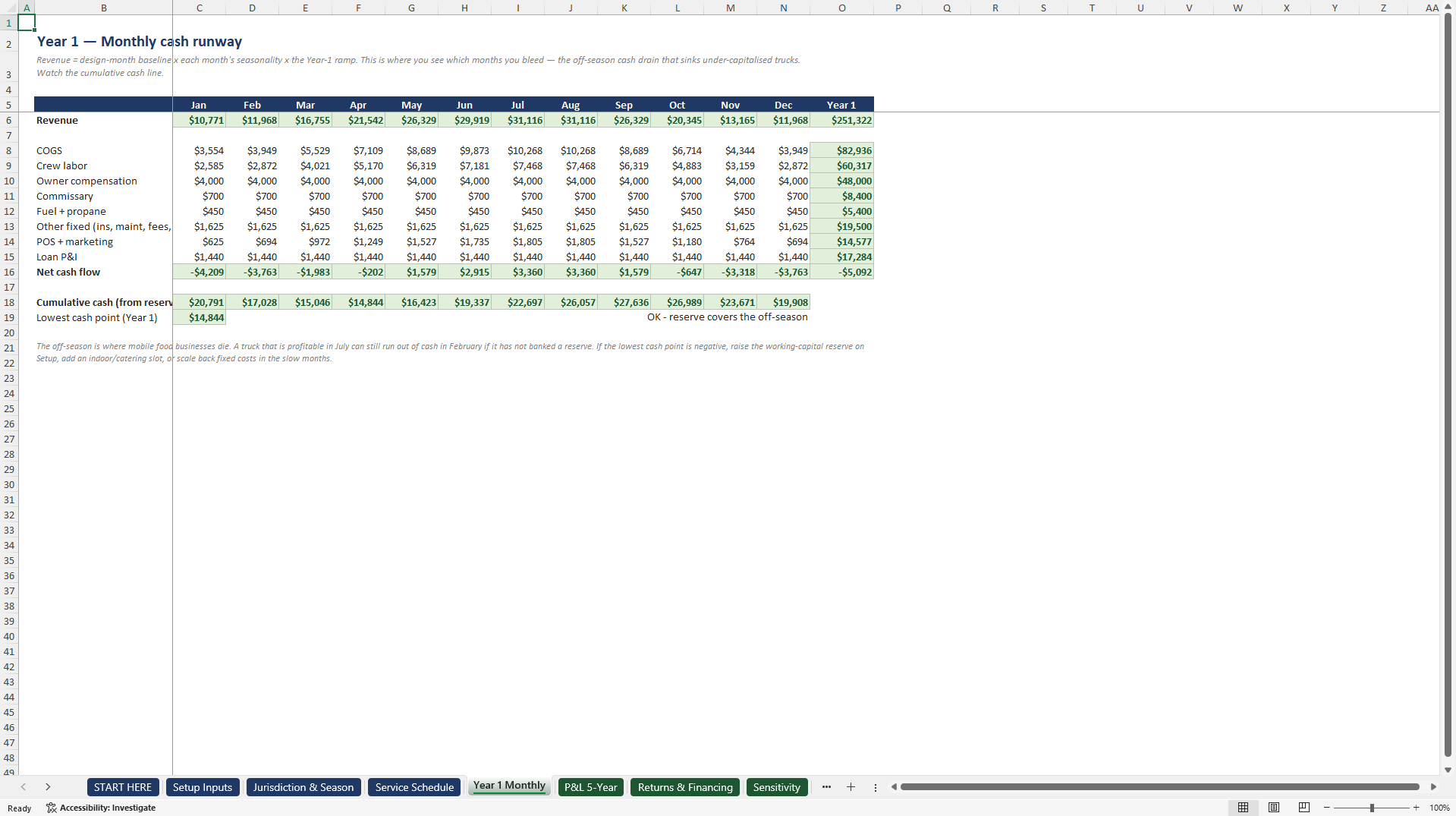
Twelve-month seasonality feeds a year one cash runway, so you can see which off-season months you bleed cash. Under-capitalisation during the slow months is the failure mode that closes trucks that were otherwise profitable.
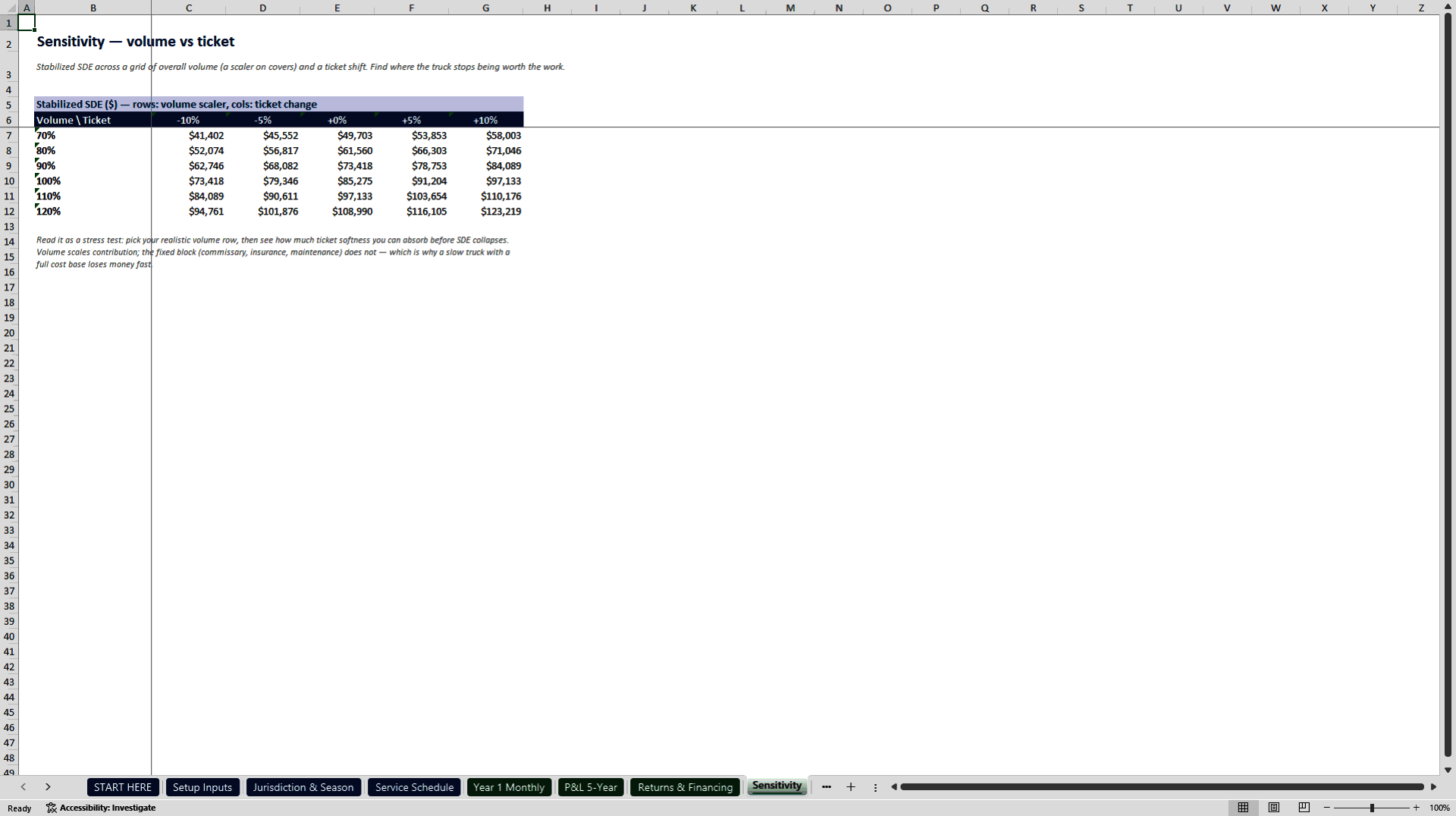
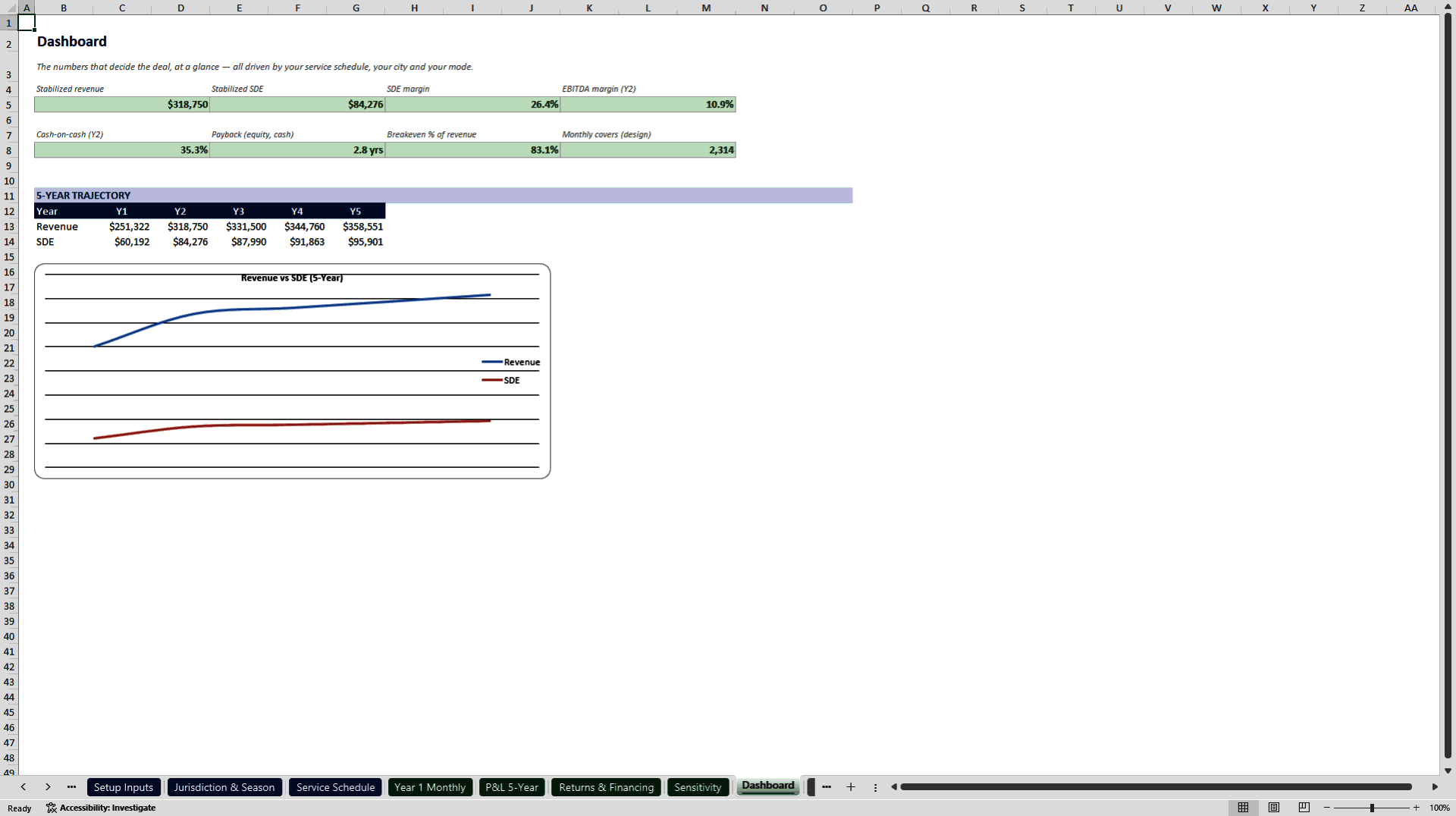
The model produces a five-year profit and loss statement, EBITDA struck after owner compensation, seller's discretionary earnings, payback period, cash-on-cash return, debt service coverage ratio, break-even revenue and a five-year internal rate of return, which are the figures an equipment lender or a clear-eyed buyer checks first.
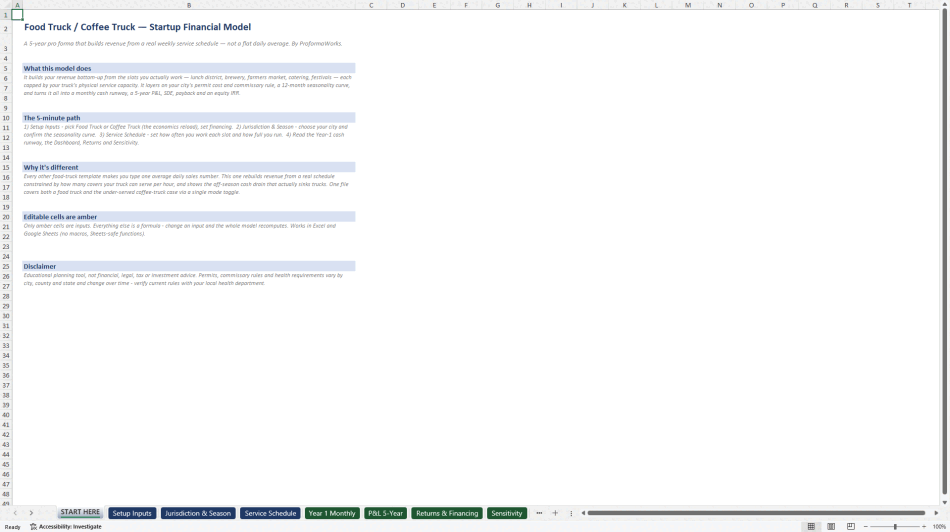
Ten sheets, no macros, no add-ins and no external links, so it opens in Excel and in Google Sheets alike. A START HERE sheet gets a first projection out in minutes, and only the amber input cells need filling. A benchmarks sheet documents the sourced ticket, covers, cost, labour, permit and start-up ranges behind the defaults.
Every formula is recomputed by three independent calculation engines before release, so the workbook balances to the cent.
The download also includes an eighteen-page PDF user guide covering quick start, a sheet-by-sheet walkthrough, how the service schedule engine works, how a lender reads your coverage ratio and payback, where to find your own local numbers, and a full frequently asked questions section.
This is an educational planning tool and not financial, legal, tax or investment advice. Permits, commissary rules, ticket prices and costs vary by city and over time, so confirm current rules with your local health department before relying on any figure.
Got a question about the product? Email us at support@flevy.com or ask the author directly by using the "Ask the Author a Question" form. If you cannot view the preview above this document description, go here to view the large preview instead.
Source: Best Practices in Food & Beverage Industry, Integrated Financial Model Excel: Food Truck and Coffee Truck Startup Financial Model Excel (XLSX) Spreadsheet, ProformaWorks
ABOUT THE AUTHOR
ProformaWorks builds acquisition-grade financial models for Main Street and lower-middle-market businesses - the kind of deal financed with an SBA 7(a) loan or a small commercial facility.
Every model answers one question: does this deal pencil at the bank? That means SDE or NOI rebuilt from the seller's own numbers, the add-backs a lender will and will not accept, a debt-service
... [read more]
Ask the Author a Question
You must be logged in to contact the author.




























