
 Click main image to view in full screen. Unlock all 12 preview images:
EU AI Act Compliance Framework for BD and Legal Teams – PowerPoint PPTX Template
PowerPoint (PPTX) 50 Slides


BENEFITS OF THIS DOWNLOADABLE POWERPOINT DOCUMENT
- Classify your AI systems against EU AI Act Annex III and identify revenue at risk per EU market, with clear visibility into what's enforceable now versus what's deferred to 2027.2026 enforcement deadline.
- Understand provider vs. deployer obligations under Art.16 and Art.26 with practical frameworks for LegalTech, FinTech, HRTech, and InsurTech companies.
- Generate a board-ready compliance pitch using the included CFO reframing scripts and 30-day action plan.
ARTIFICIAL INTELLIGENCE PPT TEMPLATE DESCRIPTION
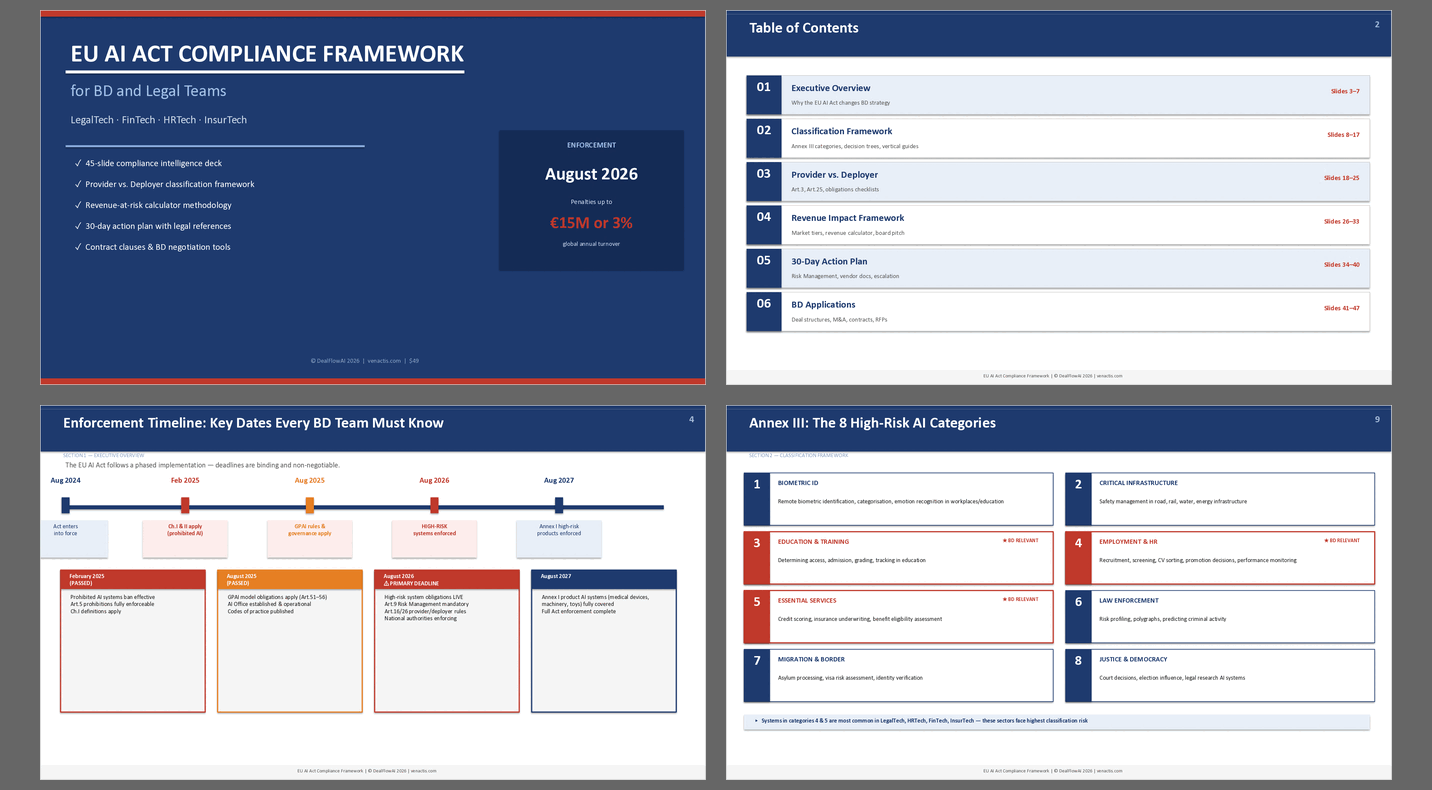
EU AI Act Compliance Framework PPT: Classify AI systems, assess revenue risk, and guide LegalTech & FinTech teams through both enforceable and deferred obligations. Download the BD & Legal toolkit now. EU AI Act Compliance Framework for BD and Legal Teams is a 50-slide PPT PowerPoint presentation template (PPTX) available for immediate download upon purchase.
Consulting-grade executive deck (McKinsey-style) – 50 slides structured for BD and Legal Teams navigating EU AI Act compliance.
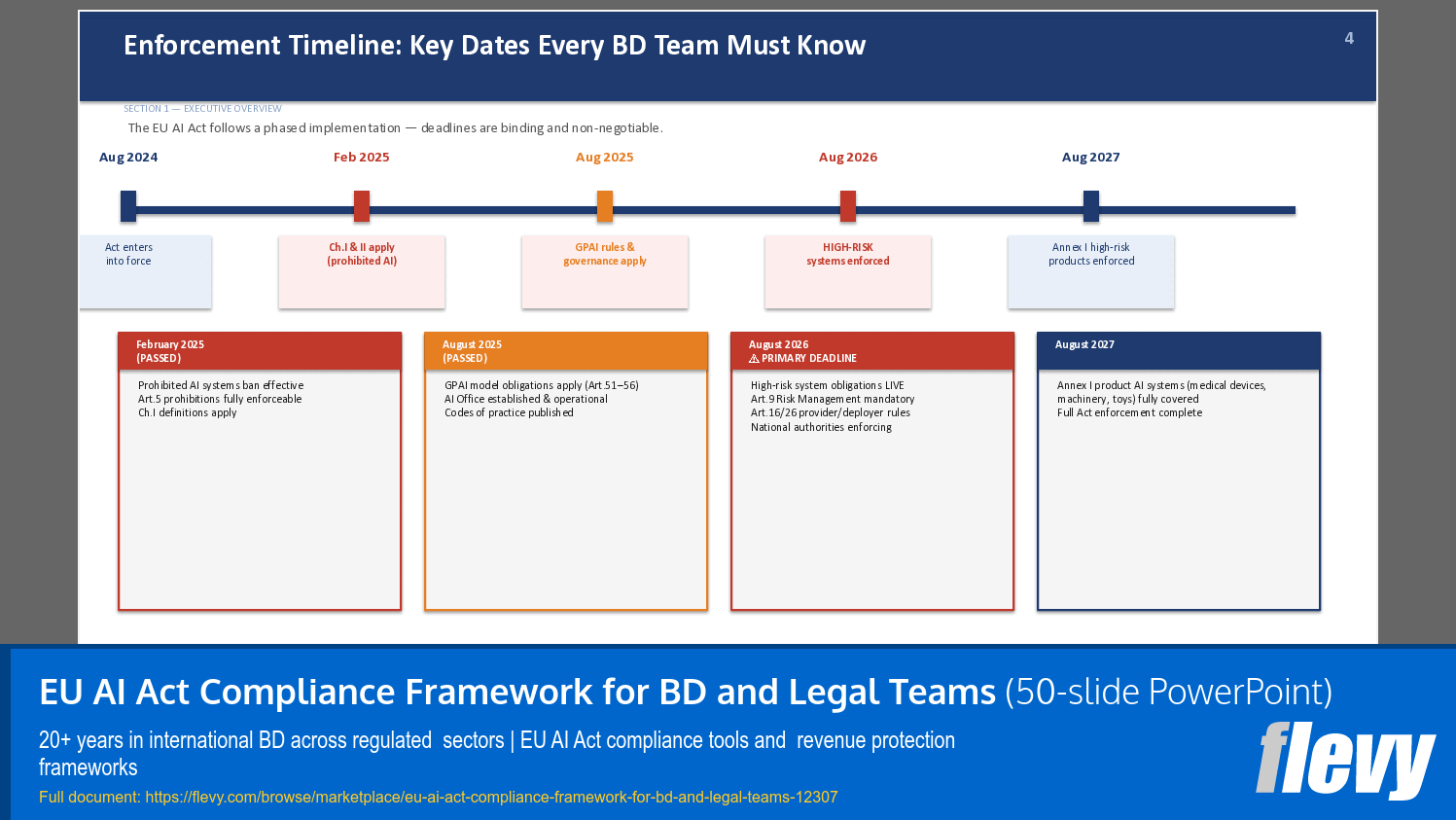
The EU AI Act (Regulation EU 2024/1689) introduces the most significant regulatory change for AI-driven businesses operating in European markets since GDPR. Prohibited practices (Art.5) and transparency obligations (Art.50) have been enforceable since August 2026. High-risk system obligations for providers and deployers (Art.16/26) were deferred to December 2027 under the Digital Omnibus (Regulation (EU) 2026/1744) – but companies across LegalTech, FinTech, HRTech, InsurTech, and RegTech still need to classify their AI systems, quantify revenue at risk, and present a compliance case to their board now, before competing for scarce compliance resources as the 2027 deadline approaches.
This framework was developed by a specialist in international Business Development across regulated sectors, combining regulatory precision with executive communication tools. It is designed for BD Directors, CLOs, Legal Ops Managers, and Compliance Officers who want to build a defensible head start – not scramble in late 2027.
WHAT THIS FRAMEWORK COVERS
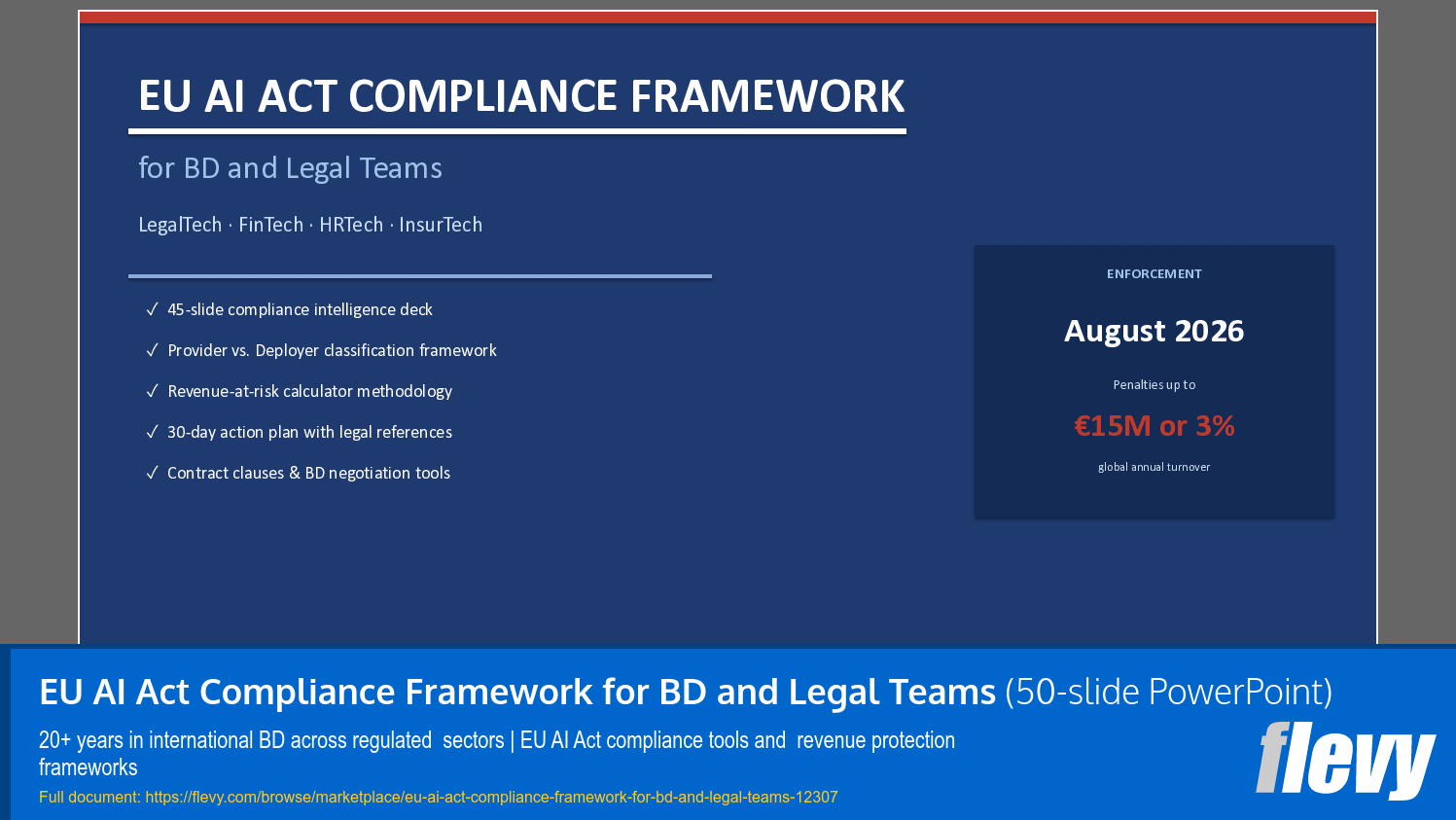
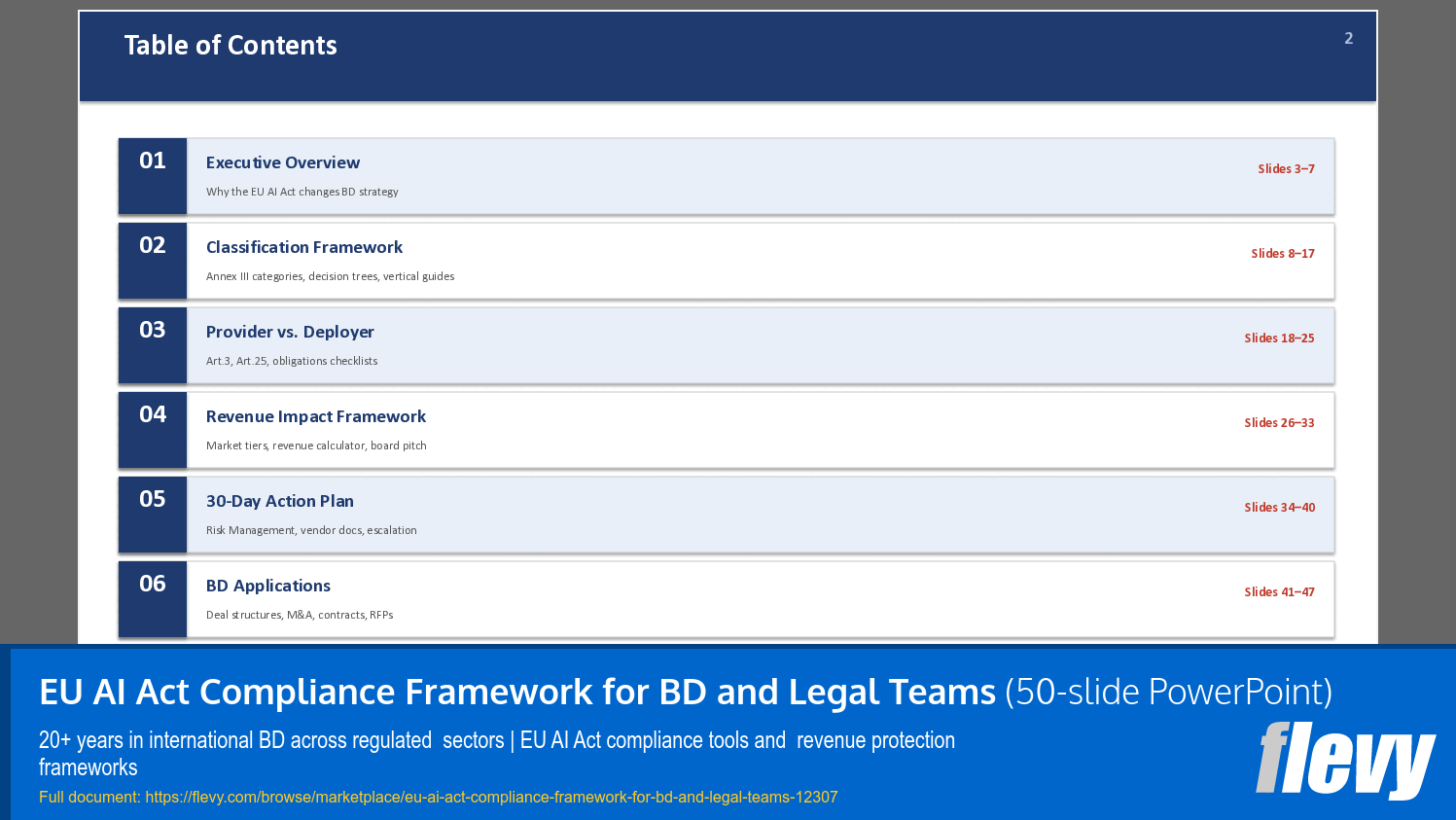
Section 1 – Executive Overview
The EU AI Act timeline, enforcement dates, and full penalty structure by violation type: prohibited practices (up to €35M or 7% of global turnover), high-risk failures (up to €15M or 3%, deferred to Dec 2027), and transparency violations (up to €7.5M or 1.5%). Who is affected, what changed, and why this matters for BD teams managing deals in EU markets.
Section 2 – Classification Framework
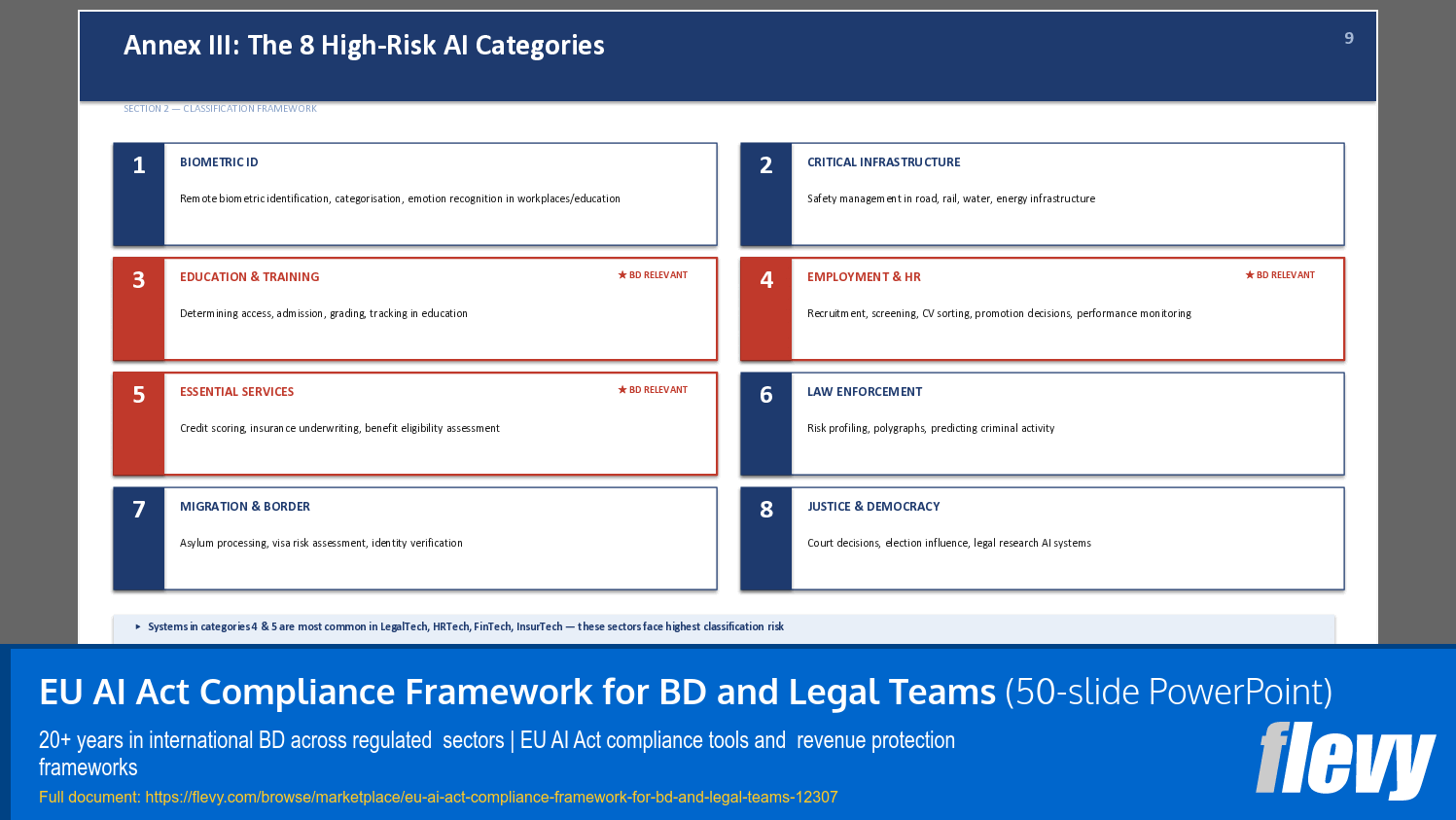
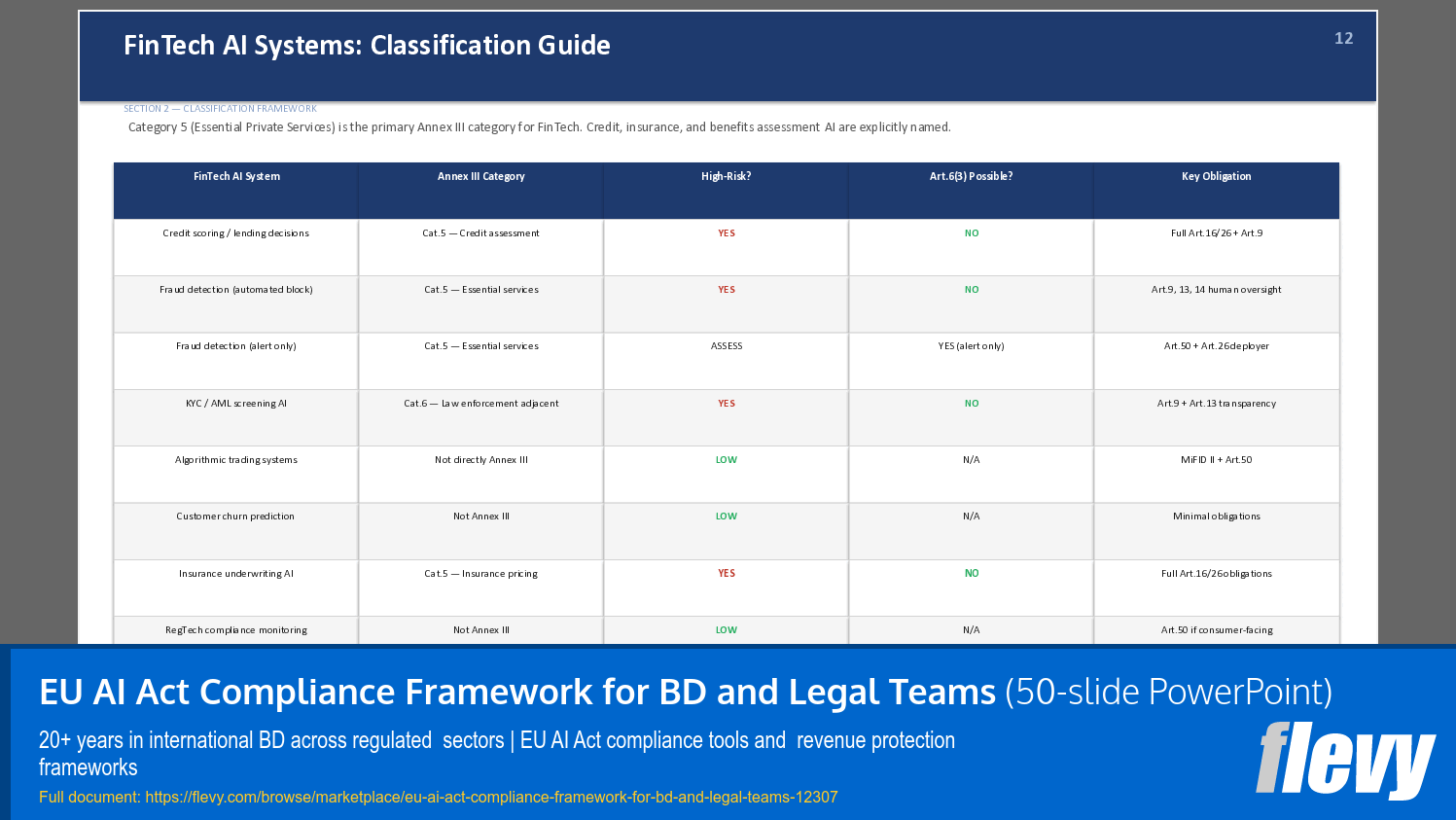
A practical decision tree for classifying AI systems against EU AI Act Annex III. Covers all 8 high-risk categories with sector-specific guidance for LegalTech, FinTech, HRTech, and InsurTech. Includes the Art.6(3) carve-out analysis and Art.50 transparency obligations for systems that interact with natural persons.
Section 3 – Provider vs. Deployer
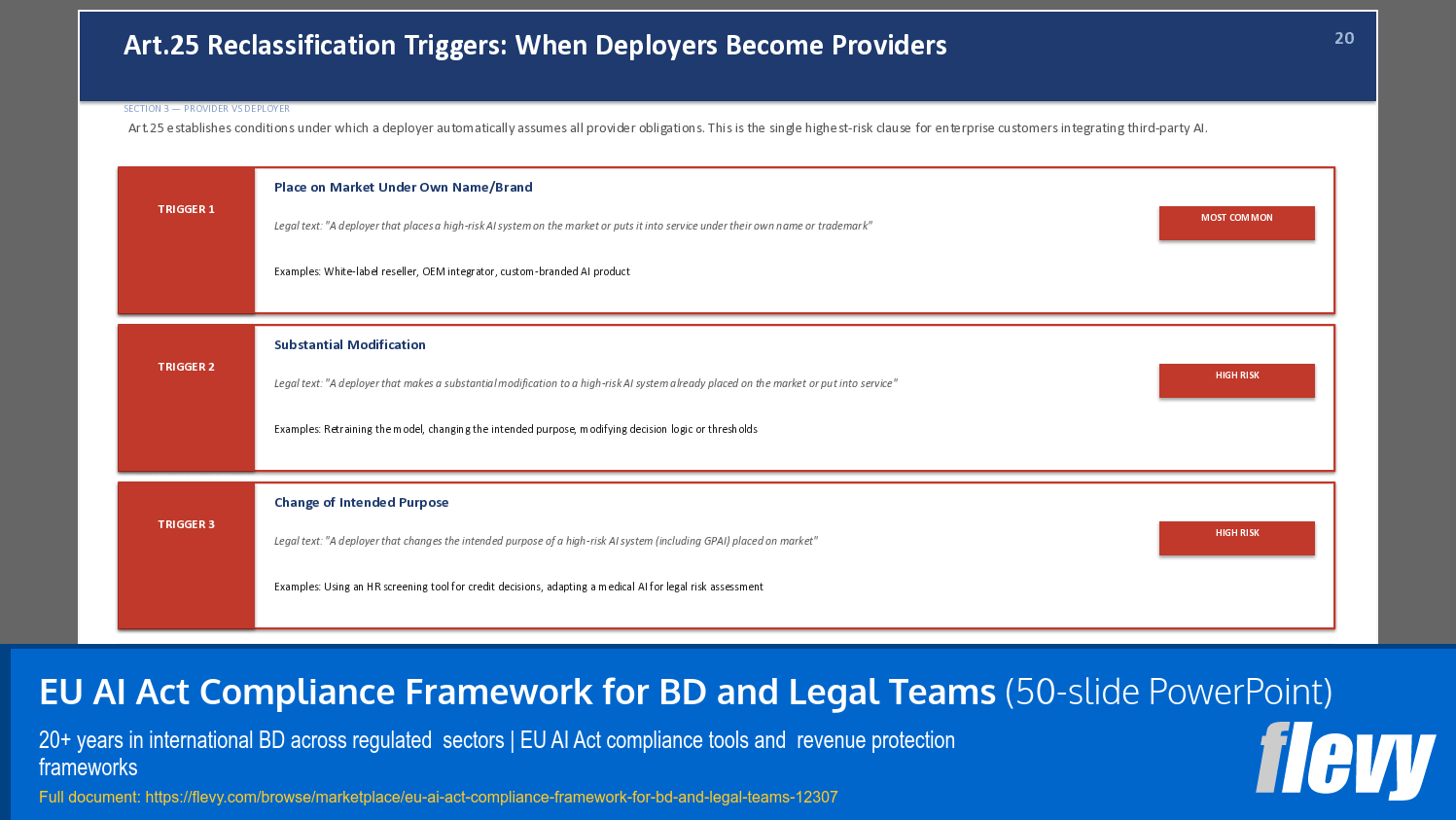
The most misunderstood distinction in the EU AI Act. Exact definitions from Art.3(3) and Art.3(4), the Art.25 reclassification triggers (white-labelling, substantial modification, change of intended purpose), and a responsibility allocation matrix for SaaS vendors and their enterprise clients.
Section 4 – Revenue Impact Framework
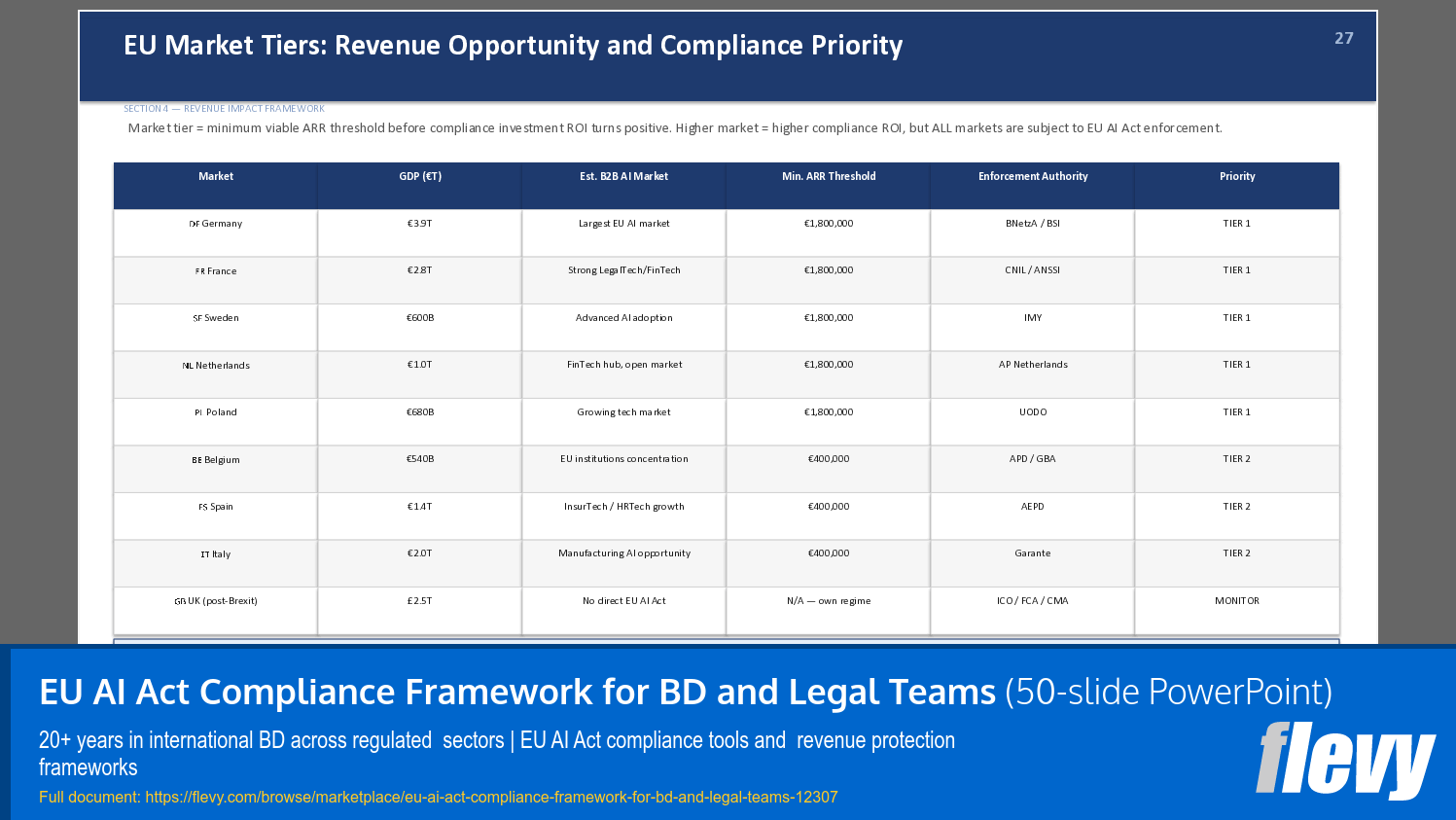
A structured methodology for calculating revenue at risk per EU market. Covers DE, FR, NL, BE, ES, IT, SE, PL and the UK extraterritorial scope under Art.2. Includes conservative, base, and optimistic scenario analysis and board pitch framing using loss aversion principles.
Section 5 – 30-Day Action Plan
A week-by-week execution roadmap: Risk Management System (Art.9), vendor compliance documentation (Art.16), board escalation, and corrective action plan – built to create margin ahead of the December 2027 high-risk enforcement date, not to chase an already-passed deadline.
Section 6 – BD Applications
How the EU AI Act affects deal structures, M&A due diligence, licensing agreements, and RFP qualification. Includes contract clause recommendations, term sheet language for AI compliance representations, and a negotiation framework for compliance budget conversations with CFOs and boards.
WHO THIS IS FOR
BD Directors managing deals in EU markets who need to understand AI Act exposure before closing.
CLOs and General Counsels in LegalTech, FinTech, HRTech, InsurTech, and RegTech companies deploying AI systems in EU markets.
Legal Ops Managers responsible for AI system procurement and vendor compliance documentation.
Compliance Officers presenting AI Act compliance risk to a CFO or board for the first time.
Management consultants advising technology clients on EU AI Act readiness ahead of the December 2027 high-risk deadline.
WHAT MAKES THIS FRAMEWORK DIFFERENT
Most EU AI Act resources stop at classification. This framework goes further: it connects regulatory classification to revenue impact, revenue impact to board-ready communication, and tracks both the obligations enforceable now and those deferred to 2027 – so your board pitch is accurate, not alarmist. The BD Applications section is unique – it addresses how compliance obligations affect deal structures, licensing terms, and competitive positioning in regulated-market RFPs.
All regulatory references are verified against the official text of Regulation (EU) 2024/1689 (OJ L 2024/1689), as amended by Regulation (EU) 2026/1744.
DISCLAIMER
This framework is for informational and educational purposes only. It does not constitute legal advice or compliance certification. Validate AI system classifications with a qualified EU AI Act specialist before use in formal compliance processes. Legal basis: Regulation (EU) 2024/1689 (OJ L 2024), as amended by Regulation (EU) 2026/1744.
Got a question about the product? Email us at support@flevy.com or ask the author directly by using the "Ask the Author a Question" form. If you cannot view the preview above this document description, go here to view the large preview instead.
Source: Best Practices in Artificial Intelligence, Compliance PowerPoint Slides: EU AI Act Compliance Framework for BD and Legal Teams PowerPoint (PPTX) Presentation Slide Deck, Venactis
ABOUT THE AUTHOR

Global business development and regulatory strategist with over 20 years of experience executing cross-border licensing agreements, market entry strategies, and complex transactions across more than 30 countries. Known for translating intricate international regulations into actionable, enterprise-grade frameworks.
Specializes in designing institutional-grade tools for the EU AI Act, risk
... [read more]
Ask the Author a Question
You must be logged in to contact the author.




























