
 Click main image to view in full screen. Unlock all 16 preview images:
Emergency Response Plan (ERP) Training for Workplace Safety – PowerPoint PPTX Template
PowerPoint (PPTX) 36 Slides


BENEFITS OF THIS DOWNLOADABLE POWERPOINT DOCUMENT
- Provides a practical framework for developing and implementing workplace Emergency Response Plans.
- Helps organizations train employees and supervisors on effective response procedures for fire, earthquake, flood, and medical emergencies.
- Aligns emergency preparedness practices with ISO 45001 Clause 8.2 requirements and global safety standards.
WORKPLACE SAFETY PPT TEMPLATE DESCRIPTION
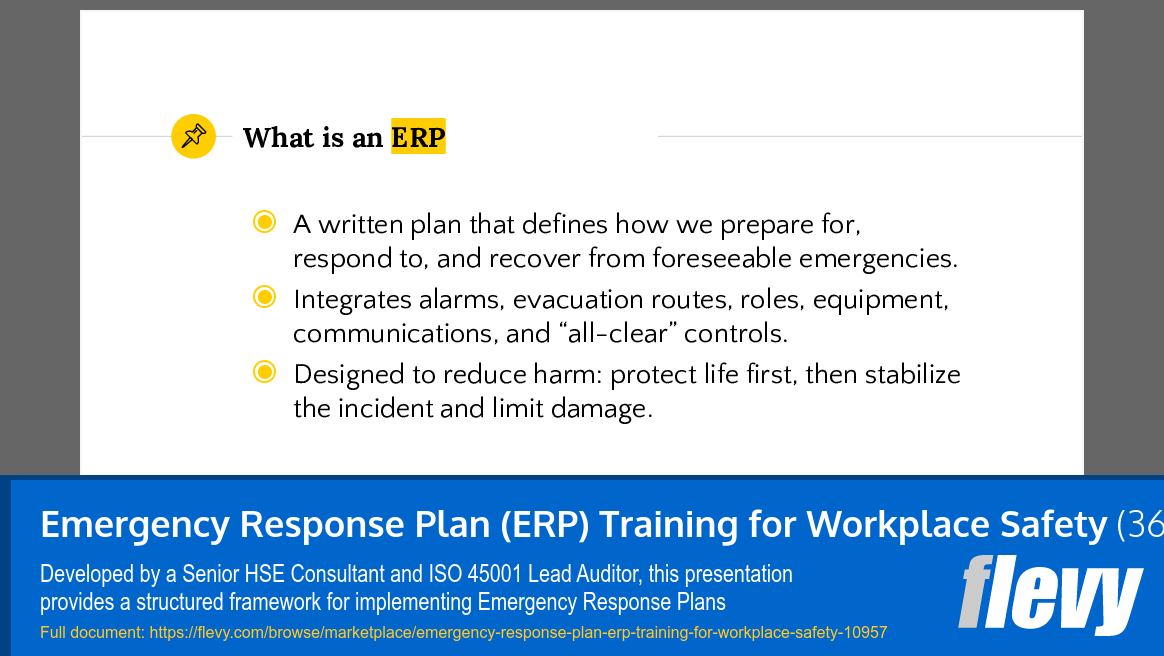
Emergency situations can occur in any workplace, and organizations must be prepared to respond quickly and effectively to protect people, assets, and operations. An Emergency Response Plan (ERP) is a structured system that defines how organizations prepare for, respond to, and recover from unexpected incidents such as fires, natural disasters, medical emergencies, or facility incidents.
This training presentation provides a comprehensive framework for understanding and implementing an effective Emergency Response Plan within organizations. It is designed for safety professionals, supervisors, emergency wardens, facility managers, and operational leaders who are responsible for emergency preparedness and workplace safety.
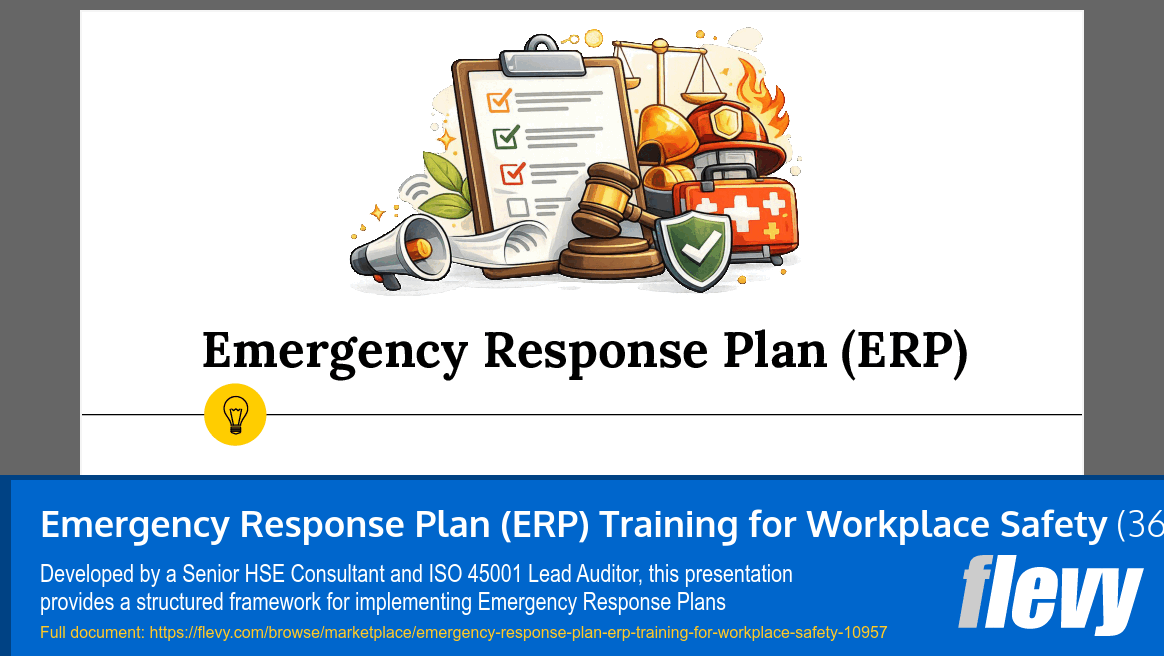
The presentation begins with an introduction to Emergency Response Plans and explains why they are essential for organizations from both a safety and regulatory perspective. It covers the key objectives of ERP systems, including protecting human life, minimizing operational disruption, reducing property damage, and ensuring business continuity.
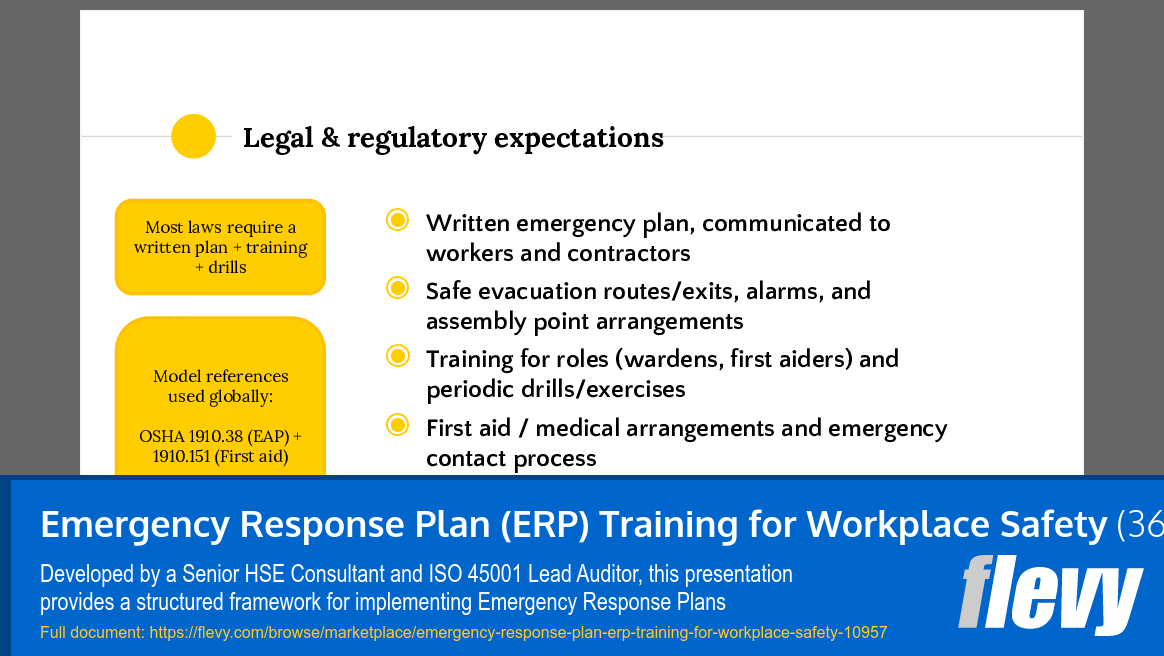
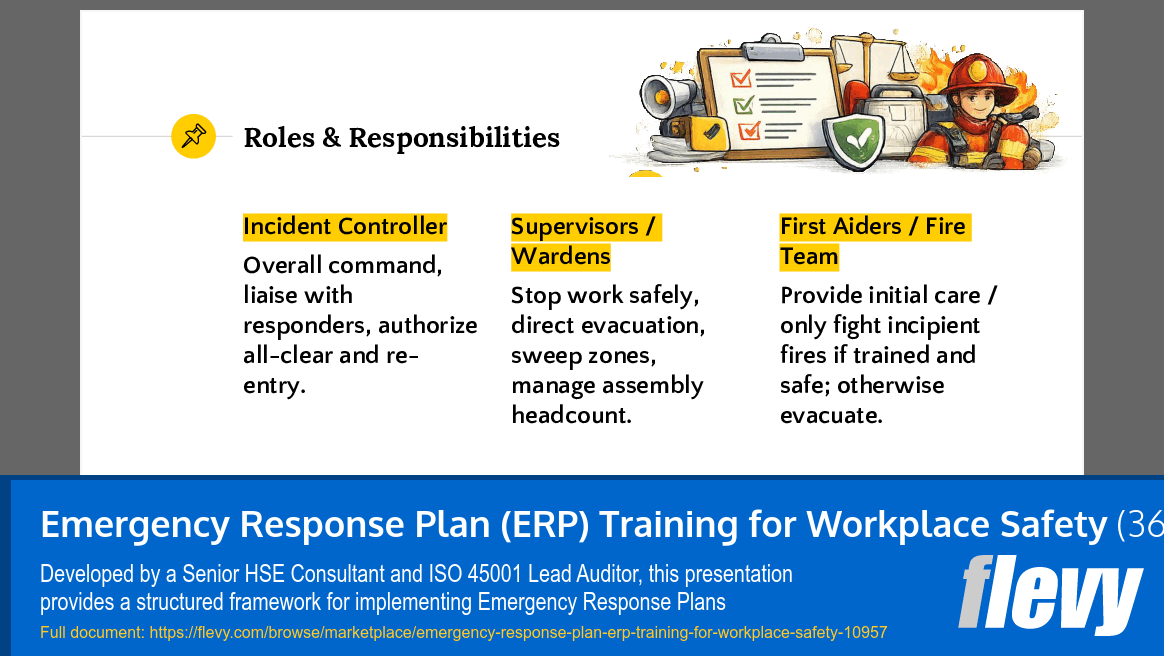
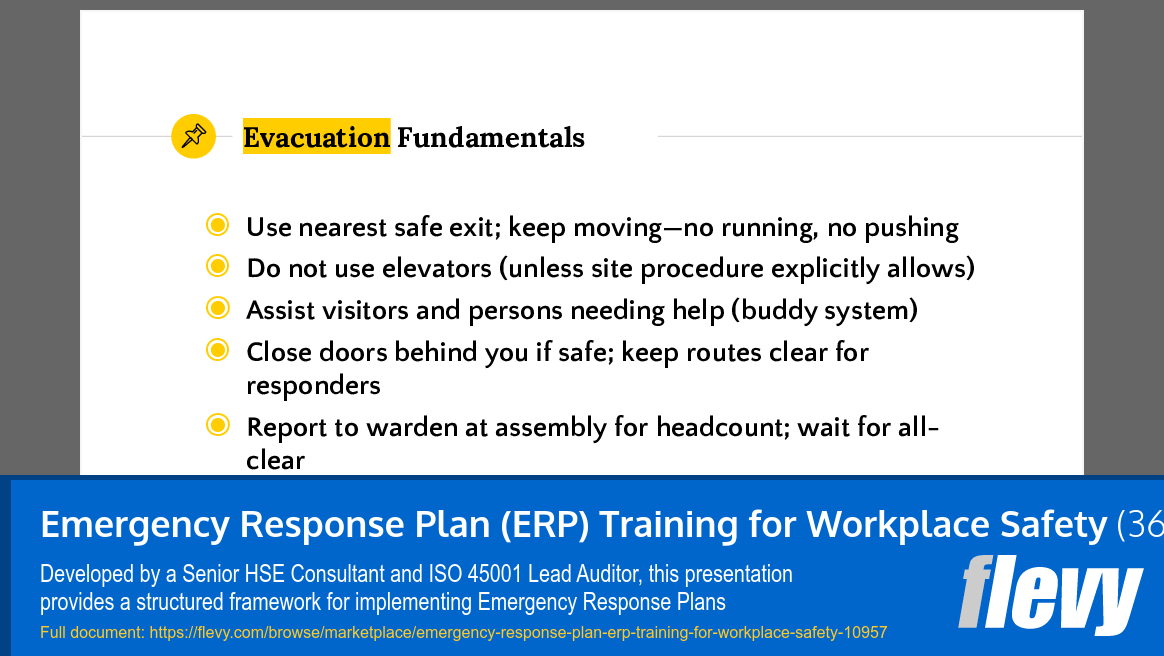
The document then explains the core elements that must exist in an effective ERP. These include emergency communication systems, evacuation procedures, defined emergency roles and responsibilities, emergency equipment readiness, and coordination with external emergency services. The presentation also discusses legal and regulatory expectations commonly found in occupational safety laws and international standards.
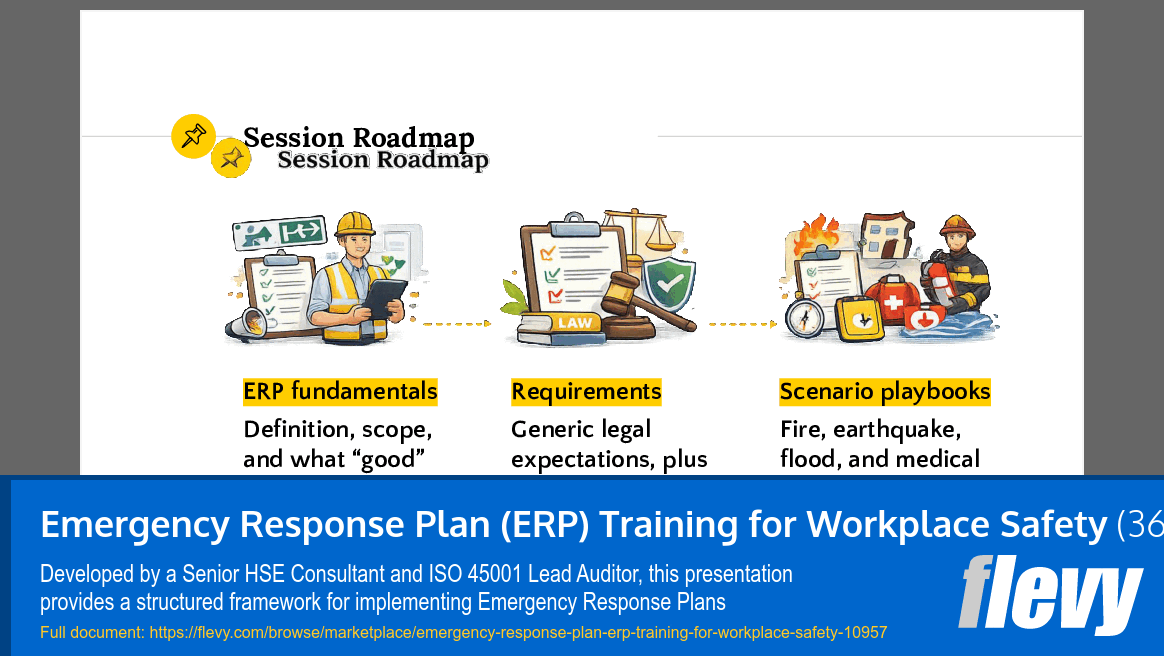
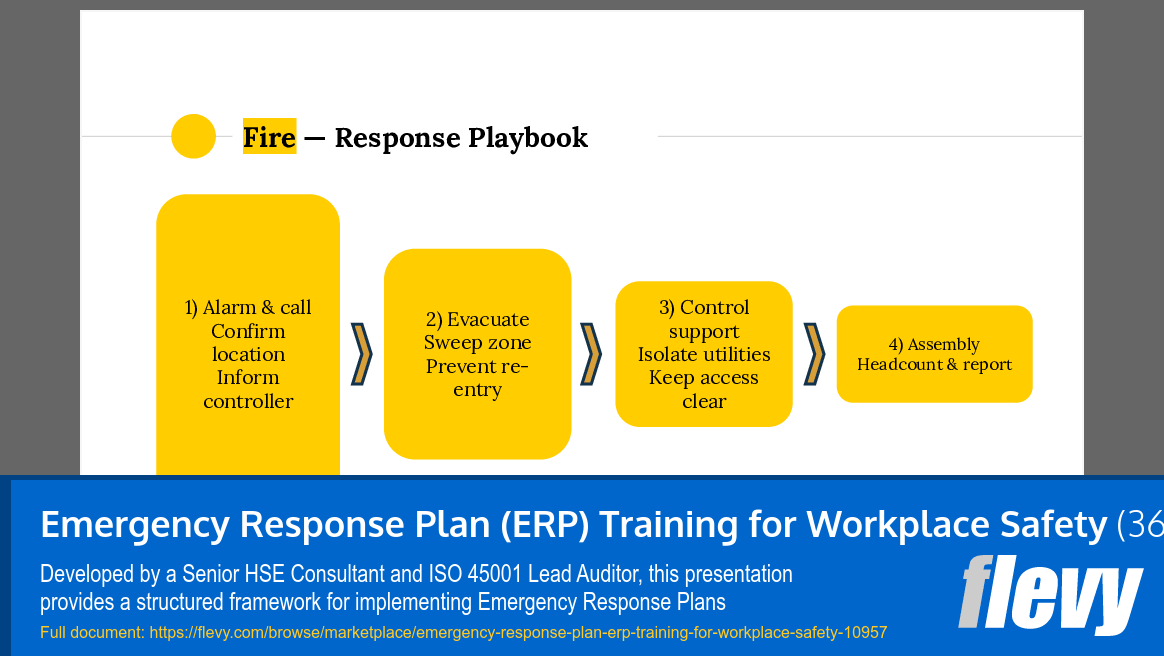
A significant portion of the presentation focuses on practical response procedures for common workplace emergencies. Detailed scenario guidance is provided for fire emergencies, earthquakes, floods, and medical incidents. These sections explain how employees should respond, what supervisors and wardens should do, and how organizations can manage emergency communication and accountability during incidents.
The presentation also explains the importance of emergency drills and demonstrations. Organizations must regularly test their emergency preparedness systems to ensure employees understand evacuation procedures, communication protocols, and emergency responsibilities. Different types of drills such as tabletop exercises, functional drills, and evacuation drills are explained along with best practices for conducting and evaluating them.
Finally, the presentation links Emergency Response Planning with the requirements of ISO 45001 Clause 8.2 on Emergency Preparedness and Response. It explains how organizations must identify credible emergency scenarios, establish response procedures, train employees, test emergency plans through drills, and continuously improve emergency preparedness processes.
Overall, this presentation provides a practical and structured resource for organizations seeking to strengthen workplace safety and emergency preparedness programs.
Got a question about the product? Email us at support@flevy.com or ask the author directly by using the "Ask the Author a Question" form. If you cannot view the preview above this document description, go here to view the large preview instead.
Source: Best Practices in Workplace Safety PowerPoint Slides: Emergency Response Plan (ERP) Training for Workplace Safety PowerPoint (PPTX) Presentation Slide Deck, HSE-Q Training International
ABOUT THE AUTHOR
HSE-Q Training International is a professional training and consulting firm specializing in ISO Management Systems, Environmental Management, Occupational Health & Safety, ESG-related compliance, risk management, and operational excellence.
Our team has extensive experience supporting organizations across construction, infrastructure, logistics, manufacturing, healthcare, warehousing, and
... [read more]
Ask the Author a Question
You must be logged in to contact the author.




























