Organizations need to understand the difference between procurement and purchasing.
While purchasing relates to ordering the goods from some vendors, procurement is more of a strategic approach, creating the foundation and the guidelines for the purchasing officer or purchaser to know how to order the products the organization needs.
Indeed, depending on the part/product profile and its use as well as its supply risk, the procurement strategy will be different and will need a different approach.
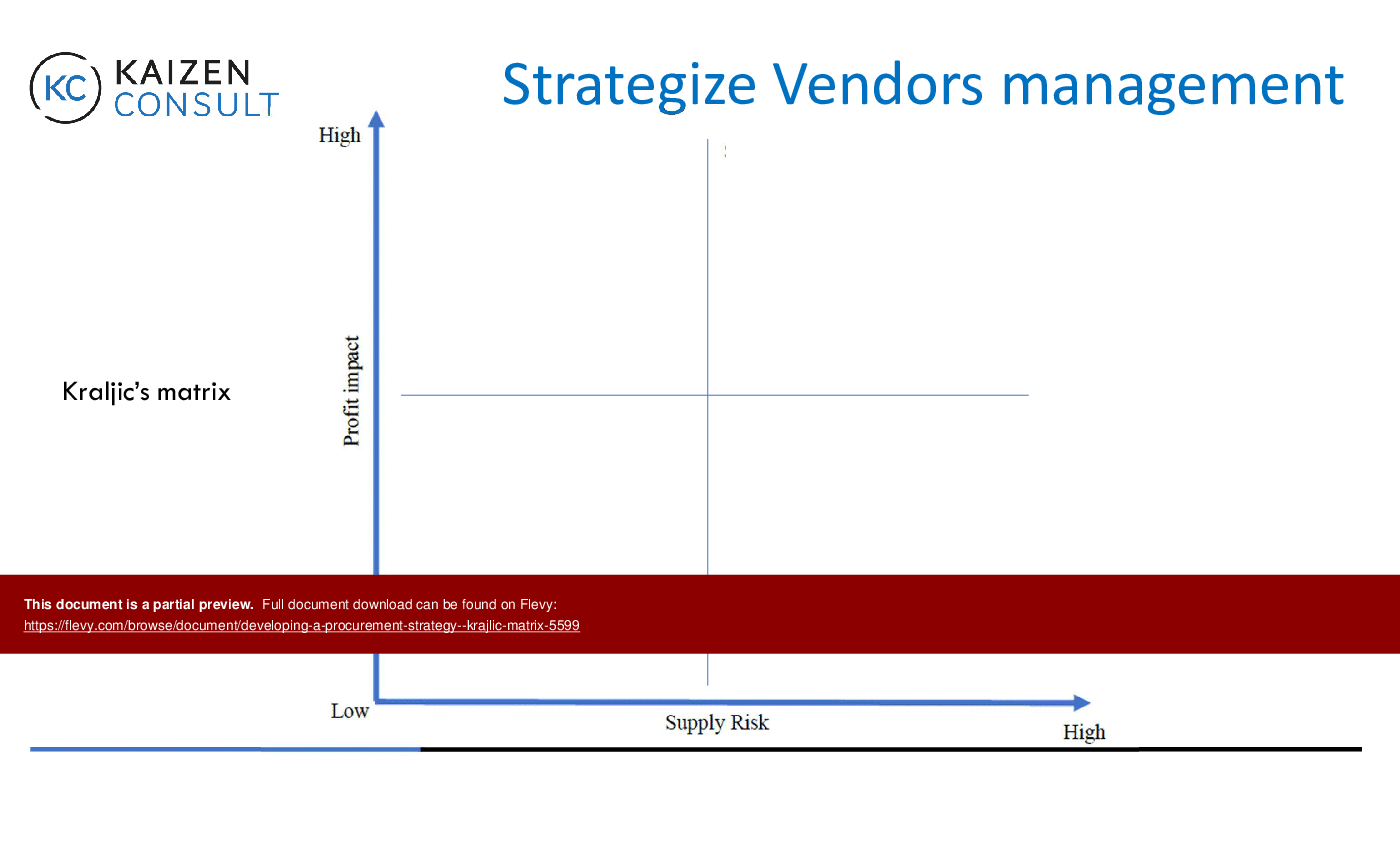
In this presentation, we give you a high-level understanding of how to develop and design a procurement strategy using the Kraljic matric. This model is an easy-to-use model allowing for a quick review of the organization's part list and categorizes them clearly into the best way to handle the procurement.
Once developed, purchasers will only have to follow the strategy to get things done and manage their vendors accordingly.
Don't hesitate to contact us should you need more information.
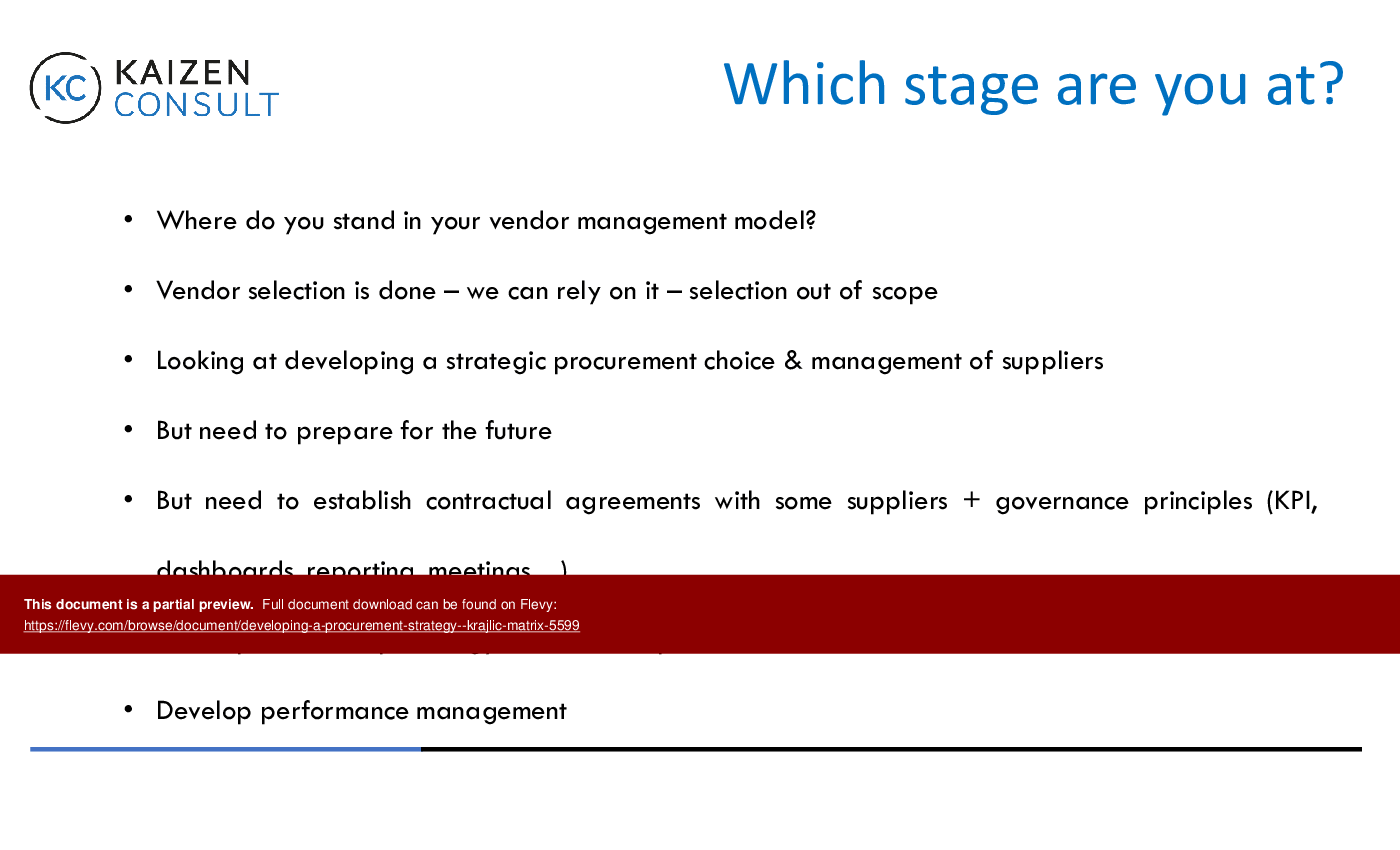
This PPT delves into the intricacies of vendor management, guiding you through the stages of developing a strategic procurement choice and supplier management. It emphasizes the importance of preparing for future needs and establishing robust contractual agreements with suppliers. The focus is on performance management and governance principles, ensuring that your procurement strategy is not only effective, but also sustainable.
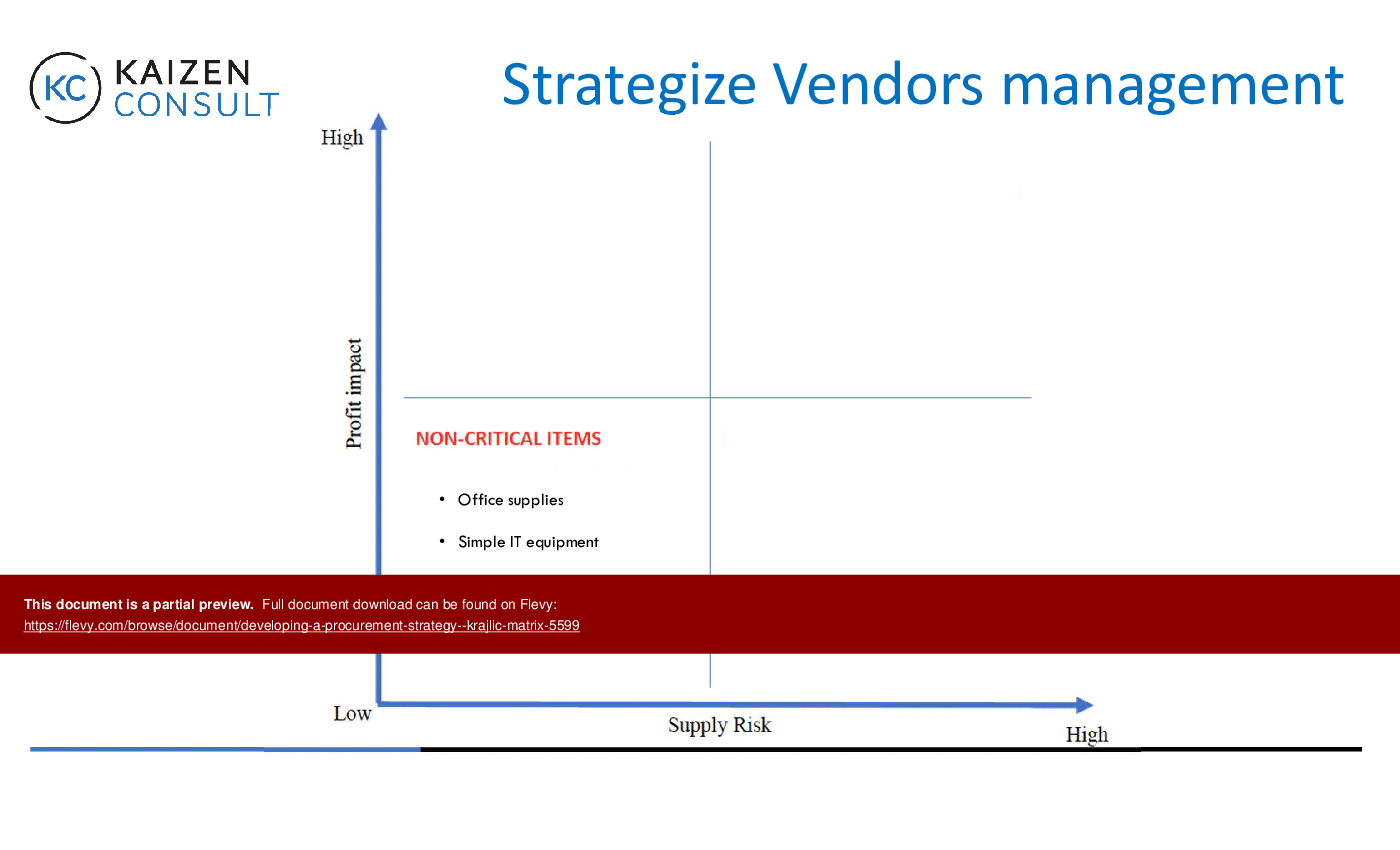
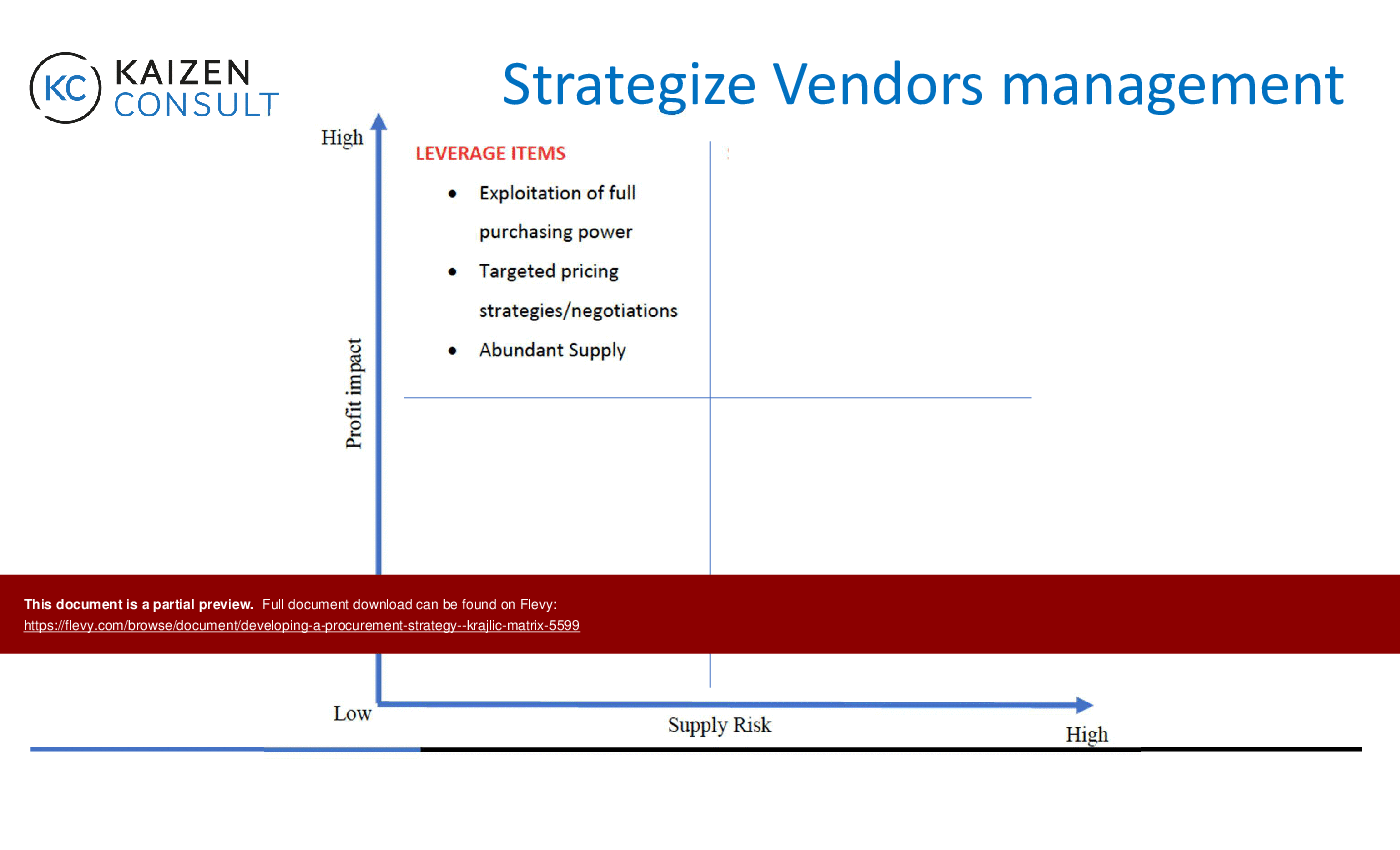
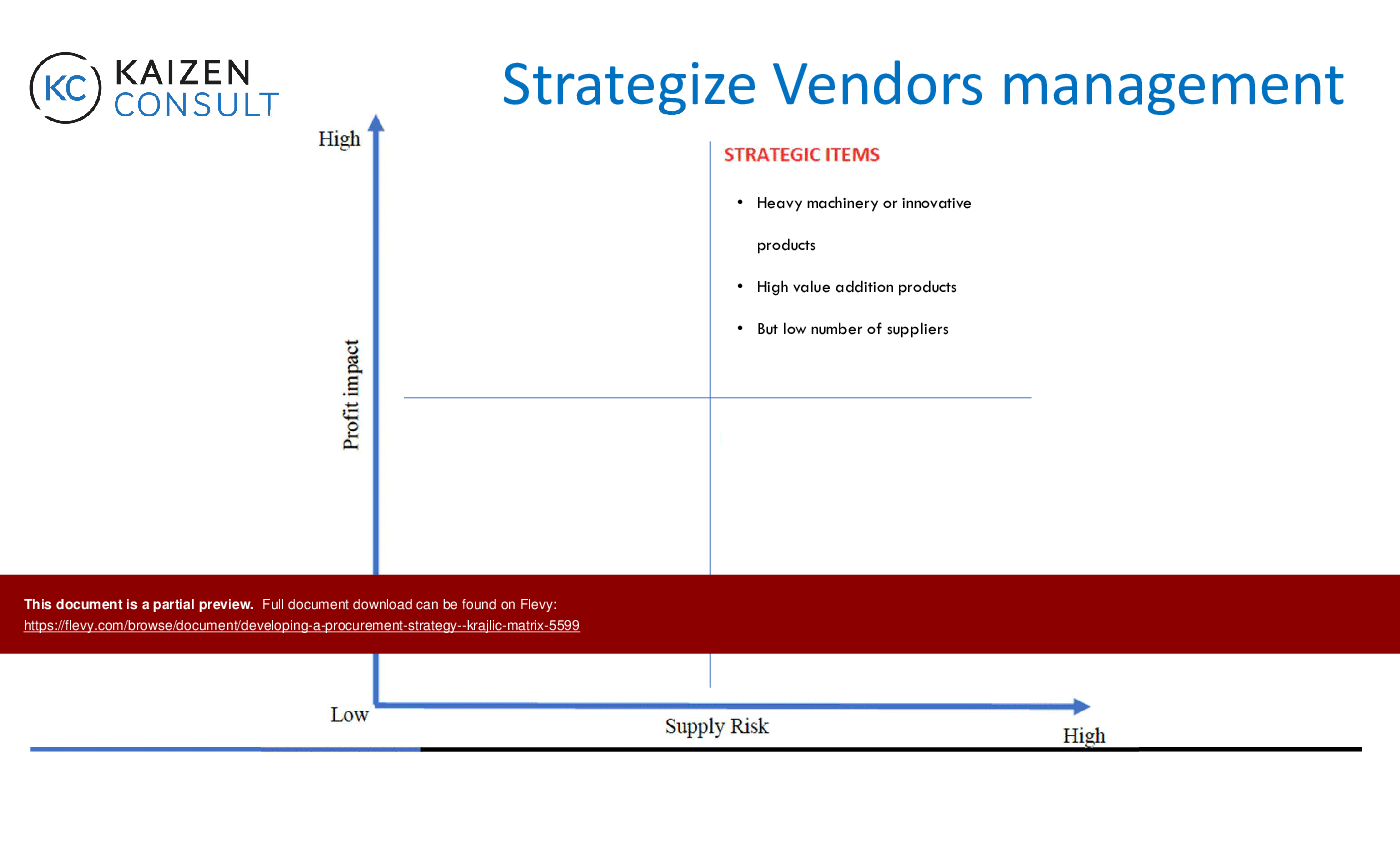
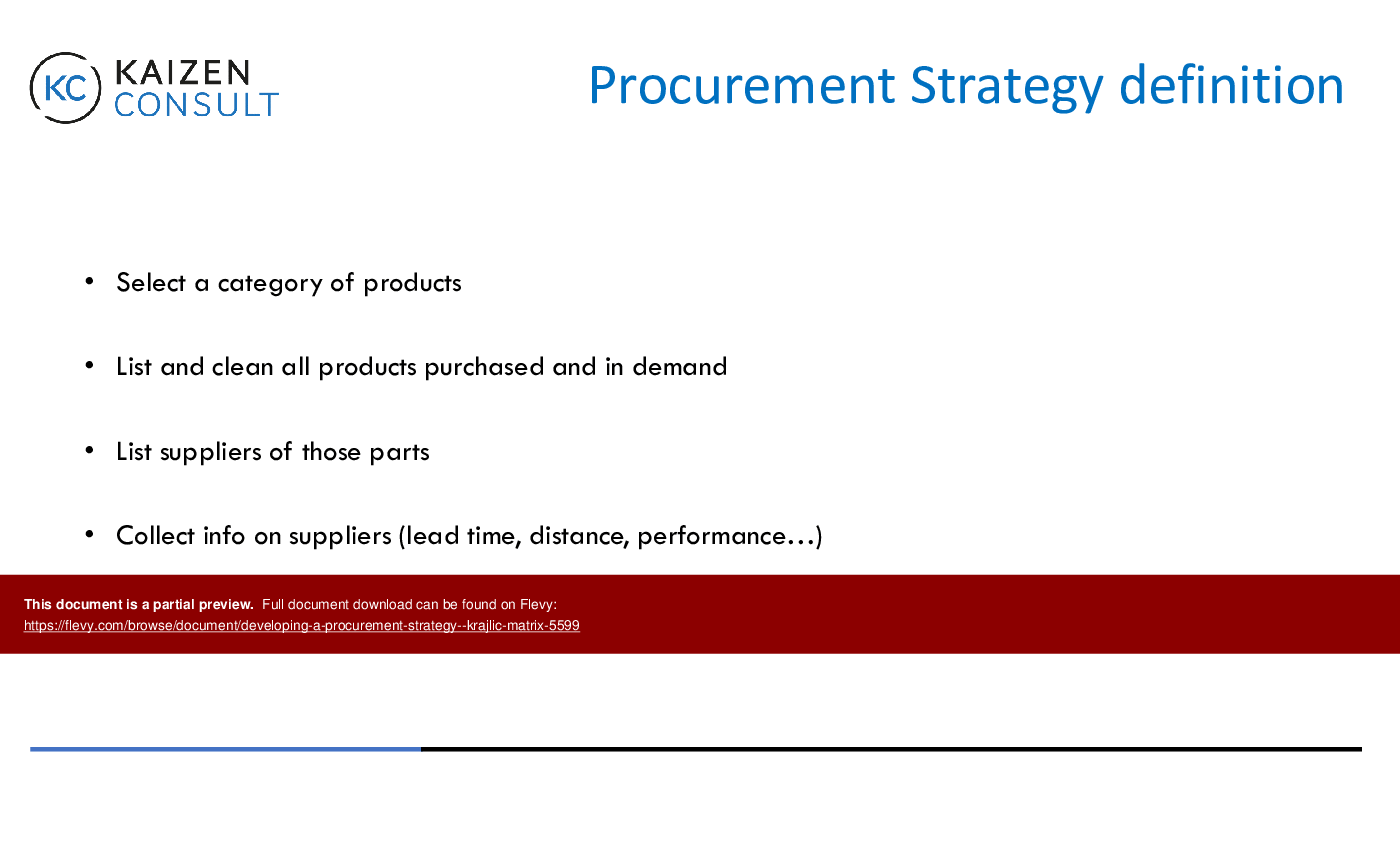
The Kraljic Matrix is presented as a tool for categorizing items based on their profit impact and supply risk. This segmentation allows for tailored strategies for non-critical items, leverage items, and strategic items. The document outlines practical steps for defining your procurement strategy, including product categorization, supplier listing, and information collection. It also explores different typologies of inter-organizational relationships, from adversarial to collaborative, providing a comprehensive approach to procurement strategy development.
Got a question about the product? Email us at support@flevy.com or ask the author directly by using the "Ask the Author a Question" form. If you cannot view the preview above this document description, go here to view the large preview instead.
Executive Summary
The "Developing a Procurement Strategy - Kraljic Matrix" presentation equips corporate executives and procurement professionals with essential tools to enhance supplier management and make informed purchasing decisions. This deck focuses on utilizing the Kraljic Matrix to assess supply risk and profit impact, enabling organizations to develop robust procurement strategies. By leveraging this framework, users can prioritize vendors, establish contractual agreements, and implement performance monitoring tools, ultimately leading to improved vendor relationships and operational efficiency.
Who This Is For and When to Use
• Procurement managers seeking to refine their vendor management processes
• Supply chain professionals focused on risk management and supplier performance
• Corporate executives aiming to align procurement strategies with business objectives
• Consultants advising organizations on procurement optimization
Best-fit moments to use this deck:
• During strategic planning sessions to define procurement priorities
• When assessing current vendor performance and identifying areas for improvement
• In workshops focused on developing long-term supplier relationships
• For training sessions on the Kraljic Matrix and its application in procurement
Learning Objectives
• Define the Kraljic Matrix and its relevance to procurement strategy
• Analyze supply risk and profit impact for effective vendor prioritization
• Develop a comprehensive procurement strategy that aligns with organizational goals
• Create contractual agreements that enhance supplier relationships
• Implement performance monitoring tools to track vendor effectiveness
• Establish governance principles for ongoing vendor management
Table of Contents
• Introduction to Procurement Strategy (page 1)
• Importance of Vendor Management (page 2)
• Evolution of Vendor Management (page 3)
• Assessing Your Vendor Management Stage (page 4)
• Kraljic Matrix Overview (page 5)
• Strategic Vendor Management (page 6)
• Understanding Supply Risk (page 8)
• Understanding Profit Risk (page 9)
• Designing Your Procurement Strategy (page 18)
• Vendor Relationships (page 21)
• Typologies of Inter-Organizational Relationships (page 22)
Primary Topics Covered
• Vendor Management Importance - Highlights the critical role vendor management plays in risk mitigation and quality control, emphasizing that effective vendor relationships are an investment.
• Kraljic Matrix - Introduces the Kraljic Matrix as a tool for comparing supply risk and profit impact, guiding organizations in developing tailored procurement strategies.
• Supply Risk Assessment - Provides a framework for identifying complexities in supply chains and evaluating the availability of suppliers.
• Profit Risk Assessment - Focuses on understanding the financial implications of product shortages and the criticality of various products to business operations.
• Procurement Strategy Design - Outlines steps for selecting product categories, assessing supplier performance, and linking supply risks to vendor capabilities.
• Vendor Relationship Management - Discusses the importance of developing collaborative relationships with vendors to enhance performance and innovation.
Deliverables, Templates, and Tools
• Kraljic Matrix template for assessing supply risk and profit impact
• Vendor performance monitoring tools to track and improve supplier effectiveness
• Contractual agreement templates for establishing clear expectations with vendors
• Guidelines for developing a strategic procurement roadmap
• Performance management frameworks for ongoing vendor evaluation
Slide Highlights
• Overview of the Kraljic Matrix and its application in vendor management
• Visual representation of supply risk versus profit impact for strategic decision-making
• Framework for assessing vendor performance and establishing governance principles
• Comparative analysis of adversarial versus collaborative vendor relationships
• Step-by-step guide for designing a procurement strategy
Potential Workshop Agenda
Kraljic Matrix Introduction (60 minutes)
• Overview of the Kraljic Matrix and its relevance
• Group discussion on current vendor management practices
• Interactive exercise to assess supply risk and profit impact
Vendor Relationship Development (90 minutes)
• Strategies for enhancing vendor collaboration
• Role-playing scenarios to practice negotiation techniques
• Development of action plans for vendor engagement
Procurement Strategy Workshop (120 minutes)
• Breakout sessions to design tailored procurement strategies
• Presentations of group strategies and feedback
• Establishing metrics for ongoing performance evaluation
Customization Guidance
• Tailor the Kraljic Matrix to reflect specific organizational priorities and product categories
• Adjust performance monitoring tools to align with internal metrics and KPIs
• Incorporate organizational terminology and governance structures into contractual agreements
• Modify the procurement strategy framework to suit unique business contexts
Secondary Topics Covered
• Risk management principles in vendor selection
• Techniques for optimizing supplier performance
• Strategies for fostering innovation through vendor partnerships
• Importance of communication and trust in vendor relationships
Topic FAQ
Document FAQ
These are questions addressed within this presentation.
What is the Kraljic Matrix?
The Kraljic Matrix is a strategic tool used to assess supply risk and profit impact, helping organizations categorize their suppliers and develop tailored procurement strategies.
How can I assess supply risk effectively?
Evaluate factors such as supplier availability, complexity of supply chains, and potential shortages to understand the risks associated with each product.
What are the benefits of collaborative vendor relationships?
Collaborative relationships foster innovation, improve communication, and enhance trust, leading to better overall performance and mutual benefits.
How do I implement performance monitoring tools?
Develop specific metrics and KPIs to track vendor performance, ensuring that these tools align with your strategic objectives and provide actionable insights.
What should be included in a contractual agreement with a vendor?
Key elements include service scope, performance expectations, pricing structures, and governance principles to ensure clarity and accountability.
How can I use the Kraljic Matrix in my organization?
Apply the matrix to categorize your suppliers based on supply risk and profit impact, guiding your procurement strategy and vendor management efforts.
What is the significance of understanding profit risk?
Understanding profit risk helps organizations identify critical products and the potential consequences of supply disruptions, enabling proactive management.
How can I tailor the procurement strategy to my organization?
Customize the strategy by incorporating specific organizational goals, supplier capabilities, and market conditions to ensure relevance and effectiveness.
Glossary
• Kraljic Matrix - A strategic framework for assessing supply risk and profit impact in vendor management.
• Supply Risk - The potential challenges and uncertainties associated with sourcing products from suppliers.
• Profit Impact - The financial consequences of product shortages or disruptions in the supply chain.
• Vendor Performance Monitoring - The process of evaluating and tracking supplier effectiveness and compliance with agreements.
• Collaborative Relationships - Partnerships with vendors characterized by mutual trust, open communication, and shared goals.
• Contractual Agreement - A legally binding document outlining the terms and conditions of the relationship between a buyer and a supplier.
• Governance Principles - Guidelines and frameworks that establish accountability and oversight in vendor management.
• Performance Metrics - Quantifiable measures used to assess vendor performance and effectiveness.
• Procurement Strategy - A comprehensive plan outlining how an organization will acquire goods and services.
• Adversarial Relationships - Vendor relationships characterized by competition and conflict rather than collaboration.
• Strategic Items - Products or services that have a significant impact on an organization's operations and profitability.
• Leverage Items - Products that can be sourced easily and have a high supply availability, allowing for negotiation advantages.
• Bottleneck Items - Products that are critical, but have limited supply options, requiring careful management.
• Non-Critical Items - Low-impact products that are readily available and do not significantly affect business operations.
• Vendor Relationship Management - The process of developing and maintaining positive relationships with suppliers.
• Risk Management - The identification, assessment, and prioritization of risks followed by coordinated efforts to minimize or control them.
• Supply Chain Optimization - The process of enhancing supply chain efficiency and effectiveness to improve overall performance.
• Performance Improvement - Initiatives aimed at enhancing the effectiveness and efficiency of vendor operations.
• Innovation - The introduction of new ideas, products, or processes to improve vendor performance and collaboration.
• Purchasing Power - The ability of an organization to influence supplier pricing and terms based on its buying volume.
• Supplier Evaluation - The process of assessing and selecting suppliers based on specific criteria and performance metrics.
• Vendor Selection - The process of choosing suppliers based on their ability to meet organizational needs and requirements.
Source: Best Practices in Procurement Strategy PowerPoint Slides: Developing a Procurement Strategy - Krajlic Matrix PowerPoint (PPTX) Presentation Slide Deck, Kaizen Consult
|
Receive our FREE presentation on Operational Excellence
This 50-slide presentation provides a high-level introduction to the 4 Building Blocks of Operational Excellence. Achieving OpEx requires the implementation of a Business Execution System that integrates these 4 building blocks. |










