
 Click main image to view in full screen. Unlock all 12 preview images:


AGRICULTURE INDUSTRY EXCEL DESCRIPTION
The poultry industry is a thriving sector, and a well-structured chicken egg farm can be a profitable venture if managed correctly. A comprehensive Chicken Egg Farming Excel Financial Model serves as an essential tool for poultry farmers to evaluate the financial health of their business, plan for sustainable growth, and make informed decisions. This financial tool offers a detailed breakdown of the financial aspects of an egg farming business, ensuring proper financial planning and forecasting.
Key Features of This Model
1. Initial Investment and Startup Costs
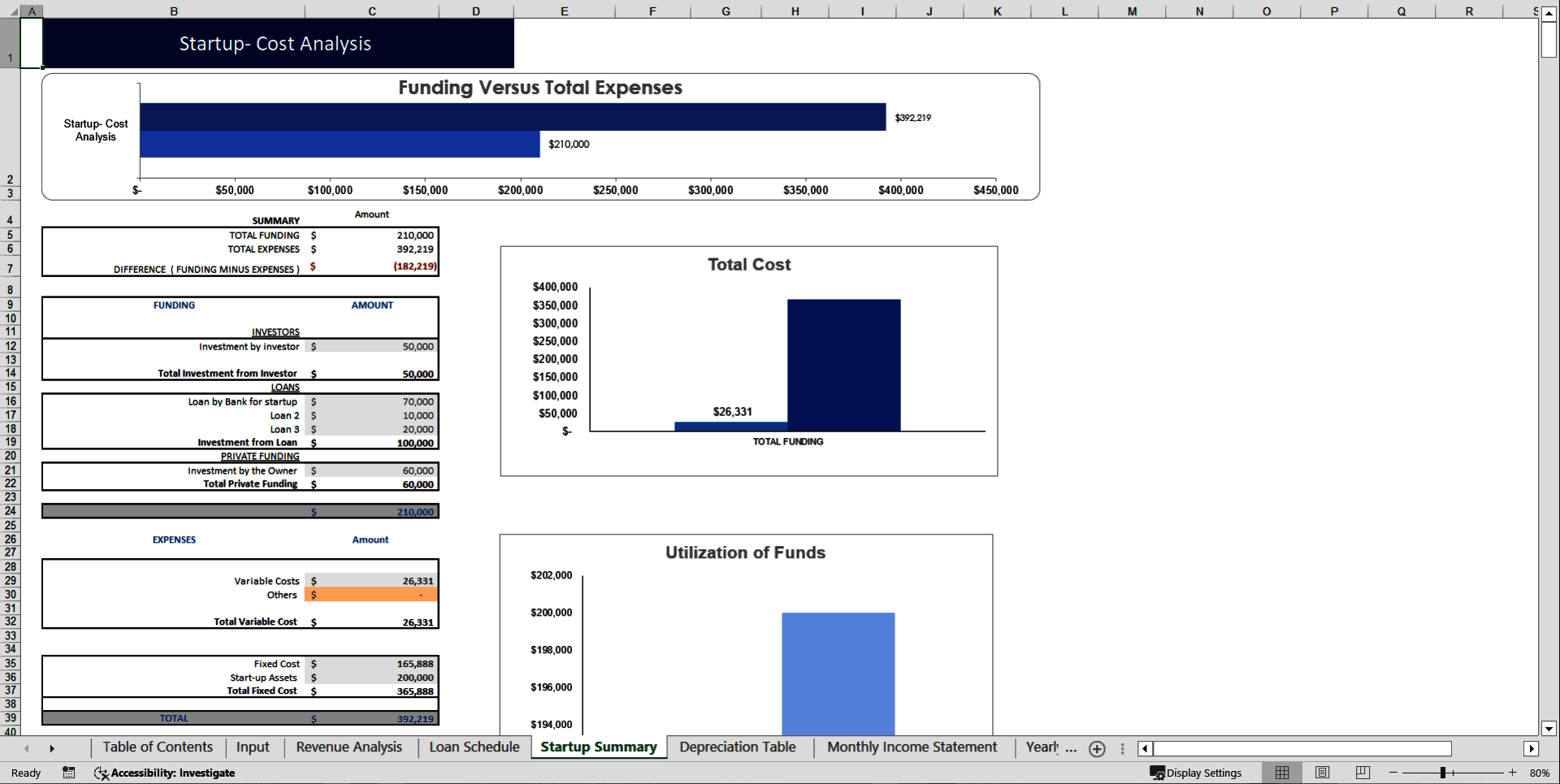
Setting up a solid poultry farm requires a clear understanding of initial costs, which include:
1. Land, infrastructure, and equipment expenses
2. Feed costs, transportation costs, and labor costs
3. Overhead costs and regulatory requirements compliance
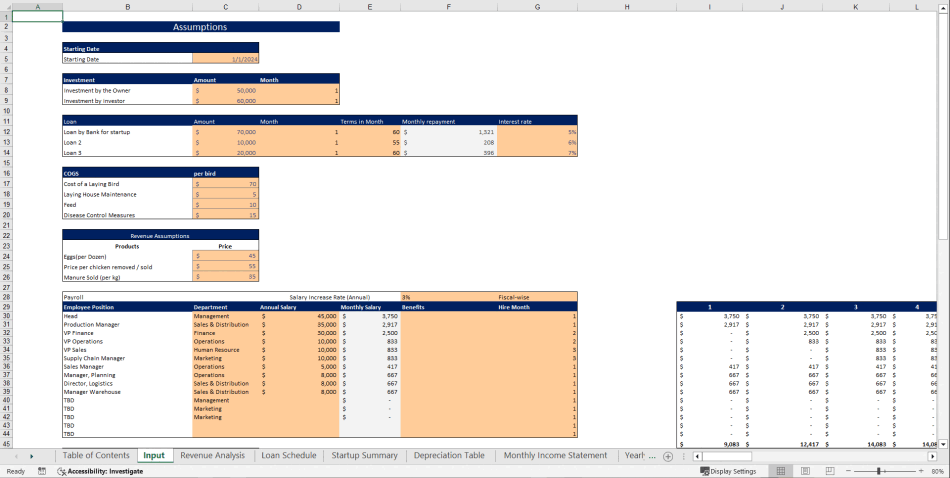
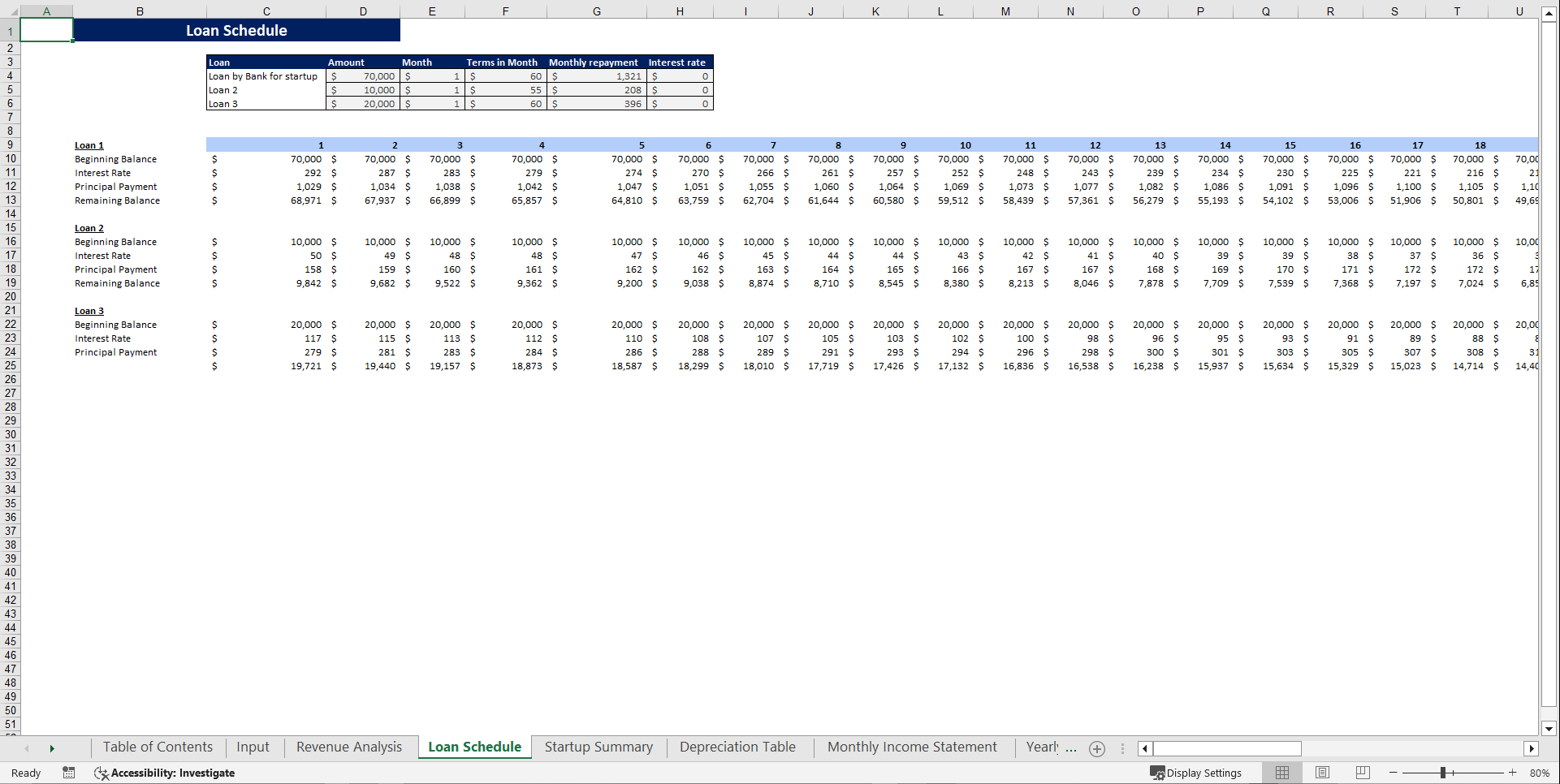
4. Bank loan considerations and financial assumptions
A comprehensive financial plan helps determine the total startup capital required and identifies potential costs that may arise.
2. Revenue and Sales Forecasts
Revenue streams in poultry financial models primarily depend on:
1. Sales volume and market demand
2. Pricing strategies and consumer preferences
3. Revenue forecasts based on industry standards and market prices
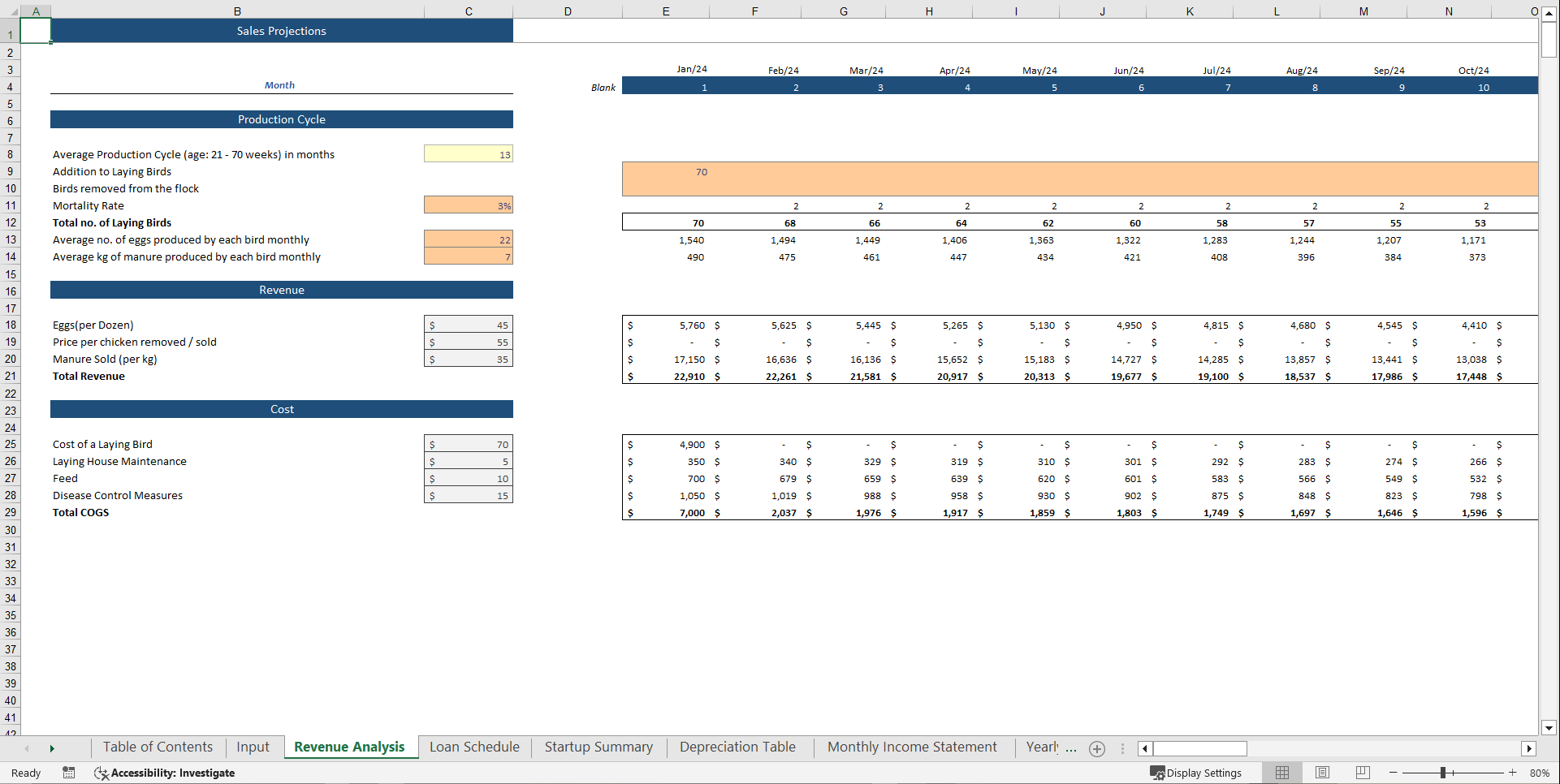
The Revenue Analysis section provides insights into expected income streams, helping poultry farmers evaluate their growth potential.
3. Profitability and Cash Flow Management
A poultry farm's financial success depends on effectively managing profitability KPIs, cash flow projections, and operational costs. The financial statements included in the model ensure a clear cash flow analysis, covering:
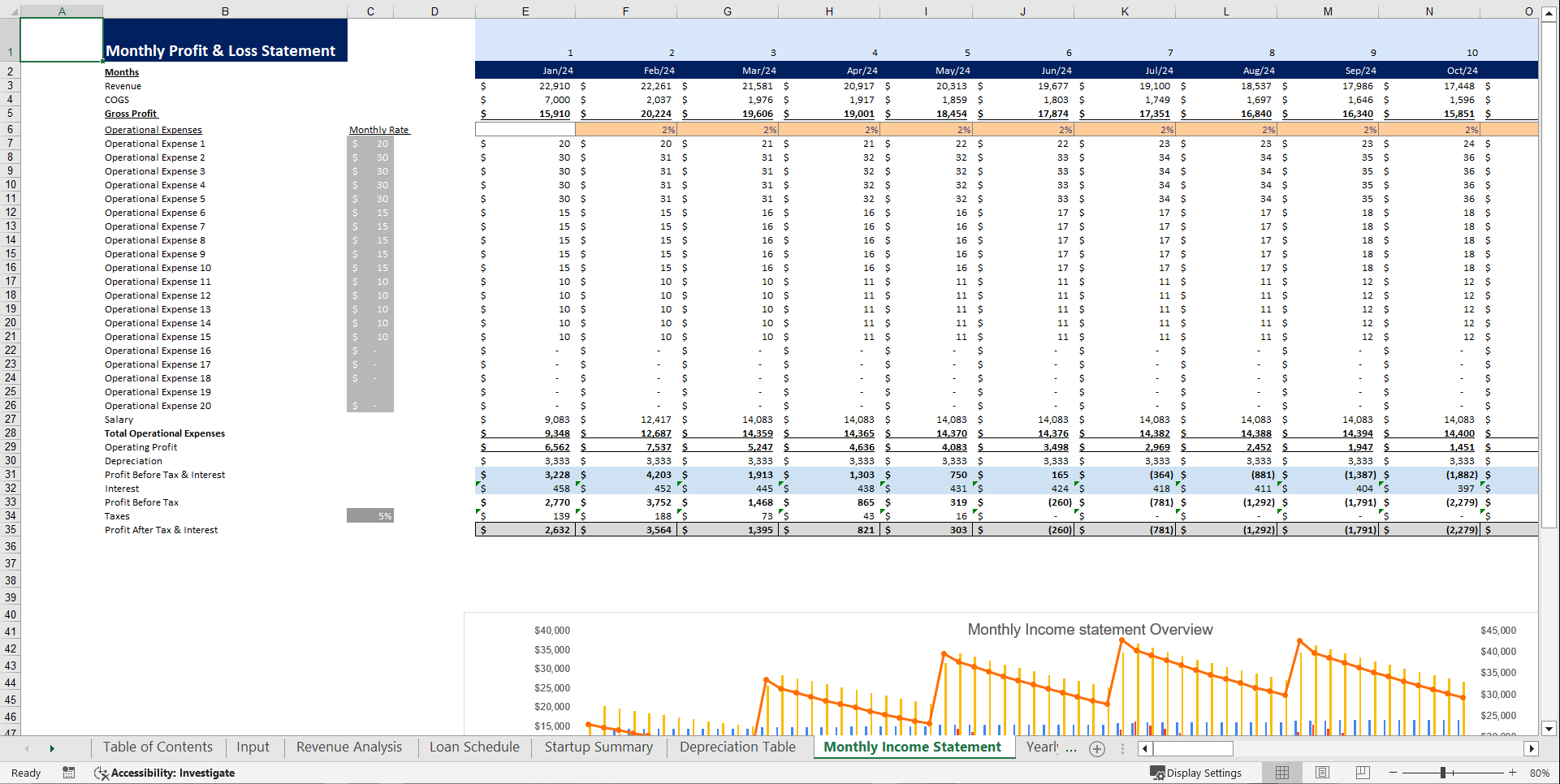
1. Monthly income statement
2. Cash flow statement
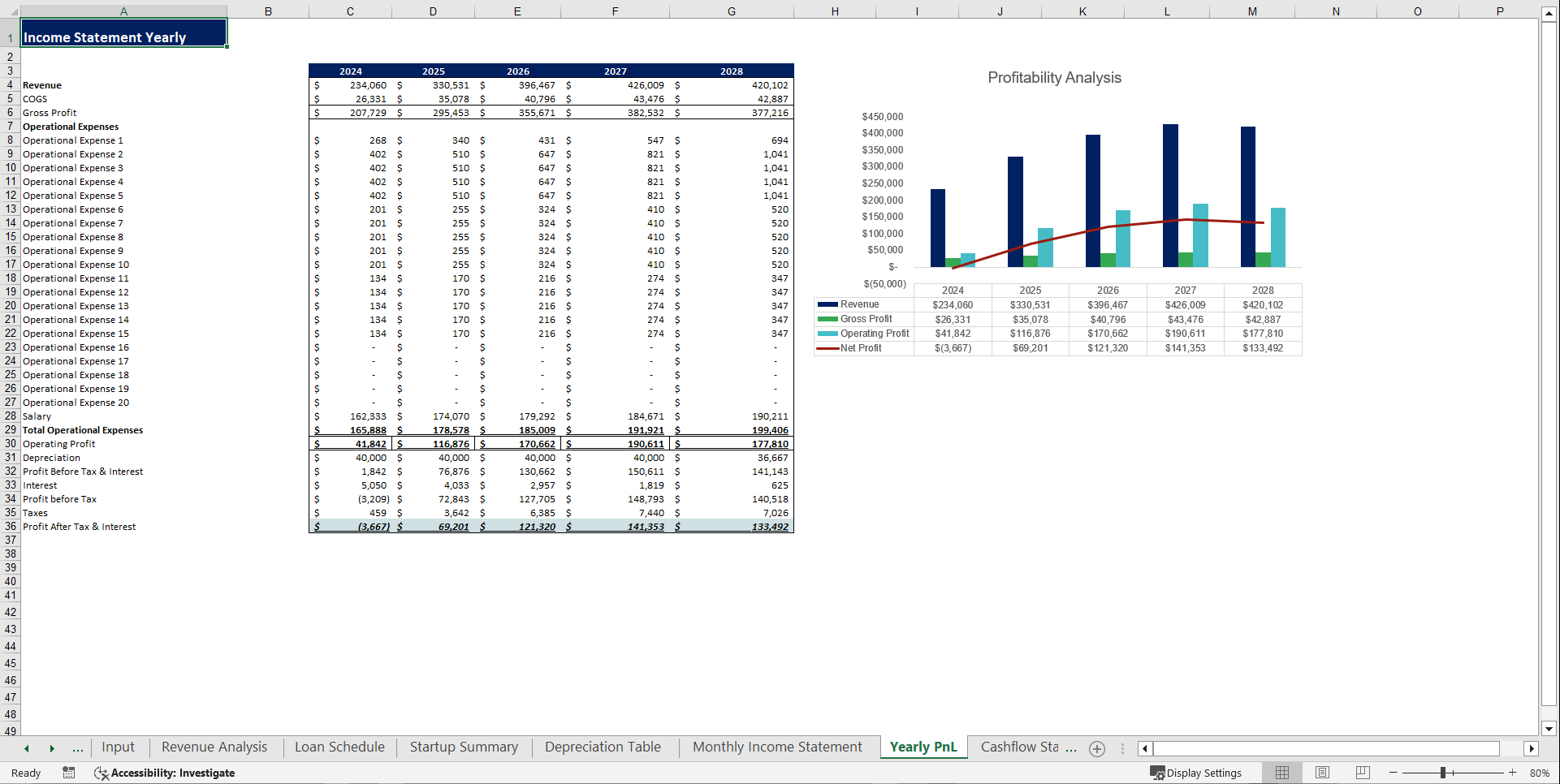
3. Profit and loss statements
4. Break-even analysis
Forecasting cash flow and monitoring actuals vs. forecast is crucial to maintaining financial stability and achieving long-term success.
4. Financial Forecasting and Performance Evaluation
A well-structured poultry farm financial model includes key performance indicators (KPIs) to assess financial performance. These indicators provide accurate insights into the farm's profitability, ongoing expenses, and unexpected expenses.
1. Sensitivity Analysis evaluates how changes in market conditions affect financial projections.
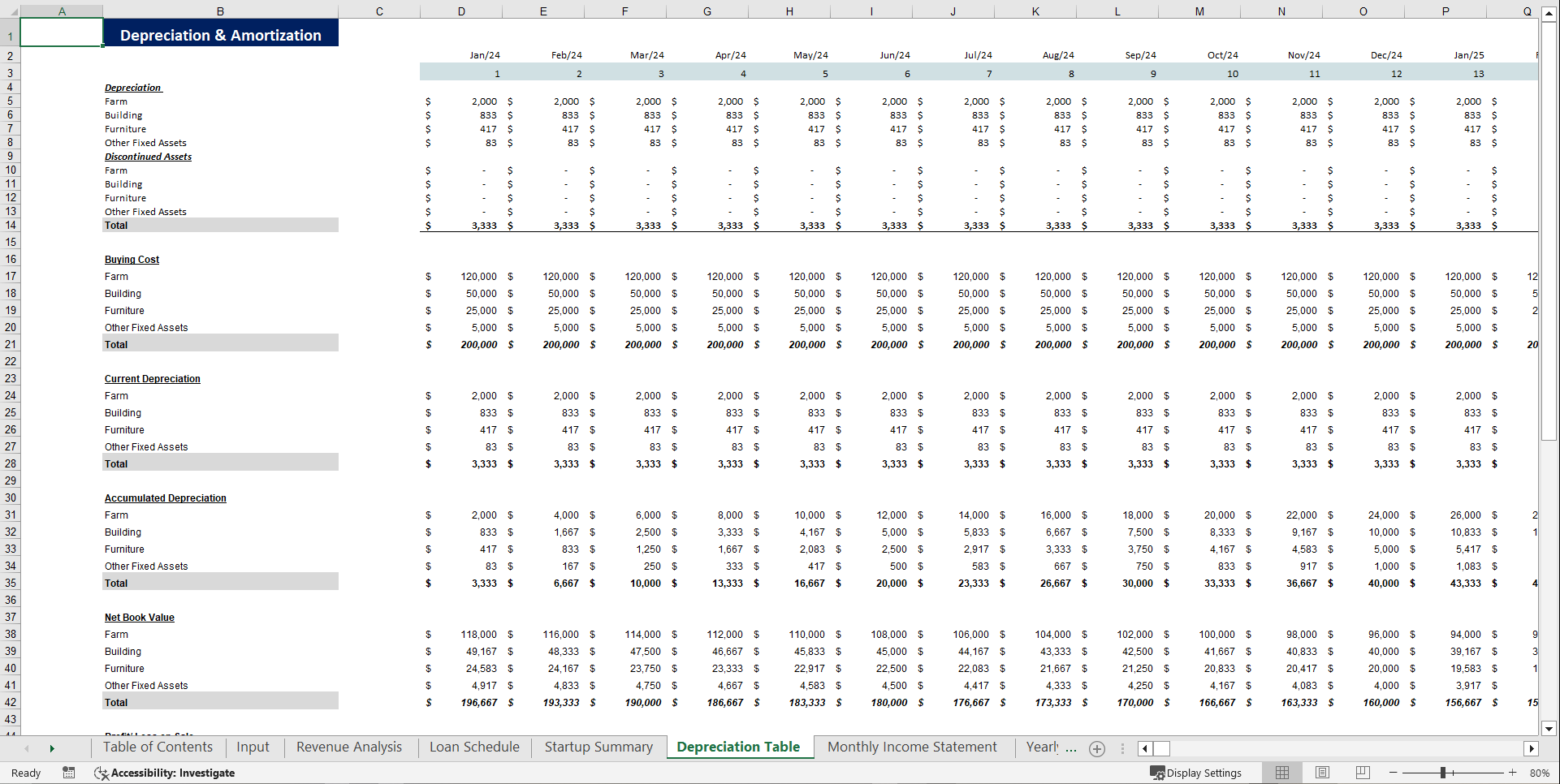
2. Depreciation Table helps account for asset value reduction over time.
3. Project Evaluation provides a clear financial roadmap for future growth.
Benefits of Using This Model
1. Provides a comprehensive breakdown of financial statements and cash flow projections
2. Enhances financial planning and assists in making informed financial decisions
3. Helps in strategic planning and sustainable poultry farming practices
4. Assesses growth potential with industry benchmarks and financial assumptions
5. Offers visual representations and dashboards for easy analysis of financial health
How to Use This Model for Customization
This financial model is designed for flexibility, allowing users to tailor inputs based on their unique business needs. To customize:
1. Adjust startup costs, feed costs, labor costs, and operational expenses
2. Modify revenue forecasts based on market demand and consumer preferences
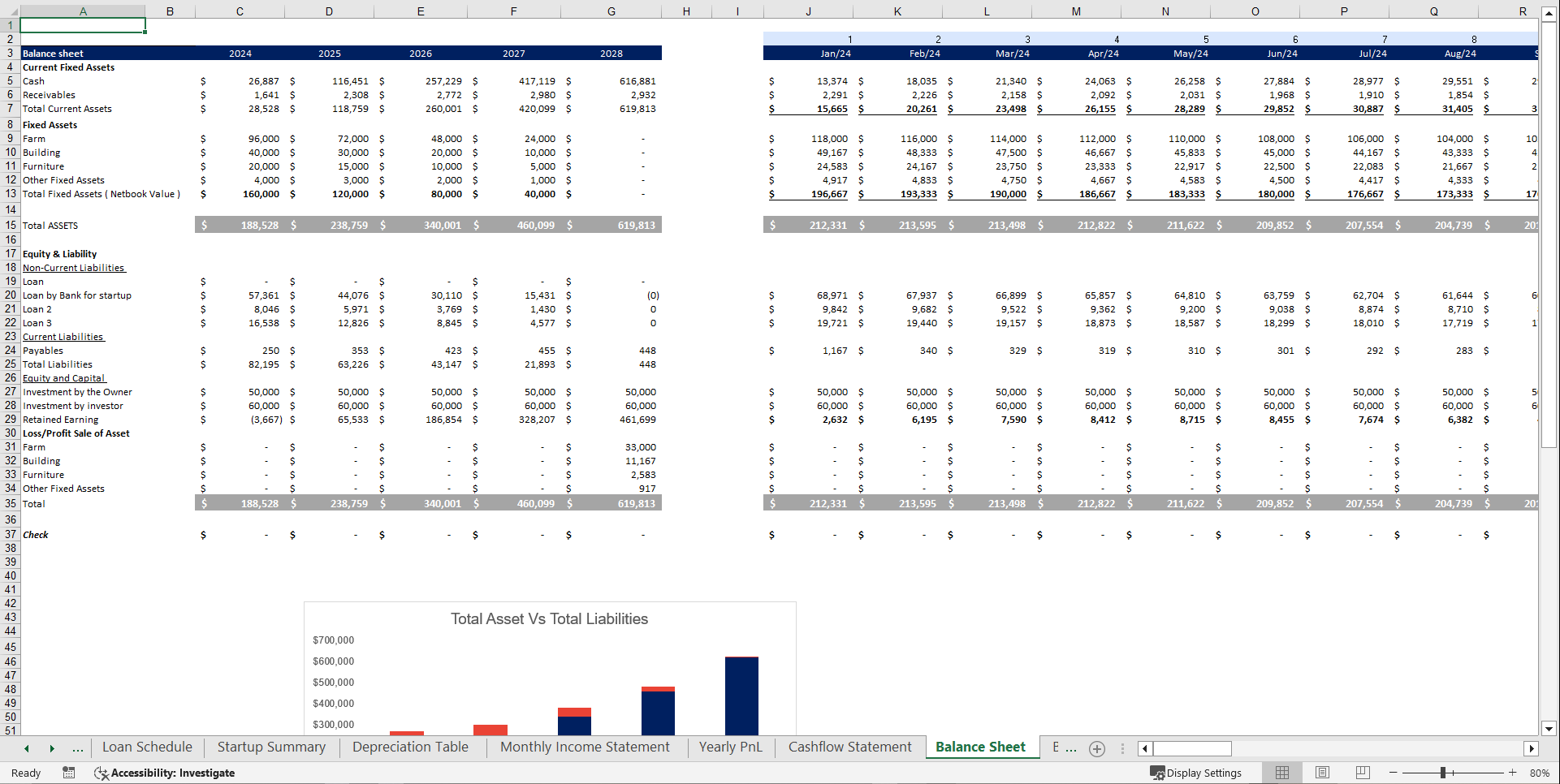
3. Update cash flow statements and balance sheets with actual financial data
4. Utilize break-even analysis to set realistic pricing strategies
5. Adapt sensitivity analysis to test different financial scenarios
Who Is This Model For?
This financial model is ideal for:
1. Small-scale poultry farmers looking to understand financial aspects of their business
2. Investors evaluating poultry farm financial projections before committing funds
3. Business owners planning sustainable growth in the poultry industry
4. Entrepreneurs interested in organic poultry startups and range poultry business expenses
5. Consultants and financial analysts conducting feasibility studies
FAQs
1. Why is financial forecasting important for a chicken egg farm?
Financial forecasting helps poultry farmers predict cash flows, revenue streams, and potential costs, allowing them to make informed financial decisions and plan for sustainable growth.
2. What are the key metrics to track in a poultry farm financial model?
Essential metrics include revenue forecasts, cash flow KPIs, profitability KPIs, operating expenses, and industry benchmarks to evaluate financial performance.
3. How does a break-even analysis help poultry farmers?
Break-even analysis determines the minimum sales required to cover operational costs, helping farmers set realistic pricing strategies and financial goals.
4. How can poultry farmers reduce startup costs?
Farmers can minimize startup costs by optimizing initial expenses, securing a bank loan with favorable terms, and implementing sustainable poultry farming practices to reduce overhead and feed costs.
Got a question about the product? Email us at support@flevy.com or ask the author directly by using the "Ask the Author a Question" form. If you cannot view the preview above this document description, go here to view the large preview instead.
Source: Best Practices in Agriculture Industry, Integrated Financial Model Excel: Chicken Egg Farming Financial Model Template Excel (XLSX) Spreadsheet, Oak Business Consultant




























