
 Click main image to view in full screen. Unlock all 18 preview images:
Business Process Management (BPM) – PowerPoint PPTX Template
PowerPoint (PPTX) 55 Slides


BPM PPT TEMPLATE DESCRIPTION
Business Process Management (BPM)
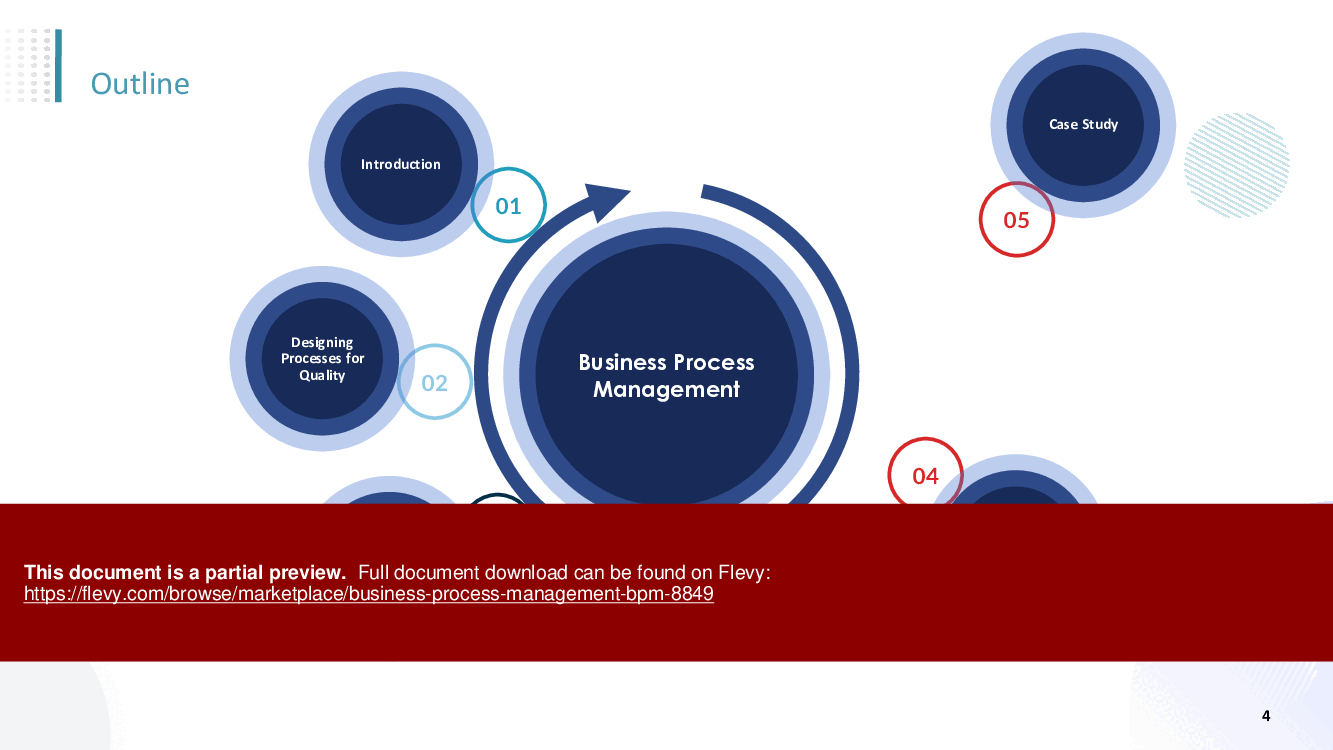
1. Introduction to Business Process Management (BPM)
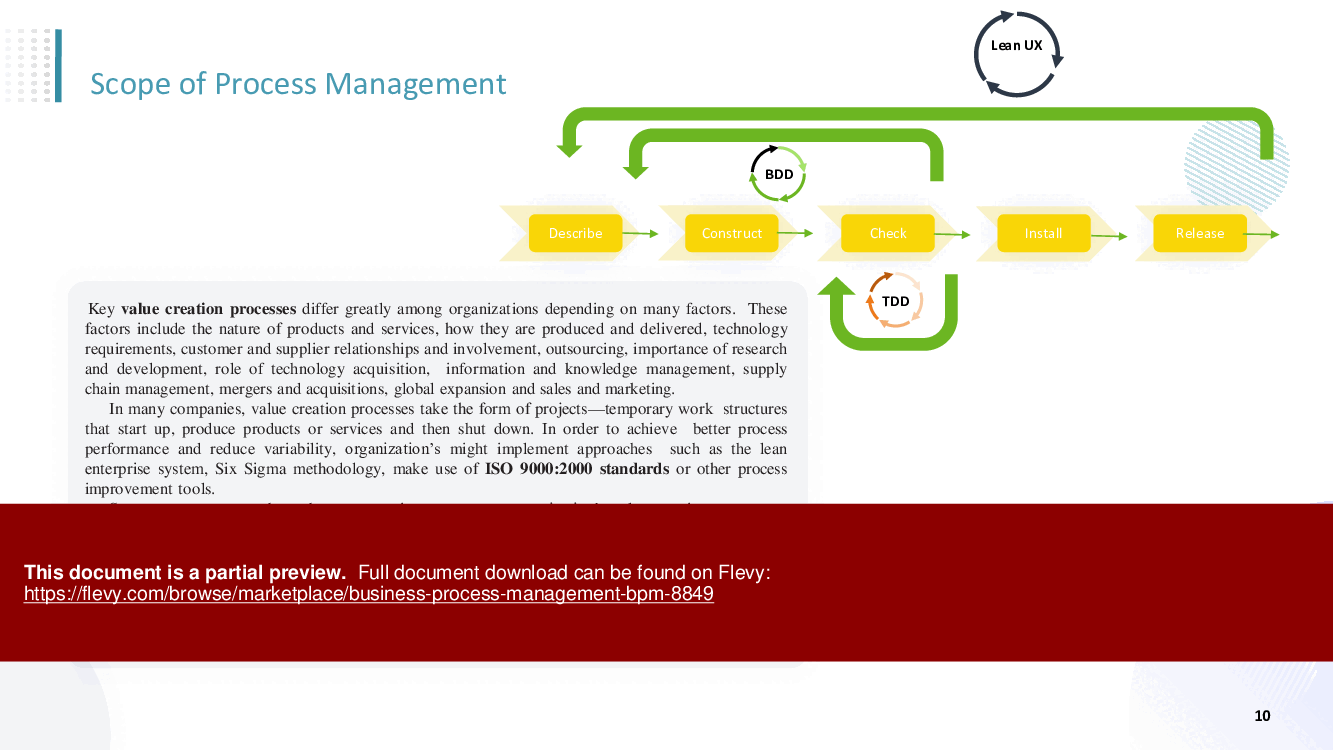
Business Process Management (BPM) is a systematic approach to improving an organization's business processes. It involves analyzing, designing, implementing, monitoring, and optimizing processes to achieve higher efficiency, effectiveness, and agility. BPM aims to align processes with the organization's strategic goals, enhance customer satisfaction, and drive continuous improvement. By adopting BPM, organizations can streamline operations, reduce costs, and respond swiftly to changing market demands.
2. Designing Processes for Quality
Designing processes for quality is a crucial aspect of BPM. It involves creating processes that consistently deliver high-quality products or services. The key steps include:
• Identifying Customer Requirements: Understanding what customers value and expect from the product or service.
• Setting Quality Standards: Defining clear and measurable quality standards that align with customer expectations and regulatory requirements.
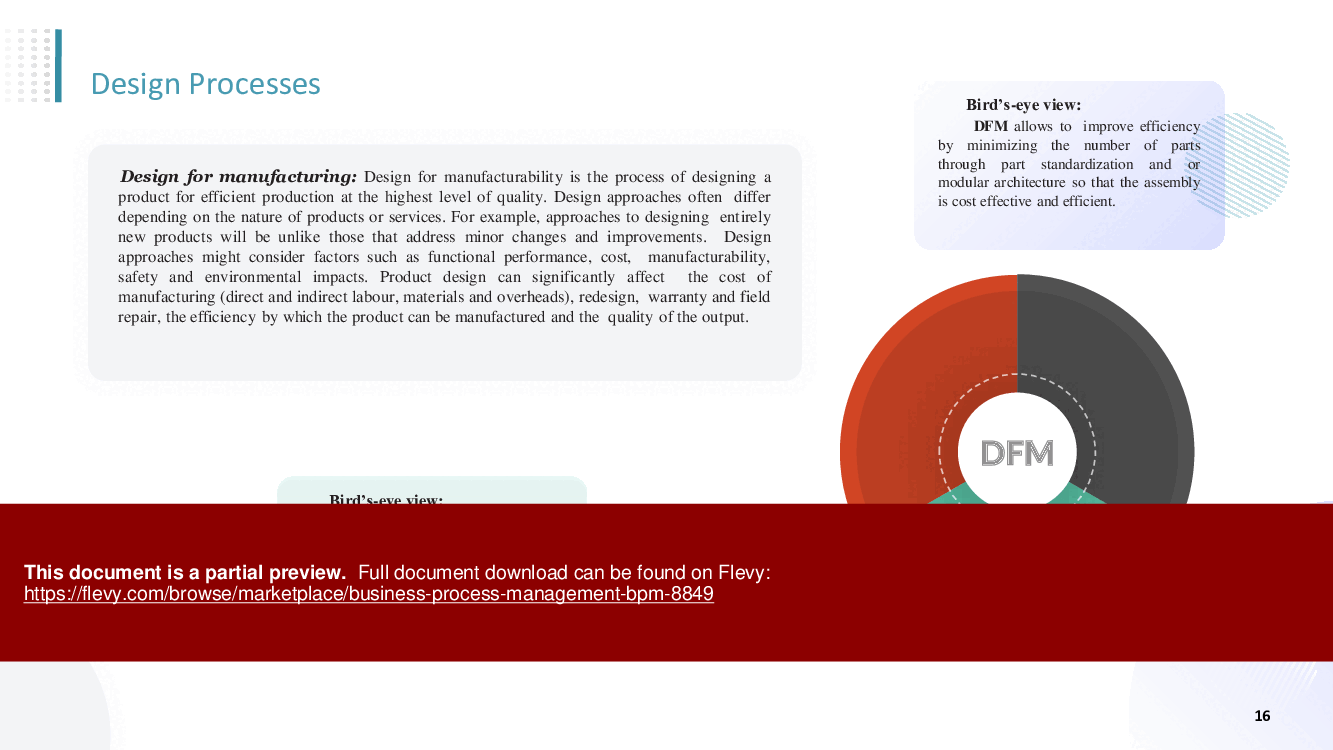
• Process Design: Developing processes that incorporate best practices, minimize errors, and enhance efficiency. This includes using tools like Six Sigma and Lean principles to eliminate waste and reduce variability.
• Continuous Improvement: Implementing mechanisms for ongoing assessment and enhancement of process quality. This involves regular feedback loops and performance evaluations to ensure processes remain effective and relevant.
3. Process Mapping
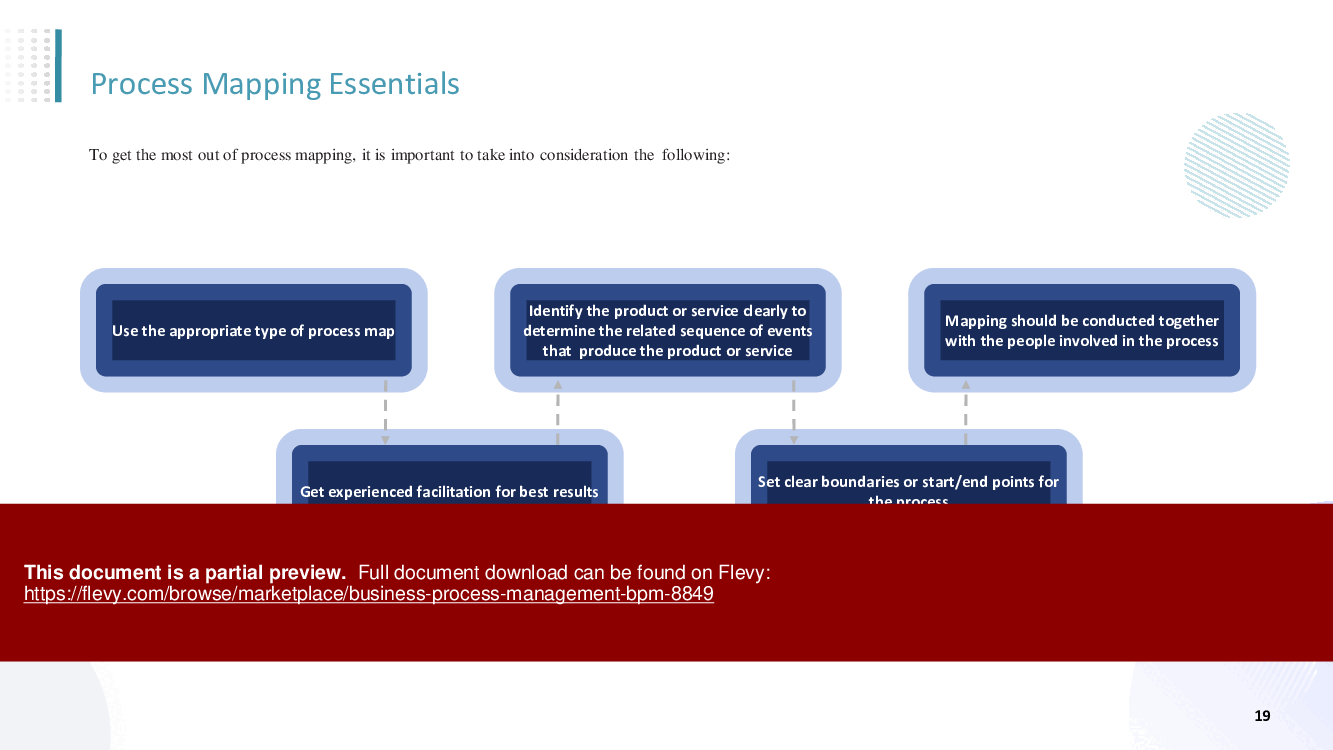
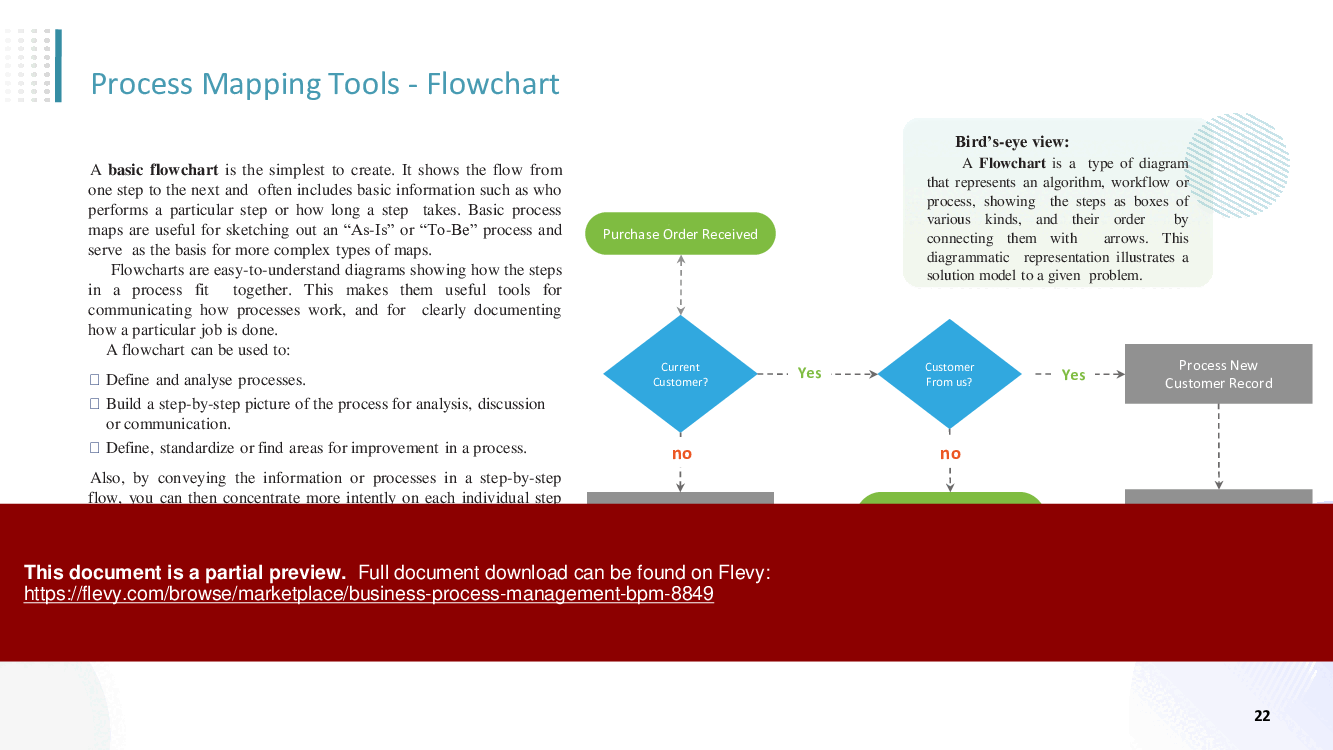
Process mapping is a visual representation of the steps involved in a business process. It helps in understanding, analyzing, and improving processes. The steps to effective process mapping include:
• Defining Scope: Determining the boundaries of the process to be mapped.
• Identifying Steps: Listing all the activities involved in the process, from start to finish.
• Creating Flowcharts: Using symbols and diagrams to depict the sequence of activities, decision points, inputs, and outputs.
• Analyzing the Map: Reviewing the process map to identify bottlenecks, redundancies, and opportunities for improvement.
• Optimizing the Process: Implementing changes to streamline the process, enhance efficiency, and reduce cycle times.
4. The BPM Implementation Framework
The BPM implementation framework provides a structured approach to deploying BPM initiatives within an organization. The framework typically includes the following phases:
• Assessment: Evaluating the current state of business processes and identifying areas for improvement.
• Strategy Development: Formulating a BPM strategy that aligns with organizational goals and objectives.
• Process Design and Modeling: Designing and modeling new or improved processes using BPM tools and methodologies.
• Implementation: Deploying the designed processes, including training staff, integrating with existing systems, and ensuring compliance with quality standards.
• Monitoring and Control: Continuously tracking process performance using Key Performance Indicators (KPIs) and other metrics to ensure desired outcomes are achieved.
• Optimization: Regularly reviewing and refining processes to adapt to changing business needs and drive continuous improvement.
Business Process Management is essential for optimizing organizational performance. By designing processes for quality, using process mapping techniques, and following a structured BPM implementation framework, organizations can enhance efficiency, reduce costs, and achieve strategic goals. BPM fosters a culture of continuous improvement and agility, enabling organizations to remain competitive in a dynamic business environment.
Got a question about the product? Email us at support@flevy.com or ask the author directly by using the "Ask the Author a Question" form. If you cannot view the preview above this document description, go here to view the large preview instead.
TOPIC FAQ
What are the typical phases of a BPM implementation project?
A structured BPM implementation typically follows Assessment, Strategy Development, Process Design and Modeling, Implementation, Monitoring and Control, and Optimization. These stages move from current-state evaluation through deployment and ongoing refinement, ending with continuous optimization across 6 phases.What steps should I follow to create an effective process map?
Effective process mapping begins with defining scope, identifying every activity from start to finish, creating flowcharts that show sequence and decision points, analyzing the map for bottlenecks and redundancies, and then optimizing the process; these 5 steps form the core process mapping approach.How do Six Sigma and Lean contribute to designing processes for quality?
Six Sigma and Lean are applied to reduce variability and eliminate waste when designing processes, helping set quality standards and minimize errors. Their techniques are cited as part of designing for quality and continuous improvement within BPM using Six Sigma and Lean.What role do KPIs play in BPM initiatives?
KPIs are used to continuously track process performance and ensure desired outcomes after implementation; they provide measurable evidence during the Monitoring and Control phase to determine whether processes meet strategic and quality objectives, as part of the Monitoring and Control phase.What should I look for when buying a BPM PowerPoint toolkit for a project?
Look for coverage of the full implementation lifecycle (assessment through optimization), practical process-mapping templates, guidance on designing for quality (including Lean/Six Sigma), and monitoring/KPI material. A useful toolkit will present a structured 6-phase implementation framework.How soon can a team begin a BPM project using a toolkit?
A ready toolkit lets teams begin with Assessment and Process Mapping activities immediately, enabling early identification of scope and bottlenecks and producing initial process maps and an assessment report during the Assessment and Process Mapping phases.Are purchased BPM templates worth buying instead of building from scratch?
Templates accelerate project setup by providing standard frameworks for assessment, process mapping, design, implementation, and monitoring, reducing design time and ensuring methodical coverage; for example, Flevy’s Business Process Management (BPM) is a 55-slide PPTX that codifies a 6-phase approach.We need to improve customer satisfaction through process changes—what BPM activities should we prioritize?
Prioritize identifying customer requirements, defining measurable quality standards, mapping current processes to locate failures, redesigning processes using Lean/Six Sigma to reduce defects, and establishing KPIs to track outcomes during Process Design and Modeling through Monitoring and Control phases.Source: Best Practices in BPM PowerPoint Slides: Business Process Management (BPM) PowerPoint (PPTX) Presentation Slide Deck, RadVector Consulting