
 Click main image to view in full screen.
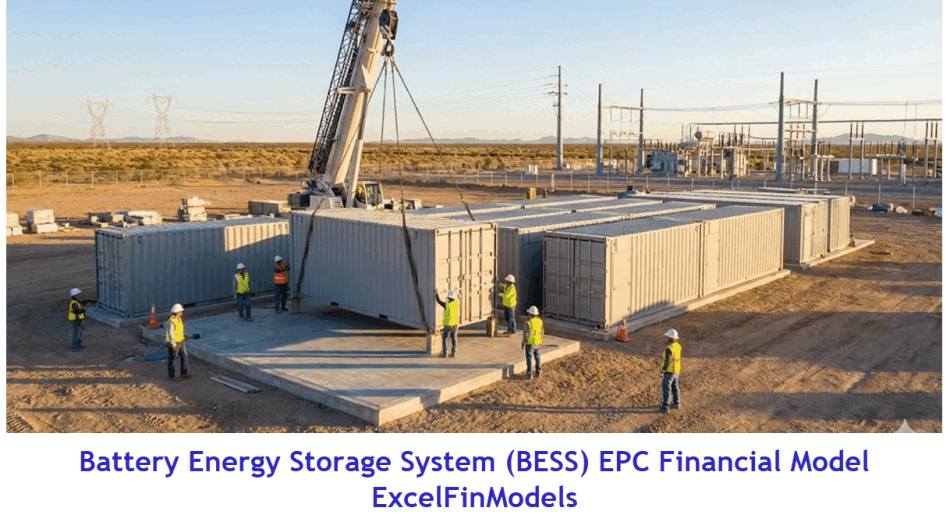
Battery Energy Storage System (BESS) EPC (Engineering, Procurement & Construction) - Financial Forecast Model (Excel XLSX)
Excel (XLSX)


BENEFITS OF THIS EXCEL DOCUMENT
- Provides a structured framework for building investor-ready financial projections tailored to BESS EPC (Engineering, Procurement & Construction) businesses.
- Enables clear visibility into project-level margins, cost projections, and cash flow timing across milestone-based EPC contracts.
- Enables granular profitability analysis by isolating unit economics ($/kWh) and margin drivers across customizable market segments.
BATTERY INDUSTRY EXCEL DESCRIPTION
This financial model is designed to evaluate and forecast the operating and financial performance of a Battery Energy Storage System (BESS) Engineering, Procurement, and Construction (EPC) business. The business scope includes the design, procurement, installation, and commissioning of turnkey BESS projects across residential, commercial & industrial (C&I), and community or distribution-scale applications.
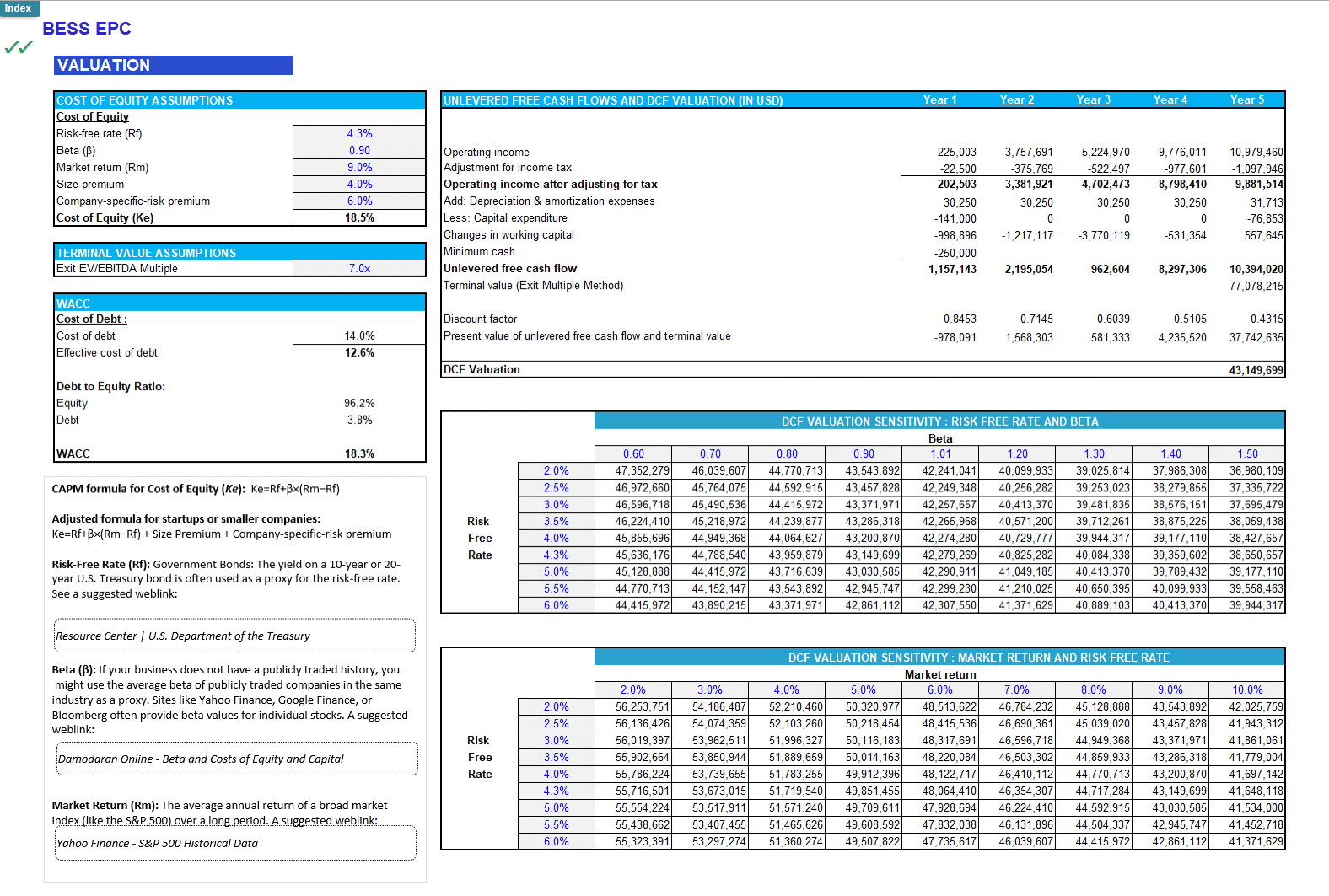
The model captures project-driven revenue, battery and balance-of-system procurement economics, civil and electrical installation costs, and monthly operating dynamics across configurable BESS market segments. It delivers a 5-year (60-month) forward-looking forecast, enabling decision-makers to assess scalability, revenue and cost trajectories, project-level margins, working capital requirements, and overall profitability.
Model Structure – Five Core Sections
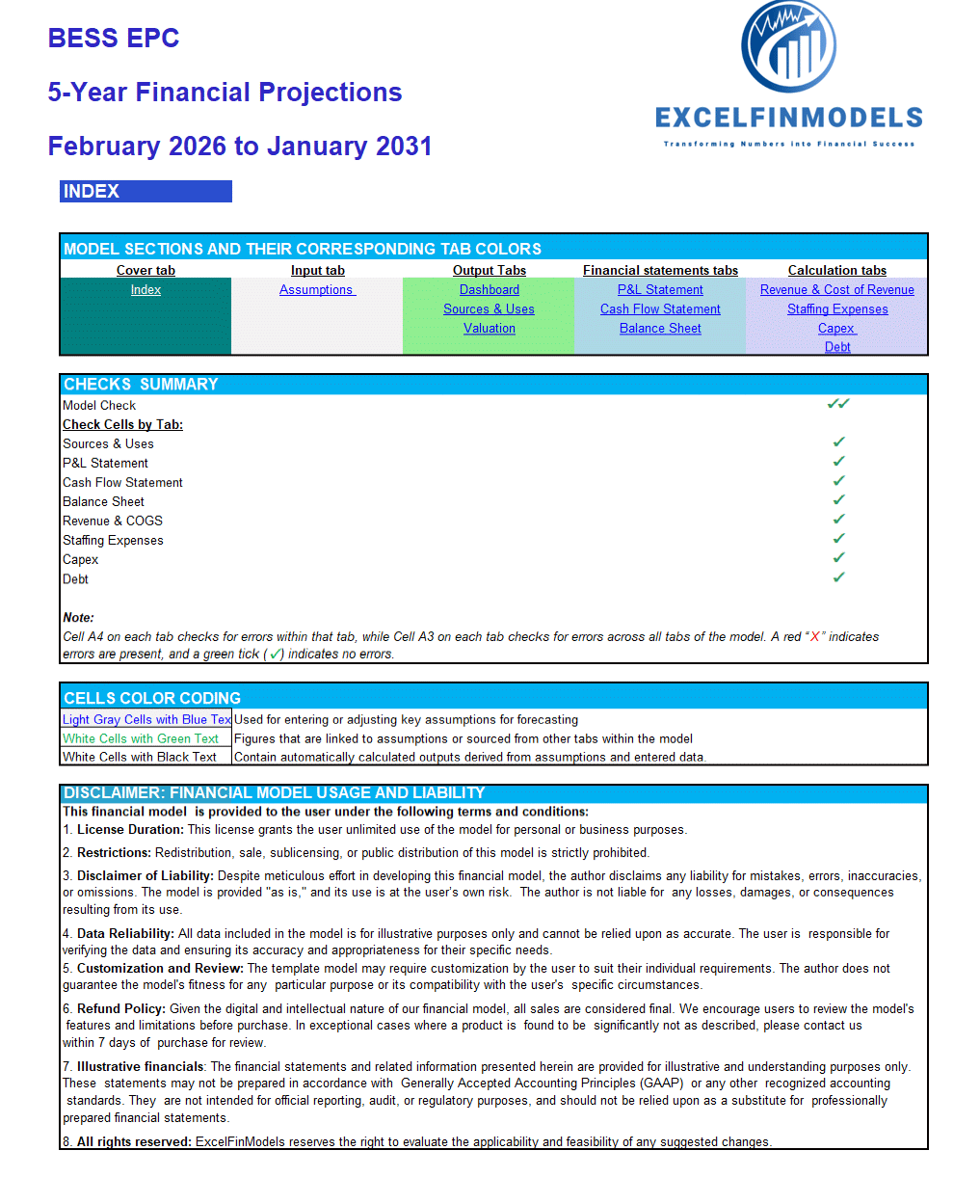
1. Cover & Navigation
• Clear index with intuitive navigation across all schedules.
• Summary checks validating structural consistency and model integrity.
• Color coding for tabs and cells
2. Input Assumptions
Key business drivers are consolidated into a centralized assumptions interface.
To support granular monthly forecasting, assumptions related to the number of new BESS EPC contracts signed are embedded within the Revenue & Cost of Revenue tab.
Revenue Assumptions
The model supports industry-standard BESS EPC revenue frameworks, including:
• Customer Segments: Fully customizable segments (e.g., Small C&I / Residential Retrofit, C&I Standalone BESS, Community / Distribution-Scale BESS).
• Project Specifications: Volume drivers based on installed BESS capacity (kWh or MWh) and pricing per unit of capacity ($/kWh).
• Revenue Timing: Milestone-based billing and revenue recognition aligned with EPC execution stages.
Direct Costs (COGS) & Procurement
• Hardware: Battery modules, inverters, containers/enclosures, thermal management systems, EMS, and balance-of-system (BOS) components.
• Execution Costs: Civil works, electrical installation, commissioning, and site-related labor.
• Soft Costs: Engineering and design, permitting, utility interconnection, studies, and contingency allowances.
SG&A & Operating Expenses
• Variable Costs: Sales commissions, payment processing fees, marketing and business development expenses.
• Fixed Costs: Management and staff payroll, office rent, software and SaaS tools, fleet costs, and general insurance.
Balance Sheet & Capital Structure Drivers
• CapEx: Tools and equipment, service vehicles, IT assets, and office infrastructure.
• Financing: Equity contributions, revolving working-capital facilities, and term-debt amortization schedules.
3. Output & Analytics
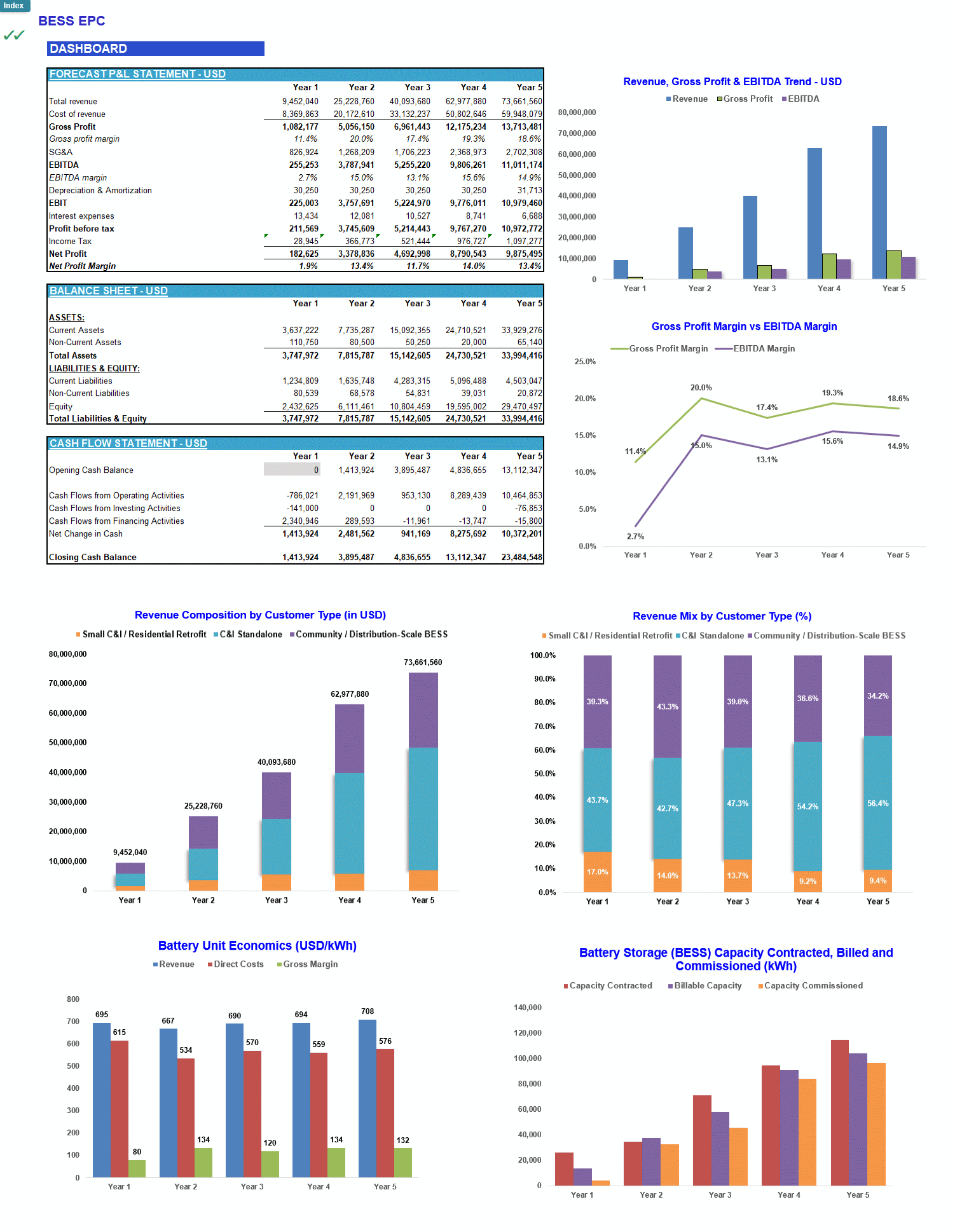
Dashboard
• Revenue trends segmented by BESS project type.
• Gross profit, EBITDA, and net margin evolution.
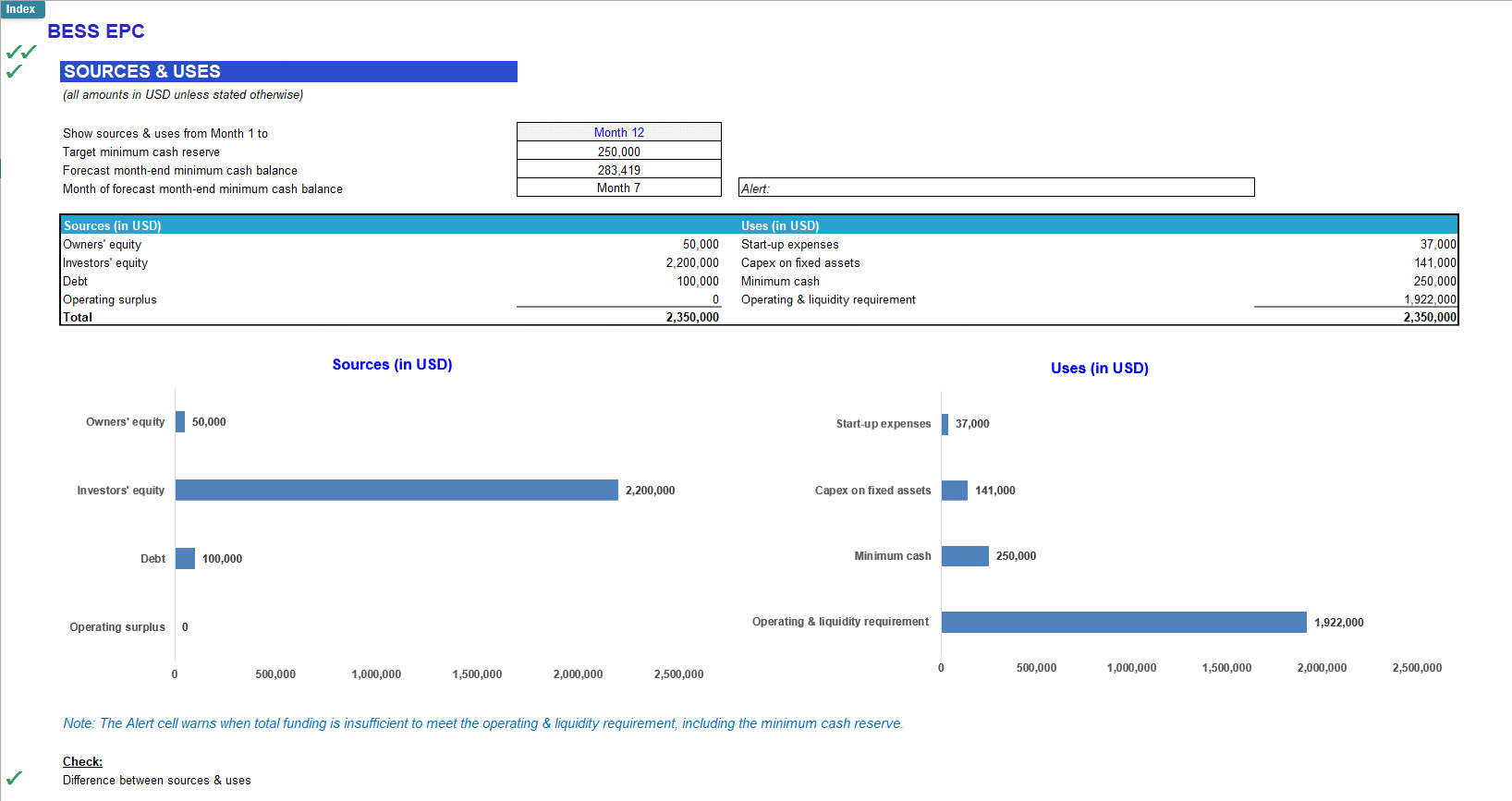
Sources & Uses
• Uses: Start-up costs, pre-development expenses, project working capital, and capital expenditures.
• Sources: Equity injections and debt financing.
4. Integrated Financial Statements
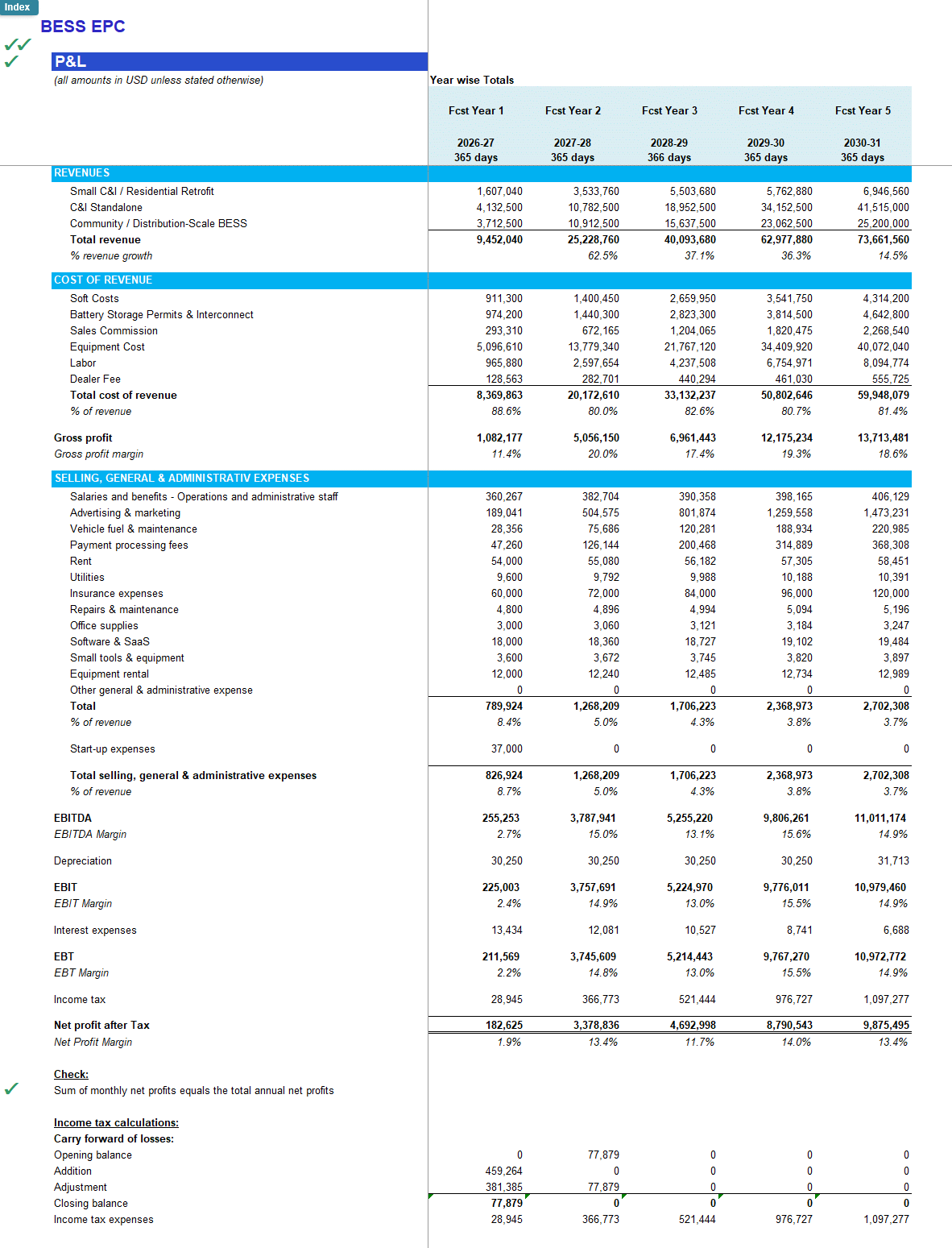
• Profit & Loss Statement
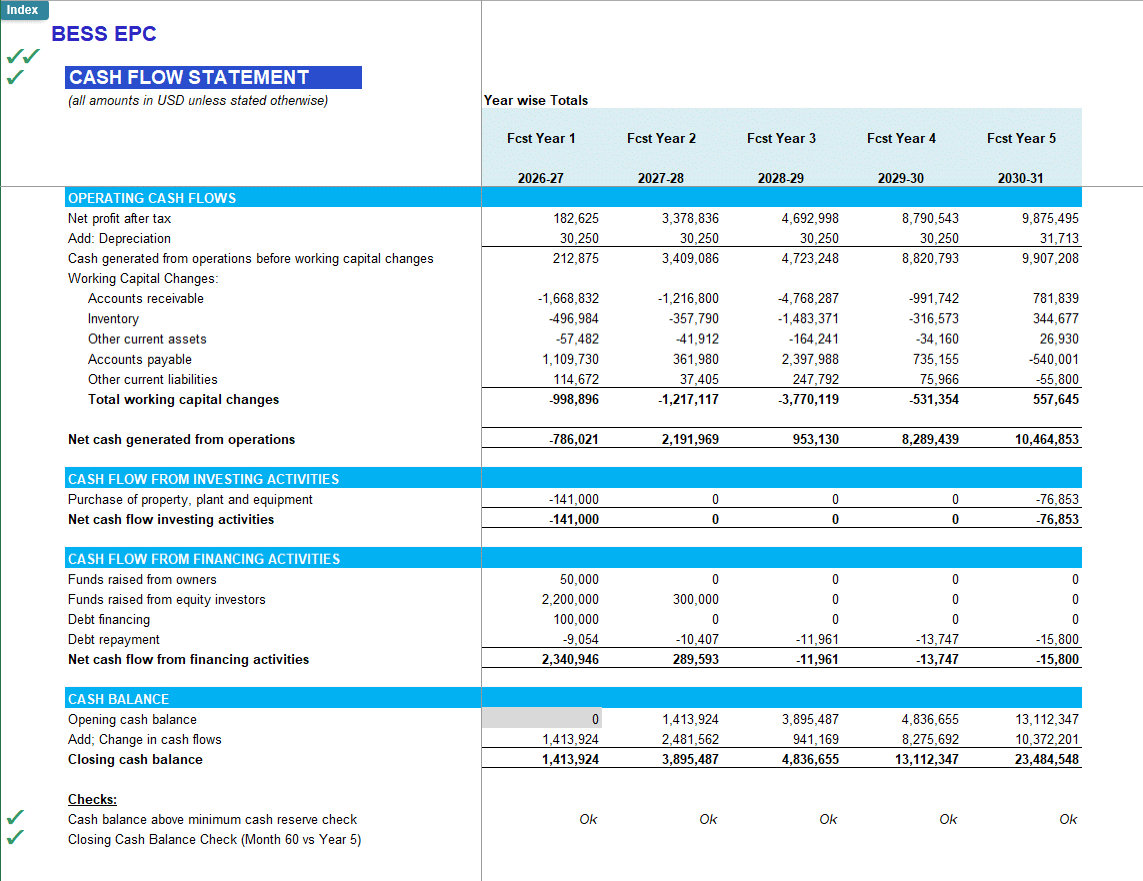
• Cash Flow Statement
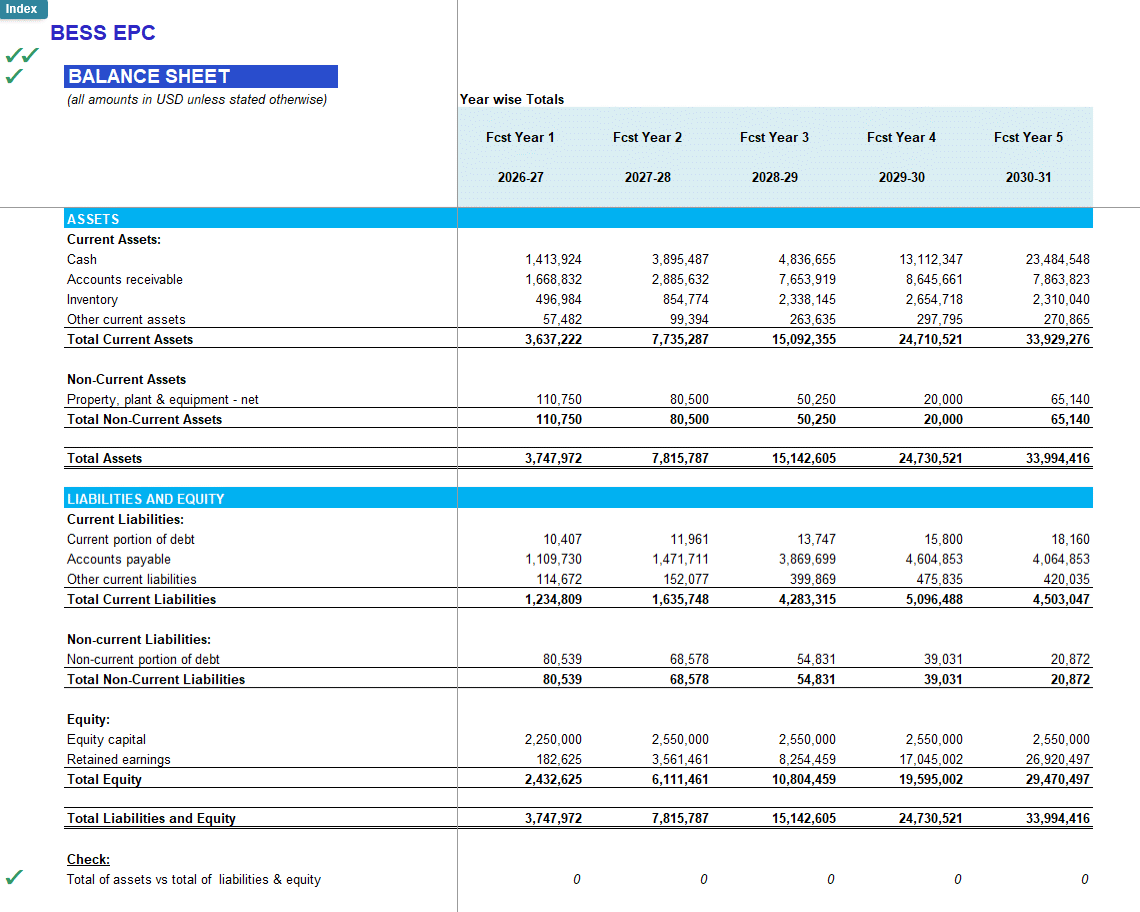
• Balance Sheet
All statements are fully integrated and dynamically linked, ensuring internal consistency across the model.
5. Core Calculations
• Revenue and COGS recognition aligned with BESS EPC construction milestones.
• Staffing and payroll expense calculations.
• Debt schedules and capital expenditure roll-forwards.
Technical Specifications
• Fully transparent structure (no VBA or macros).
• Circular reference–free.
• Compatible with Excel 2021 or newer.
Excel 2010–2019 Users: Certain calculations rely on array formulas and may require Ctrl + Shift + Enter for correct execution.
Validation & Control Checks
Built-in validation controls ensure model integrity:
• Green checkmarks (✓): Logic and calculations are consistent.
• Red indicators (✗): Inputs or assumptions require review.
Why This Model Is Well-Suited for BESS EPC Businesses
This model supports institutional-grade financial planning for Battery Energy Storage System EPC contractors. It is purpose-built to address the lumpy cash-flow profile, procurement-heavy cost structure, and milestone-driven revenue recognition inherent in BESS infrastructure projects, while maintaining transparency across execution risk, working capital dynamics, and profitability drivers.
Got a question about the product? Email us at support@flevy.com or ask the author directly by using the "Ask the Author a Question" form. If you cannot view the preview above this document description, go here to view the large preview instead.
Source: Best Practices in Battery Industry, Integrated Financial Model Excel: Battery Energy Storage System (BESS) EPC (Engineering, Procurement & Construction) - Financial Forecast Model Excel (XLSX) Spreadsheet, ExcelFinModels
ABOUT THE AUTHOR

I am a finance professional with over 15 years of experience in financial modeling, analysis, planning, budgeting, and forecasting on various freelancing platforms. I have assisted over 500 start-ups and SMBs across diverse industries in securing over $1 billion in funding, internal planning, financial reporting, and strategy formulation. Additionally, I have provided services to numerous ... [read more]
Ask the Author a Question
You must be logged in to contact the author.




























