
 Click main image to view in full screen. Unlock all 9 preview images:
Analyzing Sales and Product Performance – Excel XLSX
Excel (XLSX) + supplemental PDF


BENEFITS OF THIS DOWNLOADABLE EXCEL DOCUMENT
- A professional template to perform commercial analyses
- Analyzes total sales history and trends and individual product performance
- Produces detailed outcome analysis and charts
PRODUCT MANAGEMENT EXCEL DESCRIPTION
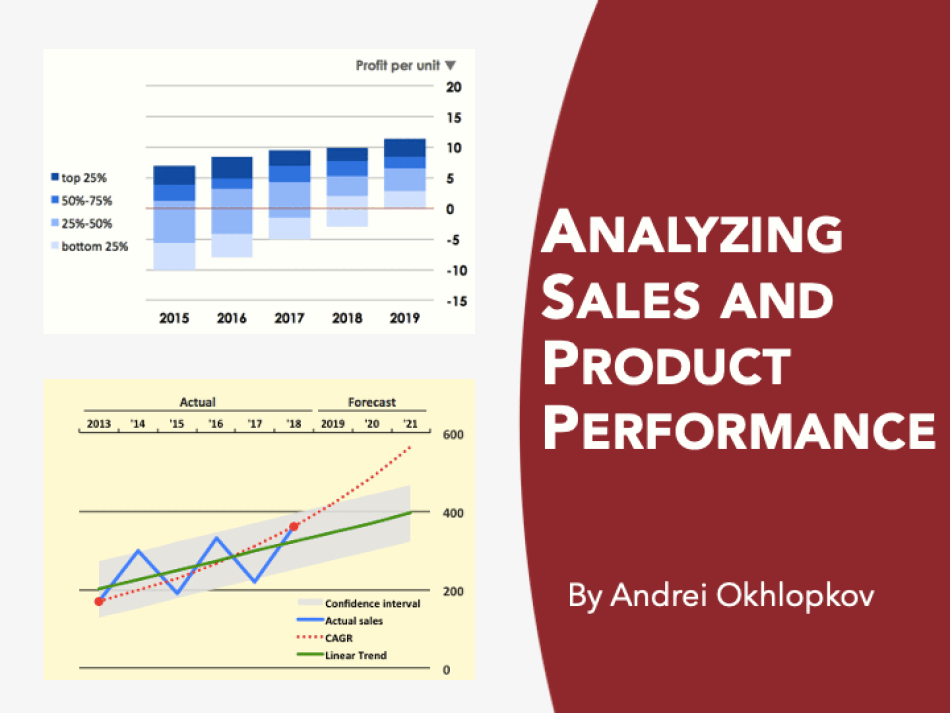
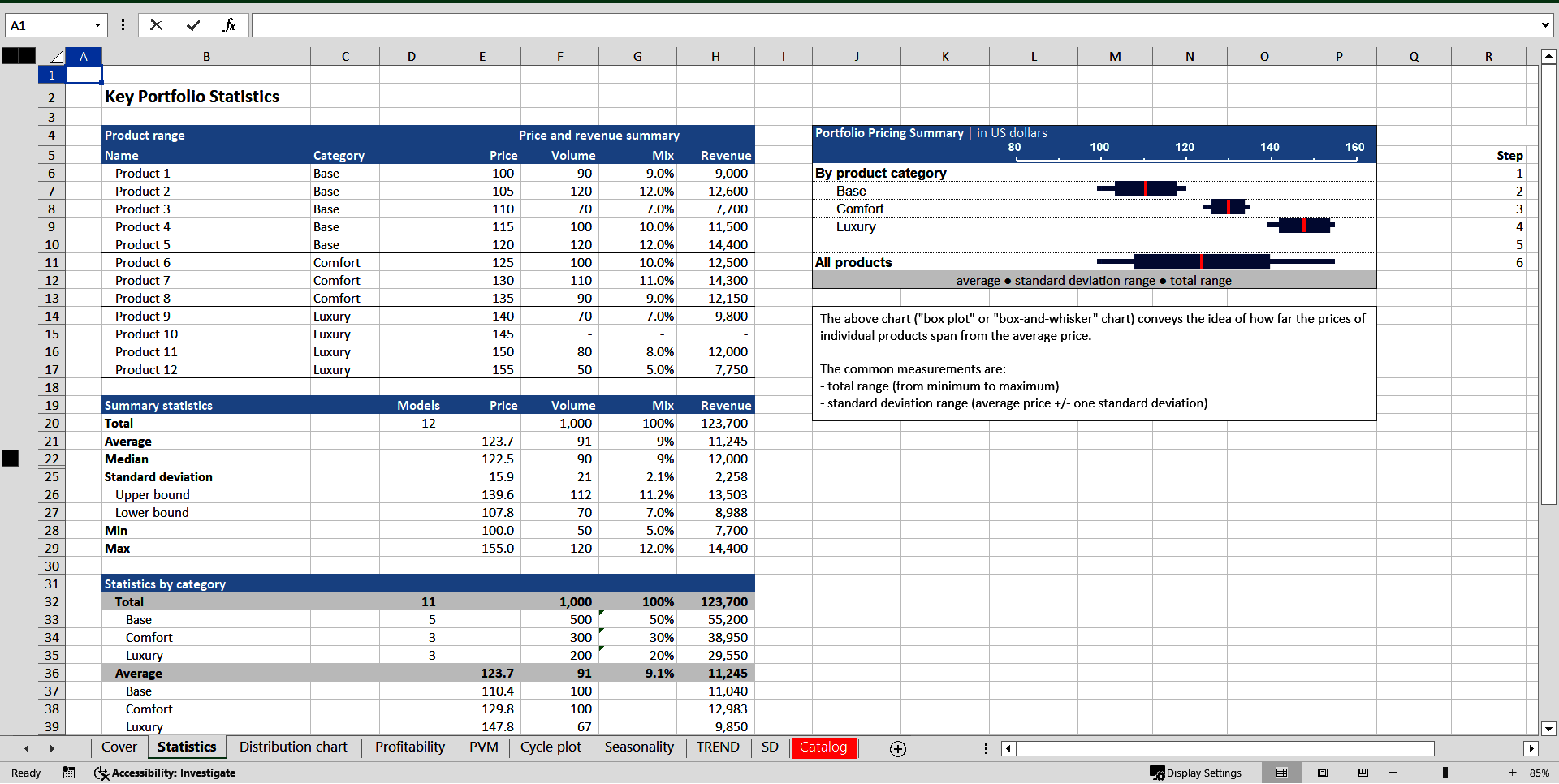
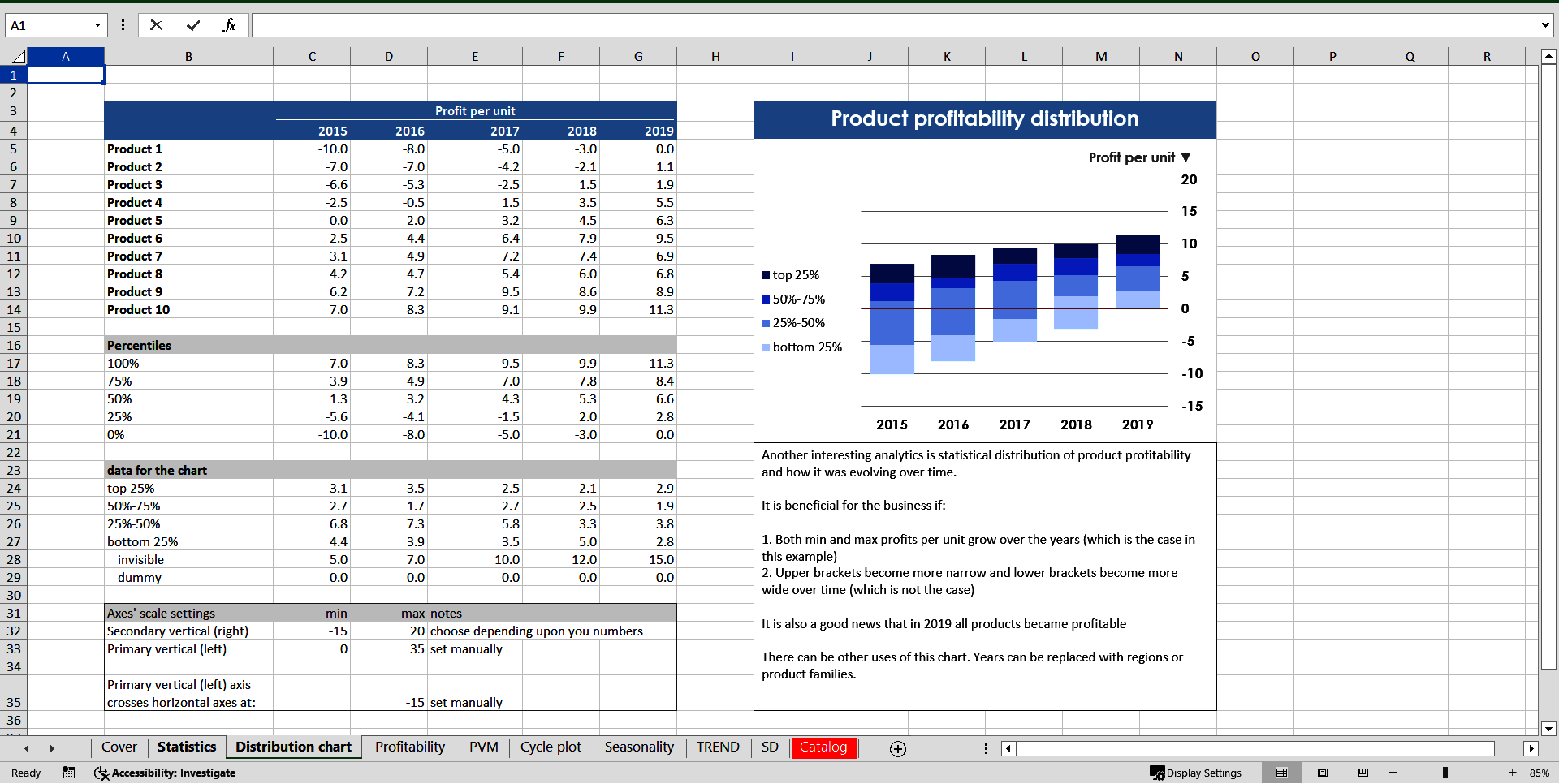
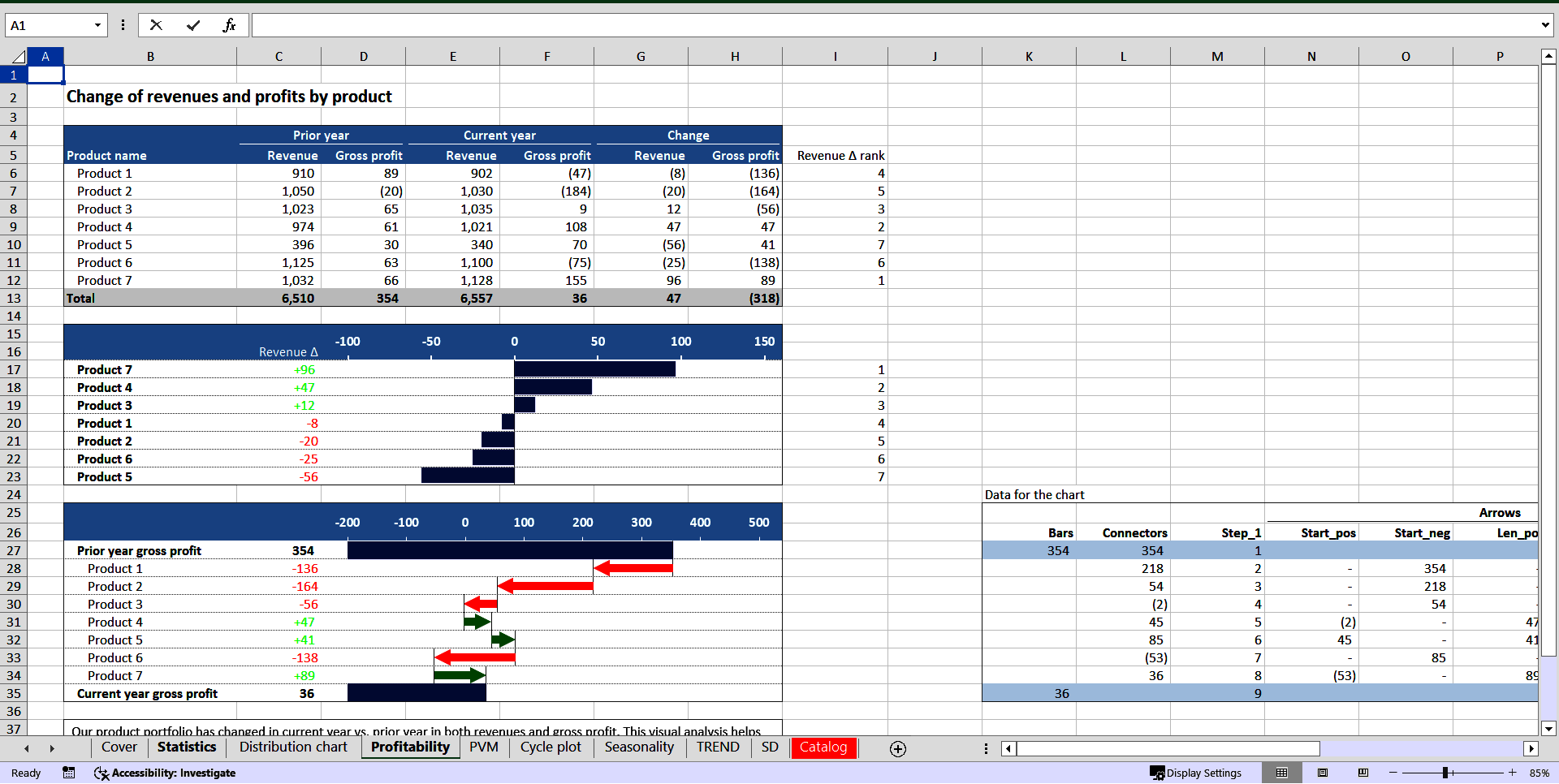
This publication contains a set of very practical tools to describe, analyze and forecast a company's sales, profitability and portfolio performance. They are accompanied by professionally designed charts to help communicate the outcomes and can be used for in-house analysis, management or shareholder reports, due diligence or consulting assignments.
The tools:
1) Describe and visualize a company's actual performance
– Calculate the total, average, median sales and other statistics giving a full picture of the historic sales performance
2) Explain the basis of seasonality analysis
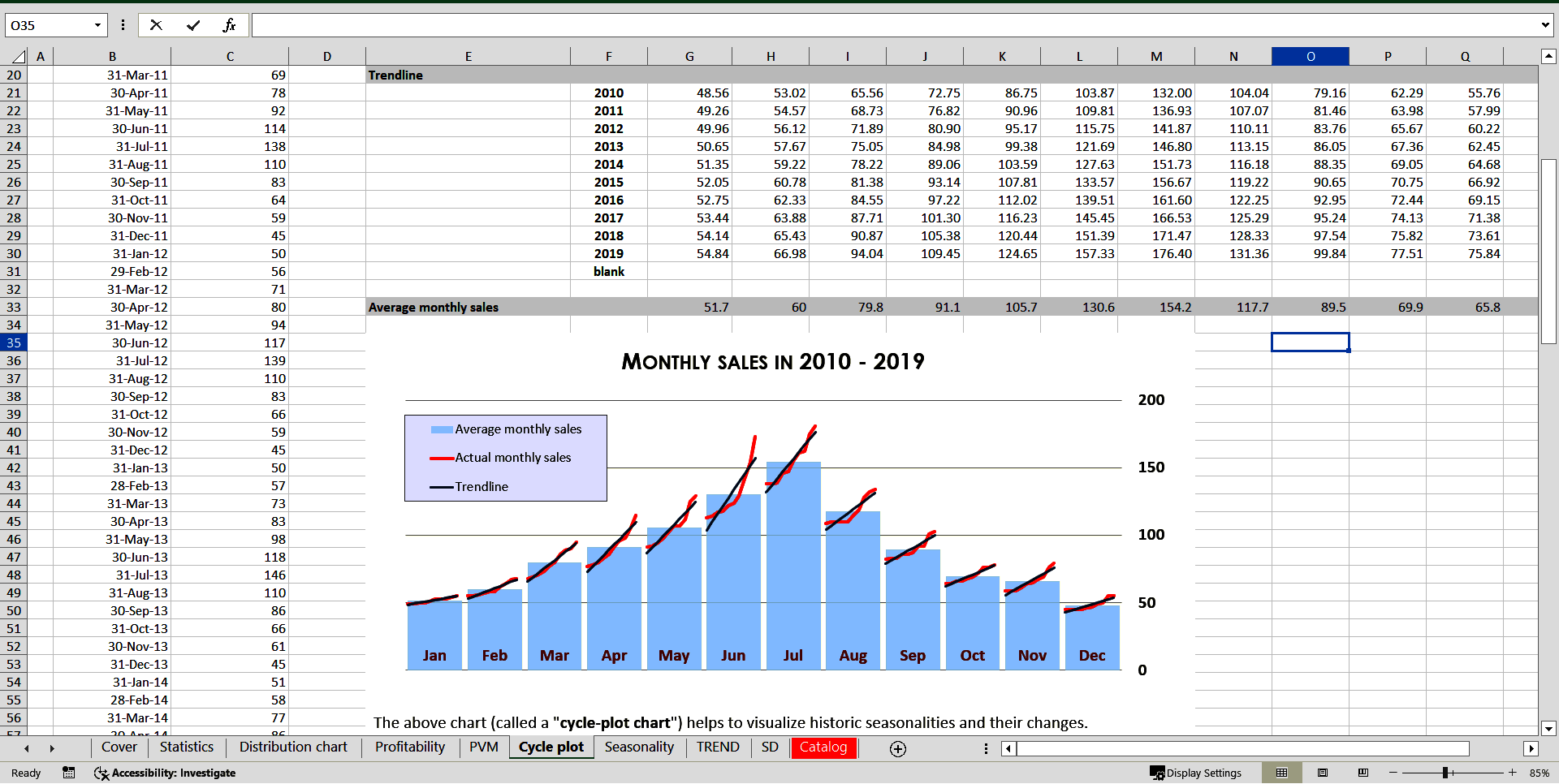
• Draw seasonality patterns on a cycle plot
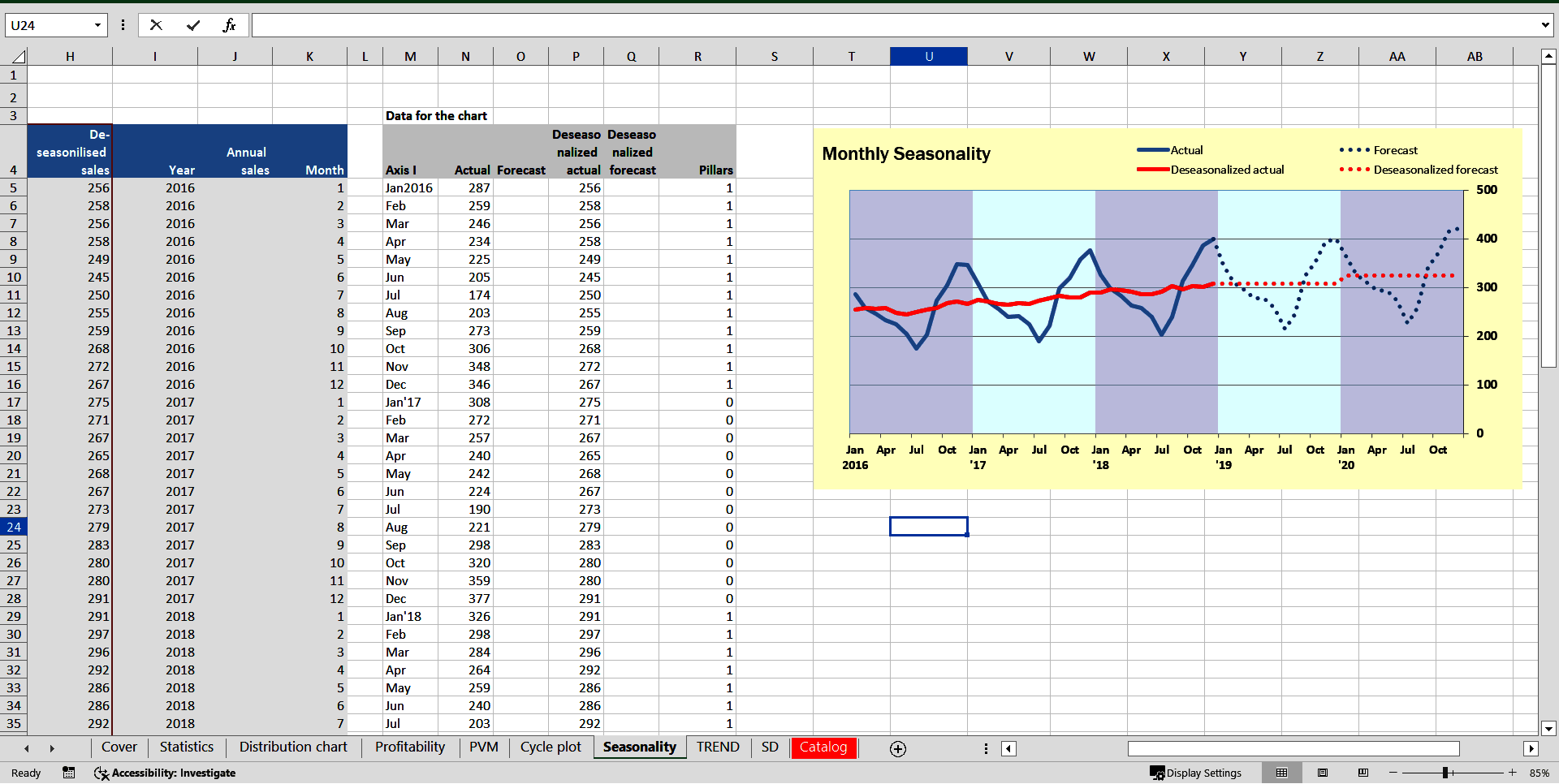
• Analyze and forecast seasonality based on monthly data.
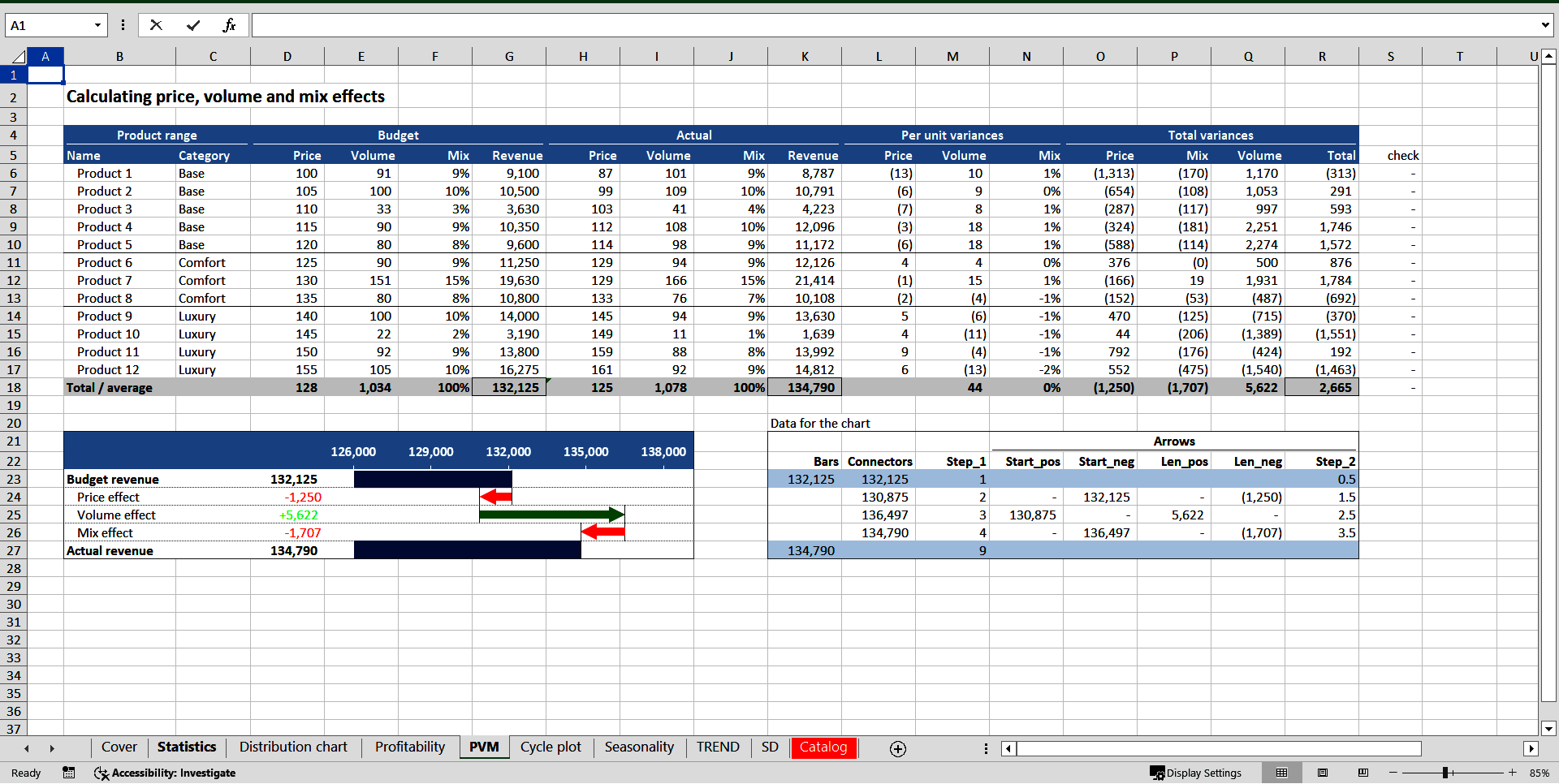
3) Identify the reasons for variations between the years or between the budget and actual (calculate price, volume and mix effects for the whole portfolio and by category).
4) Provide a scientific basis for making educated predictions of future sales and portfolio performance
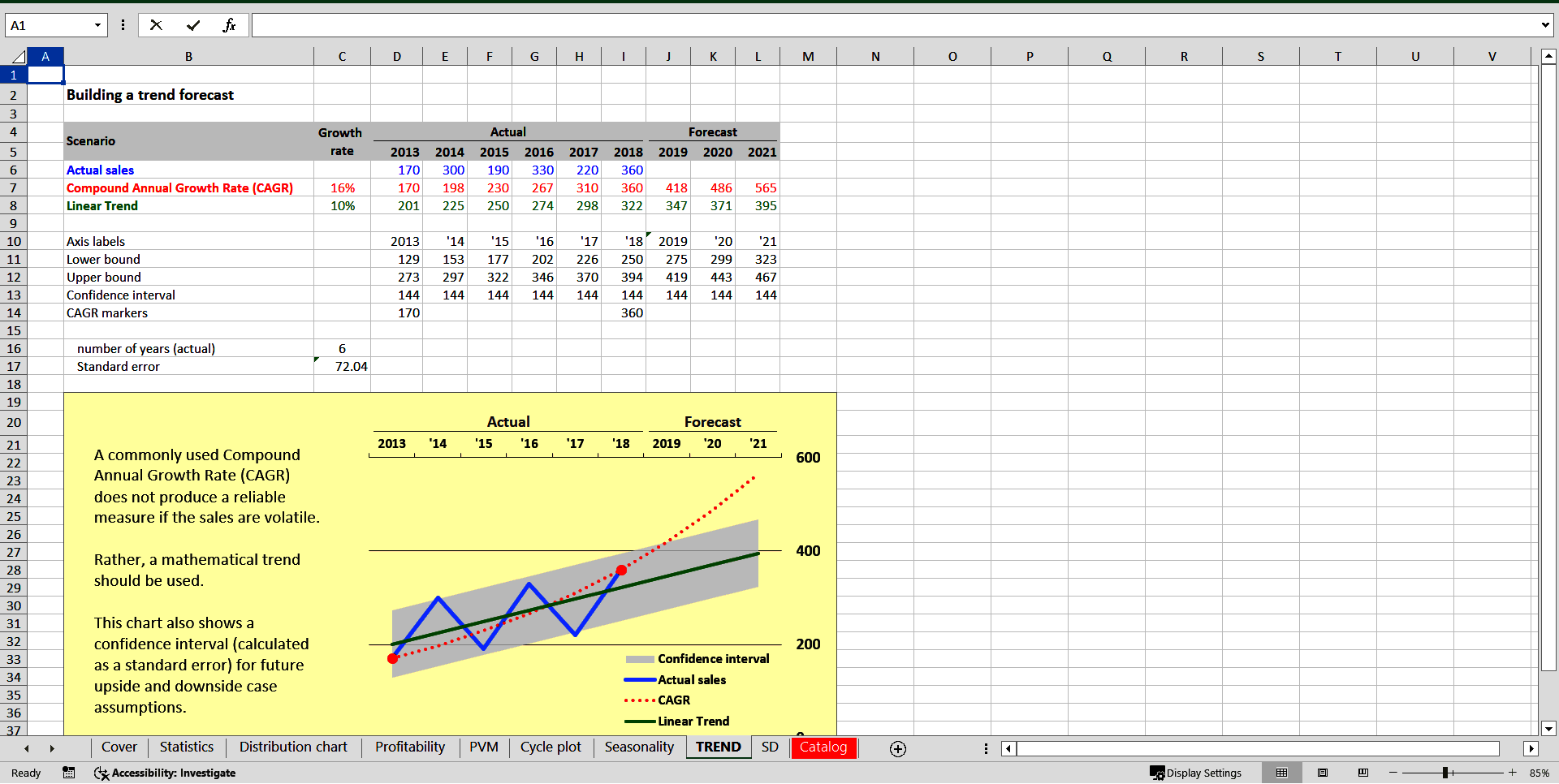
– Build trends and explain why commonly used CAGR rarely gives reliable future estimates. CAGR takes only two reference points (beginning and end of analyzed period) and does not take into account possible fluctuations between those points. This section also explains how to tie volatilities to a timeline using standard error and make sensitivities based on that analysis.
– Measure historic volatilities and translate them into model scenarios with a desired level of confidence. In this part we will calculate the standard deviation for quarterly data and see how it is extrapolated to annual amounts.
Got a question about the product? Email us at support@flevy.com or ask the author directly by using the "Ask the Author a Question" form. If you cannot view the preview above this document description, go here to view the large preview instead.
TOPIC FAQ
What metrics and visuals should I use to describe historic sales performance?
Describing historic sales performance typically combines summary statistics and visuals: total, average and median sales plus distribution and trend charts. Cycle plots can reveal recurring patterns, and professionally designed charts help communicate findings; reporting should include total, average and median sales.How do I analyze and forecast seasonality in monthly sales data?
Seasonality analysis starts with plotting seasonality patterns on a cycle plot to visualize recurring monthly effects, then fitting monthly seasonality factors for forecasting. Monthly seasonality should be isolated before trend analysis, using a cycle plot.How can I decompose year-on-year sales variance into price, volume, and mix effects?
Variance decomposition involves attributing differences between years or between budget and actual to price, volume and mix components, calculated across the full portfolio and separately by category. The decomposition should report price, volume and mix effects by category.When is CAGR unreliable for forecasting and what alternatives exist?
CAGR can be unreliable because it uses only 2 endpoints and ignores intermediate fluctuations. Alternatives include building explicit trend models, tying volatilities to a timeline with standard error, and creating sensitivity scenarios based on historical volatility and trend analysis using standard error.What features indicate a downloadable sales model is suitable for management or shareholder reporting?
Look for tools to describe and visualize actual performance (totals, averages, medians), built-in chart templates for communication, seasonality and variance analysis, and scenario forecasting capabilities; file format matters too—models delivered as XLSX with supplemental PDF indicate ready-to-use charts and documentation.How can I apply a sales performance model in a due diligence or consulting assignment?
Use the model to establish historic baselines, visualize sales and profitability metrics, decompose variances into price/volume/mix drivers, and build forecast scenarios by translating measured volatilities into model inputs. These steps support transaction analysis and advisory work with variance decomposition.How do you translate historic volatility into forecast scenarios for sales models?
Measure historic volatilities (for example, calculate standard deviation on quarterly data), extrapolate to annual amounts, and convert those measures into scenario inputs using standard error and sensitivity analysis to produce confidence-based forecasts; begin with standard deviation for quarterly data.What cost/value factors should I evaluate when choosing a spreadsheet model for sales analysis?
Evaluate whether the model supports your use cases (in-house reporting, management/shareholder reports, due diligence, consulting), includes seasonality and variance decomposition tools, provides scenario and volatility analysis, and comes with presentation-ready charts; also check delivery format such as XLSX with supplemental PDF.Source: Best Practices in Product Management Excel: Analyzing Sales and Product Performance Excel (XLSX) Spreadsheet, Andrei Okhlopkov
ABOUT THE AUTHOR

- Financial Modeling
• Business Analysis
• Excel Fundamentals
• Visual Basic for Applications
Ask the Author a Question
You must be logged in to contact the author.




























