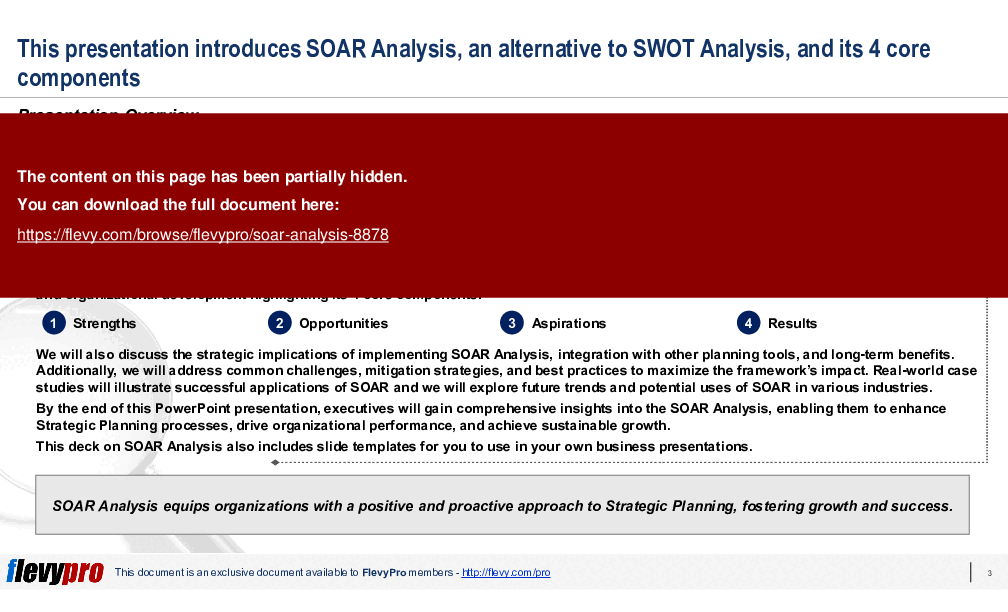

Strategic planning tools that focus on strengths and opportunities are essential for sustained growth and success. Developed by Jacqueline Stavros and Gina Hinrichs, SOAR Analysis shifts the focus from problem-solving to leveraging positive attributes, fostering a more optimistic and forward-thinking approach to strategic planning.
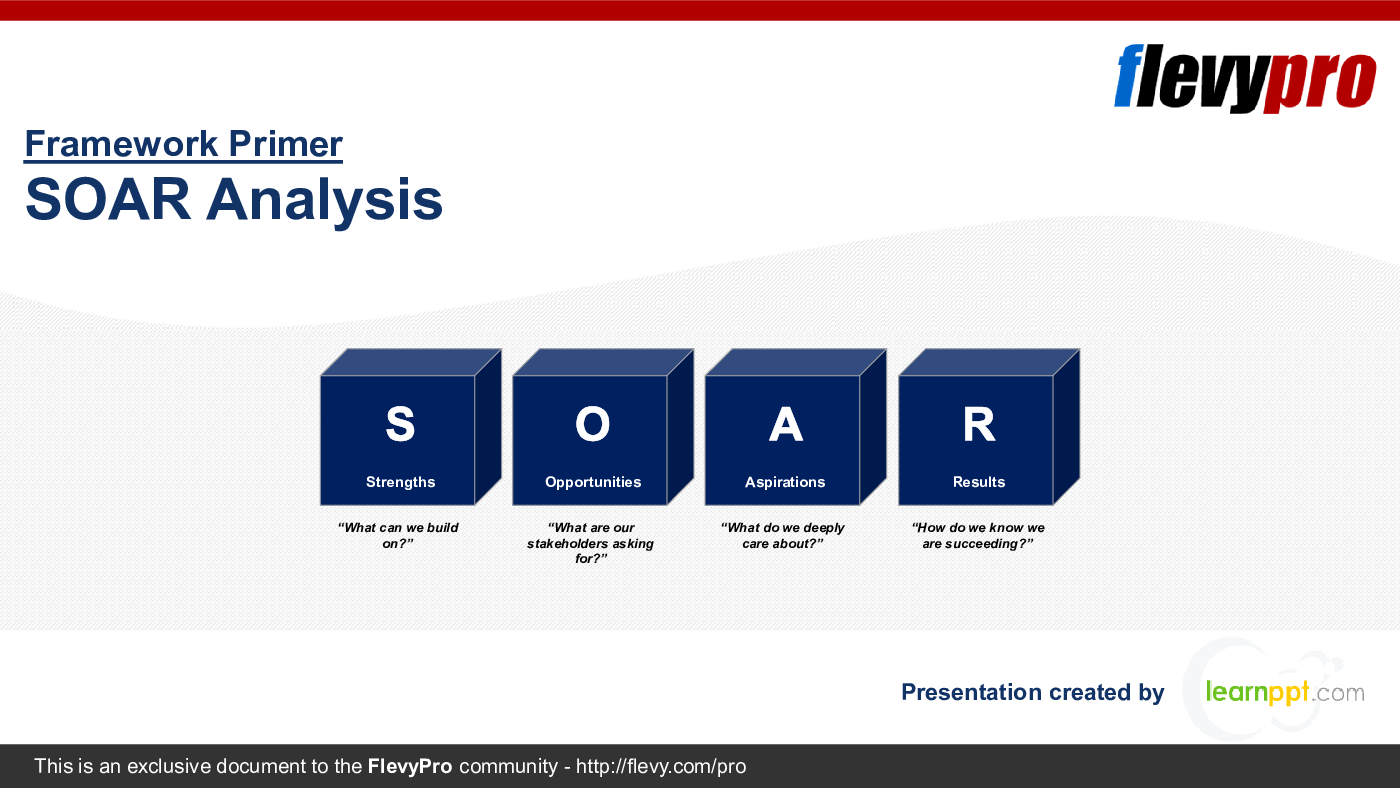
The SOAR Analysis—Strengths, Opportunities, Aspirations, and Results—emerges as a powerful alternative to traditional SWOT Analysis. Unlike SWOT, which emphasizes weaknesses and threats, SOAR emphasizes an organization's strengths and potential, encouraging aspirational goal-setting and measurable outcomes.
In this PowerPoint presentation, we will delve into the SOAR Analysis, exploring its background, core components, and practical applications. We will examine how each component plays a critical role in strategic decision-making and organizational development highlighting its 4 core components:
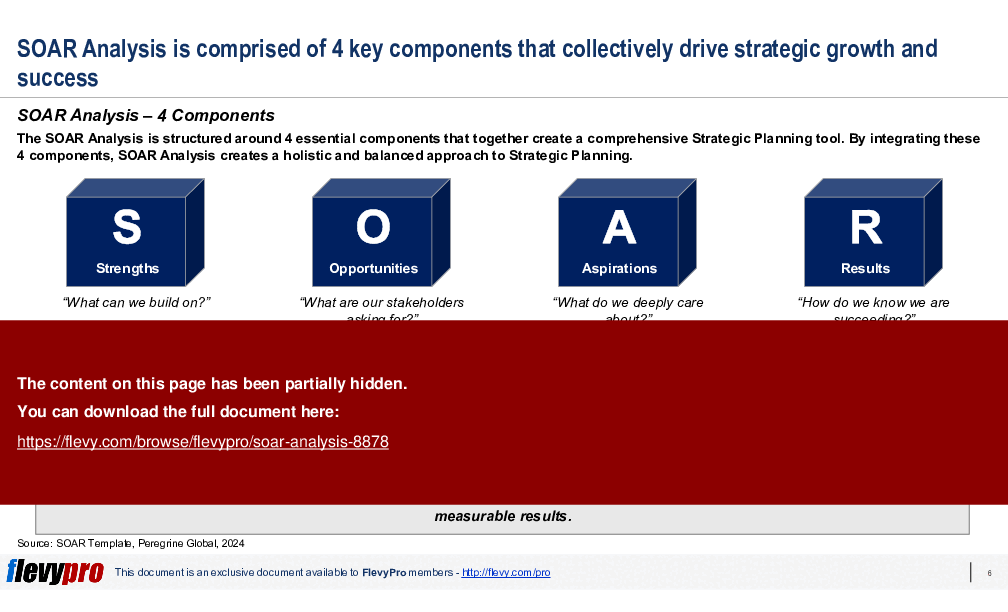
1. Strengths – This includes unique skills, resources, and assets the organization excels in. Recognizing these strengths is key for strategic development.
2. Opportunities – These may come from market trends, technological advancements, regulatory changes, or partnerships.
3. Aspirations – Aspirations provide direction and motivation, uniting stakeholders towards a common purpose. These goals should be challenging yet achievable.
4. Results – This involves setting performance indicators, tracking progress, and making adjustments as needed.
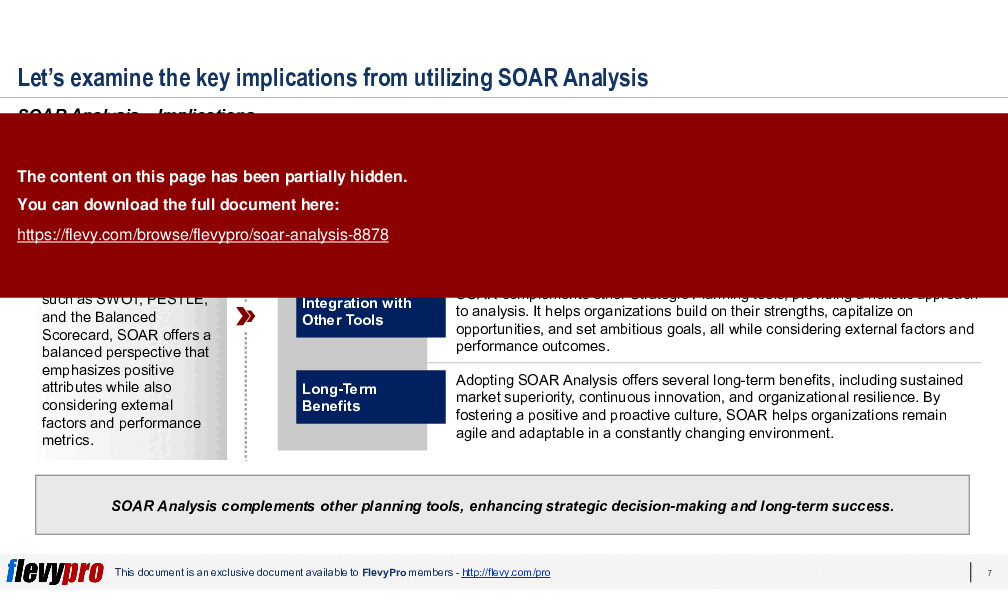
We will also discuss the strategic implications of implementing SOAR Analysis, integration with other planning tools, and long-term benefits. Additionally, we will address common challenges, mitigation strategies, and best practices to maximize the framework's impact. Real-world case studies will illustrate successful applications of SOAR and we will explore future trends and potential uses of SOAR in various industries.
By the end of this PowerPoint presentation, executives will gain comprehensive insights into the SOAR Analysis, enabling them to enhance strategic planning processes, drive organizational performance, and achieve sustainable growth.
This deck on SOAR Analysis also includes slide templates for you to use in your own business presentations.
Got a question about this document? Email us at flevypro@flevy.com.
Executive Summary
The SOAR Analysis presentation offers a strategic planning framework designed to enhance organizational growth by focusing on strengths and opportunities. Developed by Jacqueline Stavros and Gina Hinrichs, this approach shifts the narrative from problem-solving to leveraging positive attributes, fostering a proactive mindset. The framework comprises 4 core components: Strengths, Opportunities, Aspirations, and Results, which collectively drive effective strategic decision-making. By utilizing this presentation, executives will gain insights into implementing SOAR Analysis to improve strategic planning processes, drive performance, and achieve sustainable growth.
Who This Is For and When to Use
• Corporate executives seeking innovative strategic planning tools
• Integration leaders aiming to align organizational goals with strengths
• Consultants focused on enhancing client strategic frameworks
• Project managers responsible for implementing strategic initiatives
Best-fit moments to use this deck:
• During strategic planning sessions to redefine organizational goals
• When assessing market opportunities and leveraging internal strengths
• In workshops aimed at fostering a culture of positive change
• For training sessions on effective strategic decision-making
Learning Objectives
• Define the SOAR Analysis framework and its core components
• Build actionable strategies based on organizational strengths and opportunities
• Establish aspirational goals that align with stakeholder values
• Measure results through defined performance indicators
• Integrate SOAR Analysis with existing strategic planning tools
• Identify common challenges in implementation and develop mitigation strategies
Table of Contents
• Overview (page 3)
• SOAR Analysis (page 3)
• Core Components of SOAR (page 6)
• SOAR Implementation (page 14)
• Slide Design Structure & Templates (page 19)
Primary Topics Covered
• Overview of SOAR Analysis - An introduction to SOAR Analysis as a strategic planning tool emphasizing strengths and opportunities.
• Core Components of SOAR - Detailed exploration of the 4 components: Strengths, Opportunities, Aspirations, and Results.
• SOAR Implementation Challenges - Discussion of common challenges faced during implementation and strategies to overcome them.
• Case Studies - Real-world examples demonstrating the successful application of SOAR Analysis in various organizations.
• Future Trends and Applications - Insights into emerging trends and potential applications of SOAR Analysis across different sectors.
Deliverables, Templates, and Tools
• SOAR Analysis framework template for strategic planning
• Slide templates for presenting SOAR Analysis findings
• Guidelines for conducting SOAR workshops and training sessions
• Performance indicator tracking templates for measuring results
• Case study summaries illustrating successful SOAR implementations
Slide Highlights
• Introduction to SOAR Analysis and its advantages over traditional SWOT Analysis
• Visual representation of the 4 components of SOAR
• Case studies showcasing the successful application of SOAR in organizations like Google and Tesla
• Challenges and best practices for implementing SOAR Analysis
• Future trends in strategic planning and the role of SOAR Analysis
Potential Workshop Agenda
Introduction to SOAR Analysis (30 minutes)
• Overview of the SOAR framework and its benefits
• Discussion on the shift from SWOT to SOAR
Strengths and Opportunities Identification (60 minutes)
• Group activity to identify organizational strengths
• Brainstorming session on external opportunities
Setting Aspirations and Measuring Results (60 minutes)
• Workshop on defining aspirational goals
• Establishing performance indicators for tracking progress
Customization Guidance
• Tailor the SOAR framework to align with specific organizational goals and culture
• Adjust performance indicators to reflect industry-specific metrics
• Incorporate relevant case studies that resonate with the audience's experience
Secondary Topics Covered
• Integration of SOAR with other strategic planning tools
• The role of Appreciative Inquiry in SOAR Analysis
• Best practices for fostering a culture of positive change
• Techniques for engaging stakeholders throughout the SOAR process
Topic FAQ
Document FAQ
These are questions addressed within this presentation.
What is SOAR Analysis?
SOAR Analysis is a strategic planning framework that focuses on leveraging strengths and opportunities to drive organizational growth and success.
How does SOAR differ from SWOT Analysis?
Unlike SWOT Analysis, which emphasizes weaknesses and threats, SOAR focuses on positive attributes, encouraging aspirational goal-setting and measurable outcomes.
What are the core components of SOAR?
The 4 core components of SOAR are Strengths, Opportunities, Aspirations, and Results, each playing a critical role in strategic decision-making.
How can organizations implement SOAR Analysis?
Organizations can implement SOAR Analysis by conducting workshops, engaging stakeholders, and integrating the framework with existing strategic planning processes.
What challenges might arise during SOAR implementation?
Common challenges include resistance to change, inadequate data, and lack of alignment among stakeholders.
How can organizations measure results in SOAR Analysis?
Results can be measured through specific performance indicators that are aligned with the organization's strategic goals and aspirations.
What are some real-world examples of SOAR Analysis?
Case studies include Google’s expansion into cloud computing and Tesla’s leadership in sustainable energy, both leveraging SOAR Analysis for strategic growth.
What future trends can SOAR Analysis address?
Emerging trends include digital transformation, sustainability initiatives, and enhancing employee engagement, all of which can be addressed through SOAR Analysis.
Glossary
• SOAR Analysis - A strategic planning framework focusing on strengths and opportunities.
• Strengths - Internal capabilities and assets that provide strategic leverage.
• Opportunities - External factors that can be exploited for growth.
• Aspirations - Long-term goals that guide organizational direction.
• Results - Tangible outcomes that measure the success of strategic initiatives.
• Appreciative Inquiry - A methodology that focuses on building on what works well.
• Performance Indicators - Metrics used to assess progress and success.
• Stakeholder Engagement - Involving stakeholders in the planning process to ensure alignment.
• Strategic Planning - The process of defining an organization's direction and making decisions on allocating resources.
• Implementation Challenges - Obstacles that may arise during the execution of strategic initiatives.
• Case Studies - Real-world examples illustrating the application of SOAR Analysis.
• Future Trends - Emerging patterns and directions in strategic planning and organizational development.
Source: Best Practices in Strategic Planning PowerPoint Slides: SOAR Analysis PowerPoint (PPTX) Presentation Slide Deck, LearnPPT Consulting
Did you need more documents?
Consider a FlevyPro subscription from $39/month. View plans here.
For $10.00 more, you can download this document plus 2 more FlevyPro documents. That's just $13 each.
|
Download our FREE Strategy & Transformation Framework Templates
Download our free compilation of 50+ Strategy & Transformation slides and templates. Frameworks include McKinsey 7-S, Balanced Scorecard, Disruptive Innovation, BCG Curve, and many more. |