
This framework is developed by a team of former McKinsey and Big 4 consultants. The presentation follows the headline-body-bumper slide format used by global consulting firms.
Explore the Responsible AI Maturity Model, crafted by ex-McKinsey and Big 4 consultants, to embed ethics and governance in AI systems for sustainable growth. Responsible AI (RAI) Maturity Model Primer is a 34-slide PPT PowerPoint presentation slide deck (PPTX) available for immediate download upon purchase.
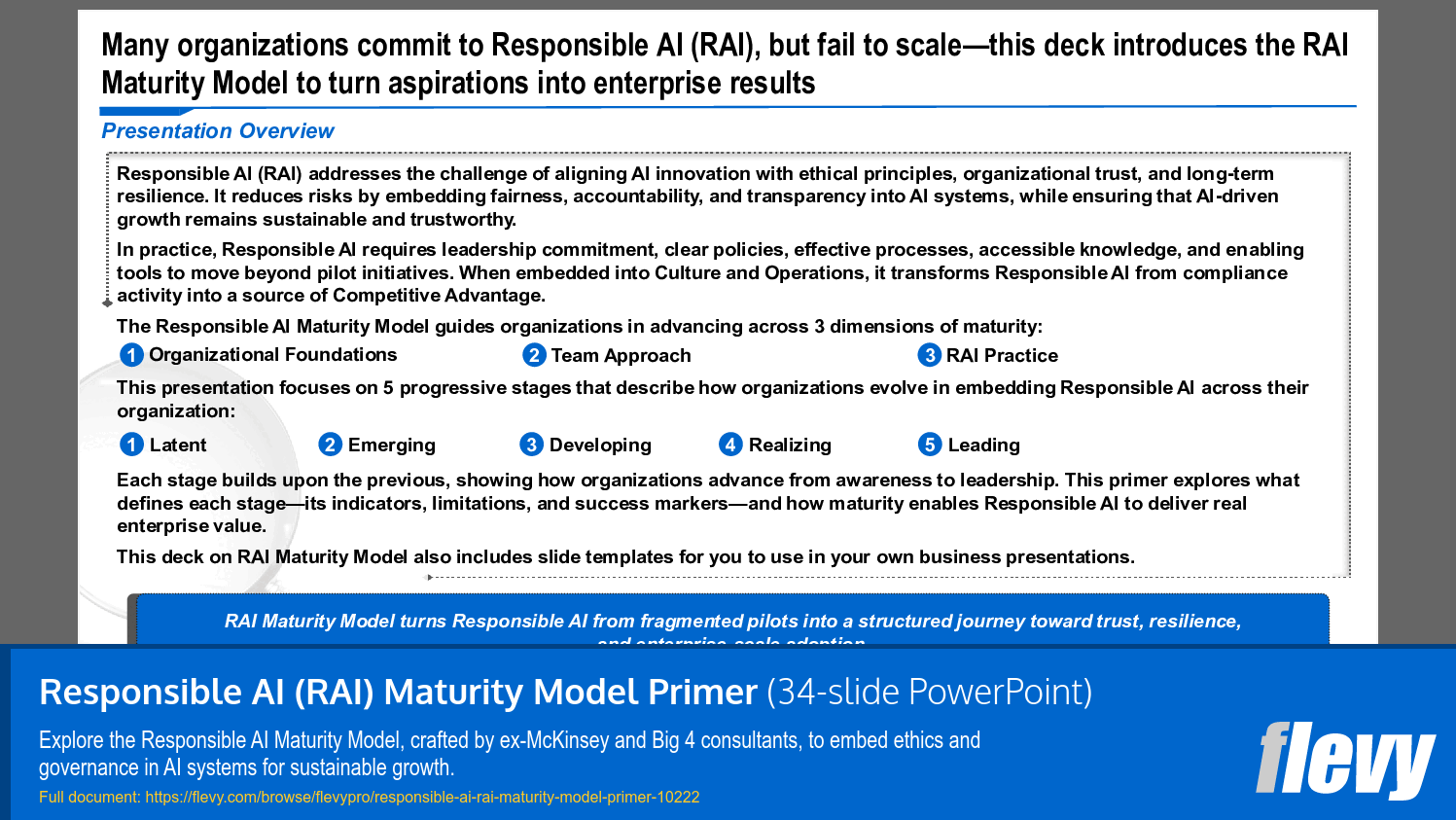
Responsible AI (RAI) addresses the challenge of aligning AI innovation with ethical principles, organizational trust, and long-term resilience. It reduces risks by embedding fairness, accountability, and transparency into AI systems, while ensuring that AI-driven growth remains sustainable and trustworthy.
In practice, Responsible AI depends not only on leadership vision or team priorities, but on how practices are executed across the AI lifecycle. Embedding responsibility into governance, risk management, development processes, and oversight ensures that responsibility is repeatable, auditable, and scalable.
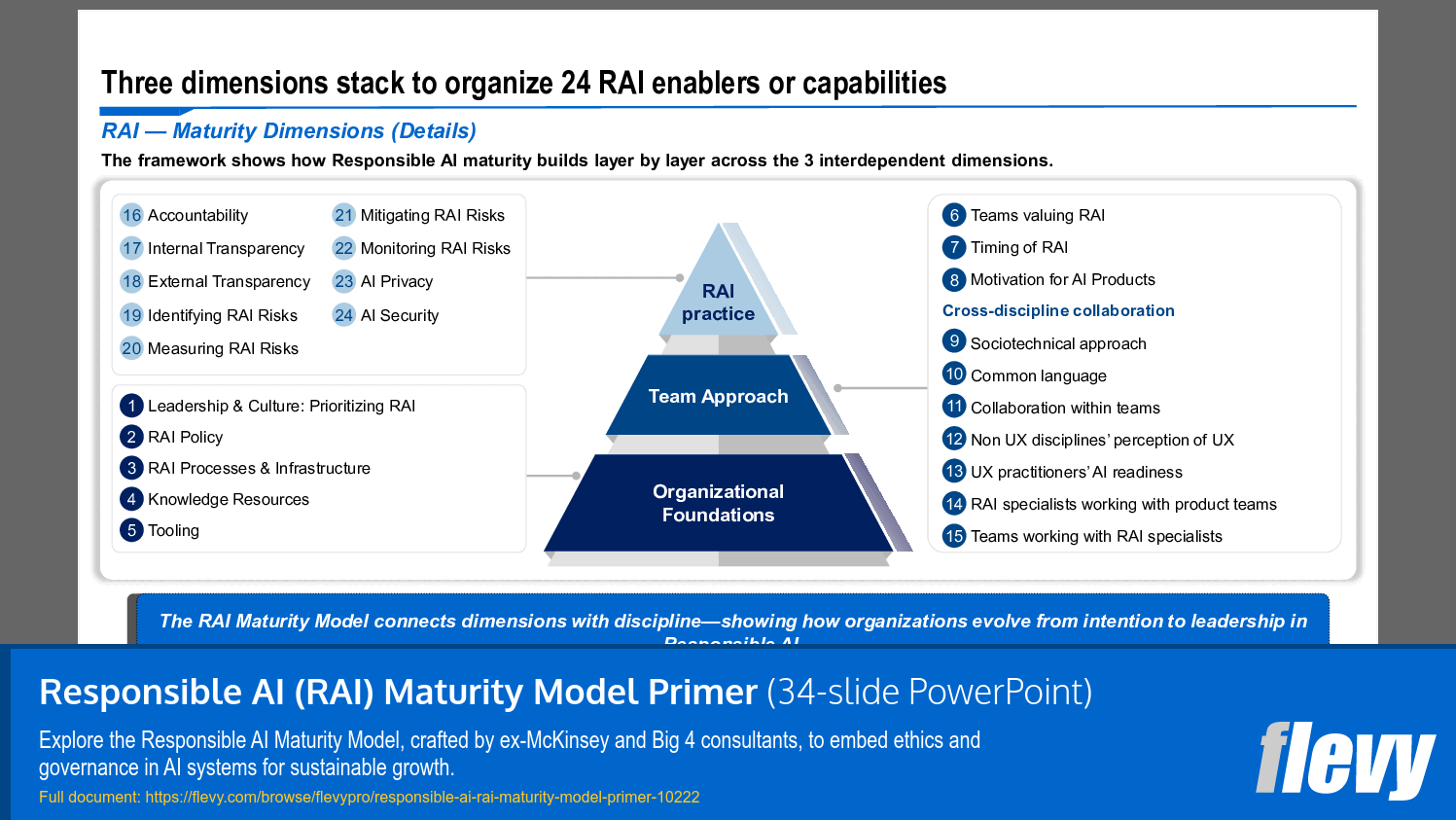
The Responsible AI Maturity Model guides organizations in advancing across 3 dimensions of maturity:
1. Organizational Foundations
2. Team Approach
3. RAI Practice
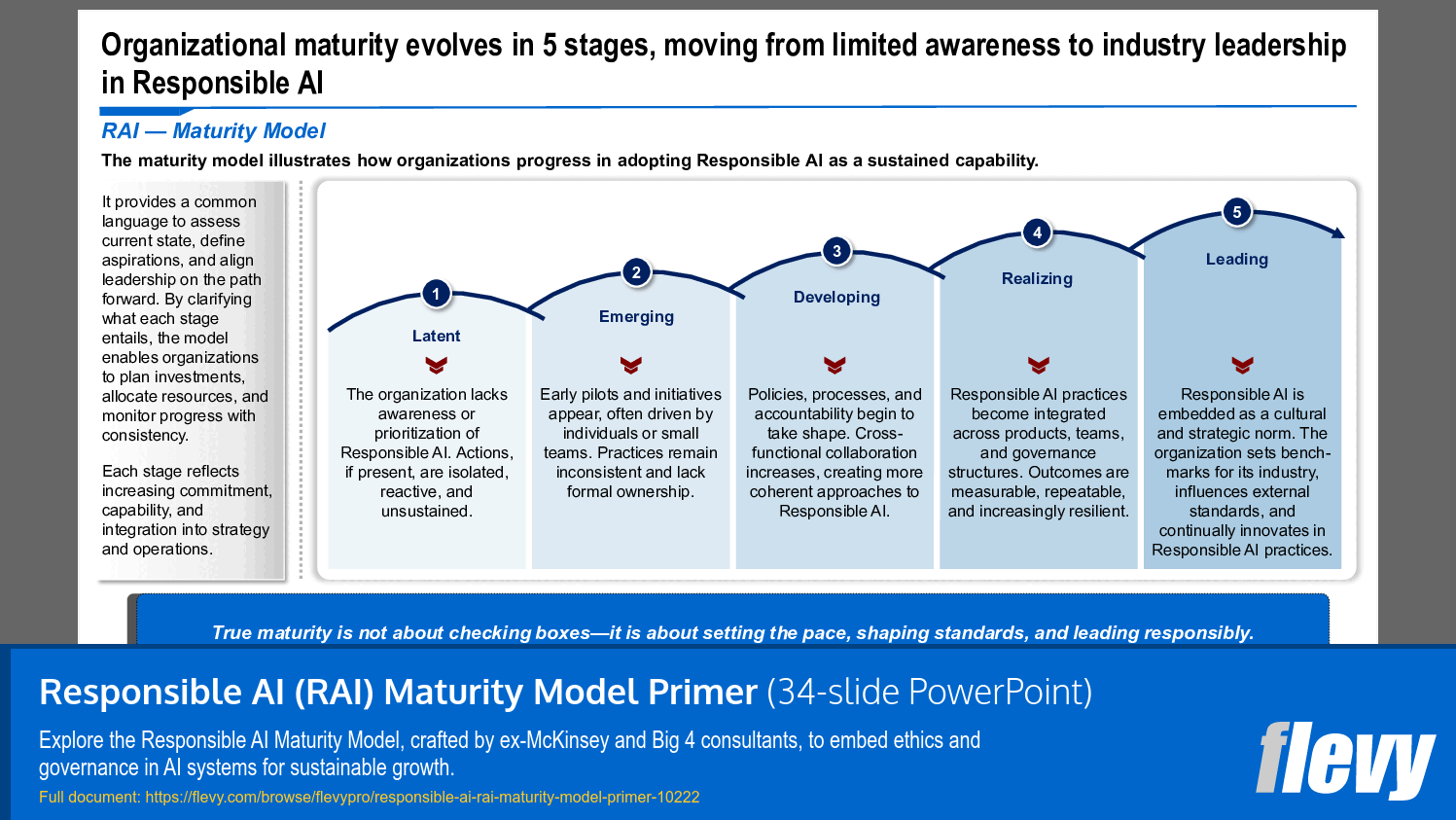
This presentation focuses on 5 progressive stages that describe how organizations evolve in embedding Responsible AI across their organization:
1. Latent
2. Emerging
3. Developing
4. Realizing
5. Leading
Each stage builds upon the previous, showing how organizations advance from awareness to leadership. This primer explores what defines each stage—its indicators, limitations, and success markers—and how maturity enables Responsible AI to deliver real enterprise value.
This PPT deck on RAI Maturity Model also includes slide templates for you to use in your own business presentations.
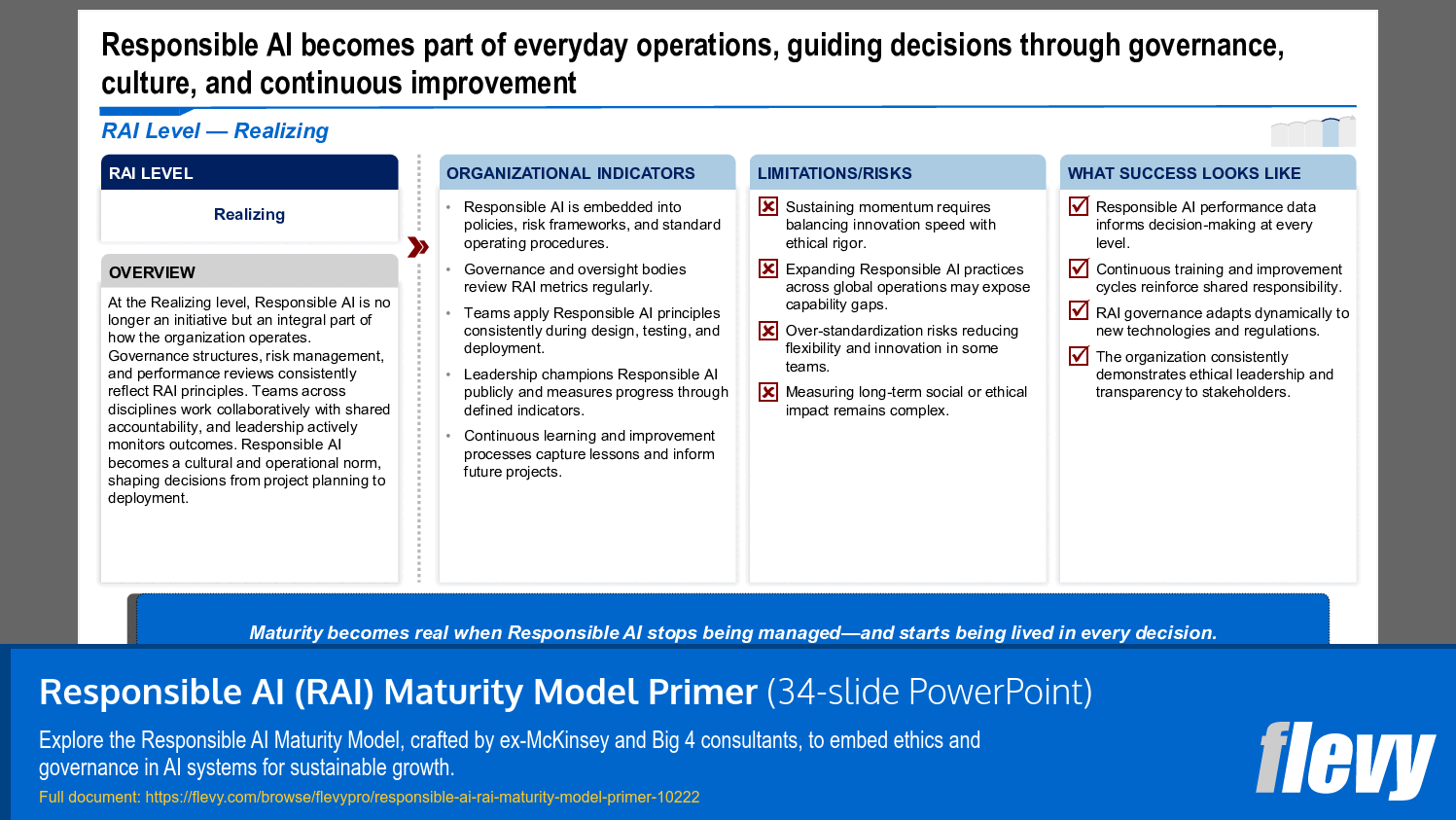
This PPT slide discusses the integration of Responsible AI into daily operations, emphasizing governance, culture, and continuous improvement. At the Realizing level, Responsible AI becomes a core operational component, with governance structures and risk management aligned with its principles. Teams consistently apply these standards during design, testing, and deployment. Leadership endorses Responsible AI and tracks progress through defined metrics. Key organizational indicators for Responsible AI maturity include embedding AI into policies and operational procedures, alongside regular oversight by governance bodies. Continuous learning processes capture lessons learned, ensuring Responsible AI is embedded within the organization. Limitations include maintaining momentum and managing global risks, while over-standardization may hinder flexibility and innovation. Mature organizations leverage Responsible AI data for decision-making and adapt governance to technological and regulatory changes, with transparency and ethical leadership being critical for responsible practices.
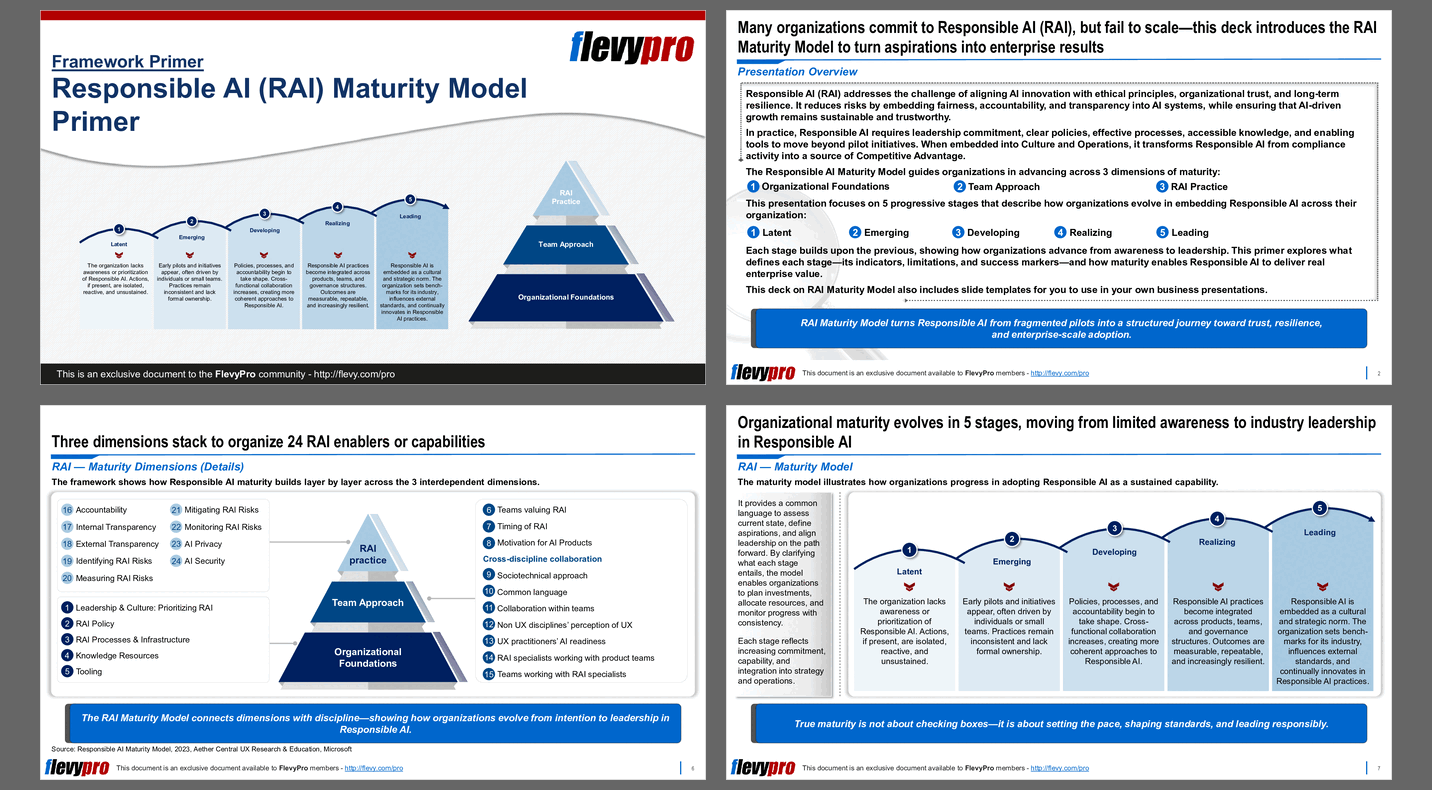
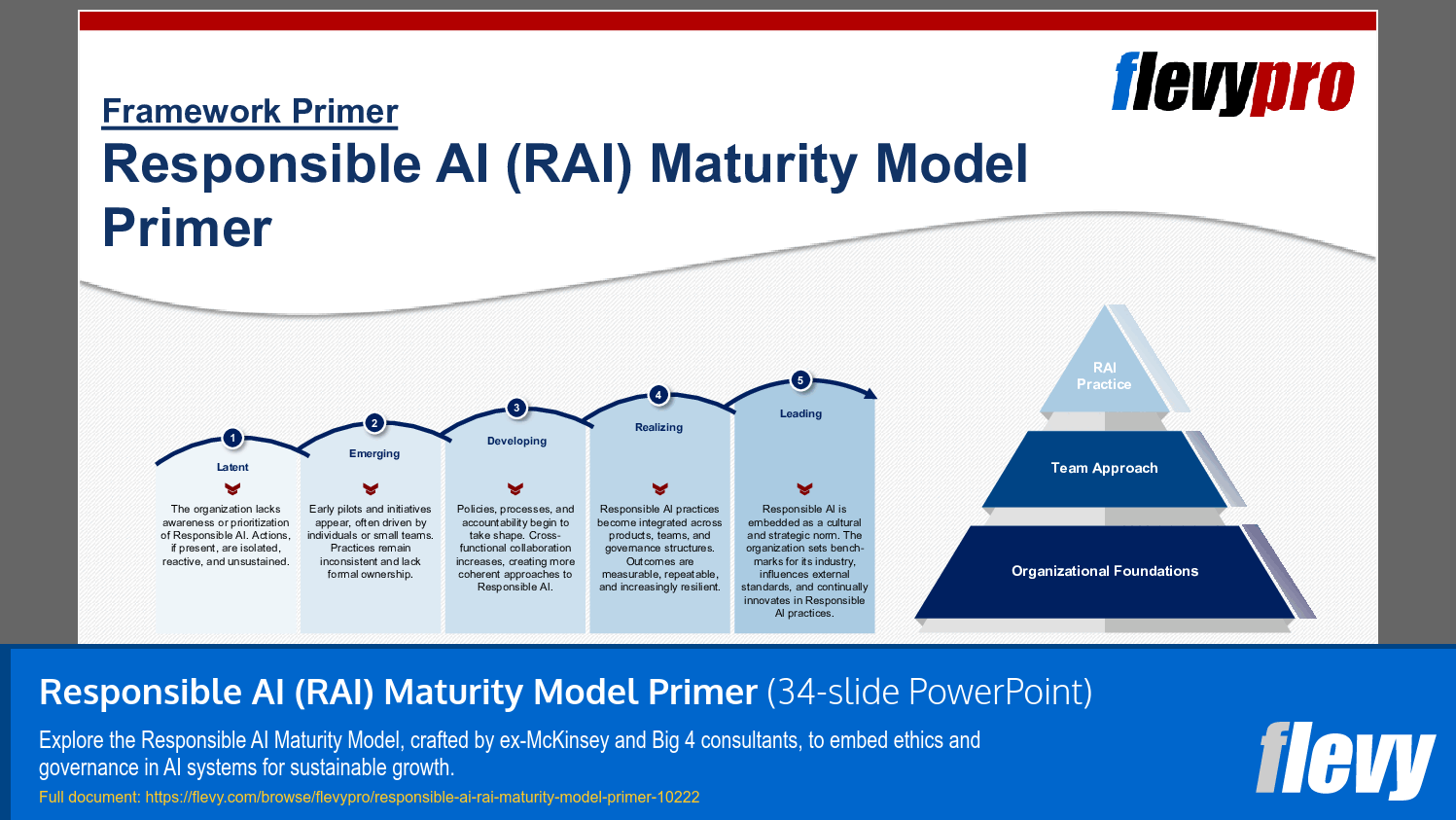
This PPT slide illustrates a five-stage model for organizations evolving in their maturity to adopt Responsible AI (RAI). The stages—Latent, Emerging, Developing, Realizing, and Leading—reflect increasing commitment and integration of RAI into strategy and operations. Organizations at the Latent stage are reactive and lack awareness, while those at the Leading stage embed RAI as a strategic norm, influencing external standards and innovating continuously. Key shifts include moving from isolated actions in the Latent stage to formal ownership and cross-functional collaboration in the Developing stage, culminating in integrated practices at the Leading stage. True maturity involves setting the pace and standards for RAI implementation.
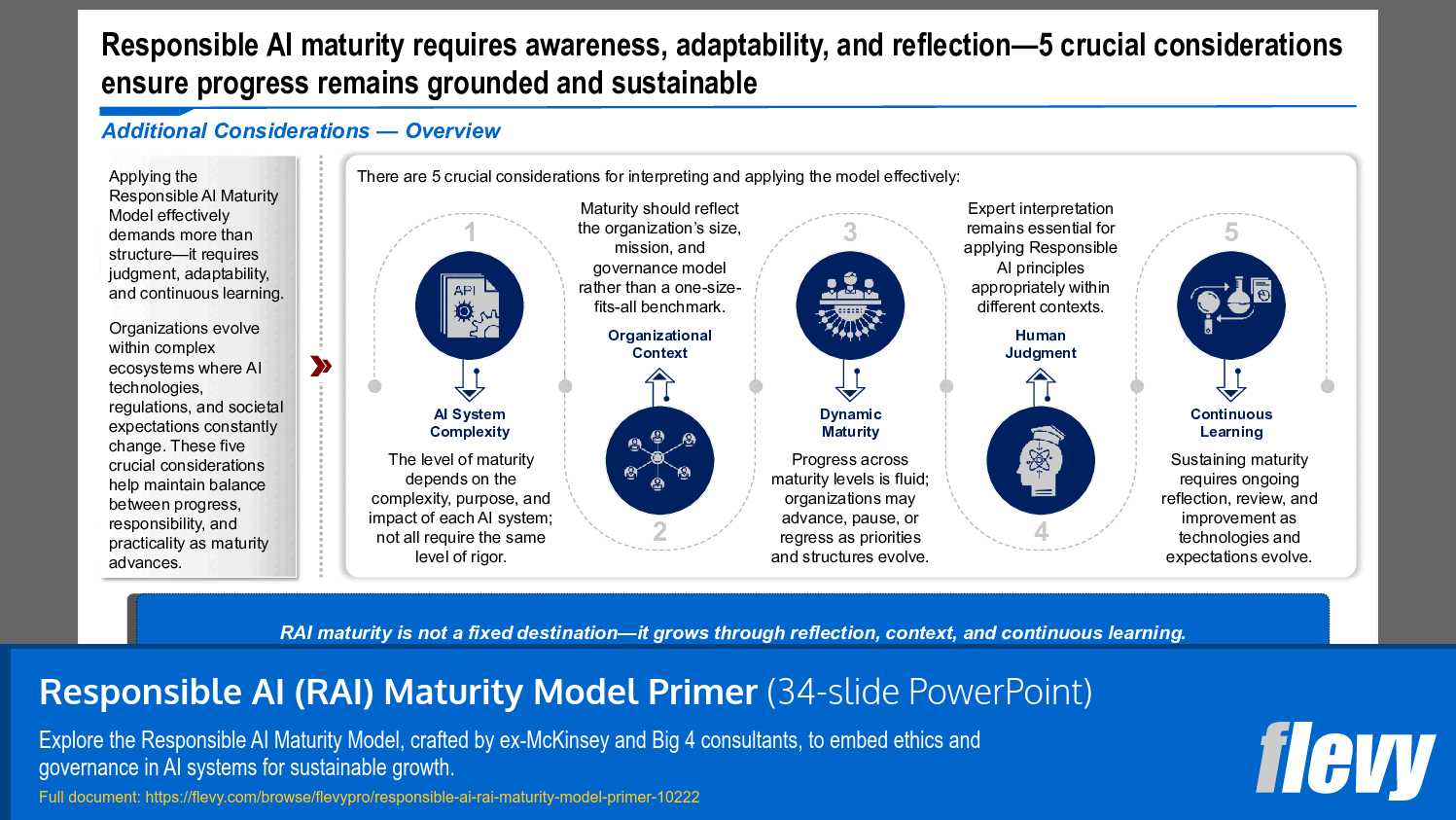
This PPT slide presents a framework for understanding responsible AI maturity, emphasizing awareness, adaptability, and ongoing reflection. It outlines 5 key considerations linked to AI maturity: AI system complexity, organizational context, dynamic maturity, human judgment, and continuous learning. AI system complexity varies based on purpose and impact, necessitating maturity assessments. Maturity should align with organizational size, mission, and governance, rejecting a one-size-fits-all approach. Progress across maturity levels is fluid, allowing organizations to advance or regress based on priorities. Human judgment is essential for applying responsible AI principles, and ongoing reflection is vital, recognizing that AI maturity is a continuous process rather than a fixed endpoint.
This PPT slide outlines a framework for organizing 24 Responsible AI (RAI) enablers across 3 interconnected dimensions: Organizational Foundations, Team Approach, and RAI Practice. The bottom layer, Organizational Foundations, includes leadership, policies, processes, resources, and tooling, which establish the base for responsible AI practices. The Team Approach layer emphasizes cross-disciplinary collaboration, motivation, timing, and valuing RAI, highlighting team dynamics. The top layer, RAI Practice, encompasses accountability, transparency, risk management, privacy, and security measures, operationalizing responsible AI principles. Maturity in responsible AI requires progression through these layers, with foundational elements enabling effective implementation and specific factors influencing each dimension, such as sociotechnical approaches and AI literacy. This structure serves as a roadmap for organizations to systematically develop their responsible AI capabilities.
Source: Best Practices in Maturity Model, Artificial Intelligence PowerPoint Slides: Responsible AI (RAI) Maturity Model Primer PowerPoint (PPTX) Presentation Slide Deck, LearnPPT Consulting
This framework is developed by a team of former McKinsey and Big 4 consultants. The presentation follows the headline-body-bumper slide format used by global consulting firms.
For $10.00 more, you can download this document plus 2 more FlevyPro documents. That's just $13 each.
ABOUT FLEVYPRO
This document is part of the FlevyPro Library, a curated knowledge base of documents for our FlevyPro subscribers.
FlevyPro is a subscription service for on-demand business frameworks and analysis tools. FlevyPro subscribers receive access to an exclusive library of curated business documents—business framework primers, presentation templates, Lean Six Sigma tools, and more—among other exclusive benefits.
The average daily rate of a McKinsey consultant is $6,625 (not including expenses). The average price of a Flevy document is $65.
Trusted by over 10,000+ Client Organizations
Since 2012, we have provided business templates to over 10,000 businesses and organizations of all sizes, from startups and small businesses to the Fortune 100, in over 130 countries.
"If you are looking for great resources to save time with your business presentations, Flevy is truly a value-added resource. Flevy has done all the work for you and we will continue to utilize Flevy as a source to extract up-to-date information and data for our virtual and onsite presentations!"
– Debbi Saffo, President at The NiKhar Group
"FlevyPro provides business frameworks from many of the global giants in management consulting that allow you to provide best in class solutions for your clients."
– David Harris, Managing Director at Futures Strategy
"I am extremely grateful for the proactiveness and eagerness to help and I would gladly recommend the Flevy team if you are looking for data and toolkits to help you work through business solutions."
– Trevor Booth, Partner, Fast Forward Consulting
"I have used FlevyPro for several business applications. It is a great complement to working with expensive consultants. The quality and effectiveness of the tools are of the highest standards."
– Moritz Bernhoerster, Global Sourcing Director at Fortune 500
"Flevy.com has proven to be an invaluable resource library to our Independent Management Consultancy, supporting and enabling us to better serve our enterprise clients.
The value derived from our [FlevyPro] subscription in terms of the business it has helped to gain far exceeds the investment made, making a subscription a no-brainer for any growing consultancy – or in-house strategy team."
– Dean Carlton, Chief Transformation Officer, Global Village Transformations Pty Ltd.
"Flevy is our 'go to' resource for management material, at an affordable cost. The Flevy library is comprehensive and the content deep, and typically provides a great foundation for us to further develop and tailor our own service offer."
– Chris McCann, Founder at Resilient.World
"Flevy is now a part of my business routine. I visit Flevy at least 3 times each month.
Flevy has become my preferred learning source, because what it provides is practical, current, and useful in this era where the business world is being rewritten.

many challenges and there is the need to make the right decisions in a short time, with so much scattered information, we are fortunate to have Flevy. Flevy investigates, selects, and puts at our disposal the best of the best to help us be successful in our work.
"
– Omar Hernán Montes Parra, CEO at Quantum SFE
"The wide selection of frameworks is very useful to me as an independent consultant. In fact, it rivals what I had at my disposal at Big 4 Consulting firms in terms of efficacy and organization."
– Julia T., Consulting Firm Owner (Former Manager at Deloitte and Capgemini)
Download our FREE Digital Transformation Templates
Download our free compilation of 50+ Digital Transformation slides and templates. DX concepts covered include Digital Leadership, Digital Maturity, Digital Value Chain, Customer Experience, Customer Journey, RPA, etc.