
 Click main image to view in full screen.
Ethical Organization: Improving Ethical Decision Making – PowerPoint PPT Template
PowerPoint (PPT) 22 Slides FlevyPro Document


BUSINESS ETHICS PPT TEMPLATE DESCRIPTION
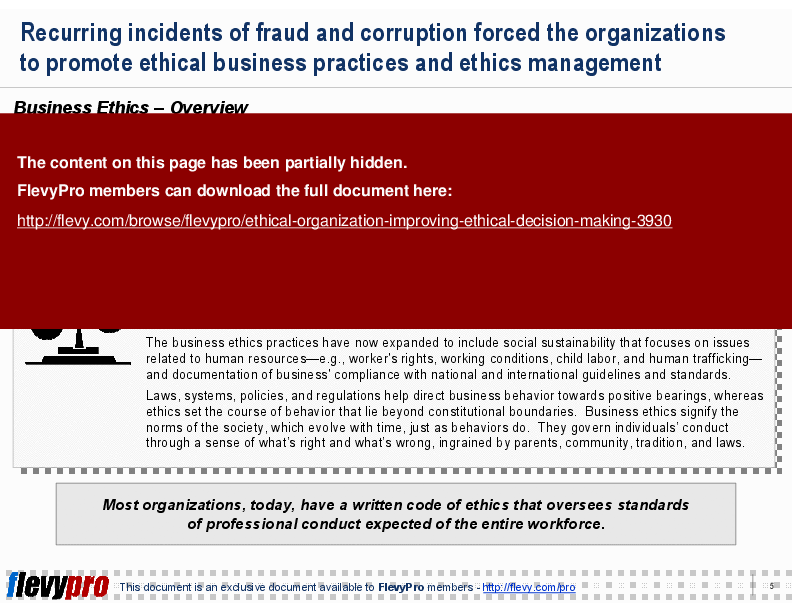
Most companies have ethics and compliance policies that get reviewed and signed annually by all employees. An organization's policy often states something to the effect of "Employees are charged with conducting their business affairs in accordance with the highest ethical standards. Morals, as well as legal obligations, will be fulfilled in a manner, which will reflect pride on the organization's name." These all comes from a company's policy. Yet, to sustain a truly ethical workplace, it takes more than a compliance policy or Values Statement.
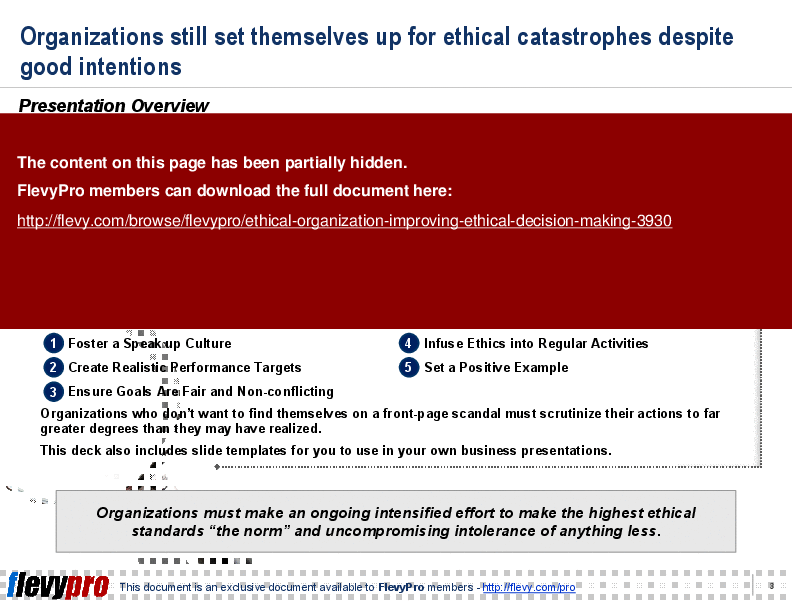
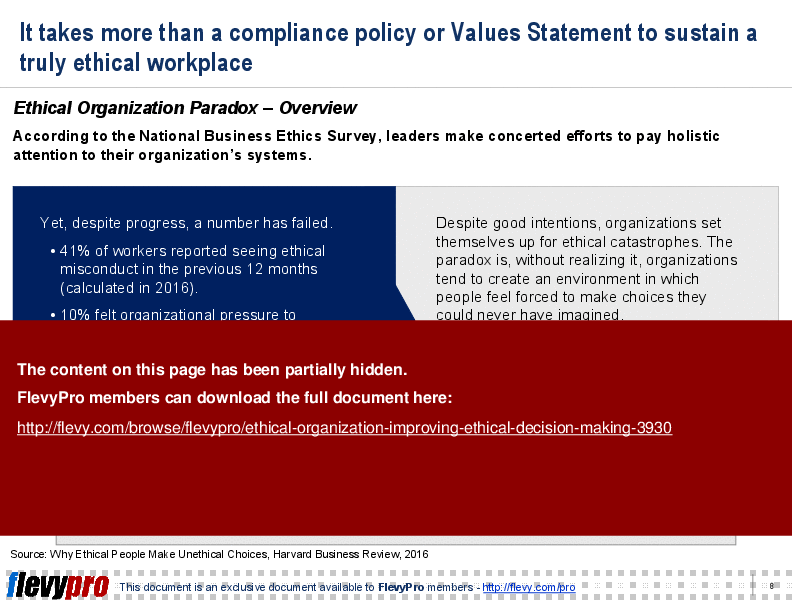
Corporate ethical failures have become painfully common, and they are not cheap. Billions of dollars have been paid in fines by companies charged with ethical breaches. Despite good intentions, organizations set themselves up for ethical catastrophes. In this age of corporate mistrust, creating an ethical workplace takes more than compliance programs.
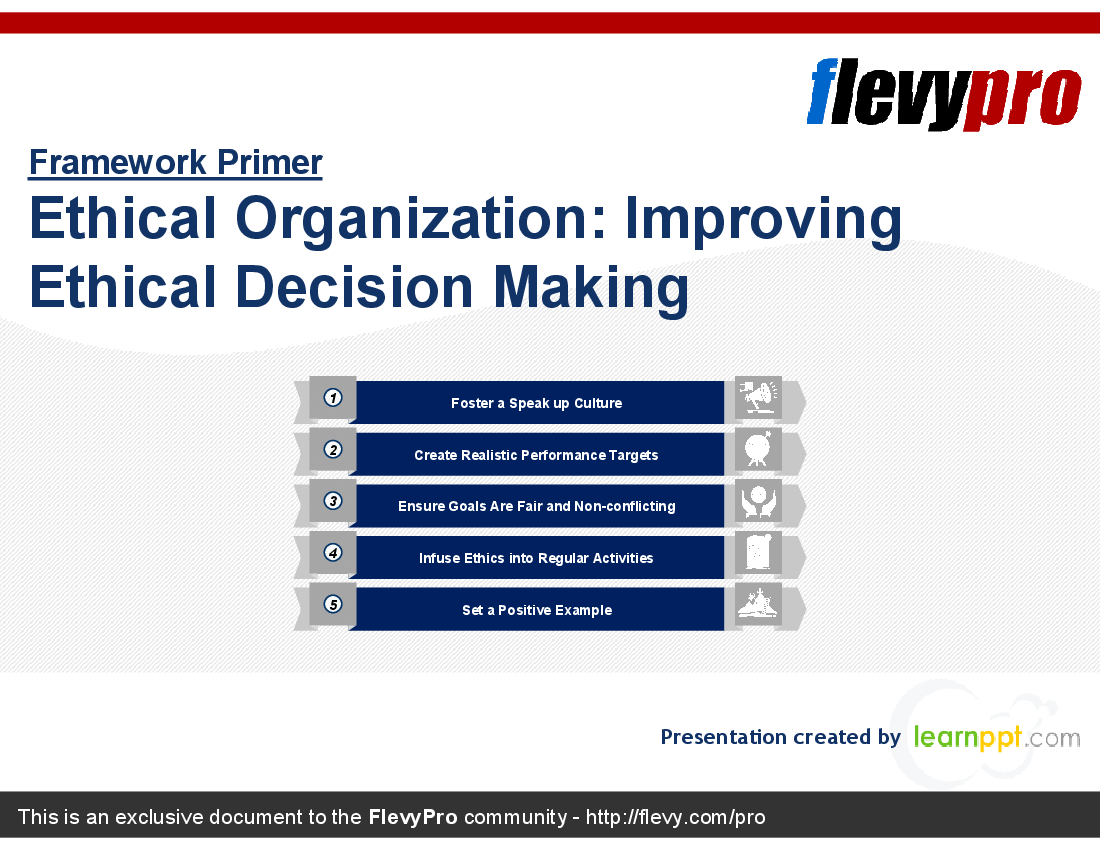
This presentation discusses in entirety the 5 ways of boosting ethical decisions—the 5 ways organizations can provoke good people to make ethical choices.
1. Foster a Speak up Culture
2. Create Realistic Performance Targets
3. Ensure Goals Are Fair and Non-conflicting
4. Infuse Ethics into Regular Activities
5. Set a Positive Example
Organizations who don't want to find themselves on a front-page scandal must scrutinize their actions to far greater degrees than they may have realized.
This deck also includes slide templates for you to use in your own business presentations.
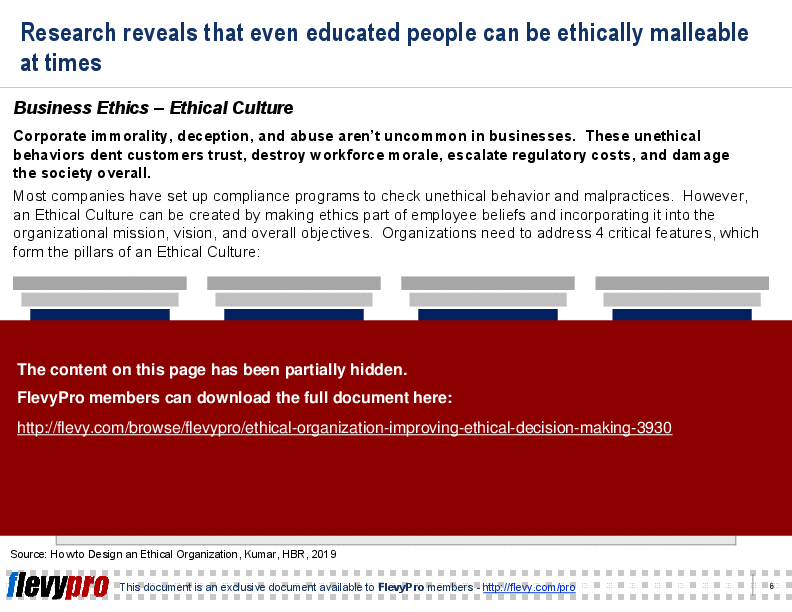
The presentation delves into the paradox of ethical organizations, highlighting how even well-intentioned companies can inadvertently create environments ripe for ethical lapses. It underscores the importance of fostering an ethical culture that goes beyond mere compliance, urging leaders to integrate ethics into the very fabric of daily operations. The deck also provides actionable insights on setting realistic performance targets, ensuring goals are fair, and embedding ethics into regular activities. This resource is essential for executives aiming to fortify their organization's ethical framework and avoid costly ethical breaches.
Got a question about this document? Email us at flevypro@flevy.com.
MARCUS OVERVIEW
This synopsis was written by Marcus [?] based on the analysis of the full 22-slide presentation.
Executive Summary
The "Ethical Organization: Improving Ethical Decision Making" presentation provides a structured approach for organizations aiming to enhance ethical decision-making processes. It outlines 5 critical strategies that foster an ethical workplace culture, emphasizing the importance of integrating ethics into daily operations. This resource is essential for leaders seeking to mitigate risks associated with ethical lapses and to cultivate a sustainable ethical environment within their organizations.
Who This Is For and When to Use
• Corporate executives responsible for governance and compliance
• HR leaders focused on organizational culture and employee engagement
• Ethics and compliance officers tasked with implementing ethical frameworks
• Managers seeking to improve team dynamics and decision-making processes
Best-fit moments to use this deck:
• During leadership training sessions focused on ethical practices
• When developing or revising organizational ethics policies
• In workshops aimed at enhancing team collaboration and integrity
• For strategic planning sessions that prioritize ethical considerations
Learning Objectives
• Define the key components of an ethical organization
• Identify the paradoxes that can lead to ethical failures
• Develop strategies to foster a speak-up culture
• Create realistic performance targets that align with ethical standards
• Ensure fairness and non-conflicting goals within teams
• Infuse ethical considerations into everyday business activities
• Set a positive example through leadership actions
Table of Contents
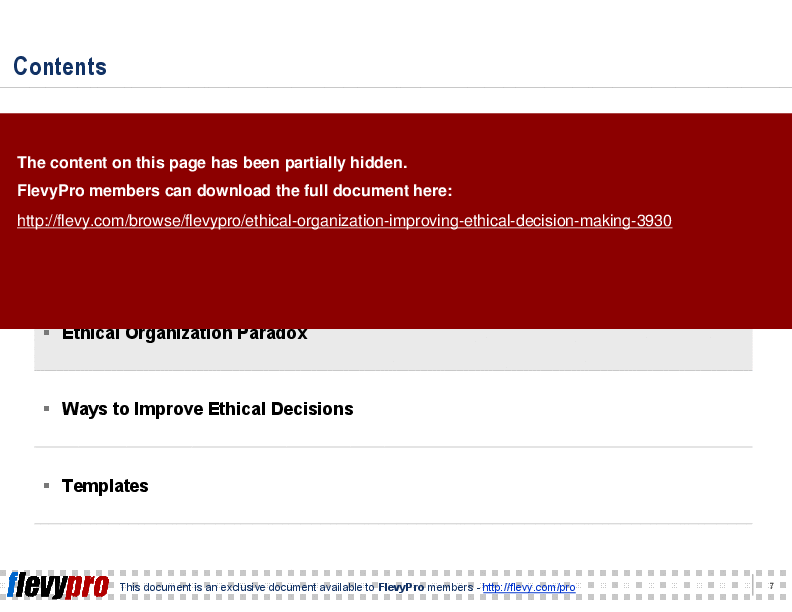
• Overview (page 3)
• Business Ethics (page 5)
• Ethical Organization Paradox (page 8)
• Ways to Improve Ethical Decisions (page 9)
• Templates (page 17)
Primary Topics Covered
• Business Ethics - An exploration of the principles that govern organizational conduct and decision-making processes.
• Ethical Organization Paradox - A discussion on how well-intentioned policies can inadvertently lead to ethical failures.
• Fostering a Speak-up Culture - Strategies to encourage employees to voice ethical concerns without fear of retribution.
• Creating Realistic Performance Targets - Guidelines for setting achievable goals that do not compromise ethical standards.
• Ensuring Fair and Non-conflicting Goals - Approaches to align organizational objectives with ethical practices.
• Infusing Ethics into Regular Activities - Techniques for embedding ethical considerations into daily operations and decision-making.
• Setting a Positive Example - The role of leadership in modeling ethical behavior and standards.
Deliverables, Templates, and Tools
• Framework for fostering a speak-up culture
• Guidelines for creating realistic performance targets
• Template for ensuring fair and non-conflicting goals
• Checklist for infusing ethics into daily activities
• Leadership action plan for setting positive examples
Slide Highlights
• Overview of the ethical organization framework
• Key statistics illustrating the prevalence of ethical misconduct
• Visual representation of the 5 ways to improve ethical decisions
• Case studies highlighting successful ethical initiatives
• Templates for practical application in organizational settings
Potential Workshop Agenda
Introduction to Ethical Decision Making (30 minutes)
• Overview of the ethical organization framework
• Discussion on the importance of ethics in business
Fostering a Speak-up Culture (60 minutes)
• Strategies to encourage open communication
• Role-playing scenarios to practice speaking up
Setting Realistic Performance Targets (45 minutes)
• Workshop on developing achievable goals
• Group discussions on aligning targets with ethical standards
Infusing Ethics into Daily Activities (45 minutes)
• Brainstorming session on integrating ethics into workflows
• Action planning for immediate implementation
Customization Guidance
• Tailor the framework to reflect your organization's specific values and mission
• Adjust templates to align with your performance metrics and evaluation criteria
• Incorporate relevant case studies and examples from your industry
Secondary Topics Covered
• The impact of corporate culture on ethical behavior
• Strategies for addressing ethical dilemmas in the workplace
• The role of training and development in promoting ethics
• Best practices for monitoring and enforcing ethical standards
Topic FAQ
What are the core attributes of an ethical organization that I should evaluate first?
An ethical organization exhibits a clear commitment to ethical principles, documented policies, a culture that encourages ethical behavior, and leadership that models integrity. These attributes align with the executive summary’s description of organizational ethics and can be evaluated as 4 core areas.What is the "ethical organization paradox" and why does it matter for policy design?
The ethical organization paradox refers to how well-intentioned policies or incentives can unintentionally create pressure that leads to ethical lapses. The presentation highlights this risk to show why policy design must consider behavioral consequences, discussed specifically on the Ethical Organization Paradox slide (page 8).What practical steps help foster a speak-up culture in an organization?
Practical steps include creating safe reporting channels, training employees on how to raise concerns, ensuring there are no reprisals, and role-playing scenarios to build confidence. The resource supplies a framework specifically intended to foster a speak-up culture as a defined deliverable.How should performance targets be set to avoid prompting unethical behavior?
Performance targets should be realistic and achievable, account for available resources and support, and be reviewed for unintended pressure points. The deck provides guidelines for creating realistic performance targets to reduce incentive-driven misconduct.What checklist of materials should I expect in an ethics decision-making toolkit?
A usable toolkit should include a diagnostic overview, a speak-up framework, target-setting guidelines, templates for fair goals, checklists for daily ethics integration, and a leadership action plan. Ethical Organization: Improving Ethical Decision Making lists those specific deliverables as included materials.How much time and what resources are typically required to run an effective ethics workshop?
The presentation proposes a focused workshop agenda totaling about 3 hours: a 30-minute introduction, 60 minutes on speak-up culture, 45 minutes on realistic targets, and 45 minutes on infusing ethics, plus facilitators and role-play materials—an agenda totaling 3 hours.After an ethical lapse, what immediate actions should leaders prioritize to stabilize the situation?
Immediate actions include reviewing relevant policies, initiating transparent communication, enabling speak-up channels, reassessing performance targets that may have contributed to pressure, and documenting leadership actions. The deck includes a leadership action plan template to structure these initial responses.What are effective ways to embed ethics into everyday business activities without overburdening teams?
Integrate brief ethics discussions into regular meetings, provide targeted decision-making training, recognize ethical behavior, and apply a simple checklist to review processes. The presentation supplies a checklist for infusing ethics into daily activities to support operational embedding.Document FAQ
These are questions addressed within this presentation.
What are the key components of an ethical organization?
An ethical organization is characterized by a strong commitment to ethical principles, clear policies, a culture that encourages ethical behavior, and leadership that models integrity.
How can organizations prevent ethical failures?
By fostering a speak-up culture, setting realistic performance targets, ensuring fairness in goals, and embedding ethics into daily activities, organizations can significantly reduce the risk of ethical failures.
What role does leadership play in promoting ethics?
Leadership sets the tone for organizational culture. By modeling ethical behavior and making conscious decisions that reflect ethical standards, leaders can inspire their teams to follow suit.
How can performance targets be aligned with ethical standards?
Performance targets should be realistic and achievable, taking into account the resources and support needed for employees to meet these goals without compromising ethical standards.
What strategies can be used to encourage employees to speak up about ethical concerns?
Creating a safe environment where employees feel valued and heard, providing training on how to raise concerns, and ensuring there are no repercussions for speaking up are effective strategies.
How can ethics be integrated into daily business activities?
Organizations can integrate ethics by discussing ethical considerations in regular meetings, providing training on ethical decision-making, and recognizing and rewarding ethical behavior.
What are common ethical dilemmas faced by organizations?
Common dilemmas include conflicts of interest, pressure to meet unrealistic targets, and challenges in balancing profit with ethical considerations.
How can organizations measure the effectiveness of their ethical initiatives?
Regular assessments through surveys, feedback mechanisms, and monitoring compliance with ethical standards can help gauge the effectiveness of ethical initiatives.
Glossary
• Ethical Culture - The shared values and norms that shape the behavior of individuals within an organization.
• Speak-up Culture - An environment where employees feel safe to voice concerns about ethical issues.
• Performance Targets - Specific goals set for employees to achieve within a defined timeframe.
• Fair Goals - Objectives that are equitable and do not create conflicts among team members.
• Ethical Decision-Making - The process of making choices that align with ethical principles and standards.
• Compliance Programs - Initiatives designed to ensure adherence to laws, regulations, and ethical standards.
• Corporate Governance - The system by which organizations are directed and controlled, focusing on ethical practices.
• Organizational Values - The core principles that guide an organization's actions and decision-making.
• Ethics Training - Programs aimed at educating employees about ethical standards and decision-making processes.
• Accountability - The obligation of individuals to explain their actions and decisions, particularly in ethical contexts.
• Transparency - Openness in communication and decision-making processes within an organization.
• Conflict of Interest - A situation where an individual's personal interests may conflict with their professional responsibilities.
• Whistleblower - An employee who reports unethical or illegal activities within an organization.
• Ethical Standards - Guidelines that dictate what is considered acceptable behavior within an organization.
• Corporate Social Responsibility (CSR) - The practice of businesses considering their impact on society and the environment in their operations.
• Integrity - The quality of being honest and having strong moral principles.
• Moral Philosophy - The study of what is right and wrong in human conduct.
• Stakeholders - Individuals or groups that have an interest in the decisions and actions of an organization.
• Ethical Framework - A structured approach for analyzing and addressing ethical issues.
• Regulatory Compliance - Adherence to laws and regulations governing business practices.
• Values Statement - A declaration of an organization's core values and ethical principles.
• Ethical Leadership - Leadership that is guided by respect for ethical beliefs and values.
• Cultural Norms - The shared expectations and rules that guide behavior within a group or organization.
BUSINESS ETHICS PPT TEMPLATES
Source: Best Practices in Leadership, Decision Making, Business Ethics PowerPoint Slides: Ethical Organization: Improving Ethical Decision Making PowerPoint (PPT) Presentation Slide Deck, LearnPPT Consulting
Did you need more documents?
Consider a FlevyPro subscription from $39/month. View plans here.
For $10.00 more, you can download this document plus 2 more FlevyPro documents. That's just $13 each.




























