
 Click main image to view in full screen. Unlock all 15 preview images:
Operational Excellence Design Process – PowerPoint PPTX Template
PowerPoint (PPTX) + PowerPoint (PPTX) 43 Slides


BENEFITS OF THIS DOWNLOADABLE POWERPOINT DOCUMENT
- Understand the core requirements of a systemic operational excellence model
- Define a set of principles to guide the implementation of operational excellence
- Start building an actionable and aligned operational excellence deployment plan
OPERATIONAL EXCELLENCE PPT TEMPLATE DESCRIPTION
The primary document is ideal for any organization that's seeking to implement a structured operational excellence program within their organization. The document is designed as a "plug and play" workshop to initiate the process of developing an operational excellence program that will generate sustainable business impact. Licensors can use this document to explain the core requirements for driving a structured approach to operational excellence, align key stakeholders on the foundational principles and desired outcomes for the operational excellence implementation, and define a deployment model based on these principles.
The secondary document contains a fictional list of design principles for an operational excellence program as a point of reference.
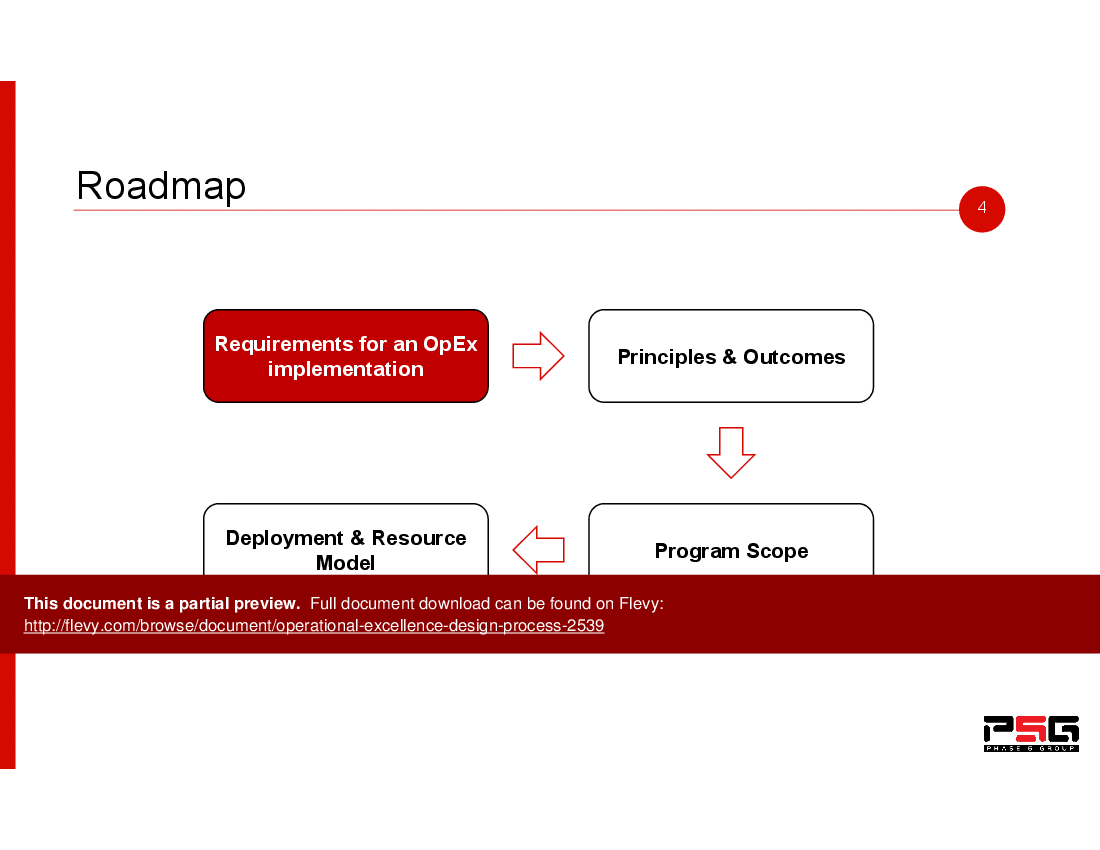
This PPT provides a comprehensive roadmap for achieving operational excellence, detailing the critical requirements, principles, and outcomes necessary for successful implementation. It outlines a structured approach to deployment and resource modeling, ensuring that all aspects of the operational excellence program are meticulously planned and executed. The document emphasizes the importance of aligning program scope with organizational goals, ensuring that the implementation drives significant business impact.
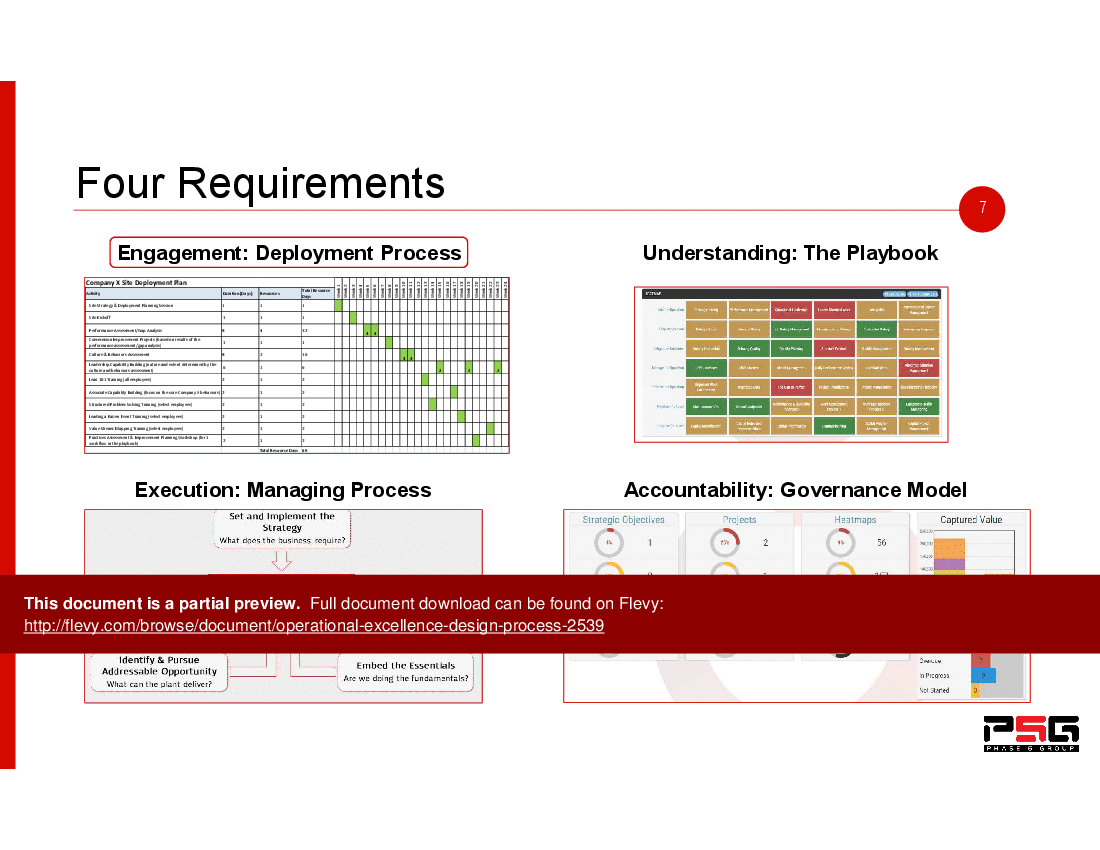
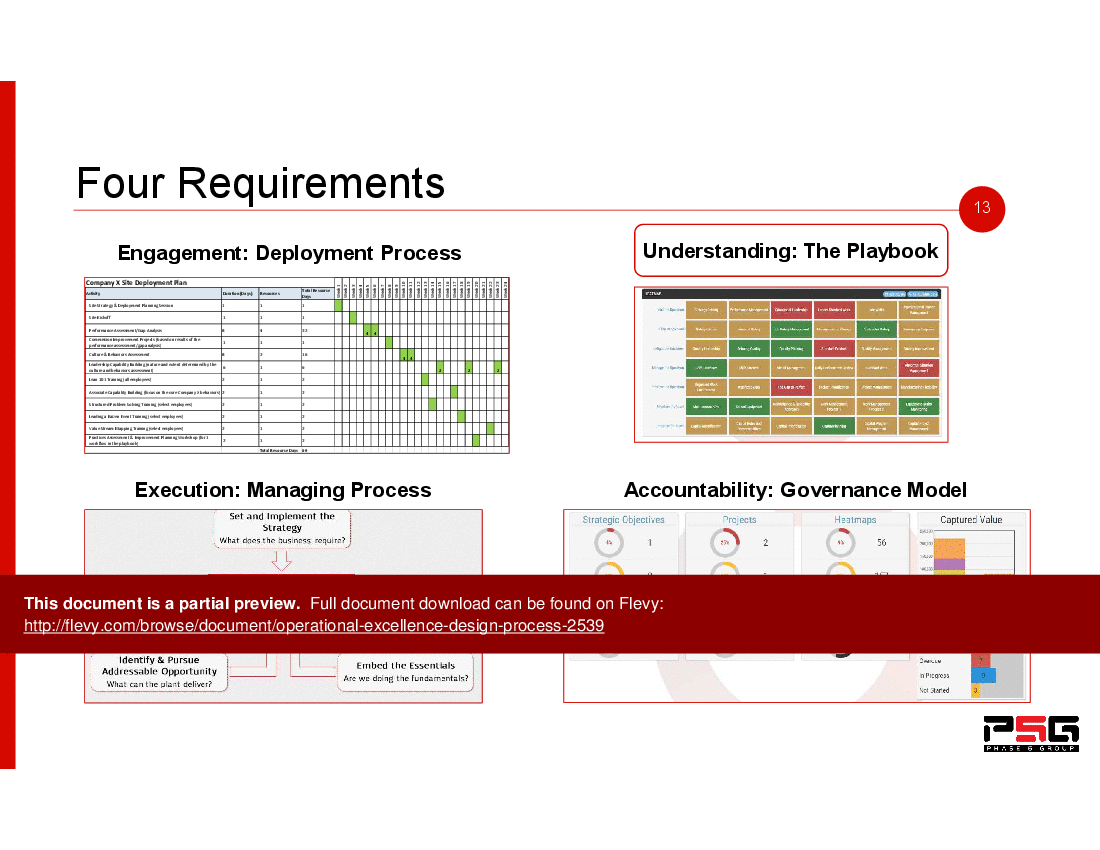
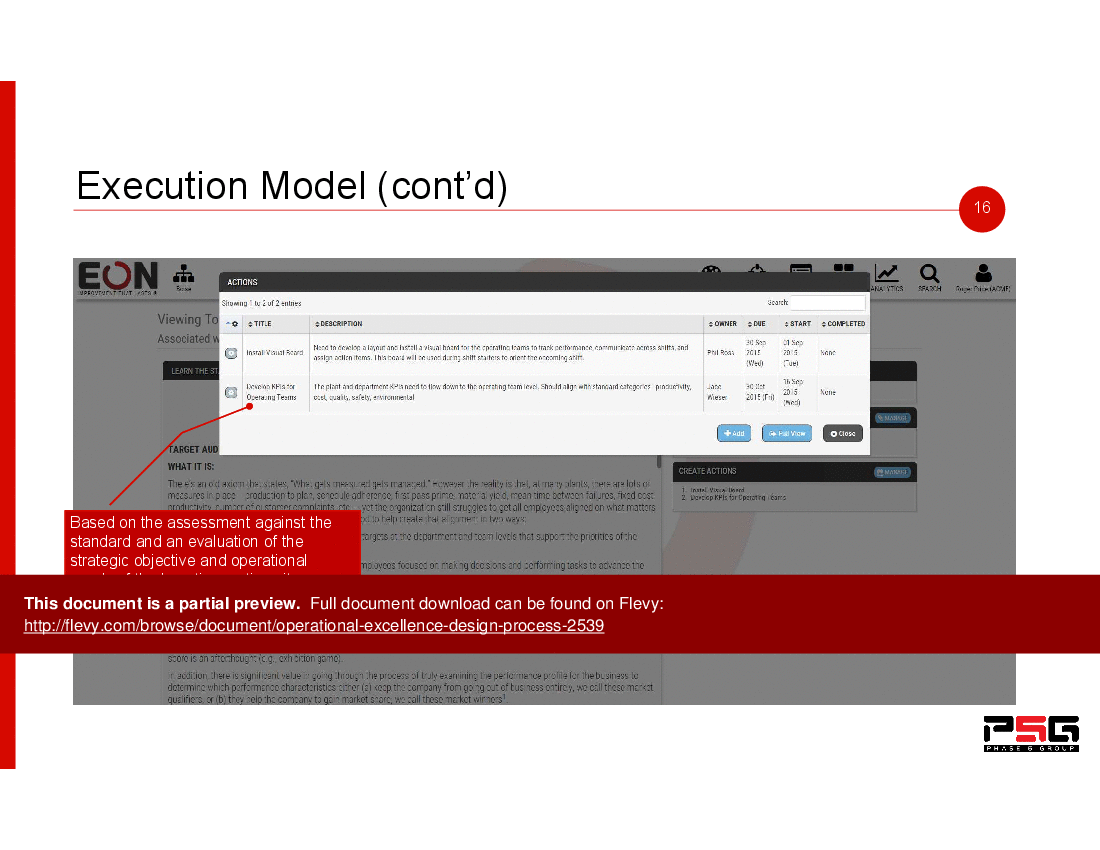
The four key requirements for operational excellence—engagement, understanding, execution, and accountability—are thoroughly explored. The deployment process is mapped out to ensure stakeholder engagement, while the playbook provides a clear understanding of the necessary steps. The managing process is designed to ensure seamless execution, and the governance model holds all parties accountable for their roles in the implementation. This holistic approach ensures that every aspect of the operational excellence program is covered, from strategy setting to execution and evaluation.
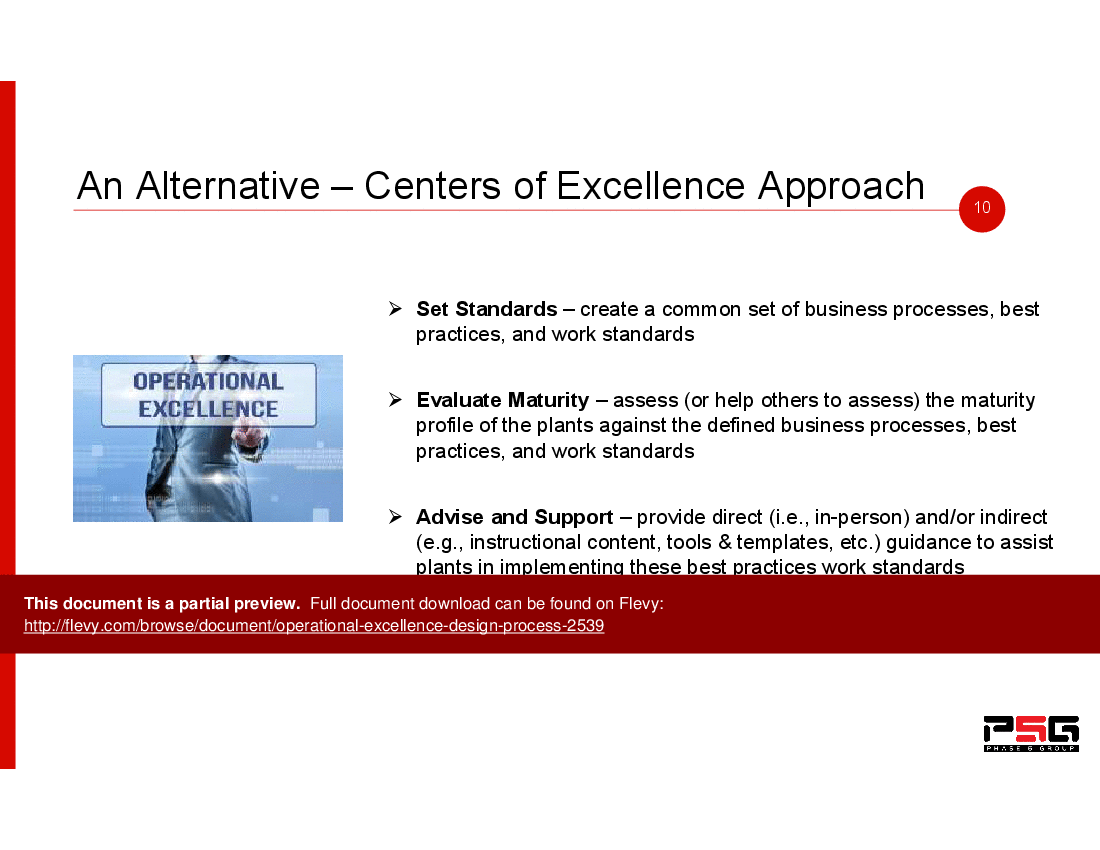
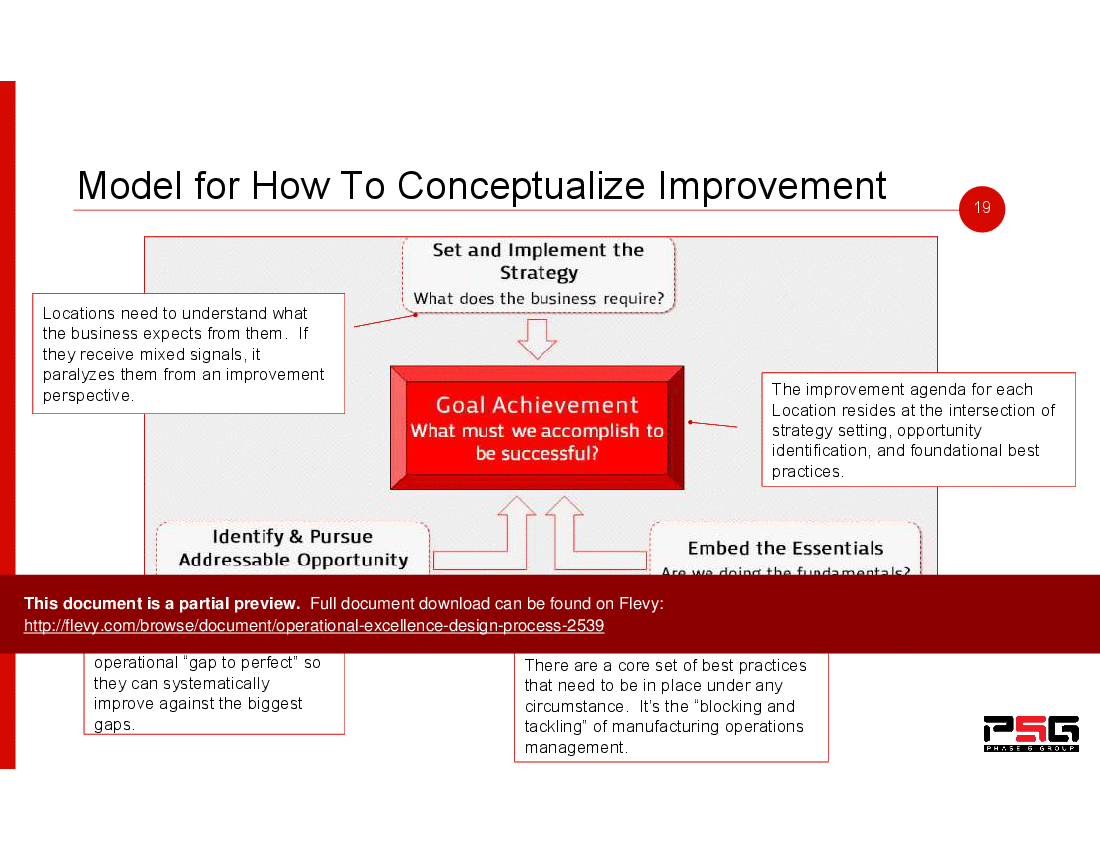
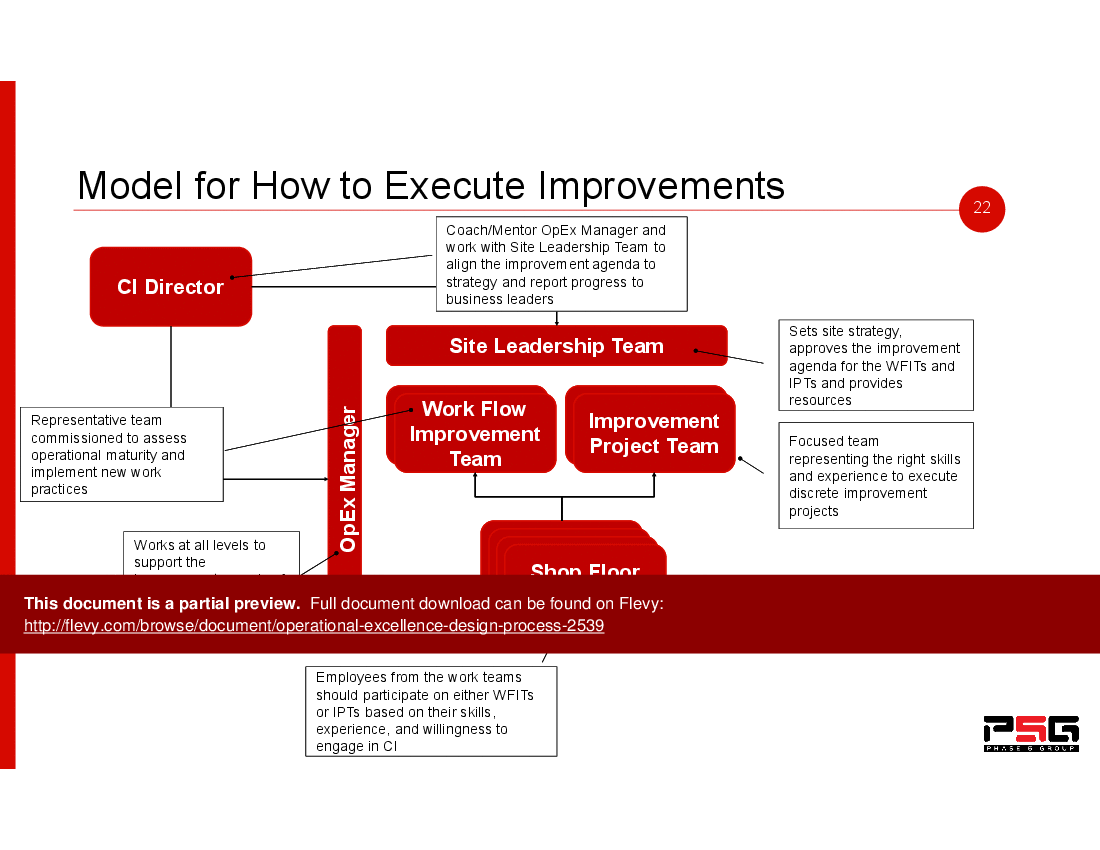
An alternative approach, the Centers of Excellence, is also presented, offering a different perspective on achieving operational excellence. This approach focuses on setting standards, evaluating maturity, and providing both direct and indirect support to ensure the successful implementation of best practices. The document also includes models for conceptualizing and executing improvements, providing a clear framework for continuous improvement. This disciplined and rigorous approach ensures that operational excellence is not just a one-time initiative, but a sustainable, ongoing effort.
Got a question about the product? Email us at support@flevy.com or ask the author directly by using the "Ask the Author a Question" form. If you cannot view the preview above this document description, go here to view the large preview instead.
TOPIC FAQ
What are the core requirements of an operational excellence program?
Operational excellence programs typically require stakeholder engagement, a shared understanding of objectives, reliable execution mechanisms, and clear accountability. The Operational Excellence Design Process explicitly frames these as 4 key requirements: engagement, understanding, execution, and accountability, which guide deployment and governance decisions.How should organizations structure deployment and governance for operational excellence?
A structured deployment maps stakeholder engagement, defines a playbook of steps, establishes a managing process for execution, and creates a governance model to hold roles accountable. Resource modeling helps size teams and activities. These elements form the backbone of a deployment and governance approach in the referenced toolkit.What is the Centers of Excellence approach to operational excellence?
The Centers of Excellence approach focuses on setting standards, evaluating organizational maturity, and providing both direct and indirect support to business units. It offers an alternative deployment method for sustaining best practices, with emphasis on standardization and maturity assessment as core elements.How can a workshop be used to initiate an operational excellence program?
A facilitated, plug-and-play workshop can align key stakeholders on foundational principles, define desired outcomes, and produce an initial deployment model and playbook. Flevy's Operational Excellence Design Process is designed to be used as that workshop starter, delivering a structured initiation within the slide set.What should I look for when selecting an operational excellence toolkit for my organization?
Prioritize materials that enable stakeholder alignment, include a deployment model and playbook, define governance and accountability, and provide resource modeling or maturity evaluation options. These capabilities support practical implementation and planning, such as a playbook, governance model, and resource modeling tools.How can I estimate the value or expected impact of implementing an operational excellence program using a template?
Estimate value by aligning program scope with organizational goals, modeling required resources and effort, and defining outcomes to be tracked under governance. Templates that include resource modeling and clearly link activities to outcomes can support this estimation, using the resource modeling component as a baseline.I need to align stakeholders on operational excellence priorities after a restructure—what framework can help?
Use a structured initiation that captures foundational design principles, facilitates stakeholder workshops, and produces a deployment model plus a playbook to coordinate execution and accountability. Flevy's Operational Excellence Design Process is presented specifically to align stakeholders and define a deployment model and playbook.Can a smaller team implement operational excellence practices, or does it require large-scale resources?
Implementation can be scaled; resource modeling and deployment design allow organizations to size effort to capability. A Centers of Excellence can offer direct or indirect support where central capacity is limited, with scaling guided by resource modeling and maturity evaluation.Source: Best Practices in Operational Excellence PowerPoint Slides: Operational Excellence Design Process PowerPoint (PPTX) Presentation Slide Deck, Roger Price - Phase 5 Group