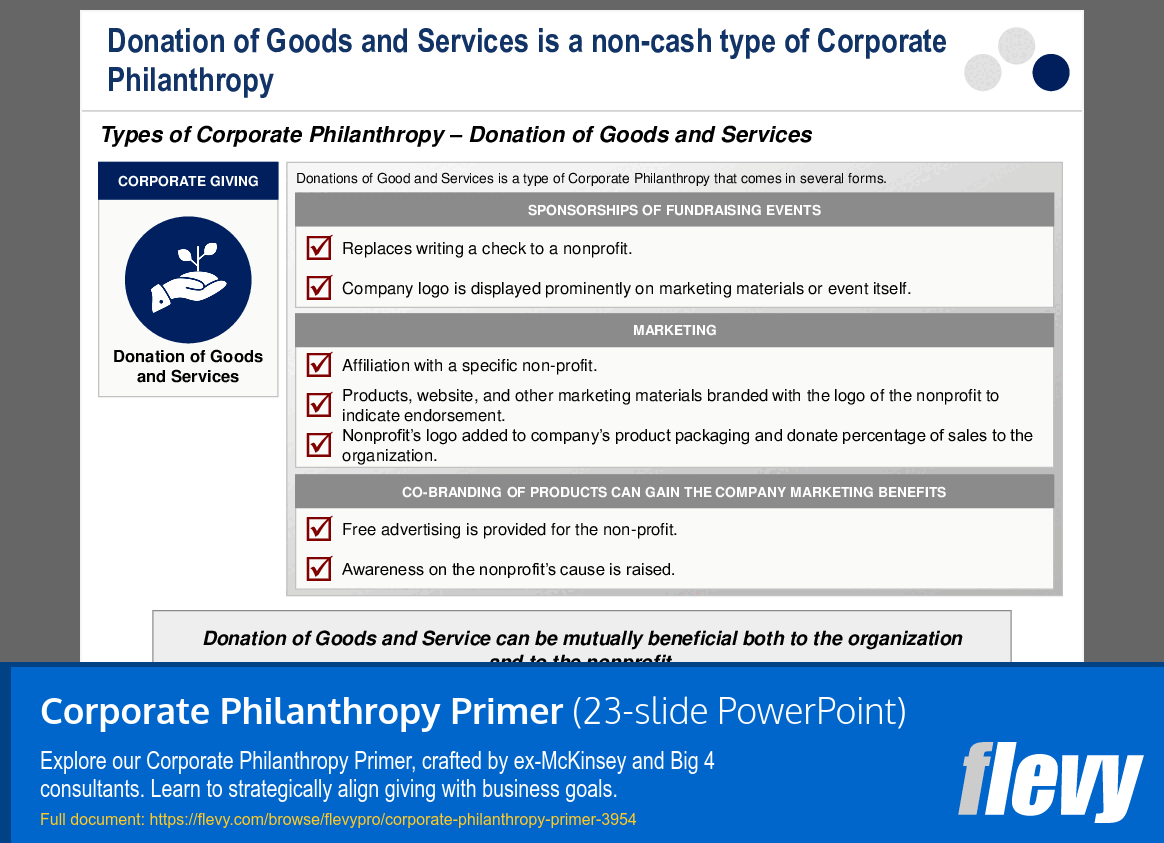

Corporations can be a source of grant funding. Corporate grant programs sponsored by large, multinational corporations look identical to the grant programs run by foundations. This include a formal application process and well-defined programmatic areas. Other companies choose to limit their giving to a handful of local nonprofits with support consisting of one-time cash gifts or in-kind donations of goods or services.
Organizing Corporate Giving Programs require serious study and consideration. Companies have to properly define its objectives and the reasons why it plans to come up with giving programs. The organization must be clear on what type of support it will offer and the ways of promoting these programs. When this is done, it is most effective for the company to establish its Corporate Giving Program and set the right direction for its Corporate Philanthropic journey.
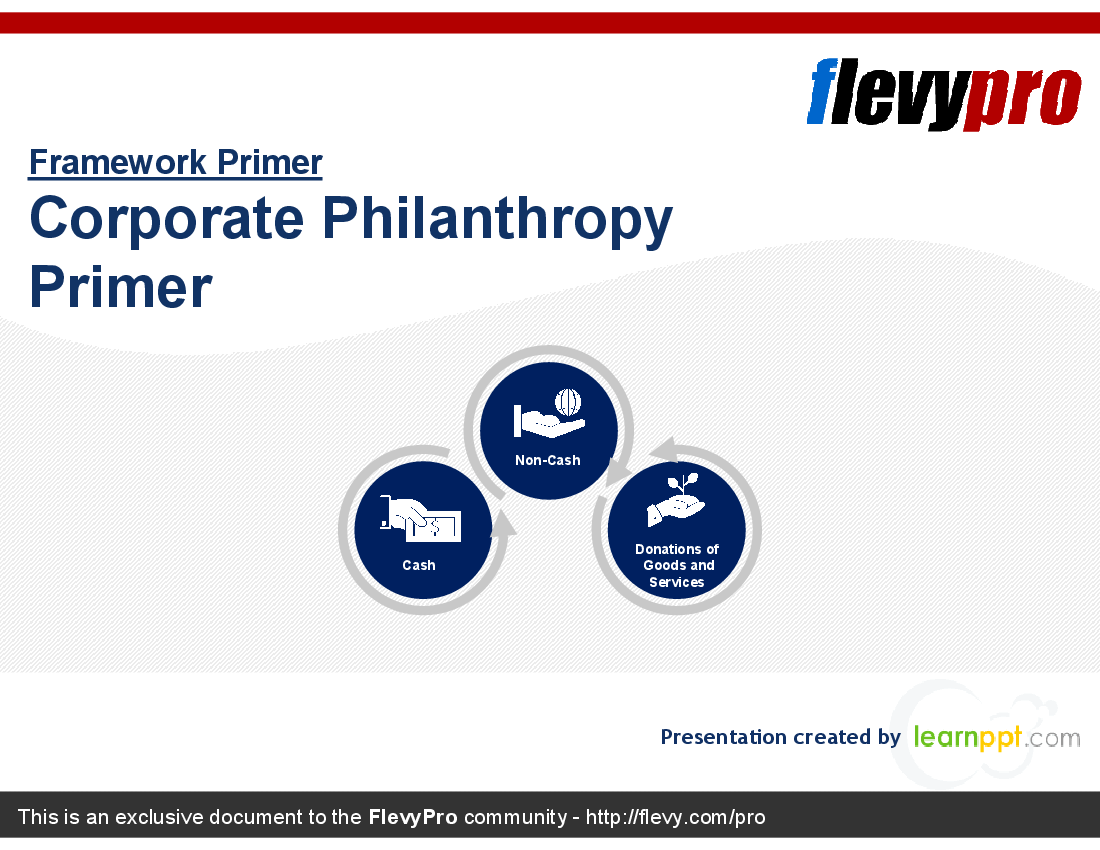
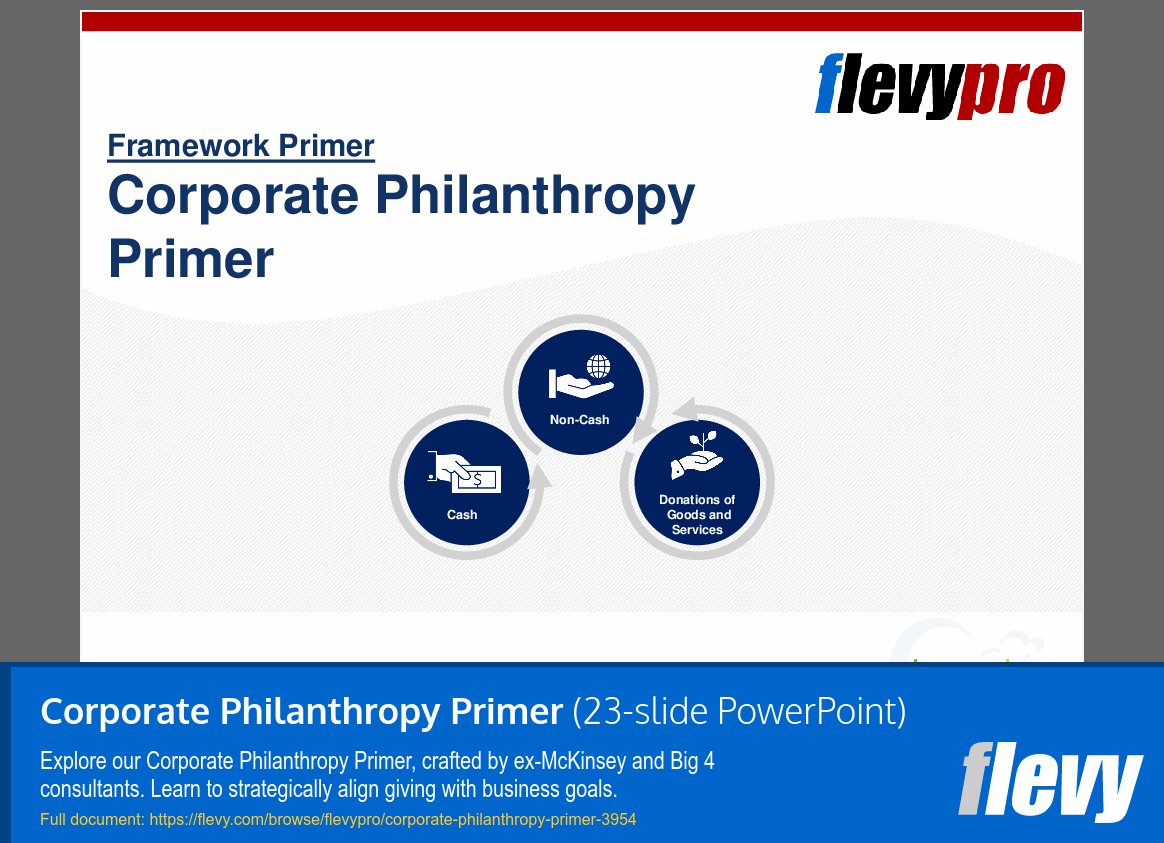
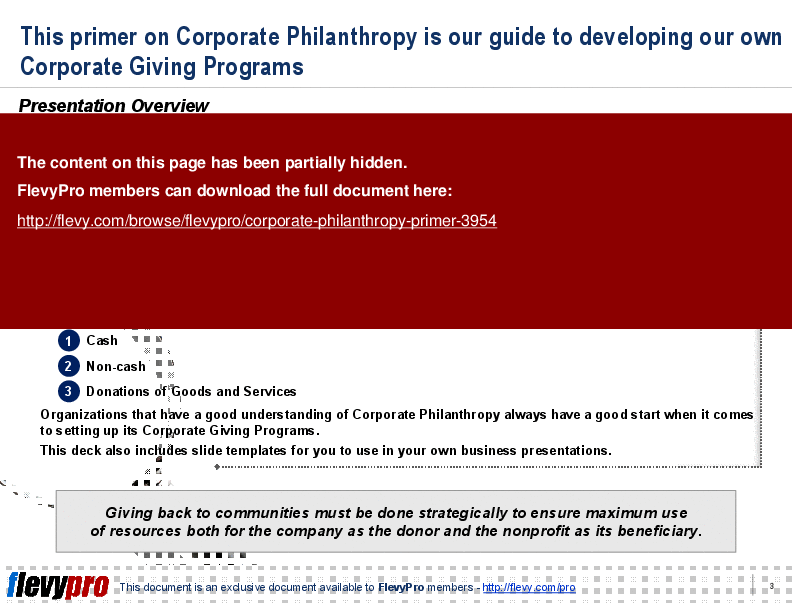
This presentation provides a good introduction to Corporate Philanthropy, including the 3 types of Corporate Giving.
1. Cash
2. Non-cash
3. Donations of Goods and Services
Organizations that have a good understanding of Corporate Philanthropy always have a good start when it comes to setting up its Corporate Giving Programs. Giving back to communities must be done strategically to ensure maximum use of resources both for the company as the donor and the nonprofit as its beneficiary.
This deck also includes slide templates for you to use in your own business presentations.
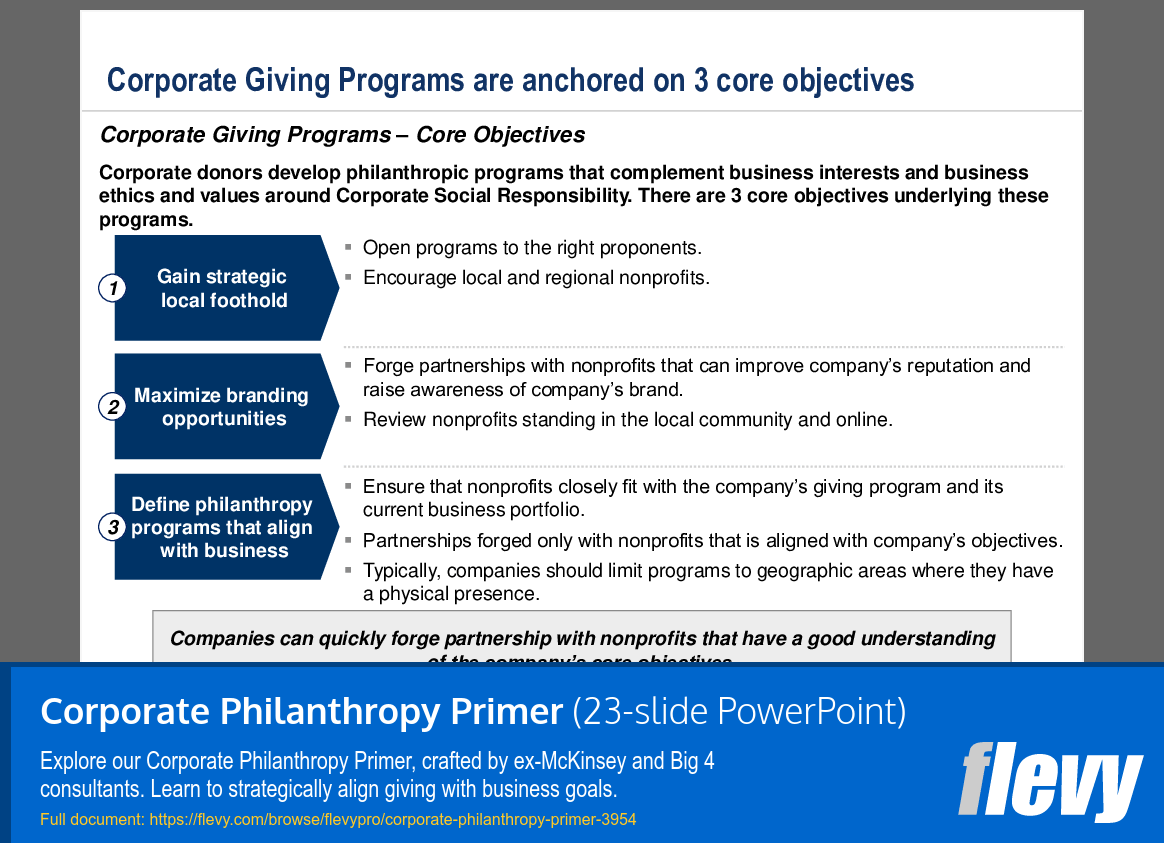
This primer delves into the core objectives of Corporate Giving Programs, highlighting the importance of aligning philanthropic efforts with business goals. It underscores the strategic value of partnerships and collaborations with nonprofits, ensuring that corporate resources are utilized effectively. The presentation also provides actionable insights on promoting awareness of giving programs through various channels, including social media and press releases. This comprehensive guide is essential for any organization looking to establish or refine its corporate philanthropy initiatives.
Got a question about this document? Email us at flevypro@flevy.com.
Executive Summary
The Corporate Philanthropy Primer is a strategic guide designed to help organizations develop effective Corporate Giving Programs. Created by seasoned consultants, this presentation outlines the importance of aligning corporate giving with business objectives while maximizing community impact. It covers the 3 primary types of corporate philanthropy: cash donations, non-cash contributions, and donations of goods and services. By leveraging this primer, executives can establish a structured approach to philanthropy that enhances their corporate social responsibility (CSR) initiatives and strengthens community relations.
Who This Is For and When to Use
• Corporate executives responsible for CSR initiatives
• Philanthropy program managers overseeing corporate giving
• Marketing and communications teams promoting corporate giving efforts
• Nonprofit partnership coordinators seeking corporate collaboration
Best-fit moments to use this deck:
• During the planning phase of a new Corporate Giving Program
• When evaluating existing philanthropy strategies for alignment with business goals
• For training sessions on corporate social responsibility and philanthropy
Learning Objectives
• Define the 3 types of corporate philanthropy and their strategic implications
• Build a comprehensive Corporate Giving Program that aligns with business objectives
• Establish metrics for evaluating the impact of corporate giving initiatives
• Identify key stakeholders and partners for effective philanthropic engagement
• Develop communication strategies to promote corporate giving efforts internally and externally
• Create templates for tracking donations and measuring outcomes
Table of Contents
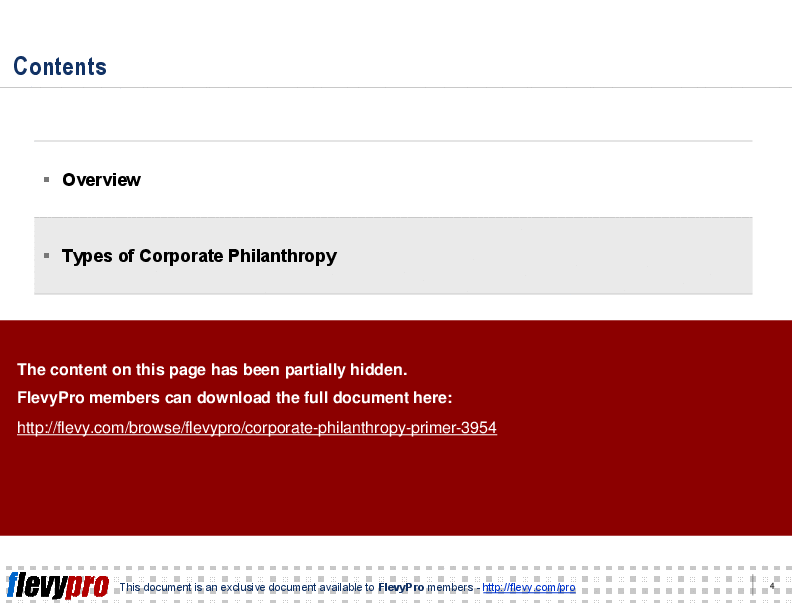
• Overview (page 3)
• Types of Corporate Philanthropy (page 5)
• Reasons Corporations Give (page 10)
• Corporate Giving Programs (page 13)
• Templates (page 17)
Primary Topics Covered
• Overview of Corporate Philanthropy - Introduction to the concept of corporate philanthropy and its significance in community welfare through charitable donations.
• Types of Corporate Philanthropy - Detailed exploration of cash donations, non-cash contributions, and donations of goods and services.
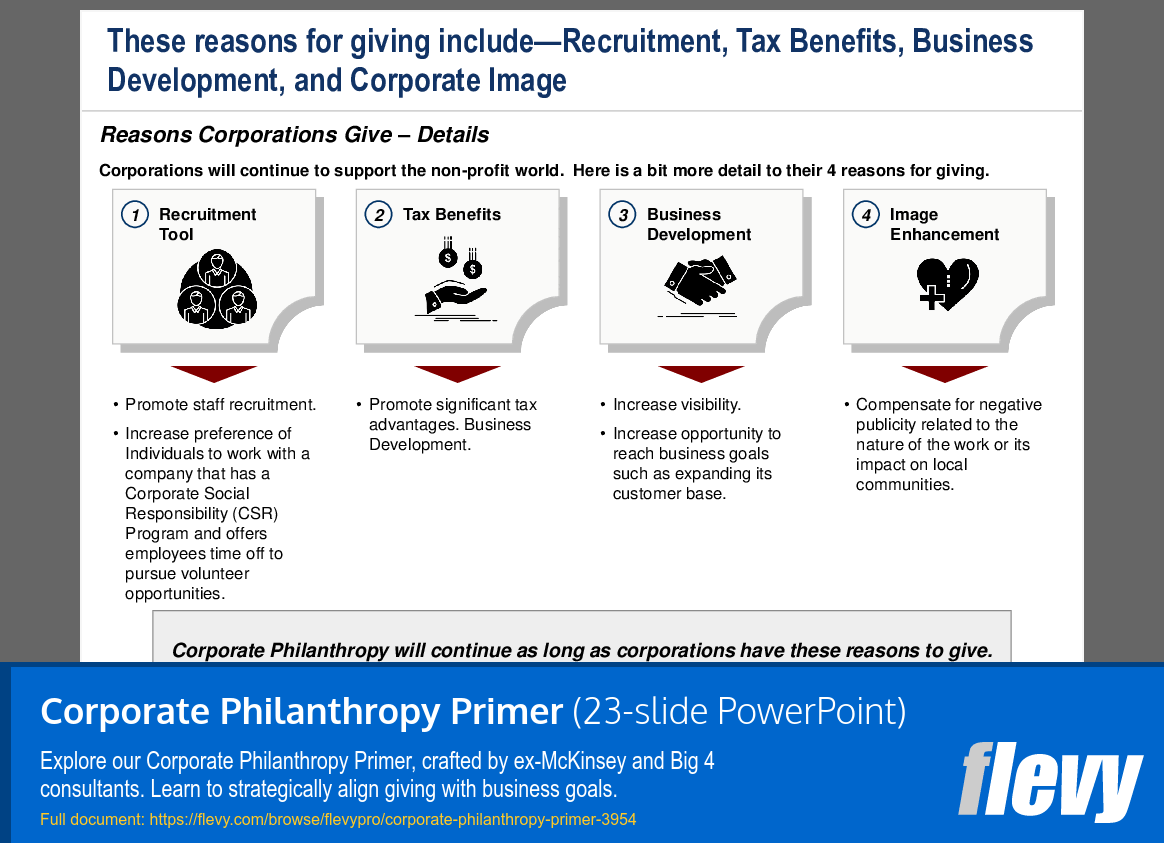
• Reasons Corporations Give - Examination of the 4 primary motivations for corporate giving: recruitment, tax benefits, business development, and image enhancement.
• Corporate Giving Programs - Strategies for creating effective corporate giving programs that align with business objectives and community needs.
• Templates - Ready-to-use templates for implementing corporate philanthropy initiatives and tracking their effectiveness.
Deliverables, Templates, and Tools
• Template for Corporate Giving Program framework
• Checklist for evaluating potential nonprofit partnerships
• Metrics dashboard for tracking philanthropic impact
• Communication plan template for promoting corporate giving initiatives
• Donation tracking spreadsheet for cash and in-kind contributions
• Guidelines for employee volunteer programs
Slide Highlights
• Overview slide outlining the importance of strategic corporate philanthropy
• Types of Corporate Philanthropy slide detailing cash, non-cash, and goods/services donations
• Reasons Corporations Give slide illustrating motivations behind corporate giving
• Corporate Giving Programs slide showcasing key strategies for effective philanthropy
• Template slides providing frameworks for implementation and tracking
Potential Workshop Agenda
Introduction to Corporate Philanthropy (30 minutes)
• Define corporate philanthropy and its importance
• Discuss the 3 types of corporate giving
Developing a Corporate Giving Program (60 minutes)
• Identify objectives and target nonprofits
• Create a framework for the Corporate Giving Program
Measuring Impact and Communication Strategies (45 minutes)
• Establish metrics for success
• Develop a communication plan to promote initiatives
Customization Guidance
• Tailor the Corporate Giving Program framework to align with specific business goals and community needs
• Adjust metrics and tracking templates to fit organizational capabilities and reporting requirements
• Modify communication strategies to reflect the company’s brand voice and values
Secondary Topics Covered
• Best practices for nonprofit partnerships
• Legal considerations in corporate philanthropy
• Employee engagement in corporate giving initiatives
• Community impact assessment methodologies
Topic FAQ
Document FAQ
These are questions addressed within this presentation.
What is corporate philanthropy?
Corporate philanthropy refers to the efforts made by corporations to promote the welfare of communities through charitable donations of funds, time, or resources.
What are the types of corporate philanthropy?
The 3 main types are cash donations, non-cash contributions, and donations of goods and services.
Why do corporations engage in philanthropy?
Corporations give for various reasons, including recruitment, tax benefits, business development, and enhancing their corporate image.
How can we measure the impact of our corporate giving?
Impact can be measured through established metrics that track donations, community engagement, and outcomes achieved through philanthropic efforts.
What templates are included in the primer?
The primer includes templates for creating a Corporate Giving Program, tracking donations, and developing communication strategies.
How can we promote our corporate giving initiatives?
Promotion can be achieved through press releases, social media, and partnerships with nonprofits to raise awareness of the company’s philanthropic efforts.
What are the benefits of employee volunteer programs?
Employee volunteer programs can enhance employee engagement, improve company culture, and strengthen community ties.
How do we choose the right nonprofit partners?
Selecting nonprofit partners should involve evaluating alignment with corporate values, community needs, and the potential for mutual benefit.
Glossary
• Corporate Philanthropy - Charitable donations made by corporations to promote community welfare.
• Corporate Social Responsibility (CSR) - A business model that helps a company be socially accountable to itself, its stakeholders, and the public.
• In-Kind Donations - Non-cash contributions of goods or services.
• Employee Matching Gift Program - A program where a company matches employees' donations to qualifying nonprofits.
• Grant Program - A structured funding initiative where corporations provide financial support to nonprofits.
• Nonprofit - An organization that operates for a charitable purpose and does not distribute profits to owners or shareholders.
• Philanthropic Impact - The measurable effect of charitable contributions on community welfare and development.
• Volunteerism - The practice of offering time and services to others without payment.
• Stakeholder - Any individual or group that has an interest in or is affected by a corporation's actions.
• Tax Benefits - Financial advantages that corporations can receive from charitable contributions.
• Community Engagement - The process of building relationships with local communities to foster mutual understanding and support.
• Brand Awareness - The extent to which consumers recognize and remember a brand.
Source: Best Practices in Business Ethics, Corporate Social Responsibility PowerPoint Slides: Corporate Philanthropy Primer PowerPoint (PPT) Presentation Slide Deck, LearnPPT Consulting
Did you need more documents?
Consider a FlevyPro subscription from $39/month. View plans here.
For $10.00 more, you can download this document plus 2 more FlevyPro documents. That's just $13 each.
|
Download our FREE Organization, Change, & Culture, Templates
Download our free compilation of 50+ slides and templates on Organizational Design, Change Management, and Corporate Culture. Methodologies include ADKAR, Burke-Litwin Change Model, McKinsey 7-S, Competing Values Framework, etc. |