
In this Business Process Reengineering (BPR) presentation, we delve into the dynamic landscape of modern business, influenced by the three Cs: customers, competition, and change. Traditional organizations, originally designed for stability and mass production, now face challenges in a world that demands flexibility and swift adaptability.

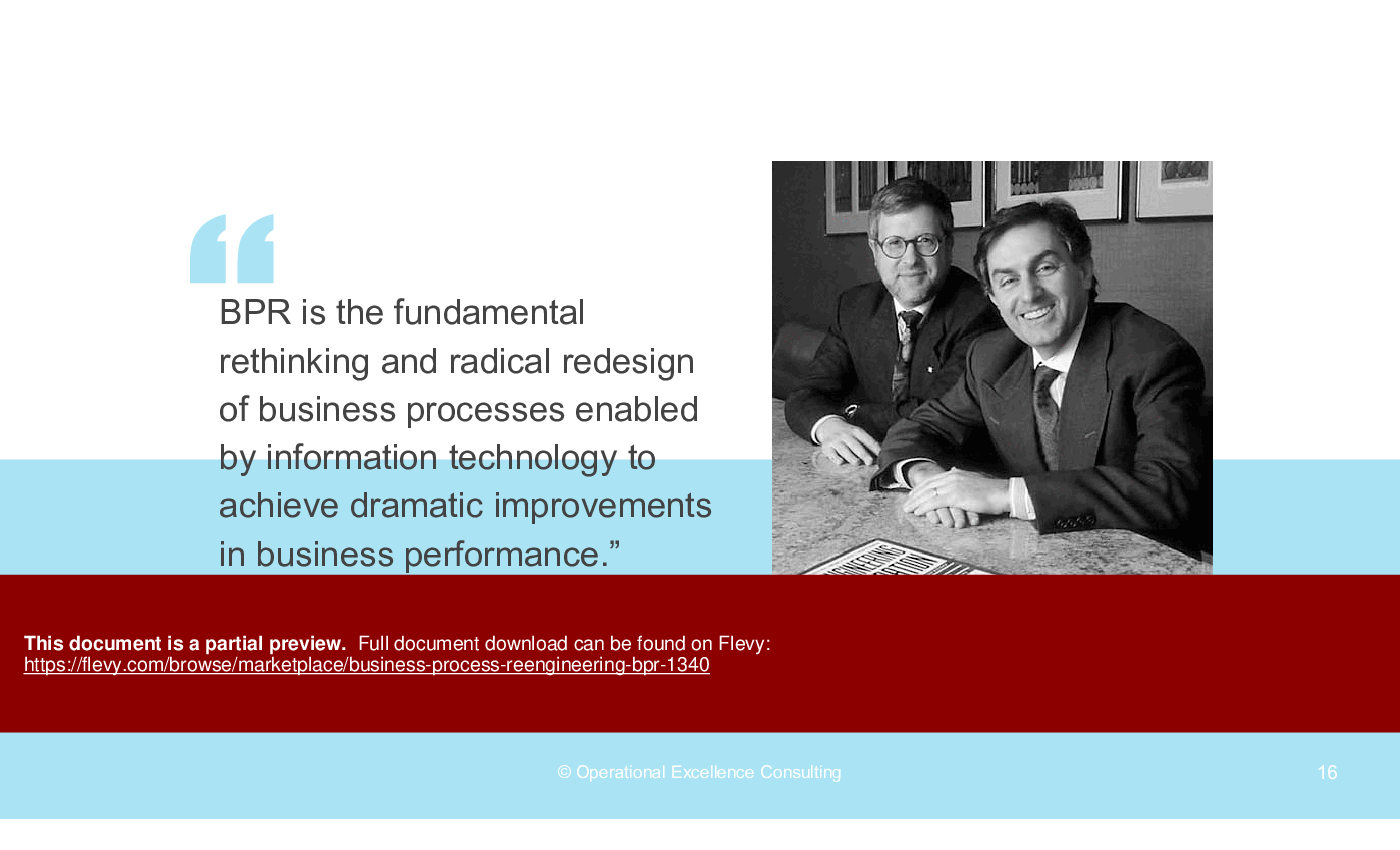
While automation has its merits, its scope often falls short of driving fundamental performance improvements. Enter BPR, spearheaded by Michael Hammer and James Champy, which transcends mere automation. BPR is synonymous with radical redesign, a transformative approach that seamlessly integrates with modern technologies like AI and ML. It's about reimagining entire processes and organizational structures, with digital transformation technologies playing a supporting role.
BPR's relevance remains paramount, particularly in the current landscape where the pandemic has accelerated digital transformation efforts. Organizations are turning to BPR to not only enhance customer experiences but also to optimize operations and achieve transformative results. Digital transformation technologies, strategically integrated into the BPR framework, serve as enablers for this comprehensive process redesign.
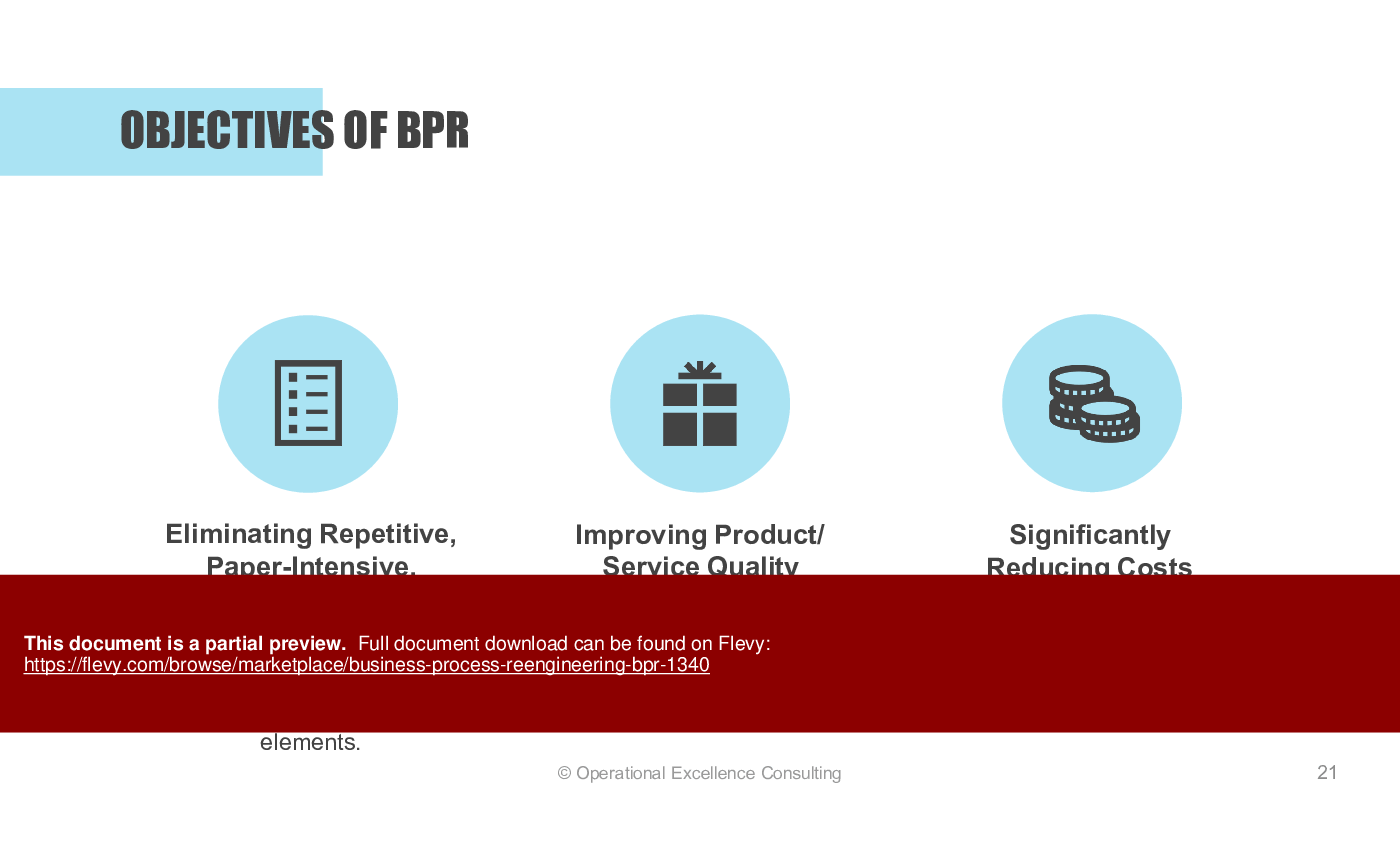
Our presentation introduces the core concepts of BPR, positioning it at the forefront of organizational evolution, supported by the seamless integration of digital transformation technologies. Drawing insights from successful BPR implementations at companies like Hallmark, Taco Bell, and Xerox, we highlight the immense potential of this approach. It goes beyond traditional IT applications, unlocking substantial cost savings, elevating customer satisfaction, and enhancing operational flexibility. This balanced narrative empowers management teams to navigate the BPR journey effectively in the modern era, where process redesign and digital transformation go hand in hand.
||||||||||||||||||||||||||||||||||||||||||||||||||||||||||||||||||||||||||||||||||||||||||||||||||||||||||||||||||||||||||||||||||||||||||||||||||||||
This training package includes:
1. BPR PPT training presentation (PowerPoint format)
2. BPR poster (PDF format, in color and monochrome, printable in A3 size)
||||||||||||||||||||||||||||||||||||||||||||||||||||||||||||||||||||||||||||||||||||||||||||||||||||||||||||||||||||||||||||||||||||||||||||||||||||||
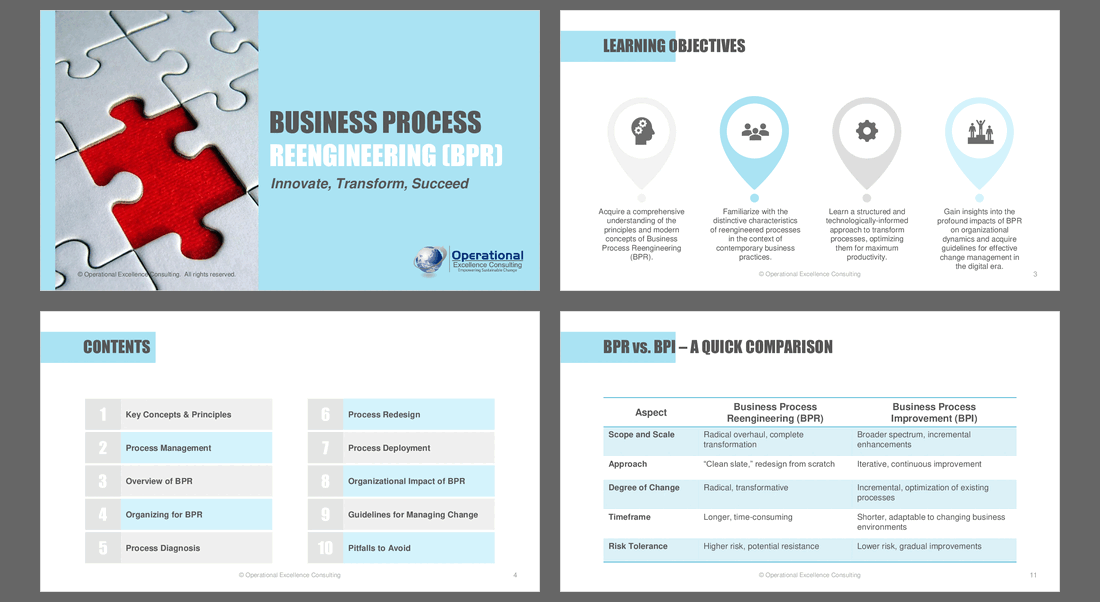
LEARNING OBJECTIVES
1. Acquire a comprehensive understanding of the principles and modern concepts of Business Process Reengineering (BPR).
2. Familiarize with the distinctive characteristics of reengineered processes in the context of contemporary business practices.
3. Learn a structured and technologically-informed approach to transform processes, optimizing them for maximum productivity.
4. Gain insights into the profound impacts of BPR on organizational dynamics and acquire guidelines for effective change management in the digital era.
CONTENTS
1. Key Concepts & Principles
2. Process Management
3. Overview of BPR
4. Organizing for BPR
5. Process Diagnosis
6. Process Redesign
7. Process Deployment
8. Oraganizational Impact of BPR
9. Guidelines for Change Management
10. Pitfalls to Avoid
Additional concepts covered include: Customer-centricity, Green Fields approach, Mental Models (The Fifth Discipline, Peter Senge), Process Ownership, Process Mapping, Process Benchmarking (Robert Camp), use of digital technologies as a key enabler, Failure Modes & Effects Analysis (FMEA), impacts of changes on the employees, roles of management and process structures, reasons why people fear change, and the Change Curve (Elisabeth Kubler-Ross).
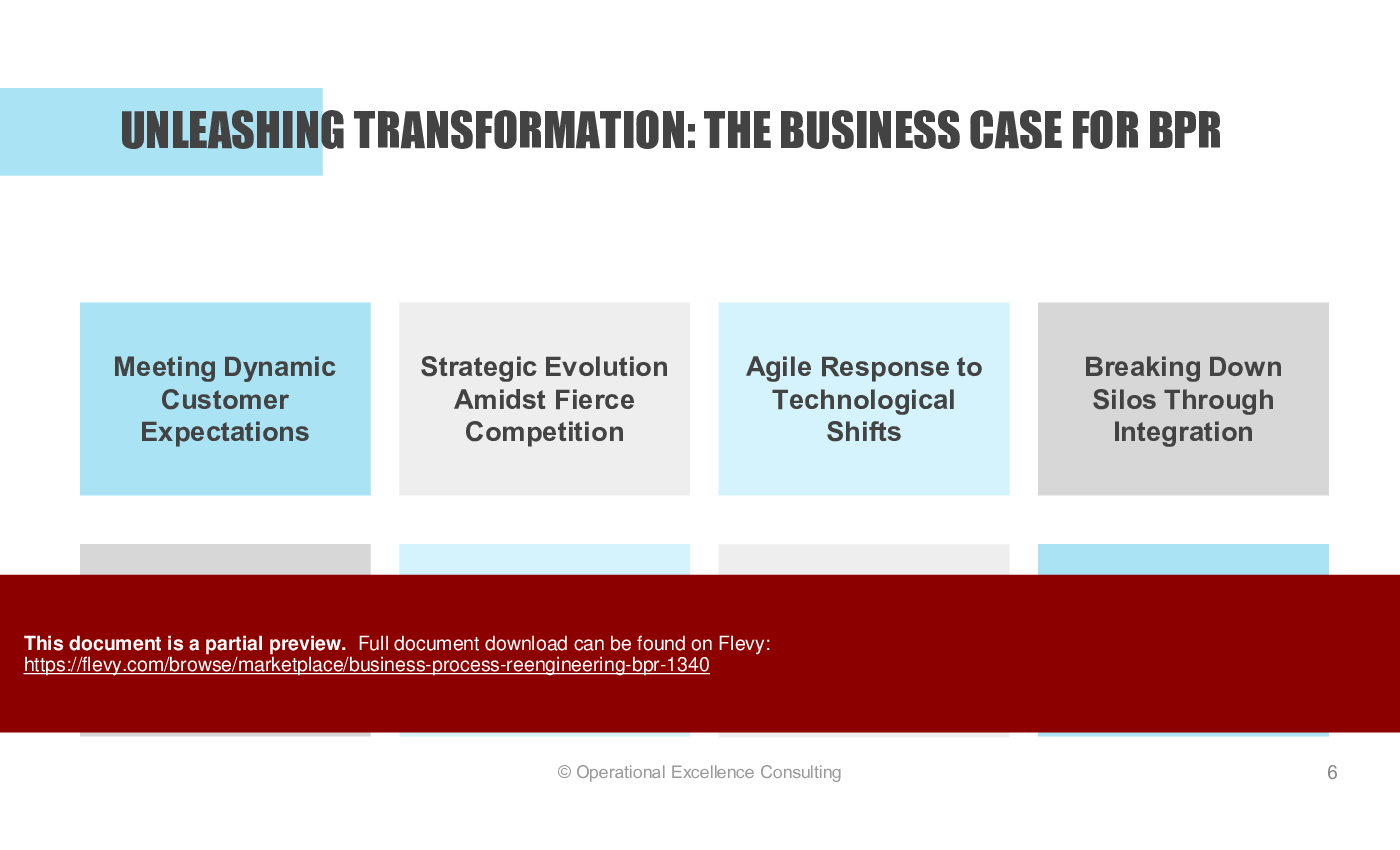
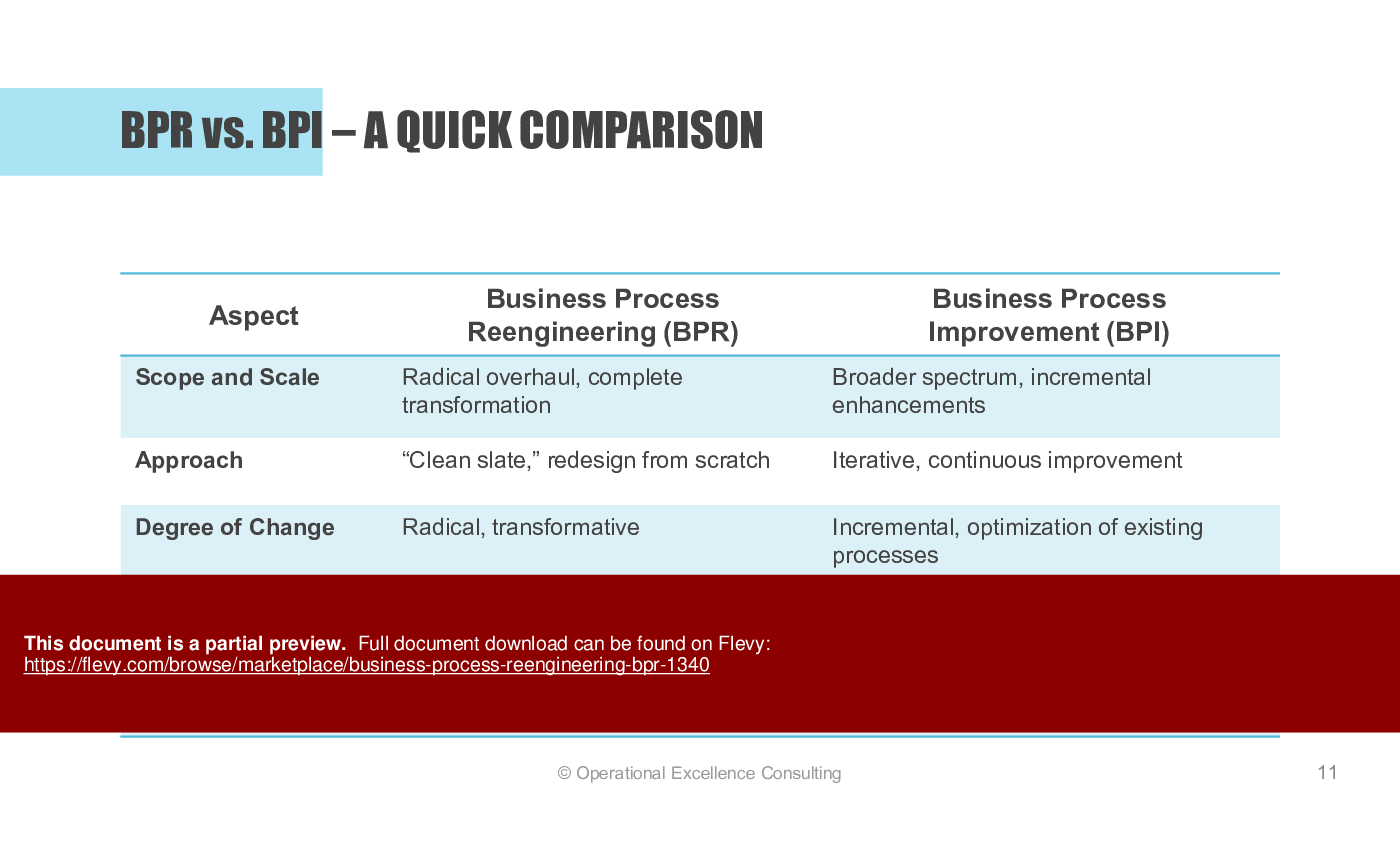
This presentation underscores the critical need for agile responses to technological shifts and the integration of digital solutions. It provides a clear comparison between BPR and BPI, highlighting the transformative potential of reengineering over incremental improvements.
Got a question about the product? Email us at support@flevy.com or ask the author directly by using the "Ask the Author a Question" form. If you cannot view the preview above this document description, go here to view the large preview instead.
Executive Summary
This Business Process Reengineering (BPR) presentation serves as a comprehensive guide for organizations seeking to transform their processes for enhanced efficiency and effectiveness. Developed by Operational Excellence Consulting, this resource outlines a structured approach to BPR, emphasizing the importance of understanding customer needs, leveraging technology, and fostering a culture of continuous improvement. Users will gain insights into the 4 critical phases of BPR: organizing for BPR, process diagnosis, process redesign, and process deployment. This presentation equips teams with the necessary tools and frameworks to successfully implement BPR initiatives and achieve significant performance improvements.
Who This Is For and When to Use
• Business executives and leaders aiming to drive organizational transformation
• Process improvement teams responsible for optimizing workflows
• Change management professionals overseeing BPR initiatives
• Consultants specializing in operational excellence and process redesign
Best-fit moments to use this deck:
• During strategic planning sessions focused on operational improvements
• When initiating a BPR project to align teams on objectives and methodologies
• For training sessions aimed at enhancing understanding of BPR principles and practices
• In workshops designed to diagnose current processes and identify areas for improvement
Learning Objectives
• Acquire a comprehensive understanding of the principles and modern concepts of Business Process Reengineering (BPR)
• Learn a structured and technologically-informed approach to transform processes, optimizing them for maximum productivity
• Familiarize with the distinctive characteristics of reengineered processes in the context of contemporary business practices
• Gain insights into the profound impacts of BPR on organizational dynamics
• Acquire guidelines for effective change management in the digital era
• Understand the critical role of technology integration in BPR initiatives
Table of Contents
• Key Concepts & Principles (page 5)
• Process Management (page 26)
• Overview of BPR (page 39)
• Organizing for BPR (page 62)
• Process Diagnosis (page 90)
• Process Redesign (page 103)
• Process Deployment (page 117)
• Organizational Impact of BPR (page 126)
• Guidelines for Managing Change (page 137)
• Pitfalls to Avoid (page 148)
Primary Topics Covered
• Key Concepts of BPR - Fundamental principles that guide the BPR process, emphasizing customer-centricity and strategic process focus.
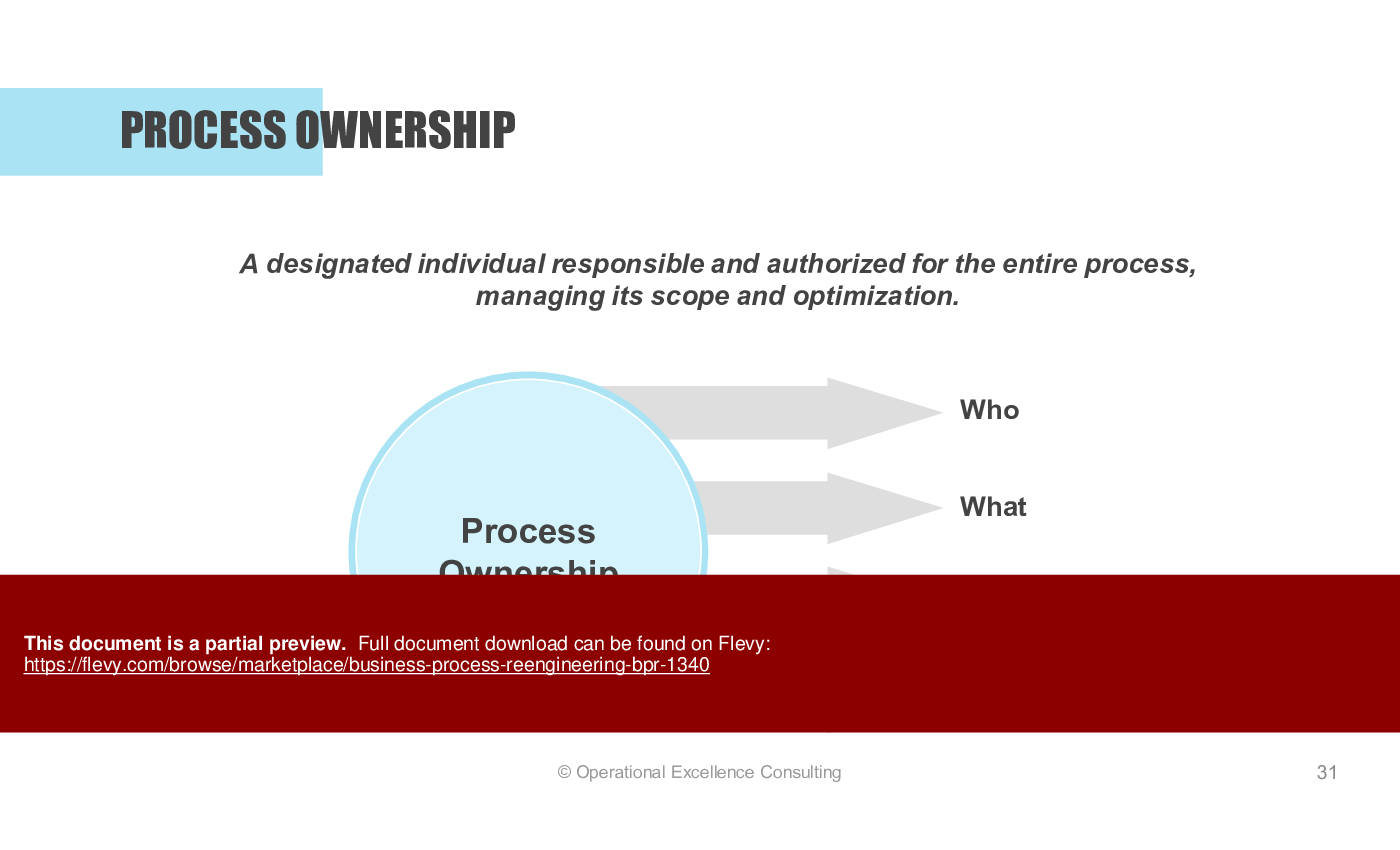
• Process Management - Essential dimensions of managing processes, including ownership, definition, measurement, monitoring, and improvement.
• Organizing for BPR - Steps to create a business process map, prioritize areas for improvement, and establish process ownership.
• Process Diagnosis - Techniques for determining customer requirements, documenting current processes, and rating their performance.
• Process Redesign - Methods for benchmarking processes, developing solutions, and obtaining buy-in from stakeholders.
• Process Deployment - Implementation strategies for process improvements, measuring results, and obtaining customer feedback.
Deliverables, Templates, and Tools
• Business process mapping template to visualize and document current processes
• Performance measurement framework for assessing process effectiveness
• Process improvement plan template outlining steps for implementation and evaluation
• Customer feedback collection tools to gauge satisfaction with process changes
• Benchmarking guidelines to compare performance against industry standards
• Change management strategies to facilitate smooth transitions during BPR initiatives
Slide Highlights
• Overview of BPR phases, illustrating the cyclical nature of process improvement
• Key concepts slide detailing customer-centricity and strategic focus
• Success stories showcasing transformative impacts of BPR across various industries
• Comparison of BPR and Business Process Improvement (BPI) to clarify scope and approach
• Guidelines for managing change, emphasizing the importance of communication and employee engagement
Potential Workshop Agenda
BPR Introduction and Overview (60 minutes)
• Discuss the principles of BPR and its relevance in today’s business environment
• Review the 4 phases of BPR and their significance
Process Diagnosis Workshop (90 minutes)
• Identify key processes for evaluation and improvement
• Conduct group activities to assess current process performance
Process Redesign Session (120 minutes)
• Collaboratively develop solutions for identified process gaps
• Present and discuss proposed redesigns with stakeholders
Implementation Planning (60 minutes)
• Outline steps for deploying process improvements
• Establish metrics for measuring success and obtaining feedback
Customization Guidance
• Tailor the business process mapping template to reflect specific organizational processes and terminology
• Adjust performance metrics to align with organizational goals and customer expectations
• Incorporate industry-specific benchmarks for more relevant comparisons
• Modify change management strategies to fit the organizational culture and employee dynamics
Secondary Topics Covered
• The role of technology in enhancing BPR initiatives
• Strategies for overcoming resistance to change during BPR implementation
• The significance of continuous improvement in sustaining BPR benefits
• The impact of BPR on organizational culture and employee engagement
• Best practices for aligning BPR efforts with overall business strategyDocument FAQ
These are questions addressed within this presentation.
What is Business Process Reengineering (BPR)?
BPR is the fundamental rethinking and radical redesign of business processes to achieve dramatic improvements in performance, efficiency, and customer satisfaction.
How does BPR differ from Business Process Improvement (BPI)?
BPR involves a radical overhaul of processes, while BPI focuses on incremental improvements to existing processes.
What are the key phases of BPR?
The 4 key phases of BPR are organizing for BPR, process diagnosis, process redesign, and process deployment.
How can technology support BPR initiatives?
Technology can enhance BPR by automating processes, providing data analytics for decision-making, and facilitating communication among stakeholders.
What are common pitfalls to avoid in BPR projects?
Common pitfalls include inadequate leadership, unrealistic expectations, and neglecting employee concerns during the change process.
How can organizations measure the success of BPR?
Success can be measured through performance metrics, customer satisfaction scores, and improvements in operational efficiency.
What role do employees play in the BPR process?
Employees are crucial for providing insights into current processes, implementing changes, and ensuring ongoing improvements.
How can organizations manage resistance to change during BPR?
Effective communication, involvement of employees in the change process, and providing adequate training can help mitigate resistance.
What is the importance of customer feedback in BPR?
Customer feedback is essential for understanding the impact of process changes and ensuring that improvements align with customer needs and expectations.
Glossary
• BPR - Business Process Reengineering; a strategic approach to improving organizational processes.
• BPI - Business Process Improvement; focuses on incremental enhancements to existing processes.
• Process Mapping - A visual representation of a process to identify steps and interdependencies.
• Benchmarking - Comparing performance metrics against industry standards to identify areas for improvement.
• Change Management - The process of managing the transition from current to desired organizational states.
• Customer-Centricity - A focus on understanding and meeting customer needs and expectations.
• Performance Metrics - Quantifiable measures used to assess the effectiveness of processes.
• Continuous Improvement - An ongoing effort to enhance products, services, or processes.
• Stakeholder Engagement - Involving individuals or groups with an interest in the outcome of a project.
• Digital Transformation - The integration of digital technology into all areas of a business, fundamentally changing how it operates.
• Process Ownership - Assigning responsibility for the performance and improvement of a specific process.
• Employee Engagement - The emotional commitment of employees to their organization and its goals.
• SIPOC Diagram - A tool used to identify the Suppliers, Inputs, Process, Outputs, and Customers of a process.
• FMEA - Failure Modes and Effects Analysis; a systematic method for evaluating processes to identify potential failures.
• Root Cause Analysis - A method of problem-solving that identifies the root causes of faults or problems.
• Value Stream Mapping - A lean-management method for analyzing the flow of materials and information.
• Agile Methodologies - An iterative approach to project management and software development that emphasizes flexibility and customer satisfaction.
• Operational Excellence - An ongoing effort to improve products, services, or processes to achieve superior performance.
• Process Redesign - The rethinking and restructuring of existing processes to improve efficiency and effectiveness.
• Organizational Culture - The values, beliefs, and behaviors that shape how work gets done within an organization.
Source: Best Practices in Process Improvement, Process Design PowerPoint Slides: Business Process Reengineering (BPR) PowerPoint (PPTX) Presentation Slide Deck, Operational Excellence Consulting
|
Receive our FREE presentation on Operational Excellence
This 50-slide presentation provides a high-level introduction to the 4 Building Blocks of Operational Excellence. Achieving OpEx requires the implementation of a Business Execution System that integrates these 4 building blocks. |