This deck summaries an approach and key topics for technology vendor sourcing in the Oil and Gas industry.
The objectives of the approach were to
1. Develop stronger relationships with vendors and greater support in executing O&G client's technology strategy
2. Provide the client with a simplified supply base with fewer vendors and fewer contracts
3. Ensure that the client enjoyed market competitive rates for products and services
4. Assist the client with setting up an established panel of vendors to serve global, regional and local requirements
5. Ensure that the client achieves better cost efficiency, service delivery and more accurate invoicing procedures with its technology vendor base
6. Ensure that the organization deveops and maintains Technology sourcing as a global capability, and in the process provide a career pathway for its staff involved in this critical function and the operations of governance in global sourcing and procurement processes more generally
Got a question about the product? Email us at support@flevy.com or ask the author directly by using the "Ask the Author a Question" form. If you cannot view the preview above this document description, go here to view the large preview instead.
Executive Summary
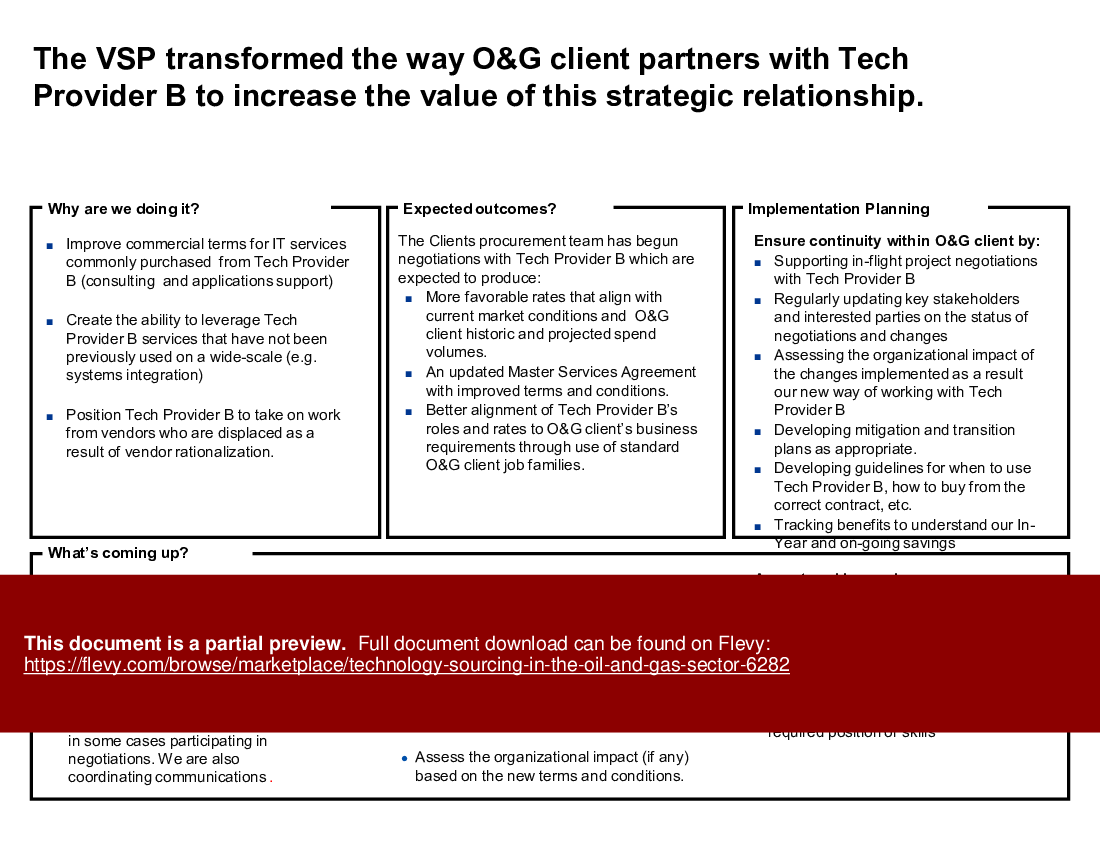
The "Technology Sourcing in the Oil and Gas Sector" presentation outlines a strategic framework for optimizing technology vendor sourcing tailored for the oil and gas industry. This framework is designed to enhance vendor relationships, streamline procurement processes, and achieve significant cost savings. The Vendor Sourcing Program (VSP) aims to establish a robust supply base with the necessary competency and expertise to support the client’s technology strategy effectively. Key objectives include reducing vendor counts, improving service delivery, and achieving market-competitive pricing.
Who This Is For and When to Use
• Procurement leaders in the oil and gas sector seeking to optimize vendor relationships
• Technology managers responsible for vendor selection and management
• Financial executives focused on cost reduction and procurement efficiency
• Business unit leaders looking to align technology sourcing with operational goals
Best-fit moments to use this deck:
• During strategic planning sessions for technology procurement
• When initiating vendor negotiations or re-evaluating existing contracts
• For workshops aimed at improving procurement processes across business units
Learning Objectives
• Define the objectives and phases of the Vendor Sourcing Program
• Identify key vendor selection criteria and negotiation strategies
• Establish a streamlined procurement operating model for technology sourcing
• Analyze cost-saving opportunities through vendor consolidation
• Develop metrics for measuring procurement performance and vendor effectiveness
• Create a sustainable vendor management framework that supports ongoing technology needs
Table of Contents
• Introduction to Vendor Sourcing Program (page 1)
• Objectives of the Program (page 2)
• Sourcing Waves Overview (page 3)
• Procurement Operating Model (page 11)
• Rate Card Optimization (page 12)
• Next Steps and Implementation Planning (page 15)
Primary Topics Covered
• Vendor Sourcing Program (VSP) - A structured approach to optimize technology vendor relationships and procurement processes in the oil and gas sector.
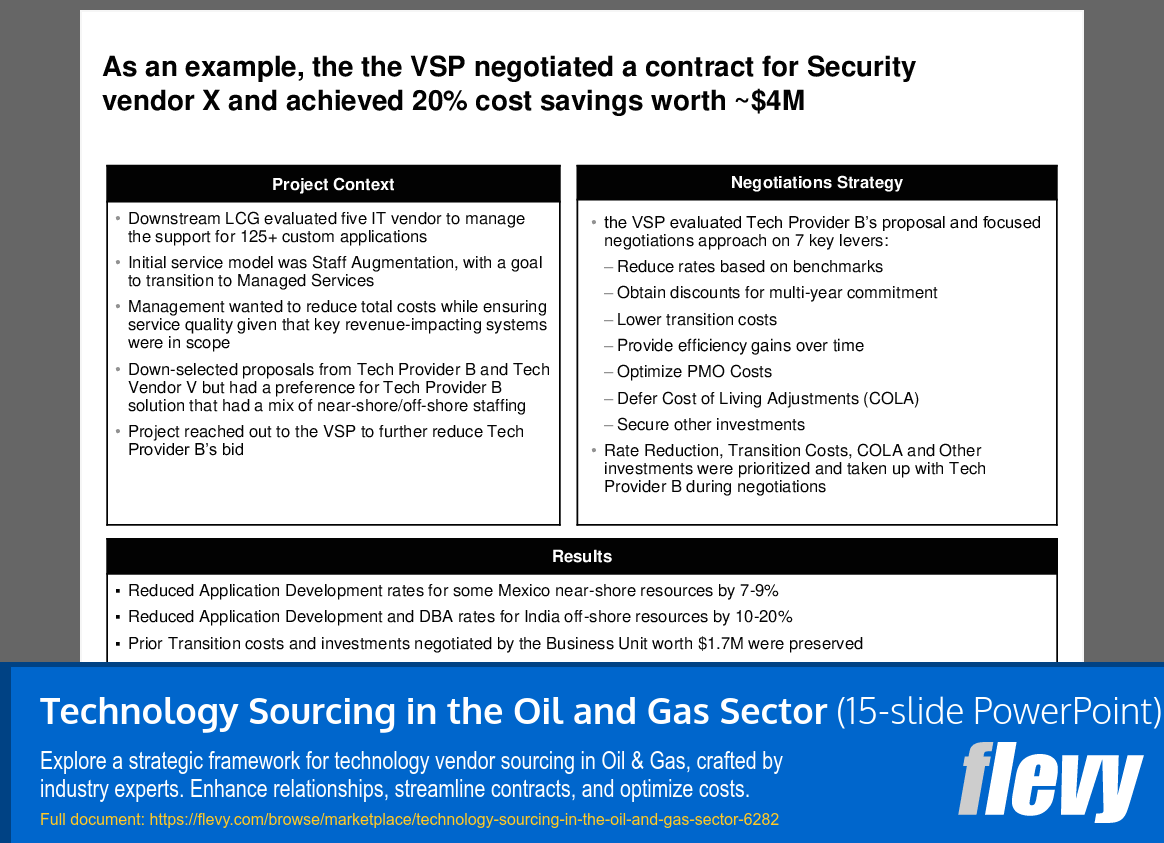
• Cost Reduction Strategies - Techniques for achieving significant savings through vendor negotiations and consolidation.
• Sourcing Waves - A phased approach to vendor selection and management, focusing on quick wins and long-term strategic partnerships.
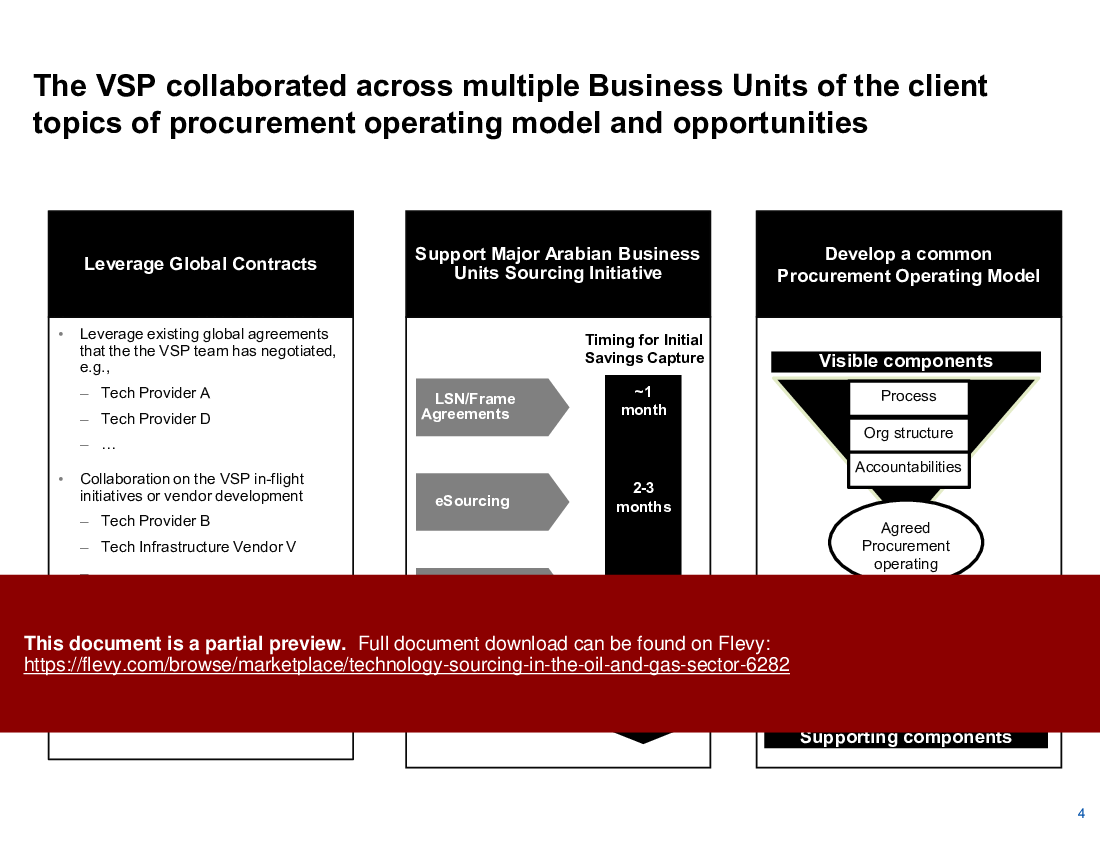
• Procurement Operating Model - Framework outlining the roles, responsibilities, and processes necessary for effective procurement in technology sourcing.
• Rate Card Optimization - Strategies for standardizing vendor rates across various job families to enhance negotiation effectiveness.
• Implementation Planning - Steps for executing the VSP and tracking ongoing benefits and performance metrics.
Deliverables, Templates, and Tools
• Vendor selection criteria template for evaluating technology providers
• Rate card optimization model for standardizing vendor pricing
• Procurement operating model framework outlining roles and responsibilities
• Performance measurement tools for tracking vendor effectiveness
• Cost-saving opportunity analysis template for procurement teams
• Communication plan for engaging stakeholders in vendor negotiations
Slide Highlights
• Overview of the Vendor Sourcing Program and its objectives
• Detailed breakdown of sourcing waves and expected results
• Visual representation of the procurement operating model
• Rate card optimization strategies and their impact on negotiations
• Next steps for implementation and stakeholder engagement
Potential Workshop Agenda
Vendor Selection and Negotiation Strategies (90 minutes)
• Discuss vendor evaluation criteria and negotiation tactics
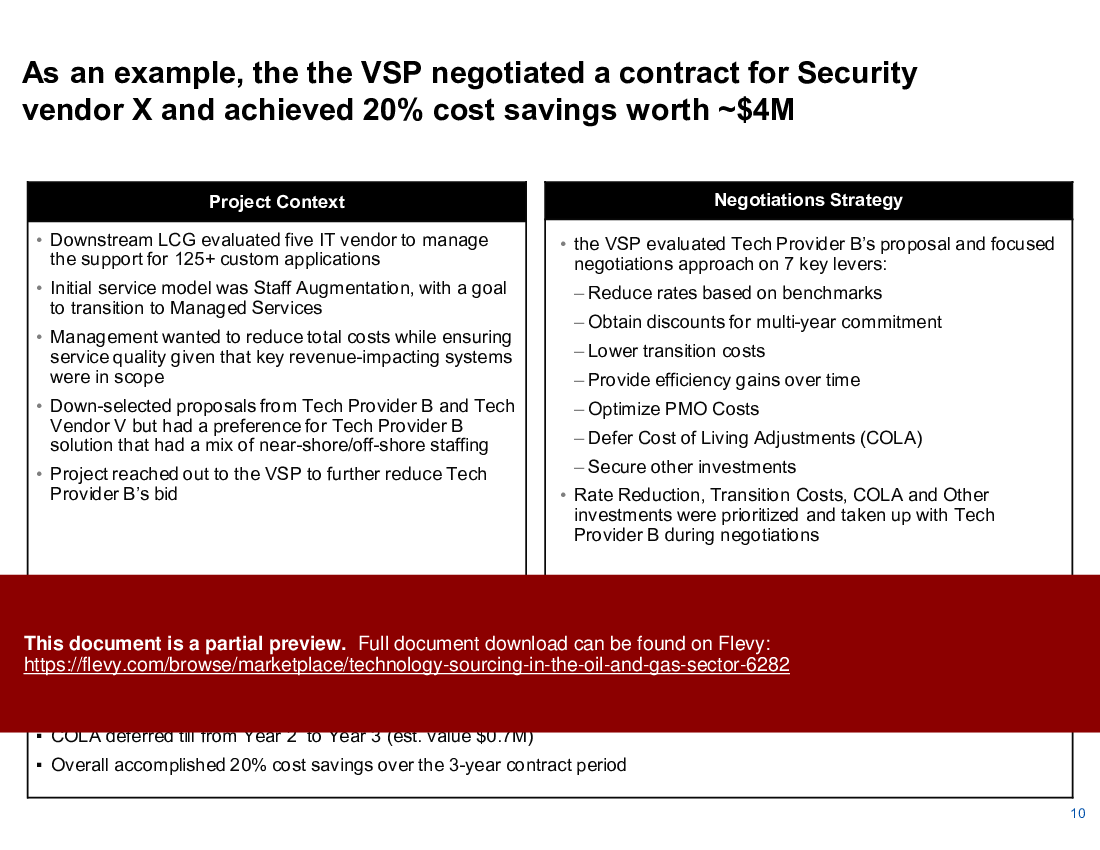
• Review case studies of successful vendor negotiations
• Develop action plans for upcoming vendor engagements
Procurement Operating Model Development (60 minutes)
• Define roles and responsibilities within the procurement team
• Identify key processes and metrics for measuring success
• Establish a timeline for implementing the new operating model
Customization Guidance
• Tailor the vendor selection criteria to reflect specific organizational needs and priorities
• Adjust rate card models to align with current market conditions and organizational spend patterns
• Incorporate unique procurement processes and governance structures relevant to the organization
Secondary Topics Covered
• Vendor relationship management best practices
• Sustainability considerations in technology sourcing
• Risk management strategies in vendor selection
• Market analysis for technology procurement trends
Topic FAQ
Document FAQ
These are questions addressed within this presentation.
What is the Vendor Sourcing Program (VSP)?
The VSP is a structured initiative aimed at optimizing technology vendor relationships and procurement processes in the oil and gas sector, focusing on cost savings and improved service delivery.
How does the VSP achieve cost savings?
The program employs strategies such as vendor consolidation, competitive negotiations, and standardized rate cards to reduce overall procurement costs.
What are the phases of the sourcing waves?
The sourcing waves are structured into quick wins and longer-term initiatives, allowing for immediate savings while building a sustainable vendor base.
What is the procurement operating model?
The procurement operating model outlines the roles, responsibilities, and processes necessary for effective technology sourcing and vendor management.
How can organizations customize the vendor selection criteria?
Organizations can tailor the criteria based on specific needs, priorities, and market conditions to ensure alignment with their strategic goals.
What tools are available for measuring procurement performance?
Tools include performance metrics, cost-saving analysis templates, and stakeholder communication plans to track and report on procurement effectiveness.
What are the expected outcomes of the VSP?
Expected outcomes include reduced vendor counts, improved service delivery, market-competitive pricing, and enhanced organizational capabilities in procurement.
How can organizations ensure stakeholder engagement in the VSP?
Regular updates, clear communication of benefits, and involvement in decision-making processes can help maintain stakeholder engagement throughout the program.
Glossary
• Vendor Sourcing Program (VSP) - A strategic initiative to optimize vendor relationships and procurement processes.
• Cost Reduction - Strategies aimed at decreasing procurement expenses through negotiations and vendor consolidation.
• Sourcing Waves - Phased approach to vendor selection and management, focusing on quick wins and strategic partnerships.
• Procurement Operating Model - Framework outlining roles, responsibilities, and processes for effective procurement.
• Rate Card Optimization - Standardization of vendor pricing to enhance negotiation effectiveness.
• Stakeholder Engagement - Involvement of key individuals in the procurement process to ensure alignment and support.
• Performance Metrics - Measurements used to evaluate the effectiveness of procurement strategies and vendor performance.
• Vendor Consolidation - Reducing the number of vendors to streamline procurement and enhance negotiation power.
• Market Analysis - Assessment of current market conditions to inform procurement strategies.
• Negotiation Tactics - Strategies employed during vendor negotiations to achieve favorable terms.
• Sustainability - Considerations for environmentally and socially responsible procurement practices.
• Risk Management - Strategies to identify and mitigate risks associated with vendor selection and procurement.
• Job Families - Categories of job roles used for standardizing vendor rate cards.
• Master Services Agreement (MSA) - A contract outlining the terms and conditions for services provided by vendors.
• Stakeholder Communication Plan - A strategy for keeping stakeholders informed and engaged throughout the procurement process.
• Spend Analysis - Evaluation of organizational spending patterns to identify cost-saving opportunities.
• Vendor Relationship Management - Practices aimed at maintaining and enhancing relationships with technology providers.
• Procurement Governance - Framework for overseeing procurement processes and ensuring compliance with organizational policies.
• Supplier Diversity - Inclusion of a variety of suppliers in the procurement process to promote equity and innovation.
• Total Cost of Ownership (TCO) - Comprehensive assessment of all costs associated with acquiring and using a product or service.
• eSourcing - Electronic tools and platforms used to facilitate procurement processes and vendor selection.
Source: Best Practices in Procurement Strategy, Oil & Gas PowerPoint Slides: Technology Sourcing in the Oil and Gas Sector PowerPoint (PPTX) Presentation Slide Deck, Affinity Consulting Partners
|
Receive our FREE presentation on Operational Excellence
This 50-slide presentation provides a high-level introduction to the 4 Building Blocks of Operational Excellence. Achieving OpEx requires the implementation of a Business Execution System that integrates these 4 building blocks. |










