
Strategic Planning and Informed Decision-Making
The Power of SWOT:
1. Strategic Planning: SWOT analysis is your roadmap to informed strategic planning, guiding you in leveraging strengths and opportunities while mitigating weaknesses and threats.
2. Holistic View: It offers a 360-degree view, combining internal strengths and weaknesses with external opportunities and threats, providing a comprehensive organizational snapshot.
3. Clarity and Focus: Clarify objectives and focus areas, enabling resource allocation where it matters most for achieving organizational goals.
4. Competitive Advantage: Identify unique strengths to set your organization apart from the competition, carving your niche in the market.
5. Risk Management: Early threat recognition empowers proactive risk mitigation strategies, ensuring resilience and adaptability.
6. Informed Decision-Making: SWOT analysis fuels decision-making by providing valuable insights into resource allocation, product development, and market entry.
7. Enhanced Communication: Collaborative analysis fosters improved communication and a shared understanding among team members and stakeholders.
8. Adaptability: Conduct periodic SWOT analyses to stay agile in a dynamic business environment, continuously fine-tuning strategies.
9. Resource Allocation: Effectively allocate resources where they can make the most significant impact, optimizing organizational efficiency.
10. Goal Alignment: Align organizational goals with the prevailing business landscape, increasing the likelihood of achieving strategic objectives.
11. Enhanced Self-Awareness: Gain deep insights into your organization's strengths and weaknesses, paving the way for cultural, process, and performance improvements.
12. Benchmarking: Use SWOT analysis to benchmark against industry standards and competitors, gauging your relative position.
Your SWOT Analysis Companion:
This 76-slide document is your comprehensive guide to mastering SWOT Analysis. It equips you to create impactful SWOT analysis presentations, enabling effective communication of findings to stakeholders, team members, and decision-makers. Unleash the potential of SWOT analysis, and make data-driven, informed decisions to steer your organization towards success.
Got a question about the product? Email us at support@flevy.com or ask the author directly by using the "Ask the Author a Question" form. If you cannot view the preview above this document description, go here to view the large preview instead.
Executive Summary
The "SWOT Analysis - Demystified" presentation is a comprehensive guide designed to simplify the SWOT analysis framework, developed by a team of seasoned professionals with experience at top consulting firms such as McKinsey, Deloitte, and Capgemini. This presentation provides a structured approach to understanding strengths, weaknesses, opportunities, and threats, enabling organizations to effectively strategize and plan for future success. By utilizing this step-by-step guide, corporate executives and consultants can enhance their strategic planning capabilities and make informed decisions based on thorough analysis.
Who This Is For and When to Use
• Corporate executives looking to refine strategic planning processes
• Business unit leaders aiming to assess performance and identify growth opportunities
• Consultants facilitating strategic discussions with clients
• Teams launching new initiatives or products needing a clear situational analysis
Best-fit moments to use this deck:
• During strategic planning sessions to evaluate organizational positioning
• When launching new business units or products to identify market opportunities
• In team workshops to foster collaboration and gather diverse insights on organizational challenges
Learning Objectives
• Define the SWOT analysis framework and its components
• Identify internal and external factors affecting organizational performance
• Develop actionable strategies based on SWOT findings
• Enhance decision-making processes through structured analysis
• Recognize common pitfalls and mistakes in conducting SWOT analysis
• Apply brainstorming techniques to enrich SWOT discussions
Table of Contents
• Objectives of SWOT Analysis (page 2)
• Definition of SWOT Analysis (page 4)
• Breakdown of SWOT Components (page 5)
• Target Audience for SWOT Analysis (page 15)
• Internal and External Factors (page 17)
• Steps Involved in SWOT Analysis (page 29)
• TOWS Analysis Overview (page 23)
• Quadrant Combinations in SWOT (page 24)
• Effective SWOT Analysis Considerations (page 47)
• Benefits and Pitfalls of SWOT Analysis (page 56)
• Common Mistakes in SWOT Analysis (page 57)
• Glossary of Terms (page 66)
Primary Topics Covered
• Objectives of SWOT Analysis - The primary goals of SWOT analysis include evaluating strengths, weaknesses, opportunities, and threats to inform strategic planning.
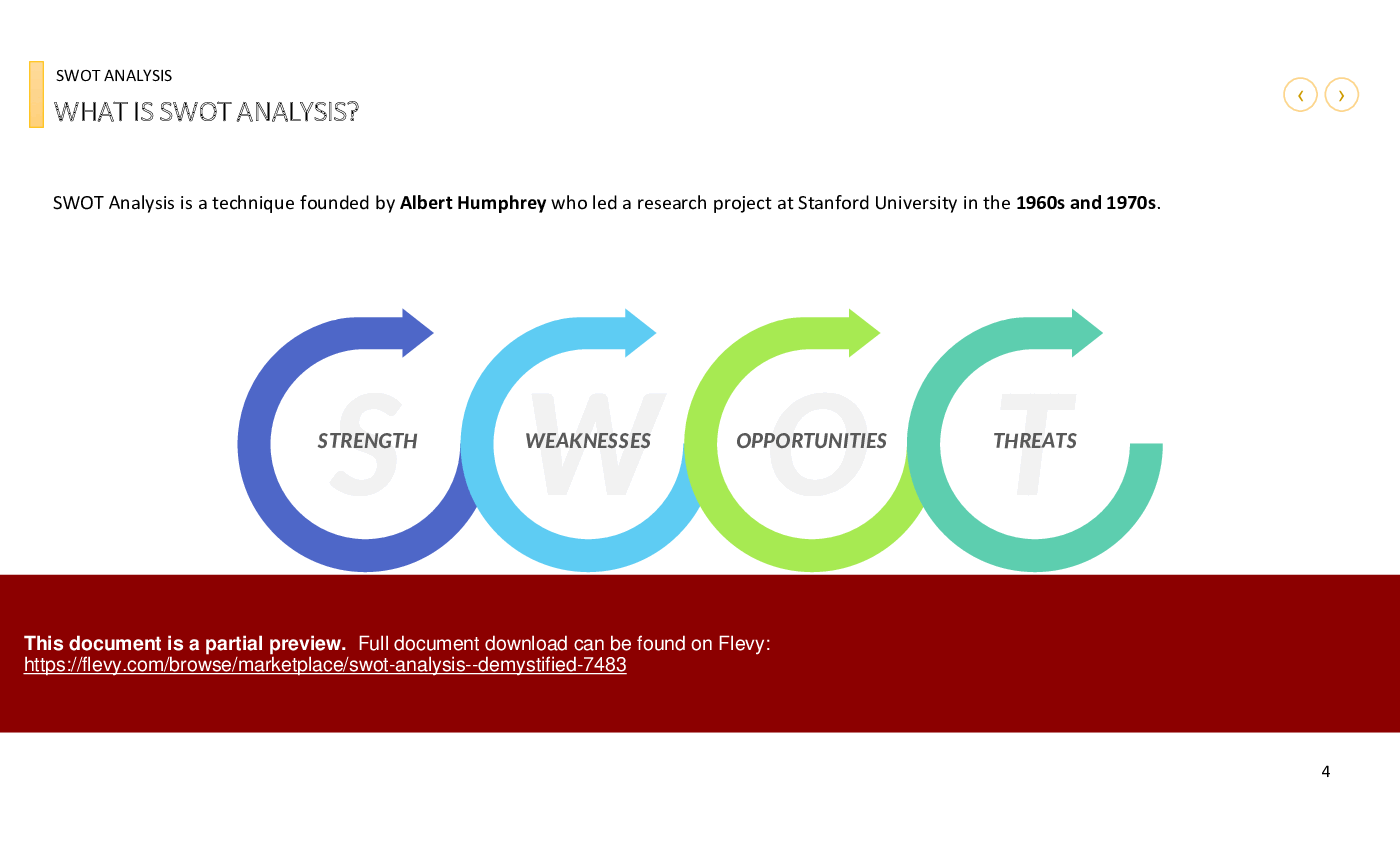
• Definition of SWOT Analysis - SWOT analysis is a strategic tool used to assess an organization's internal and external environments.
• Components of SWOT Analysis - The 4 elements of SWOT include strengths, weaknesses, opportunities, and threats, each contributing to a holistic view of organizational health.
• Target Audience Identification - Understanding who benefits from SWOT analysis helps tailor its application to various roles within an organization.
• Internal vs. External Factors - Differentiating between internal strengths/weaknesses and external opportunities/threats is crucial for effective analysis.
• Steps in Conducting SWOT Analysis - A structured approach to performing SWOT analysis ensures thorough evaluation and actionable outcomes.
Deliverables, Templates, and Tools
• SWOT analysis matrix template for visual representation of findings
• Action plan template to document strategies derived from SWOT analysis
• Brainstorming session guidelines to enhance group discussions
• Checklist for identifying internal strengths and weaknesses
• Framework for evaluating external opportunities and threats
• Case study examples illustrating successful SWOT applications
Slide Highlights
• Overview of SWOT analysis history and its evolution
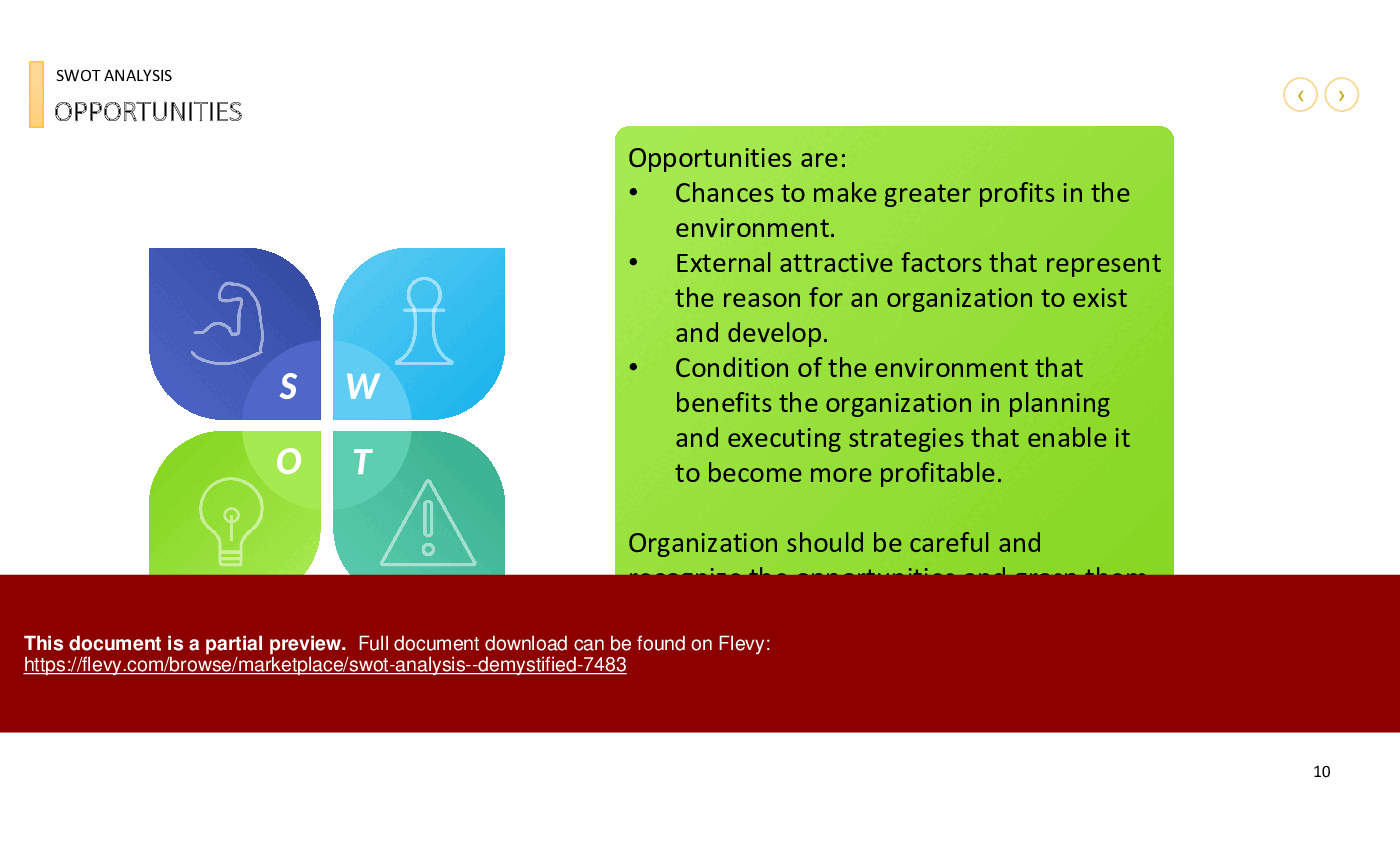
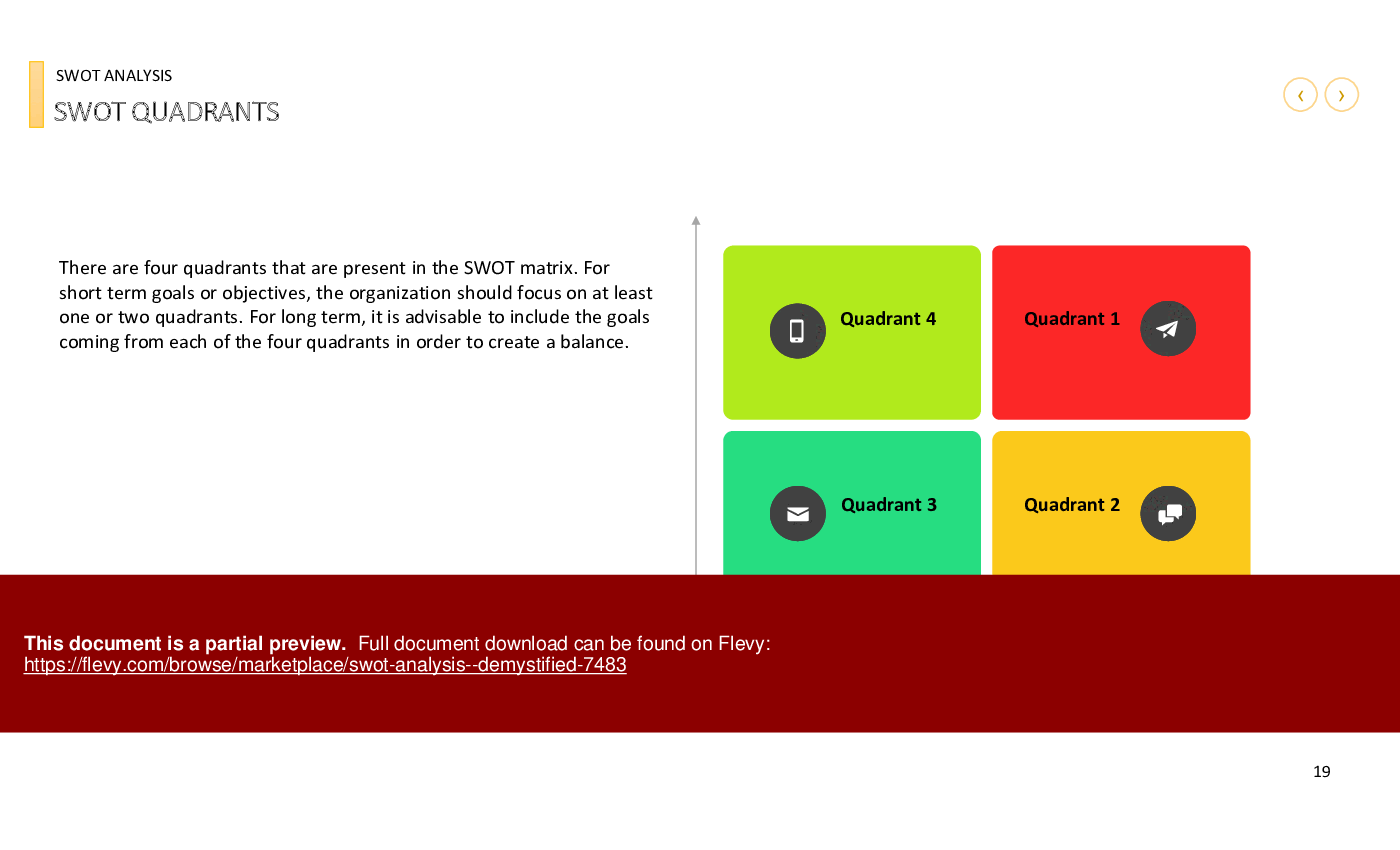
• Visual representation of the SWOT matrix and its quadrants
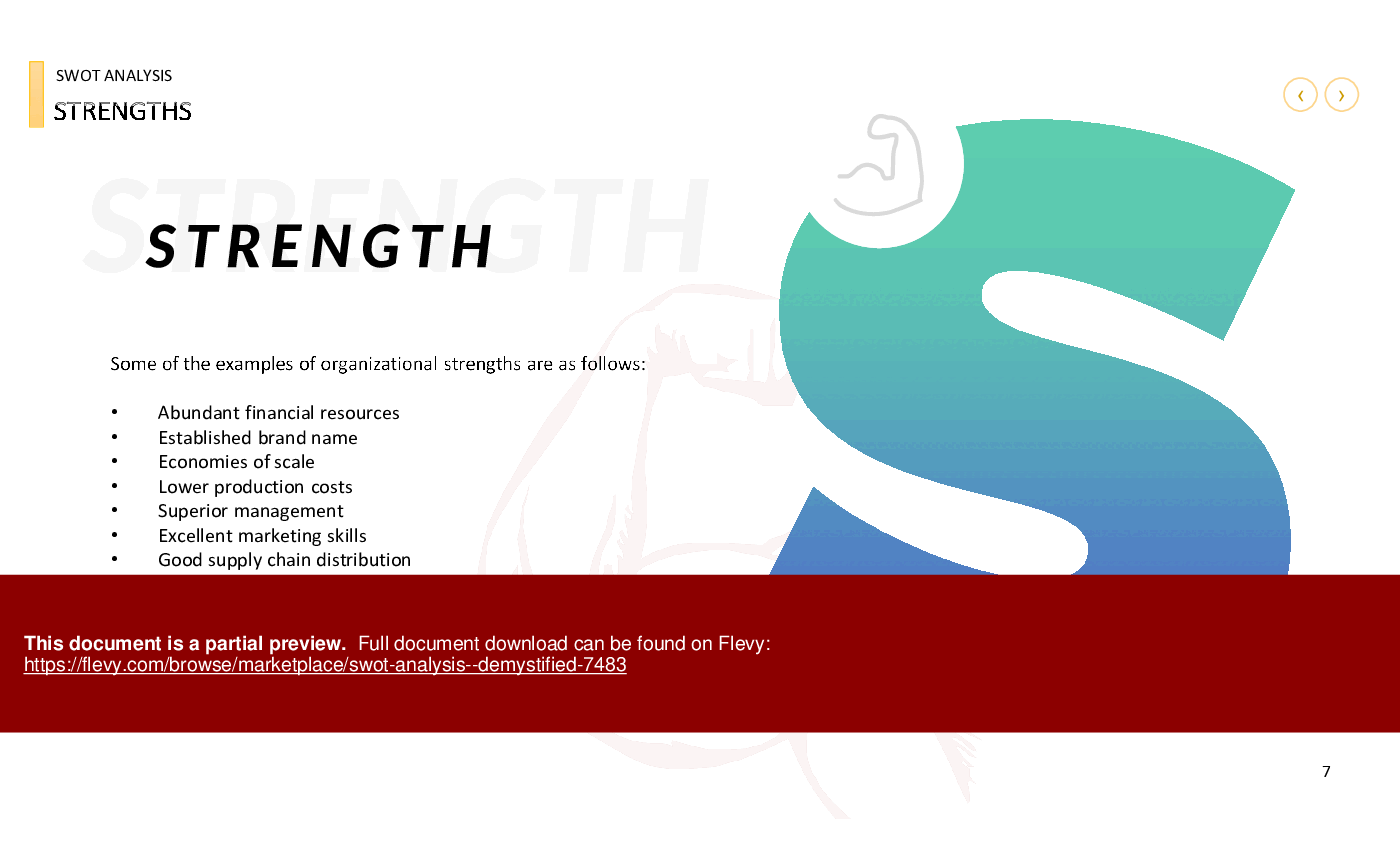
• Examples of strengths, weaknesses, opportunities, and threats
• Step-by-step guide for conducting effective SWOT analysis
• Tips for avoiding common pitfalls in SWOT analysis
Potential Workshop Agenda
Introduction to SWOT Analysis (30 minutes)
• Overview of SWOT framework and its importance
• Discussion on the objectives of conducting SWOT analysis
Conducting SWOT Analysis (60 minutes)
• Breakout sessions to identify strengths, weaknesses, opportunities, and threats
• Group presentations to share findings and insights
Developing Action Plans (30 minutes)
• Collaborative discussion on strategies derived from SWOT findings
• Documenting action plans and assigning responsibilities
Customization Guidance
• Tailor the SWOT analysis matrix to reflect specific organizational contexts
• Adjust the action plan template to align with strategic goals and timelines
• Incorporate industry-specific examples to enhance relevance
Secondary Topics Covered
• The role of brainstorming in enriching SWOT analysis
• TOWS analysis as a complementary tool for strategy development
• Common mistakes and pitfalls to avoid during SWOT analysis
• Best practices for conducting effective SWOT sessions
Topic FAQ
Document FAQ
These are questions addressed within this presentation.
What is the primary purpose of a SWOT analysis?
SWOT analysis aims to evaluate an organization's strengths, weaknesses, opportunities, and threats to inform strategic planning and decision-making.
How can I effectively conduct a SWOT analysis?
Establish clear objectives, involve diverse contributors, and follow a structured approach to identify and document findings in the SWOT matrix.
What are common pitfalls in SWOT analysis?
Common pitfalls include unclear objectives, narrow focus, and reliance on subjective assessments without diverse input.
How often should a SWOT analysis be conducted?
SWOT analysis should be conducted regularly to adapt to changing market conditions and organizational dynamics.
Can SWOT analysis be used for individual performance assessment?
Yes, SWOT analysis can be adapted for personal development by evaluating individual strengths, weaknesses, opportunities for growth, and potential threats to career advancement.
What is TOWS analysis?
TOWS analysis is a variation of SWOT that prioritizes external factors first, allowing organizations to develop strategies based on opportunities and threats before considering internal strengths and weaknesses.
How can brainstorming enhance the SWOT analysis process?
Brainstorming encourages diverse perspectives and creative thinking, leading to a more comprehensive understanding of organizational challenges and opportunities.
What are the benefits of using SWOT analysis?
SWOT analysis provides a structured approach to strategic planning, facilitates collaboration, and helps organizations identify key factors influencing success.
Glossary
• SWOT Analysis - A strategic planning tool used to identify strengths, weaknesses, opportunities, and threats.
• TOWS Analysis - A variant of SWOT that emphasizes external factors first.
• Action Plan - A detailed plan outlining steps to achieve specific objectives.
• Brainstorming - A group creativity technique for generating ideas and solutions.
• Internal Factors - Elements within an organization that can influence its performance.
• External Factors - Elements outside an organization that can impact its success.
• Strengths - Internal attributes that give an organization a competitive advantage.
• Weaknesses - Internal attributes that place an organization at a disadvantage.
• Opportunities - External factors that can be leveraged for growth.
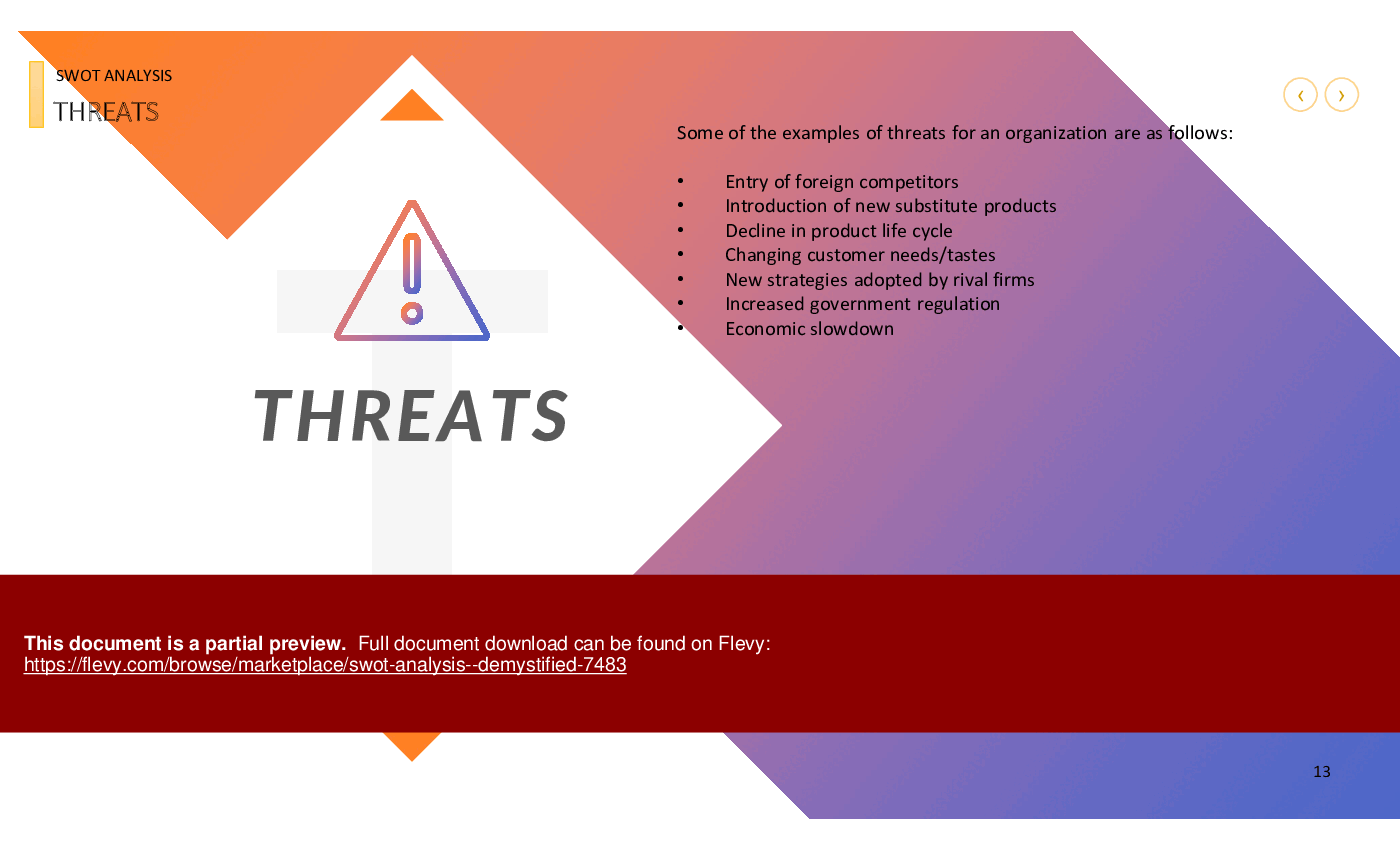
• Threats - External factors that could jeopardize an organization's success.
Source: Best Practices in SWOT PowerPoint Slides: SWOT Analysis - Demystified PowerPoint (PPTX) Presentation Slide Deck, RadVector Consulting
|
Download our FREE Strategy & Transformation Framework Templates
Download our free compilation of 50+ Strategy & Transformation slides and templates. Frameworks include McKinsey 7-S, Balanced Scorecard, Disruptive Innovation, BCG Curve, and many more. |










