 Click main image to view in full screen.
Strategic Land Asset Architecture™ – PDF
PDF document + PowerPoint (PPTX) 25 Pages


BENEFITS OF THIS DOWNLOADABLE PDF DOCUMENT
- Provides a structured framework for evaluating productive land beyond conventional acreage value, rental income, and appreciation.
- Helps decision-makers identify hidden value layers across water, production, infrastructure, technology, energy, environmental value, and future optionality.
- Transforms a complex land-investment landscape into practical strategic frameworks, risk diagnostics, and an executive decision model for assessing value capture and control.
REAL ESTATE PDF DESCRIPTION
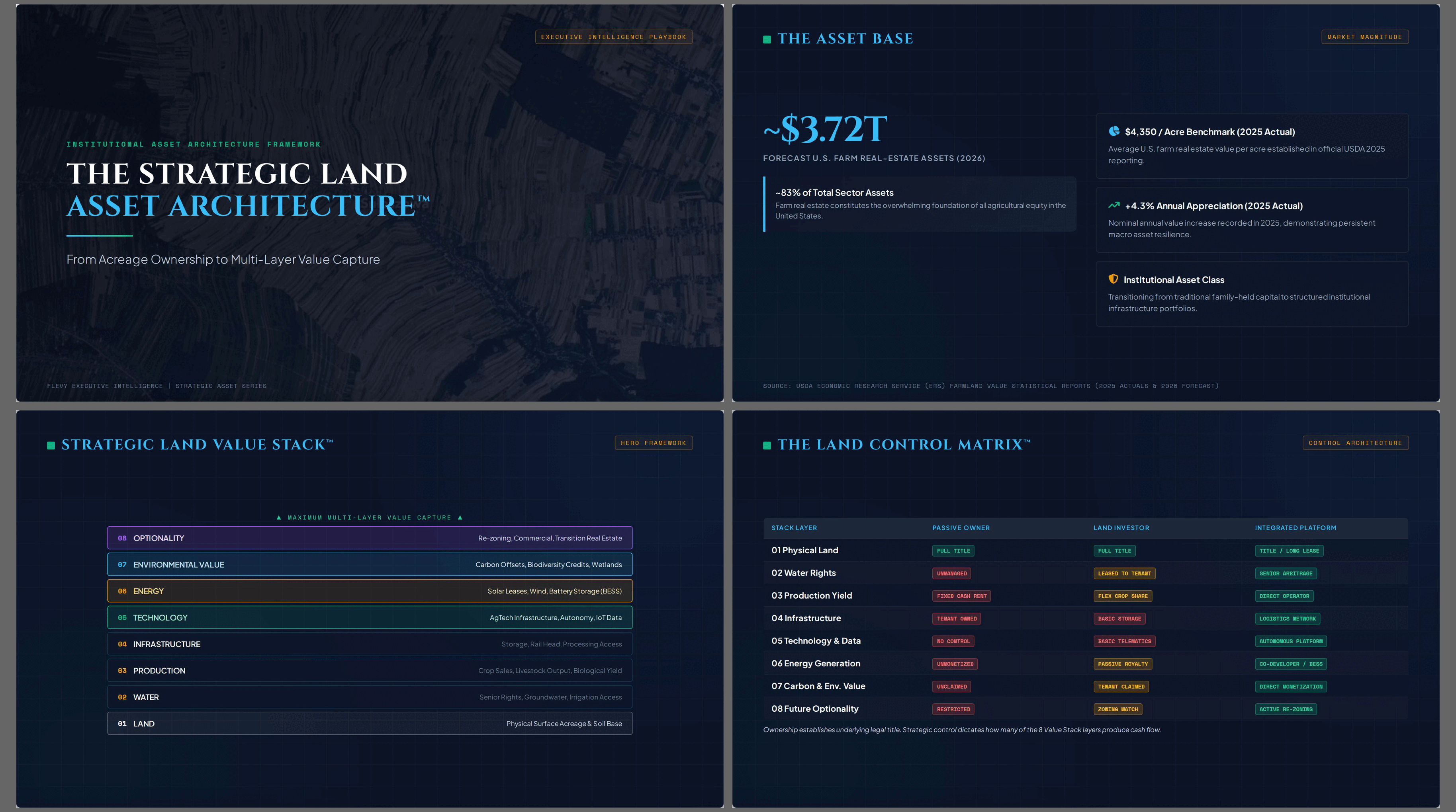
The Strategic Land Asset Architecture™ is a comprehensive executive intelligence playbook that examines how productive land is evolving from a conventional agricultural real-estate asset into a multi-layer platform for capturing value across land, water, production, infrastructure, technology, energy, environmental value, and future optionality.
For decades, agricultural land has primarily been evaluated through a relatively simple economic sequence: acreage → productivity → rent → appreciation. This framework is increasingly incomplete as capital, resource constraints, infrastructure development, technology, renewable energy, and environmental markets create additional economic layers around the underlying land asset.
This playbook introduces a strategic lens for understanding that evolution. Instead of asking only "What is the acre worth?", decision-makers are encouraged to ask "What can the acre support?" and, ultimately, "Who owns, controls, operates, and monetizes each layer?"
Inside, you will find:
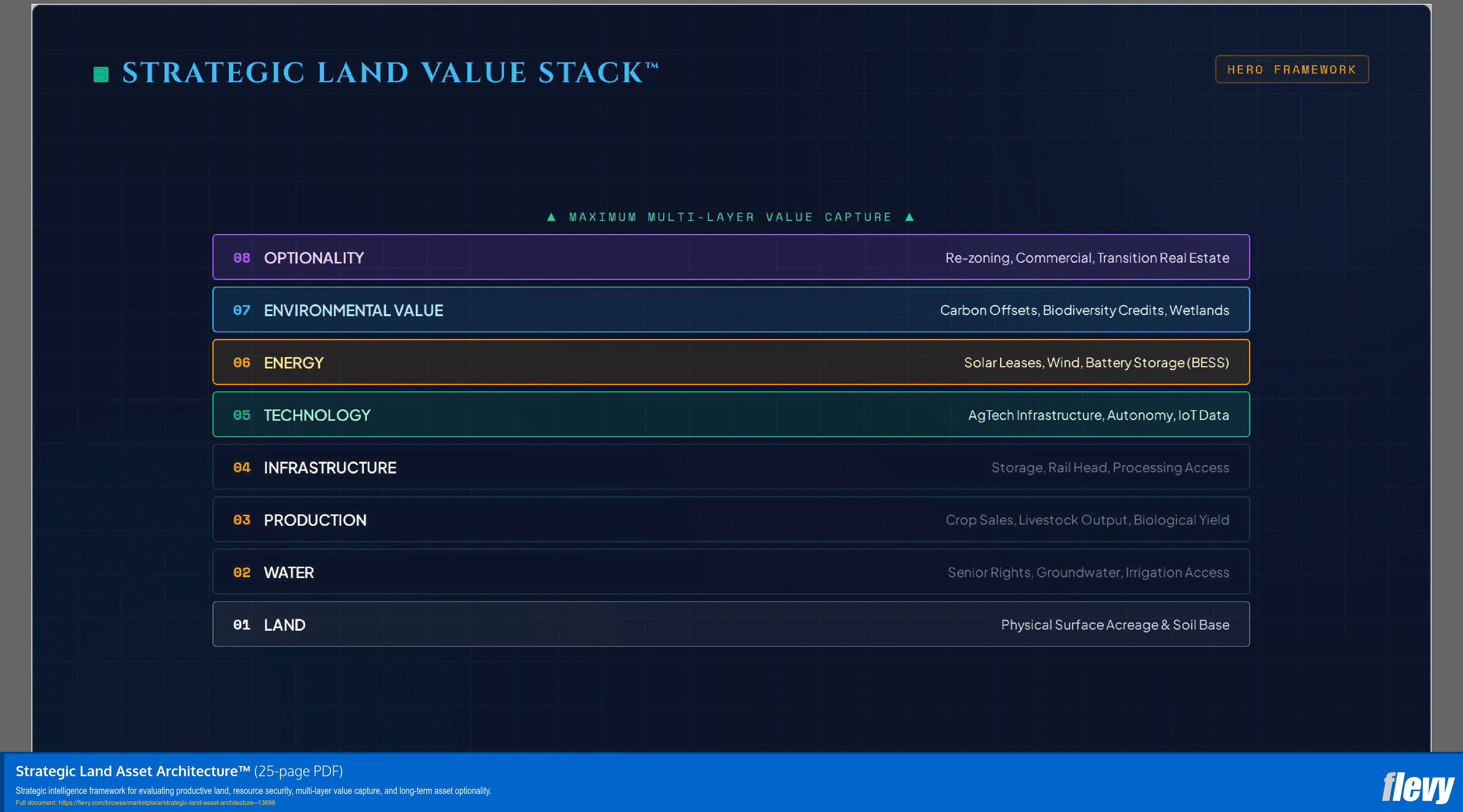
• The Strategic Land Value Stack™ – an eight-layer framework covering Land, Water, Production, Infrastructure, Technology, Energy, Environmental Value, and Optionality.
• Water-Adjusted Land Value™ – a framework for assessing how water availability, reliability, legal security, infrastructure, productivity, and climate exposure can alter the strategic significance of agricultural land.
• Strategic Land Value Density™ – a diagnostic framework for evaluating the concentration of productive, resource, infrastructure, technology, energy, and optionality value associated with strategically controlled acreage.
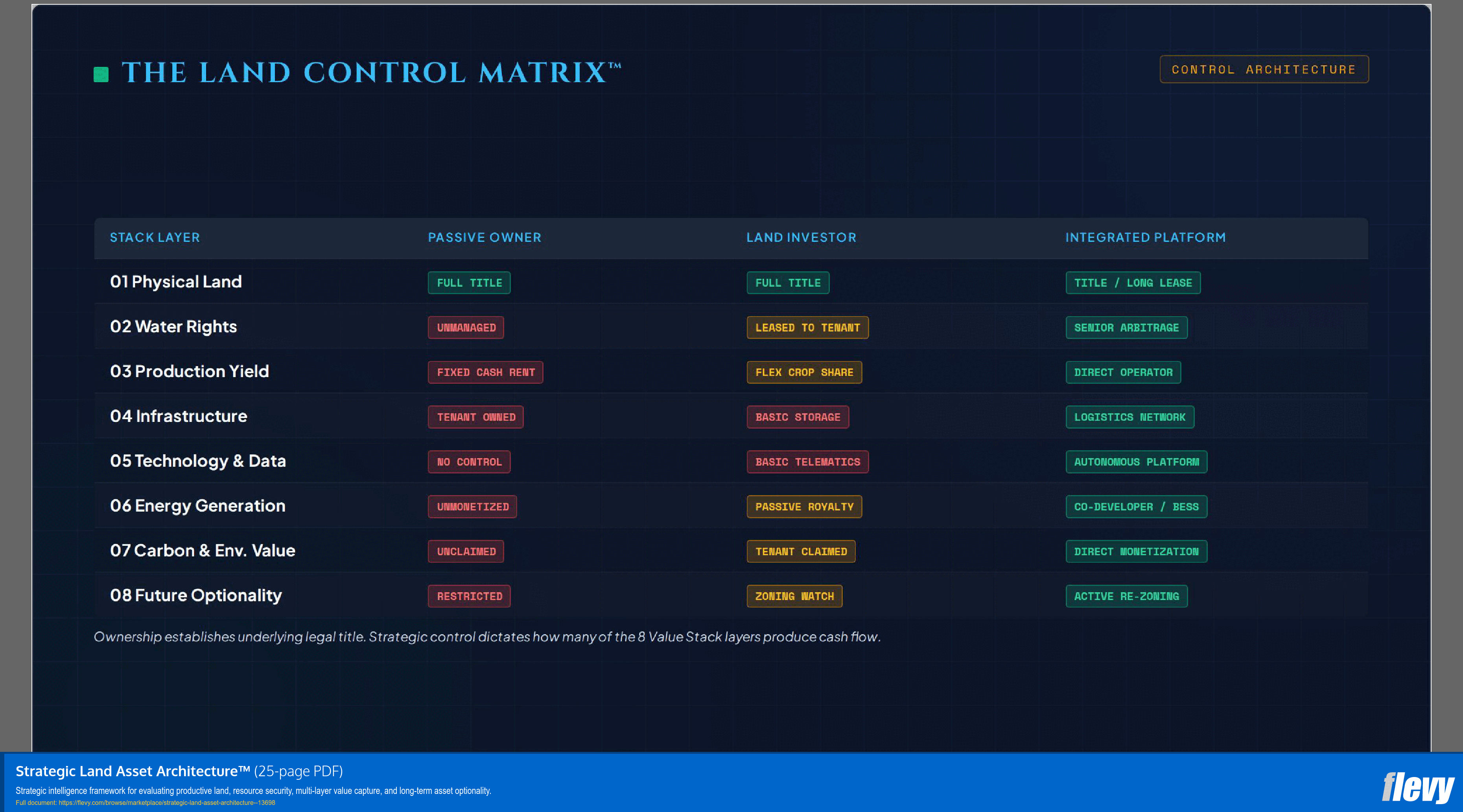
• The Land Control Matrix™ – distinguishes ownership from control across physical land, water rights, production, infrastructure, technology and data, energy generation, environmental value, and future optionality.
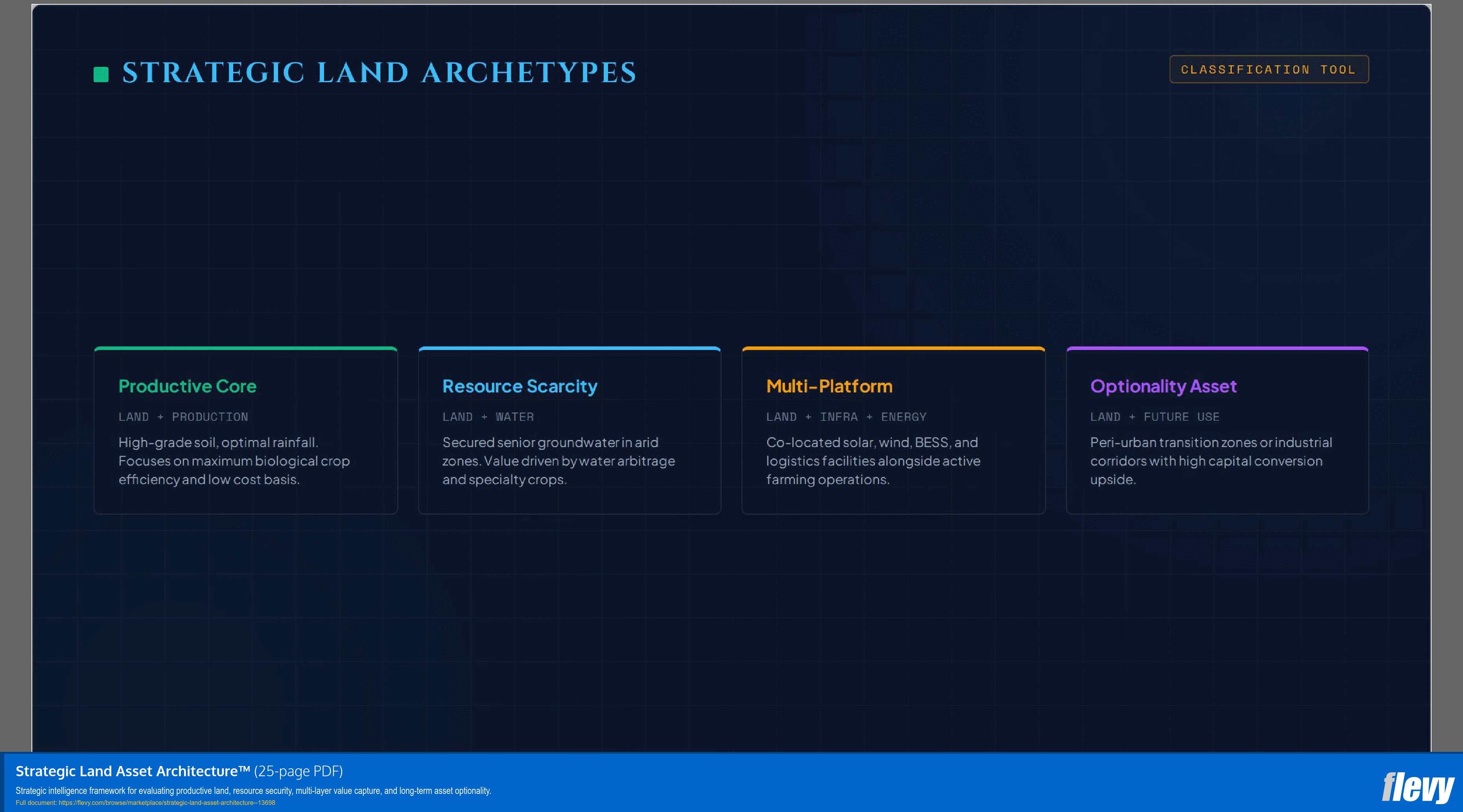
• Strategic Land Archetypes – identifies four strategic asset configurations: Productive Core, Resource Scarcity, Multi-Platform, and Optionality Asset.
• The Multi-Use Land Platform – examines how agricultural land can intersect with renewable energy, infrastructure, technology, environmental value, and other economic uses.
• The Strategic Land Flywheel™ – explains how acquisition, resource security, productivity, infrastructure, technology, revenue diversification, and asset revaluation can interact to create a potential compounding platform.
• Strategic Land Risk Matrix – evaluates interest-rate exposure, water-rights constraints, commodity cyclicality, regulatory and grid friction, and overestimated alternative-use potential.
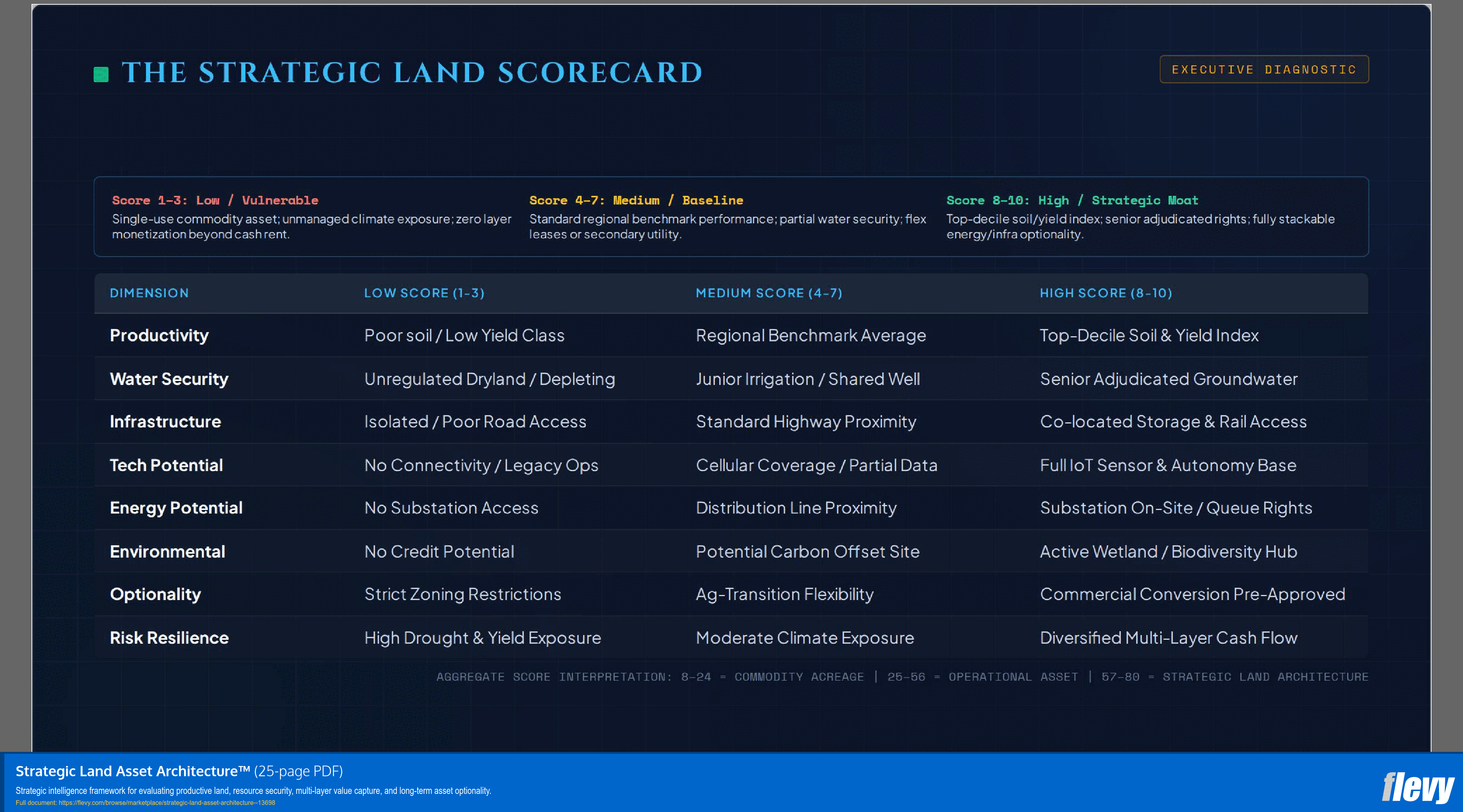
• Seven-Question Decision Model and Strategic Land Scorecard – practical diagnostic tools for evaluating productive land across productivity, water security, connectivity, scalability, stackability, optionality, environmental value, and risk resilience.
• The Layer Control Arena – a final strategic lens built around four questions: Who owns? Who controls? Who operates? Who monetizes?
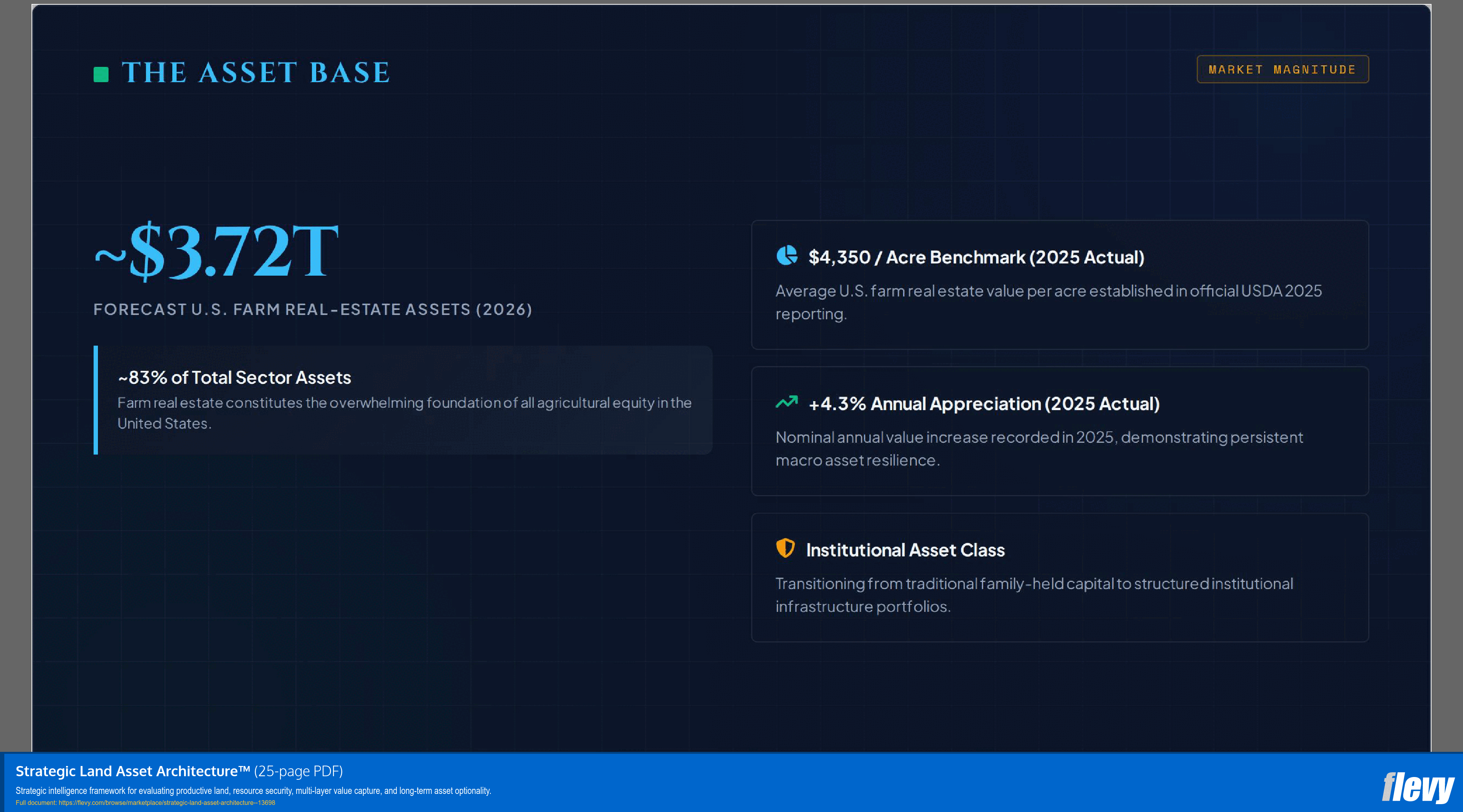
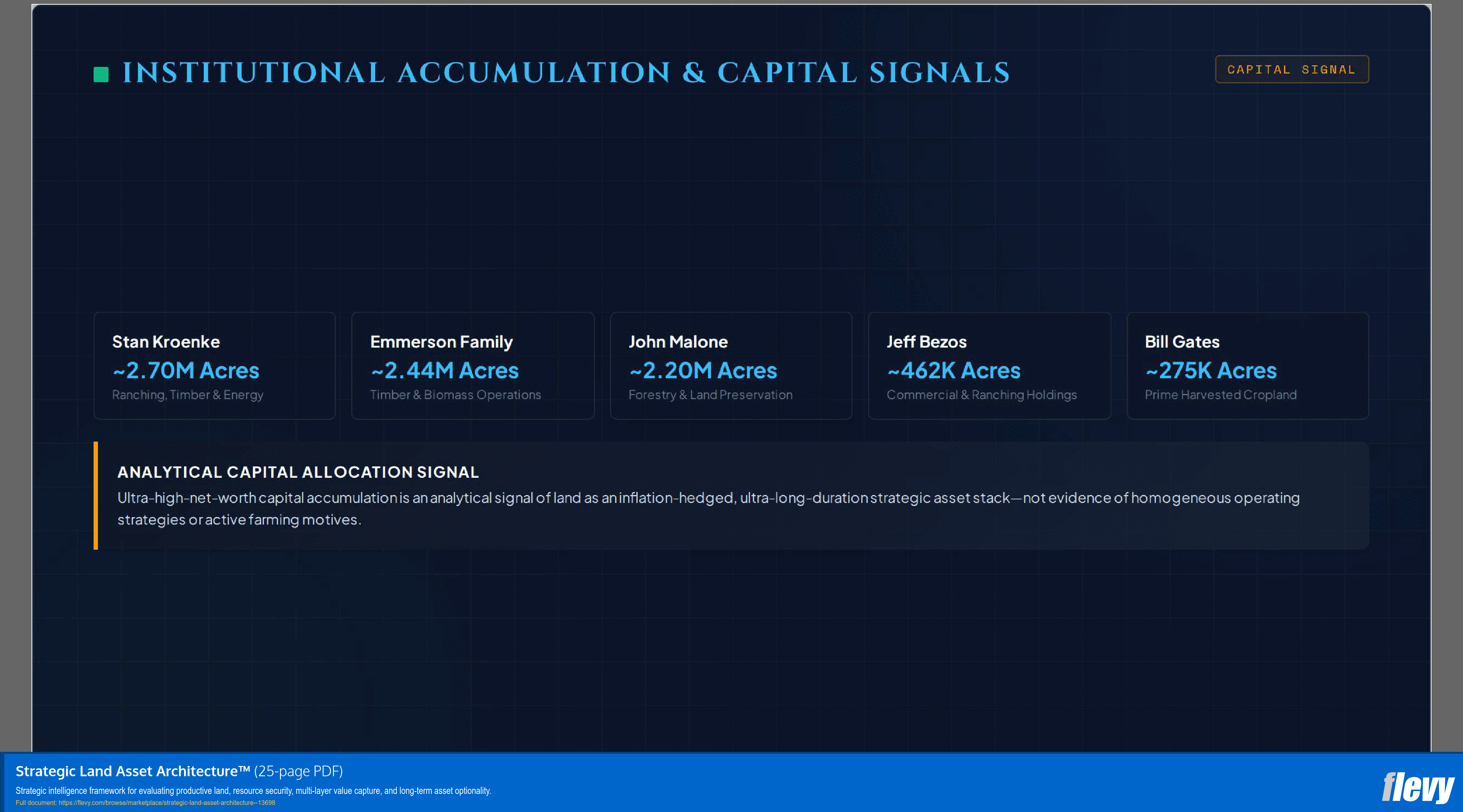
Backed by USDA agricultural land, ownership, irrigation, and farm-sector data alongside major landholding and capital-allocation signals, this intelligence provides a structured way to evaluate productive land beyond conventional $/acre valuation.
The central thesis is simple:
The strategic unit is moving from acreage ownership toward asset architecture control.
Got a question about the product? Email us at support@flevy.com or ask the author directly by using the "Ask the Author a Question" form. If you cannot view the preview above this document description, go here to view the large preview instead.
Source: Best Practices in Real Estate, Agriculture Industry PDF: Strategic Land Asset Architecture™ PDF (PDF) Document, Wisnu Pandega Wardana
ABOUT THE AUTHOR

I am an independent Industrial Intelligence and Strategic Innovation Publisher focused on developing structured business intelligence, innovation frameworks, and opportunity-oriented research for decision-makers.
My work focuses on translating emerging technologies, industrial transformation, sustainability, resource efficiency, and market shifts into structured intelligence assets that
... [read more]
Ask the Author a Question
You must be logged in to contact the author.




























