
Personnel Management is an extremely important component of a successful consulting project and a key determinant of overall career satisfaction. This document discusses the importance of good personnel management and outlines the key characteristics of successful personnel management during an engagement.
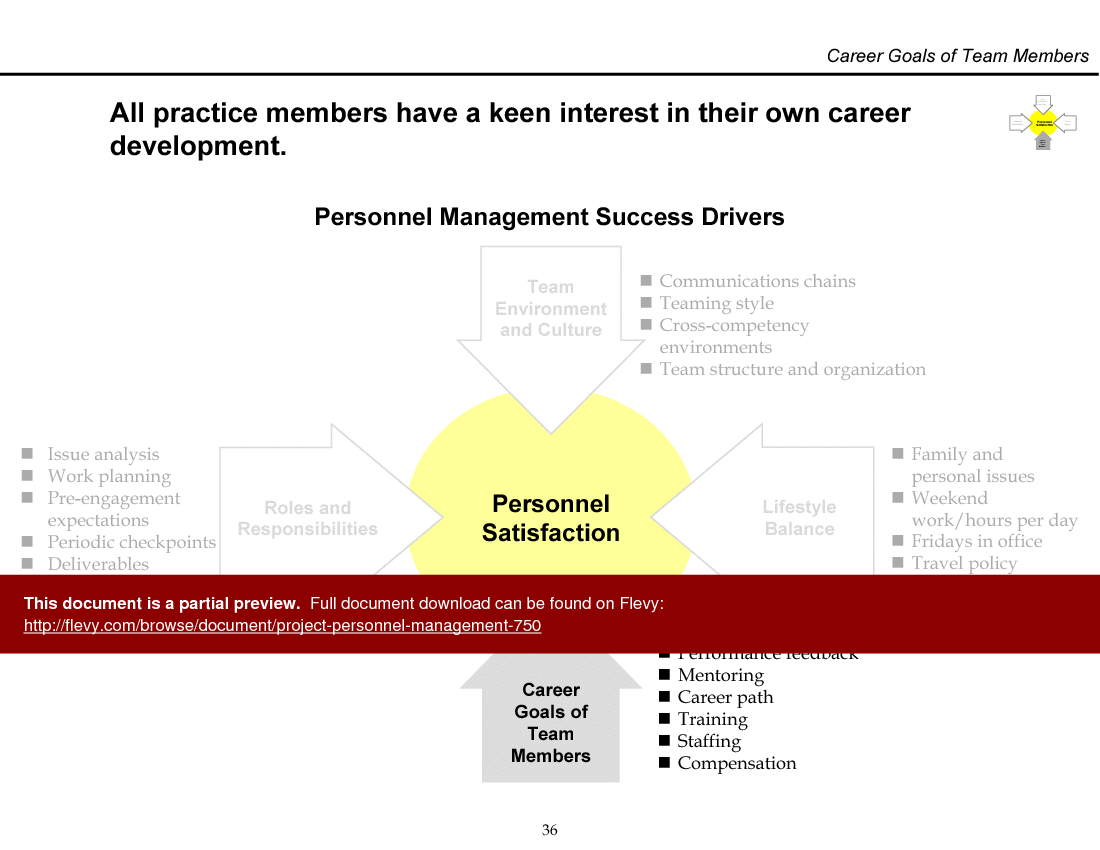
It also provides a practical framework for managers to manage issues such as lifestyle balance, role clarity, team culture and professional development. The deck has 44 slides.
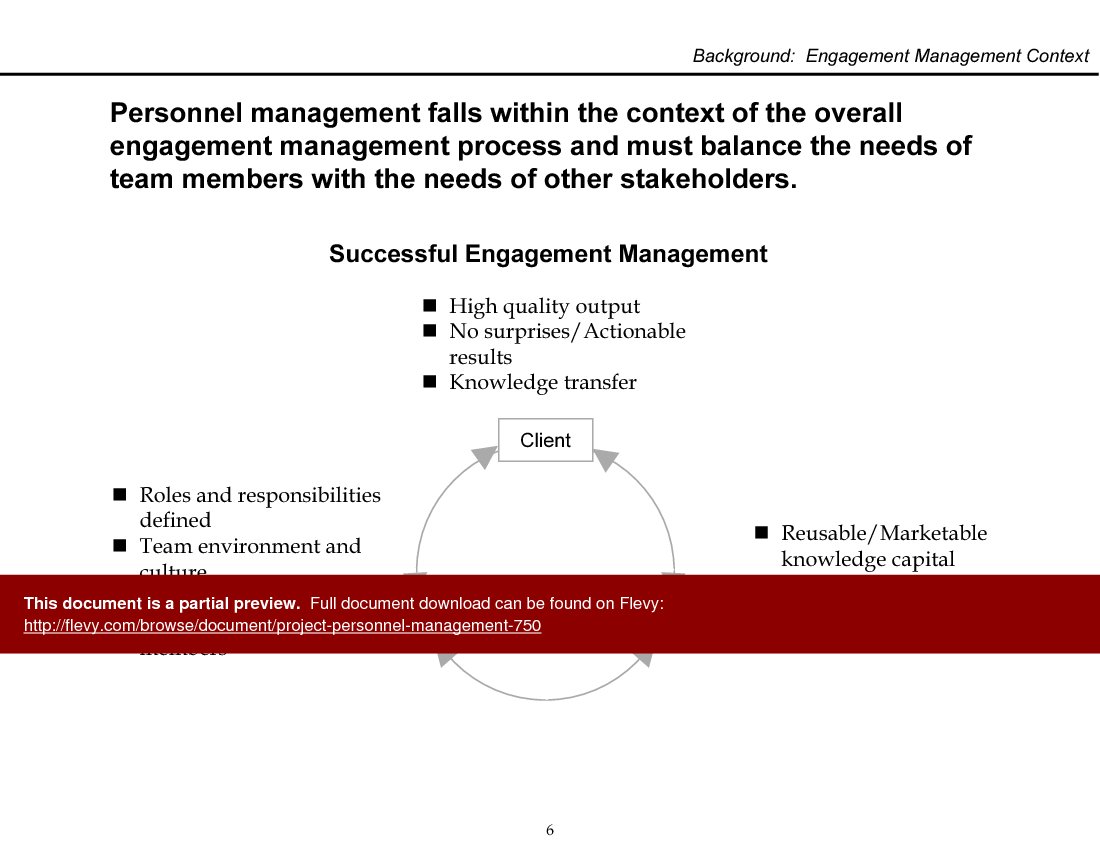
This document delves into the intricacies of personnel management within consulting projects, emphasizing the balance between team needs and stakeholder expectations. It highlights the necessity of defining roles and responsibilities clearly, ensuring high-quality output, and maintaining knowledge transfer. The framework provided is designed to help managers navigate the complexities of team dynamics, lifestyle balance, and professional growth.
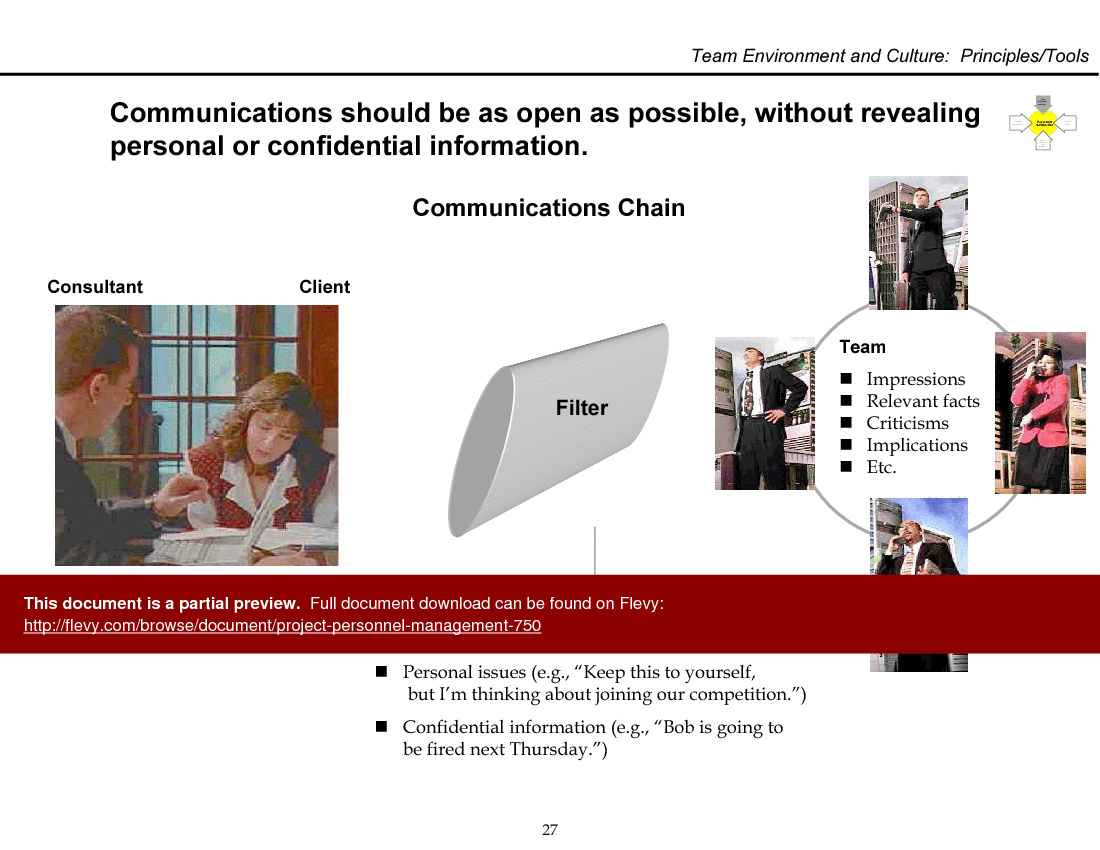
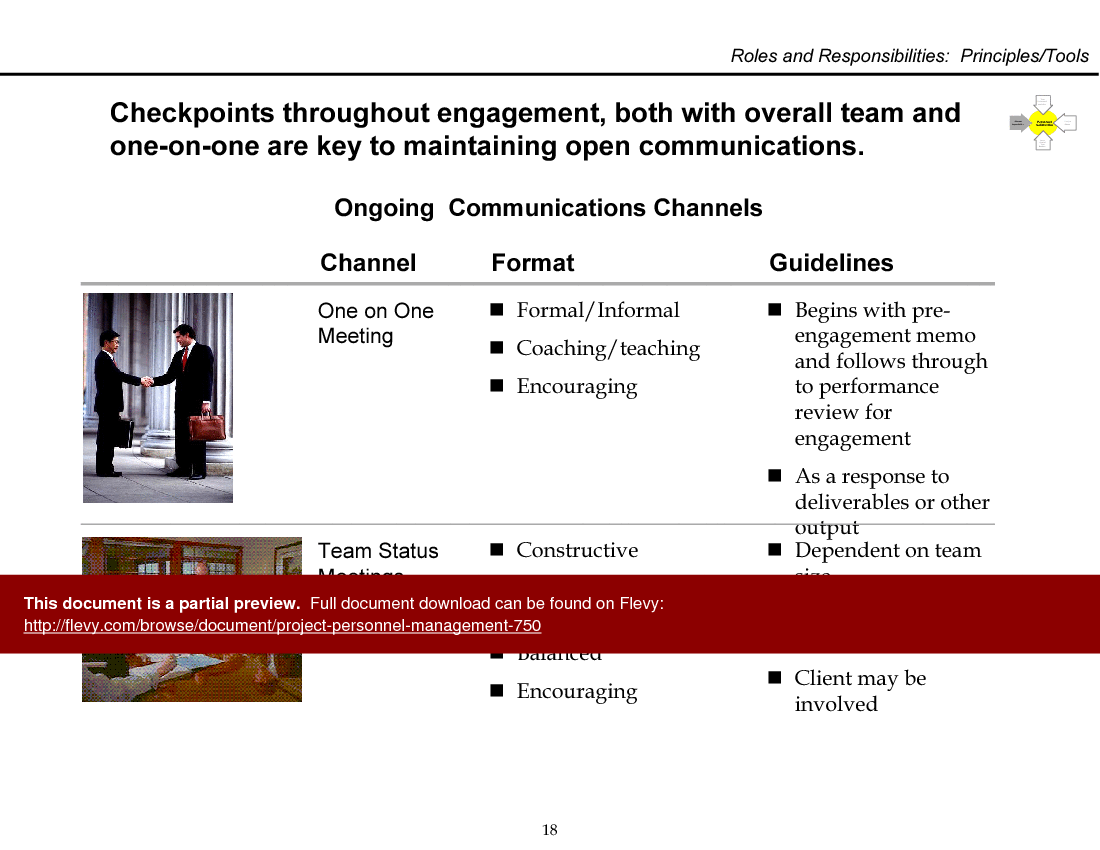
The presentation also addresses the importance of effective communication channels, both formal and informal, to maintain open lines of dialogue throughout the engagement. Regular checkpoints, one-on-one meetings, and team status updates are essential to keep everyone aligned and address any issues promptly. The document underscores the value of constructive feedback and ongoing performance evaluations to foster a culture of continuous improvement.
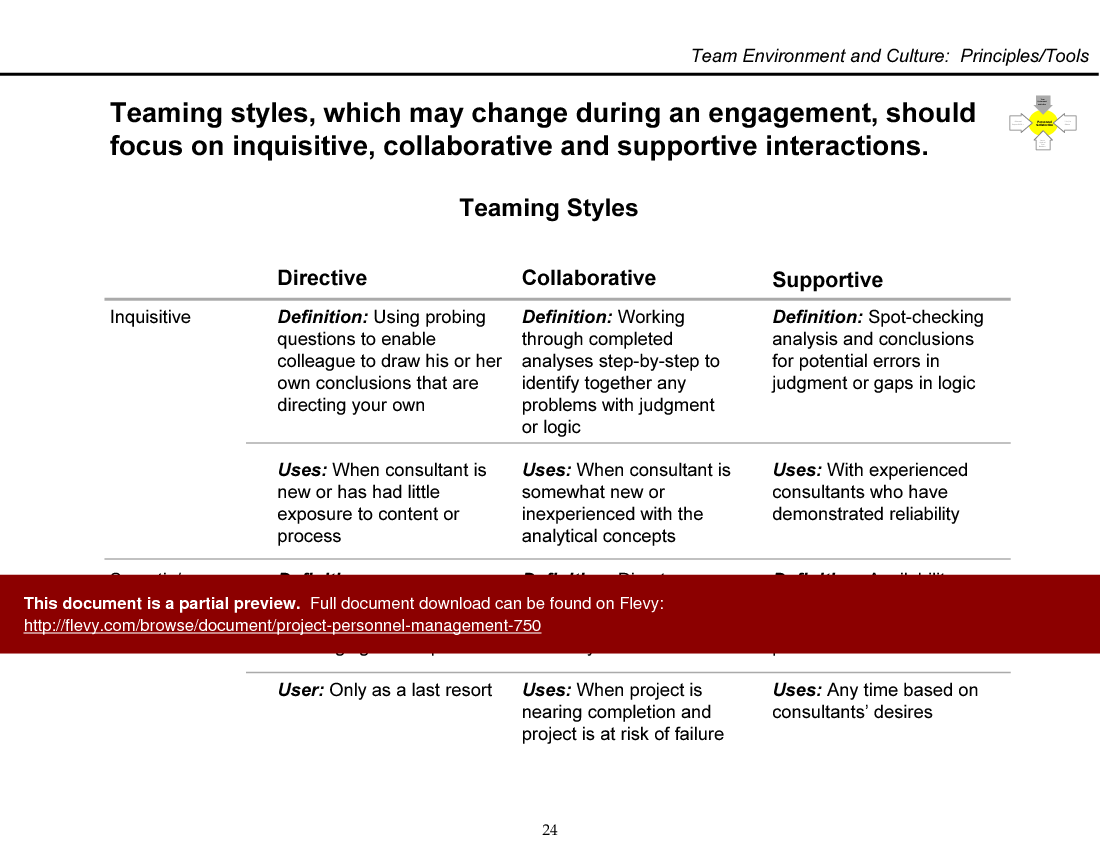
Another key aspect covered is the establishment of a supportive team environment and culture. The document outlines various teaming styles—directive, collaborative, and supportive—and their appropriate applications based on the team's experience and project phase. It stresses the importance of fostering inquisitive, collaborative, and supportive interactions to drive team success.
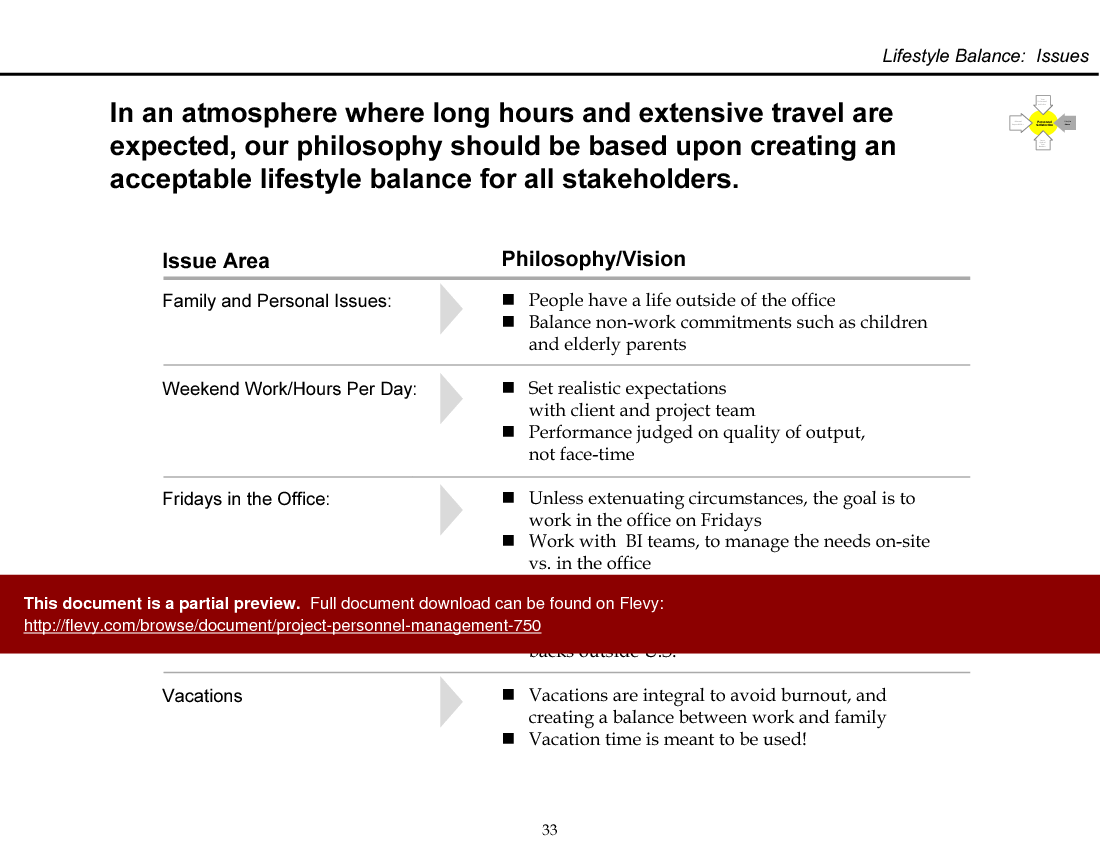
The document provides insights into managing lifestyle balance, particularly in demanding consulting environments. It offers practical advice on balancing work and personal commitments, setting realistic expectations, and ensuring that team members can maintain a healthy work-life balance. This holistic approach to personnel management aims to enhance overall team satisfaction and project success.
Got a question about the product? Email us at support@flevy.com or ask the author directly by using the "Ask the Author a Question" form. If you cannot view the preview above this document description, go here to view the large preview instead.
Executive Summary
The "Successful Project Personnel Management" presentation provides a structured approach to personnel management, essential for achieving project success and enhancing career satisfaction. This consulting-grade resource, inspired by methodologies from top firms like McKinsey, Bain, and BCG (not affiliated), outlines critical roles, responsibilities, and management strategies that engage both team members and managers. By utilizing this framework, organizations can foster a supportive team culture, clarify roles, and prioritize professional development, ensuring a balanced work environment that aligns with both individual and organizational goals.
Who This Is For and When to Use
• Engagement managers overseeing project teams
• Team members seeking clarity on roles and responsibilities
• Human resources professionals focusing on personnel development
• Consultants looking to enhance team dynamics and culture
Best-fit moments to use this deck:
• During project kickoff to establish clear expectations and roles
• In performance reviews to discuss career goals and development opportunities
• When addressing personnel issues or conflicts within teams
Learning Objectives
• Define key roles and responsibilities within project teams
• Build a supportive team environment that fosters collaboration
• Establish lifestyle balance strategies for team members
• Identify and align individual career goals with organizational objectives
• Implement effective communication channels for ongoing feedback
• Develop a structured approach to personnel management throughout project phases
Table of Contents
• Definition and Explanation (page 1)
• Background: Focusing on the People (page 2)
• Reasons for Personnel Management (page 4)
• Challenges of Personnel Management (page 5)
• Successful Engagement Management (page 6)
• Personnel Management Success Drivers (page 8)
• Roles and Responsibilities: Framework for Discussion (page 10)
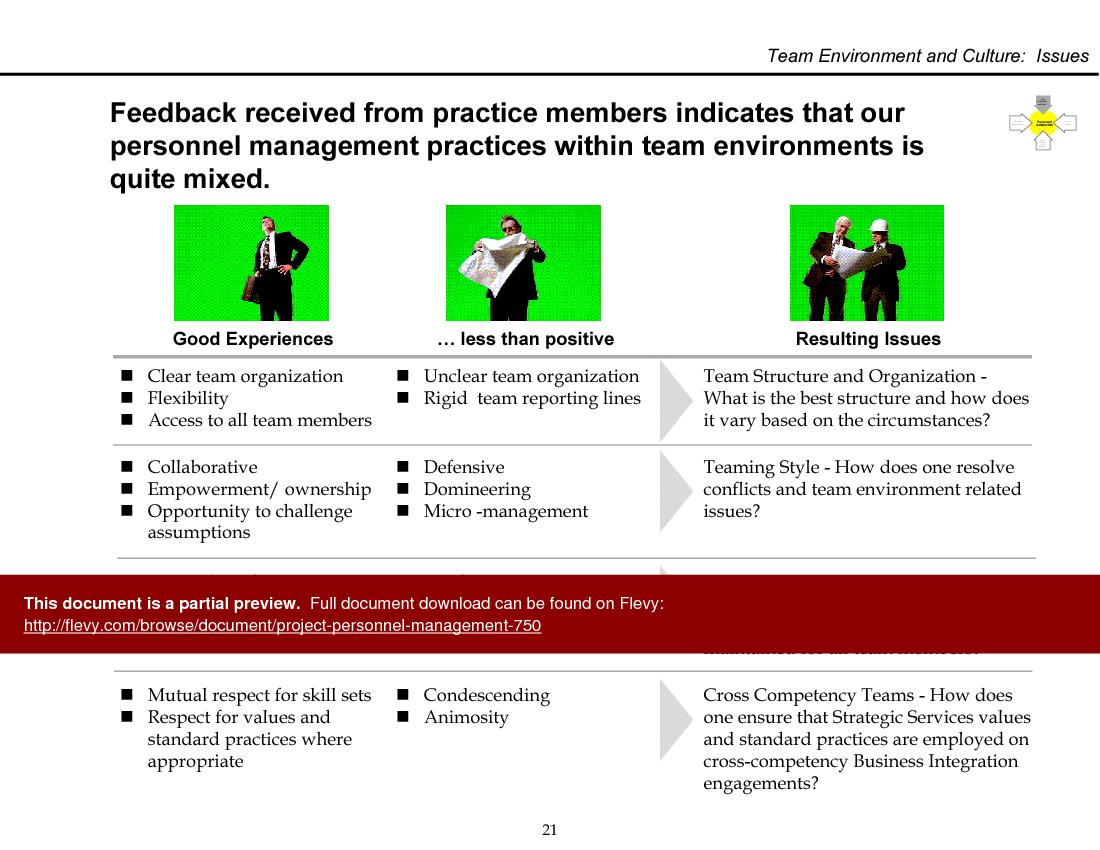
• Team Environment and Culture: Issues (page 21)
• Lifestyle Balance: Issues (page 31)
• Career Goals of Team Members: Issues (page 36)
• Evaluation Process (page 39)
Primary Topics Covered
• Definition and Explanation - Personnel management is crucial for engagement success, impacting both team dynamics and individual career satisfaction.
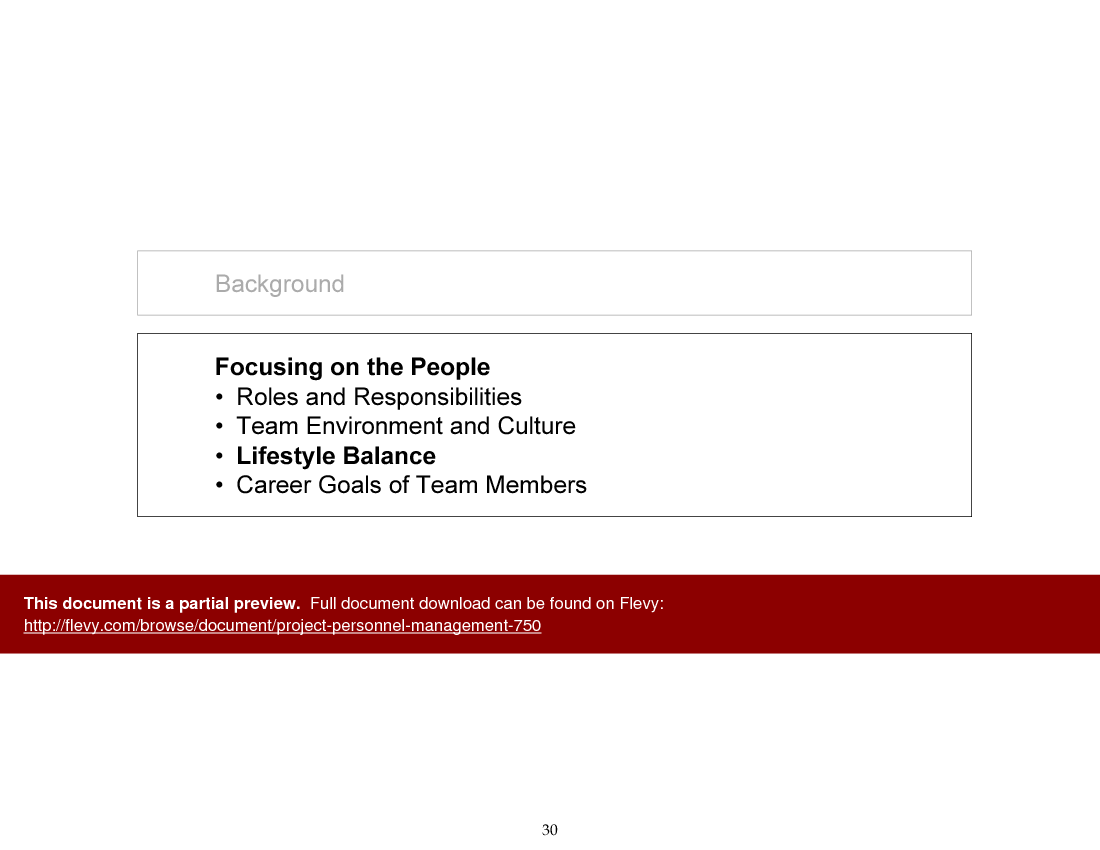
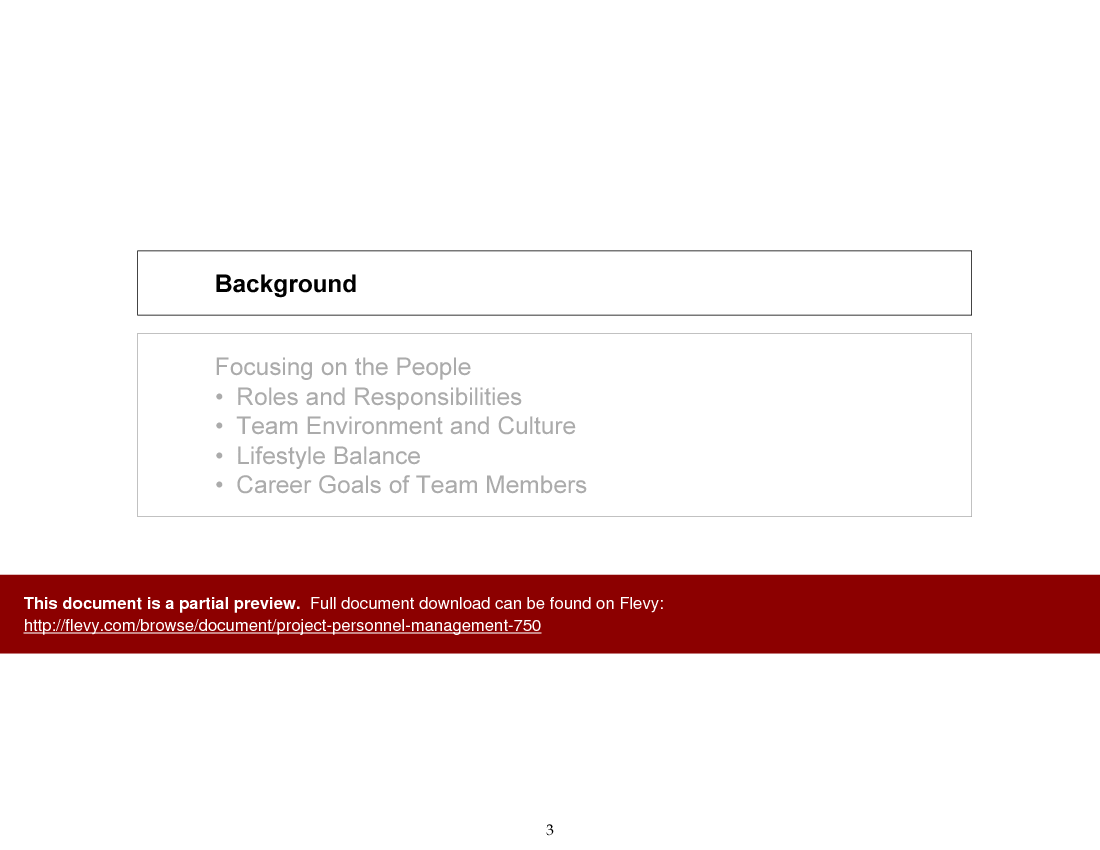
• Background: Focusing on the People - Emphasizes the importance of roles, team culture, and individual career aspirations in project management.
• Challenges of Personnel Management - Identifies common obstacles such as miscommunication, unclear roles, and evolving team dynamics.
• Personnel Management Success Drivers - Highlights key factors like lifestyle balance, team culture, and defined roles that contribute to effective personnel management.
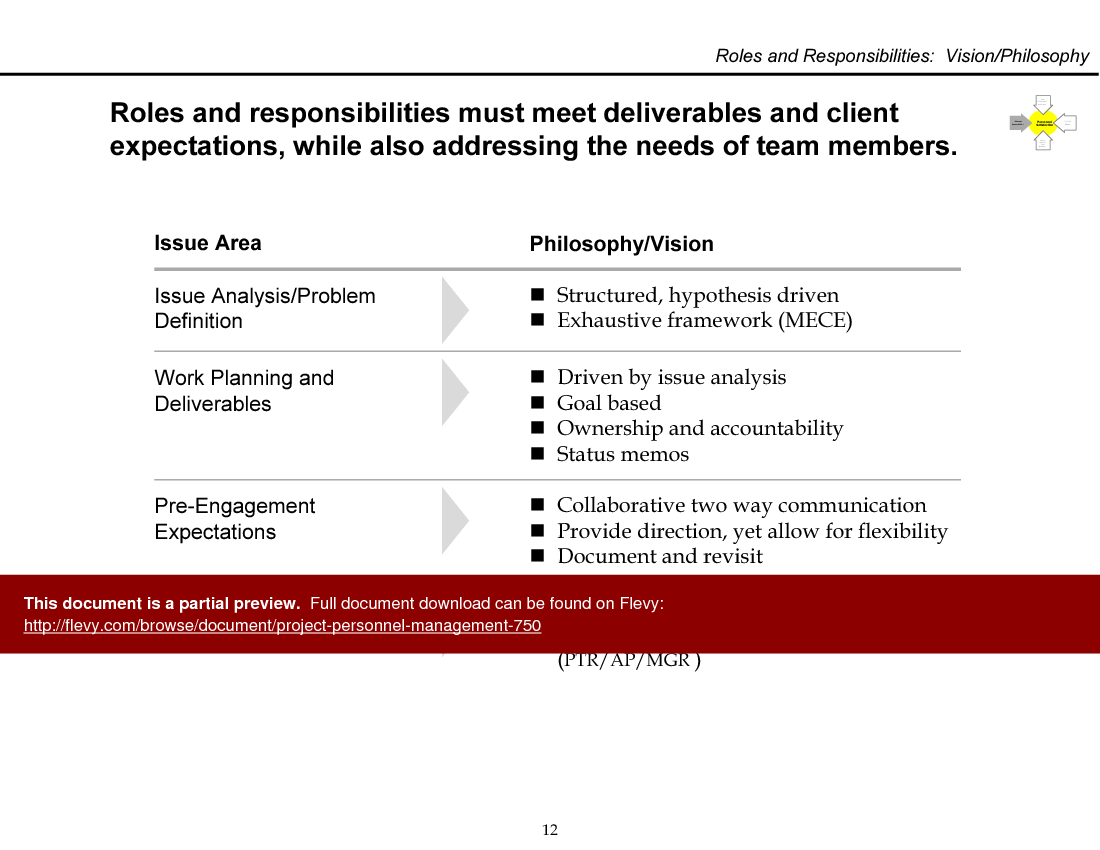
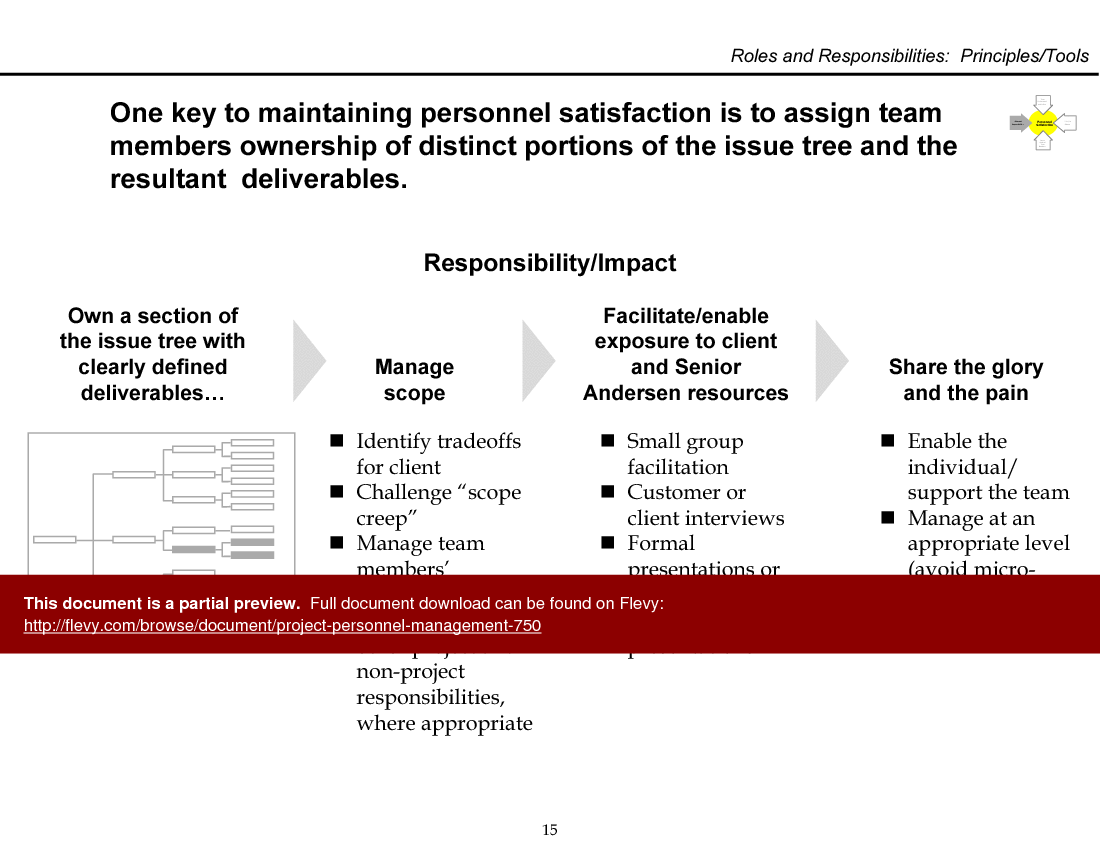
• Roles and Responsibilities - Establishes a framework for defining tasks, expectations, and accountability within project teams.
• Team Environment and Culture - Discusses the impact of team dynamics on project outcomes and individual satisfaction.
Deliverables, Templates, and Tools
• Pre-engagement memo template for outlining roles and expectations
• Status report format for tracking project progress and personnel issues
• Workplan template to translate issue analysis into actionable tasks
• Feedback mechanism for ongoing performance evaluations
• Guidelines for effective team communication and conflict resolution
• Career development plan template for aligning individual goals with project needs
Slide Highlights
• Overview of personnel management’s significance in project success
• Structured problem-solving approach for addressing client issues
• Detailed workplan sample illustrating task assignments and timelines
• Communication channels for maintaining open dialogue within teams
• Guidelines for fostering a positive team environment and culture
Potential Workshop Agenda
Kickoff Session (60 minutes)
• Introduce personnel management framework and objectives
• Discuss roles and responsibilities within the team
• Establish expectations for communication and feedback
Performance Review Session (90 minutes)
• Review individual performance and career goals
• Provide constructive feedback and identify development areas
• Discuss alignment of personal and organizational objectives
Conflict Resolution Workshop (60 minutes)
• Identify common team conflicts and resolution strategies
• Role-play scenarios to practice effective communication
• Develop action plans for addressing personnel issues
Customization Guidance
• Tailor the pre-engagement memo to reflect specific project goals and team dynamics
• Adjust communication guidelines based on team size and structure
• Incorporate individual career aspirations into project planning and staffing decisions
Secondary Topics Covered
• Effective communication strategies for diverse teams
• Balancing client needs with team member well-being
• Managing expectations throughout the project lifecycle
• Strategies for fostering a collaborative team culture
• Techniques for mentoring and professional development
FAQ
What is the purpose of personnel management in projects?
Personnel management ensures that team members are effectively supported, roles are clearly defined, and career aspirations are aligned with project goals, ultimately leading to project success.
How can I improve team communication?
Establish regular check-ins, utilize status reports, and foster an open dialogue culture to encourage team members to share feedback and address issues promptly.
What are the key drivers of successful personnel management?
The main drivers include clear roles and responsibilities, a supportive team environment, lifestyle balance, and alignment of individual career goals with organizational objectives.
How do I handle conflicts within the team?
Address conflicts promptly through open communication, involve relevant stakeholders, and utilize structured conflict resolution strategies to find mutually agreeable solutions.
What should be included in a pre-engagement memo?
The memo should outline project scope, individual roles, expected deliverables, and professional development opportunities for team members.
How can I ensure lifestyle balance for my team?
Promote flexible work arrangements, respect personal commitments, and encourage time off to prevent burnout and maintain productivity.
What role does feedback play in personnel management?
Regular feedback helps team members understand performance expectations, identify areas for improvement, and fosters a culture of continuous development.
How can I align individual career goals with project needs?
Incorporate discussions about career aspirations into project planning and staffing decisions, ensuring that team members are placed in roles that support their growth.
What are the best practices for team culture?
Encourage collaboration, respect diverse perspectives, and establish clear communication channels to create a positive and inclusive team culture.
Glossary
• Personnel Management - The process of managing team members to enhance engagement and satisfaction.
• Roles and Responsibilities - Defined tasks and expectations for each team member within a project.
• Team Environment - The culture and dynamics within a project team that influence collaboration and performance.
• Lifestyle Balance - The equilibrium between work commitments and personal life for team members.
• Career Goals - Individual aspirations related to professional development and advancement.
• Pre-Engagement Memo - A document outlining roles, expectations, and project objectives prior to project initiation.
• Feedback Mechanism - A structured approach for providing performance evaluations and constructive criticism.
• Conflict Resolution - Strategies for addressing and resolving disputes within a team.
• Workplan - A detailed outline of tasks, responsibilities, and timelines for project execution.
• Communication Channels - Established methods for sharing information and updates within a team.
• Mentoring - Guidance provided by experienced team members to support the development of less experienced colleagues.
• Performance Evaluation - A formal assessment of an individual's contributions and areas for improvement within a project context.
Source: Best Practices in Consulting Training PowerPoint Slides: Project Personnel Management PowerPoint (PPT) Presentation Slide Deck, Documents & Files
|
Receive our FREE whitepaper on the Top 101 Consulting Frameworks
Download our 200+ page guide summarizing the Top 101 Management Consulting Frameworks. Each framework provides a structured approach to analyzing and solving a common business problem. |