
Editor Summary
Project Personnel Management is a 45-slide PowerPoint presentation that provides a personnel-management framework for consulting engagements, inspired by methodologies used at McKinsey, Bain, and BCG (not affiliated).
Read moreIncludes templates and tools: pre-engagement memo, status report format, workplan template, feedback mechanism, communication and conflict-resolution guidelines, and a career development plan. Target users are engagement managers, team members, HR professionals, and consultants. Available on Flevy as an immediate digital download sold as a digital download on Flevy.
Designed for projects that need structured personnel management at key moments such as kickoffs, performance reviews, conflict resolution, or periods of high workload.
Engagement managers establishing expectations and resource assignments at project kickoff, using a pre-engagement memo to set scope and roles.
Team members clarifying task ownership and accountability through defined roles and status reports.
HR professionals conducting performance reviews and drafting career development plans tied to project work.
Consultants facilitating conflict-resolution workshops and implementing communication guidelines.
The focus on role clarity, structured feedback, and phased personnel interventions mirrors practices used at McKinsey, Bain, and BCG.
Personnel Management is an extremely important component of a successful consulting project and a key determinant of overall career satisfaction. This document discusses the importance of good personnel management and outlines the key characteristics of successful personnel management during an engagement.
It also provides a practical framework for managers to manage issues such as lifestyle balance, role clarity, team culture and professional development. The deck has 44 slides.
This document delves into the intricacies of personnel management within consulting projects, emphasizing the balance between team needs and stakeholder expectations. It highlights the necessity of defining roles and responsibilities clearly, ensuring high-quality output, and maintaining knowledge transfer. The framework provided is designed to help managers navigate the complexities of team dynamics, lifestyle balance, and professional growth.
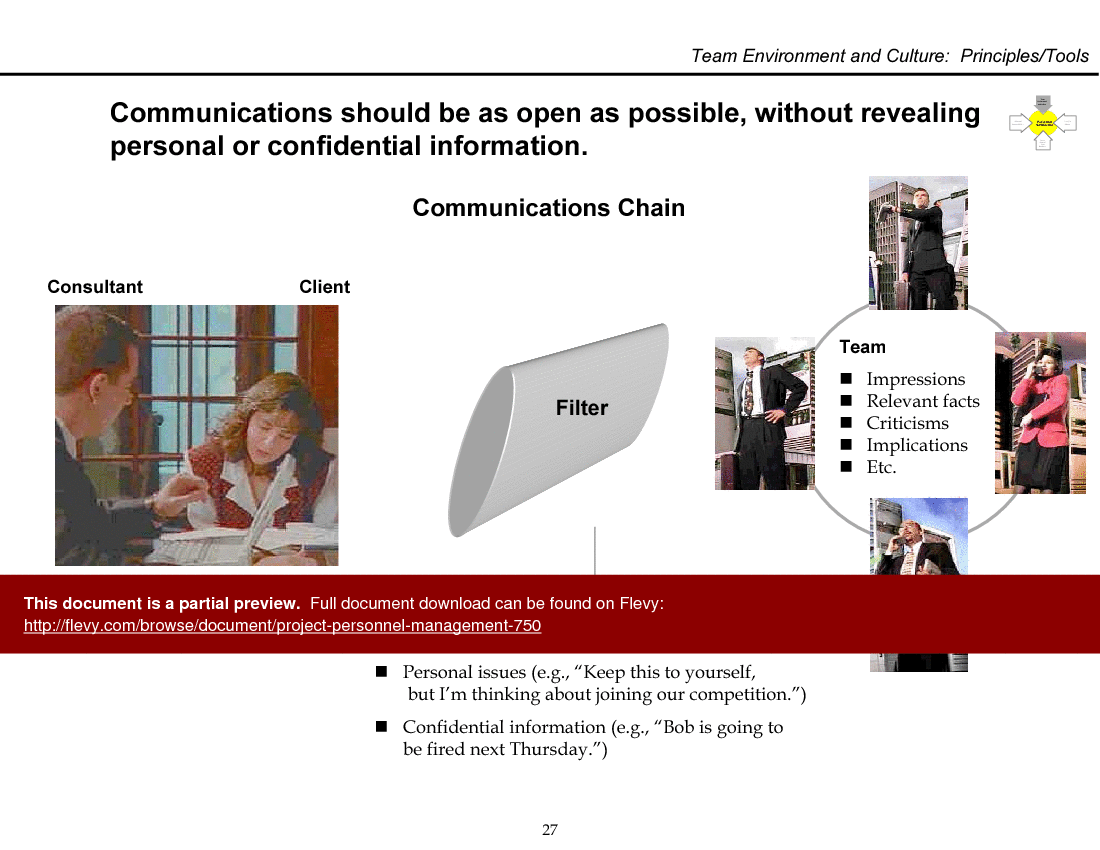
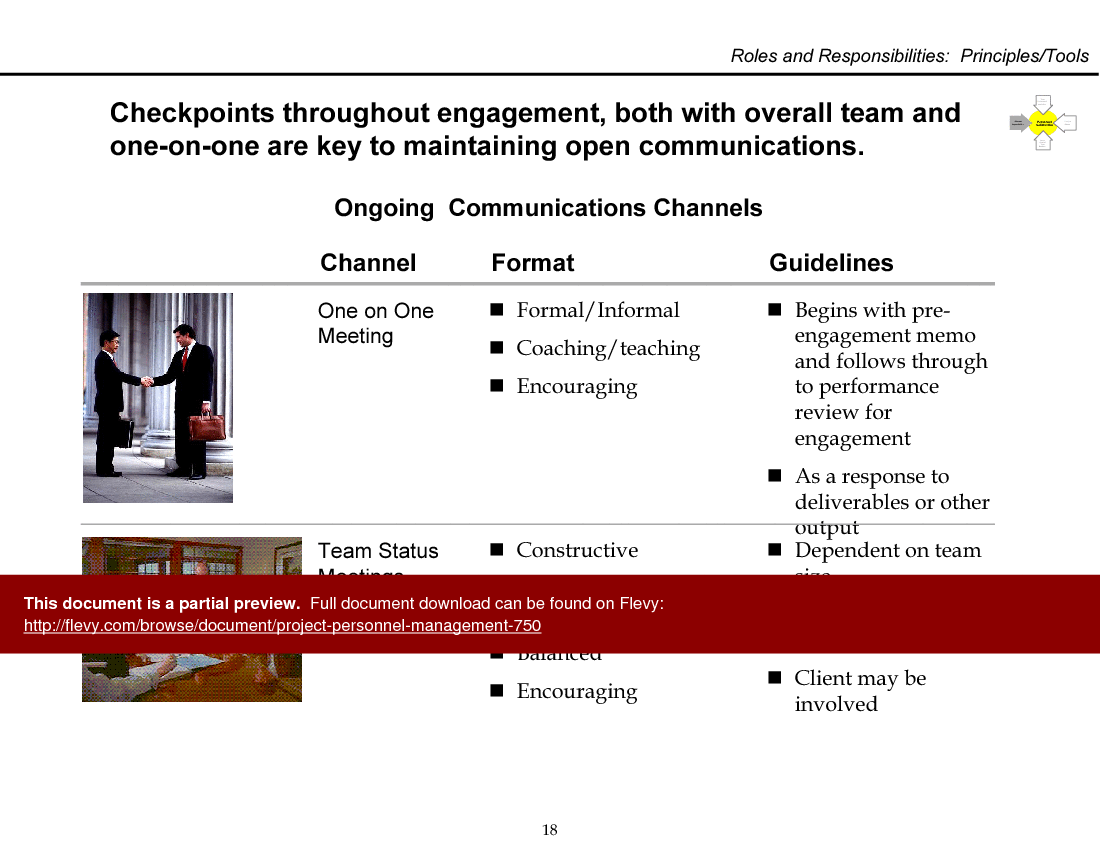
The presentation also addresses the importance of effective communication channels, both formal and informal, to maintain open lines of dialogue throughout the engagement. Regular checkpoints, one-on-one meetings, and team status updates are essential to keep everyone aligned and address any issues promptly. The document underscores the value of constructive feedback and ongoing performance evaluations to foster a culture of continuous improvement.
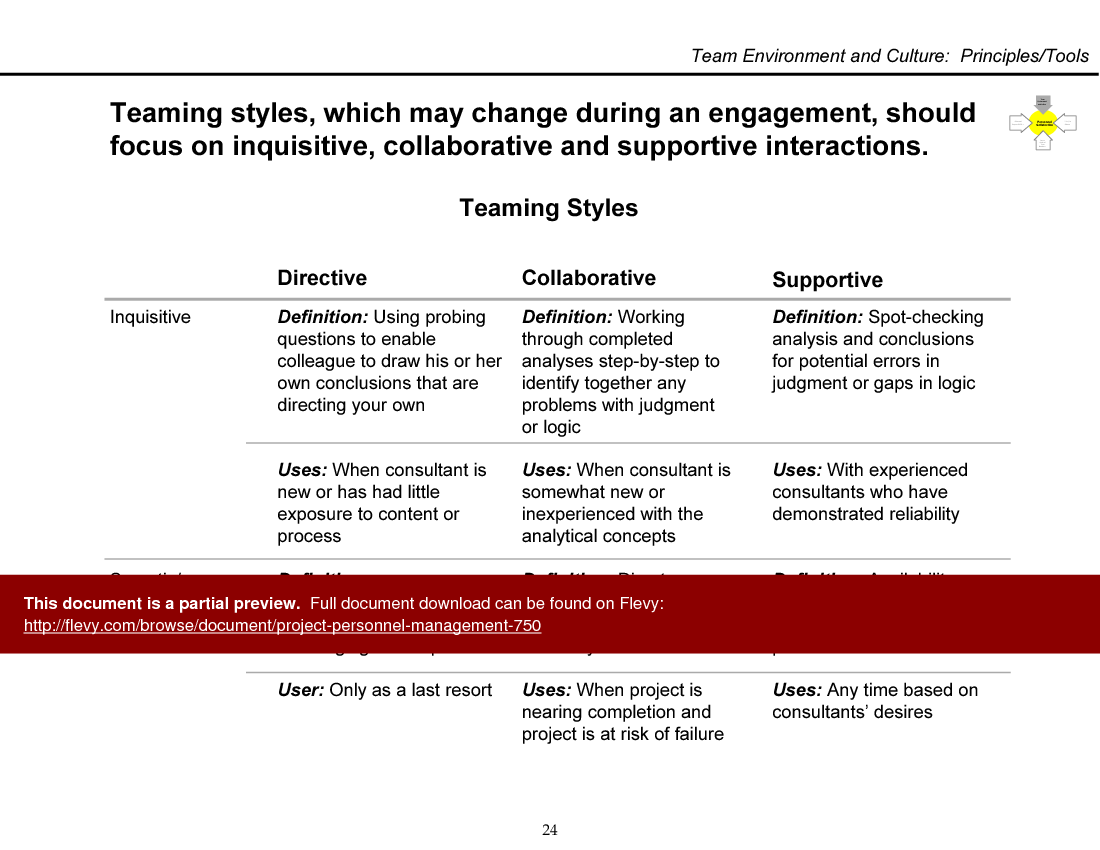
Another key aspect covered is the establishment of a supportive team environment and culture. The document outlines various teaming styles—directive, collaborative, and supportive—and their appropriate applications based on the team's experience and project phase. It stresses the importance of fostering inquisitive, collaborative, and supportive interactions to drive team success.
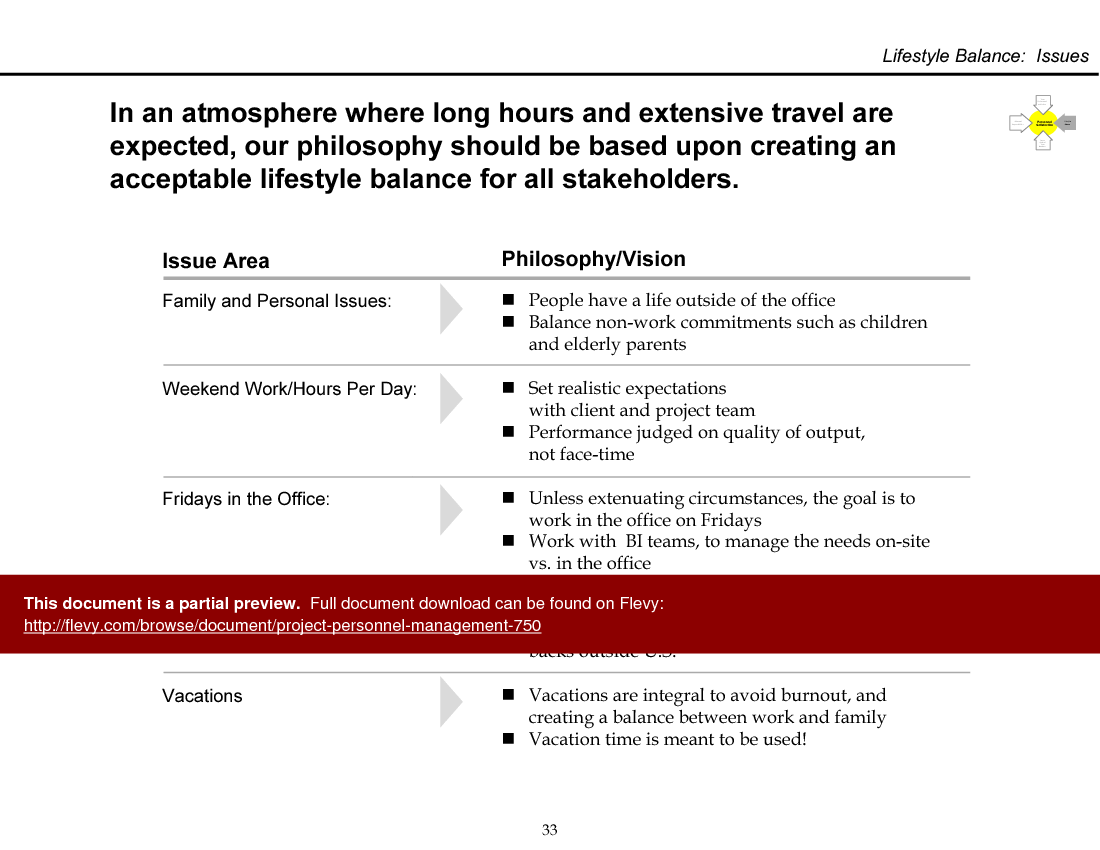
The document provides insights into managing lifestyle balance, particularly in demanding consulting environments. It offers practical advice on balancing work and personal commitments, setting realistic expectations, and ensuring that team members can maintain a healthy work-life balance. This holistic approach to personnel management aims to enhance overall team satisfaction and project success.
Got a question about the product? Email us at support@flevy.com or ask the author directly by using the "Ask the Author a Question" form. If you cannot view the preview above this document description, go here to view the large preview instead.
MARCUS OVERVIEW
This synopsis was written by Marcus [?] based on the analysis of the full 45-slide presentation.
Executive Summary
The "Successful Project Personnel Management" presentation provides a structured approach to personnel management, essential for achieving project success and enhancing career satisfaction. This consulting-grade resource, inspired by methodologies from top firms like McKinsey, Bain, and BCG (not affiliated), outlines critical roles, responsibilities, and management strategies that engage both team members and managers. By utilizing this framework, organizations can foster a supportive team culture, clarify roles, and prioritize professional development, ensuring a balanced work environment that aligns with both individual and organizational goals.
Who This Is For and When to Use
• Engagement managers overseeing project teams
• Team members seeking clarity on roles and responsibilities
• Human resources professionals focusing on personnel development
• Consultants looking to enhance team dynamics and culture
Best-fit moments to use this deck:
• During project kickoff to establish clear expectations and roles
• In performance reviews to discuss career goals and development opportunities
• When addressing personnel issues or conflicts within teams
Learning Objectives
• Define key roles and responsibilities within project teams
• Build a supportive team environment that fosters collaboration
• Establish lifestyle balance strategies for team members
• Identify and align individual career goals with organizational objectives
• Implement effective communication channels for ongoing feedback
• Develop a structured approach to personnel management throughout project phases
Table of Contents
• Definition and Explanation (page 1)
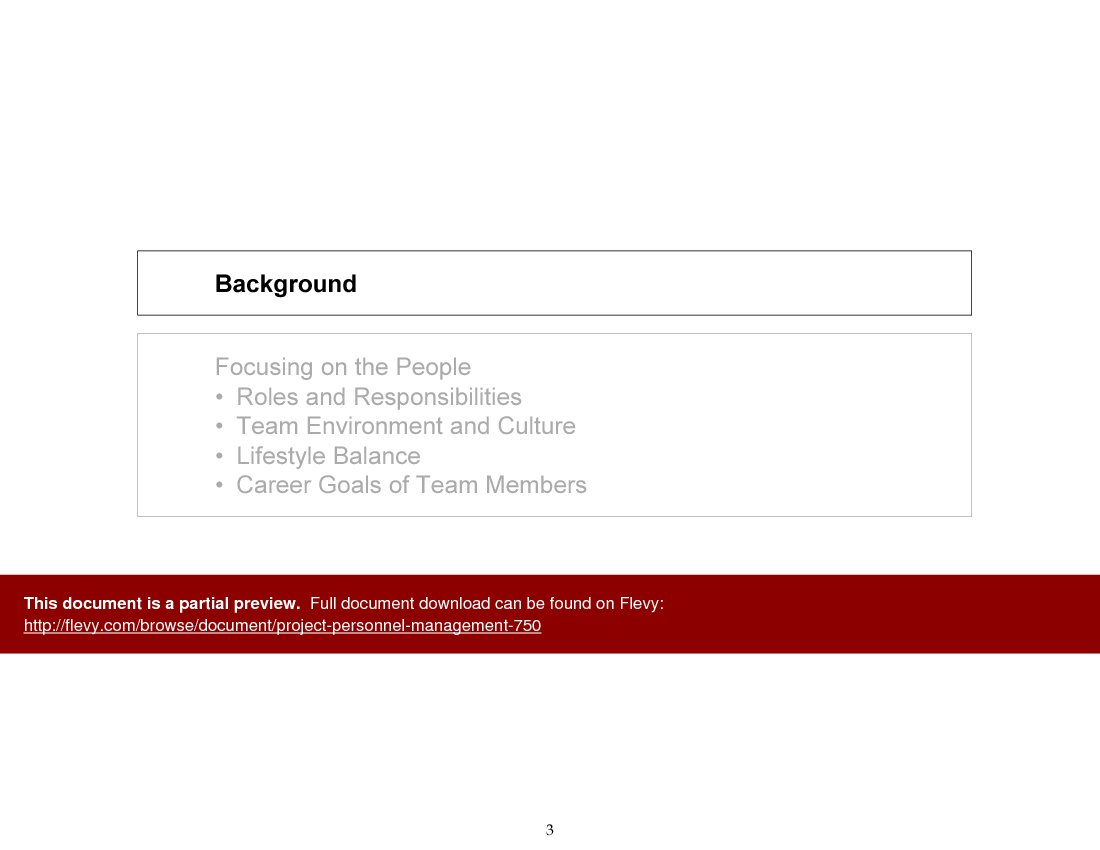
• Background: Focusing on the People (page 2)
• Reasons for Personnel Management (page 4)
• Challenges of Personnel Management (page 5)
• Successful Engagement Management (page 6)
• Personnel Management Success Drivers (page 8)
• Roles and Responsibilities: Framework for Discussion (page 10)
• Team Environment and Culture: Issues (page 21)
• Lifestyle Balance: Issues (page 31)
• Career Goals of Team Members: Issues (page 36)
• Evaluation Process (page 39)
Primary Topics Covered
• Definition and Explanation - Personnel management is crucial for engagement success, impacting both team dynamics and individual career satisfaction.
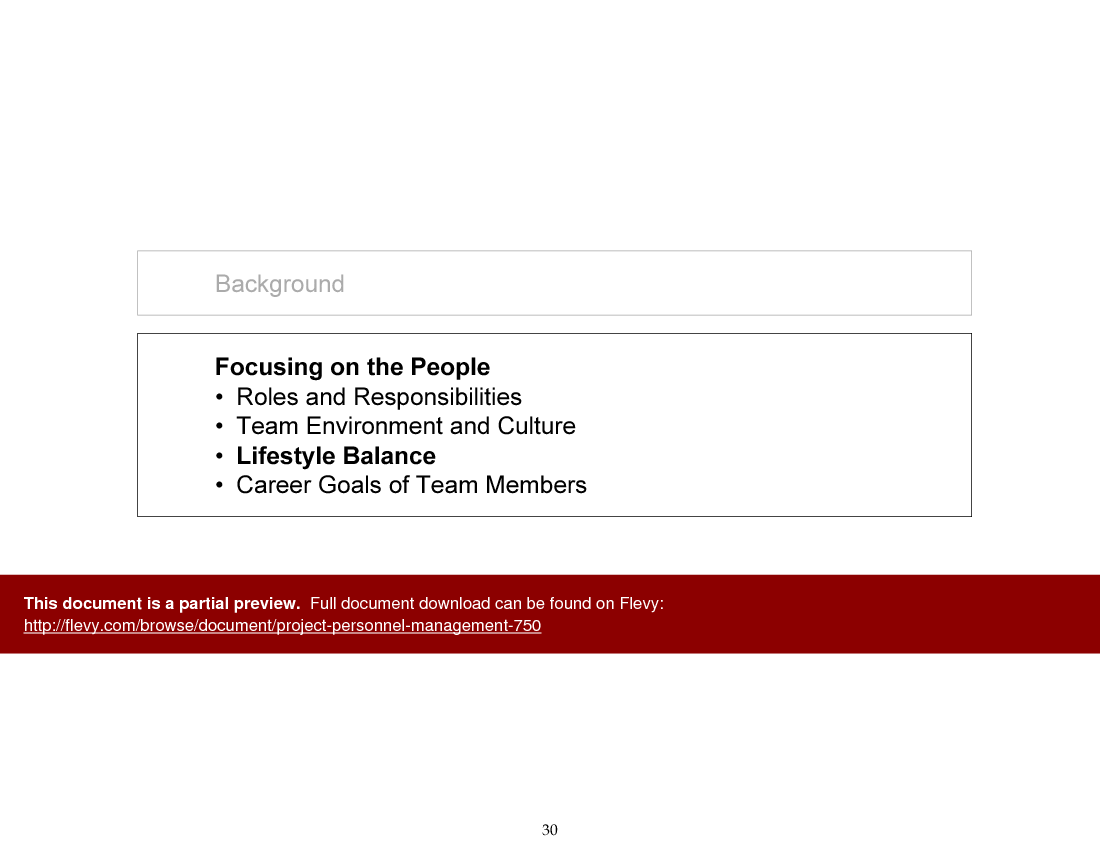
• Background: Focusing on the People - Emphasizes the importance of roles, team culture, and individual career aspirations in project management.
• Challenges of Personnel Management - Identifies common obstacles such as miscommunication, unclear roles, and evolving team dynamics.
• Personnel Management Success Drivers - Highlights key factors like lifestyle balance, team culture, and defined roles that contribute to effective personnel management.
• Roles and Responsibilities - Establishes a framework for defining tasks, expectations, and accountability within project teams.
• Team Environment and Culture - Discusses the impact of team dynamics on project outcomes and individual satisfaction.
Deliverables, Templates, and Tools
• Pre-engagement memo template for outlining roles and expectations
• Status report format for tracking project progress and personnel issues
• Workplan template to translate issue analysis into actionable tasks
• Feedback mechanism for ongoing performance evaluations
• Guidelines for effective team communication and conflict resolution
• Career development plan template for aligning individual goals with project needs
Slide Highlights
• Overview of personnel management’s significance in project success
• Structured problem-solving approach for addressing client issues
• Detailed workplan sample illustrating task assignments and timelines
• Communication channels for maintaining open dialogue within teams
• Guidelines for fostering a positive team environment and culture
Potential Workshop Agenda
Kickoff Session (60 minutes)
• Introduce personnel management framework and objectives
• Discuss roles and responsibilities within the team
• Establish expectations for communication and feedback
Performance Review Session (90 minutes)
• Review individual performance and career goals
• Provide constructive feedback and identify development areas
• Discuss alignment of personal and organizational objectives
Conflict Resolution Workshop (60 minutes)
• Identify common team conflicts and resolution strategies
• Role-play scenarios to practice effective communication
• Develop action plans for addressing personnel issues
Customization Guidance
• Tailor the pre-engagement memo to reflect specific project goals and team dynamics
• Adjust communication guidelines based on team size and structure
• Incorporate individual career aspirations into project planning and staffing decisions
Secondary Topics Covered
• Effective communication strategies for diverse teams
• Balancing client needs with team member well-being
• Managing expectations throughout the project lifecycle
• Strategies for fostering a collaborative team culture
• Techniques for mentoring and professional development
Topic FAQ
What are the core components of personnel management in projects?
Core components include defining roles and responsibilities, fostering a supportive team environment and culture, managing lifestyle balance, maintaining effective communication channels, and conducting regular performance evaluations. These elements align individual career goals with project objectives and are typically operationalized through tools such as a feedback mechanism.
What tools support ongoing feedback and performance evaluation on a project?
Ongoing feedback is supported by regular checkpoints, one-on-one meetings, team status updates, structured status reports, and a formal feedback mechanism. These tools enable continuous alignment on expectations and development areas and are typically documented using a status report format and a feedback mechanism.
How should a pre-engagement memo be structured for a consulting engagement?
A pre-engagement memo should outline project scope, individual roles and responsibilities, expected deliverables, communication expectations, and professional development opportunities for team members. It serves to set expectations at kickoff and can be implemented using a pre-engagement memo template such as the one in Flevy's Project Personnel Management.
How should I choose a personnel management toolkit for a client engagement?
Choose a toolkit that explicitly supports role clarity, communication guidelines, conflict-resolution approaches, performance evaluation, and career development, and that offers editable templates for kickoff and staffing activities. Assess whether it includes guidance on customization to team size and structure, such as the ability to customize the pre-engagement memo and workplan template.
How much do personnel management slide templates typically cost and what do I get?
Prices vary across marketplaces and vendors; offerings are commonly sold as digital PowerPoint downloads that package best-practice guidance with editable templates. For example, Flevy's Project Personnel Management is provided as a PPT digital download and contains 45 slides that include templates like a workplan and career development plan.
I have persistent team conflicts—what structured approach should I use to resolve them?
Address conflicts promptly through open communication, involve relevant stakeholders, apply structured conflict-resolution techniques, and develop action plans. Practical methods include facilitated discussions, role-play exercises, and documented follow-ups; these are reflected in materials such as a conflict resolution workshop agenda found in Flevy's Project Personnel Management.
How can I incorporate individual career development into project staffing decisions?
Incorporate career conversations into planning and staffing by discussing aspirations during kickoff and performance reviews, matching assignments to development goals, and documenting growth plans. Use a career development plan to align individual objectives with project needs, as illustrated in the career development plan template in Flevy's Project Personnel Management.
What are practical ways to maintain lifestyle balance for consulting teams under heavy workloads?
Practical approaches include promoting flexible work arrangements, setting realistic timelines and expectations, encouraging time off, respecting personal commitments, and monitoring workload during regular checkpoints and one-on-ones. These practices are captured as lifestyle balance strategies within the personnel management framework.
Document FAQ
These are questions addressed within this presentation.
What is the purpose of personnel management in projects?
Personnel management ensures that team members are effectively supported, roles are clearly defined, and career aspirations are aligned with project goals, ultimately leading to project success.
How can I improve team communication?
Establish regular check-ins, utilize status reports, and foster an open dialogue culture to encourage team members to share feedback and address issues promptly.
What are the key drivers of successful personnel management?
The main drivers include clear roles and responsibilities, a supportive team environment, lifestyle balance, and alignment of individual career goals with organizational objectives.
How do I handle conflicts within the team?
Address conflicts promptly through open communication, involve relevant stakeholders, and utilize structured conflict resolution strategies to find mutually agreeable solutions.
What should be included in a pre-engagement memo?
The memo should outline project scope, individual roles, expected deliverables, and professional development opportunities for team members.
How can I ensure lifestyle balance for my team?
Promote flexible work arrangements, respect personal commitments, and encourage time off to prevent burnout and maintain productivity.
What role does feedback play in personnel management?
Regular feedback helps team members understand performance expectations, identify areas for improvement, and fosters a culture of continuous development.
How can I align individual career goals with project needs?
Incorporate discussions about career aspirations into project planning and staffing decisions, ensuring that team members are placed in roles that support their growth.
What are the best practices for team culture?
Encourage collaboration, respect diverse perspectives, and establish clear communication channels to create a positive and inclusive team culture.
Glossary
• Personnel Management - The process of managing team members to enhance engagement and satisfaction.
• Roles and Responsibilities - Defined tasks and expectations for each team member within a project.
• Team Environment - The culture and dynamics within a project team that influence collaboration and performance.
• Lifestyle Balance - The equilibrium between work commitments and personal life for team members.
• Career Goals - Individual aspirations related to professional development and advancement.
• Pre-Engagement Memo - A document outlining roles, expectations, and project objectives prior to project initiation.
• Feedback Mechanism - A structured approach for providing performance evaluations and constructive criticism.
• Conflict Resolution - Strategies for addressing and resolving disputes within a team.
• Workplan - A detailed outline of tasks, responsibilities, and timelines for project execution.
• Communication Channels - Established methods for sharing information and updates within a team.
• Mentoring - Guidance provided by experienced team members to support the development of less experienced colleagues.
• Performance Evaluation - A formal assessment of an individual's contributions and areas for improvement within a project context.
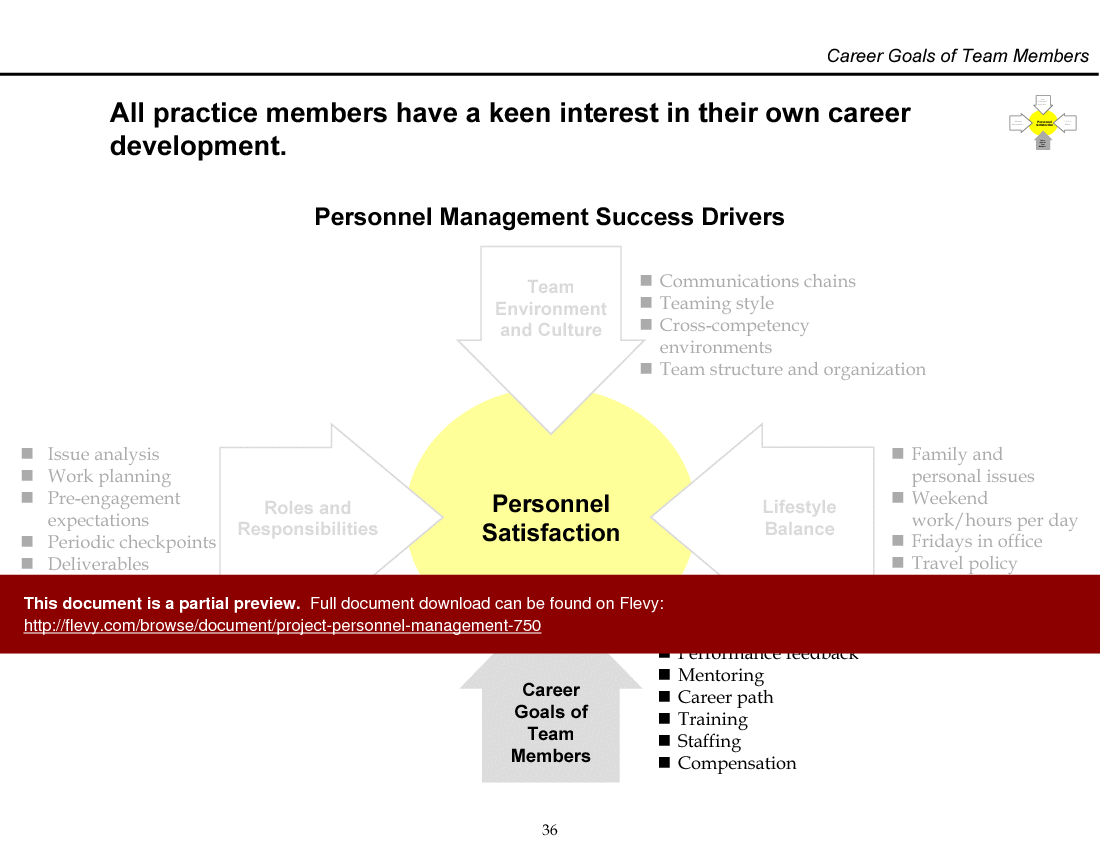
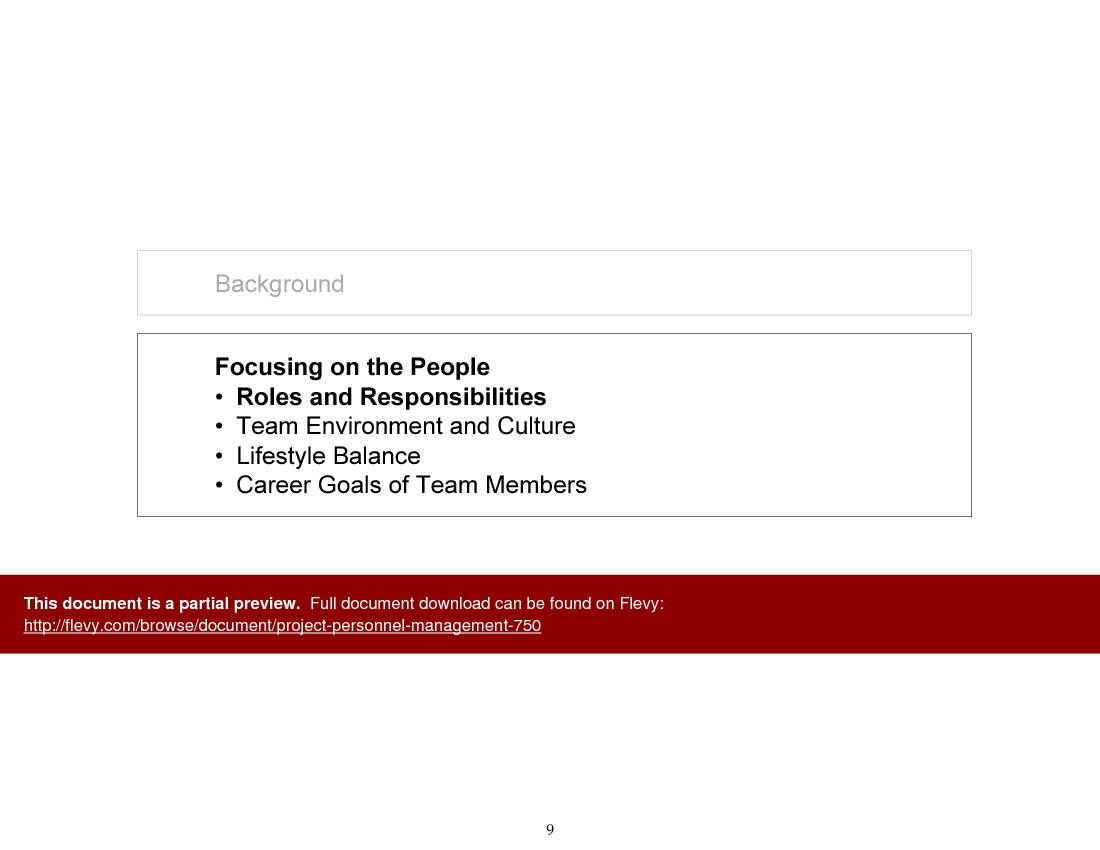
This framework outlines 4 key drivers for effective personnel management: "Personnel Satisfaction," "Roles and Responsibilities," "Team Environment and Culture," "Lifestyle Balance," and "Career Goals of Team Members."
"Roles and Responsibilities" emphasizes clearly defined duties, enhancing performance and accountability. "Team Environment and Culture" fosters a collaborative atmosphere, boosting engagement and motivation. "Lifestyle Balance" highlights the need for a healthy work-life equilibrium, leading to lower turnover rates and higher morale. Lastly, "Career Goals of Team Members" focuses on aligning individual aspirations with organizational objectives, cultivating loyalty and commitment essential for long-term success.
By prioritizing these drivers, organizations can enhance personnel management strategies and drive overall success.
This PPT slide outlines a structured evaluation process for project team members, emphasizing continuous feedback. The process includes 3 phases: pre-engagement discussion, ongoing performance discussions, and final evaluation. The pre-engagement discussion involves completing the GAT Roles and Expectations Section to establish clear roles and expectations, essential for project success. Ongoing discussions facilitate open communication, addressing issues as they arise. The final evaluation is a formal assessment developed by the supervisor and discussed collaboratively with the team member, fostering transparency and constructive feedback. Responsibilities are clearly delineated, promoting accountability and growth to enhance team performance and achieve project objectives.
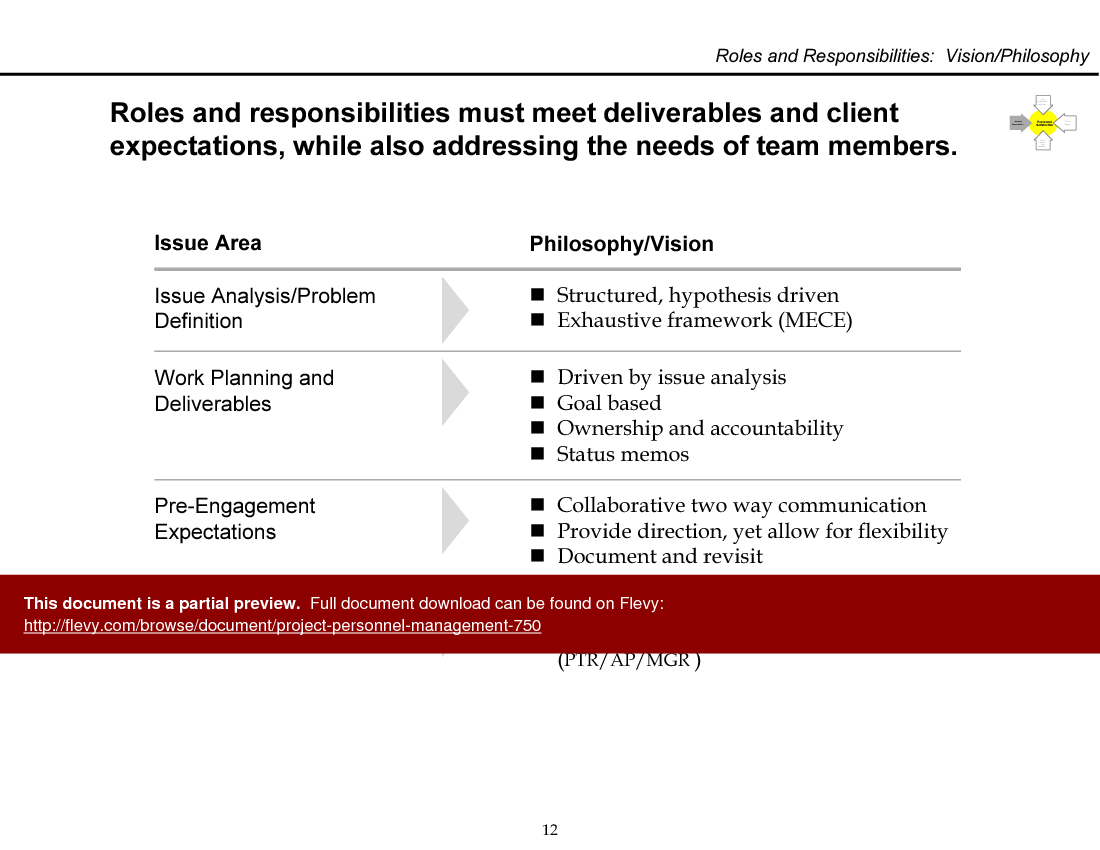
This PPT slide outlines critical components of effective project management, structured into 3 columns: "The Right Direction," "… Possibly Off Course," and "The Issues." "The Right Direction" highlights key practices such as thorough upfront planning, estimating overall effort, dependencies, and deadlines, and assigning ownership for analyses and deliverables. Collaborative two-way expectations ensure team alignment from the project's outset. The middle column identifies pitfalls, including unstructured approaches, task micromanagement, and unclear roles, which can hinder progress. "The Issues" raises questions about the effectiveness of current practices, emphasizing the need for structured work planning, deliverables, and pre-engagement memos to facilitate dialogue between team members and management.
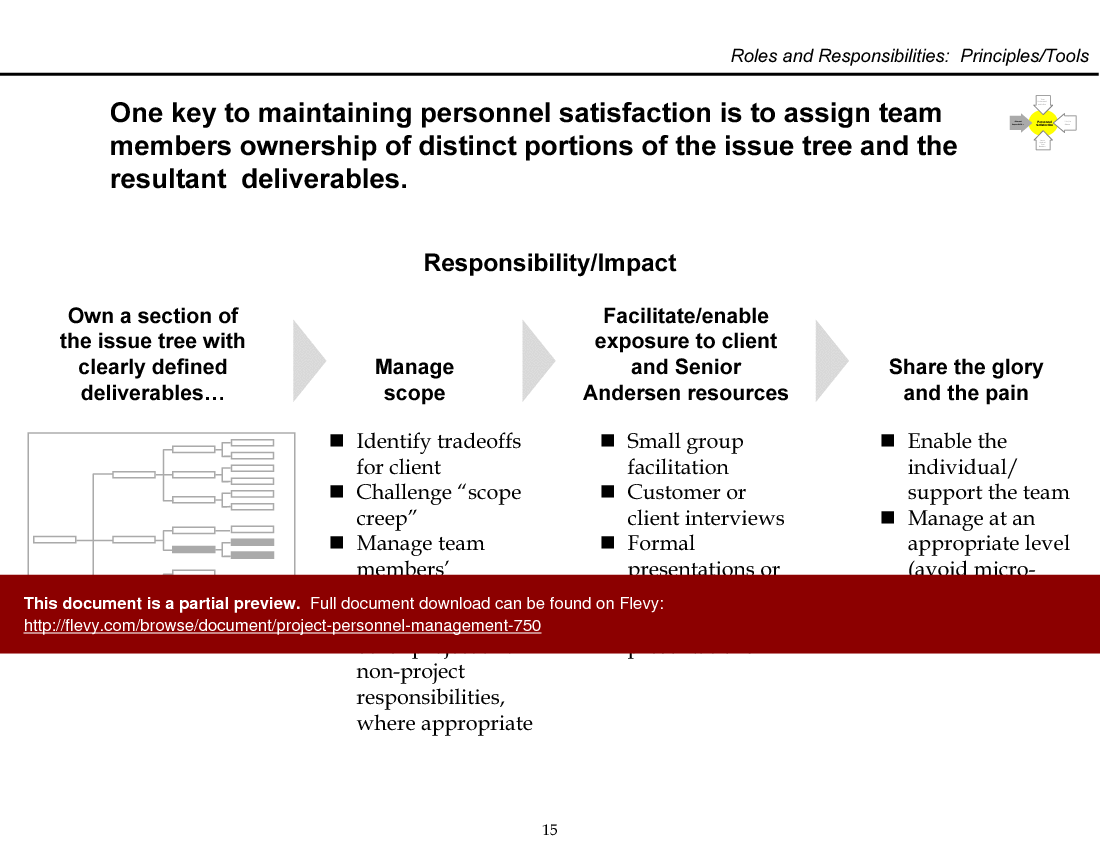
This PPT slide introduces the concept of ownership within project teams, emphasizing the importance of assigning specific responsibilities to enhance accountability and clarity in deliverables. The structured approach includes 3 main sections:
1. Manage Scope: Identifying trade-offs, challenging scope creep, and prioritizing responsibilities are essential for maintaining team morale and project success.
2. Facilitate Client Engagement: Strategies include small group facilitation, client interviews, and formal presentations to enhance client interaction and ensure project alignment with client needs.
3. Share Contributions: Balancing recognition of individual and team efforts is crucial for fostering a positive work environment and avoiding micromanagement, which can hinder team initiative and satisfaction.
This PPT slide outlines the critical balance in team structure, advocating for flat internal structures while limiting interface points with key clients. External interactions are represented by a handshake between a manager and a key client, emphasizing strong external relationships and consistent communication to align team efforts with client expectations. Internally, the framework highlights defined roles and responsibilities, crucial for effective collaboration. The concept of a negotiated viewpoint fosters accountability through discussions among team members. Personal accountability reinforces ownership of contributions, while allocated time for task execution balances planning with actionable outcomes. This structured approach ensures productive internal and external interactions aligned with client needs.
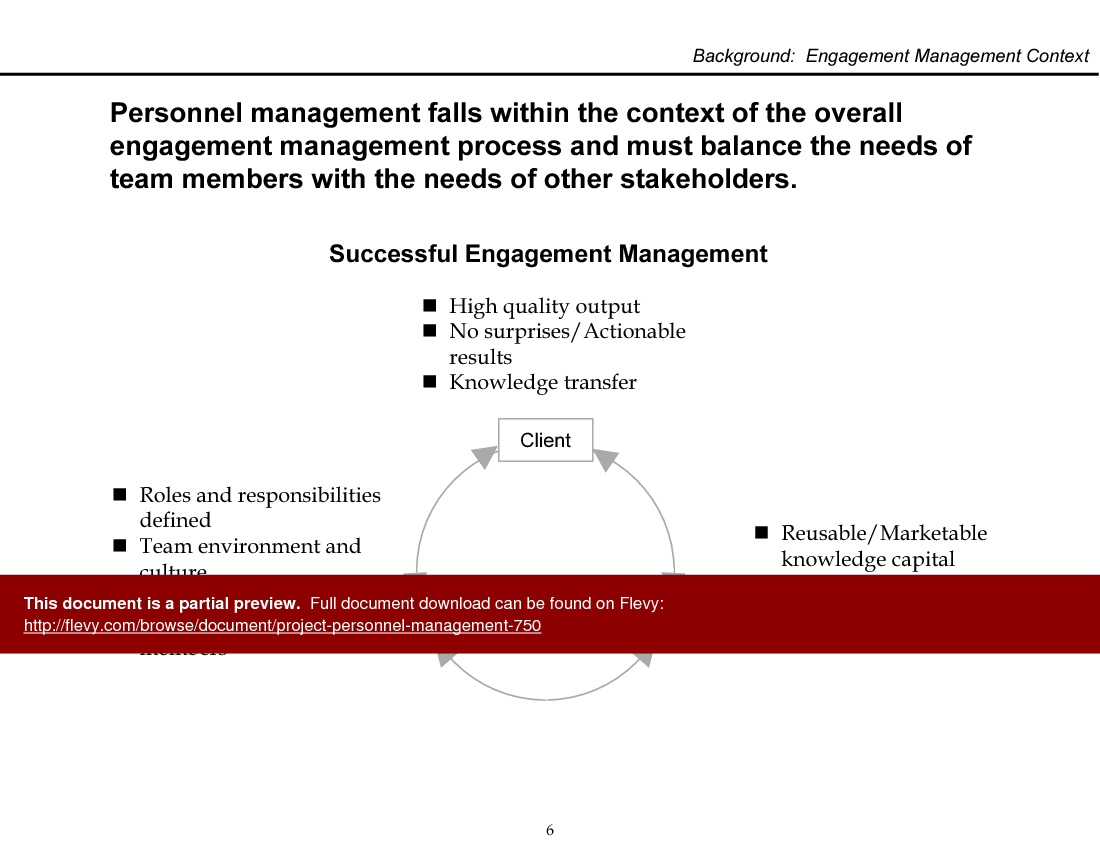
This PPT slide outlines the critical role of personnel management within the engagement management framework. Successful engagement management is defined by high-quality output, absence of surprises, and actionable results. Knowledge transfer, effective communication, and sharing insights are essential for project success.
A circular model illustrates the interrelationships between personnel, clients, and the firm, indicating that personnel management is a dynamic process influenced by engagement management elements. Key factors for effective personnel management include clearly defined roles, a positive team culture, work-life balance, and alignment of team members' career goals with project objectives.
Outcomes of successful engagement management include reusable knowledge capital, sales opportunities, and satisfied clients, highlighting the integral nature of personnel management in achieving organizational goals.
This PPT slide focuses on achieving "Strategy Competency Lifestyle Balance" through specific tools and techniques. The first component emphasizes "Setting Realistic Expectations with Client and Engagement Team," highlighting the need for clear communication to manage workload and personal commitments. The second component, "Consider Strategy Competency Lifestyle Norms," suggests that organizations should align their strategic competencies with the lifestyle preferences of their workforce to enhance engagement and productivity. Lastly, "Prioritize work and non-work interests" stresses the importance of valuing both professional and personal interests for long-term sustainability and employee satisfaction. This framework guides executives in implementing structured lifestyle management approaches within their organizations.
This PPT slide outlines key challenges in personnel management, focusing on 3 areas: the influx of experienced hires, the need for evolving practices, and the rise in business integration engagements. The influx of experienced hires introduces diverse management philosophies, complicating team alignment and integration into existing frameworks. Newer employees face increased responsibilities, highlighting gaps in leadership development and succession planning. Additionally, personnel management is often treated as an afterthought, which can hinder organizational effectiveness. The growing number of business integration engagements necessitates cohesive strategies for managing multi-disciplinary teams with varied skill sets and expectations, emphasizing the need for collaboration and clarity in personnel management.
This PPT slide outlines a mentoring framework centered on the "Mentee," who engages with key roles: "Peer Advisor," "Primary Mentor," "Career Counselor," and "Partner Sponsor." The Peer Advisor facilitates the mentee's transition into the firm, fostering connections. The Primary Mentor, chosen by the mentee, champions their development and helps define roles and objectives. The Career Counselor offers career development opportunities, performance feedback, and conducts reviews to assess progress. The Partner Sponsor expands the mentee's network by linking them to industry groups and providing strategic direction. This structured approach highlights the interconnectedness of these roles in supporting the mentee's growth and enhancing employee engagement.
This PPT slide outlines XYZ's training curriculum, allocating over 7% of annual revenues to employee development. The curriculum is structured by career level, from BA/Consultant to Partner, featuring required and optional training modules. Foundational courses like "Fundamentals of Strategic Analysis" and "Financial Analysis" are essential for all levels, while advanced topics such as "Delivering Client Value" and "Strategic Alliances Best Practices" are for senior roles. Specific initiatives include the "Pyramid Principle Course" and "Issue Based Problem Solving," enhancing analytical and strategic thinking skills. Additional options like "New Executive Seminar" and "Strategic Services Experience Hire Orientation" focus on leadership development. Certain courses are mandatory for promotion and new hires, ensuring essential competencies are met.
Source: Best Practices in Consulting Training PowerPoint Slides: Project Personnel Management PowerPoint (PPT) Presentation Slide Deck, Documents & Files
The average daily rate of a McKinsey consultant is $6,625 (not including expenses). The average price of a Flevy document is $65.
Trusted by over 10,000+ Client Organizations
Since 2012, we have provided business templates to over 10,000 businesses and organizations of all sizes, from startups and small businesses to the Fortune 100, in over 130 countries.

"One of the great discoveries that I have made for my business is the Flevy library of training materials.
As a Lean Transformation Expert, I am always making presentations to clients on a variety of topics: Training, Transformation, Total Productive Maintenance, Culture, Coaching, Tools, Leadership Behavior, etc. Flevy
It is well worth the money to purchase these presentations. Sure, I have the knowledge and information to make my point. It is another thing to create a presentation that captures what I want to say. Flevy has saved me countless hours of preparation time that is much better spent with implementation that will actually save money for my clients.
"
– Ed Kemmerling, Senior Lean Transformation Expert at PMG
"If you are looking for great resources to save time with your business presentations, Flevy is truly a value-added resource. Flevy has done all the work for you and we will continue to utilize Flevy as a source to extract up-to-date information and data for our virtual and onsite presentations!"
– Debbi Saffo, President at The NiKhar Group
"Last Sunday morning, I was diligently working on an important presentation for a client and found myself in need of additional content and suitable templates for various types of graphics. Flevy.com proved to be a treasure trove for both content and design at a reasonable price, considering the time I
saved. I encountered a download issue during the ordering process. However, a quick email to Flevy's support team, even on a Sunday (!!!), resulted in assistance within less than an hour, allowing me to download the content I needed. Fantastic job, Flevy! I give 5 stars for both content/price and customer service. Thank you!
"
– M. E., Chief Commercial Officer, International Logistics Service Provider
"I have used Flevy services for a number of years and have never, ever been disappointed. As a matter of fact, David and his team continue, time after time, to impress me with their willingness to assist and in the real sense of the word. I have concluded in fact
that it is not at all just a repository of documents/resources but, in the way that David and his team manage the firm, it is like dealing with consultants always ready to assist, advise and direct you to what you really need, and they always get it right.
I am an international hospitality accomplished senior executive who has worked and lived during the past 35 years in 23 countries in 5 continents and I can humbly say that I know what customer service is, trust me.
Aside from the great and professional service that Flevy's team provide, their wide variety of material is of utmost great quality, professionally put together and most current.
Well done Flevy, keep up the great work and I look forward to continue working with you in the future and to recommend you to a variety of colleagues around the world.
"
– Roberto Pelliccia, Senior Executive in International Hospitality
"As an Independent Management Consultant, I find Flevy to add great value as a source of best practices, templates and information on new trends. Flevy has matured and the quality and quantity of the library is excellent. Lastly the price charged is reasonable, creating a win-win value for
the customer, Flevy and the various authors. This is truly a service that benefits the consulting industry and associated clients. Thanks for providing this service.
"
– Jim Schoen, Principal at FRC Group
"Flevy is our 'go to' resource for management material, at an affordable cost. The Flevy library is comprehensive and the content deep, and typically provides a great foundation for us to further develop and tailor our own service offer."
– Chris McCann, Founder at Resilient.World
"My FlevyPro subscription provides me with the most popular frameworks and decks in demand in today’s market. They not only augment my existing consulting and coaching offerings and delivery, but also keep me abreast of the latest trends, inspire new products and service offerings for my practice, and educate me
in a fraction of the time and money of other solutions. I strongly recommend FlevyPro to any consultant serious about success.
"
– Bill Branson, Founder at Strategic Business Architects
"FlevyPro has been a brilliant resource for me, as an independent growth consultant, to access a vast knowledge bank of presentations to support my work with clients. In terms of RoI, the value I received from the very first presentation I downloaded paid for my subscription many times over! The
quality of the decks available allows me to punch way above my weight – it's like having the resources of a Big 4 consultancy at your fingertips at a microscopic fraction of the overhead.
Receive our FREE whitepaper on the Top 101 Consulting Frameworks
Download our 200+ page guide summarizing the Top 101 Management Consulting Frameworks. Each framework provides a structured approach to analyzing and solving a common business problem.