
Ethical conduct and accountability are cornerstones of any successful organization. ISO 37002:2021 sets the global standard for whistleblowing management systems, offering a framework to promote a culture of transparency and integrity. This ISO 37002 Awareness training presentation provides a comprehensive overview of the standard, guiding organizations on the principles and practices essential for effective whistleblowing management.
Learn how ISO 37002 can revolutionize your organization's approach to whistleblowing, enhancing trust and accountability within your teams. Gain insights into the benefits of implementing ISO 37002, including improved risk management, enhanced employee satisfaction, and strengthened organizational reputation.
This ISO 37002:2021 Awareness PPT training presentation covers the key aspects of ISO 37002, from its fundamental principles to the practical steps involved in implementation. Discover best practices and strategies to overcome challenges, ensuring a smooth and successful integration of ISO 37002 into your organization's culture.
Empower your organization with the knowledge and tools needed to establish a robust whistleblowing management system. Join the global movement towards ethical and transparent business practices with ISO 37002:2021. Unlock the potential of whistleblowing as a vital component of your organization's governance framework.
LEARNING OBJECTIVES
1. Understand the purpose and importance of ISO standards in facilitating international trade and communication.
2. Gain insight into the key principles and benefits of ISO 37002 for establishing effective whistleblowing management systems.
3. Learn best practices and challenges in implementing ISO 37002 to promote a culture of trust, transparency, and accountability within organizations.
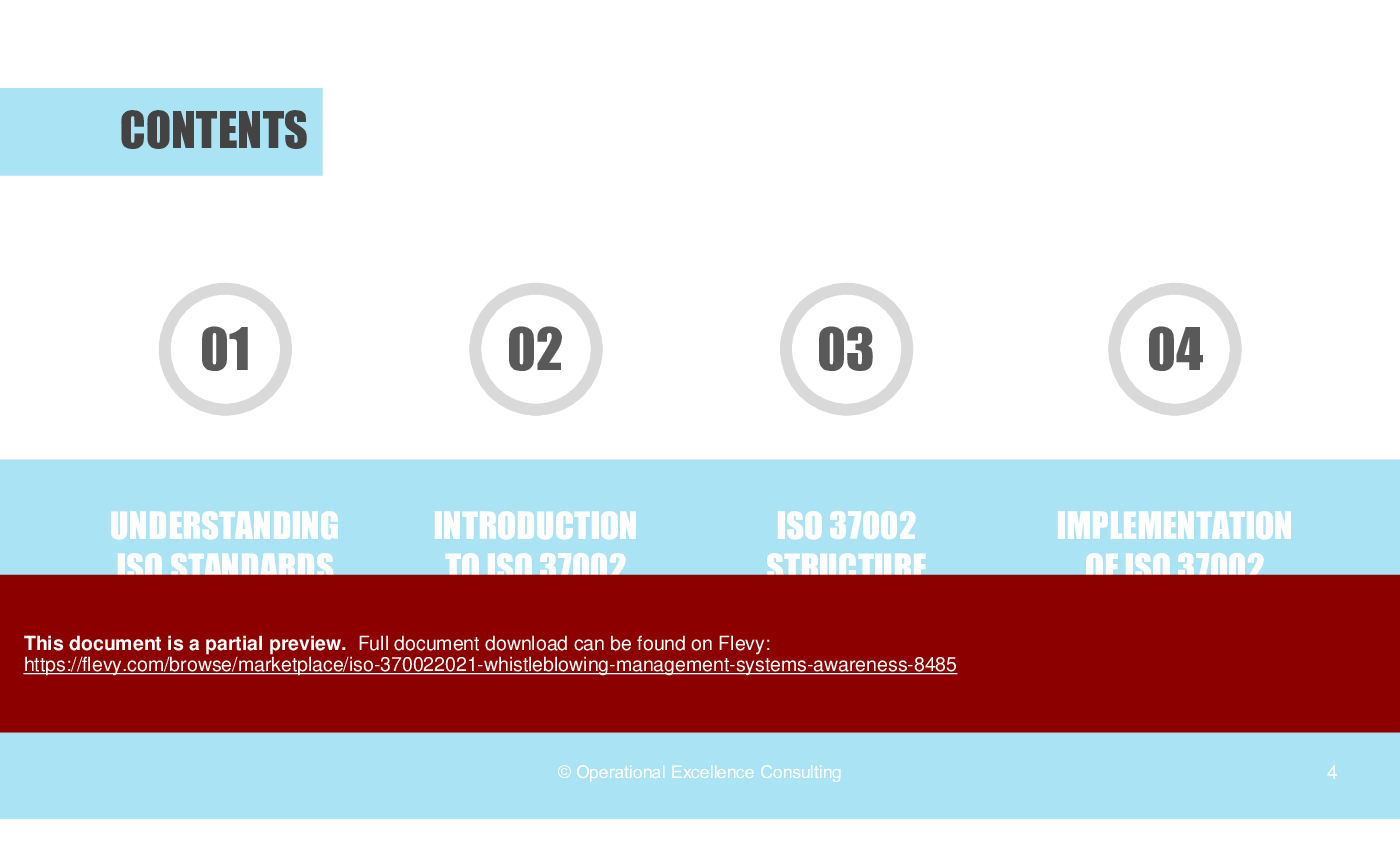
CONTENTS
1. Understanding ISO Standards
• About ISO
• What is an International Standard?
• The Power of ISO Standards: Driving Excellence Globally
• Objective of ISO International Standards
• Why an ISO International Standard?
• Why are International Standards Important?
• What is a Management System?
• What is "Certification"?
• Does ISO Certify Organizations to its Standards?
• ISO Standards Contribute Directly to the U.N. Sustainable Development Goals (SDGs)
2. Introduction to ISO 37002
• Establishing a Strong Governance Foundation: Core and Complementary Standards
• Overview of ISO 37002
• Definition of "Whistleblowing"
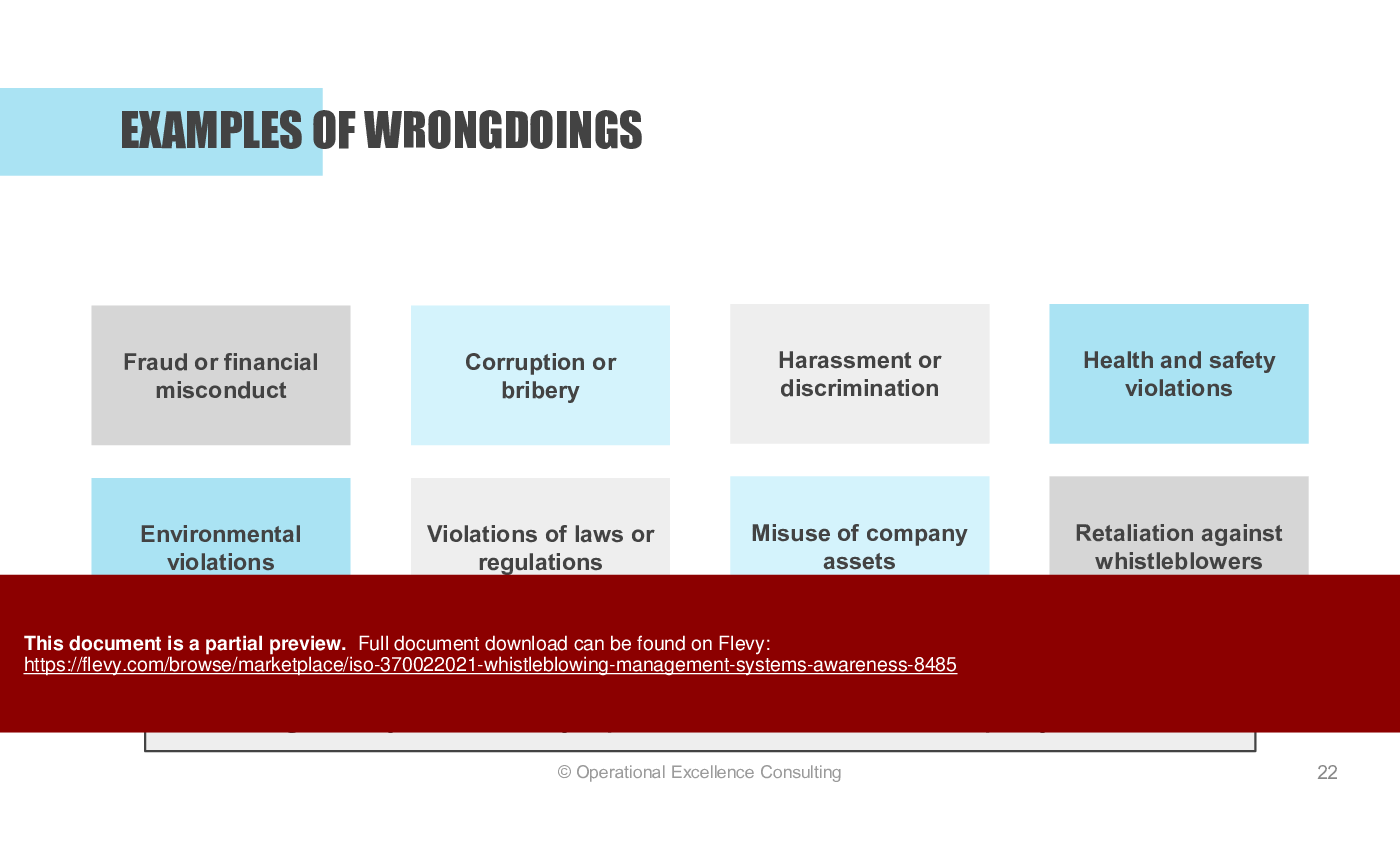
• Examples of Wrongdoings
• Flexibility and Applicability of ISO 37002
• Scope of ISO 37002
• Alignment with EU Initiative
• Benefits of Implementing ISO 37002
• Use Cases of ISO 37002
• ISO 37002's Approach to Whistleblowing Management
• Whistleblowing Process Overview
• Channels of Whistleblowing
• Implementation Responsibilities for ISO 37002
• Process Approach
• Plan-Do-Check-Act (PDCA) Cycle
• Risk-based Thinking
• Overview of the Whistleblowing Management System (WMS)
3. ISO 37002 Structure
• What is Annex L?
• Annex L as a Framework for Generic Management Systems
• High-level Structure (HLS)
• ISO 37002:2021 and the ISO High-level Structure for Management Systems Standards
• Unifying Core Elements of HLS
• The ISO 37002:2021 Whistleblowing Management System (WMS)
• PDCA and ISO 37002 Clause Structure
• ISO 37002 structure: Building a Strong Foundation for Whistleblowing Management
• ISO 37002:2021 Key Clause Structure (4-10)
• Powering Progress: The PDCA Cycle – Your Continuous Improvement Engine
• Continual Improvement
4. Implementation of ISO 37002
• Overview of ISO 37002 Implementation Process
• Integrating ISO 37002 with Governance Frameworks
• Best Practices in Whistleblowing
• Challenges in Whistleblowing and Solutions
• Whistleblowing Wisdom: Do's and Don'ts for Effective Implementation
Got a question about the product? Email us at support@flevy.com or ask the author directly by using the "Ask the Author a Question" form. If you cannot view the preview above this document description, go here to view the large preview instead.
Executive Summary
The ISO 37002:2021 Whistleblowing Management Systems Awareness presentation is expertly crafted to enhance understanding and implementation of effective whistleblowing practices within organizations. Developed by a seasoned ISO Management System Lead Auditor with extensive experience at industry leaders, this presentation equips corporate executives and consultants with essential knowledge on ISO 37002. It covers the principles, guidelines, and benefits of establishing a robust whistleblowing management system, enabling organizations to foster a culture of trust, transparency, and accountability while mitigating risks associated with unethical behaviors.
Who This Is For and When to Use
• Corporate executives responsible for governance and compliance
• Compliance officers and risk management professionals
• HR leaders and organizational development teams
• Consultants specializing in management systems and corporate governance
Best-fit moments to use this deck:
• During training sessions on compliance and ethical practices
• When developing or enhancing whistleblowing management systems
• For workshops aimed at fostering a culture of transparency and accountability
Learning Objectives
• Define the principles and benefits of ISO 37002 for whistleblowing management
• Build effective whistleblowing management systems tailored to organizational needs
• Establish best practices for implementing and maintaining whistleblowing systems
• Identify challenges and solutions in promoting a whistleblowing culture
• Understand the alignment of ISO 37002 with international standards and regulations
• Evaluate the effectiveness of existing whistleblowing practices
Table of Contents
• Understanding ISO Standards (page 5)
• Introduction to ISO 37002 (page 16)
• ISO 37002 Structure (page 38)
• Implementation of ISO 37002 (page 50)
Primary Topics Covered
• Understanding ISO Standards - Overview of ISO as a global standard-setting body and its role in facilitating international trade and communication.
• ISO 37002 Overview - Introduction to the ISO 37002 standard, its purpose, and its relevance in establishing effective whistleblowing management systems.
• Whistleblowing Management System (WMS) - Detailed exploration of the components and processes involved in a WMS, including receiving, assessing, addressing, and concluding reports.
• Implementation Process - Step-by-step guidance on how to implement ISO 37002, including planning, risk assessment, and continuous improvement.
• Best Practices - Recommendations for fostering a culture of trust and transparency, ensuring accessible reporting channels, and effective response mechanisms.
• Challenges and Solutions - Common obstacles in whistleblowing implementation and strategies to overcome them.
Deliverables, Templates, and Tools
• Whistleblowing policy template aligned with ISO 37002 requirements
• Risk assessment framework for identifying potential whistleblowing risks
• Implementation project plan template for establishing a whistleblowing management system
• Training materials for educating employees on whistleblowing policies and procedures
• Monitoring and evaluation tools for assessing the effectiveness of the whistleblowing system
Slide Highlights
• Overview of ISO 37002 and its significance in promoting ethical practices
• Detailed breakdown of the whistleblowing management process
• Best practices for creating a supportive environment for whistleblowers
• Challenges faced in whistleblowing implementation and proposed solutions
• The PDCA cycle as a framework for continuous improvement in whistleblowing management
Potential Workshop Agenda
Introduction to ISO 37002 (60 minutes)
• Overview of ISO standards and their importance
• Discussion on the principles of ISO 37002
• Q&A session
Whistleblowing Management System Design (90 minutes)
• Identifying organizational needs for a WMS
• Developing a whistleblowing policy and procedures
• Group activity: Drafting a whistleblowing policy
Implementation Strategies (90 minutes)
• Planning and risk assessment for WMS implementation
• Training and communication strategies for stakeholders
• Continuous improvement and monitoring practices
Customization Guidance
• Tailor the whistleblowing policy to reflect organizational values and culture
• Adjust training materials to address specific industry regulations and compliance requirements
• Modify reporting channels based on employee preferences and accessibility needs
• Incorporate case studies relevant to the organization’s context for practical understanding
Secondary Topics Covered
• Alignment of ISO 37002 with EU whistleblower protection directives
• The role of leadership in promoting a whistleblowing culture
• Integration of whistleblowing management systems into existing governance frameworks
• The importance of stakeholder engagement in developing whistleblowing policies
Topic FAQ
Document FAQ
These are questions addressed within this presentation.
What is ISO 37002?
ISO 37002 is a standard that provides guidance on establishing effective whistleblowing management systems to report unethical or illegal behavior within organizations.
How can organizations implement ISO 37002?
Organizations can implement ISO 37002 by defining the scope, developing a whistleblowing policy, training employees, and continuously monitoring the system's effectiveness.
What are the benefits of adopting ISO 37002?
Adopting ISO 37002 helps organizations build trust, enhance transparency, and demonstrate commitment to ethical practices while mitigating risks associated with wrongdoing.
Is ISO 37002 a certification standard?
No, ISO 37002 is a guidance standard and is not intended for certification; however, compliance may become a requirement in certain industries.
What challenges might organizations face in implementing whistleblowing systems?
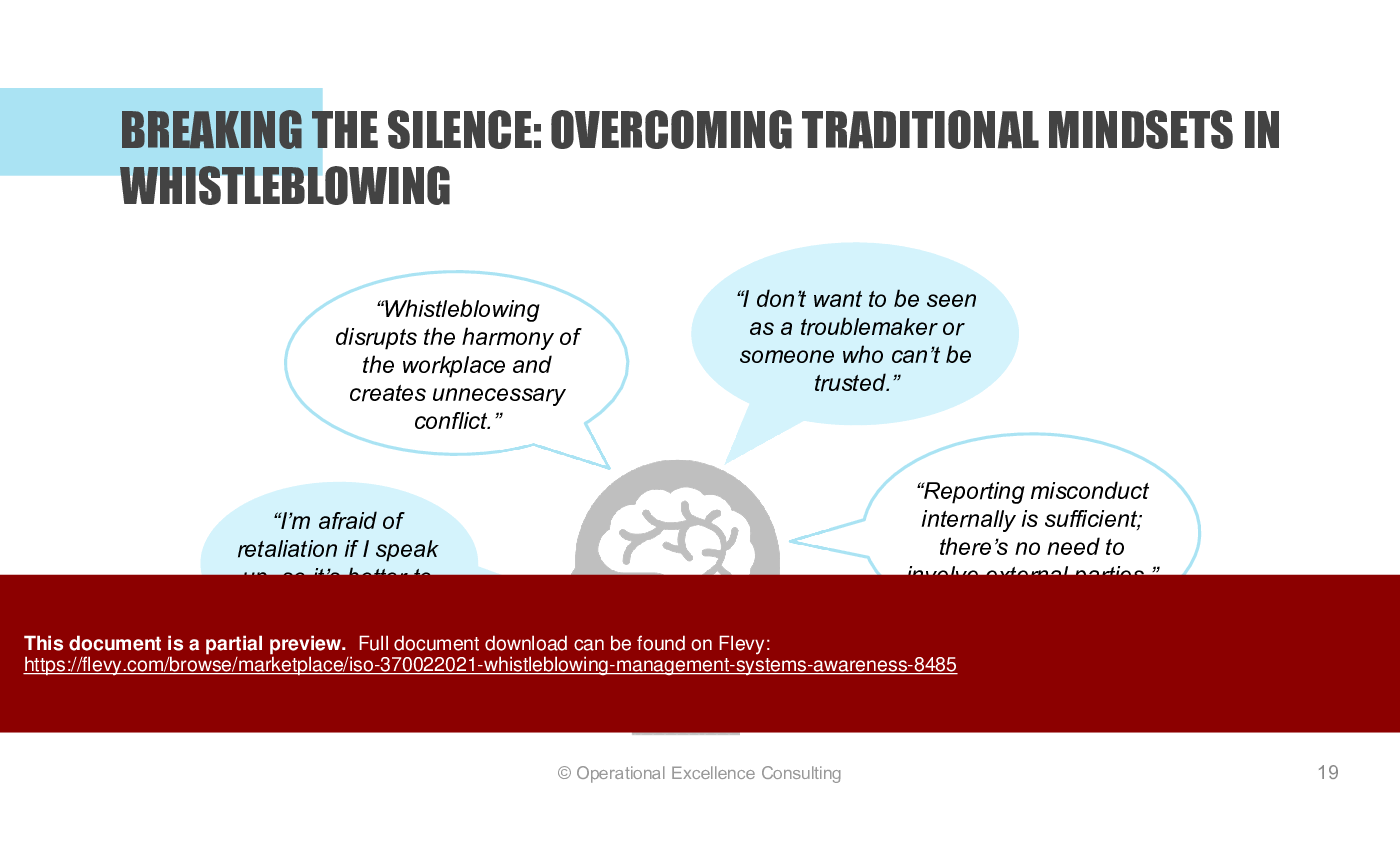
Challenges include fear of retaliation, lack of awareness, complex reporting procedures, and insufficient support for whistleblowers.
How can organizations promote a culture of whistleblowing?
Organizations can promote a culture of whistleblowing by ensuring accessible reporting channels, providing training, and establishing a non-retaliation policy.
What is the PDCA cycle in the context of ISO 37002?
The PDCA (Plan-Do-Check-Act) cycle is a framework for continuous improvement in the whistleblowing management system, ensuring ongoing evaluation and enhancement.
How does ISO 37002 align with other ISO standards?
ISO 37002 can be integrated with other ISO standards, such as ISO 9001 and ISO 45001, to create a comprehensive management system that addresses various organizational needs.
Glossary
• Whistleblowing - The act of reporting suspected wrongdoing or risk of wrongdoing.
• Management System - A structured approach to managing an organization's processes to achieve its objectives.
• PDCA Cycle - A continuous improvement framework consisting of Plan, Do, Check, and Act phases.
• Stakeholder - An individual or group with an interest in the organization's activities and outcomes.
• Risk Assessment - The process of identifying and evaluating potential risks associated with whistleblowing.
• Non-Retaliation Policy - A policy that protects whistleblowers from adverse actions as a result of their reporting.
• Governance Framework - The structure and processes that guide an organization's decision-making and accountability.
• ISO Standards - Internationally recognized guidelines and best practices developed by the International Organization for Standardization.
• Compliance - Adherence to laws, regulations, and standards relevant to an organization's operations.
• Transparency - Openness in communication and decision-making processes within an organization.
• Accountability - The obligation of individuals or organizations to account for their actions and decisions.
• Training - Educational programs designed to inform employees about whistleblowing policies and procedures.
• Reporting Channels - Various methods through which employees can report wrongdoing, such as hotlines or online forms.
• Continuous Improvement - Ongoing efforts to enhance processes, products, or services within an organization.
• Ethical Practices - Conduct that aligns with moral principles and standards of behavior.

• Stakeholder Engagement - Involving stakeholders in the development and implementation of policies and practices.

• Whistleblowing Policy - A formal document outlining the procedures and protections for reporting misconduct.
• Implementation Plan - A detailed strategy for executing the establishment of a whistleblowing management system.
• Monitoring and Evaluation - The process of assessing the effectiveness and performance of the whistleblowing system.
• Compliance Requirements - Legal or regulatory obligations that organizations must meet regarding whistleblowing practices.
Source: Best Practices in Fraud PowerPoint Slides: ISO 37002:2021 (Whistleblowing Management Systems) Awareness PowerPoint (PPTX) Presentation Slide Deck, Operational Excellence Consulting
|
Download our FREE Organization, Change, & Culture, Templates
Download our free compilation of 50+ slides and templates on Organizational Design, Change Management, and Corporate Culture. Methodologies include ADKAR, Burke-Litwin Change Model, McKinsey 7-S, Competing Values Framework, etc. |