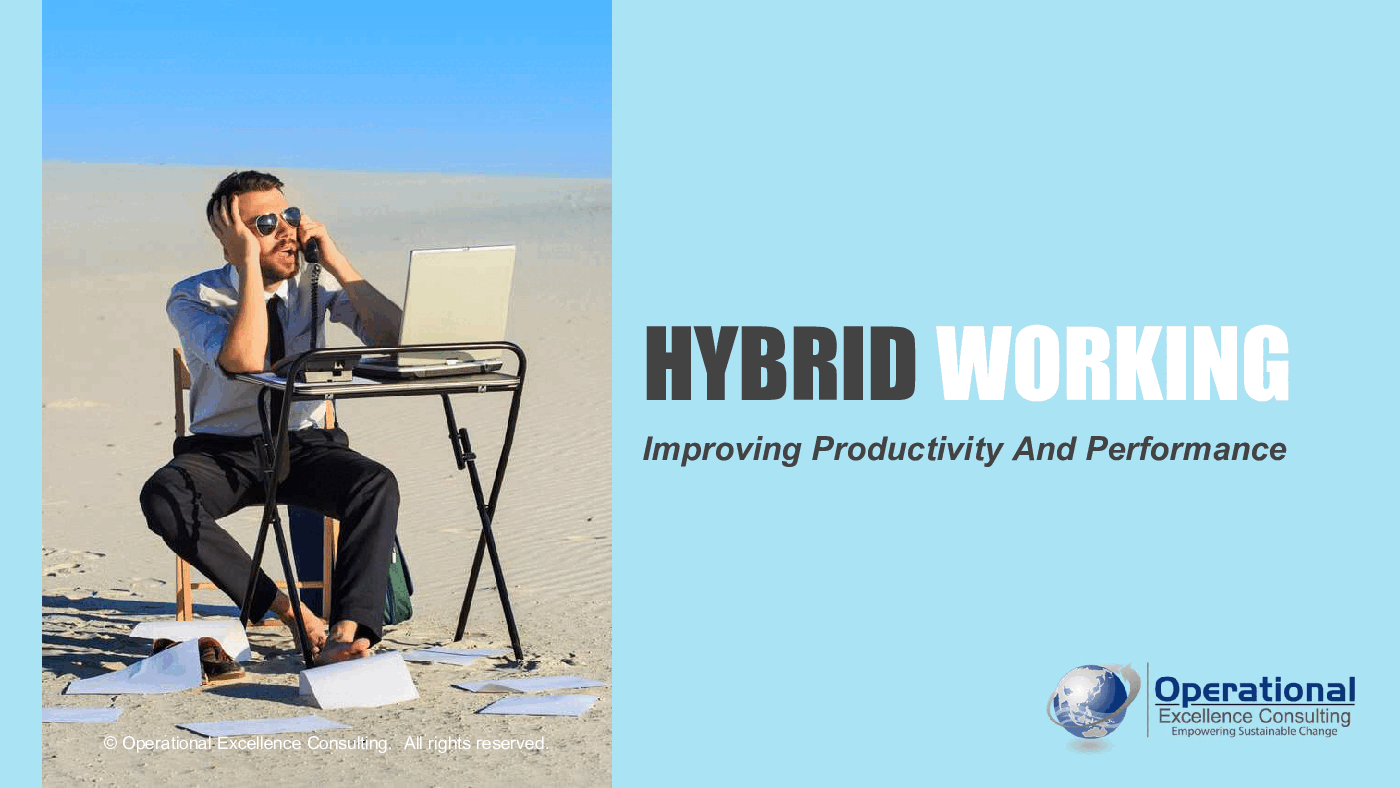
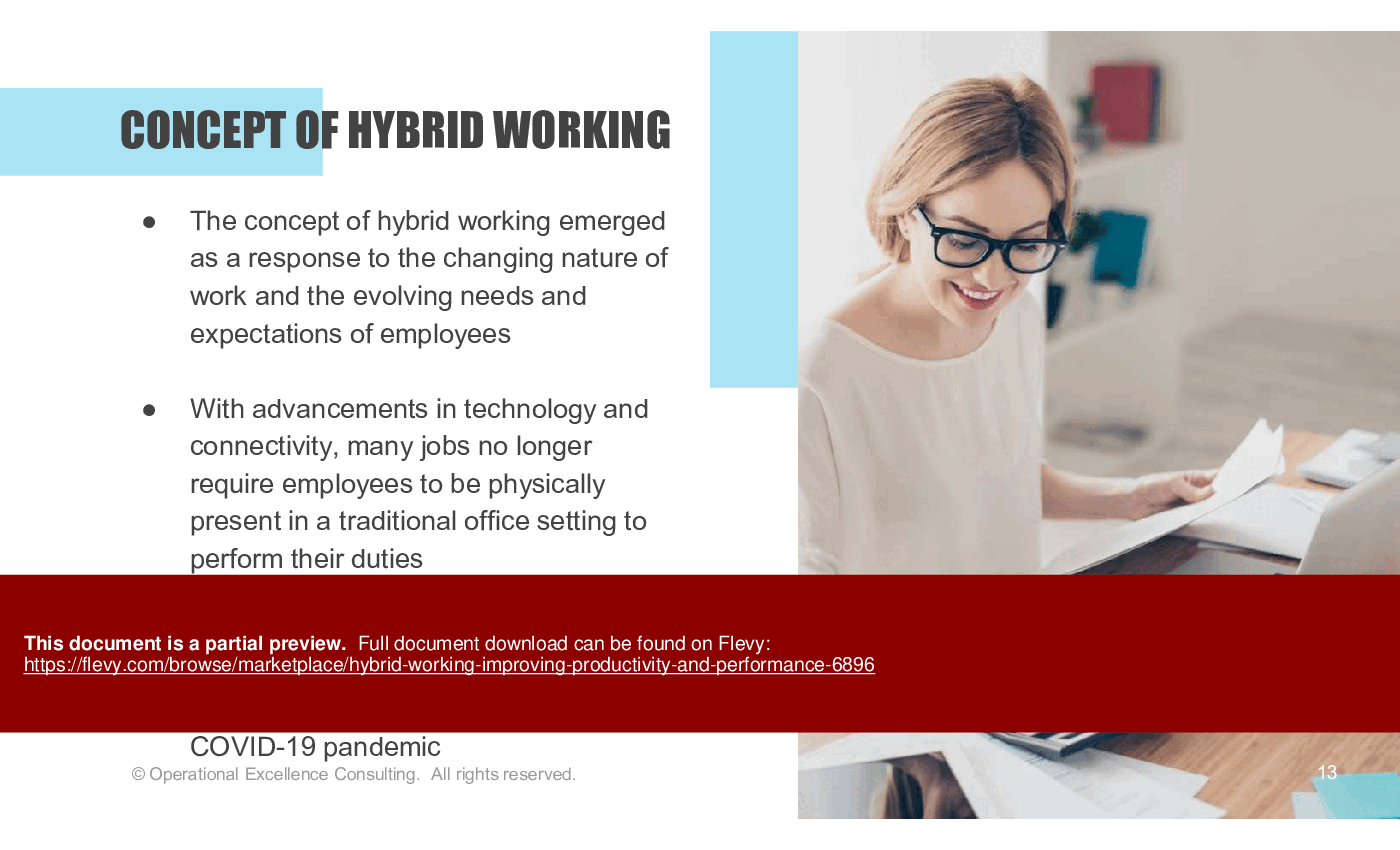
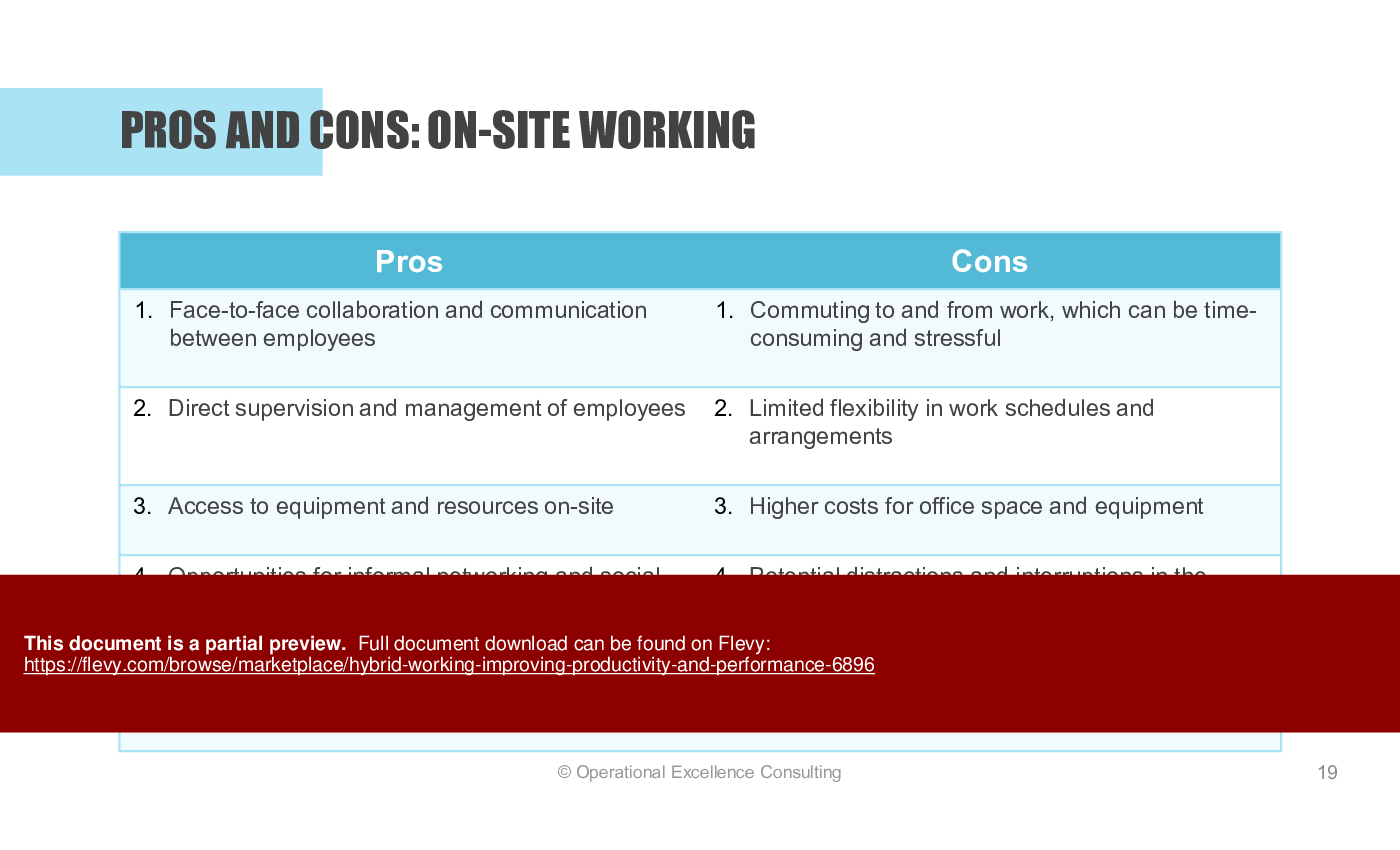
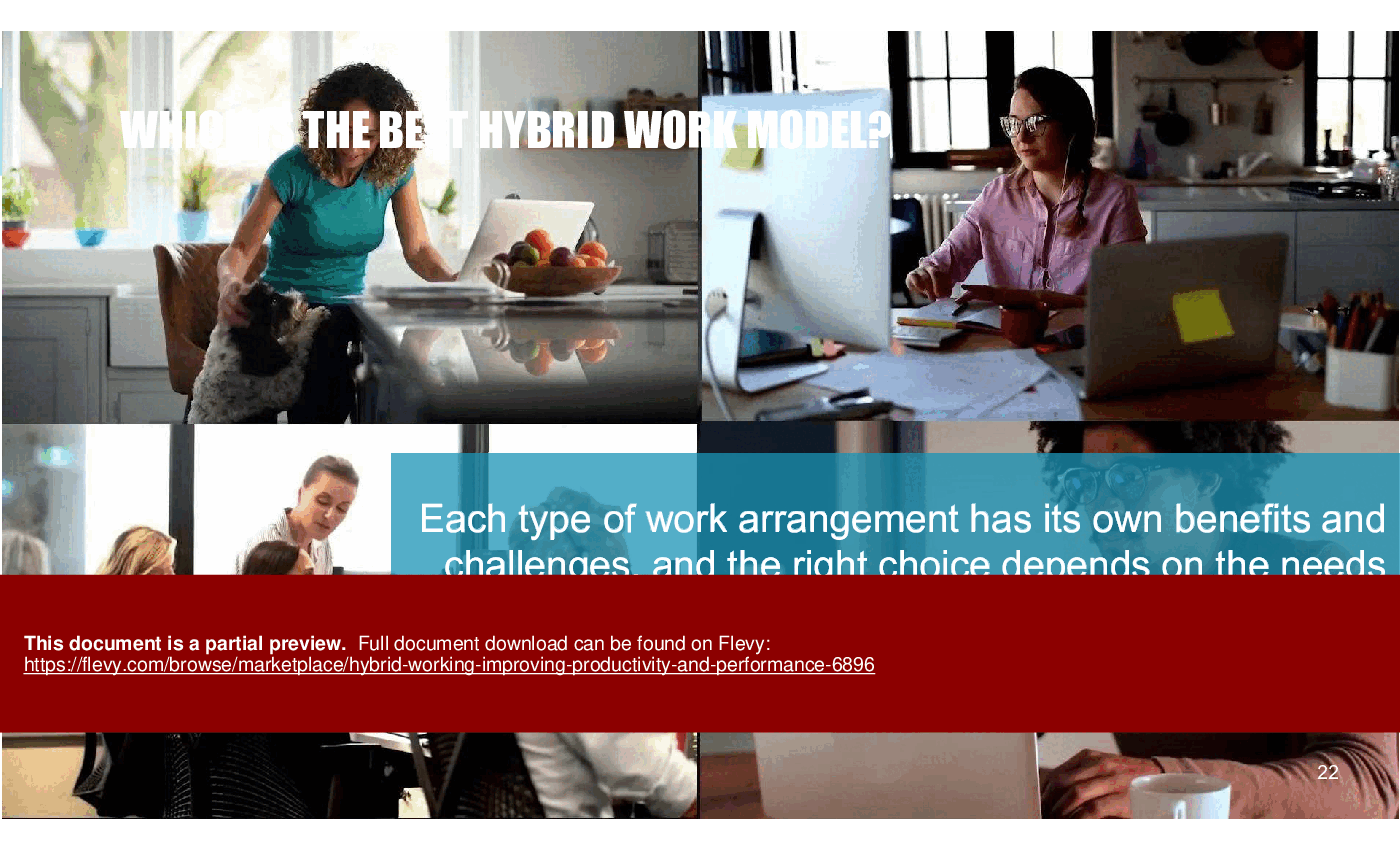

Hybrid working is a flexible work model that combines remote work with in-person office work. It allows employees to work from anywhere, while also maintaining some form of regular office attendance. Hybrid working is becoming increasingly important in today's work environment as it provides a balance between the benefits of remote work and the advantages of working in a physical office.

Some of the benefits of hybrid working include increased flexibility, improved work-life balance, and the ability to attract and retain a diverse range of talent. Hybrid working can also increase productivity, reduce costs, and promote better mental health and well-being.
Many companies have successfully implemented hybrid working models, including Dropbox, HubSpot, Microsoft, Ford, and Siemens. These companies have reported increased employee satisfaction, improved productivity, and reduced costs.
While traditional hybrid work models have presented challenges such as communication and collaboration barriers, a redesigned hybrid workplace with clear objectives, effective communication tools, and leadership support can overcome these challenges and enhance the benefits of hybrid working.
This Hybrid Working PowerPoint presentation aims to provide a comprehensive understanding of hybrid working, its definition, concept, importance, and benefits, while also addressing the challenges that come with traditional hybrid work models. The presentation also covers a range of processes and tools that can be used to ensure effective hybrid working and provides examples of successful applications of hybrid work arrangements. Additionally, the presentation will define best practices for improving productivity and performance management in a hybrid work environment.
LEARNING OBJECTIVES
1. Understand the definition, concept, importance and benefits of hybrid working, including the challenges faced in traditional hybrid work models.
2. Describe the range of processes and tools for effective hybrid working and successful applications of hybrid work models.
3. Define the best practices for improving productivity and performance management in a hybrid work environment.
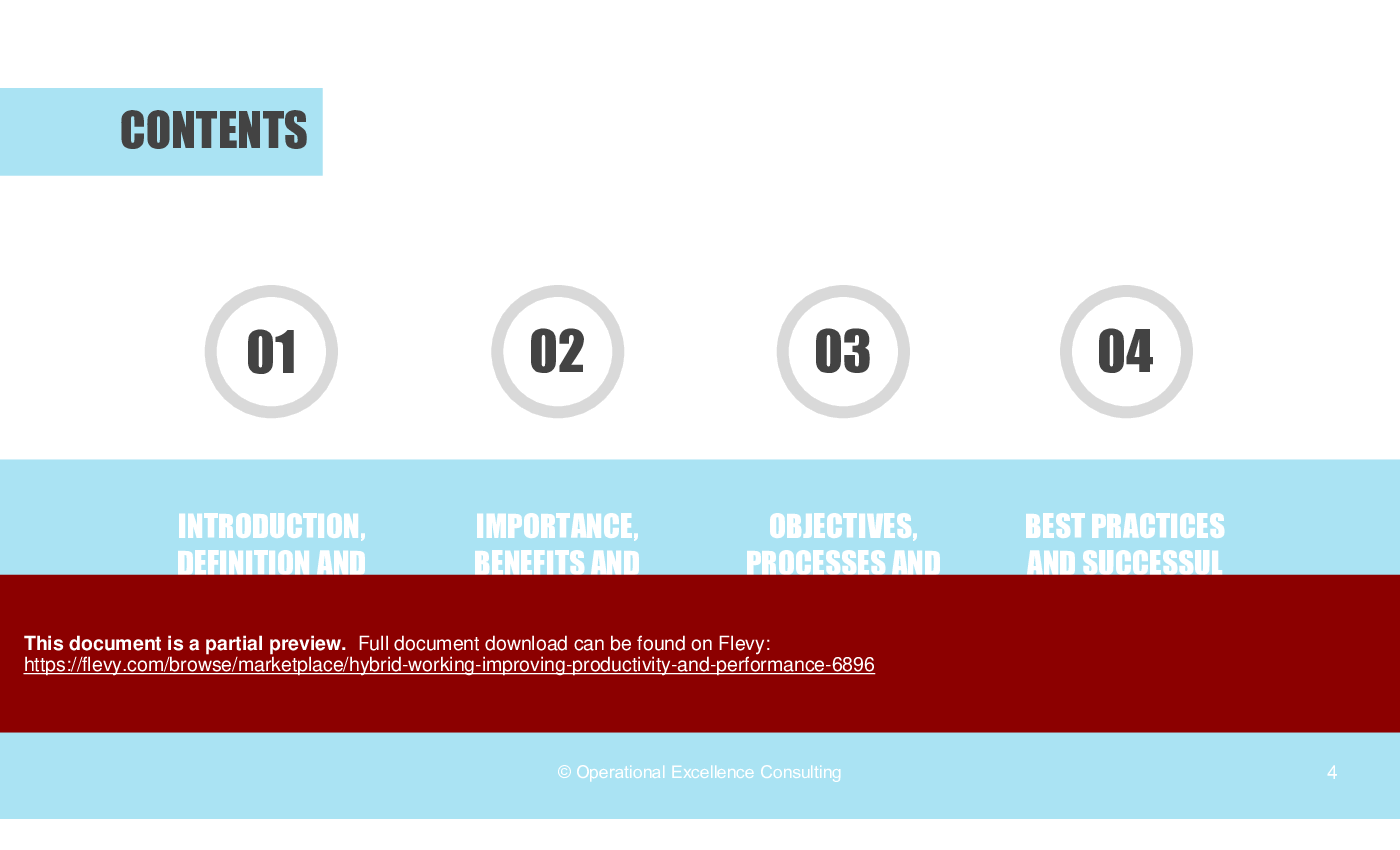
CONTENTS
1. Introduction, Definition and Concept of Hybrid Working
• The Future of Work
• What is Hybrid Working?
• Concept of Hybrid Working
• Evolution and History of Hybrid Working
• Types of Work Environments: On-site, Remote and Hybrid
• Hybrid Working: Is and Is Not
2. Importance, Benefits and Challenges in Traditional Hybrid Work Models
• Importance of Hybrid Working
• Improve Productivity and Performance
• Enhance Work-life Balance and Well-being
• Attract and Retain Talent
• Reduce Costs and Environmental Impact
• Benefits of Hybrid Working
• Key Challenges of Traditional Hybrid Work Models
3. Objectives, Processes, and Tools for Effective Hybrid Working
• Understand the Need for a Redesigned Hybrid Workplace
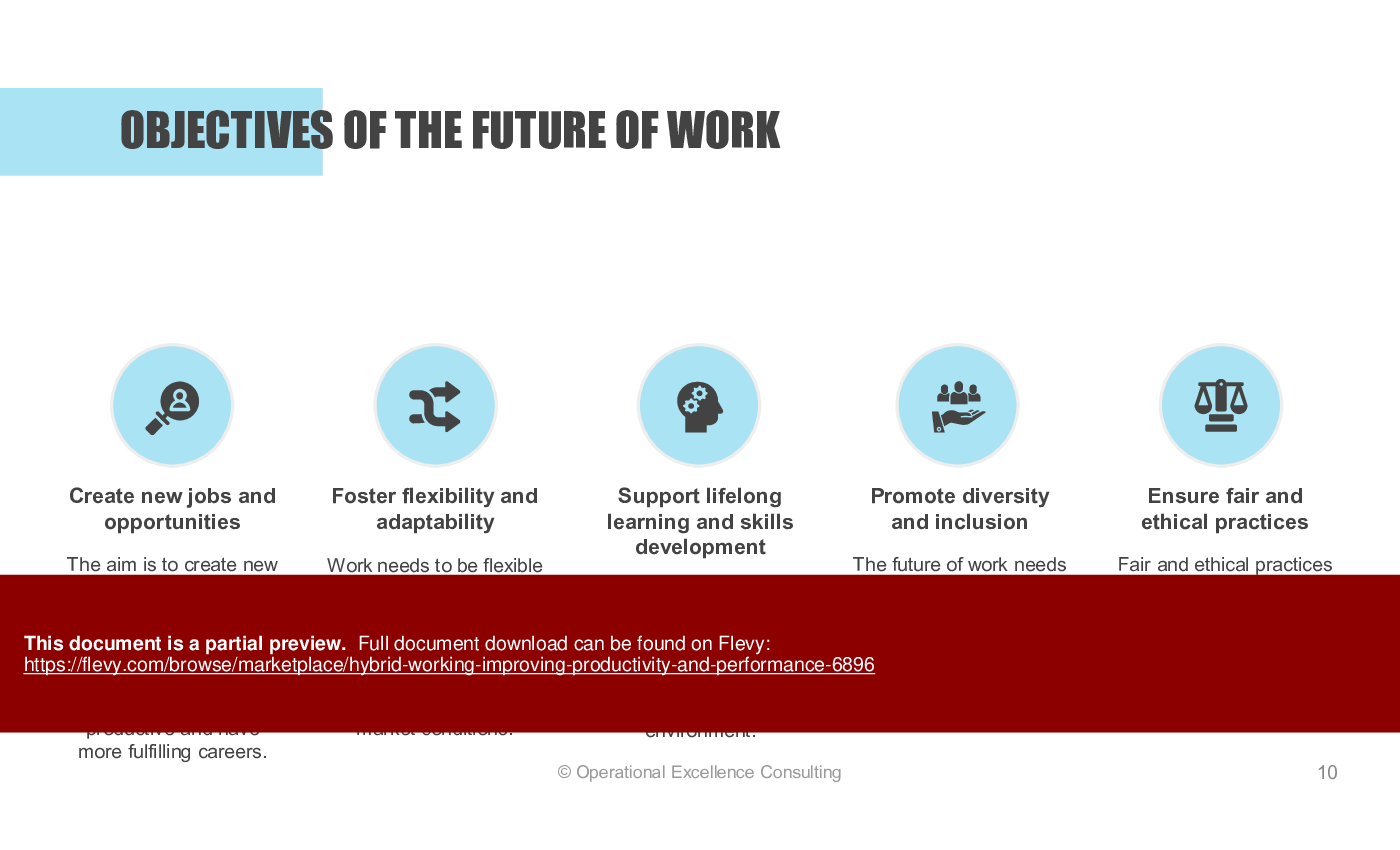
• Objectives of a Redesigned Hybrid Workplace
• Processes and Tools Required for Effective Hybrid Working
• Setting Clear Goals and Expectations
• Visual Management and Standard Work
• Accountability and Feedback Systems
• Communication and Collaboration Tools and Platforms
• Technology and Digital Tools to Support Hybrid Working
4. Best Practices and Successful Applications of Hybrid Work Environments
• Key Principles and Best Practices of Hybrid Working
• How to Establish a Culture of Trust and Accountability
• The Importance of Flexibility in Hybrid Working Arrangements
• How to Ensure Equitable Treatment for All Employees in a Hybrid Workplace
• How to Ensure Cybersecurity in Hybrid Workplaces
• Adapting the Lean Daily Management System for Hybrid Working
• The Role of Leadership in Supporting and Promoting Hybrid Working
• Examples of Successful Hybrid Working Models
• Tips and Recommendations for Organizations Looking to Implement a Hybrid Working Model
Got a question about the product? Email us at support@flevy.com or ask the author directly by using the "Ask the Author a Question" form. If you cannot view the preview above this document description, go here to view the large preview instead.
Executive Summary
This presentation, titled "Hybrid Working: Improving Productivity and Performance," serves as a comprehensive guide for organizations looking to optimize their hybrid work models. Developed by Operational Excellence Consulting, it addresses the evolving nature of work and provides actionable insights into enhancing productivity and performance in hybrid environments. The presentation outlines the definition, importance, benefits, and challenges of hybrid working, while also offering best practices and tools to implement effective hybrid work strategies.
Who This Is For and When to Use
• HR leaders and organizational development teams focused on employee engagement and retention
• Change management consultants assisting organizations in adapting to hybrid work models
• Team leaders and managers responsible for overseeing hybrid teams
• Executives looking to enhance productivity and performance in a flexible work environment
Best-fit moments to use this deck:
• During organizational transitions to hybrid work arrangements
• In training sessions aimed at enhancing team collaboration and productivity
• When developing policies and guidelines for hybrid working
Learning Objectives
• Understand the definition, concept, importance, and benefits of hybrid working
• Define best practices for improving productivity and performance management in a hybrid work environment
• Describe the range of processes and tools for effective hybrid working and successful applications of hybrid work models
Table of Contents
• Introduction, Definition and Concept of Hybrid Working (page 5)
• Importance, Benefits and Challenges (page 27)
• Objectives, Processes and Tools (page 40)
• Best Practices and Successful Applications (page 59)
Primary Topics Covered
• Definition of Hybrid Working - Hybrid working refers to a flexible work arrangement where employees split their time between remote and on-site locations, allowing for greater autonomy and work-life balance.
• Importance of Hybrid Working - Hybrid working is crucial for reducing costs, attracting talent, improving productivity, and enhancing employee well-being.
• Challenges of Hybrid Working - Key challenges include communication difficulties, technology requirements, and maintaining company culture across diverse work locations.
• Best Practices for Hybrid Working - Establishing clear communication guidelines, fostering collaboration, and providing the necessary tools and technology are essential for successful hybrid work.
• Tools for Effective Hybrid Working - Utilizing project management software, visual management tools, and accountability systems can enhance productivity in hybrid environments.
• Continuous Improvement in Hybrid Work Models - Regular evaluation and refinement of hybrid work practices are necessary to ensure effectiveness and employee satisfaction.
Deliverables, Templates, and Tools
• Hybrid work policy templates outlining expectations and responsibilities
• Visual management tools such as dashboards and scorecards for tracking performance
• Communication protocols to facilitate effective collaboration among remote and on-site workers
• Training materials for managers and employees on hybrid work best practices
• Accountability frameworks to ensure clarity in roles and responsibilities
• Feedback systems to monitor employee performance and engagement
Slide Highlights
• Overview of the evolution of hybrid working and its significance in the modern workplace
• Key benefits of hybrid working for both employers and employees, including improved work-life balance and increased productivity
• Common mistakes organizations make when implementing hybrid work models and how to avoid them
• Strategies for fostering a culture of trust and accountability in hybrid teams
• Examples of successful hybrid working models from various industries
Potential Workshop Agenda
Introduction to Hybrid Working (30 minutes)
• Define hybrid working and its relevance in today’s work environment
• Discuss the evolution and future of hybrid work
Best Practices for Hybrid Working (60 minutes)
• Identify key principles for successful hybrid work
• Explore tools and technologies that support hybrid work
Addressing Challenges in Hybrid Work (45 minutes)
• Discuss common challenges and solutions for effective hybrid work
• Share strategies for maintaining company culture and team cohesion
Customization Guidance
• Tailor the hybrid work policy templates to align with your organization's specific needs and culture
• Adjust communication protocols to fit the preferred channels and tools used by your teams
• Modify training materials to reflect the unique challenges faced by your organization in a hybrid work environment
Secondary Topics Covered
• The role of technology in facilitating hybrid work
• Strategies for ensuring equitable treatment of all employees in a hybrid model
• Importance of cybersecurity in hybrid workplaces
• Techniques for promoting employee well-being and work-life balance
FAQ
What is hybrid working?
Hybrid working is a flexible work arrangement that allows employees to split their time between remote and on-site locations, enhancing work-life balance and productivity.
What are the benefits of hybrid working?
Benefits include increased flexibility, improved employee engagement, reduced commuting time, and access to a wider talent pool.
What challenges do organizations face with hybrid work?
Challenges include communication difficulties, maintaining company culture, and ensuring equitable access to resources for all employees.
How can organizations ensure effective communication in hybrid work?
Establish clear communication guidelines, utilize technology tools, and promote a culture of transparency and trust among team members.
What tools can support hybrid working?
Tools include project management software, video conferencing platforms, and visual management systems to track performance and progress.
How can organizations measure the success of their hybrid work model?
Regularly evaluate performance metrics, employee feedback, and engagement levels to assess the effectiveness of the hybrid work model.
What are common mistakes organizations make when implementing hybrid work?
Common mistakes include lack of clear communication, inadequate technology, and failure to establish guidelines for hybrid work.
How can organizations promote work-life balance in a hybrid model?
Encourage employees to set boundaries, take breaks, and prioritize their well-being to prevent burnout and maintain productivity.
Glossary
• Hybrid Working - A flexible work arrangement that combines remote and on-site work.
• Visual Management - Tools used to track performance and identify areas for improvement.
• Accountability Systems - Frameworks that clarify roles and responsibilities in hybrid teams.
• Collaboration Tools - Software and platforms that facilitate communication and teamwork among remote and on-site employees.
• Cybersecurity - Measures taken to protect sensitive data and networks in hybrid work environments.
• Employee Engagement - The level of commitment and involvement an employee has towards their organization and its goals.
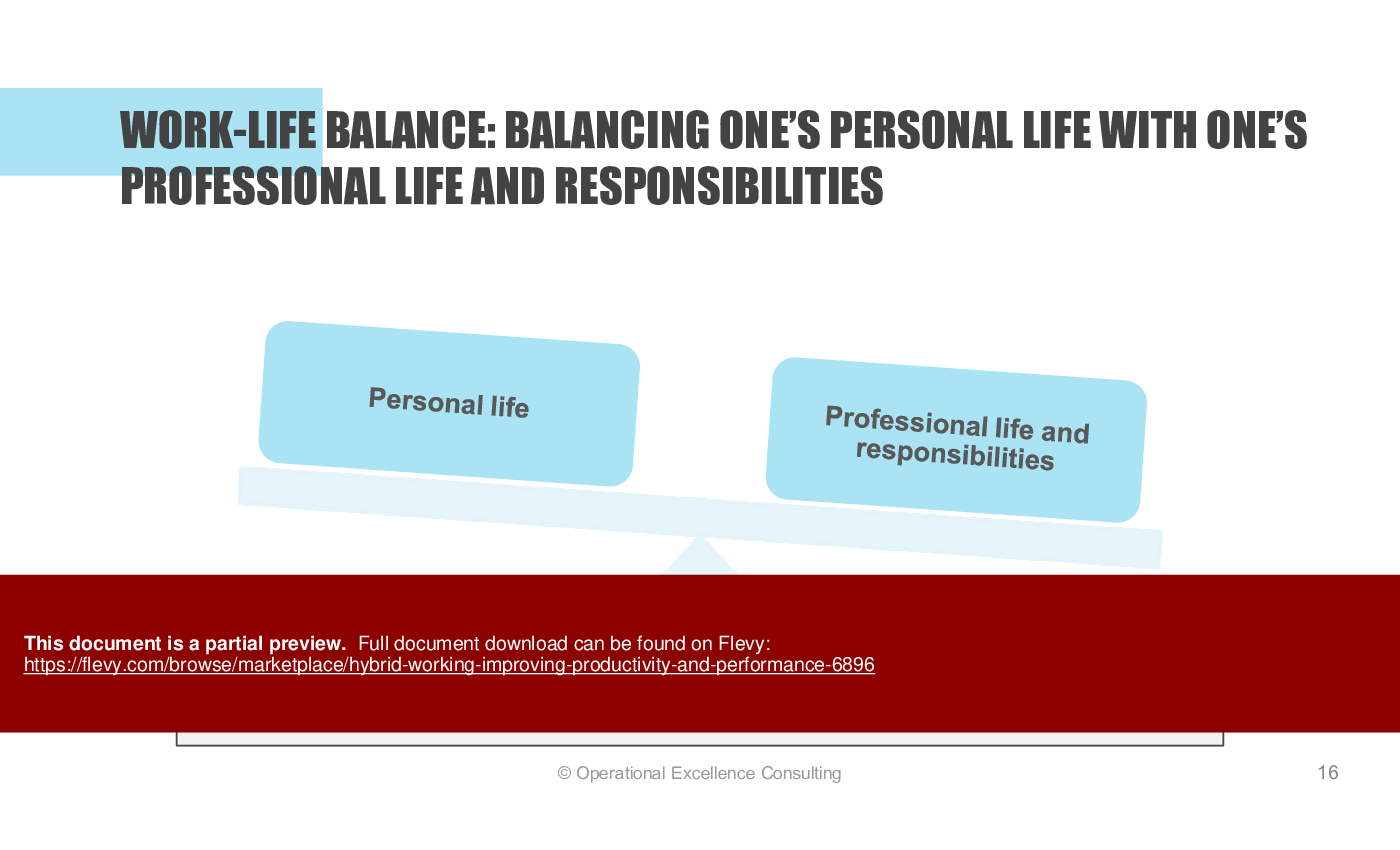
• Work-Life Balance - The equilibrium between personal life and professional responsibilities.
• Continuous Improvement - Ongoing efforts to enhance products, services, or processes over time.
• Communication Protocols - Established guidelines for how information is shared within an organization.
• Performance Metrics - Standards used to evaluate the success and effectiveness of employees and teams.
• Feedback Systems - Mechanisms for providing constructive feedback to employees on their performance.
• Training Materials - Resources designed to educate employees on best practices and tools for hybrid working.
Source: Best Practices in Remote Work, Hybrid Work PowerPoint Slides: Hybrid Working: Improving Productivity and Performance PowerPoint (PPTX) Presentation Slide Deck, Operational Excellence Consulting
|
Download our FREE Digital Transformation Templates
Download our free compilation of 50+ Digital Transformation slides and templates. DX concepts covered include Digital Leadership, Digital Maturity, Digital Value Chain, Customer Experience, Customer Journey, RPA, etc. |