
Working Capital Management: Asset Optimization   27-slide PPT PowerPoint presentation slide deck (PPTX)
$29.00

Working Capital Management: Asset Optimization (27-slide PPT PowerPoint presentation slide deck (PPTX)) Preview Image
Log in to unlock full preview.
Working Capital Management: Asset Optimization (27-slide PPT PowerPoint presentation slide deck (PPTX)) Preview Image
Arrow   Click main image to view in full screen.

Working Capital Management: Asset Optimization (PowerPoint PPTX Slide Deck)

PowerPoint (PPTX) 27 Slides FlevyPro Document

$29.00
FlevyPro price: FREE (included in subscription)
This framework is developed by a team of former McKinsey and Big 4 consultants. The presentation follows the headline-body-bumper slide format used by global consulting firms.
Add to Cart


Immediate download
Free lifetime updates

ASSET MANAGEMENT PPT DESCRIPTION

Editor Summary Working Capital Management: Asset Optimization is a 27-slide PowerPoint (PPTX) framework focused on improving asset performance within Working Capital Management through a defined 5-phase methodology. Read more

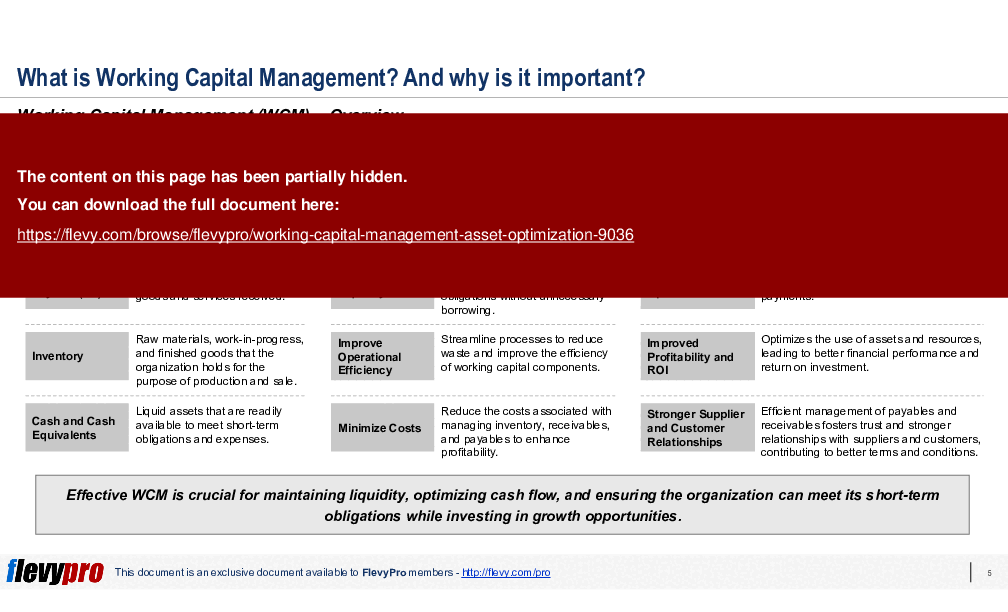
Working Capital Management (WCM) refers to the administration of an organization's short-term assets and liabilities to ensure its ongoing operational efficiency and financial stability. Effective WCM is crucial for maintaining liquidity, optimizing cash flow, and ensuring the organization can meet its short-term obligations while investing in growth opportunities.

There are numerous benefits to effective WCM, including:

•  Enhanced liquidity and financial stability
•  Reduced operational costs
•  Improved profitability and ROI
•  Stronger supplier and customer relationships

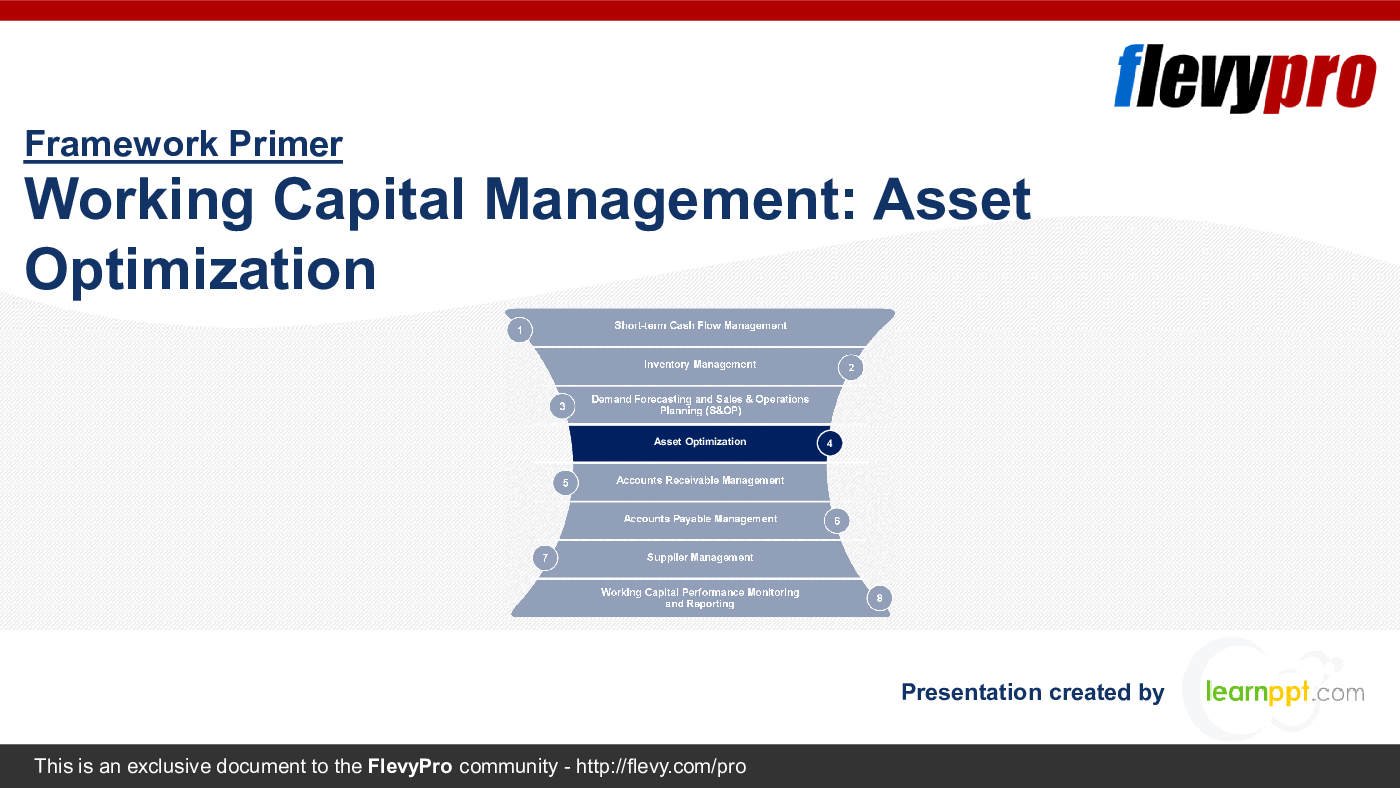
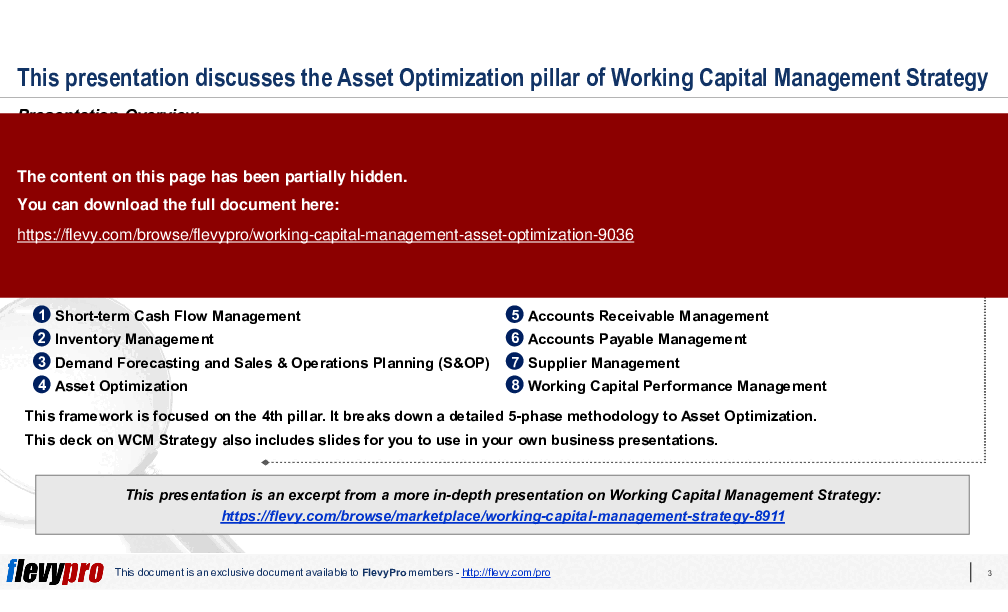
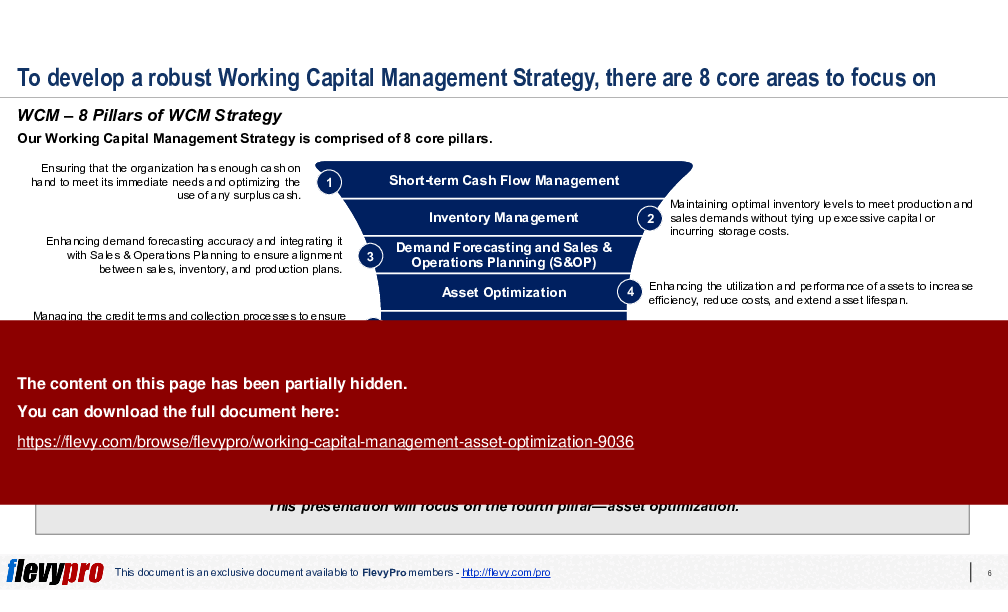
Effective WCM requires a comprehensive Working Capital Management Strategy. This presentation introduces an approach to WCM Strategy based on 8 core pillars:

1. Short-term Cash Flow Management
2. Inventory Management
3. Demand Forecasting and Sales & Operations Planning (S&OP)
4. Asset Optimization
5. Accounts Receivable Management
6. Accounts Payable Management
7. Supplier Management
8. Working Capital Performance Management

This framework is focused on the 4th pillar, Asset Optimization. Asset Optimization focuses on maximizing the value derived from an organization's assets, including machinery, equipment, and technology.

This presentation breaks down a detailed 5-phase methodology to Asset Optimization:

1. Current Asset Utilization Assessment
2. Setting Optimization Goals
3. Optimization Strategy Development
4. Efficiency Improvement Implementation
5. Performance Monitoring and Measurement

It also covers Asset Management Strategies.

This PPT presentation is an excerpt from a more in-depth presentation on Working Capital Management Strategy.

Got a question about this document? Email us at flevypro@flevy.com.

MARCUS OVERVIEW

This synopsis was written by Marcus [?] based on the analysis of the full 27-slide presentation.


Executive Summary
The "Working Capital Management: Asset Optimization" presentation provides a structured framework for optimizing asset performance within the broader context of Working Capital Management (WCM). Developed by seasoned consultants, this resource focuses on enhancing liquidity, reducing operational costs, and improving profitability through a detailed methodology. Users will gain insights into effective asset management strategies that drive operational efficiency and financial returns, enabling organizations to meet short-term obligations while investing in growth opportunities.

Who This Is For and When to Use
•  Finance leaders responsible for overseeing working capital strategies
•  Operations managers focused on improving asset utilization
•  Supply chain professionals involved in inventory and cash flow management
•  Consultants advising on financial efficiency and operational improvements

Best-fit moments to use this deck:
•  During strategic planning sessions to enhance asset management practices
•  When developing or refining working capital management strategies
•  For training sessions aimed at improving team understanding of asset optimization

Learning Objectives
•  Define the key components of Working Capital Management and their impact on financial stability
•  Build a comprehensive asset optimization strategy aligned with organizational goals
•  Establish measurable objectives for asset utilization and performance
•  Implement a structured methodology for continuous performance monitoring
•  Analyze current asset utilization to identify areas for improvement
•  Develop actionable plans for enhancing operational efficiency and reducing costs

Table of Contents
•  Overview (page 3)
•  Working Capital Management (page 5)
•  Asset Optimization (page 9)
•  Asset Optimization Methodology (page 11)
•  Slide Design Structure & Templates (page 19)

Primary Topics Covered
•  Working Capital Management Overview - An introduction to the administration of short-term assets and liabilities to ensure operational efficiency and financial stability.
•  Asset Optimization Definition - Focuses on maximizing asset value through effective management practices, including maintenance and strategic upgrades.
•  Asset Utilization Assessment - A method for evaluating current asset performance and identifying underutilized resources.
•  Setting Optimization Goals - Establishing measurable objectives for asset optimization aligned with organizational strategy.
•  Optimization Strategy Development - Creating a detailed plan to achieve asset optimization goals, including prioritization of actions.
•  Performance Monitoring and Measurement - Tracking key performance indicators to ensure ongoing improvement in asset utilization.

Deliverables, Templates, and Tools
•  Asset utilization assessment template for evaluating current asset performance
•  Optimization goal-setting framework to define measurable objectives
•  Implementation roadmap for executing asset optimization strategies
•  Performance monitoring dashboard for tracking key metrics
•  Training materials for staff on new processes and technologies
•  Supplier contract negotiation checklist to enhance terms and conditions

Slide Highlights
•  Overview of Working Capital Management and its importance in financial stability
•  Detailed methodology for asset optimization, including a 5-phase process
•  Visual representations of asset utilization metrics and performance indicators
•  Best practices for continuous monitoring and improvement of asset performance

Potential Workshop Agenda
Asset Utilization Assessment Workshop (90 minutes)
•  Review current asset performance metrics and identify underutilized resources
•  Discuss strategies for optimizing asset utilization and reducing costs

Optimization Strategy Development Session (60 minutes)
•  Define measurable objectives for asset optimization
•  Prioritize actions based on impact and feasibility

Performance Monitoring Review (30 minutes)
•  Analyze performance data and adjust strategies as needed
•  Report outcomes to stakeholders and recommend further improvements

Customization Guidance
•  Tailor the asset utilization assessment template to reflect specific organizational assets
•  Adjust optimization goals based on industry benchmarks and historical performance data
•  Incorporate organizational terminology and metrics into the performance monitoring dashboard

Secondary Topics Covered
•  Inventory management best practices and their impact on cash flow
•  Accounts receivable and payable management strategies
•  Supplier relationship management techniques to enhance operational efficiency
•  Performance reporting mechanisms for tracking working capital metrics

Topic FAQ

What does "asset optimization" mean in the context of working capital management?

Asset optimization in WCM refers to maximizing the value derived from an organization's assets—machinery, equipment, and technology—by improving utilization, maintenance, and strategic upgrades. It focuses on increasing operational efficiency and reducing costs tied to short-term assets such as inventory and equipment.

What are the typical phases of an asset optimization methodology?

A commonly used asset optimization methodology breaks work into 5 phases: Current Asset Utilization Assessment, Setting Optimization Goals, Optimization Strategy Development, Efficiency Improvement Implementation, and Performance Monitoring and Measurement. These 5 phases form the structured route from diagnosis to ongoing monitoring.

How should I assess current asset utilization in my operations?

Assess current utilization by conducting an asset inventory, measuring utilization rates, comparing performance to industry or historical benchmarks, and identifying underutilized or obsolete assets. The assessment phase establishes baseline metrics such as utilization rates and baseline ROI for subsequent improvement planning.

What should I look for when buying an asset optimization toolkit or deck?

Look for tools that support assessment, goal-setting, execution, and monitoring—specifically an asset utilization assessment template, optimization goal-setting framework, implementation roadmap, and performance monitoring dashboard. Flevy's Working Capital Management: Asset Optimization lists these core artifacts among its deliverables.

How much time should I schedule for workshops to kick off asset optimization?

The sample workshop agenda outlines practical sessions: a 90-minute Asset Utilization Assessment Workshop, a 60-minute Optimization Strategy Development Session, and a 30-minute Performance Monitoring Review, providing a compact series of working sessions totaling about 3 hours of facilitated work.

I need to improve cash tied up in inventory—how does asset optimization relate to inventory management?

Asset optimization is one pillar within a broader WCM strategy that includes inventory management, demand forecasting/S&OP, and cash-flow controls. For inventory-specific issues, combine inventory and demand-forecasting practices with asset utilization assessment to free working capital; this approach aligns with the eight-pillar WCM framework.

Which KPIs are most relevant for monitoring asset performance after optimization?

Key metrics to track asset performance include utilization rates, return on assets (ROA), and maintenance costs. Monitoring these KPIs over time helps verify improvements in efficiency and cost reduction resulting from optimization activities such as redeployment or maintenance changes.

Are purchased templates useful compared with building my own assessment tools?

Purchased templates provide ready-made artifacts for assessment, goal-setting, implementation, and monitoring. For example, Flevy's Working Capital Management: Asset Optimization includes an asset utilization assessment template, optimization goal-setting framework, implementation roadmap, performance monitoring dashboard, training materials, and a supplier contract negotiation checklist, totaling 6 deliverables.

Document FAQ
These are questions addressed within this presentation.

What is Working Capital Management?
Working Capital Management refers to the administration of an organization’s short-term assets and liabilities to ensure ongoing operational efficiency and financial stability.

How can asset optimization improve profitability?
By enhancing asset utilization and performance, organizations can reduce operational costs, extend asset lifespan, and ultimately improve return on investment.

What are the key phases of the asset optimization methodology?
The asset optimization methodology consists of 5 phases: Current Asset Utilization Assessment, Setting Optimization Goals, Optimization Strategy Development, Efficiency Improvement Implementation, and Performance Monitoring and Measurement.

How do I assess current asset utilization?
Conduct an asset inventory, analyze utilization rates, and evaluate performance against industry benchmarks to identify underutilized assets.

What metrics should be monitored for asset performance?
Key metrics include utilization rates, return on assets (ROA), and maintenance costs, which help gauge the efficiency of asset utilization.

How can I align optimization goals with organizational strategy?
Integrate asset optimization objectives into the broader strategic goals of the organization, ensuring that all stakeholders understand and support the goals.

What tools can assist in performance monitoring?
Implement real-time tracking systems and dashboards to gather accurate data on asset performance and facilitate ongoing monitoring.

How often should performance metrics be reviewed?
Regularly review performance metrics to ensure that optimization goals are being met and make adjustments as necessary based on performance data.

Glossary
•  Working Capital Management (WCM) - The administration of short-term assets and liabilities to ensure operational efficiency.
•  Asset Optimization - The effective utilization and performance of assets to increase efficiency and reduce costs.
•  Utilization Rate - A measure of how frequently an asset is used in operations.
•  Return on Assets (ROA) - A financial metric that indicates the profitability of an organization relative to its total assets.
•  Performance Monitoring - The ongoing process of tracking key metrics to assess asset utilization and efficiency.
•  Supplier Management - The process of developing and maintaining strong relationships with suppliers to ensure quality and reliability.
•  Efficiency Improvement - Actions taken to enhance operational processes and reduce costs associated with asset management.
•  Asset Disposition - The strategic disposal of underutilized or obsolete assets to improve financial performance.
•  Optimization Strategy - A detailed plan outlining the steps needed to achieve asset optimization goals.
•  Key Performance Indicators (KPIs) - Metrics used to evaluate the success of an organization in achieving its objectives.
•  Baseline Metrics - Initial measurements established during the assessment phase to track improvements over time.
•  Continuous Improvement - An ongoing effort to enhance products, services, or processes through incremental improvements.

ASSET MANAGEMENT PPT SLIDES

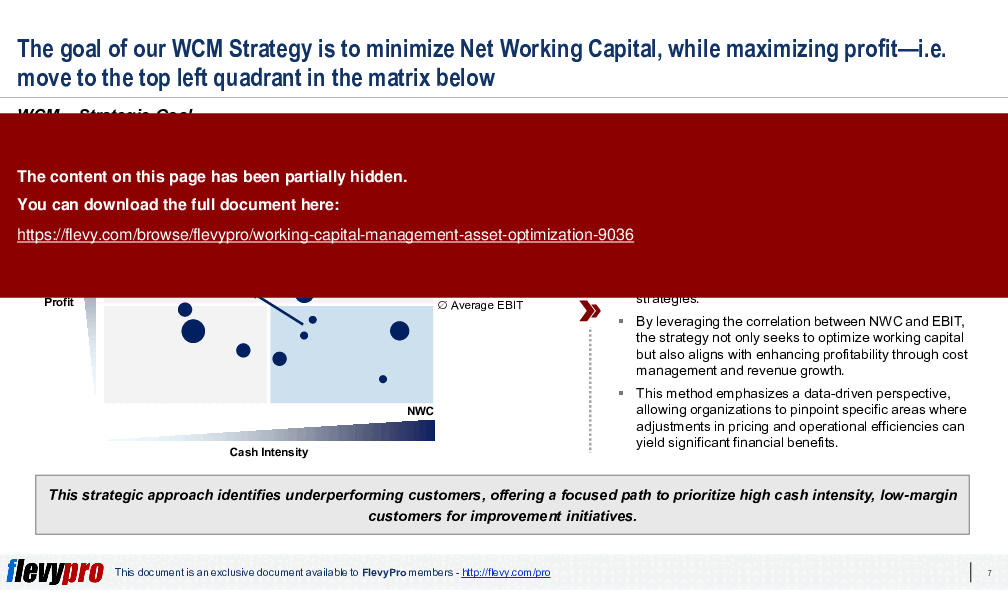
Five-Phase Methodology for Asset Optimization

Structured Approach to Asset Optimization Strategy

Maximizing Asset Performance for Operational Efficiency

Source: Best Practices in Enterprise Asset Management, Working Capital Management PowerPoint Slides: Working Capital Management: Asset Optimization PowerPoint (PPTX) Presentation Slide Deck, LearnPPT Consulting


$29.00
FlevyPro price: FREE (included in subscription)
This framework is developed by a team of former McKinsey and Big 4 consultants. The presentation follows the headline-body-bumper slide format used by global consulting firms.
Add to Cart
  

Did you need more documents?

Consider a FlevyPro subscription from $39/month. View plans here.

For $10.00 more, you can download this document plus 2 more FlevyPro documents. That's just $13 each.

ABOUT FLEVYPRO

This document is part of the FlevyPro Library, a curated knowledge base of documents for our FlevyPro subscribers.

FlevyPro is a subscription service for on-demand business frameworks and analysis tools. FlevyPro subscribers receive access to an exclusive library of curated business documents—business framework primers, presentation templates, Lean Six Sigma tools, and more—among other exclusive benefits.

Click here to learn more about FlevyPro and its benefits.

Did you know?
The average daily rate of a McKinsey consultant is $6,625 (not including expenses). The average price of a Flevy document is $65.


Trusted by over 10,000+ Client Organizations
Since 2012, we have provided business templates to over 10,000 businesses and organizations of all sizes, from startups and small businesses to the Fortune 100, in over 130 countries.
AT&T GE Cisco Intel IBM Coke Dell Toyota HP Nike Samsung Microsoft Astrazeneca JP Morgan KPMG Walgreens Walmart 3M Kaiser Oracle SAP Google E&Y Volvo Bosch Merck Fedex Shell Amgen Eli Lilly Roche AIG Abbott Amazon PwC T-Mobile Broadcom Bayer Pearson Titleist ConEd Pfizer NTT Data Schwab


Read Customer Testimonials

 
"My FlevyPro subscription provides me with the most popular frameworks and decks in demand in today’s market. They not only augment my existing consulting and coaching offerings and delivery, but also keep me abreast of the latest trends, inspire new products and service offerings for my practice, and educate me "

– Bill Branson, Founder at Strategic Business Architects
 
"As a consultant requiring up to date and professional material that will be of value and use to my clients, I find Flevy a very reliable resource.

The variety and quality of material available through Flevy offers a very useful and commanding source for information. Using Flevy saves me time, enhances my expertise and ends up being a good decision."

– Dennis Gershowitz, Principal at DG Associates
 
"[Flevy] produces some great work that has been/continues to be of immense help not only to myself, but as I seek to provide professional services to my clients, it gives me a large "tool box" of resources that are critical to provide them with the quality of service and outcomes they are expecting."

– Royston Knowles, Executive with 50+ Years of Board Level Experience
 
"I like your product. I'm frequently designing PowerPoint presentations for my company and your product has given me so many great ideas on the use of charts, layouts, tools, and frameworks. I really think the templates are a valuable asset to the job."

– Roberto Fuentes Martinez, Senior Executive Director at Technology Transformation Advisory
 
"The wide selection of frameworks is very useful to me as an independent consultant. In fact, it rivals what I had at my disposal at Big 4 Consulting firms in terms of efficacy and organization."

– Julia T., Consulting Firm Owner (Former Manager at Deloitte and Capgemini)
 
"FlevyPro provides business frameworks from many of the global giants in management consulting that allow you to provide best in class solutions for your clients."

– David Harris, Managing Director at Futures Strategy
 
"FlevyPro has been a brilliant resource for me, as an independent growth consultant, to access a vast knowledge bank of presentations to support my work with clients. In terms of RoI, the value I received from the very first presentation I downloaded paid for my subscription many times over! The "

– Roderick Cameron, Founding Partner at SGFE Ltd
 
"One of the great discoveries that I have made for my business is the Flevy library of training materials.

As a Lean Transformation Expert, I am always making presentations to clients on a variety of topics: Training, Transformation, Total Productive Maintenance, Culture, Coaching, Tools, Leadership Behavior, etc. Flevy "

– Ed Kemmerling, Senior Lean Transformation Expert at PMG


Customers Also Like These Documents

Explore Templates on Related Management Topics


Your Recently Viewed Documents
Download our FREE Strategy & Transformation Framework Templates

Download our free compilation of 50+ Strategy & Transformation slides and templates. Frameworks include McKinsey 7-S, Balanced Scorecard, Disruptive Innovation, BCG Curve, and many more.