
 Click main image to view in full screen. Unlock all 11 preview images:
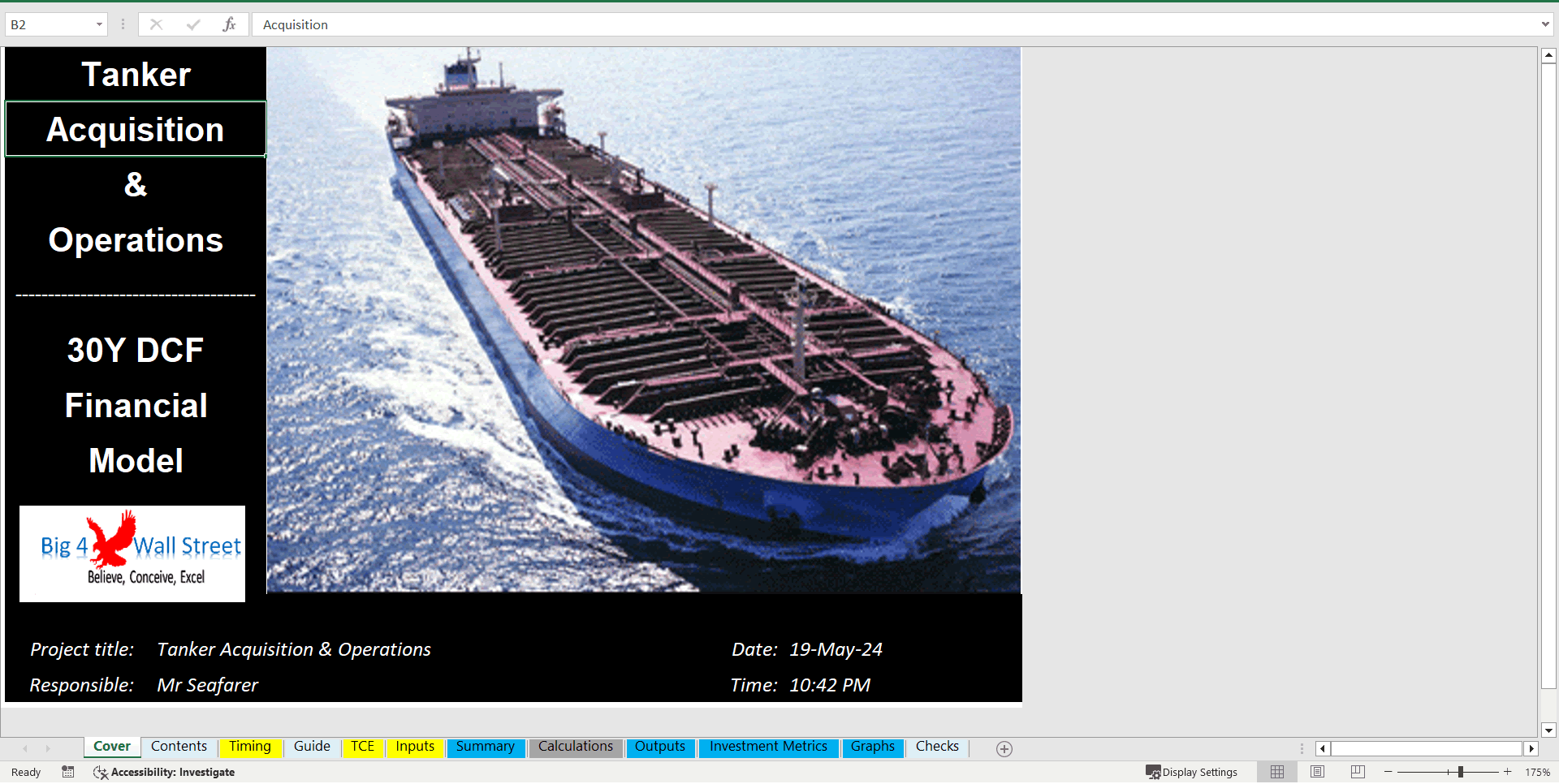
Tanker Acquisition & Operations - DCF 30 Year Financial Model – Excel XLSX
Excel (XLSX)


BENEFITS OF THIS DOWNLOADABLE EXCEL DOCUMENT
- Financial Statements: such as Profit and Loss, Balance Sheet, and Cash Flows. The model generates projections, considering income from vessel operations, TCE, operating expenses, financing costs, and other relevant factors. It provides a clear picture of
- Financial Metrics: The model provides essential financial metrics, such as NPV, IRR, payback period, enabling users to evaluate the attractiveness and profitability of the tanker acquisition and operations project.
- Graphical Representations: The financial model presents the results in user-friendly graphical formats, including charts and graphs, to enhance the understanding of the projected financial performance and highlight key insights.
SHIPPING INDUSTRY EXCEL DESCRIPTION
The "Tanker Acquisition & Operations – DCF 30Y Financial Model" is a comprehensive financial model designed to evaluate the financial feasibility and profitability of acquiring and operating a tanker over a 30-year period. This sophisticated model utilizes the Discounted Cash Flow (DCF) methodology, a widely accepted financial valuation technique, to assess the investment potential and forecast the future financial performance of the tanker fleet.
The financial model provides a detailed analysis of various factors influencing the acquisition and operations of tankers, allowing stakeholders to make informed decisions. It considers key parameters such as vessel acquisition costs, financing options, operating expenses, TCE, vessel maintenance, and depreciation, among others.
The model's primary purpose is to project the financial statements generated by the tanker over a 30-year horizon (depending on the assumptions set) and calculate the Net Present Value (NPV) and Internal Rate of Return (IRR) of the investment. By incorporating a long-term perspective, the model captures the potential risks and rewards associated with tanker acquisition and operations in the maritime industry, aiding in strategic planning and investment evaluation.
Key features of the "Tanker Acquisition & Operations – DCF 30Y Financial Model" include:
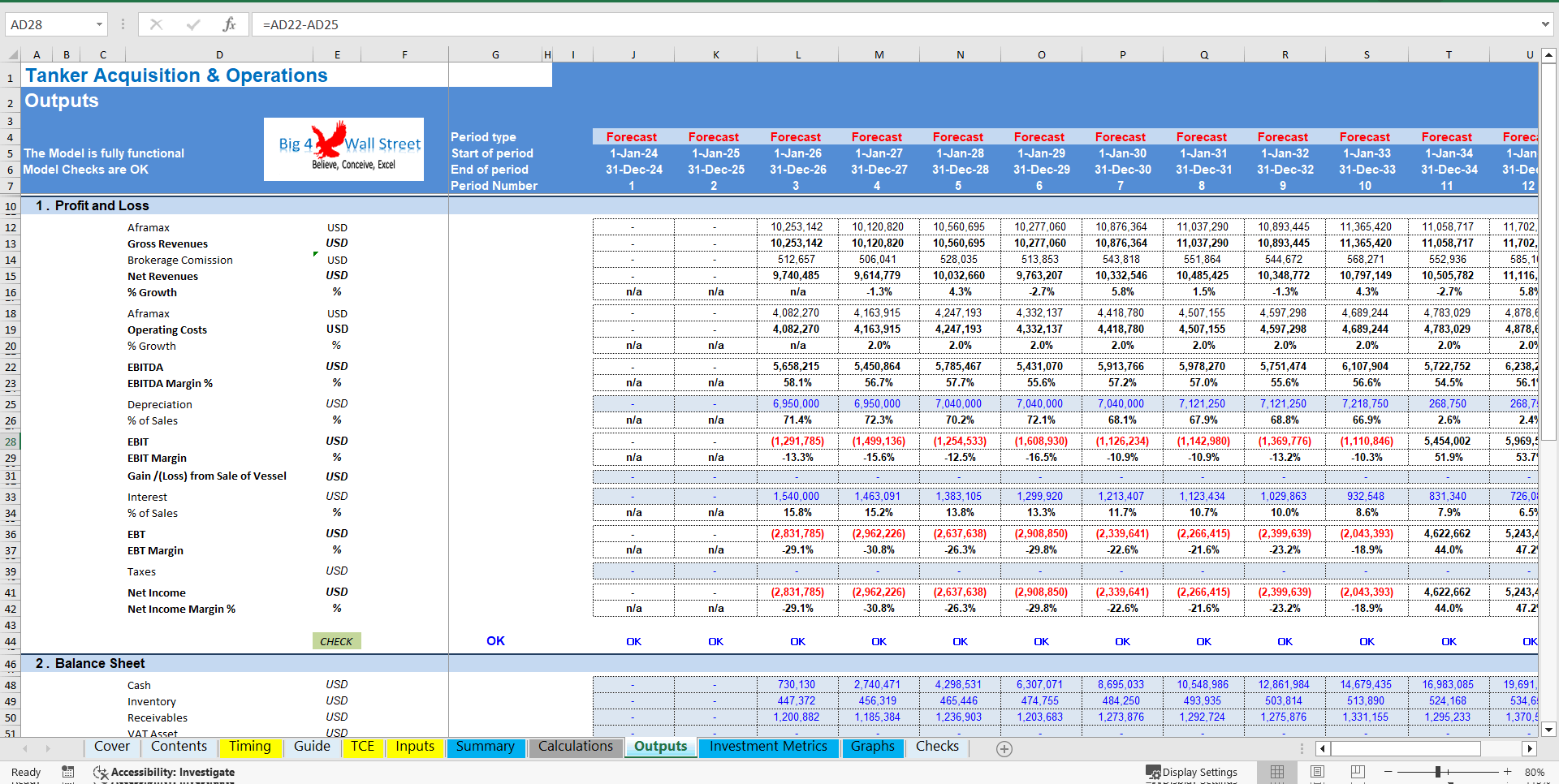
• Financial Statements: such as Profit and Loss, Balance Sheet, and Cash Flows. The model generates projections, considering income from vessel operations, TCE, operating expenses, financing costs, and other relevant factors. It provides a clear picture of the expected cash inflows and outflows over the investment period.
• Capital Structure and Financing: The model incorporates the ability to customize the capital structure by considering various financing options, including debt and equity financing. It calculates the debt repayment schedules, and the resulting impact on the financial metrics.
• Financial Metrics: The model provides essential financial metrics, such as NPV, IRR, payback period, enabling users to evaluate the attractiveness and profitability of the tanker acquisition and operations project.
• Graphical Representations: The financial model presents the results in user-friendly graphical formats, including charts and graphs, to enhance the understanding of the projected financial performance and highlight key insights.
The "Tanker Acquisition & Operations – DCF 30Y Financial Model" serves as a comprehensive tool for investors, financial analysts, and industry professionals involved in evaluating the financial viability and potential risks associated with tanker fleet acquisitions and operations. Its robustness and flexibility make it an invaluable resource for making informed investment decisions in the maritime transportation sector.
So, a quick overview of the model, in the contents tab you can see the structure of the model and by clicking on any of the headlines to be redirected to the relevant worksheet.
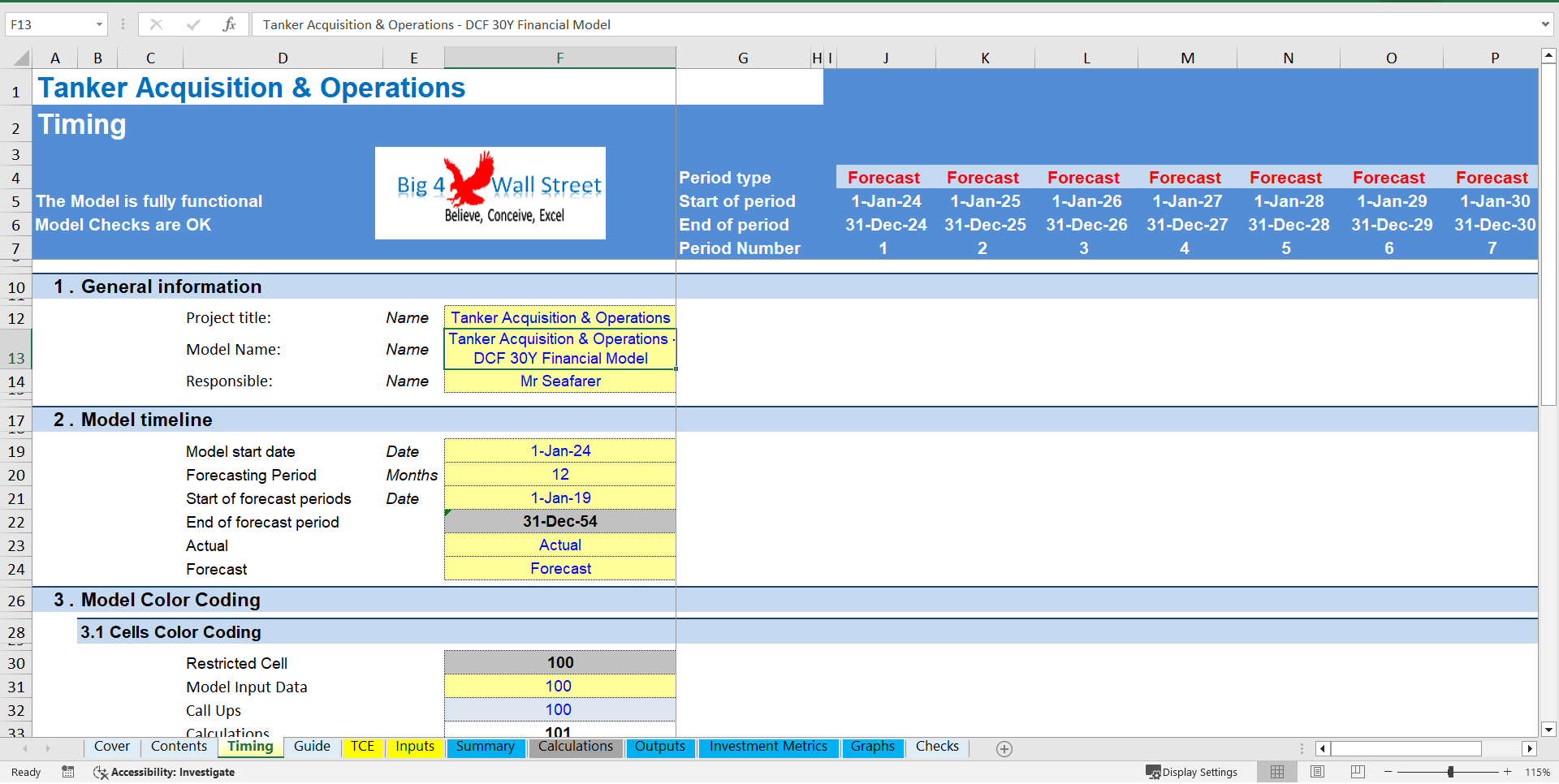
On the manual tab you are able to feed the general information for the model such as: project title, responsible, timeline of the model and date and currency conventions.
Additionally, there is a description of the color coding of the model in the same tab. Inputs are always depicted with a yellow fill and blue letters, call ups (that is direct links from other cells) are filled in light blue with blue letters while calculations are depicted with white fill and black characters.
There is also color coding for the various tabs of the model. Yellow tabs are mostly assumptions tabs, grey tabs are calculations tabs, blue tabs are outputs tabs (that is effectively results or graphs) and finally light blue tabs are admin tabs (for example: the cover page, contents, and checks).
Guide Tab: this tab helps you to gain a grasp of the main value drivers of the model and understand the critical issues of the business.
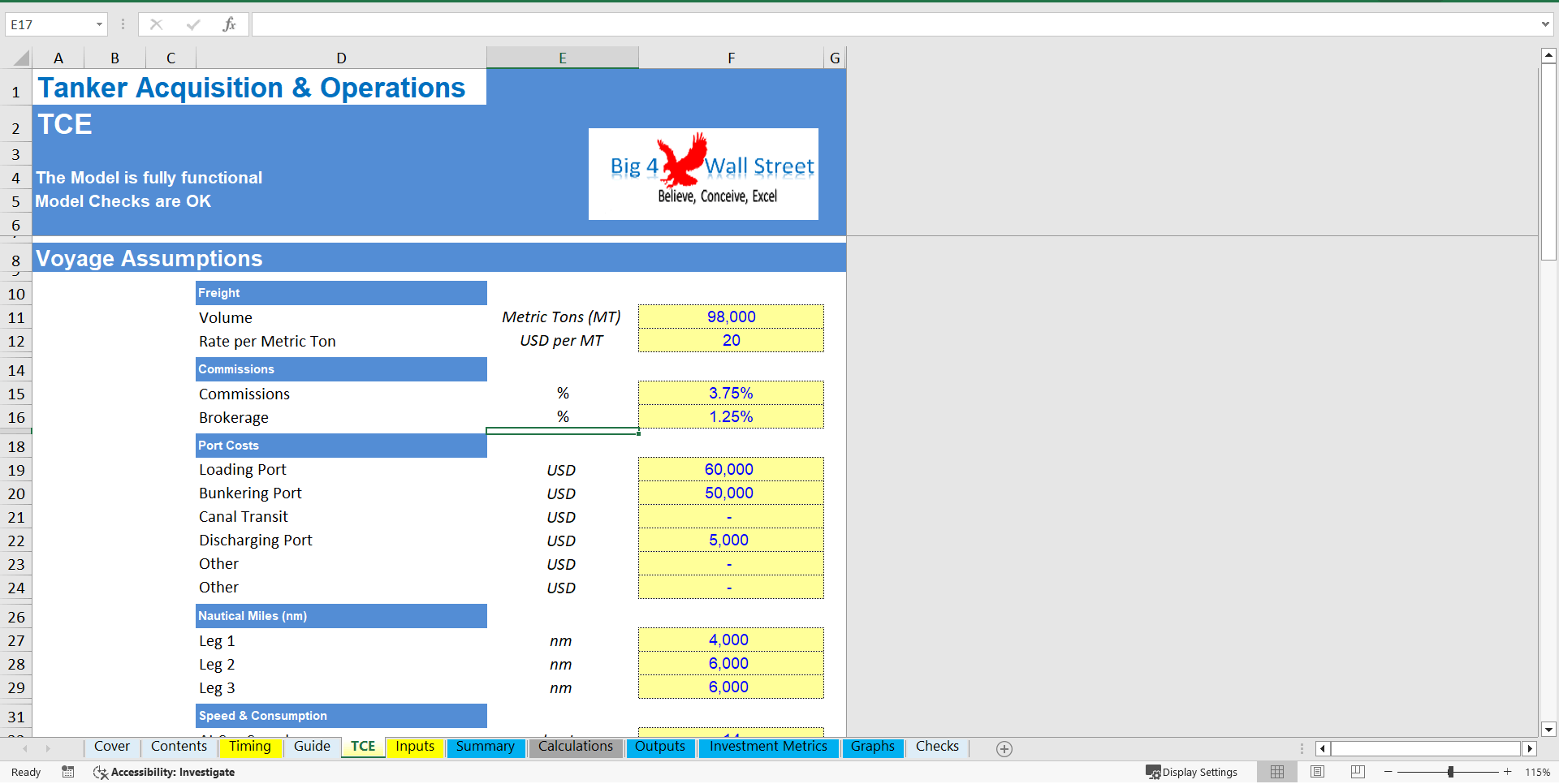
TCE tab: here you can set the assumptions for a specific voyage you have in mind and calculate the corresponding TCE of the voyage. Then you can select to use the calculated TCE or you can input your own TCE rate in the yellow cell. Make sure to select the rate to be used.
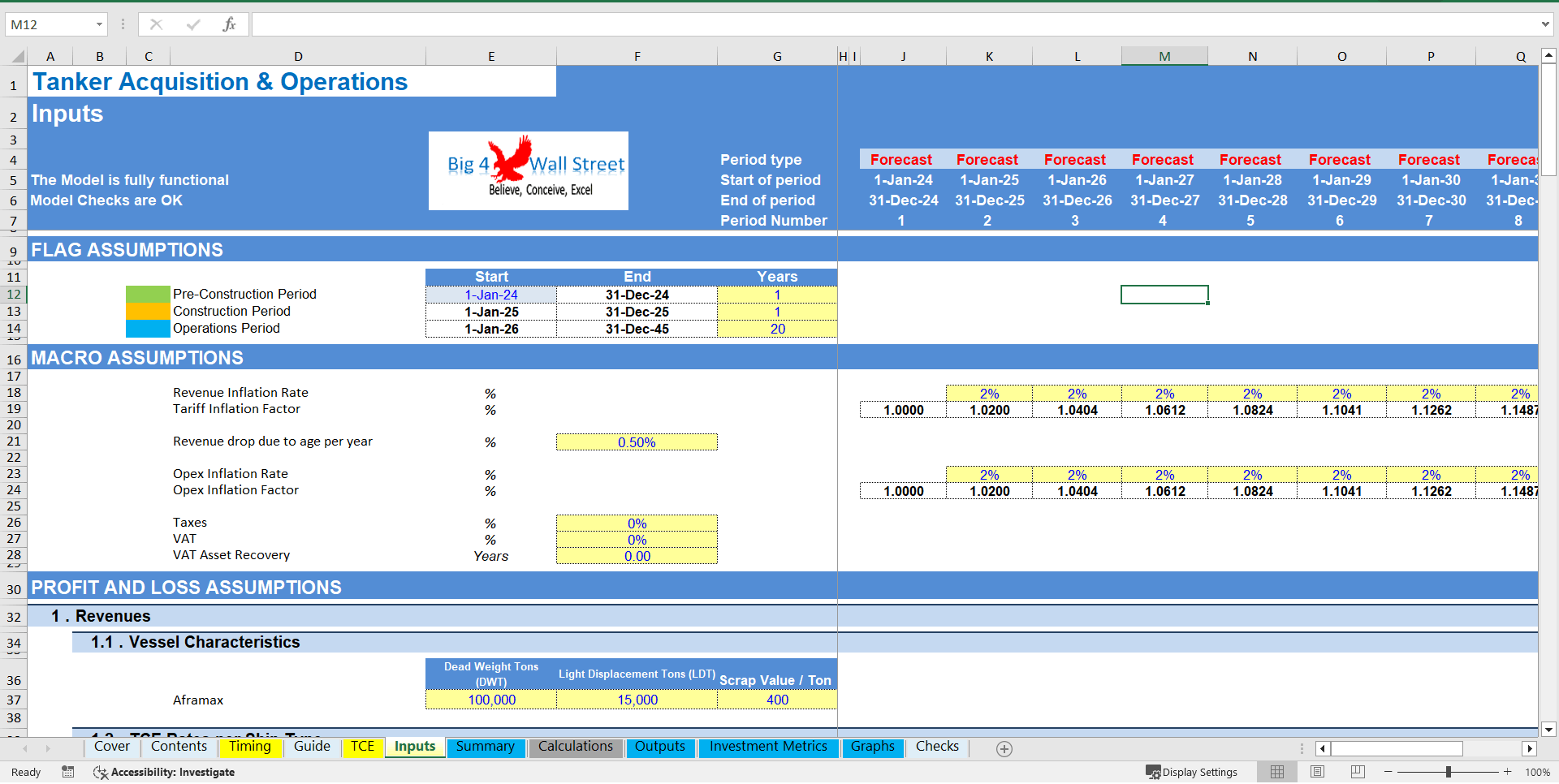
Moving on to the Inputs (in yellow whatever can be amended as an assumption): detailed inputs for revenues (vessel characteristics, TCE rates, availability days, and brokerage commission), costs (crew, stores, repairs, maintenance, insurance and administrative), working capital (receivables, payables, and inventory), fixed assets and capex (vessel purchase, dry docks, special surveys), equity financing as well as valuation assumptions (such as discount rates used in the weighted average cost of capital tab or WACC).
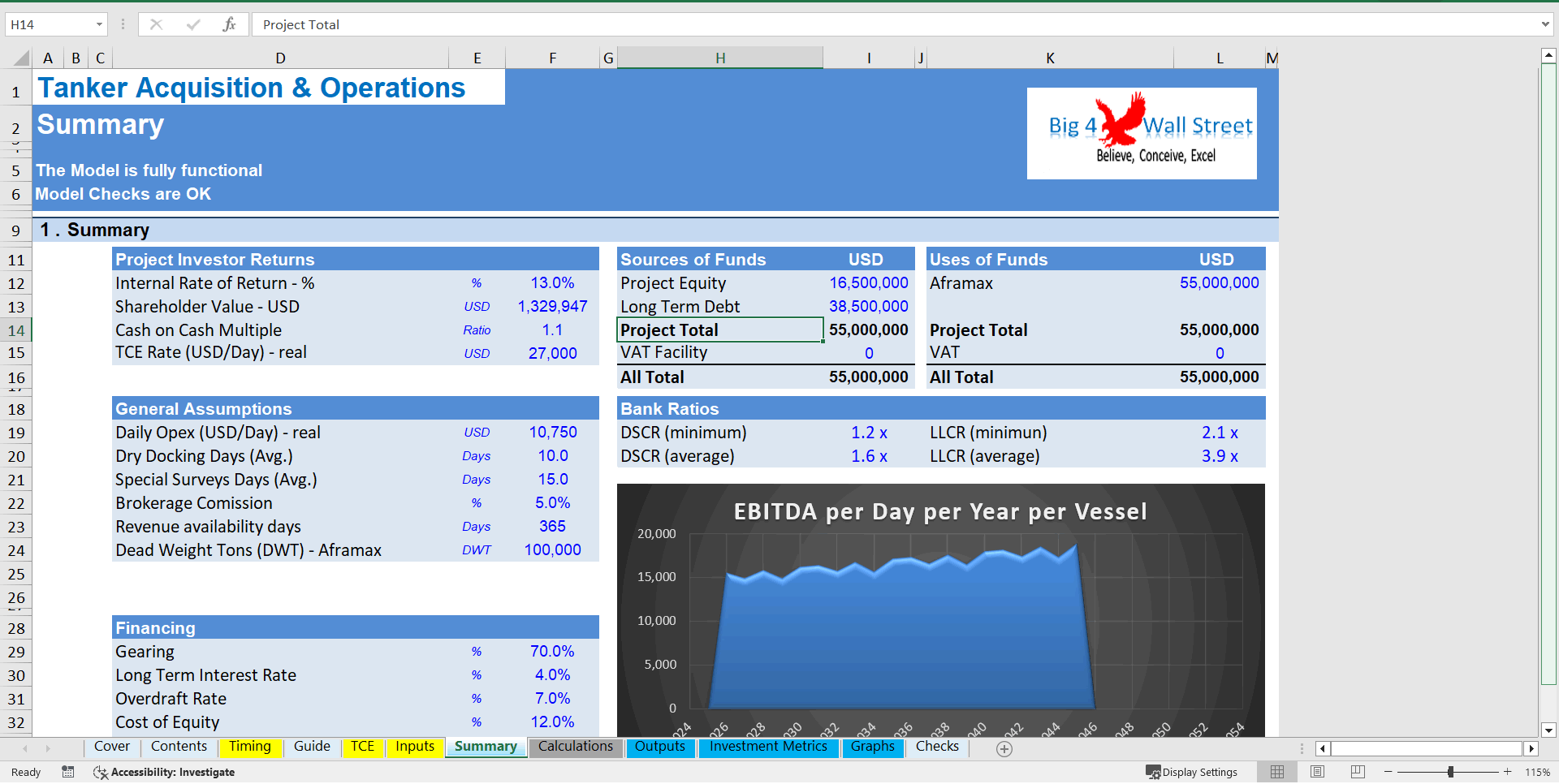
In the summary tab you can see a high-level report with the main metrics and value drivers of the model. It can be readily printed on one page for your convenience.
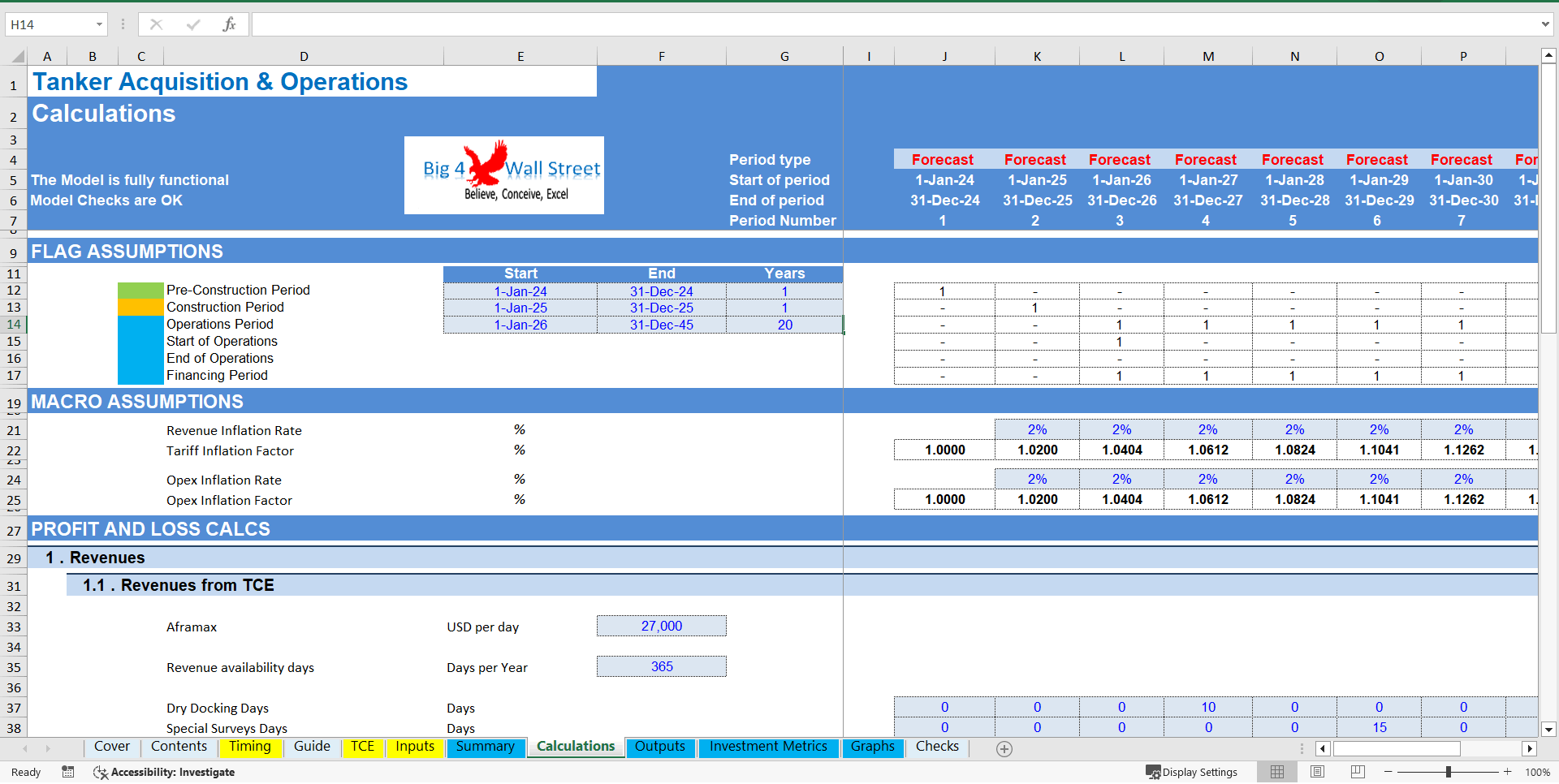
Calculations: this is where all calculations are performed. The revenues from each vessel are calculated based on the available days and whether there is a need for dry docking and deducting the operating costs adjusted for inflation the operating profit is resulting. Based on the assets financed and the gearing of the financing the interest and depreciation are occurring. By using the working capital assumptions, the impact of the business cycle is presented. Finally, depending on the level of the investment considered the relevant debt financing is calculated (Long term debt and overdraft).
In the Outputs tab: everything is aggregated here into the relevant statements: profit and loss, balance sheet and cash flow.
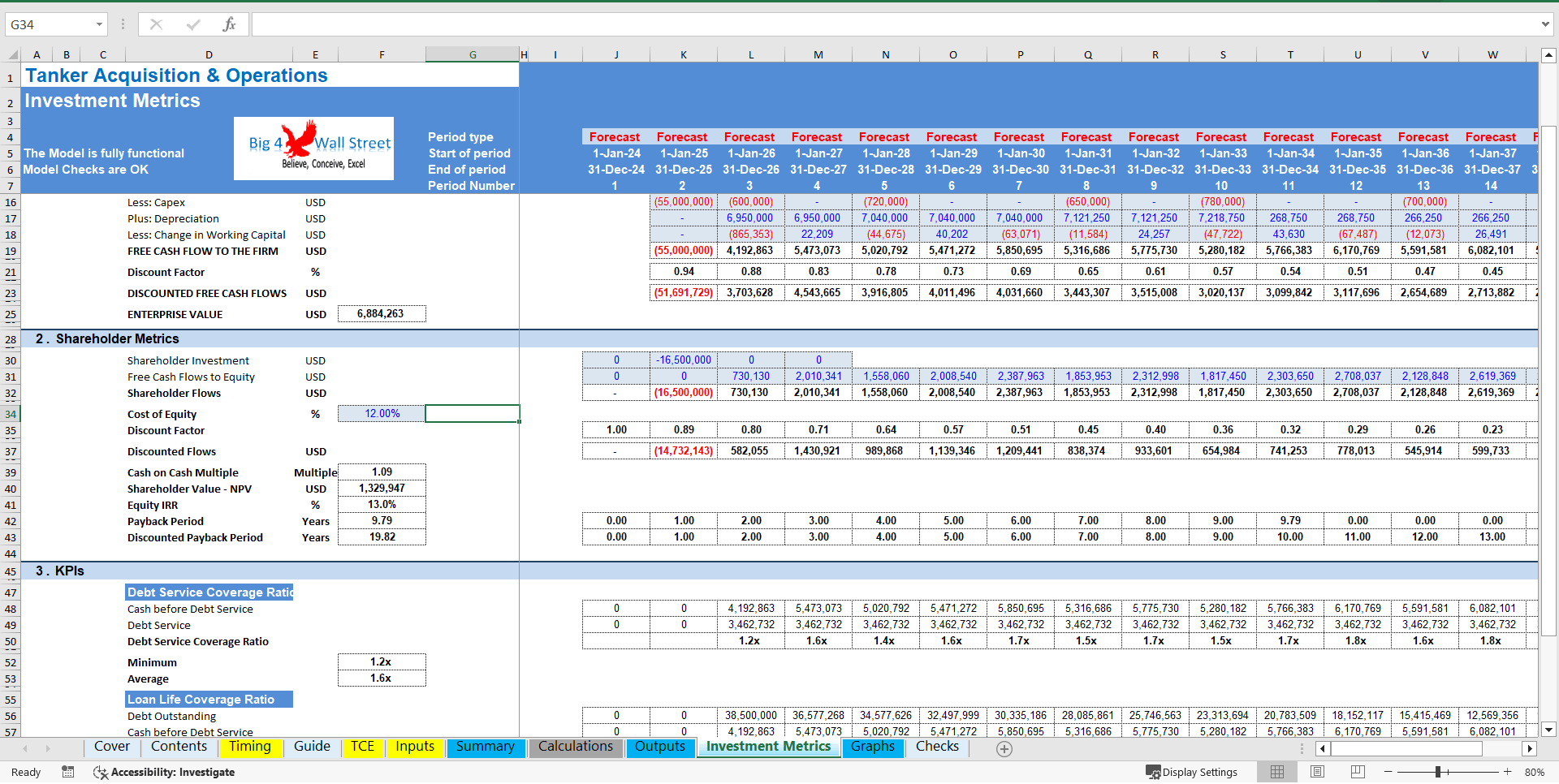
Moving to the Investment Metrics tab, a valuation is performed by using the free cash flows to the firm and then a series of investment metrics are presented (Net Present Value, Internal Rate of Return, Payback Period, Cash on Cash multiple). Additionally, the Debt Service Coverage Ratio and the Loan Life Coverage Ratio are presented.
In the Graphs tab: Various graphs present the investment and operating costs, the revenues per vessel type and the banking ratios (DSCR and LLCR). Then multiple charts present the performance of the project from revenues to bottom line along with debt, assets, working capital and cash flows which results in a valuation on a project basis as well as on an equity basis together with the internal rate of return of the project and payback period metrics.
Checks: A dedicated worksheet that makes sure that everything is working as it should!
Important Notice: Yellow indicates inputs and assumptions that the user can change, blue cells are used for called up cells, and white cells with black characters indicates calculation cells.
The "Tanker Acquisition & Operations – DCF 30Y Financial Model" not only offers a robust framework for financial forecasting, but also integrates essential metrics that are crucial for evaluating investment viability. With its detailed graphical representations and user-friendly interface, executives can quickly grasp complex data, facilitating strategic decision-making in the maritime sector.
Got a question about the product? Email us at support@flevy.com or ask the author directly by using the "Ask the Author a Question" form. If you cannot view the preview above this document description, go here to view the large preview instead.
TOPIC FAQ
What is a discounted cash flow (DCF) model and how is it applied to tanker acquisitions?
A DCF model forecasts future free cash flows from the asset and discounts them to present value using a discount rate (WACC) to assess investment viability. In tanker acquisitions, DCF projects operating cash flows, financing costs, and terminal value over a 30-year horizon to calculate NPV and IRR, which are presented as investment metrics.Which financial statements should a tanker acquisition model generate for valuation?
A robust tanker acquisition model should produce projected Profit & Loss, Balance Sheet, and Cash Flow statements so you can trace revenues, costs, working capital movements, capex, financing effects, and resulting cash flows required for valuation; the Flevy model generates these 3 statements.How do I model voyage revenue and time charter equivalent (TCE) in a tanker financial model?
Voyage revenue is modeled from vessel characteristics, available days, voyage assumptions and brokerage commission; a dedicated TCE worksheet can calculate a voyage-level TCE which you can either use or override as an input, as implemented in the model’s TCE tab.What features should I check for when buying a tanker financial model template?
Check for a 30-year DCF framework, generated financial statements, customizable capital structure and debt schedules, voyage/TCE inputs, scenario-changeable input cells (color-coded), graphical outputs, and a checks worksheet to validate calculations; these elements support valuation and reporting needs.How detailed are the financing and capital-structure sections in tanker models?
Detailed templates allow customization of debt and equity financing, calculate debt repayment schedules, and show the financing impact on metrics and statements; the model specifically handles long-term debt, overdrafts, and the resulting interest and repayment calculations.Which lender metrics matter most when underwriting a tanker acquisition loan?
Lenders typically focus on cash-flow coverage metrics; the model presents Debt Service Coverage Ratio (DSCR) and Loan Life Coverage Ratio (LLCR) alongside valuation metrics like NPV and IRR to inform credit assessment and loan sizing decisions.Can I perform scenario or sensitivity analysis with a tanker DCF model?
Yes—models that use clearly color-coded input cells allow users to change TCE rates, operating costs, financing assumptions, and capex to observe impacts on projected statements and valuation. The described model uses yellow input cells for assumption changes to enable this analysis.How should I evaluate the cost versus benefit of buying a pre-built tanker model versus building one in-house?
Compare available features such as a 30-year DCF framework, pre-built Profit & Loss/Balance Sheet/Cash Flow outputs, customizable capital structure, a TCE tab, graphical representations, and a checks worksheet; Flevy’s Tanker Acquisition & Operations - DCF 30Y Financial Model includes these consolidated components for review, including NPV and IRR metrics.Source: Best Practices in Shipping Industry, Integrated Financial Model Excel: Tanker Acquisition & Operations - DCF 30 Year Financial Model Excel (XLSX) Spreadsheet, Big4WallStreet
ABOUT THE AUTHOR

We help small and midsize businesses' leaders with their strategic problems by creating or improving financial models, implementing tools to drive efficiency, performance, and better decision making.
With over 15 years of experience in Financial & Business Modeling / Planning, Performance & Analysis (Ernst & Young, Toyota, Viohalco and Upstream), we have developed strong business
... [read more]
Ask the Author a Question
You must be logged in to contact the author.




























