
Sustainable Tourism   23-slide PPT PowerPoint presentation slide deck (PPTX)
$29.00

Sustainable Tourism (23-slide PPT PowerPoint presentation slide deck (PPTX)) Preview Image
Log in to unlock full preview.
Sustainable Tourism (23-slide PPT PowerPoint presentation slide deck (PPTX)) Preview Image
Arrow   Click main image to view in full screen.

Sustainable Tourism (PowerPoint PPTX Slide Deck)

PowerPoint (PPTX) 23 Slides FlevyPro Document

$29.00
FlevyPro price: FREE (included in subscription)
This framework is developed by a team of former McKinsey and Big 4 consultants. The presentation follows the headline-body-bumper slide format used by global consulting firms.
Add to Cart


Immediate download
Free lifetime updates

ESG PPT DESCRIPTION

Editor Summary Sustainable Tourism is a 23-slide PowerPoint (PPTX) by LearnPPT Consulting that provides a strategic framework for eco-friendly tourism covering 4 core environmental issues: controlling carbon emissions, biodiversity preservation, appropriate waste disposal, and water conservation. Read more

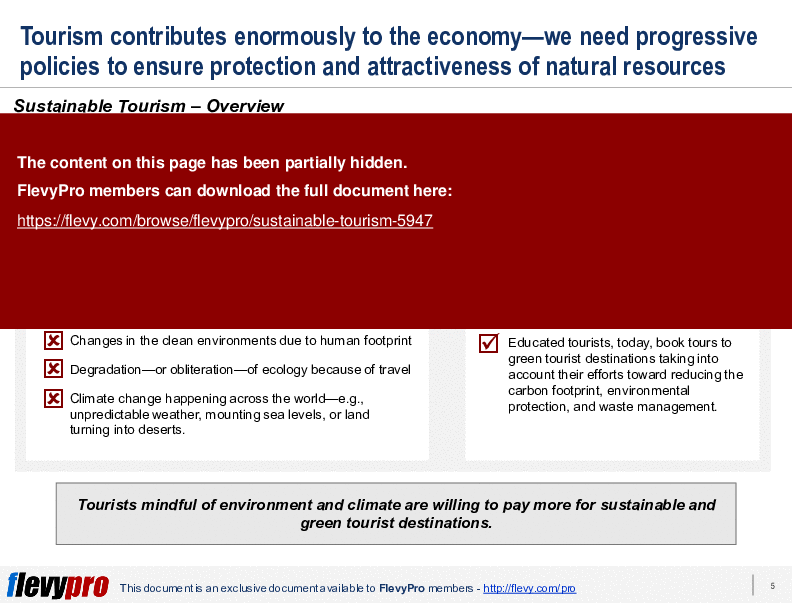
Tourism is a key element in creating an impetus for financial growth across the globe. The sector was providing jobs to around 260 million people and contributing to over 10% in global GDP, based on 2010 numbers. These numbers will grow in future.

However, these financial benefits do not occur without costs that have the potential to destroy popular destinations and disrupt tourism. These costs—or adverse effects—of travel involve massive carbon footprints produced by air travel, changes in the clean environments due to human footprint, degradation of ecology, or climate change happening across the world in the form of unpredictable weather, mounting sea levels, or land turning into deserts.

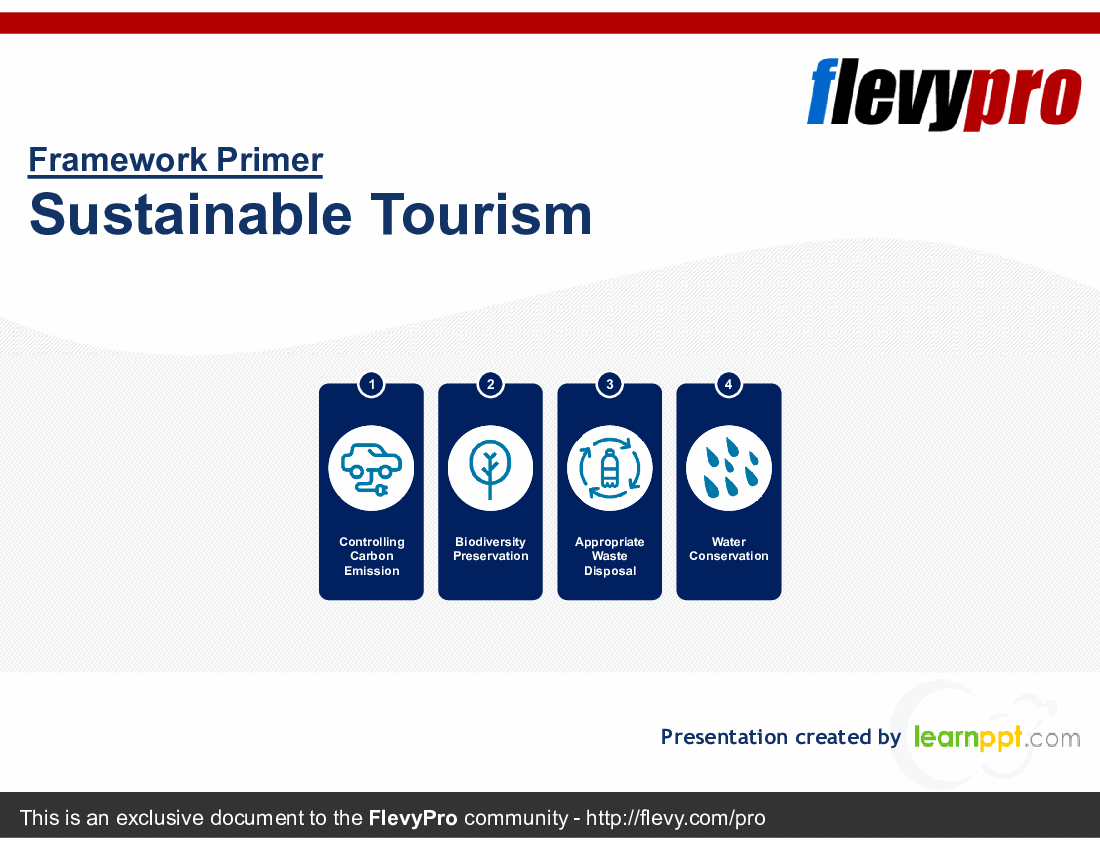
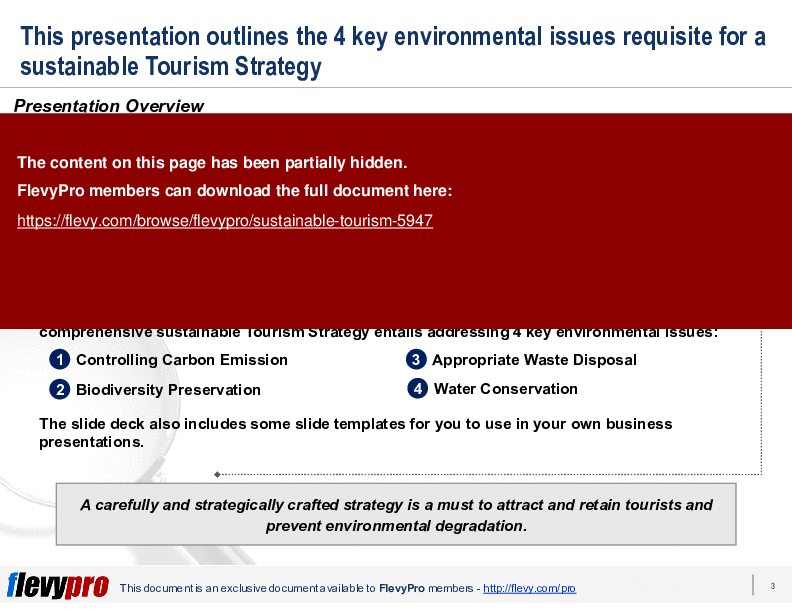
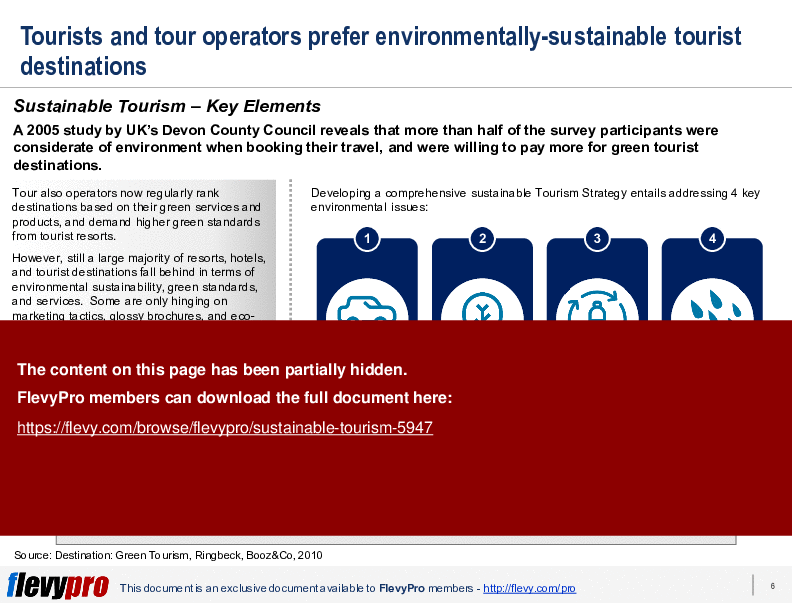
The finite resources of tourist destinations require a holistic, sustainable strategy. Developing a comprehensive sustainable Tourism Strategy entails addressing 4 key environmental issues:

1. Controlling Carbon Emission
2. Biodiversity Preservation
3. Appropriate Waste Disposal
4. Water Conservation

The slide deck also includes some slide templates for you to use in your own business presentations.

This presentation delves into the critical elements necessary for fostering sustainable tourism. It highlights the importance of controlling carbon emissions, preserving biodiversity, managing waste effectively, and conserving water resources. The PPT provides actionable insights and practical examples from global destinations that have successfully implemented these strategies.

Tour operators and destinations are increasingly prioritizing green standards and eco-friendly practices. The slide deck offers templates and frameworks to help you integrate sustainable practices into your business operations. This is an essential resource for executives looking to enhance their environmental stewardship while maintaining profitability and competitiveness in the tourism sector.

Got a question about this document? Email us at flevypro@flevy.com.

MARCUS OVERVIEW

This synopsis was written by Marcus [?] based on the analysis of the full 23-slide presentation.


Executive Summary
The Sustainable Tourism presentation provides a strategic framework for developing eco-friendly tourism practices that address critical environmental issues. It emphasizes the importance of controlling carbon emissions, preserving biodiversity, managing waste appropriately, and conserving water to create sustainable tourism strategies. By implementing these practices, organizations can attract environmentally conscious tourists, enhance their brand reputation, and contribute positively to the ecosystem. This presentation serves as a practical guide for corporate executives and consultants aiming to integrate sustainability into their tourism operations.

Who This Is For and When to Use
•  Corporate executives in the tourism and hospitality sectors
•  Sustainability officers and environmental consultants
•  Marketing and communications teams focused on eco-friendly initiatives
•  Policy makers and regulators in tourism management
•  Tour operators and travel agencies promoting sustainable practices

Best-fit moments to use this deck:
•  During strategic planning sessions for new tourism initiatives
•  When developing sustainability reports or marketing materials
•  In workshops aimed at training staff on sustainable practices
•  For stakeholder presentations on environmental impact strategies

Learning Objectives
•  Define key elements of sustainable tourism and their importance
•  Build a comprehensive strategy to control carbon emissions
•  Establish practices for biodiversity preservation at tourist sites
•  Develop effective waste management strategies for tourism operations
•  Implement water conservation measures in tourism facilities
•  Create templates for ongoing sustainability assessments

Table of Contents
•  Overview (page 3)
•  Sustainable Tourism (page 5)
•  Elements of Sustainable Tourism (page 6)
•  Structures & Systems of Sustainability (page 13)
•  Templates (page 18)

Primary Topics Covered
•  Controlling Carbon Emission - Strategies to reduce carbon footprints from tourism activities, including energy-efficient practices and alternative transportation options.
•  Biodiversity Preservation - Approaches to protect natural habitats and species through regulated tourism practices and conservation efforts.
•  Appropriate Waste Disposal - Effective waste management techniques to minimize pollution and enhance the sustainability of tourist destinations.
•  Water Conservation - Methods to ensure sustainable water use in tourism, including recycling and efficient resource management.
•  Regulations and Governance - The role of laws and policies in promoting sustainable tourism practices.
•  Stakeholder Participation - Engaging various stakeholders in sustainability initiatives to align interests and enhance implementation.

Deliverables, Templates, and Tools
•  Carbon emissions reduction strategy template
•  Biodiversity assessment checklist for tourism sites
•  Waste management plan template for tourist facilities
•  Water conservation action plan template
•  Stakeholder engagement framework for sustainability initiatives
•  Marketing materials highlighting eco-friendly practices

Slide Highlights
•  Overview of the 4 key environmental issues in sustainable tourism
•  Case studies showcasing successful sustainable tourism practices
•  Visuals illustrating the impact of tourism on the environment
•  Templates for developing sustainability strategies and assessments
•  Graphs depicting trends in eco-conscious tourism demand

Potential Workshop Agenda
Sustainable Tourism Strategy Development (90 minutes)
•  Discuss the importance of sustainability in tourism
•  Identify key environmental issues impacting tourism
•  Develop actionable strategies for carbon control and biodiversity preservation

Stakeholder Engagement Session (60 minutes)
•  Identify key stakeholders in sustainable tourism
•  Discuss methods for engaging stakeholders in sustainability initiatives
•  Create a stakeholder engagement plan

Customization Guidance
•  Tailor the carbon emission strategies to specific geographic locations and tourism types
•  Adjust biodiversity preservation practices based on local ecosystems and regulations
•  Modify waste management templates to align with local waste disposal regulations
•  Incorporate specific water conservation measures relevant to the region

Secondary Topics Covered
•  Economic benefits of sustainable tourism
•  The role of technology in enhancing sustainability practices
•  Marketing strategies for promoting eco-friendly tourism
•  Challenges and barriers to implementing sustainable tourism practices

Topic FAQ

What are the core environmental issues a sustainable tourism strategy should address?

Sustainable tourism strategies typically target 4 primary environmental issues: controlling carbon emissions, preserving biodiversity, managing waste appropriately, and conserving water. These 4 areas form the backbone of the framework presented in the Sustainable Tourism deck and are the focus of its templates and checklists, covering 4 key issues.

How can tourism businesses reduce their carbon footprint in operations and transport?

Common measures include adopting energy-efficient practices in facilities, promoting alternative transportation options, and using renewable energy sources where feasible. Such measures are framed in planning documents and reduction templates; Flevy's Sustainable Tourism includes a carbon emissions reduction strategy template to structure these efforts.

What practical water-conservation measures can hotels and resorts implement?

Practical measures include efficient fixtures and usage policies, rainwater harvesting, greywater recycling, guest awareness campaigns, and operational monitoring to reduce waste. These measures can be captured in a facility-specific action plan and are supported by a water conservation action plan template in the slide deck.

What should I look for when choosing a sustainable tourism toolkit for a fast-moving project?

Prioritize toolkits that include operational templates (carbon, biodiversity, waste, water), stakeholder engagement frameworks, case studies, customization guidance, and clear slide-based deliverables you can reuse. Also check file format and length; Flevy's Sustainable Tourism is a PPTX with 23 slides and includes templates and workshop agendas.

How should I think about the cost versus value of buying sustainability templates?

Evaluate value by potential time savings, ease of customization to local regulations, availability of training/workshop agendas, and included marketing assets that reduce internal development time. The Sustainable Tourism deck offers workshop agendas and reusable templates that can shorten preparation time, including a 90-minute strategy development agenda.

I need to present a stakeholder sustainability plan to local authorities — what structure works best?

A concise structure begins with current-state assessment, environmental priorities, proposed interventions (carbon, biodiversity, waste, water), roles and governance, and a stakeholder engagement plan. Use a stakeholder engagement framework to map interests and communications; Flevy's Sustainable Tourism provides a stakeholder engagement framework and a 60-minute session agenda to support this.

How can tour operators assess biodiversity risk at a site before developing activities?

Conduct a site-specific biodiversity assessment that documents habitats, species presence, sensitivity to disturbance, and recommended mitigation measures. Use regulatory alignment and conservation principles to prioritize actions; a biodiversity assessment checklist helps structure surveys and mitigation planning.

What governance or policy levers commonly support sustainable tourism implementation?

Governance tools include laws and regulations that set environmental standards, incentives or disincentives such as green taxes, permitting requirements, and certification schemes that require compliance. These levers reinforce operator practices and can be integrated into strategy and stakeholder engagement work, including green tax mechanisms.

Document FAQ
These are questions addressed within this presentation.

What are the key elements of sustainable tourism?
The key elements include controlling carbon emissions, preserving biodiversity, managing waste appropriately, and conserving water.

How can tourism organizations reduce their carbon footprint?
Organizations can implement energy-efficient practices, promote alternative transportation, and utilize renewable energy sources.

Why is biodiversity preservation important in tourism?
Preserving biodiversity ensures the protection of natural habitats and species, which enhances the attractiveness of tourist destinations.

What strategies can be used for effective waste management?
Strategies include recycling, composting, and investing in waste treatment technologies to minimize pollution.

How can tourism operators engage stakeholders in sustainability initiatives?
Operators can involve stakeholders through collaborative planning, regular communication, and by providing incentives for sustainable practices.

What are some examples of successful sustainable tourism practices?
Examples include eco-friendly resorts, community-based tourism initiatives, and destinations that promote responsible travel behaviors.

How can water conservation be implemented in tourism facilities?
Water conservation can be achieved through efficient usage practices, rainwater harvesting, and promoting guest awareness about water-saving measures.

What role do regulations play in sustainable tourism?
Regulations help enforce sustainable practices, protect natural resources, and ensure compliance with environmental standards.

Glossary
•  Sustainable Tourism - Tourism that respects and enhances the environment and local cultures while providing economic benefits.
•  Carbon Emission - The release of carbon dioxide into the atmosphere, primarily from transportation and energy use.
•  Biodiversity - The variety of plant and animal life in a particular habitat, crucial for ecosystem health.
•  Waste Management - The collection, transport, processing, and disposal of waste materials.
•  Water Conservation - The practice of using water efficiently to reduce unnecessary water usage.
•  Stakeholder - Any individual or group that has an interest in the outcome of a project or initiative.
•  Eco-friendly - Practices that do not harm the environment and promote sustainability.
•  Renewable Energy - Energy from sources that are naturally replenished, such as solar or wind power.
•  Composting - The process of recycling organic waste into a valuable fertilizer for plants.
•  Green Tax - A tax imposed on activities that are harmful to the environment to encourage sustainable practices.
•  Environmental Impact - The effect that an activity or project has on the surrounding environment.
•  Sustainability Assessment - An evaluation of the environmental, social, and economic impacts of a project or practice.
•  Community-based Tourism - Tourism that is designed to benefit local communities and promote cultural exchange.
•  Eco-tourism - Responsible travel to natural areas that conserves the environment and improves the well-being of local people.
•  Green Certification - A recognition given to businesses that meet certain environmental standards.
•  Resource Management - The efficient and sustainable use of resources to meet current and future needs.
•  Environmental Protection - Measures taken to safeguard the environment from harmful activities.
•  Climate Change - Long-term changes in temperature and weather patterns, primarily due to human activities.
•  Sustainable Development - Development that meets the needs of the present without compromising the ability of future generations to meet their own needs.
•  Tourism Infrastructure - The facilities and services that support tourism, including transportation, accommodation, and attractions.

ESG PPT SLIDES

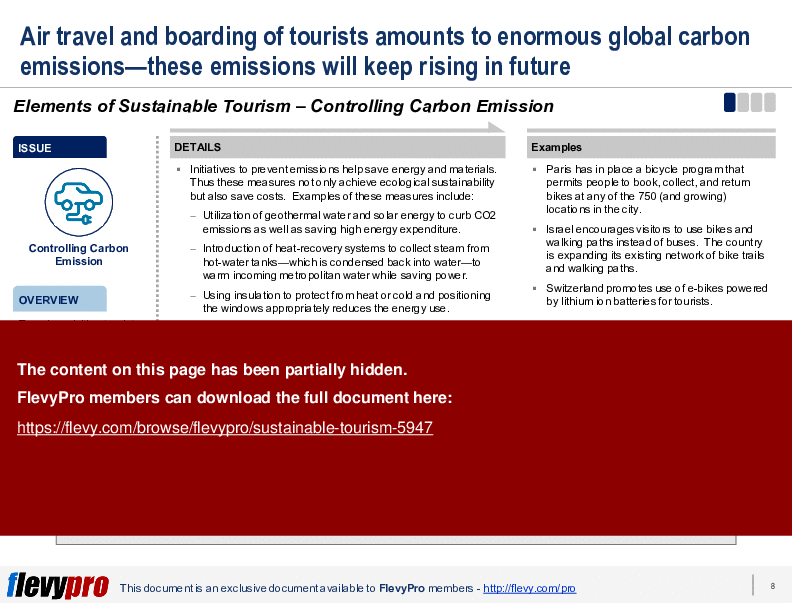
Strategies for Reducing Carbon Emissions in Tourism

Key Elements of Sustainable Tourism Strategy

Framework for Effective Environmental Sustainability Strategies

Preserving Biodiversity in Sustainable Tourism Practices

Funding and Capacity Building for Sustainable Tourism

Source: Best Practices in Sustainability, Tourism PowerPoint Slides: Sustainable Tourism PowerPoint (PPTX) Presentation Slide Deck, LearnPPT Consulting


$29.00
FlevyPro price: FREE (included in subscription)
This framework is developed by a team of former McKinsey and Big 4 consultants. The presentation follows the headline-body-bumper slide format used by global consulting firms.
Add to Cart
  

Did you need more documents?

Consider a FlevyPro subscription from $39/month. View plans here.

For $10.00 more, you can download this document plus 2 more FlevyPro documents. That's just $13 each.

ABOUT FLEVYPRO

This document is part of the FlevyPro Library, a curated knowledge base of documents for our FlevyPro subscribers.

FlevyPro is a subscription service for on-demand business frameworks and analysis tools. FlevyPro subscribers receive access to an exclusive library of curated business documents—business framework primers, presentation templates, Lean Six Sigma tools, and more—among other exclusive benefits.

Click here to learn more about FlevyPro and its benefits.

Did you know?
The average daily rate of a McKinsey consultant is $6,625 (not including expenses). The average price of a Flevy document is $65.


Trusted by over 10,000+ Client Organizations
Since 2012, we have provided business templates to over 10,000 businesses and organizations of all sizes, from startups and small businesses to the Fortune 100, in over 130 countries.
AT&T GE Cisco Intel IBM Coke Dell Toyota HP Nike Samsung Microsoft Astrazeneca JP Morgan KPMG Walgreens Walmart 3M Kaiser Oracle SAP Google E&Y Volvo Bosch Merck Fedex Shell Amgen Eli Lilly Roche AIG Abbott Amazon PwC T-Mobile Broadcom Bayer Pearson Titleist ConEd Pfizer NTT Data Schwab


Read Customer Testimonials

 
"I have used Flevy services for a number of years and have never, ever been disappointed. As a matter of fact, David and his team continue, time after time, to impress me with their willingness to assist and in the real sense of the word. I have concluded in fact "

– Roberto Pelliccia, Senior Executive in International Hospitality
 
"FlevyPro has been a brilliant resource for me, as an independent growth consultant, to access a vast knowledge bank of presentations to support my work with clients. In terms of RoI, the value I received from the very first presentation I downloaded paid for my subscription many times over! The "

– Roderick Cameron, Founding Partner at SGFE Ltd
 
"Last Sunday morning, I was diligently working on an important presentation for a client and found myself in need of additional content and suitable templates for various types of graphics. Flevy.com proved to be a treasure trove for both content and design at a reasonable price, considering the time I "

– M. E., Chief Commercial Officer, International Logistics Service Provider
 
"Flevy is our 'go to' resource for management material, at an affordable cost. The Flevy library is comprehensive and the content deep, and typically provides a great foundation for us to further develop and tailor our own service offer."

– Chris McCann, Founder at Resilient.World
 
"As an Independent Management Consultant, I find Flevy to add great value as a source of best practices, templates and information on new trends. Flevy has matured and the quality and quantity of the library is excellent. Lastly the price charged is reasonable, creating a win-win value for "

– Jim Schoen, Principal at FRC Group
 
"I am extremely grateful for the proactiveness and eagerness to help and I would gladly recommend the Flevy team if you are looking for data and toolkits to help you work through business solutions."

– Trevor Booth, Partner, Fast Forward Consulting
 
"FlevyPro provides business frameworks from many of the global giants in management consulting that allow you to provide best in class solutions for your clients."

– David Harris, Managing Director at Futures Strategy
 
"The wide selection of frameworks is very useful to me as an independent consultant. In fact, it rivals what I had at my disposal at Big 4 Consulting firms in terms of efficacy and organization."

– Julia T., Consulting Firm Owner (Former Manager at Deloitte and Capgemini)


Customers Also Like These Documents

Explore Templates on Related Management Topics


Your Recently Viewed Documents
Download our FREE Organization, Change, & Culture, Templates

Download our free compilation of 50+ slides and templates on Organizational Design, Change Management, and Corporate Culture. Methodologies include ADKAR, Burke-Litwin Change Model, McKinsey 7-S, Competing Values Framework, etc.