
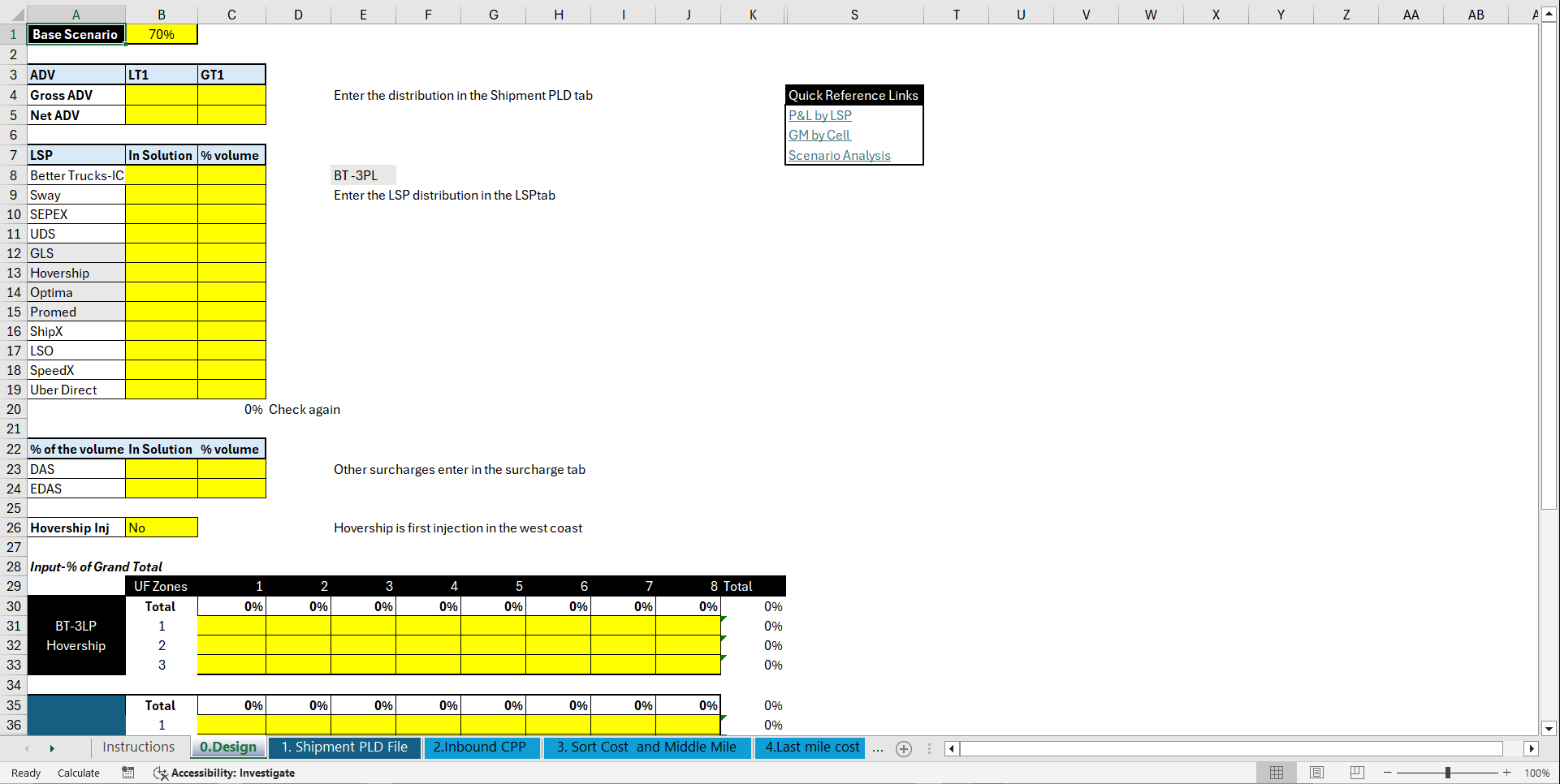
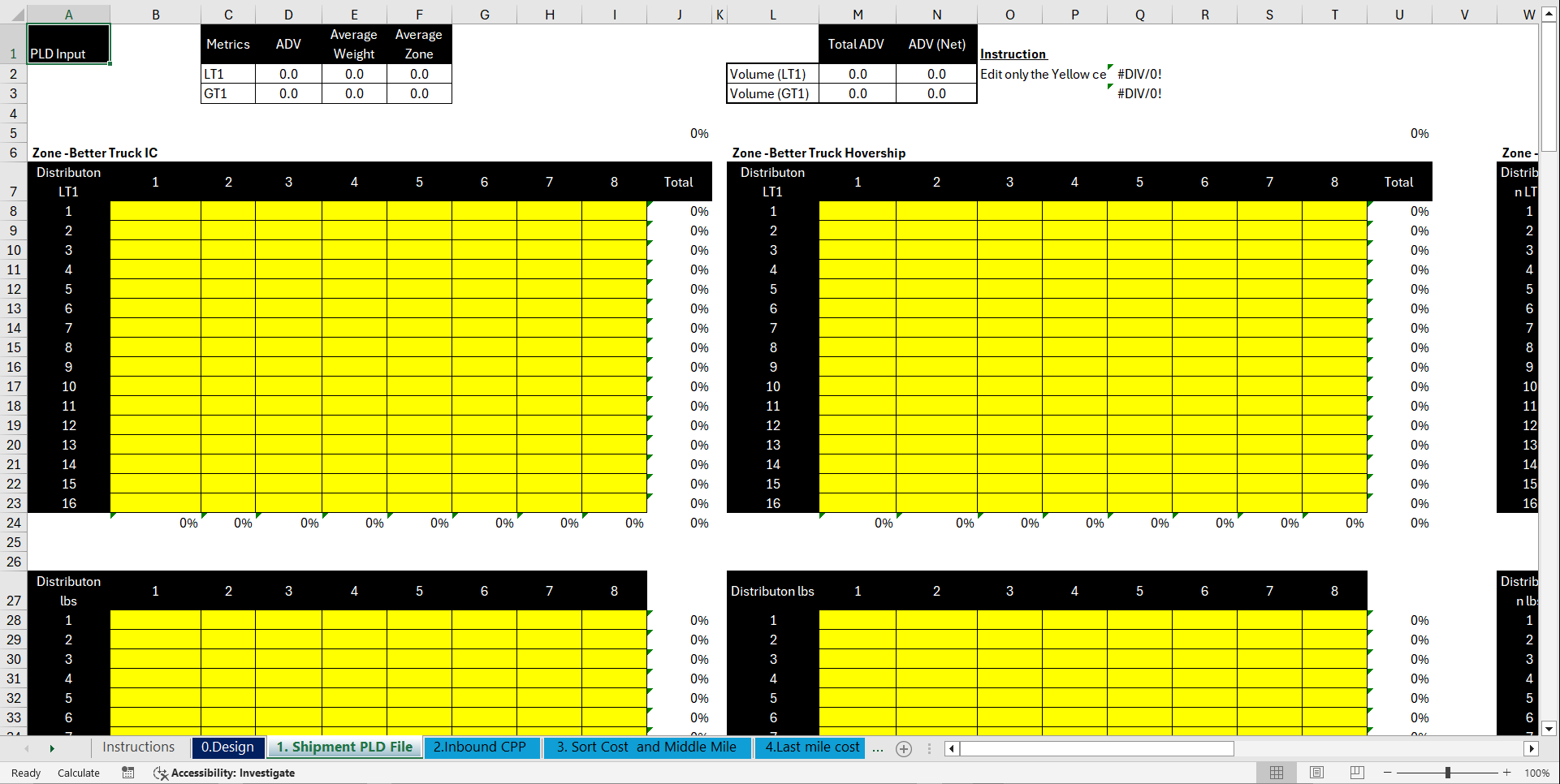
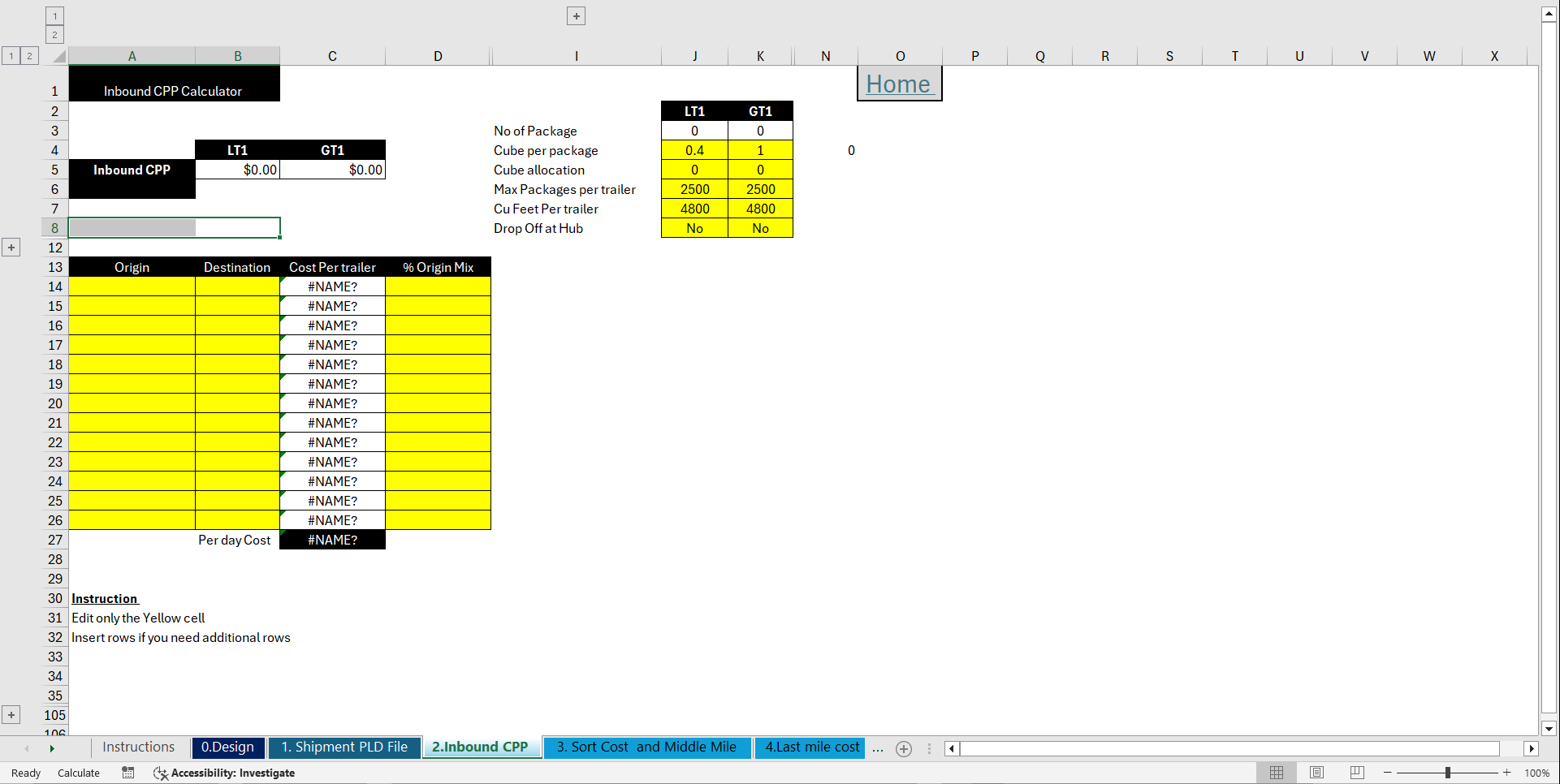
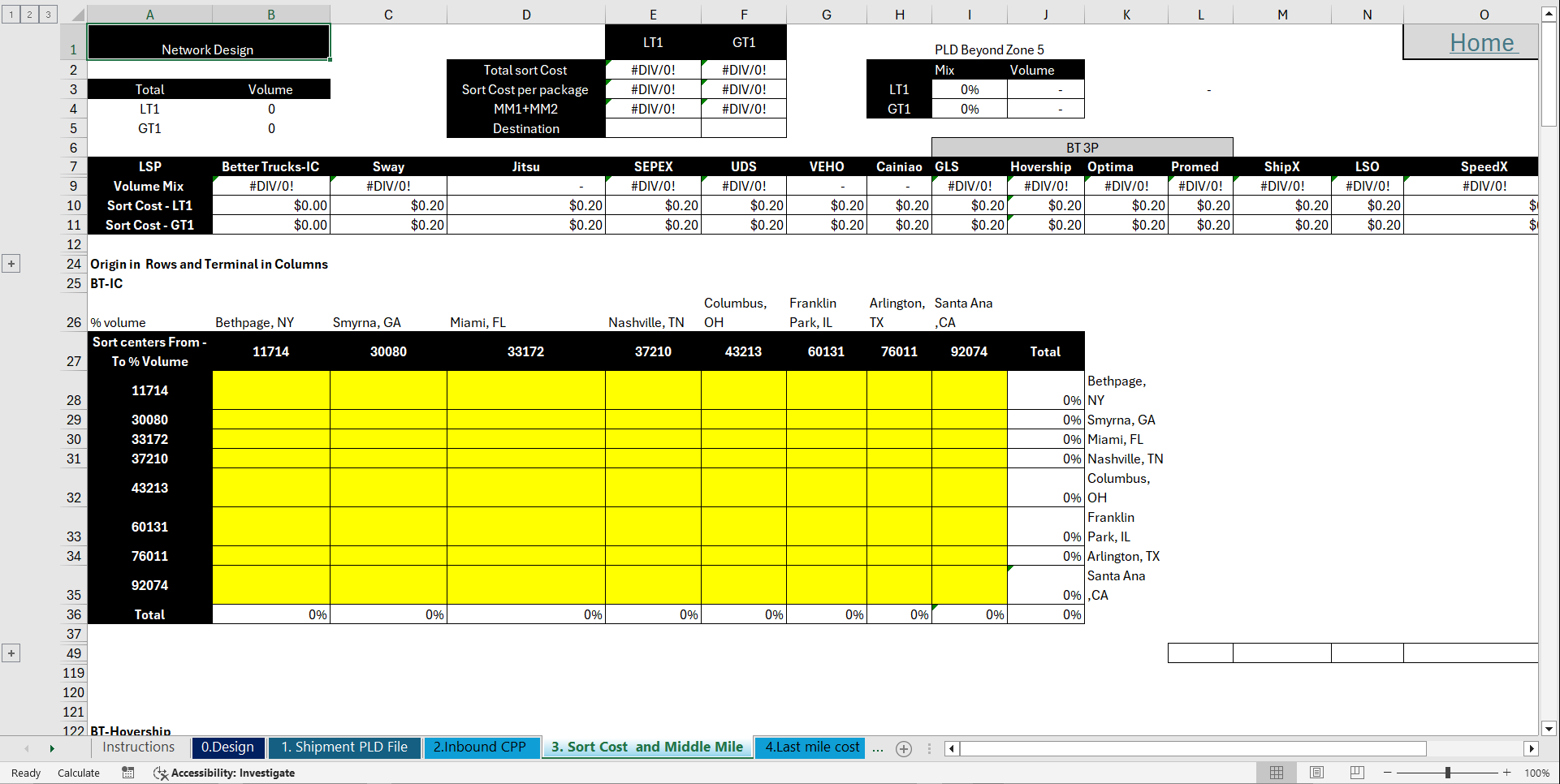

 Click main image to view in full screen. Unlock all 16 preview images:


LOGISTICS EXCEL DESCRIPTION
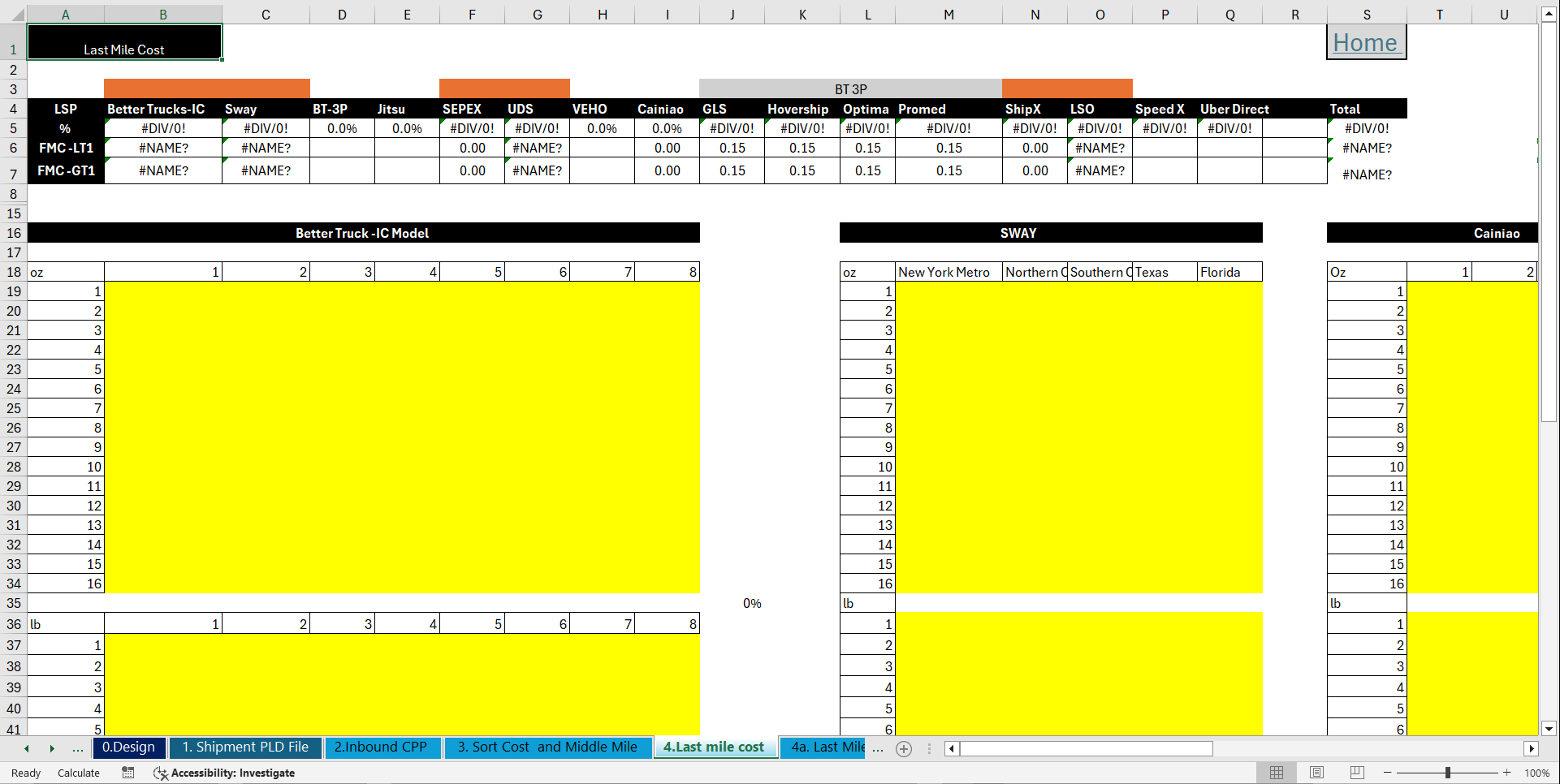
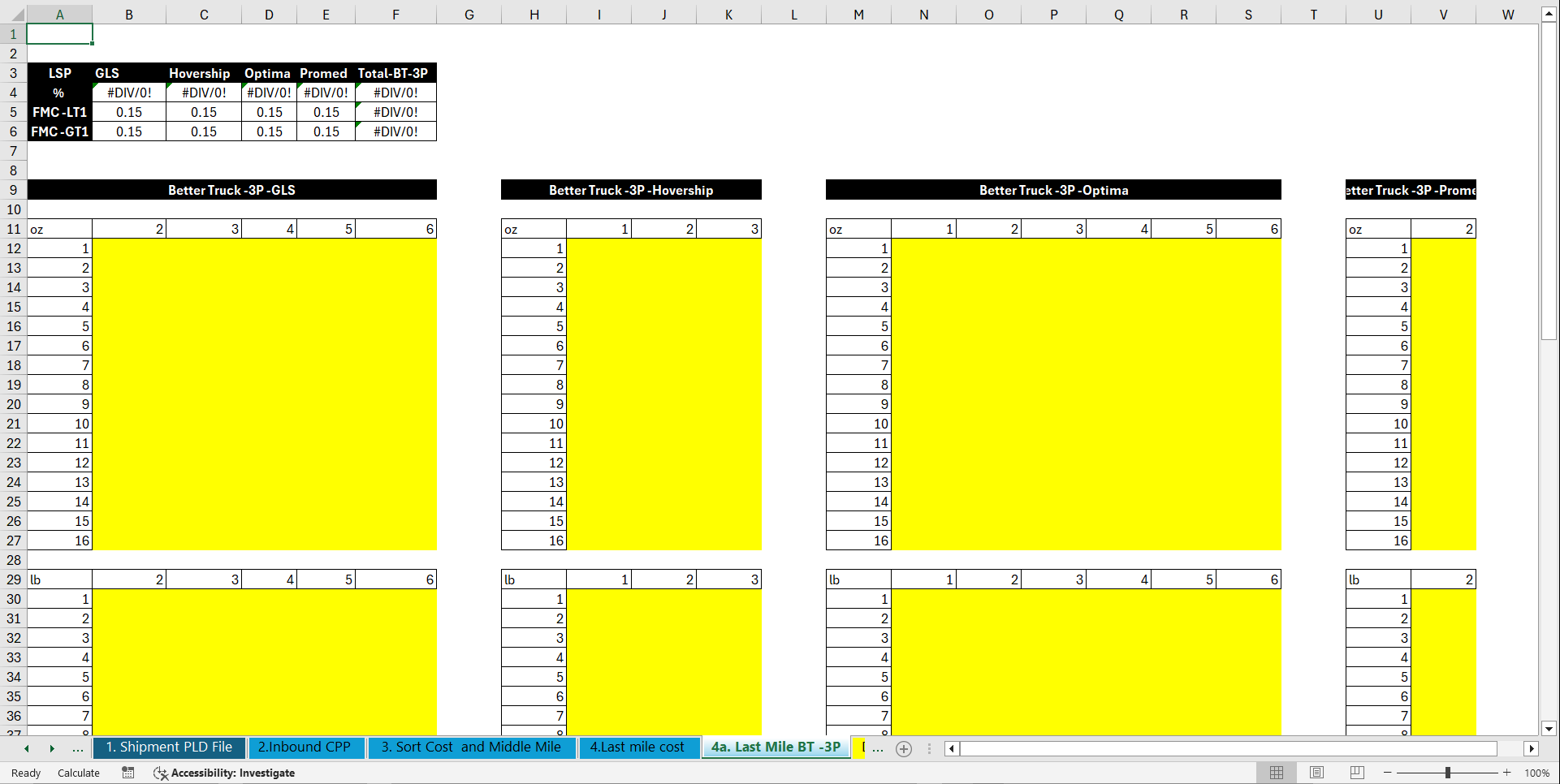
Executive Summary: Last-Mile Carrier Pricing & Financial Analysis
This analysis evaluates the strategic pricing framework and financial performance of a last-mile carrier, highlighting the critical balance between operational efficiency and revenue growth. As the final leg of the supply chain accounts for nearly 53% of total shipping costs, the carrier's financial health is inextricably linked to its ability to optimize delivery density and manage variable overhead.
Key Strategic Pillars
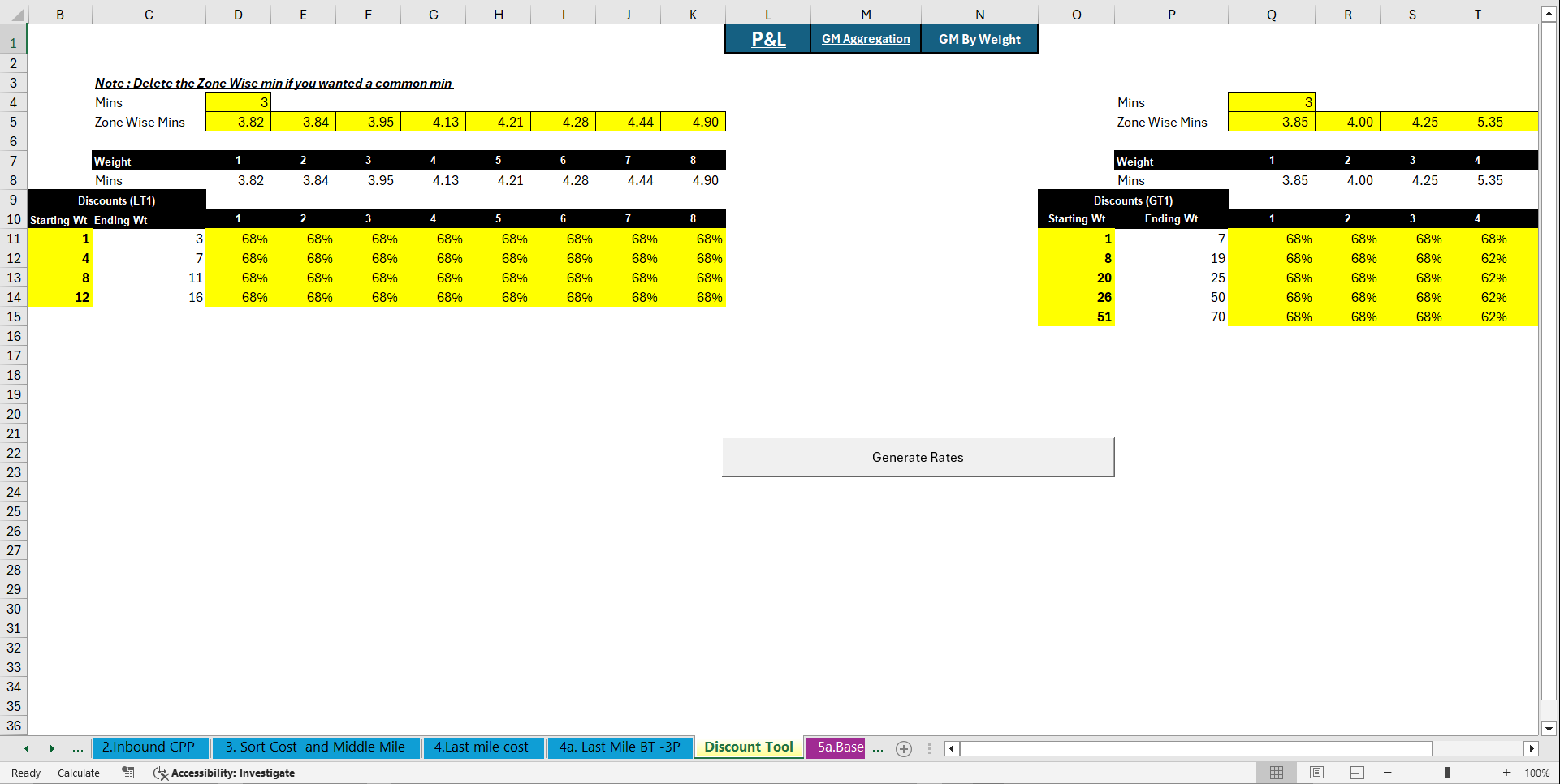
Adaptive Pricing Models: The carrier employs a mix of dynamic pricing (responsive to peak demand) and density-based discounting. By incentivizing high-volume drops in consolidated geographic zones, the carrier protects margins while remaining competitive for e-commerce partners.
Cost Management: Analysis identifies labor (60%) and fuel/maintenance (25%) as the primary cost drivers. The strategy emphasizes mitigating these through route optimization technology and transition fleets to reduce the total cost of ownership (TCO).
Revenue Optimization: Beyond standard delivery, the carrier has expanded into high-margin value-added services, such as "white-glove" installation and scheduled returns, which command a 15–20% premium over standard parcel rates.
Got a question about the product? Email us at support@flevy.com or ask the author directly by using the "Ask the Author a Question" form. If you cannot view the preview above this document description, go here to view the large preview instead.
Source: Best Practices in Logistics Excel: Last Mile Pricing Excel (XLSM) Spreadsheet, investmentbanker




























