
 Click main image to view in full screen. Unlock all 11 preview images:
Ethical AI Development Framework – PDF
PDF document 27 Pages


BENEFITS OF THIS DOWNLOADABLE PDF DOCUMENT
- Provides a structured framework for embedding ethical AI principles across the AI system lifecycle.
- Helps teams operationalize fairness, accountability, transparency, privacy, safety, inclusivity, and sustainability.
- Supports workshops, internal reviews, responsible AI training, and governance maturity development.
ARTIFICIAL INTELLIGENCE PDF DESCRIPTION
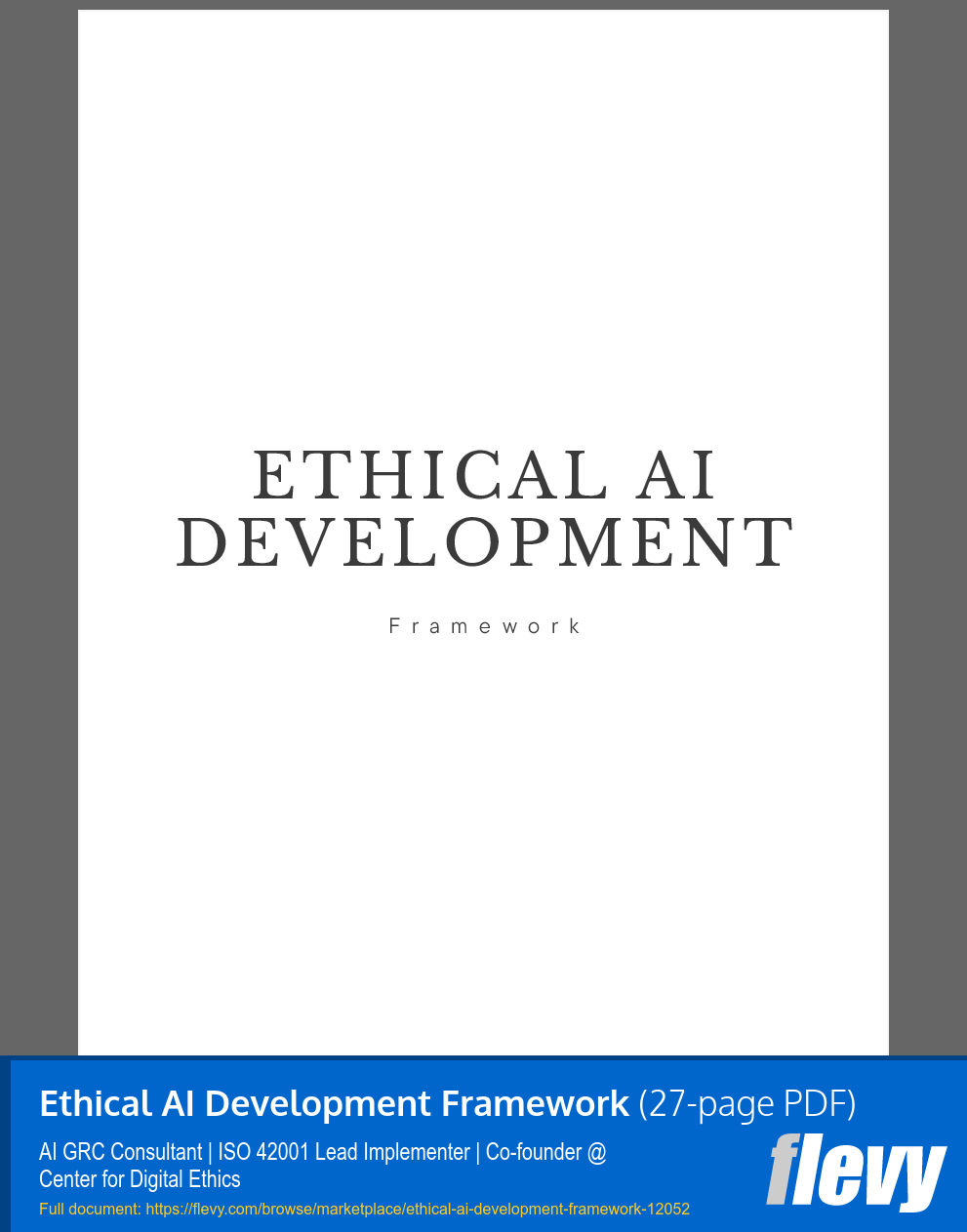
Ethical AI Development Framework is a practical and structured guide for organizations that want to embed ethical principles into the design, development, deployment, and monitoring of AI systems. It is designed for AI product teams, governance professionals, compliance teams, consultants, executives, public sector organizations, and any organization seeking to move from high-level responsible AI commitments to concrete development and oversight practices.
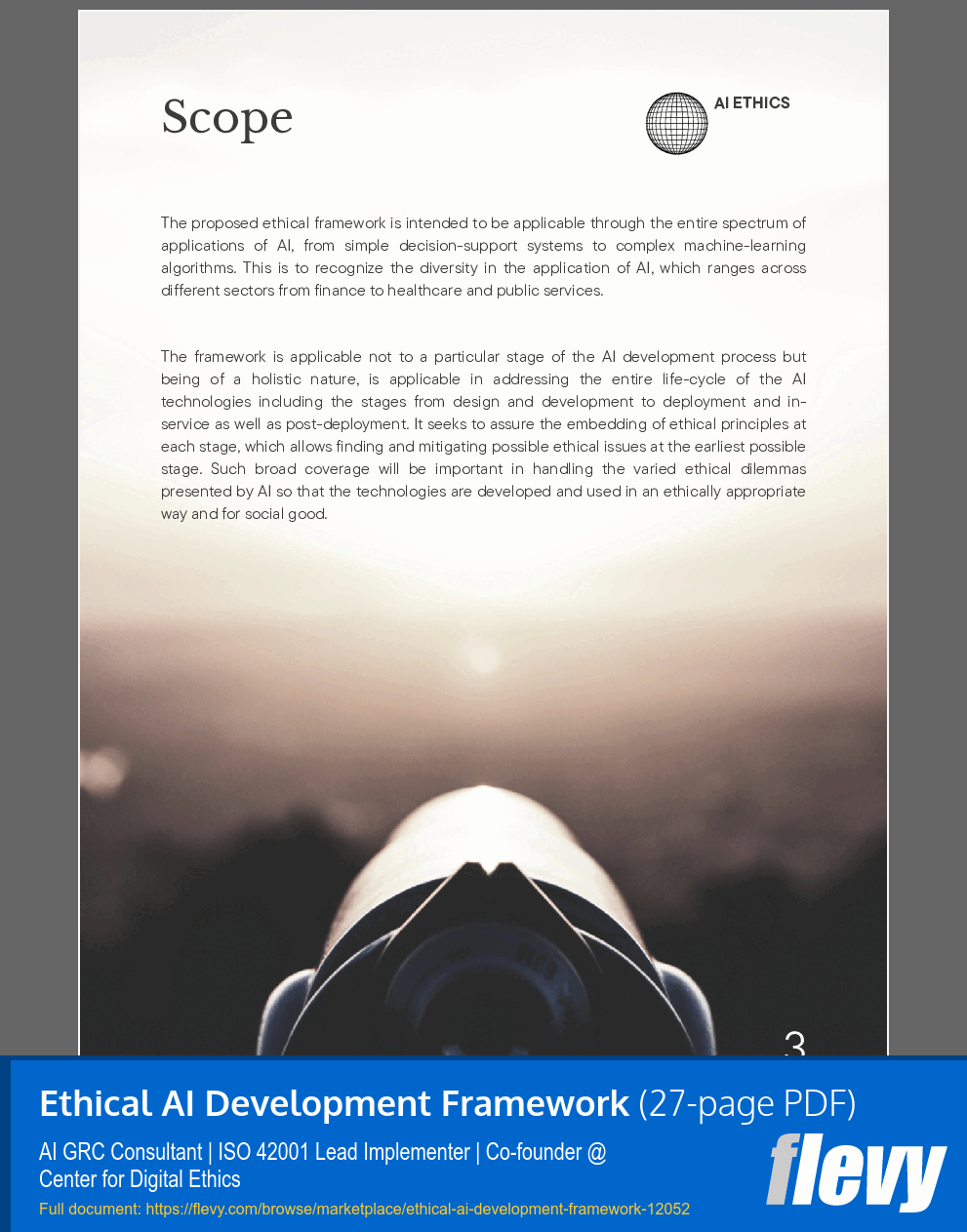
The framework explains why ethical AI is relevant across the entire AI lifecycle, from early design and data work to validation, deployment, operation, monitoring, review, and revision. It recognizes that AI systems may create significant benefits, but may also raise risks related to privacy, bias, discrimination, accountability, transparency, safety, security, accessibility, and broader social impact. The document is therefore built around the practical question of how organizations can identify these risks early and manage them systematically.
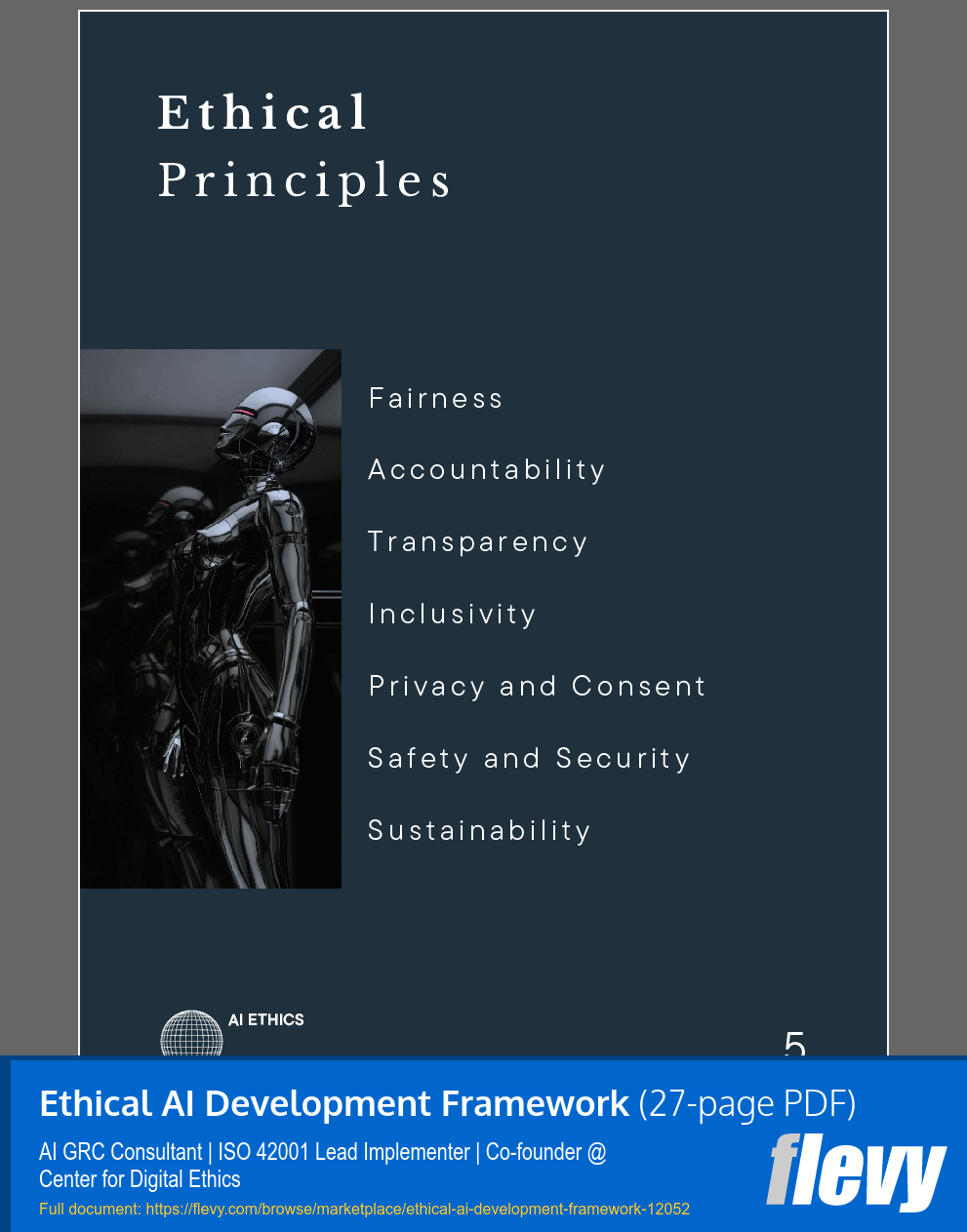
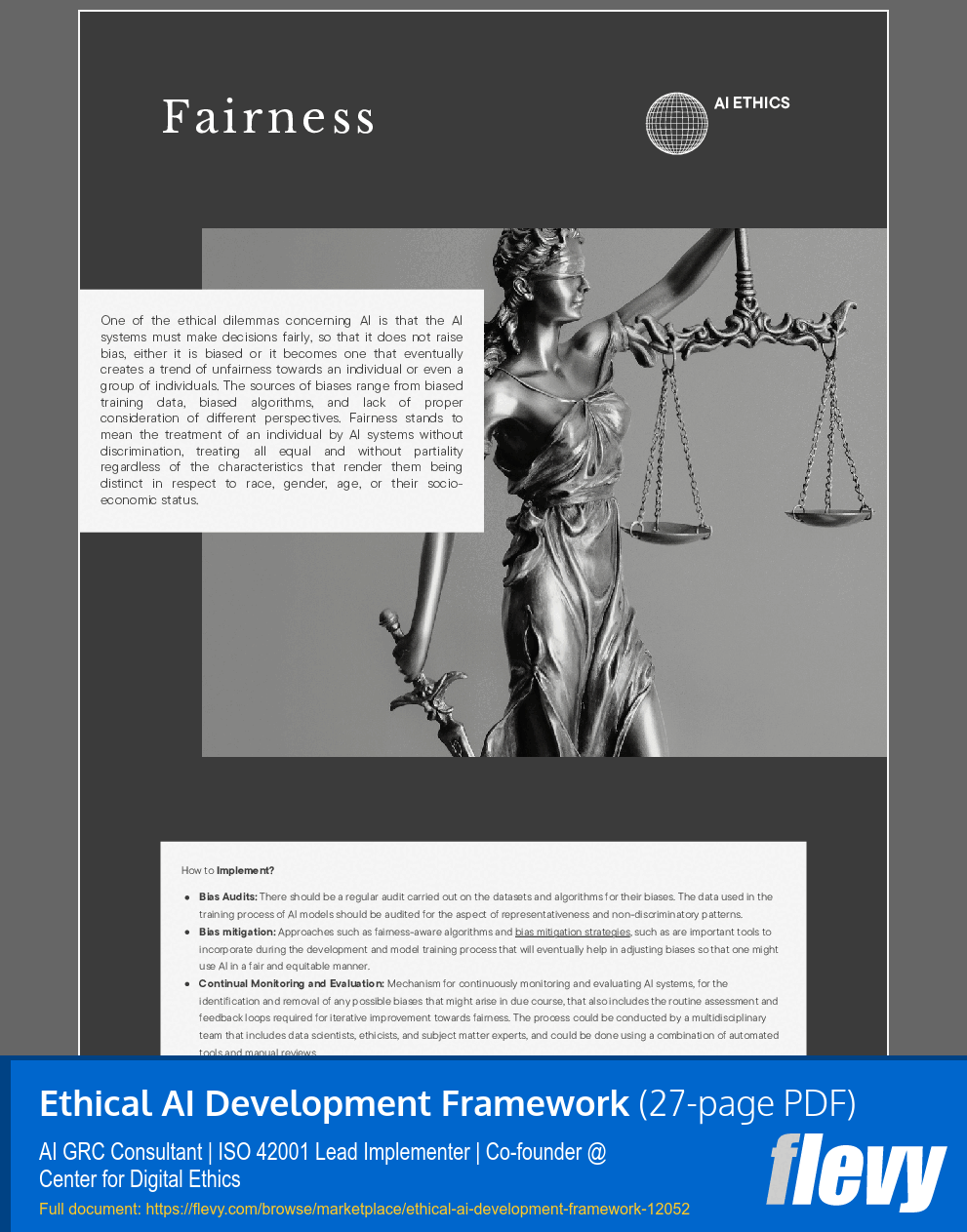
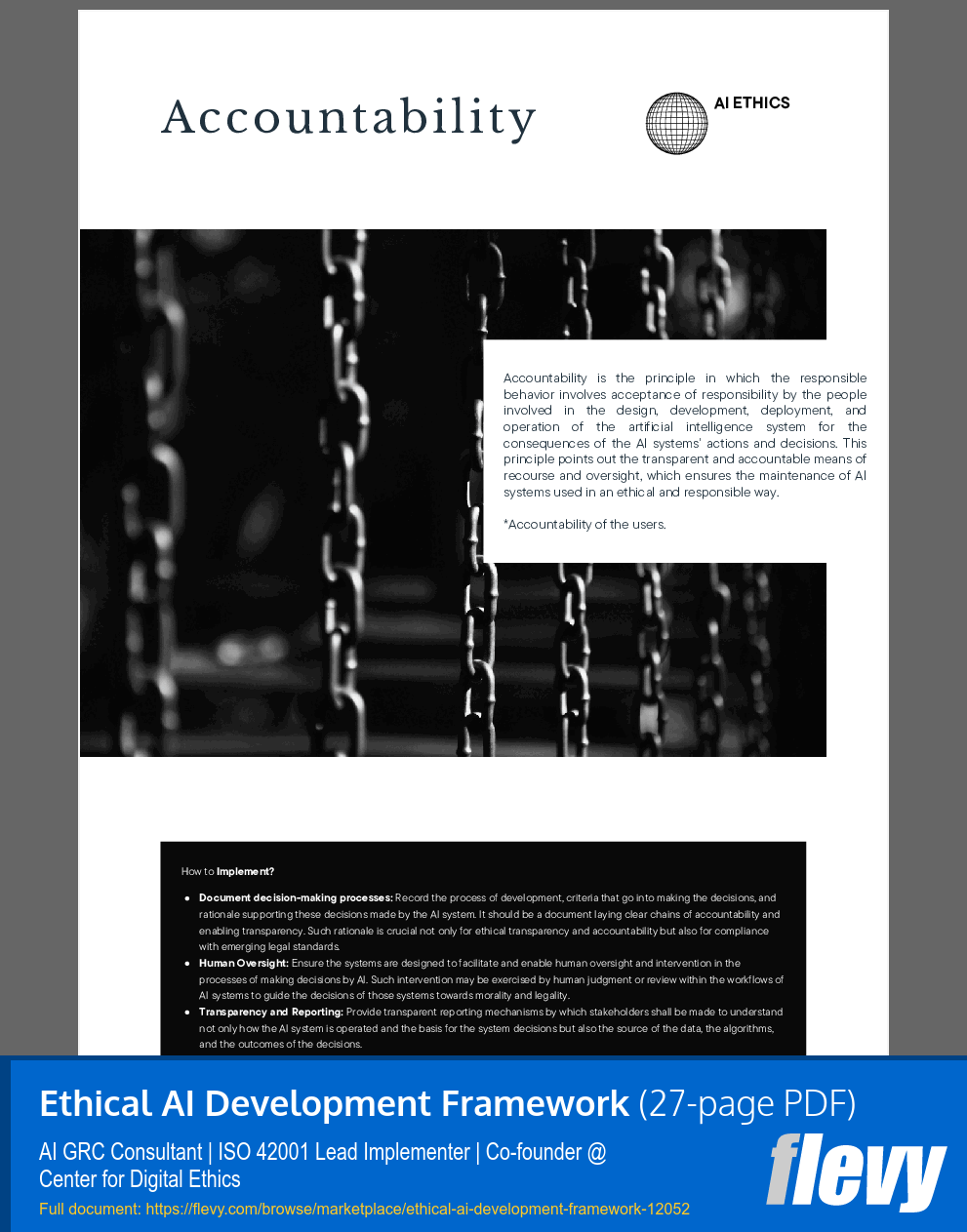
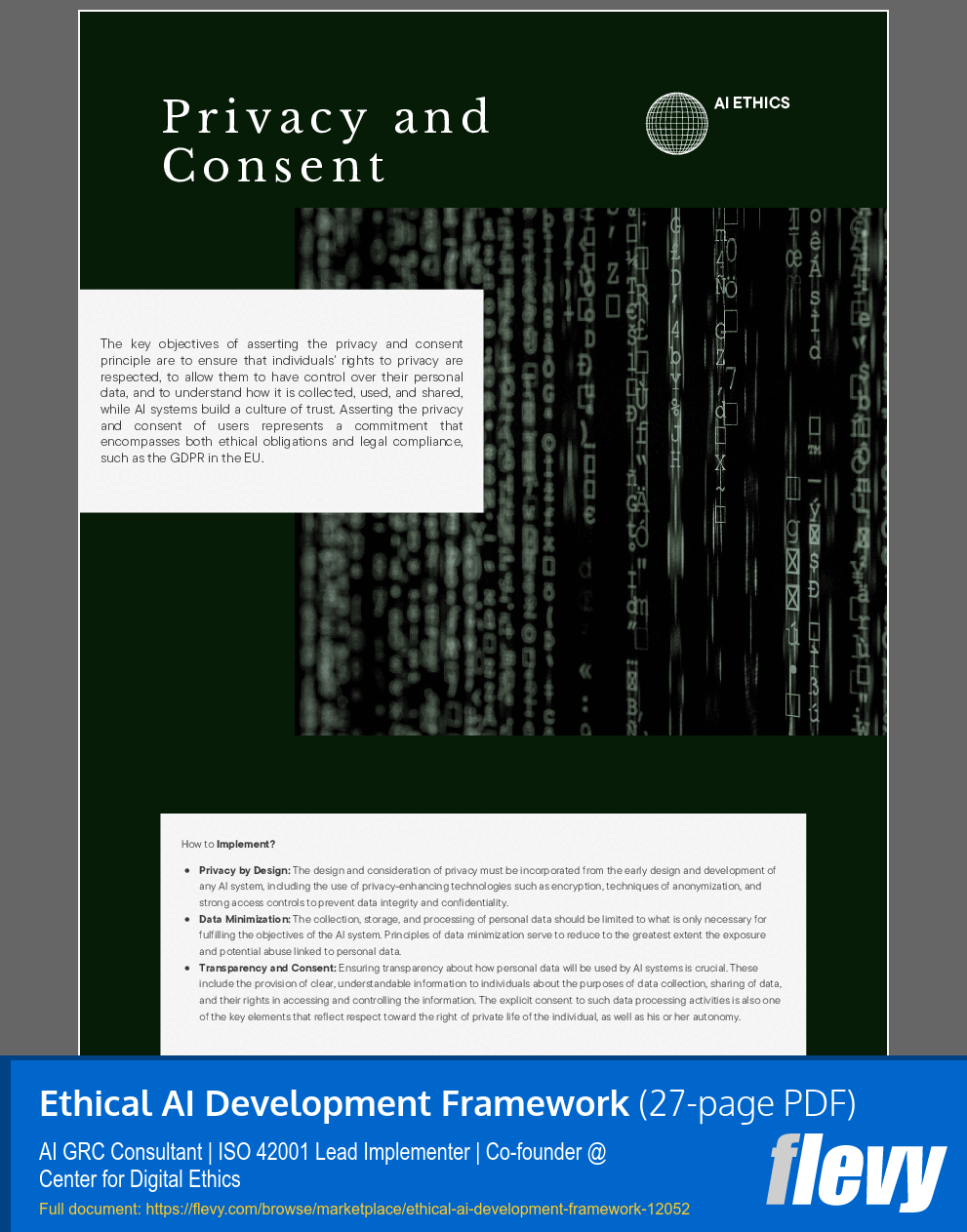
The document covers key ethical principles, including fairness, accountability, transparency, inclusivity, privacy and consent, safety and security, and sustainability. Each principle is explained in practical terms and accompanied by implementation guidance, such as bias audits, mitigation measures, documentation of decision-making, human oversight, explainability techniques, stakeholder engagement, accessibility testing, privacy by design, data minimization, risk assessment, security controls, safety testing, and environmental impact review.
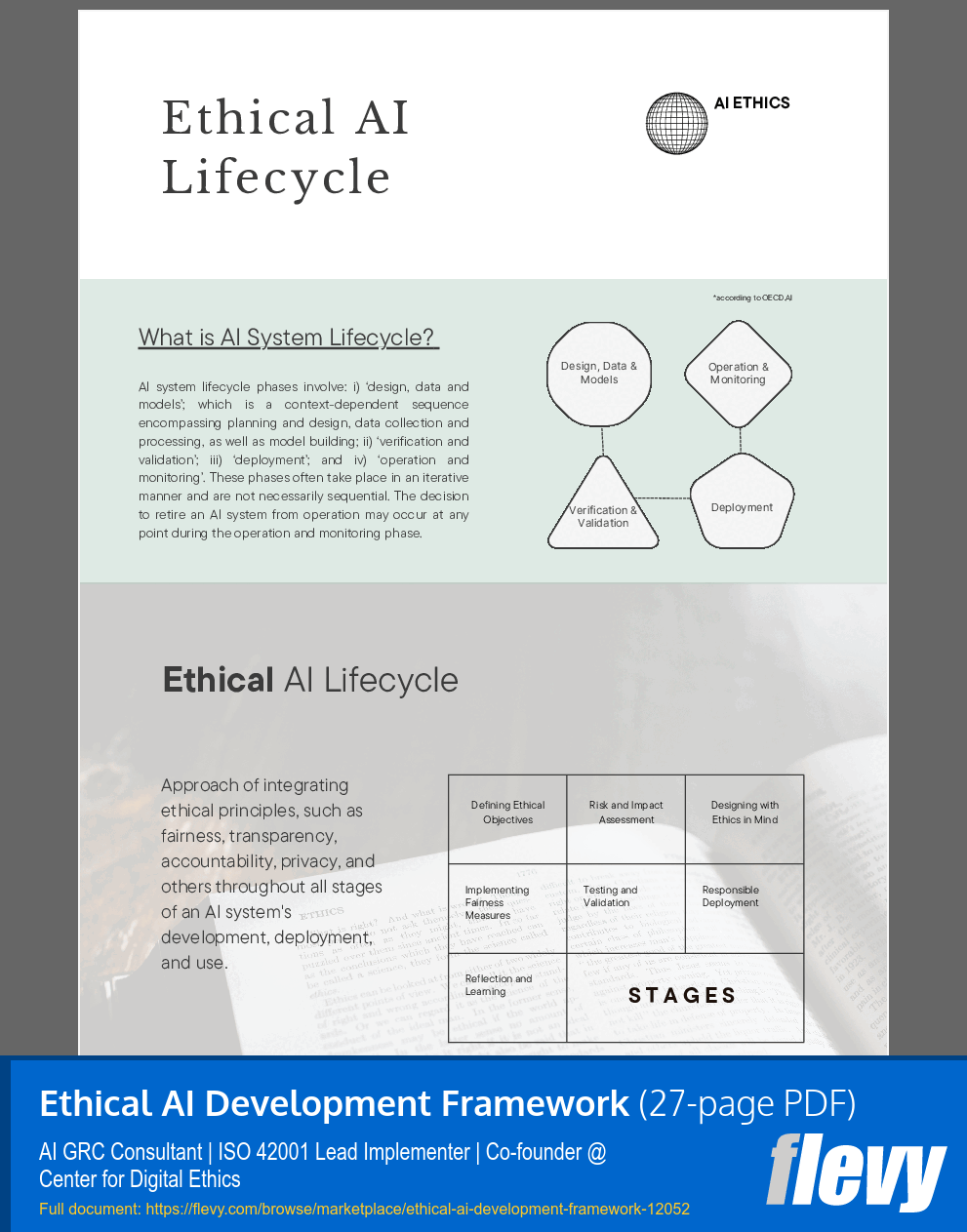
A central value of the framework is its lifecycle structure. It connects ethical principles to concrete development stages, including defining ethical objectives, risk and impact assessment, designing with ethics in mind, implementing fairness measures, testing and validation, responsible deployment, reflection, and learning. It also includes checklist-style prompts that can support workshops, internal reviews, governance discussions, AI project planning, and responsible AI maturity building.
The framework also addresses stakeholder engagement, compliance and standards, training and education, and periodic review. This makes it useful not only as a conceptual ethics guide, but as a working resource for organizations that need to operationalize responsible AI across teams, roles, and decision points.
This document is intended for internal business, advisory, and educational use by the purchasing organization. It may be adapted for internal use, but it should not be resold, redistributed, sublicensed, or published as a standalone product or template package.
Got a question about the product? Email us at support@flevy.com or ask the author directly by using the "Ask the Author a Question" form. If you cannot view the preview above this document description, go here to view the large preview instead.
Source: Best Practices in Artificial Intelligence, Business Ethics PDF: Ethical AI Development Framework PDF (PDF) Document, Zavisic Consulting
ABOUT THE AUTHOR

ISO 42001 Lead Implementer certified consultant in AI governance, risk, and compliance, with expertise in the EU AI Act, GDPR, ISO/IEC 42001, and applied AI ethics. Focused on translating regulatory requirements into operational governance structures, compliance workflows, documentation, and product architecture for AI systems. Background spans law, software development, and AI evaluation, ... [read more]
Ask the Author a Question
You must be logged in to contact the author.




























