
 Click main image to view in full screen. Unlock all 19 preview images:
Cost of Capital in Managerial Finance – PowerPoint PPTX Template
PowerPoint (PPTX) 53 Slides


BENEFITS OF THIS DOWNLOADABLE POWERPOINT DOCUMENT
- Provide a Framework Cost of Capital for Increasing Company Value by Managing Value Drivers
- Provide of Business Valuation : Accounting Model & Free Cash Flow Model
- Provide of Calculating the Weighted Average Cost of Capital (WACC)
WORKING CAPITAL MANAGEMENT PPT TEMPLATE DESCRIPTION
Cost of Capital in Managerial Finance
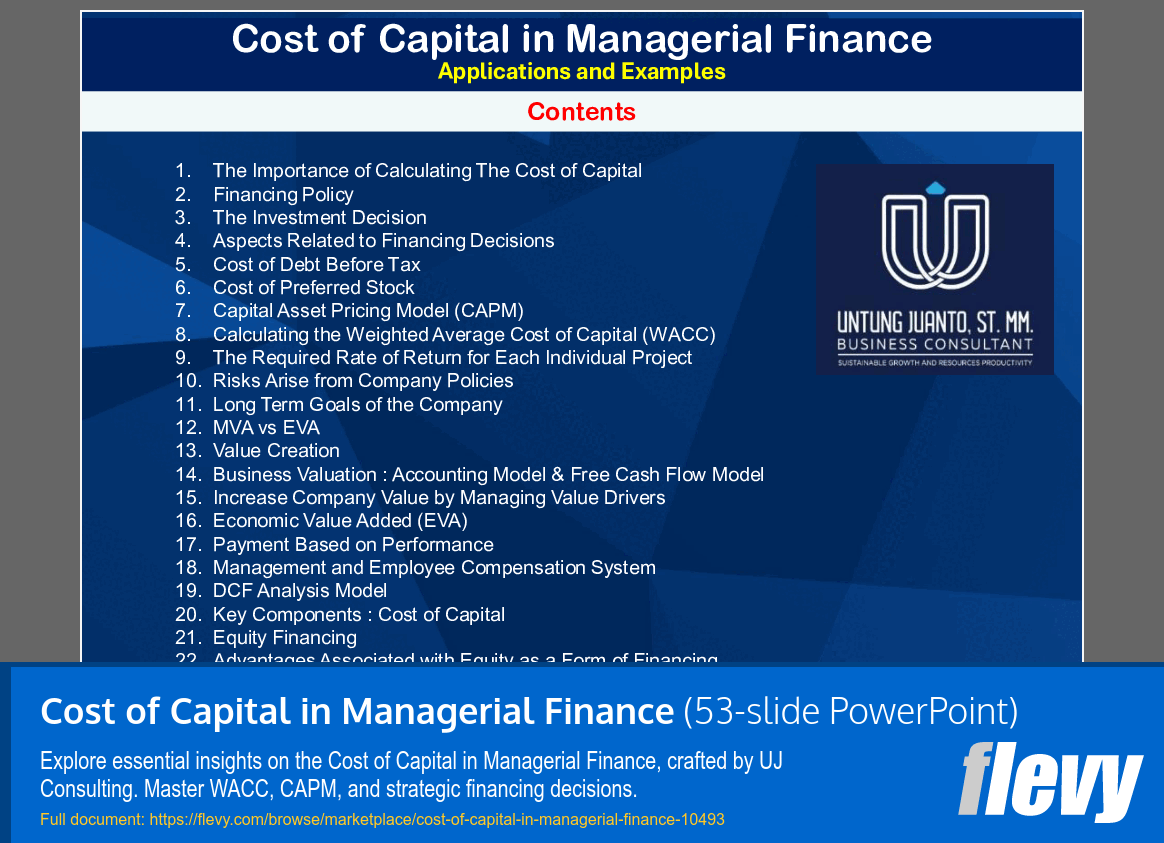
Contents
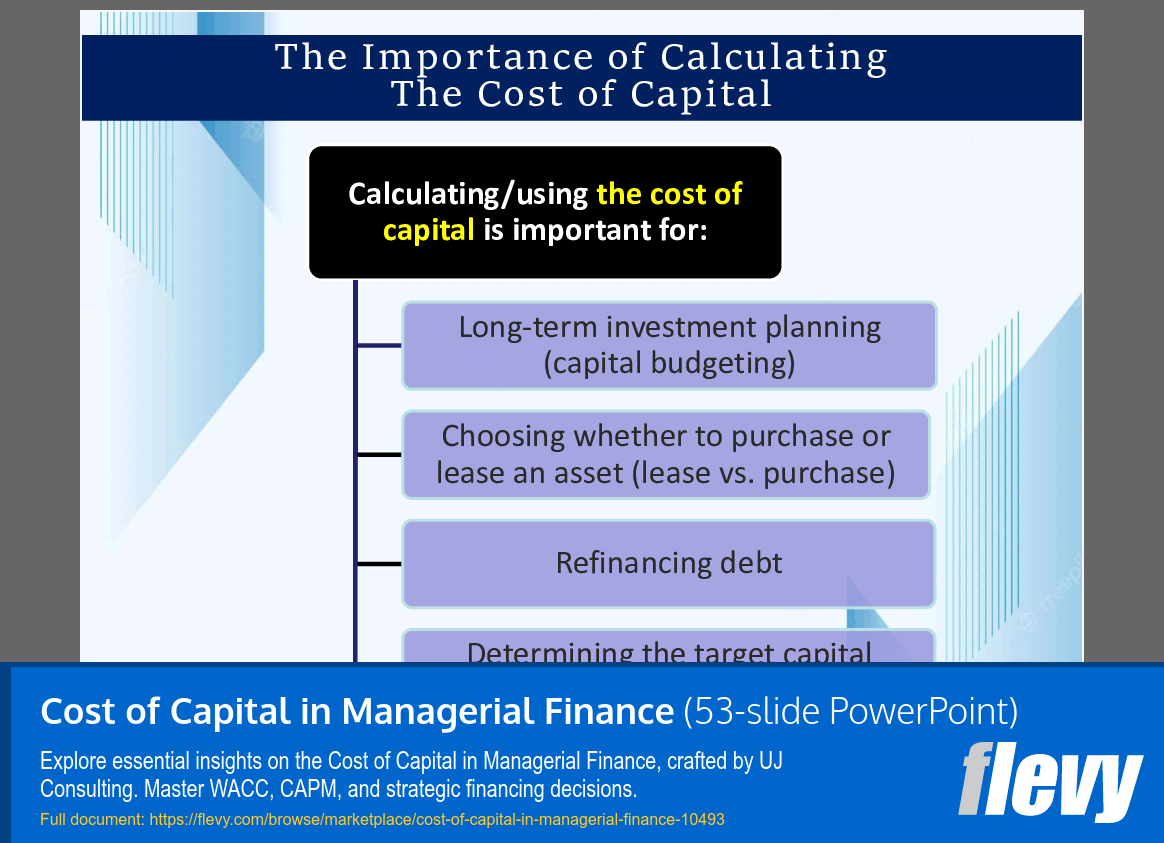
1. The Importance of Calculating The Cost of Capital
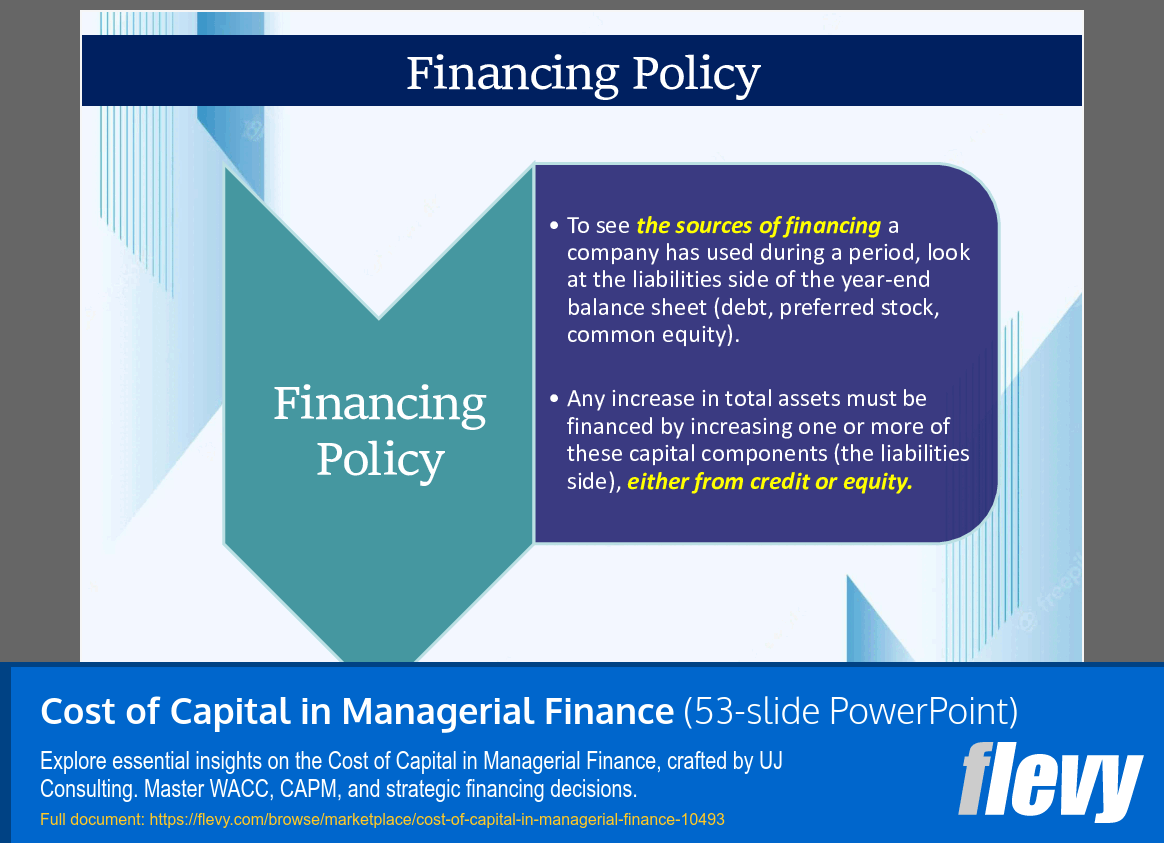
2. Financing Policy
3. The Investment Decision
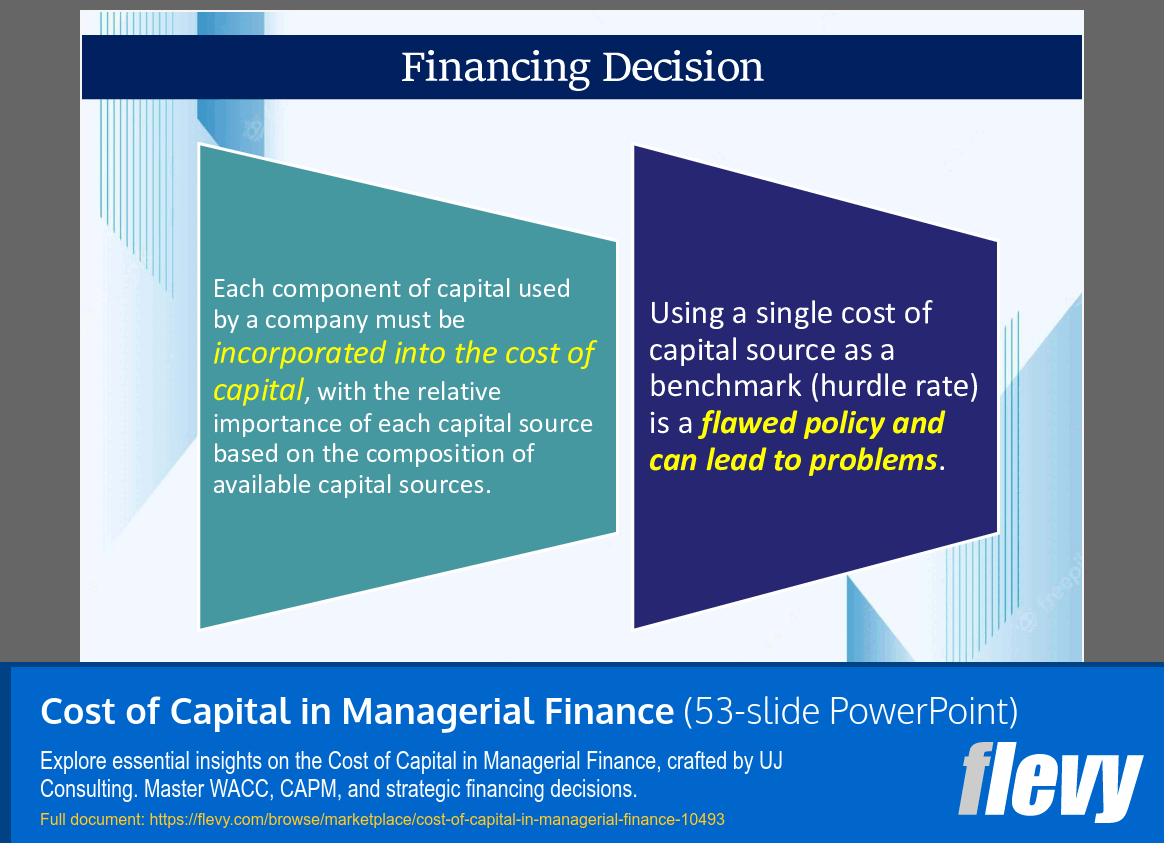
4. Aspects Related to Financing Decisions
5. Cost of Debt Before Tax
6. Cost of Preferred Stock
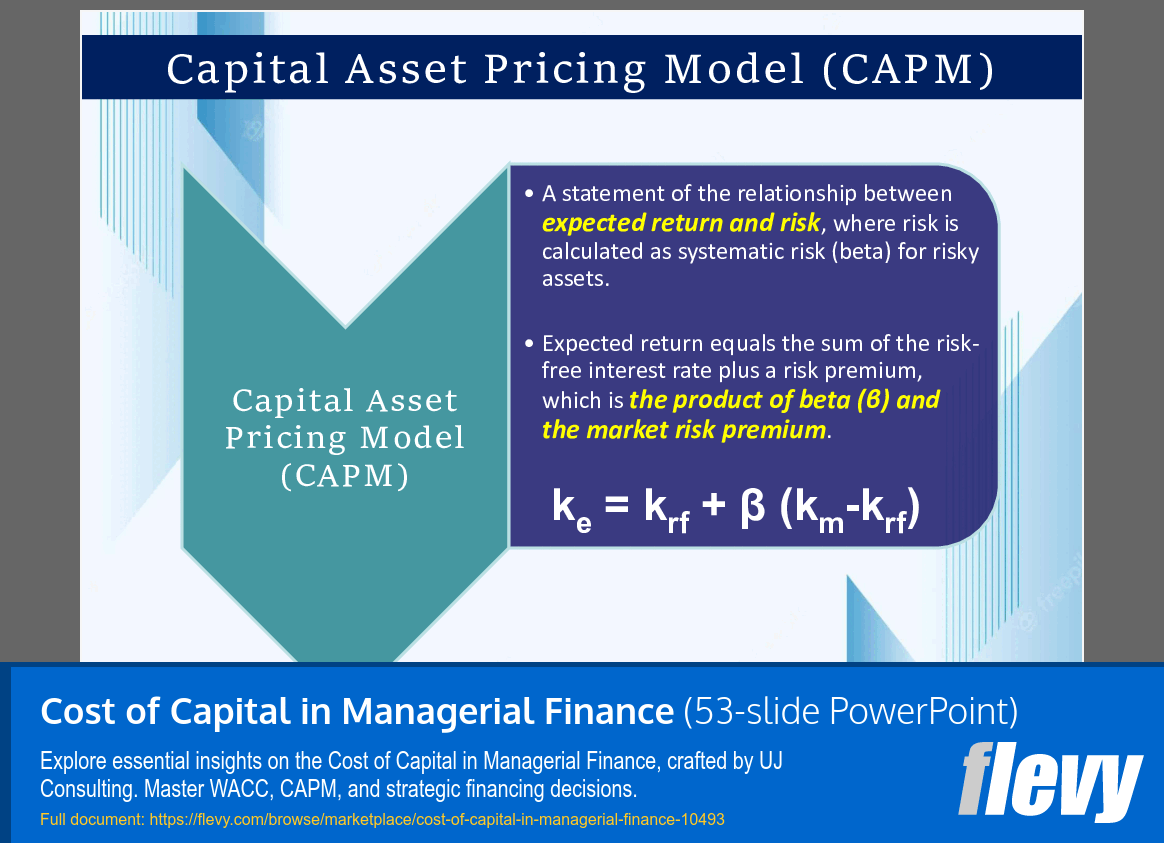
7. Capital Asset Pricing Model (CAPM)
8. Calculating the Weighted Average Cost of Capital (WACC)
9. The Required Rate of Return for Each Individual Project
10. Risks Arise from Company Policies
11. Long Term Goals of the Company
12. MVA vs EVA
13. Value Creation
14. Business Valuation : Accounting Model & Free Cash Flow Model
16. Increase Company Value by Managing Value Drivers
17. Economic Value Added (EVA)
18. Payment Based on Performance
19. Management and Employee Compensation System
20. DCF Analysis Model
21. Key Components : Cost of Capital
22. Equity Financing
23. Advantages Associated with Equity as a Form of Financing
24. Characteristics of Debt Financing
25. The Major Issue with Using Debt
26. Important Determinants of Capital Structure
In capital budgeting, accurately estimating the cost of capital is critical to assessing project risk and determining the Net Present Value (NPV) or Internal Rate of Return (IRR). A company's cost of capital is directly influenced by its capital structure and these two concepts are the focus of this topic.
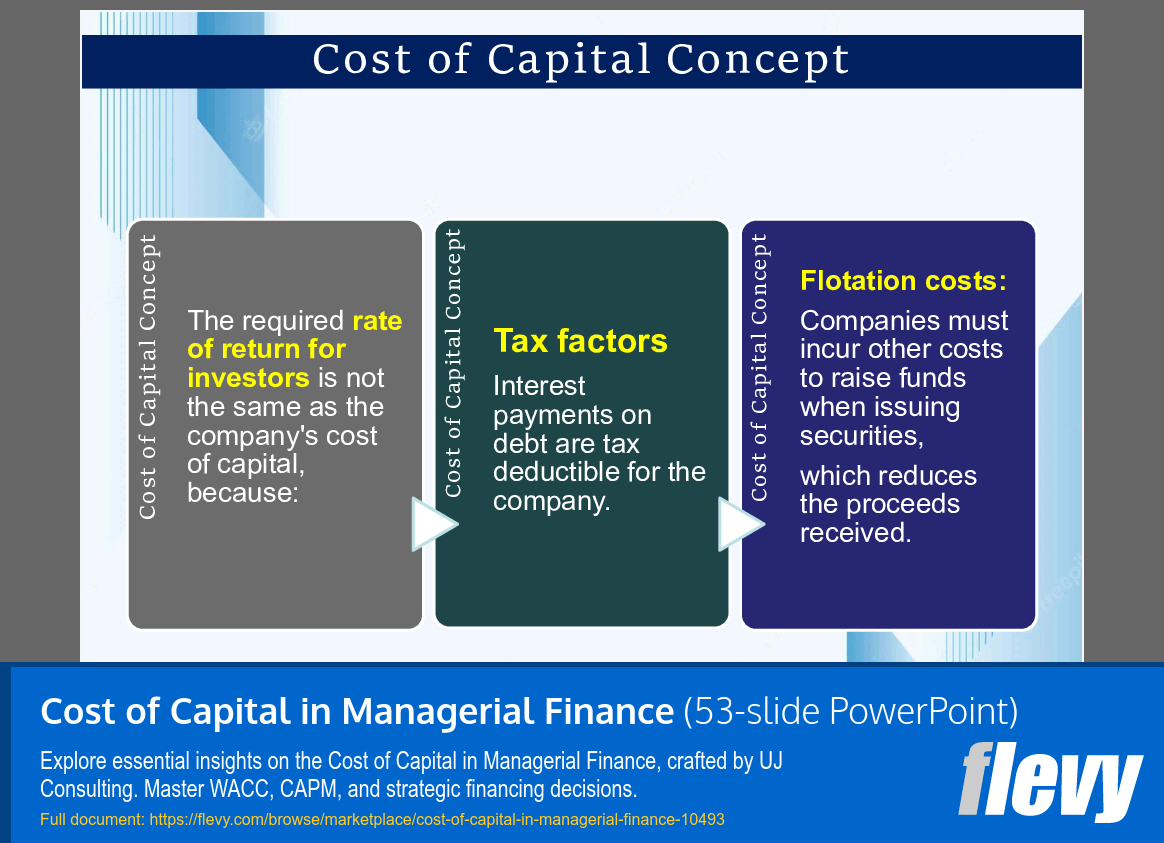
Capital structure refers to the mix of debt and equity a company uses to finance its operations and investments, while cost of capital is the rate of return required by investors and lenders to fund these activities. As explained in the last topic, this cost of capital plays a central role in capital budgeting as it serves as the discount rate used to evaluate the viability of long-term investment projects.
Capital structure is directly related to the financing decision, the second key area of corporate financial decision-making. The financing decision focuses on determining how a company will fund its operations and investments by choosing an appropriate mix of debt and equity. Capital structure represents the outcome of this decision, reflecting the proportions of these funding sources.
An optimal capital structure balances the benefits and costs of debt and equity, minimizing the company's overall cost of capital while managing financial risk. For example, using debt can be advantageous due to tax-deductible interest payments, but excessive reliance on debt increases the risk of financial distress. Equity, while more expensive, provides flexibility and reduces default risk. The financing decision ensures that the capital structure aligns with the company's strategic objectives, risk tolerance, and market conditions, ultimately influencing its ability to achieve sustainable growth and value creation.
Thank you
UJ Consulting
Got a question about the product? Email us at support@flevy.com or ask the author directly by using the "Ask the Author a Question" form. If you cannot view the preview above this document description, go here to view the large preview instead.
Source: Best Practices in Working Capital Management PowerPoint Slides: Cost of Capital in Managerial Finance PowerPoint (PPTX) Presentation Slide Deck, UJ Consulting _ Strategy-Insight-Impact
ABOUT THE AUTHOR

UJ Consulting | Strategy • Insight • Impact
UJ Consulting is an executive management consulting and business transformation practice founded by Untung Juanto, ST., MM., a senior executive, consultant, and transformation practitioner with more than 25 years of professional experience across local and multinational companies and diverse industries.
His career progressed from frontline
... [read more]
Ask the Author a Question
You must be logged in to contact the author.




























