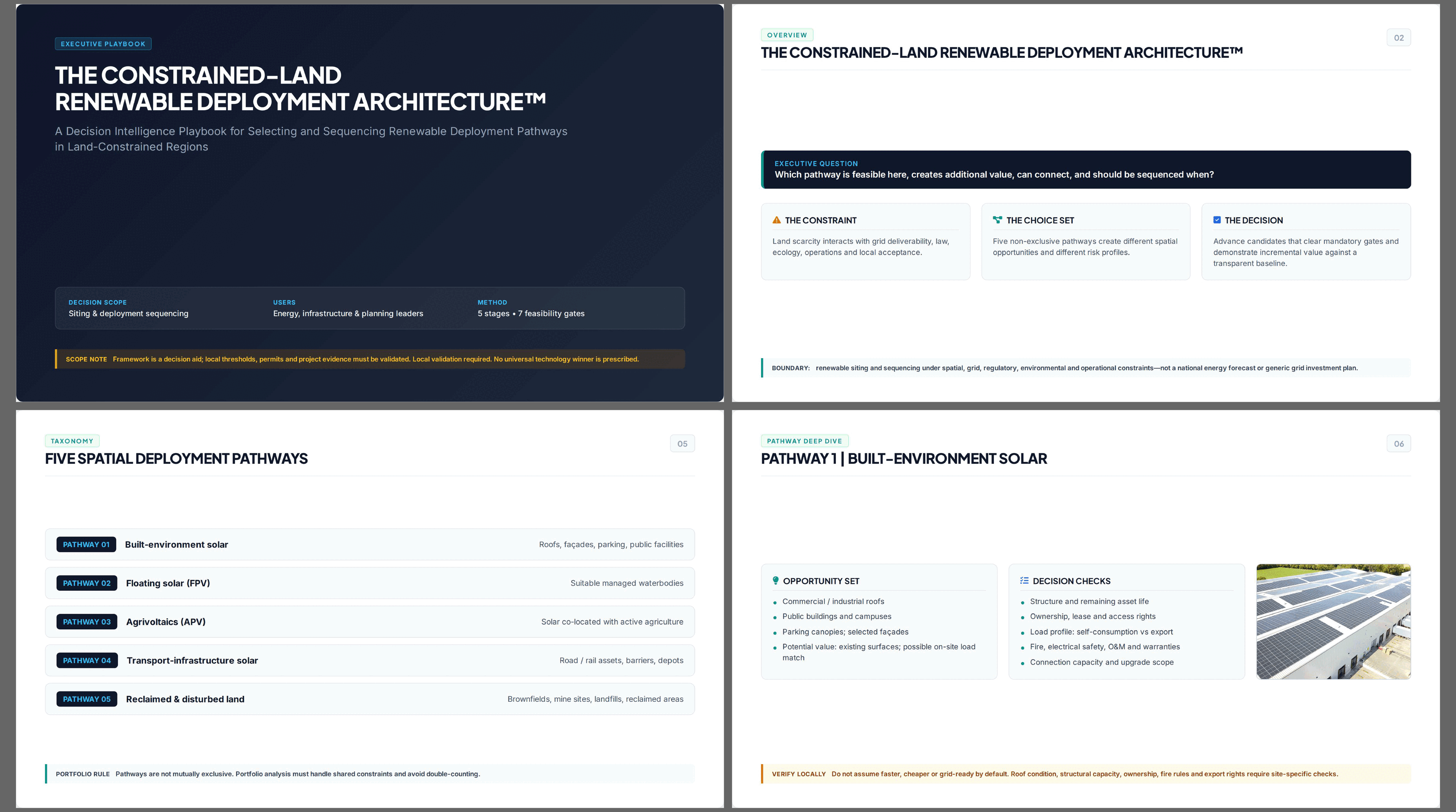

 Click main image to view in full screen. Unlock all 12 preview images:
Constrained-Land Renewable Deployment Architecture™ – PDF
PDF document 26 Pages


BENEFITS OF THIS DOWNLOADABLE PDF DOCUMENT
- Provides a structured, five-stage decision architecture to screen, compare, and sequence renewable deployment pathways under land, grid, regulatory, and operational constraints.
- Translates complex site conditions into a seven-gate feasibility process with explicit evidence requirements, hard stops, and conditional advancement rules.
- Supports more transparent investment decisions through incremental value comparison, consistent baselines, and a practical 90-day implementation roadmap.
RENEWABLE ENERGY PDF DESCRIPTION
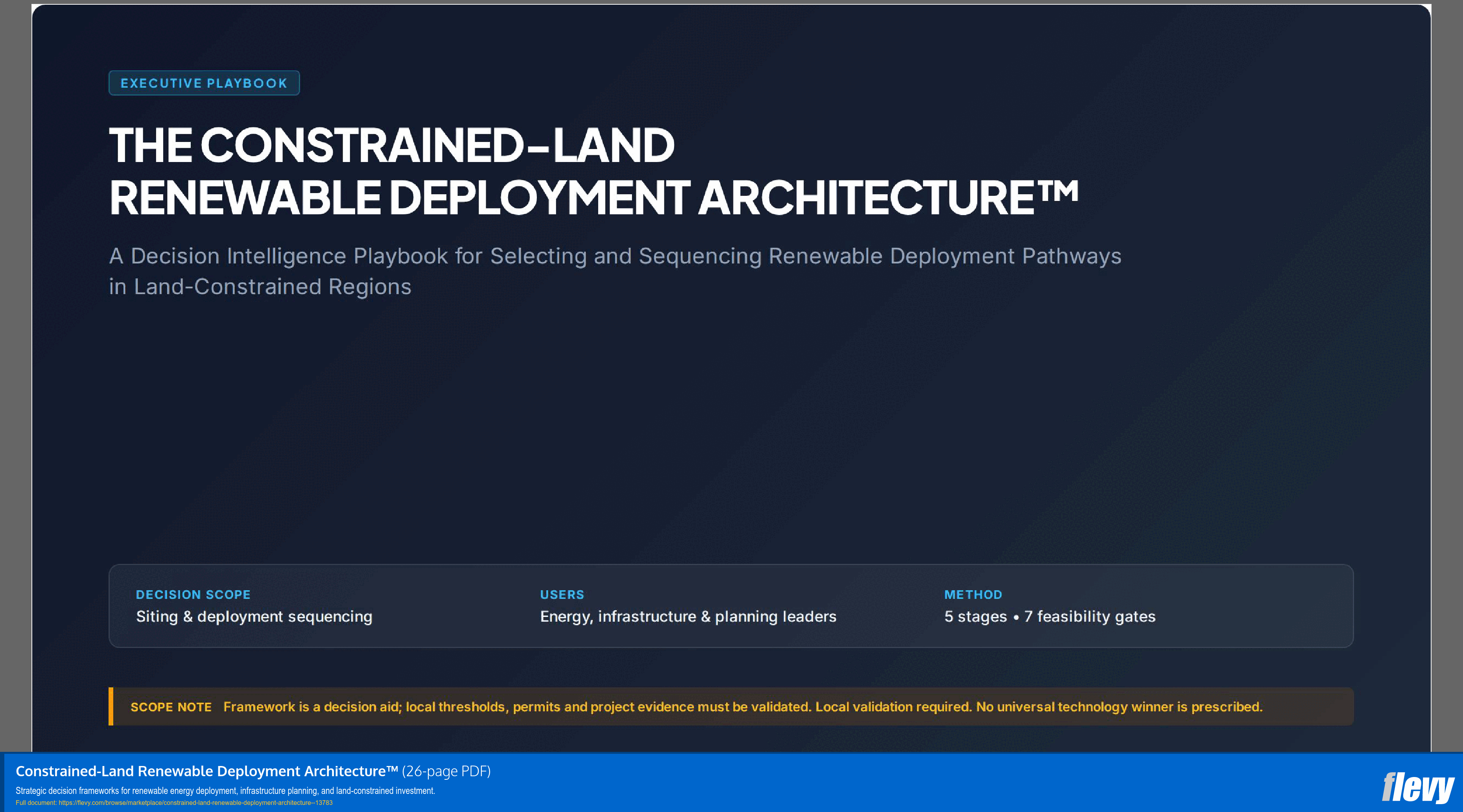
The Constrained-Land Renewable Deployment Architecture™ is a practical executive decision intelligence playbook for selecting, evaluating, comparing, and sequencing renewable energy deployment pathways in regions where land availability, grid access, regulation, environmental conditions, and operational constraints shape investment decisions.
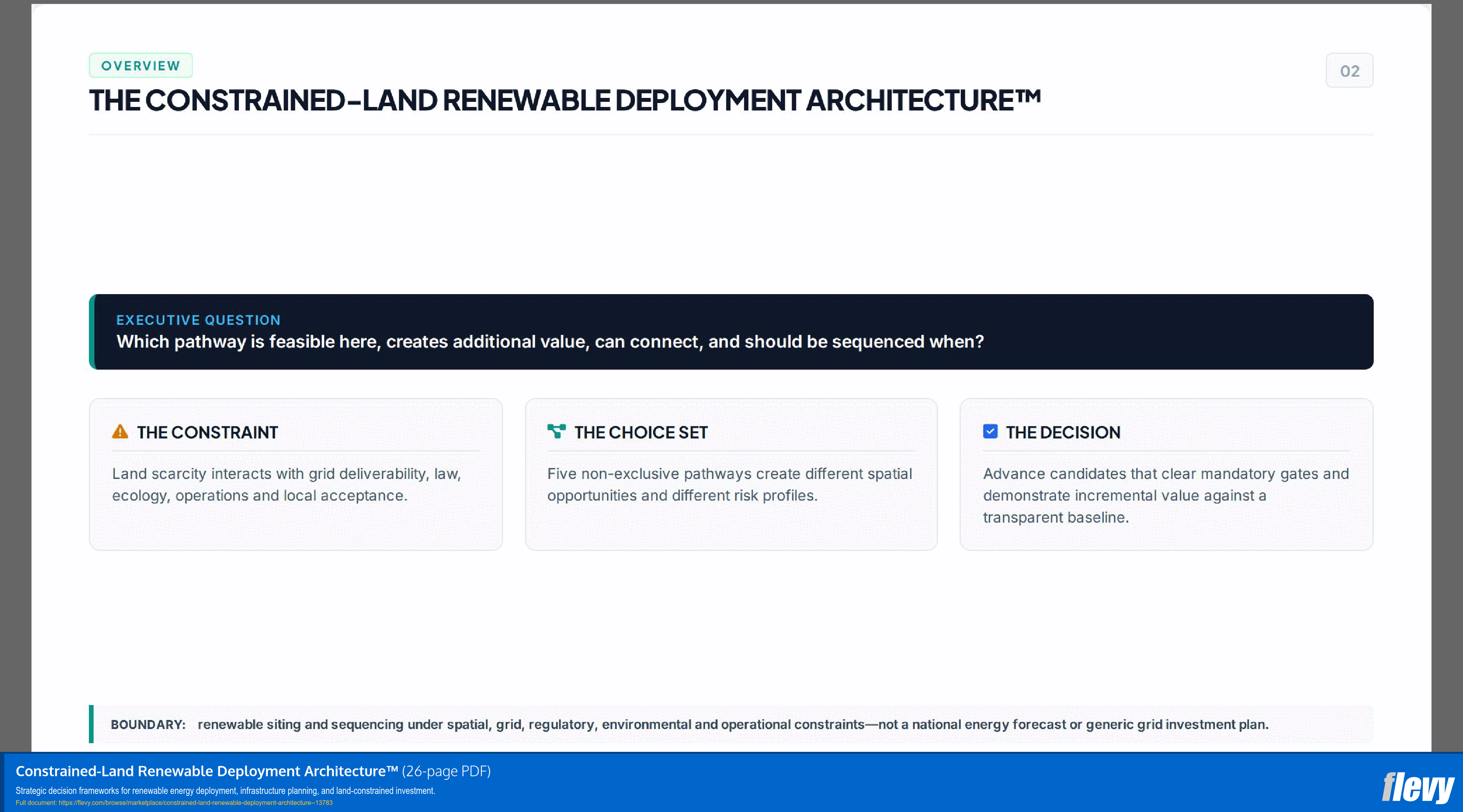
Designed for energy, infrastructure, strategy, and planning leaders, this playbook provides a structured method for moving beyond technology selection toward a more disciplined question: which deployment pathway is feasible in a specific location, creates incremental value, and can be responsibly advanced?
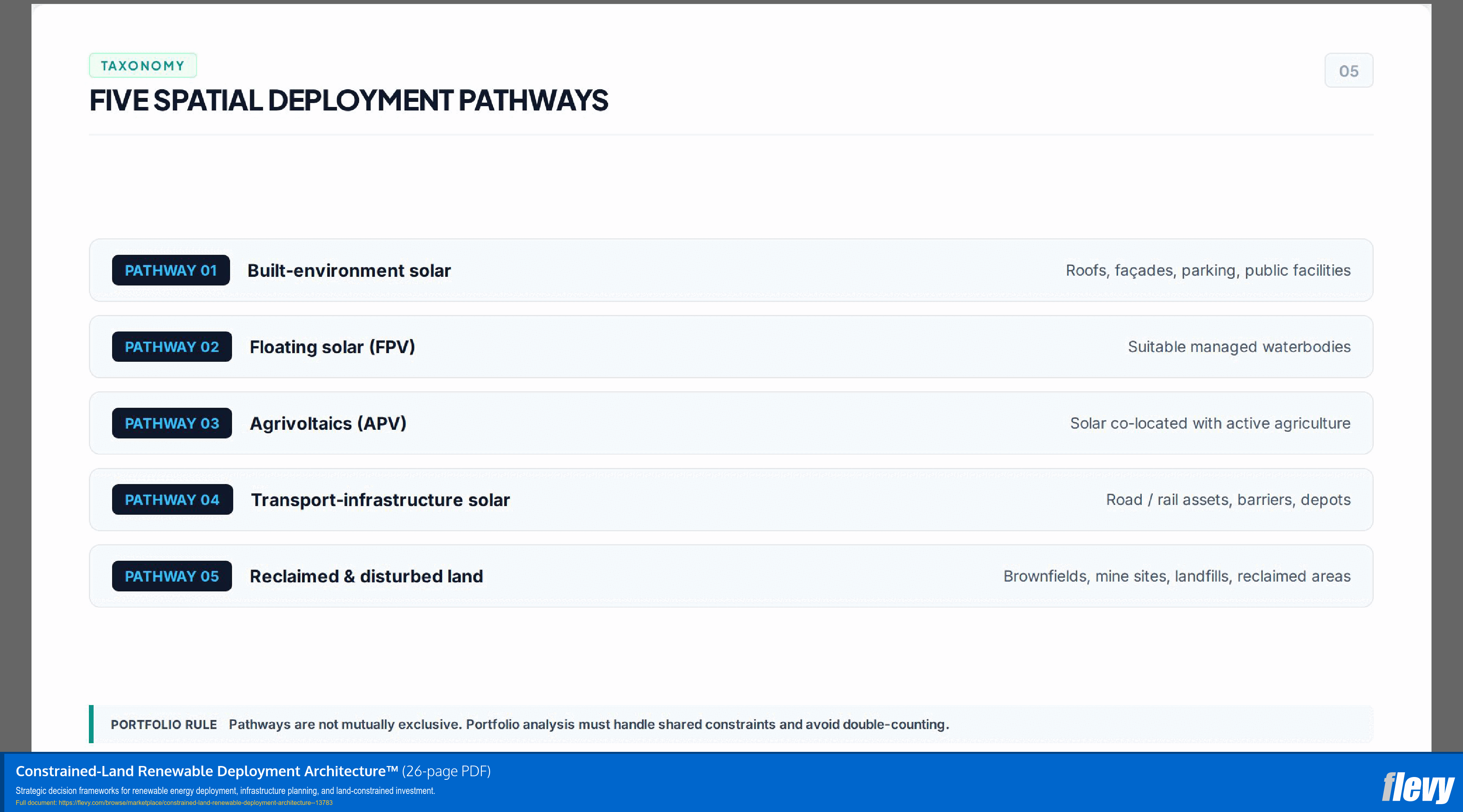
Rather than prescribing a universal technology winner, the architecture evaluates five non-exclusive deployment pathways:
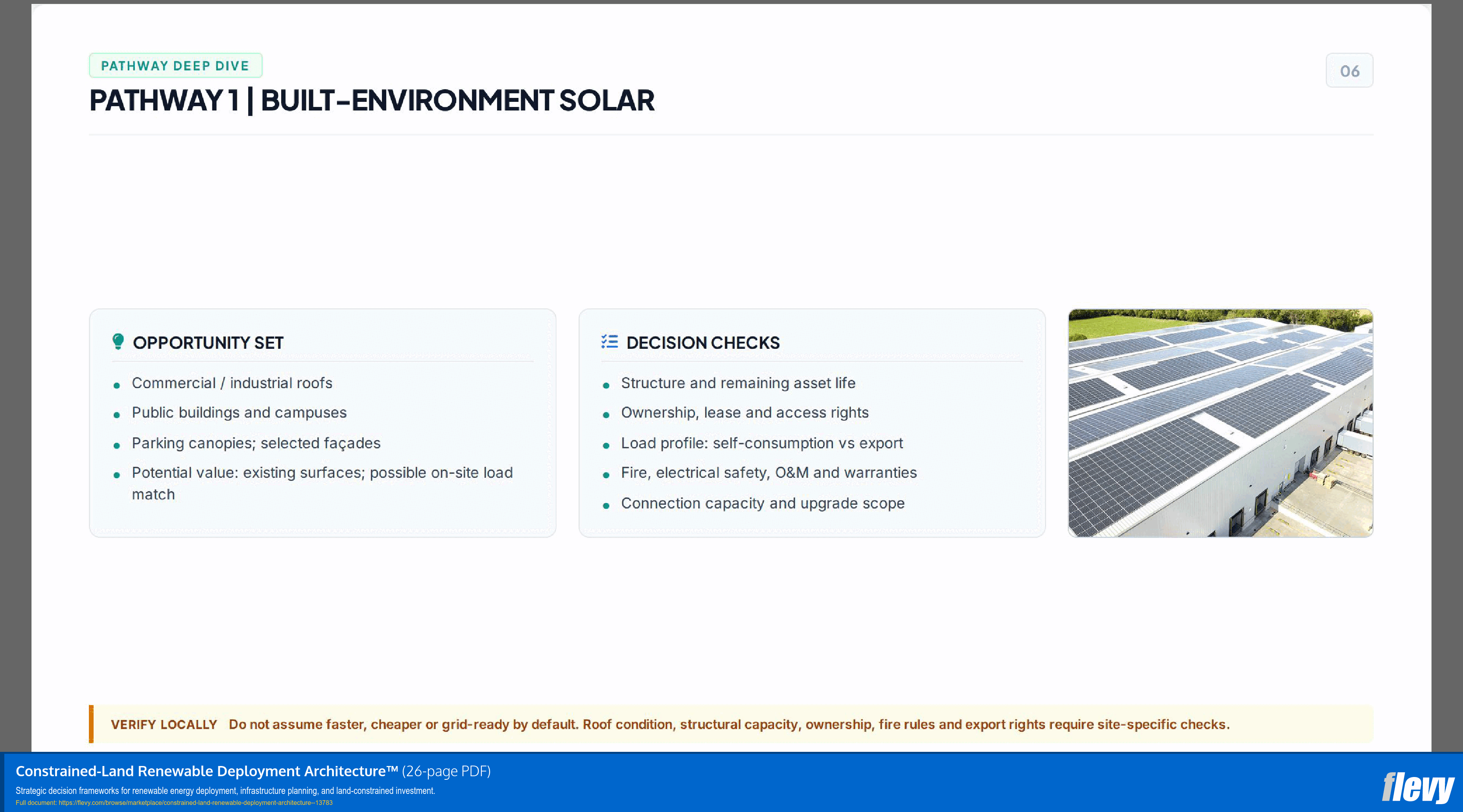
• Built-environment solar – utilizing suitable rooftops, façades, parking areas, and public facilities.
• Floating solar (FPV) – assessing suitable managed waterbodies and their site-specific operating conditions.
• Agrivoltaics (APV) – evaluating solar deployment co-located with active agricultural production.
• Transport-infrastructure solar – exploring opportunities around roads, rail assets, stations, depots, and related infrastructure.
• Reclaimed and disturbed land – considering brownfields, former industrial sites, mine lands, and other previously disturbed areas.
The playbook organizes these pathways into a five-stage decision sequence: diagnose constraints, map opportunities, test feasibility, compare incremental value, and sequence the portfolio.
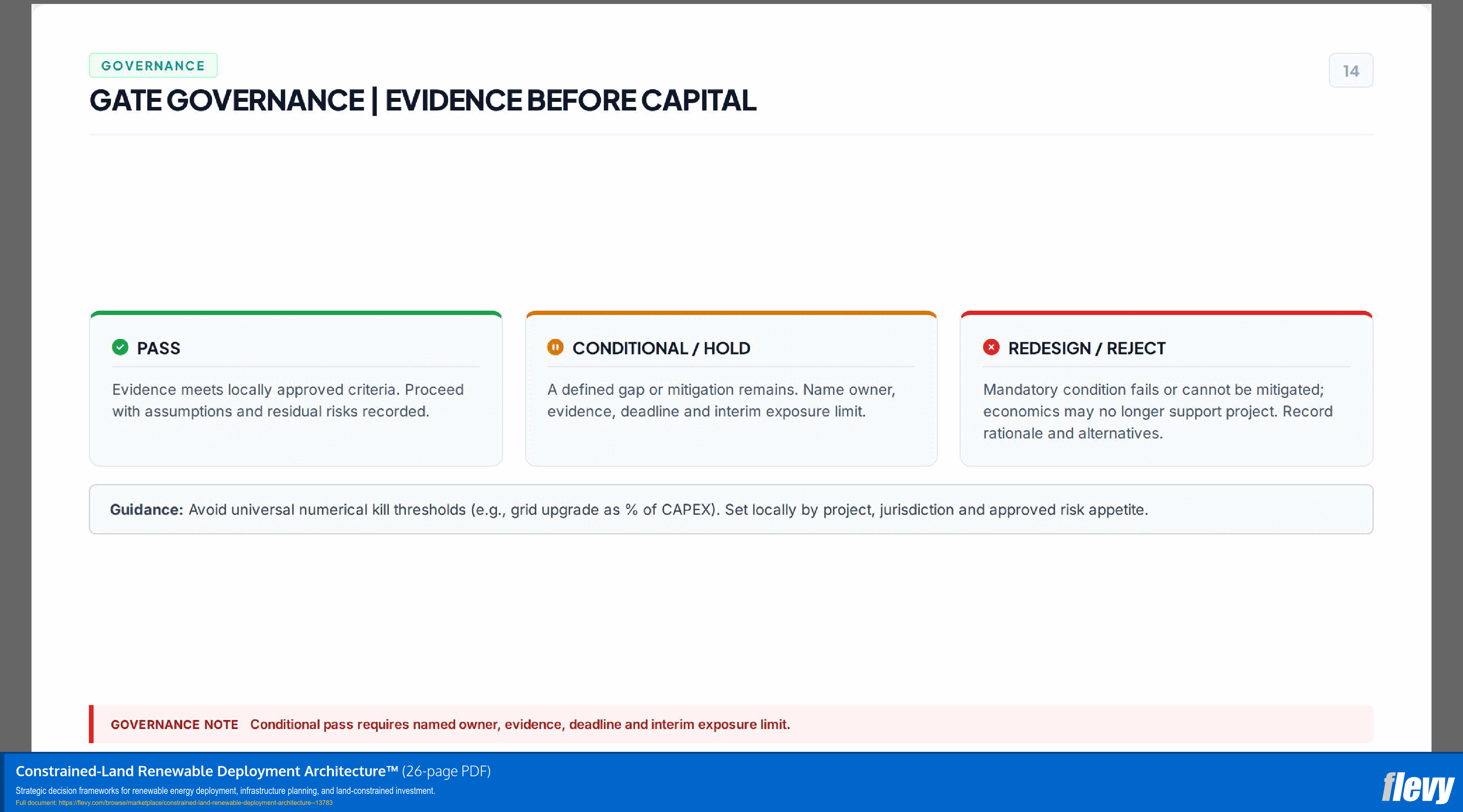
Its seven-gate feasibility screen covers technical, grid access, economic, environmental, legal and regulatory, social, and operational requirements. Mandatory conditions are treated as non-compensatory: a strong score in one area cannot offset an unresolved critical constraint in another. Conditional advancement requires explicit evidence, ownership, mitigation, and deadlines.
Inside, you will find:
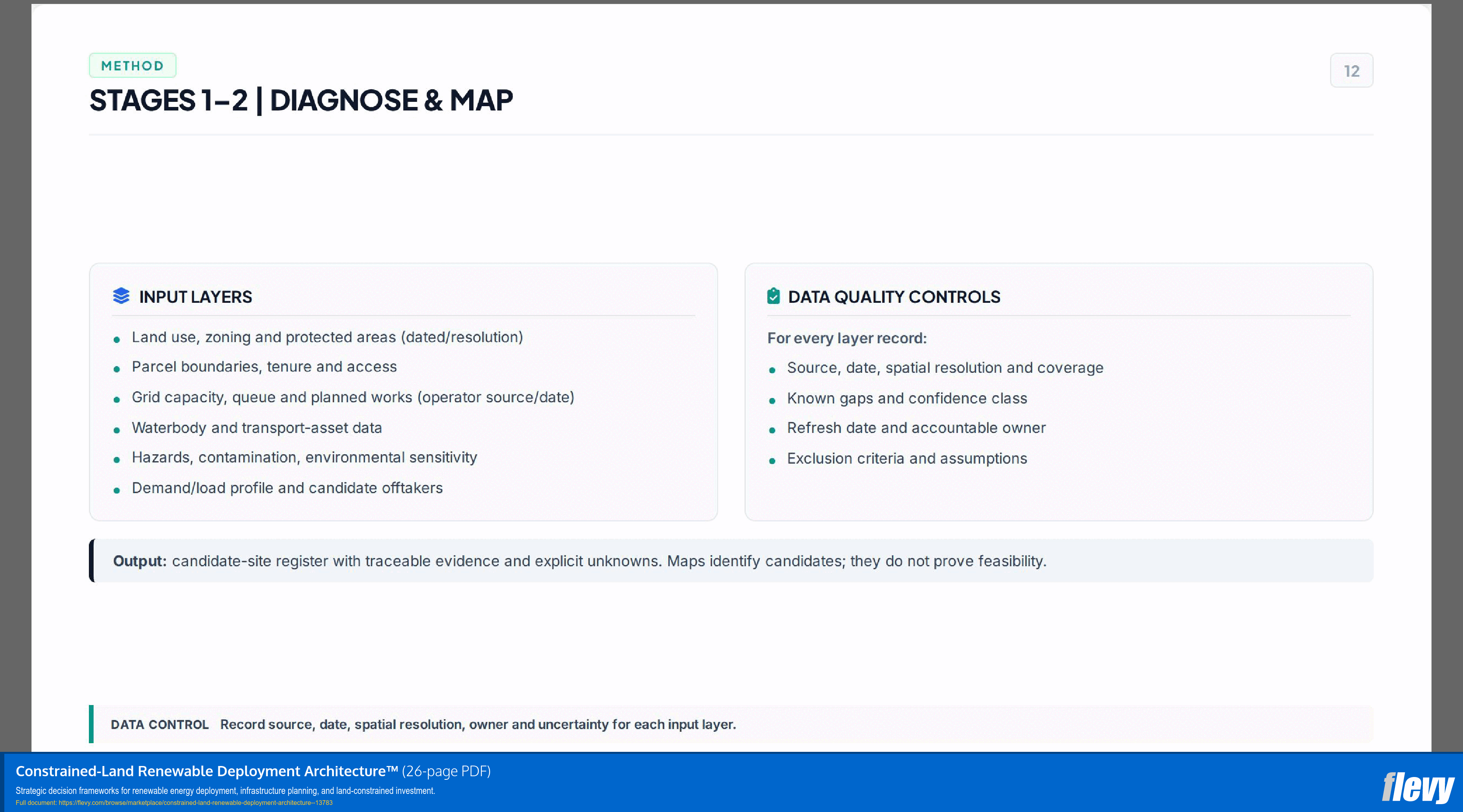
• A structured approach to diagnosing spatial, regulatory, social, and grid constraints.
• A candidate-site mapping and data-quality discipline.
• A seven-gate feasibility screen with practical decision outcomes.
• A governance model for evidence, conditions, and investment readiness.
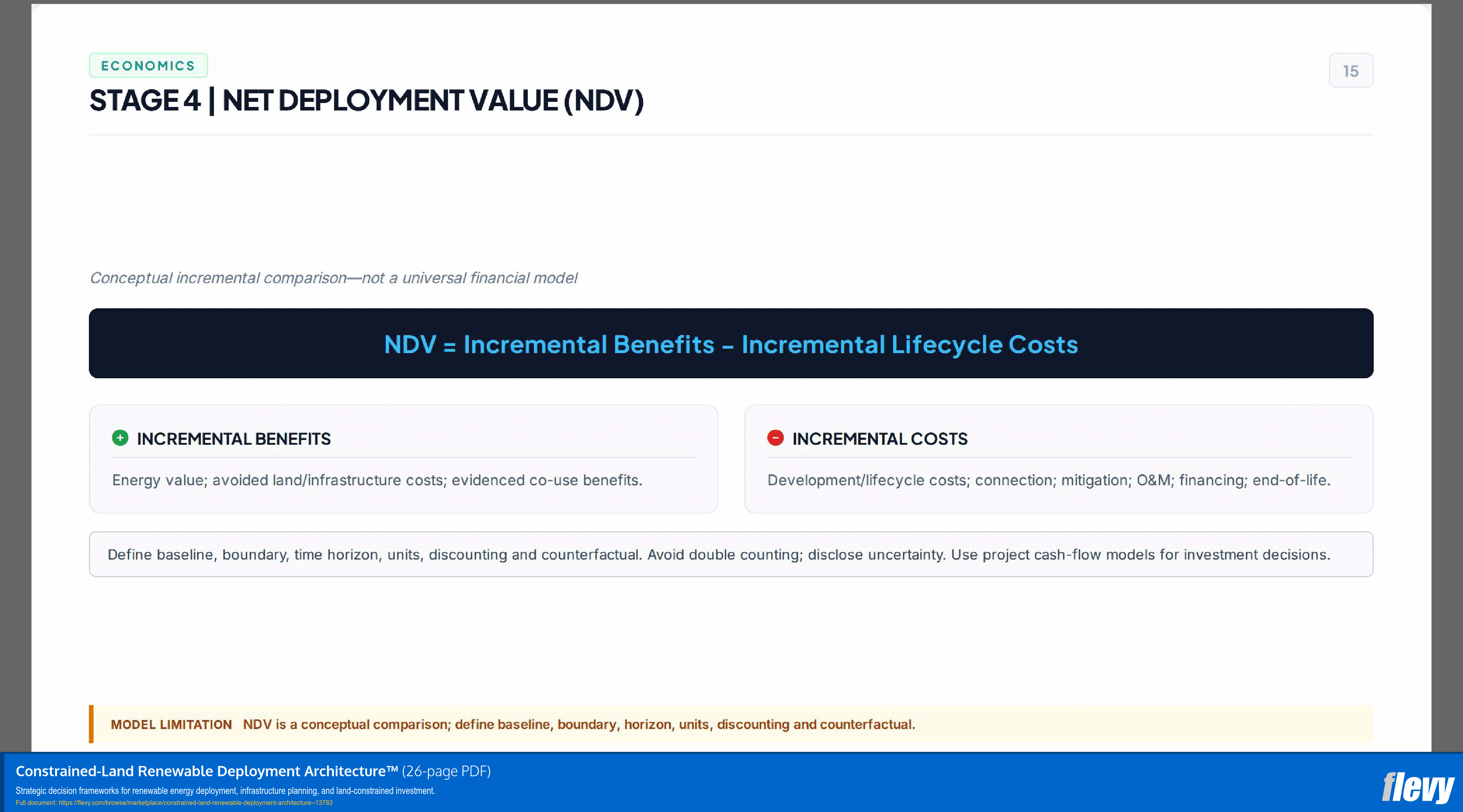
• A Net Deployment Value (NDV) concept for comparing incremental benefits against incremental lifecycle costs, with explicit attention to baselines, boundaries, time horizons, discounting, counterfactuals, and double counting.
• A like-for-like comparison matrix and portfolio sequencing logic.
• An illustrative South Korea context, including a disciplined distinction between announced plans and confirmed operating capacity.
• A first-90-days implementation roadmap and publication evidence controls.
The framework is designed for adaptation across island and micro-state settings, dense industrial regions, agricultural landscapes, and reclaimed or disturbed land. It transfers the decision method—not universal thresholds, country rankings, or assumed technology outcomes.
Use this playbook to structure early-stage screening, improve cross-functional decision quality, identify evidence gaps, and build a transparent sequence of renewable deployment opportunities grounded in local conditions.
Got a question about the product? Email us at support@flevy.com or ask the author directly by using the "Ask the Author a Question" form. If you cannot view the preview above this document description, go here to view the large preview instead.
Source: Best Practices in Renewable Energy, Solar Energy PDF: Constrained-Land Renewable Deployment Architecture™ PDF (PDF) Document, Wisnu Pandega Wardana
ABOUT THE AUTHOR

I am an independent Industrial Intelligence and Strategic Innovation Publisher focused on developing structured business intelligence, innovation frameworks, and opportunity-oriented research for decision-makers.
My work focuses on translating emerging technologies, industrial transformation, sustainability, resource efficiency, and market shifts into structured intelligence assets that
... [read more]
Ask the Author a Question
You must be logged in to contact the author.




























