 Click main image to view in full screen.


ARTIFICIAL INTELLIGENCE PDF DESCRIPTION
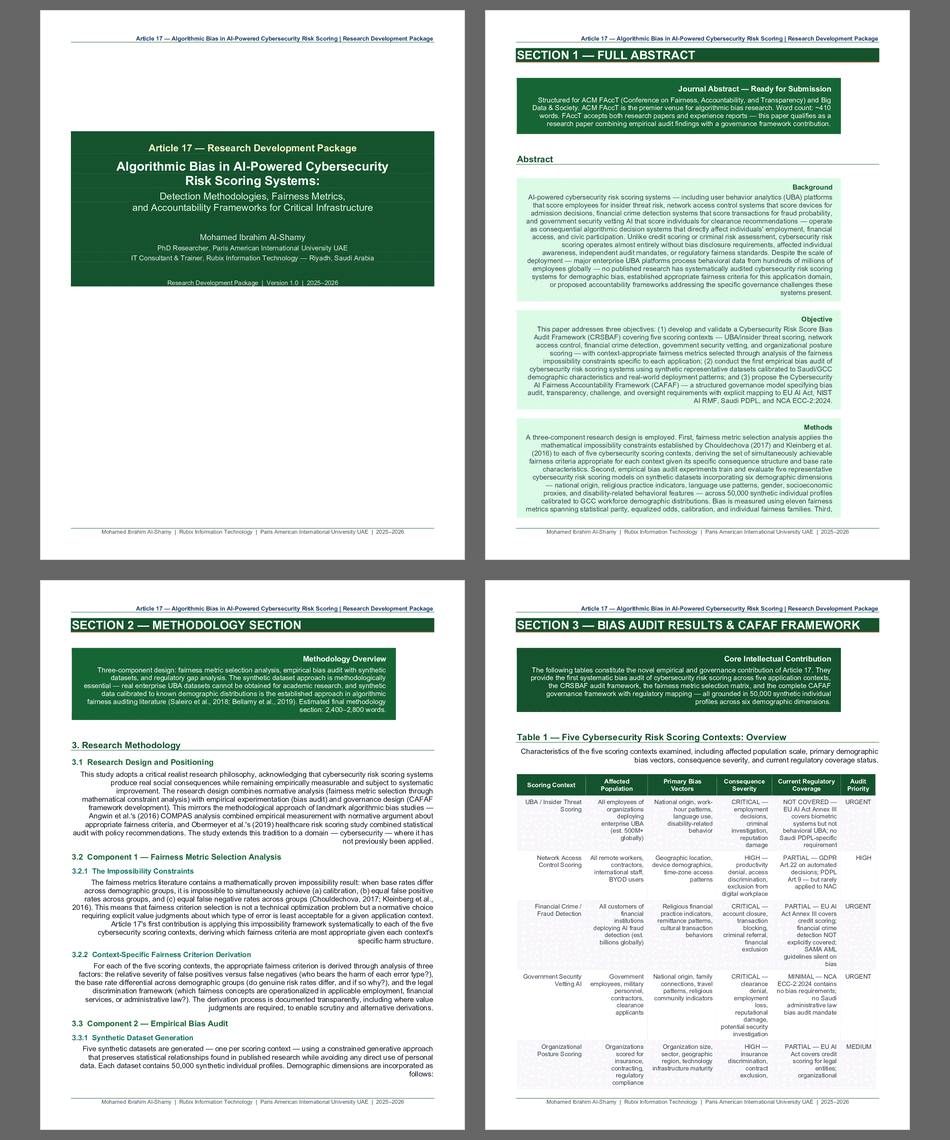
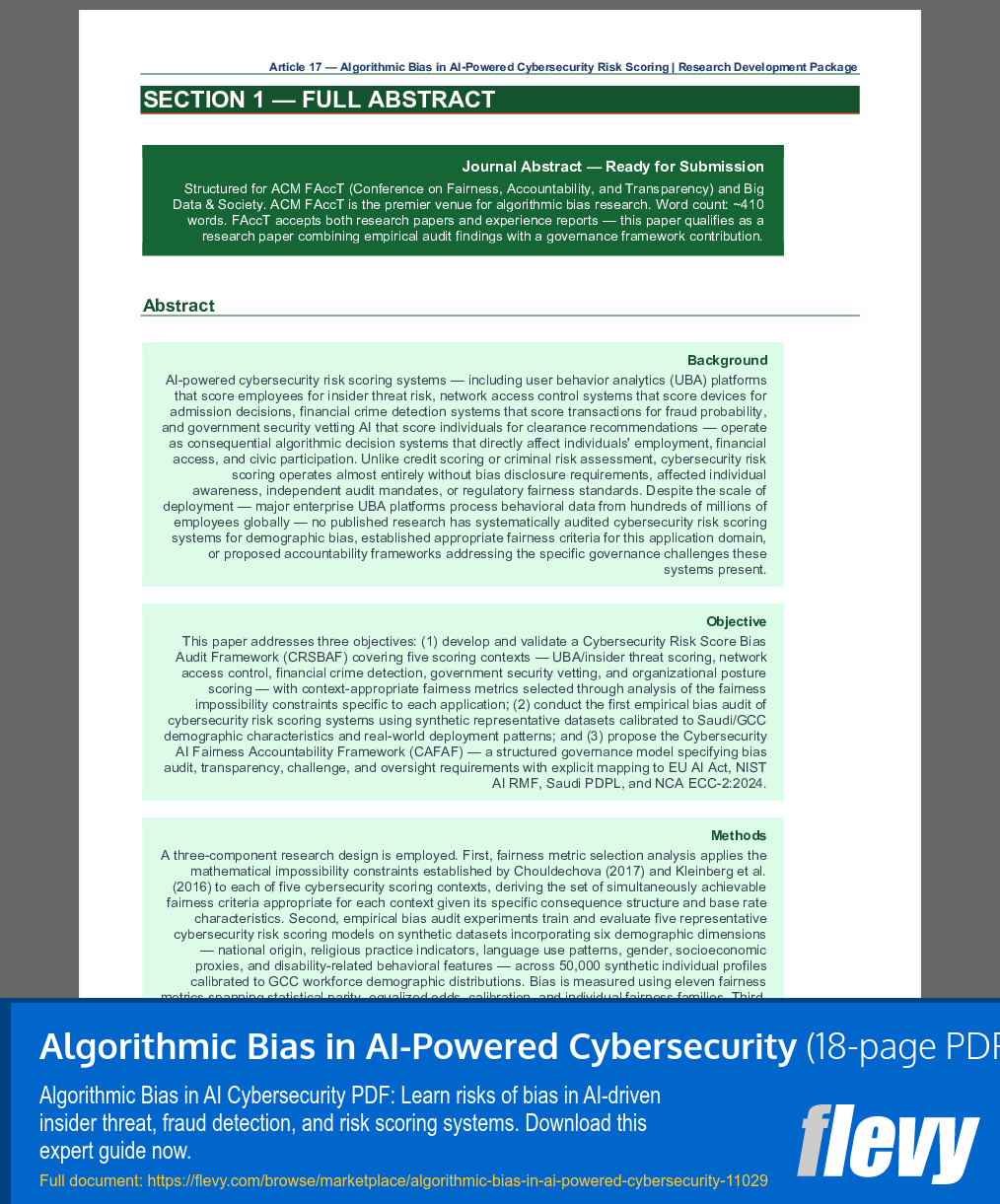
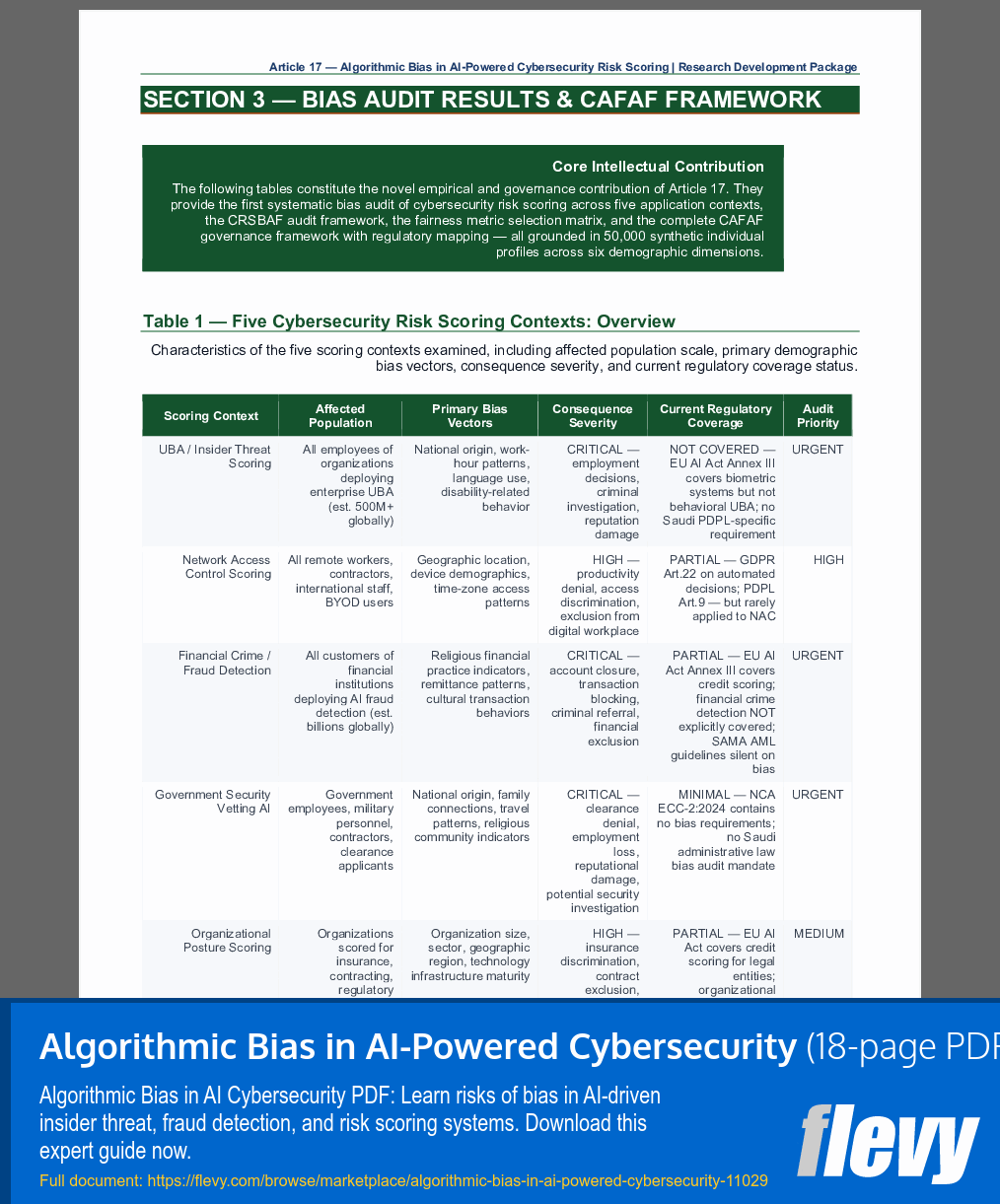
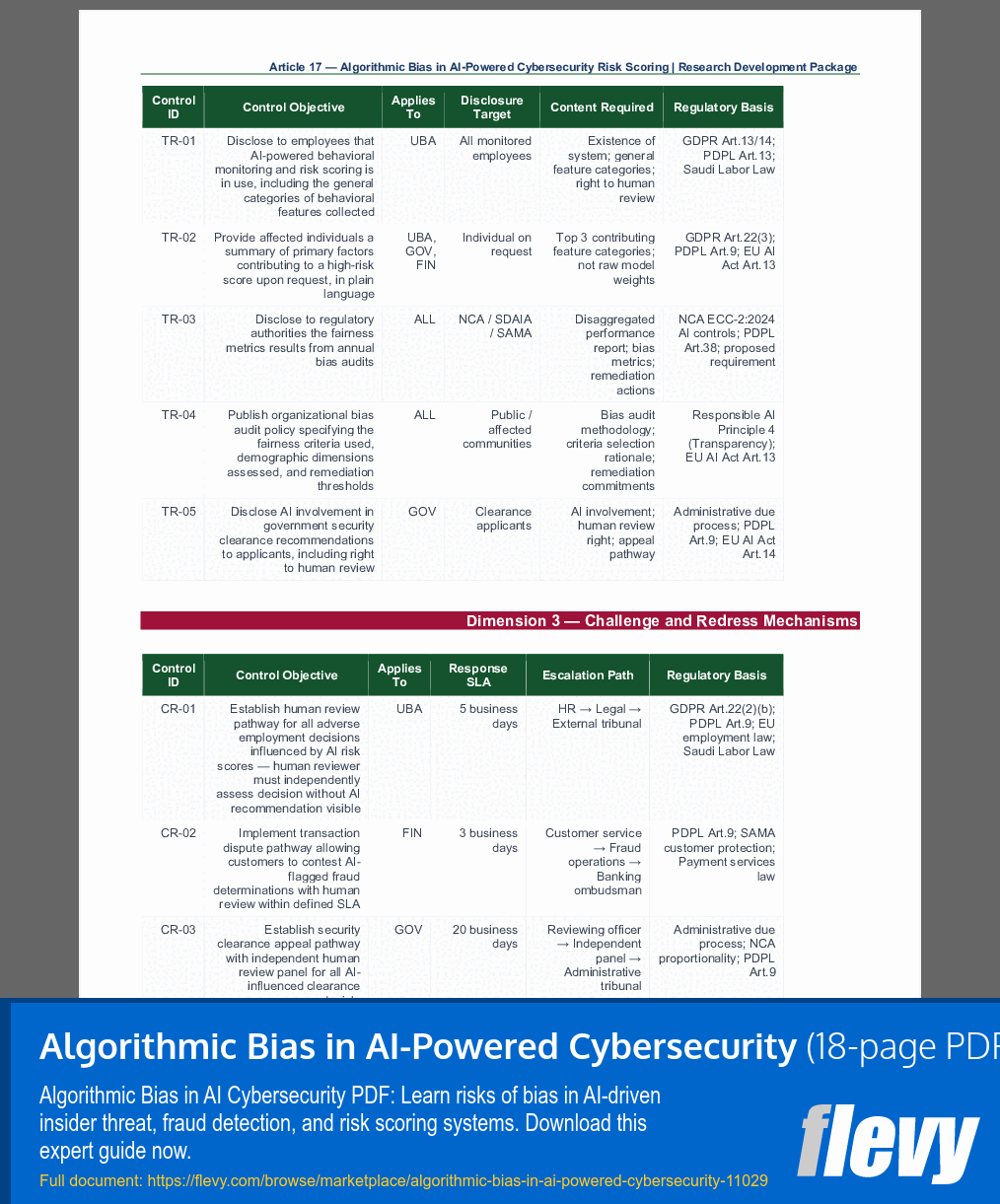
AI-powered cybersecurity risk scoring systems—including user behavior analytics (UBA) platforms that score employees for insider threat risk, network access control systems that score devices for admission decisions, financial crime detection systems that score transactions for fraud probability, and government security vetting AI that scores individuals for clearance recommendations—operate as consequential algorithmic decision systems that directly affect individuals' employment, financial access, and civic participation. Unlike credit scoring or criminal risk assessment, cybersecurity risk scoring operates almost entirely without bias disclosure requirements, affected individual awareness, independent audit mandates, or regulatory fairness standards. Despite the scale of deployment—major enterprise UBA platforms process behavioral data from hundreds of millions of employees globally—no published research has systematically audited cybersecurity risk scoring systems for demographic bias, established appropriate fairness criteria for this application domain, or proposed accountability frameworks addressing the specific governance challenges these systems present.
Got a question about the product? Email us at support@flevy.com or ask the author directly by using the "Ask the Author a Question" form. If you cannot view the preview above this document description, go here to view the large preview instead.
Source: Best Practices in Artificial Intelligence, Cyber Security PDF: Algorithmic Bias in AI-Powered Cybersecurity PDF (PDF) Document, Mohamed Alshamey
ABOUT THE AUTHOR

Senior Consultant in Cybersecurity GRC, Data Governance, Cybersecurity, Privacy, and Data Management, with over 20 years of experience in information technology, consulting, training, and technical capacity building. holds a PhD. In AI & Data Privacy, he has a master's degree in cybersecurity and is currently pursuing research focused on data privacy. possesses extensive expertise in ... [read more]
Ask the Author a Question
You must be logged in to contact the author.




























